2 Days in Kyoto Itinerary
If you only have 2 days in Kyoto, don’t worry: even a short stay can give you a trip you’ll remember for a long time. Ideally you’d have at least 3 or 4 days, so you could explore the area around Kyoto, see Nara without rushing, and maybe add Arashiyama or a few less touristy temples. Still, 2 full, well-planned days are enough to see all the most famous sights. If you want to look at a longer itinerary, read my article on 3 or 4 days in Kyoto too. But if you’re doing the classic route, coming from Tokyo and moving on to Osaka afterward, I’ll take you step by step through the best Kyoto has to offer in just two days.
Contents
- Day 1: Kyoto's classic sights
- Kinkakuji, the Golden Pavilion
- Ryoanji, the most famous Zen garden
- Nishiki Market, Japanese flavors and chaos
- Kiyomizudera and the lanes of Sannenzaka
- Gion, Kyoto's geisha district
- Day 2: Fushimi Inari, Nara and Osaka in one day
- Fushimi Inari and its red torii at dawn
- Nara, free-roaming deer and the Great Buddha
- Osaka, street food and lights in Dotonbori
- Is all this doable in one day?
- A second day without leaving Kyoto
- Where to stay in Kyoto
- Alternatives to Ryoanji
- Eating in Kyoto
- A small tip from me
- When your two days are really a day and a half
- Yes, 2 days in Kyoto can work, and work well
Day 1: Kyoto’s classic sights
The first day is all about getting a feel for what Kyoto really is: spectacular temples, historic lanes, food stalls and hidden corners that look straight out of a movie.
Kinkakuji, the Golden Pavilion
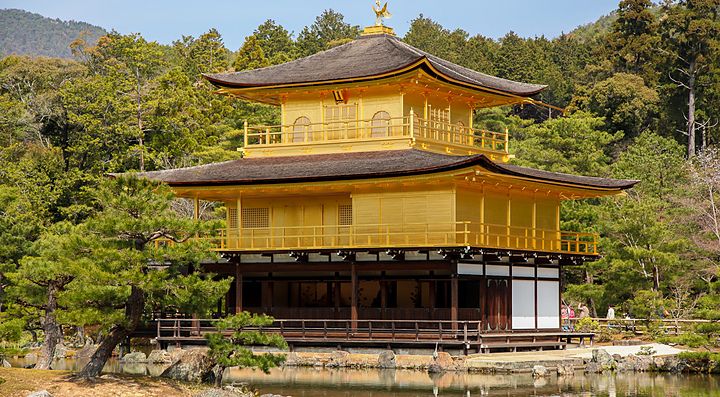
You start with a bang. Kinkakuji is one of Japan’s most famous temples, and its pavilion covered in gold leaf is mirrored in a picture-perfect pond. Get there early in the morning, at opening time if you can, so you miss the crowds.
The visit itself is fairly quick, but the beauty of the place stays with you for the rest of the day. It’s hard to put into words, and you really have to see it in person. Don’t stop at the classic postcard shot. Walk the path slowly and take in the gardens, the trees and the shifting colors of the water.
Ryoanji, the most famous Zen garden
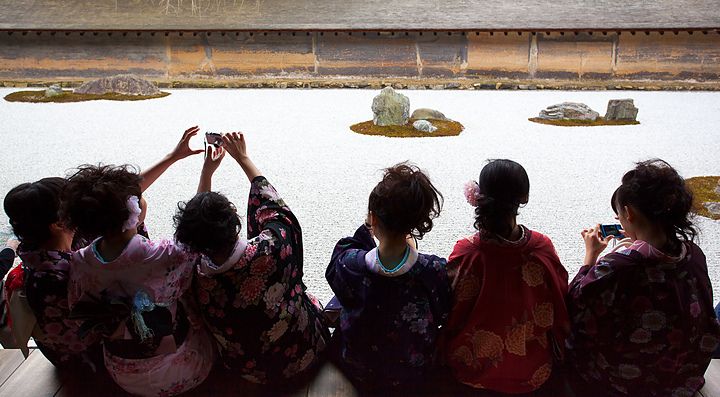
If you’d like to add a short but worthwhile stop before lunch, I recommend nearby Ryoanji, famous for its Zen rock garden. It’s a place for silence and contemplation, completely different from Kinkakuji but just as memorable. You can skip it if you’re short on time, but if the more spiritual side of Japan appeals to you, it’s a stop you’ll get a lot out of.
Nishiki Market, Japanese flavors and chaos
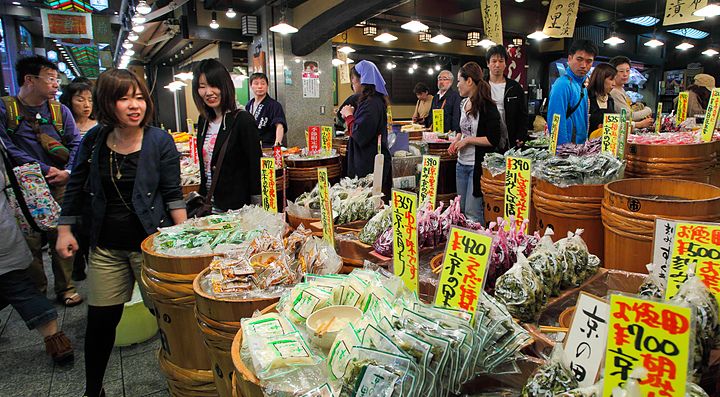
For lunch, head to Nishiki Market in central Kyoto, which is basically one long corridor of food. You can try local dishes straight from the stalls: takoyaki, super-fresh sashimi, filled mochi, yuba (the “skin” of tofu) and all kinds of strange, curious things.
It’s more than a market. It’s a window into the flavors and everyday habits of Japan. Take your time, try as many things as you can, and then maybe duck into one of the small restaurants nearby to sit down and recharge. If you want, you can also pick up a few local souvenirs, like handmade knives, decorated chopsticks and odd snacks to take home.
Kiyomizudera and the lanes of Sannenzaka
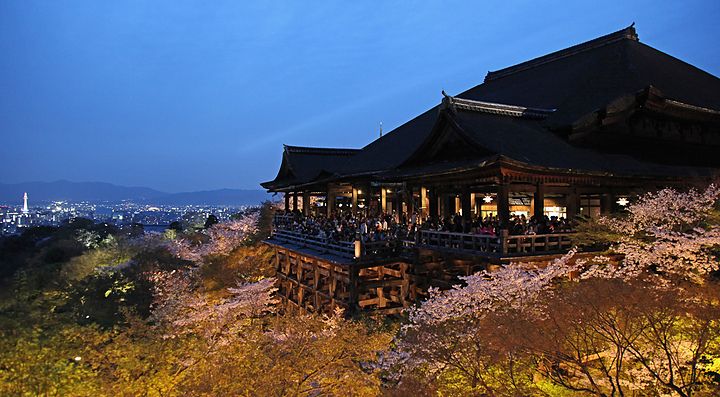
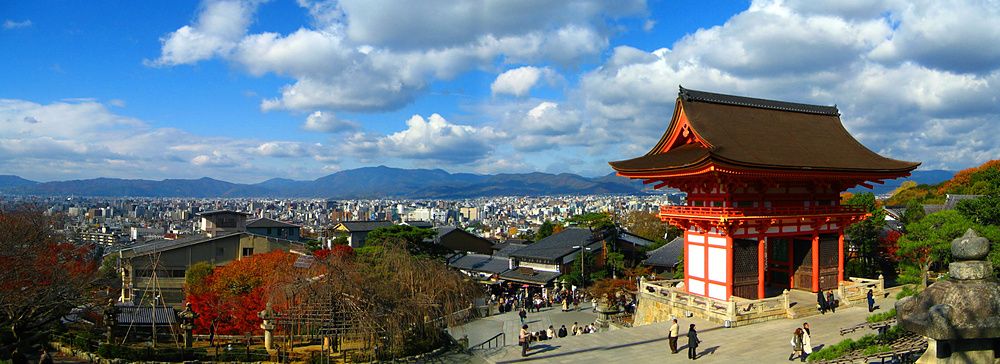
After lunch, head up to Kiyomizudera, one of Kyoto’s most spectacular temples. The walk up is already a treat, with cobblestone lanes, small traditional houses and old shops. Sannenzaka and Ninenzaka are perfect for wandering through old Kyoto, taking great photos and stopping for a matcha ice cream or a wagashi sweet.
The temple stands on a wooden terrace, and from up there you get an incredible view over the city. This is where you can get a real sense of old Japan, especially if you come in the late afternoon, when the light changes and the atmosphere turns almost magical.
Gion, Kyoto's geisha district
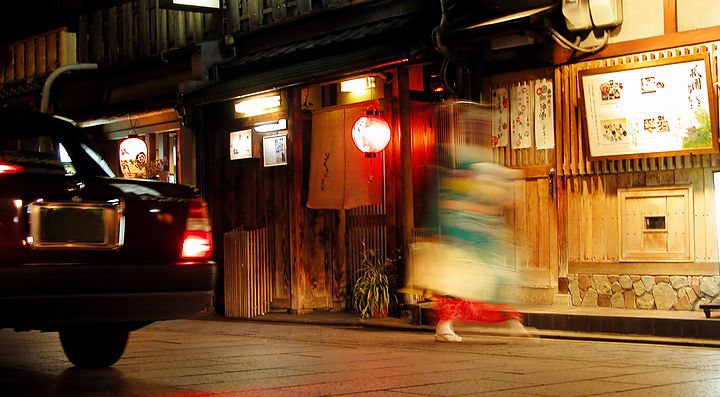
As the sun starts going down, I suggest heading to Gion, the historic geisha district. It’s a fascinating, mysterious place, with glowing lanterns, quiet lanes and low wooden houses.
Don’t expect to see a geisha on every corner. With a bit of luck you might spot one hurrying to a ryotei, and if you do, be respectful. Never stop them and don’t step in front of them to take pictures. Just enjoy the moment and keep your distance. Otherwise you can simply stroll along Hanamikoji Dori, have tea in one of the many cafes or eat at a traditional restaurant.
Day 2: Fushimi Inari, Nara and Osaka in one day
Day two moves a bit faster, and that’s exactly why it’s so much fun. The plan is to combine Fushimi Inari, Nara and, if you still have the energy, a quick trip to Osaka in the late afternoon or evening.
Fushimi Inari and its red torii at dawn
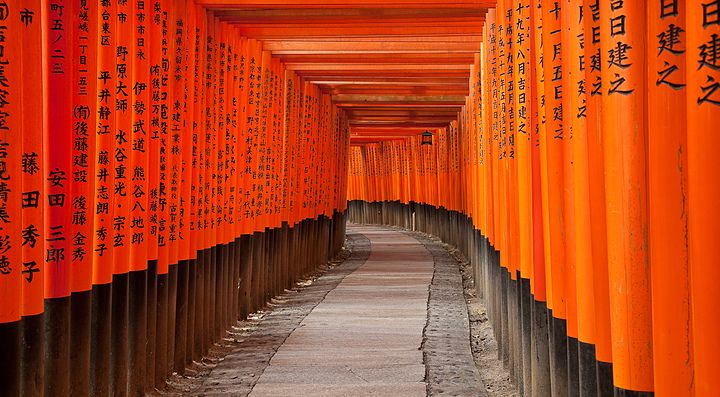
Start early, because this one is absolutely worth it. Fushimi Inari Shrine is one of the best-known places in Japan, with thousands of red torii lined up one after another, forming an endless tunnel up the hill. It’s open 24 hours a day, so I suggest getting there very early, before 8 if you can manage it, to enjoy the quiet and the magic without much of a crowd.
How far up you go is up to you. Reaching the top takes about an hour and a half, but even the first stretch is beautiful. Stop and take photos, but try to actually experience the place, not just photograph it. If you want a specific spot to aim for, go for the Yotsutsuji intersection. It’s halfway up and takes around forty minutes to reach. From there you get a view over the city, and there are a few benches where you can catch your breath. Above that point the torii thin out, the woods get quieter and you’ll meet very few people. It’s lovely, but with Nara on the schedule, this is the right time to turn back.
Moving on afterward couldn’t be easier: JR Inari Station is right next door, and that’s where you catch the direct train to Nara.
Nara, free-roaming deer and the Great Buddha
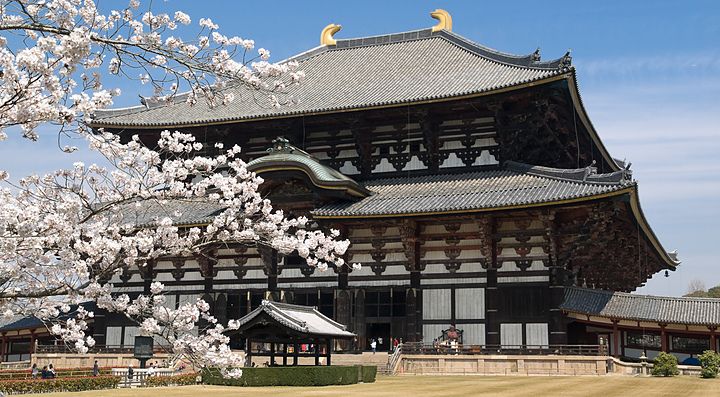
Visiting Nara is one of the most unusual experiences you can have in Japan. A few minutes’ walk from the station, you’ll find yourself surrounded by the famous free-roaming deer, which come up to you for the crackers sold right there. Many of them have learned to bow before they get their cracker, and it’s a scene that will make you laugh, guaranteed. As soon as you take the crackers out, though, they get pretty pushy. They shove, tug at your bags and follow you around, so hand them out quickly and then show your open hands so they know you’re out. Keep an eye on maps, tickets and paper bags too, because they really do eat them.
Walking among ancient temples with animals roaming free feels like nothing else, and the atmosphere is almost dreamlike. The main stop is Todai-ji, the temple that houses the Great Buddha, a huge bronze statue that will leave you speechless.
There’s more worth seeing too: the park, small shrines, green corners. If you don’t linger too long at each one, a couple of hours is enough for a nice, relaxed walk around.
Osaka, street food and lights in Dotonbori
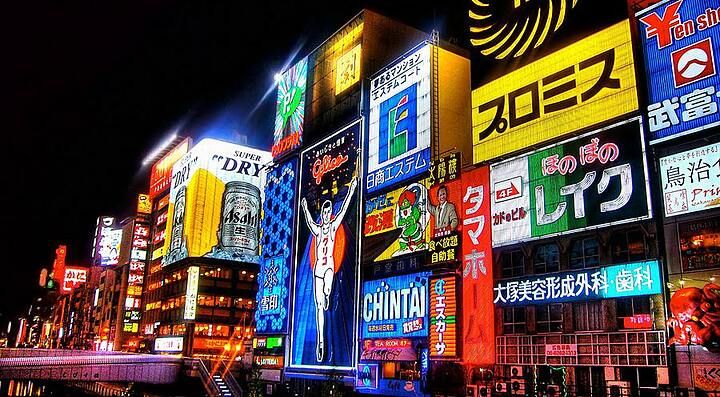
If you still feel full of energy after Nara, you can take the Kintetsu line straight from Nara to Osaka Namba and spend the evening in the liveliest part of Kansai, Dotonbori.
You don’t come here for museums or temples. You come to dive into the chaos of modern Japan, with neon signs, restaurants with giant mechanical crabs and crowds that never let up. It’s the ideal place to try local street food, like:
- Takoyaki: balls of batter with octopus inside, served piping hot with sauce, mayo and katsuobushi.
- Okonomiyaki: a sort of big Japanese omelet with cabbage, meat, fish or other ingredients.
- Kushikatsu: fried skewers you dip in the sauce (no double dipping!).
- Ramen: some chains are open 24 hours a day and serve great ramen at any hour.
In Dotonbori you can also take a short canal cruise, or walk over to Shinsaibashi, the shopping district. There’s no real itinerary here. You come to soak up the atmosphere and go with the flow.
To get back to Kyoto, take the Shinkansen from Shin-Osaka or an express train from Osaka/Umeda, and in about 30 to 40 minutes you’re back at your hotel.
Is all this doable in one day?
Yes, but you have to be realistic and flexible. This isn’t an itinerary for people who want to take it easy or who are traveling with small kids. If you like making the most of your time, though, it’s doable and a lot of fun.
Of course, if you realize once you’re there that you want more time in Nara, you can skip Osaka. Or do the opposite and go for just Fushimi Inari and Osaka, leaving out Nara. What matters is deciding on the spot, based on how you feel.
If you have more time, read my other article on 3 or 4 days in Kyoto, where I also suggest less touristy, more authentic alternatives for anyone who wants to go beyond the classic stops.
A second day without leaving Kyoto
Not everyone wants to spend day two on trains. If you’d rather stay in Kyoto, you can rework the itinerary without missing anything important. Keep Fushimi Inari at dawn, but instead of heading down to Nara, go up to Arashiyama, with its bamboo forest and Togetsukyo Bridge. It’s the greenest, most relaxed part of the city.
In the afternoon you can wrap up on the east side with Ginkakuji and the Philosopher’s Path, which take a couple of hours at an easy pace. It’s a much less hectic second day, with more time to stop and look around, and it’s the one I recommend if Kyoto already won you over on day one and you don’t feel like a change of scene.
Where to stay in Kyoto
Take a look at my article on the best hotels and ryokan in Kyoto. If you can, pick a central hotel, ideally near Kyoto Station or in the area between Gion and Kawaramachi. That way you’ll have easy access to both the trains and the sightseeing areas, as I explain in my article on where to stay in Kyoto.
Avoid areas that are too far out or too residential, because you could waste valuable time getting around, especially on an itinerary this tight.
Alternatives to Ryoanji
If you want to make a small detour on day 1, or you’d rather do something other than Ryoanji, here are a few alternatives worth considering:
- Ninna-ji: a huge, peaceful temple complex and UNESCO World Heritage Site, perfect in spring for its late-blooming cherry trees.
- Daitoku-ji: less touristy, with an incredibly genuine feel and beautifully kept Zen gardens.
- Philosopher’s Path: not to be missed in spring, and fine to skip the rest of the year.
Either way, pick just one extra stop, or you might not get to enjoy the rest of the day properly.
Eating in Kyoto
Besides Nishiki, there are plenty of places to eat well along the way:
- Near Kinkakuji: there are a few small soba or udon restaurants for a simple, quick meal.
- Between Nishiki and Gion: you’ll find more elegant places, perfect for a kaiseki dinner, wagyu beef or something else.
- In Nara: you can try Japanese curry or a vegetarian dish or two, or simply eat at the station before you leave.
- In Osaka: let the smells and colors guide you. In Dotonbori there’s street food everywhere!
If you want something more unusual, Kyoto also has several places where you can have dinner and watch traditional performances, though you need to book ahead and they cost a bit more.
A small tip from me
If you can, get up early and make the most of the early morning. Temples are much more beautiful when they’re half empty, and the morning light gives them a special feel. By around 10:30 or 11, though, the tour buses start rolling in and the experience changes completely.
One more thing: don’t rush from one place to the next just to check things off a list. Some of the best memories of Kyoto come from simply wandering down a side street with no plan, walking into a little shop by chance, or sitting on a bench watching the lanterns glow.
When your two days are really a day and a half
This happens all the time. You have two days on paper, but they shrink to an afternoon and one full day because you get in from Tokyo late in the morning. If that’s you, don’t try to squeeze everything in anyway, because you’d ruin your first day. Drop off your bags, head straight up to Kiyomizudera and walk down to Gion, so you can enjoy the best part at the best time of day.
You can fit in Kinkakuji and Nishiki the next day, right after Fushimi Inari, but you’ll have to give up either Nara or the evening in Osaka. Three stops done well beat six done in a rush. When time runs short, cutting back is the right call.
Yes, 2 days in Kyoto can work, and work well
Two days won’t be enough to see everything, but you can still feel the magic of Kyoto, and then some. What matters is that you plan well, pick the stops that inspire you most, and leave a little room to discover something you hadn’t planned on.
If you can stay longer, I’ve written another article with lots more ideas, less touristy experiences and alternative itineraries. Check out “3 or 4 Days in Kyoto” too, to round out your Kansai trip.