All Shikoku Rail Pass
The All Shikoku Rail Pass is one of the easiest ways to get around Shikoku by train. Shikoku is the smallest of Japan’s four main islands and the least visited, and with a single ticket you can ride trains in all four of its prefectures, from Takamatsu to Matsuyama and from Kochi to Tokushima, plus some streetcars and several private railways.
I often suggest Shikoku to people who’ve already seen Tokyo and Kyoto and want a less crowded side of Japan with more nature. That said, the pass doesn’t cover quite everything and it doesn’t always pay for itself. A lot depends on how many cities you plan to hit and how you’ll get around once you’re there.
Contents
What the pass is
The All Shikoku Rail Pass is a ticket that’s valid for a set period: for a fixed number of consecutive days, you can get on almost any train on the island without buying a ticket each time. It’s issued by JR Shikoku, the company that runs the island’s main rail network, but it’s also valid on several private lines.
There are two versions, 3 days and 7 days, and the days are always consecutive. If you activate the 3-day pass on a Monday, it runs out at the end of Wednesday, even if you spent Tuesday at your hotel. Since you can’t pick and choose your days, it makes sense to activate it only when you actually start traveling.
Only people entering Japan as tourists, with a temporary visitor stamp in their passport, can buy it. If you’re in Japan on a work or student visa, or you’re a resident, you can’t use it, even if you’re a foreigner. I live here, so I travel around Shikoku on regular tickets myself. The pass is in your name and only good for one person, and staff will ask for your passport when you pick it up or when they check it.
What it covers
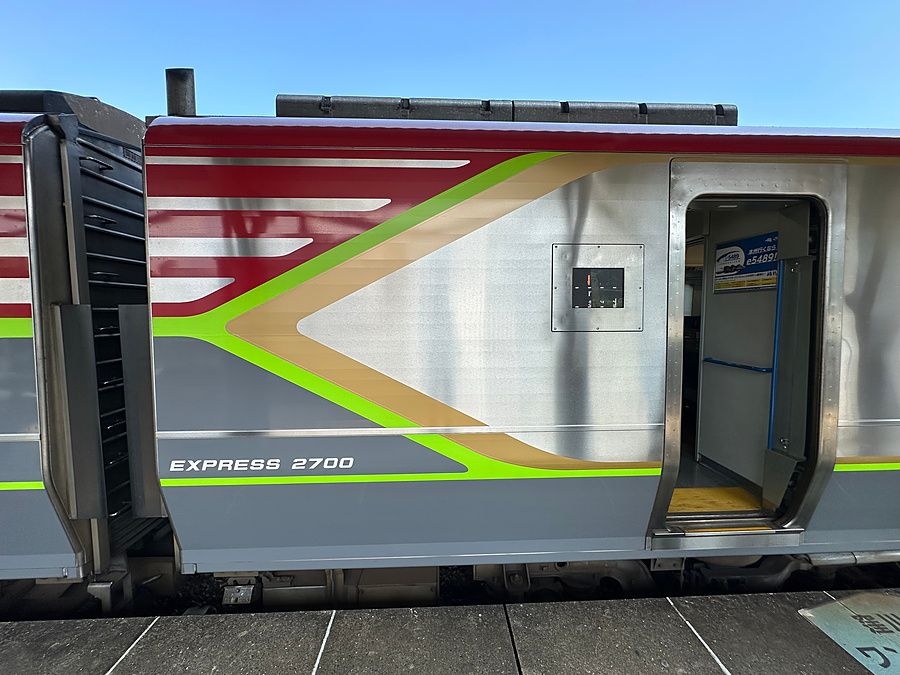
The coverage is wider than many people expect, because it goes beyond JR. With the pass you can ride:
- The entire JR Shikoku network, with local, rapid and limited express trains, in both non-reserved and reserved seats in ordinary class.
- The Tosa Kuroshio Railway, the private lines in Kochi Prefecture that head west to Nakamura and the Shimanto River area and east along the coast.
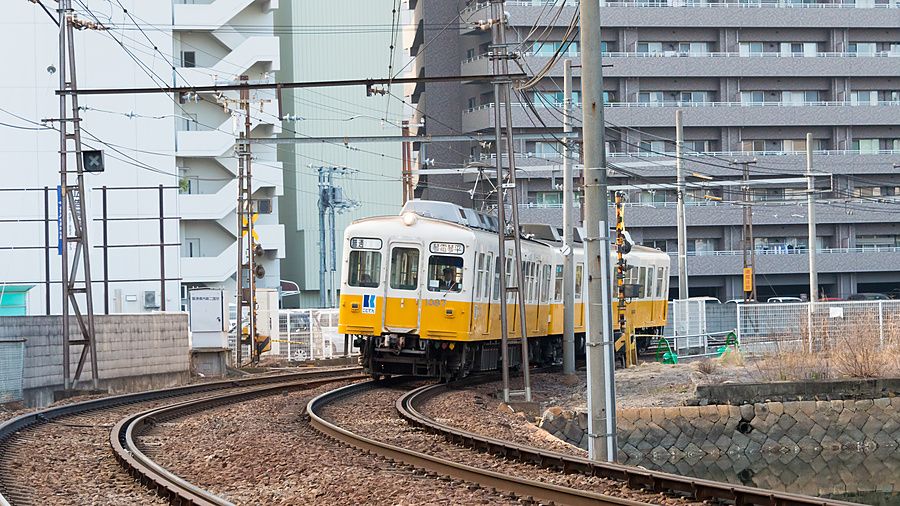
- The Kotoden in Takamatsu, the little private railway that takes you downtown, out toward Ritsurin Garden and all the way to Kotohira, home of Konpira Shrine.
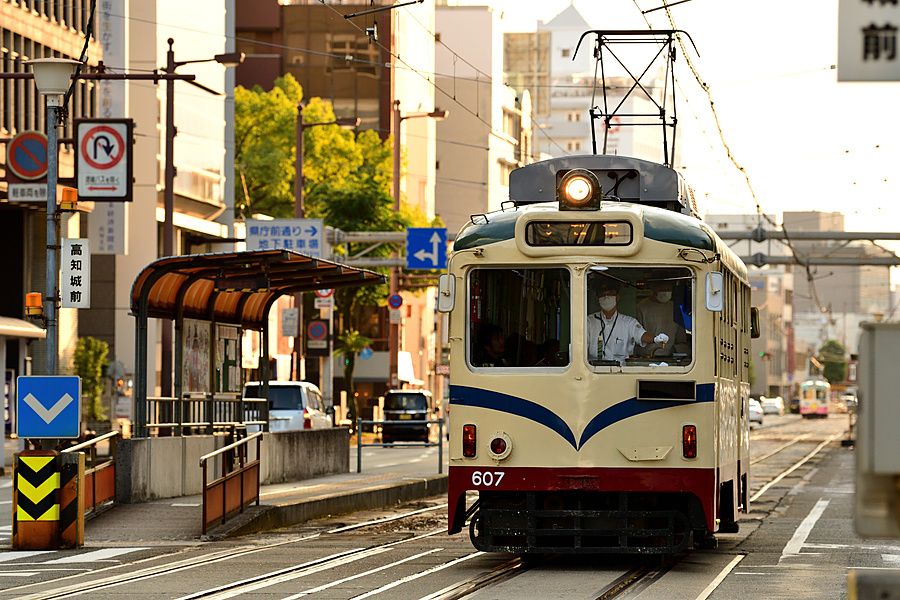
- Kochi’s streetcars, run by Tosaden, which are really handy for getting around the city between the station, the castle and the Hirome covered market.
- The Asa Kaigan Railway, the small line on Tokushima’s south coast where the DMV runs. It’s a vehicle that’s part bus, part train, and it switches wheels as it moves from the road onto the tracks.
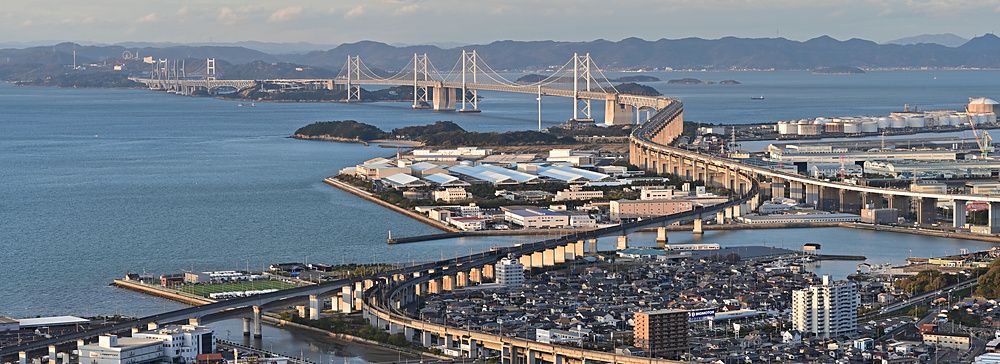
The pass is also valid on the line that crosses the big Seto Ohashi Bridge between Shikoku and Honshu, but only from Kojima Station southward. The stretch between Kojima and Okayama isn’t included, so if you’re coming from Okayama you’ll have to pay separately for that short leg, which costs a few hundred yen.
What’s not covered
A few exclusions make a real difference, and they’re worth keeping in mind before you run the numbers. The biggest one for anyone visiting Matsuyama is Iyotetsu, the private company that runs the city’s streetcars and suburban trains. Both the streetcar from the station to Dogo Onsen and the retro steam-style tourist streetcar cost extra. The fares are cheap, but it’s good to know so you’re not caught off guard at the ticket machine.
Ferries aren’t covered either, so the pass won’t get you to the Seto Inland Sea islands. To reach Naoshima, Teshima and Shodoshima, you take a boat from Takamatsu Port and pay the regular fare.
Buses are also left out, both city buses and long-distance ones. This matters most if you’re heading to the Iya Valley: the train takes you as far as Oboke Station, but for the vine bridges and the villages farther in you need the local bus, which you pay for separately.
The pass also doesn’t cover the Sunrise Seto, the overnight train from Tokyo to Takamatsu, first-class cars (the green cars), or the surcharges for themed sightseeing trains, which usually need a reservation and a special ticket. The exception is the Asa Kaigan DMV: even though it also runs on the road, the pass covers it. Only the runs to and from Muroto on Saturdays, Sundays and holidays are excluded, and since there aren’t many seats, if it’s full you won’t get on.
Prices and reserved seats
The 3-day pass costs around 15,000 yen and the 7-day pass around 23,000. Children from 6 to 11 pay half price. Prices can change, so check the current prices before you go, but that gives you a ballpark.
The pass includes both non-reserved and reserved seats in ordinary class, at no extra charge. You book your seat at a station ticket machine or counter before boarding, because you can’t do it on the train.
On weekdays you can usually find a seat in the non-reserved cars, but if you’re traveling on a long weekend, during Golden Week, Obon in mid-August or the New Year holidays, it’s always worth booking. Standing for two and a half hours on a packed train is a lousy way to cross the island.
How to buy it
There are basically three ways to get the pass, and the main difference is how convenient they are when it’s time to set off:
- Online before your trip, through JR West’s booking system or platforms like Klook and Trip.com, which often issue a QR code ticket that you keep on your phone.
- From a travel agency in your country, which gives you a voucher you then exchange in Japan for the actual pass.
- Right in Shikoku, at the main stations in Takamatsu, Matsuyama, Tokushima and Kochi, by showing your passport at the counter.
The QR version is the most convenient because it saves you from lining up at the counter to exchange a voucher. At stations with automatic gates that read QR codes, you just hold it up to the reader. At stations without them, which means most stations on the island, you show it to the staff.
If you’d rather have a paper ticket, you can easily buy one when you get there. Ticket offices at the big stations are used to dealing with tourists, and the exchange only takes a few minutes.
Using it on the train
Shikoku isn’t Tokyo, and trains here work a little differently from what you see in the big cities. Many smaller stations have no staff and no gates, and on local trains you often get on through the back door and get off at the front, next to the driver, like on a bus.
With the pass you don’t need to take the numbered ticket by the door and you don’t pay anything. When you get off, you show the pass to the driver or conductor, who takes a quick look and waves you through.
On express trains the conductor comes around, and again you just show the pass. Keep it somewhere easy to reach, in your wallet or with the QR code already open on your phone, because the checks are quick but frequent.
The main stations have regular gates. If you have a paper pass and the gate won’t take it, go through the staffed gate and show it there. Carry your passport at all times, because staff can ask to see it along with the pass at any time.
Main routes
To figure out whether the pass is worth it, you need a sense of the distances. Shikoku looks small on a map, but the mountains in the middle add a lot of travel time, and many routes aren’t direct.
Almost all the main connections start from Takamatsu, which serves as the island’s hub:
- Takamatsu to Matsuyama takes about two and a half hours on the express along the north coast, and a regular ticket runs around 5,500–6,000 yen each way.
- From Takamatsu to Kochi, you cross the mountains on the Nanpu or Shimanto express in just over two hours, for around 5,000 yen.
- Takamatsu to Tokushima takes just over an hour on the Uzushio express, and a ticket costs around 2,500–3,000 yen.
- There’s no direct train from Matsuyama to Kochi: you change at Tadotsu or nearby and the trip takes about three hours. The direct bus is faster, but the pass doesn’t cover it.
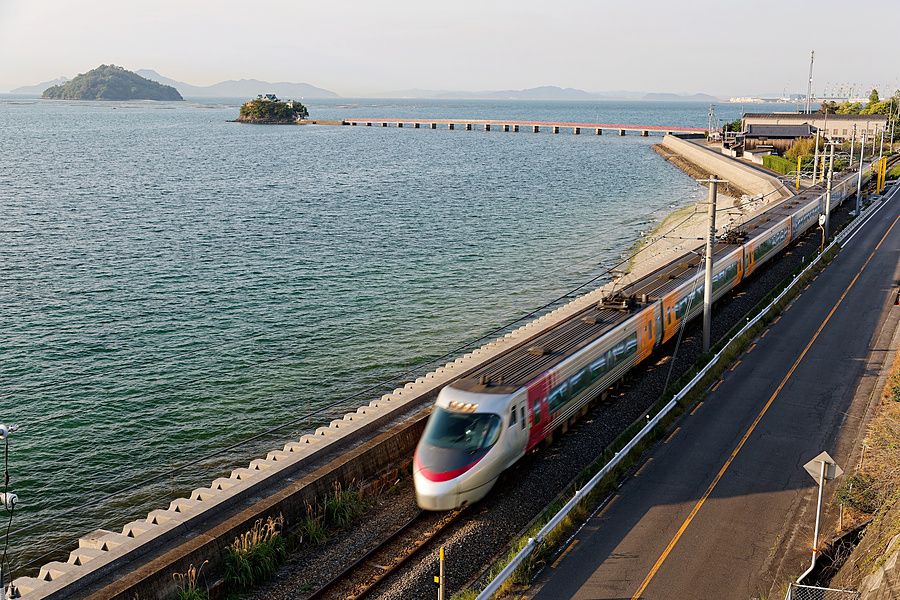
That last point throws a lot of travelers off. They see two cities close together on the map and picture an hour on the train. If you travel the whole island by rail, your routes fan out from a couple of hubs, Takamatsu and the Tadotsu area, rather than forming a loop around the island.
On the route between Okayama and Kochi, and on the ones toward Matsuyama, you’ll often see trains decorated with Anpanman characters. Anpanman is Japan’s most famous kids’ cartoon, and its creator came from Kochi. If you’re traveling with small children, it’s worth checking the timetables and looking for these trains: they’re covered in characters inside and out, and plenty of Japanese families ride them on purpose.
When it pays off
The math is pretty simple. With the 3-day pass, three long trips between cities plus a few local rides are enough to cover the cost. A realistic example is Takamatsu to Kochi, then on to Matsuyama via Tadotsu, and finally back to Takamatsu. If you paid for each leg separately, you’d go well over 15,000 yen.
The 7-day pass is the one I’d recommend if you want to travel around the island at a relaxed pace, covering all four prefectures and adding a few detours to farther-flung places like the Shimanto River, Uwajima or Tokushima’s south coast with the DMV.
On the other hand, I don’t think it suits people who stay in one city and only take short day trips. If your trip is Takamatsu plus the art islands, for example, the pass won’t do much for you: the boats aren’t included and trains around the city are cheap.
The same goes if you’re only visiting Matsuyama and Dogo Onsen, where you’ll get around almost entirely on Iyotetsu, which the pass doesn’t cover. In those cases it’s cheaper to pay as you go with an IC card or single tickets.
If you have a Japan Rail Pass
People often ask me whether they need the All Shikoku Rail Pass if they already have the nationwide Japan Rail Pass. In most cases, no. The national pass is also valid on the JR Shikoku network, so it already covers the main trains between cities.
What the Japan Rail Pass doesn’t cover are the private lines: Kotoden, the Kochi streetcars, Tosa Kuroshio and Asa Kaigan. For the average visitor, though, those are short trips, and paying for them one by one costs a lot less than a second pass.
It’s a different story if your trip doesn’t include a nationwide Japan Rail Pass, which is pretty common given how expensive it is. In that case the Shikoku pass, together with a regular ticket or a regional pass to get to the island, makes a sensible combination.
Lots of people come to Shikoku from Osaka or Okayama, taking the shinkansen to Okayama and then the Marine Liner across the bridge. Just remember that you pay separately for the short stretch to Kojima.
Practical tips
The rail network on Shikoku is less dense than in the big cities, and that changes how you plan your days. On branch lines, trains might come once an hour or even less often, and on the most rural stretches there are gaps of two or three hours in the middle of the day.
I’d check the timetable the night before, at least for the next day’s trains, and not leave connections to chance. Miss a train in Tokyo and you wait two minutes, but miss one here and you might have to replan your afternoon.
A few small things make the trip a lot easier:
- Activate the pass on the first day you’re actually making a long trip, not the day you arrive in the evening.
- Plan your route around the fact that Matsuyama and Kochi aren’t directly connected, maybe by adding a night in Takamatsu or Kotohira in between.
- Keep some coins or an IC card handy for what the pass doesn’t cover, like the Matsuyama streetcar and the buses in the Iya Valley.
- Pack light if you can, because many small stations have stairs and no elevators, and local trains don’t have much room for big suitcases.
If you have a suitcase, there’s also hotel-to-hotel luggage forwarding, which is very common in Japan, and on a Shikoku trip with lots of train changes I think it’s worth the money. You travel with just a backpack and find your suitcase waiting at the next hotel the following day.
Is it worth it?
Honestly, if you want to get around Shikoku by train and visit at least two or three cities, this pass is one of the most convenient, best-value options you’ll find in Japan. It costs less than many of the regional passes on Honshu, and it pays for itself after just a few trips.
The real value, though, is the freedom to get on a train without thinking about tickets, hop off at a rural station because you like the scenery, and catch the next train. On an island where part of the appeal lies in the train rides themselves, along the Shimanto River or through the Oboke Gorge, you really appreciate that convenience.
If I were a first-time visitor to Shikoku with a week to spend, I’d get the 7-day pass and do the full loop: Takamatsu and Kotohira, then Tokushima, down to Kochi by way of the Iya Valley, and I’d end in Matsuyama with a soak at Dogo Onsen. With only three or four days, I’d pick two cities and the shorter pass.
Which part of the island would top your list?