 39 m
Ginza Lion39 m
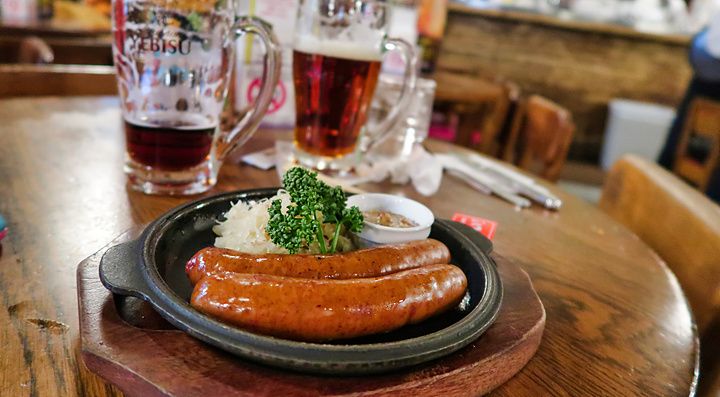
Sausages and draft beer.
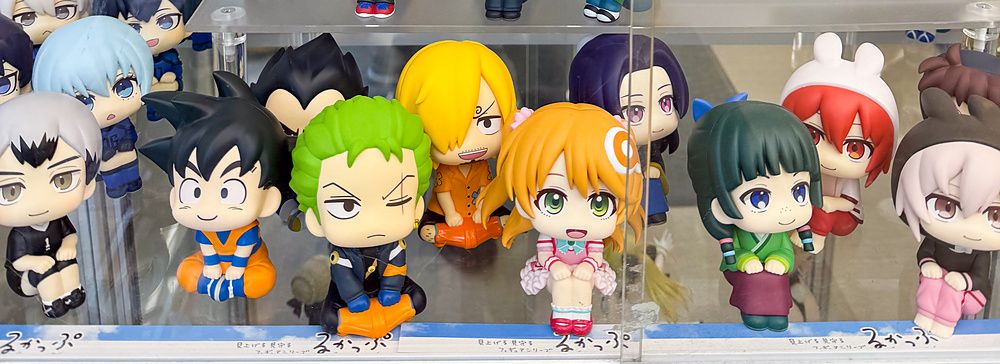
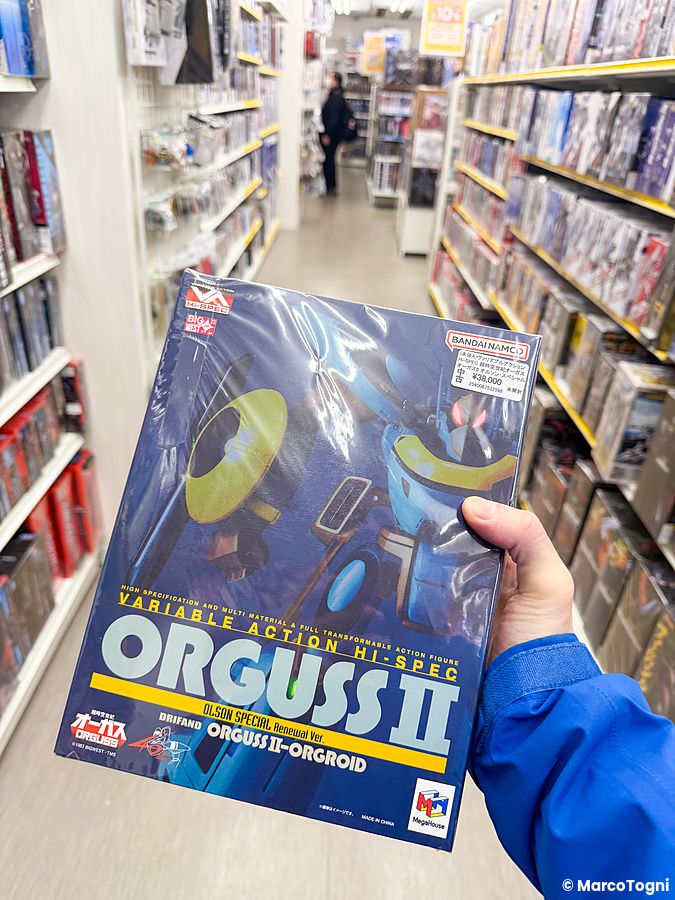
A chain of figure and hobby shops with branches in Akihabara, where the latest releases sit right next to used items still in their boxes, from anime characters to 1980s robots. Amiami started out as a big online store for collectors, and its physical shops carry the same range: scale figures, Nendoroids, model kits, miniatures and trading cards.
Come here if you have a favorite series and you’re looking for one specific piece. It also works if you need to bring home a gift for a friend who’s obsessed with an anime and you don’t want to settle for the usual keychain.
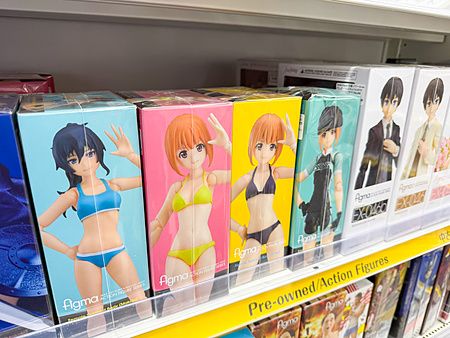
Figures make up the bulk of the catalog, but they’re not all you’ll find. The shops also stock model kits, trading cards along with sleeves and boxes to store them, die-cast cars, capsule toys, modeling tools, books, video games and Blu-rays.
The two locations I go to are the Figure Tower, an entire building devoted to figures and nothing else, and the shop inside Radio Kaikan, which has more of a mix, with over 100,000 items, figures and everything else included.
Scale figures come in big, rigid boxes, and two or three of them will take up half your suitcase. If you’re traveling with only a carry-on, you’re better off going for Nendoroids and miniatures.
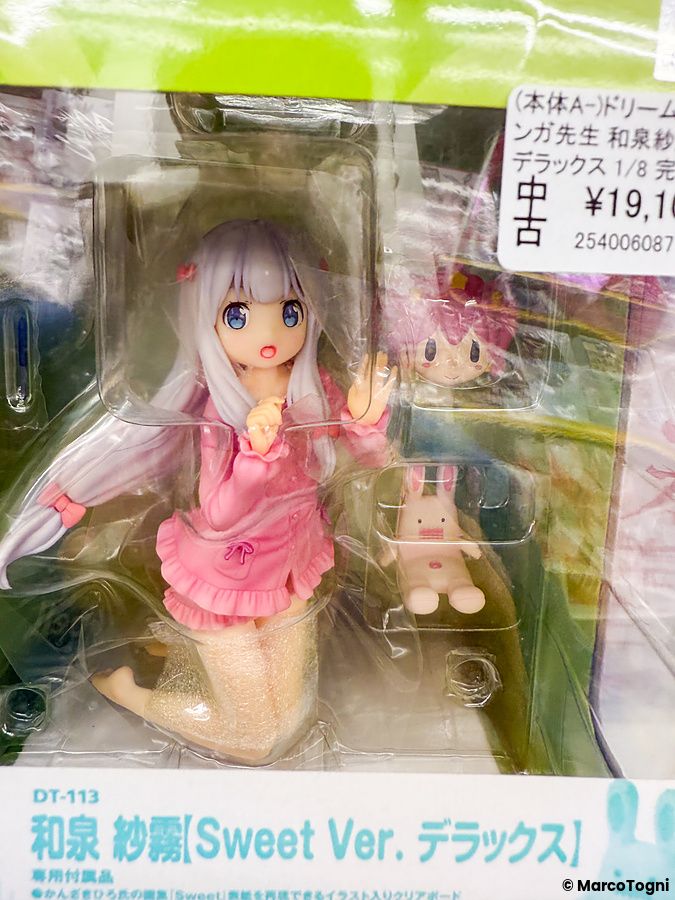
With used figures, pick them up and look them over before you pay. With mid-grade pieces you can end up with dented boxes or small paint smudges on the figure that the tag doesn’t tell you about, and that’s exactly where the physical store beats the website: you turn the box around under the light and decide for yourself.
Between the shelves you’ll find posters and cases with figures that haven’t come out yet. They’re not for sale. They’re there so you can see a figure in person before you preorder it.
Prices cover a wide range, because it all depends on what you buy. Miniatures and capsule toys run around 500–1,500 yen, a Nendoroid or figma around 5,000–10,000 yen, a new scale figure around 15,000–30,000 yen, and high-end pieces cost even more. Used figures in good condition cost less than new ones, and on figures that came out a while ago you really notice the savings.
New items are priced in line with the rest of Akihabara, with a few pieces priced a bit lower. Prices are fair, and with used figures you’ll spend less than you’d expect from a store this full of stuff.
When a friend in Italy asks me for a specific figure, it’s the first place I check. Between new and used I almost always find it, and I can ask them whether they’d rather pay full price or save some money on a slightly worn box.
You work your way through the Figure Tower from the bottom up, and each floor has its own genre. The ground floor has new releases and miniatures. As you go up, you pass figures from the most popular series, poseable figures, robots and American superheroes. Then come three floors of female characters from anime, smartphone games and original series, and at the top there’s a space for events.
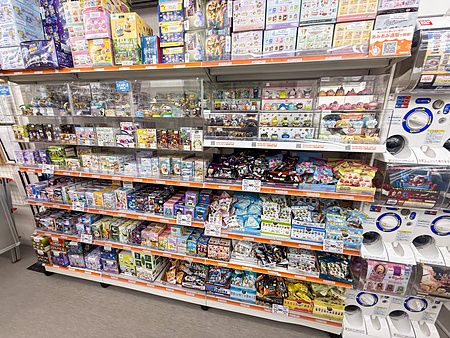
The shelves are long and made of metal, stacked with colorful boxes all the way up, and they form straight aisles where you walk along reading the titles on the sides of the boxes. To see everything without stopping too long, you’ll need at least an hour.
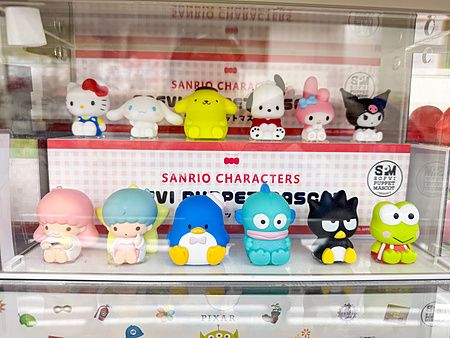
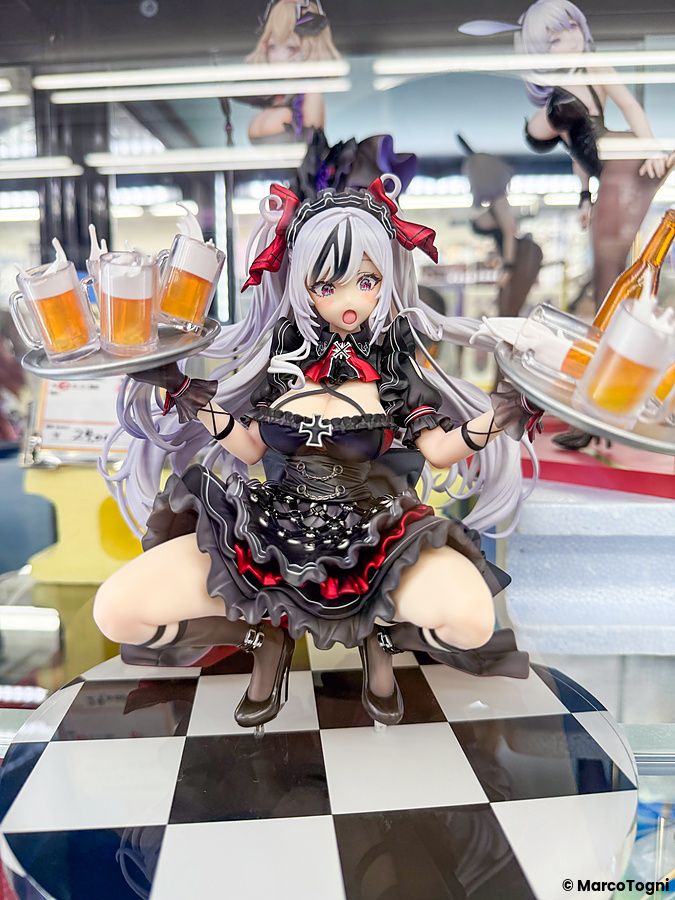
The glass display cases are what slow everyone down. Inside, the figures are out of their boxes: rows of chibi characters with big heads, a girl in a gothic dress on a checkered base with two trays full of beer mugs, a girl with cat ears sitting on a blue folding chair with a pass around her neck.
Seeing them like this, you get a feel for the detail and the actual size in a way the photo on the box can’t give you, and it’s why I stop at every case even when I’m not buying anything.
The Radio Kaikan shop is different. It takes up a single floor inside Akihabara’s historic building, with more of a mix: trading cards, kits, capsule toys. That’s where I go when I’m looking for something that isn’t a figure.
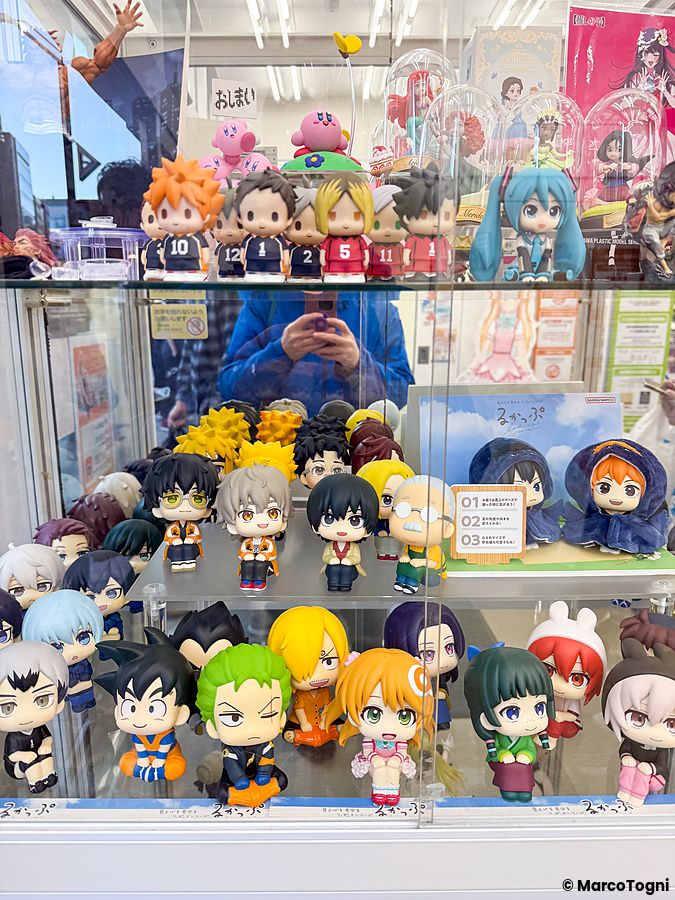
With the new and used versions of the same figure a few shelves apart, the choice depends on what you’ll do with it. If you’re a meticulous collector, check the edges of the box and the plastic window.
If you’re going to take the figure out and put it on a shelf, a mid-grade figure is perfectly fine.
They offer tax-free shopping for tourists, so bring your passport. Foreign credit cards work just fine, and the cashiers are used to customers who don’t speak Japanese.
You can also sell your own figures to the store, but that’s meant for people who live in Japan. For visitors, what matters is that some of the used stock comes in that way, from collectors reselling pieces they’ve looked after.
Pros:
Cons:
Best for: collectors with a specific list and anyone shopping for a gift for an anime fan
Atmosphere: aisles of metal shelving full of boxes, glass cases with posed figures, collectors quietly reading the packaging
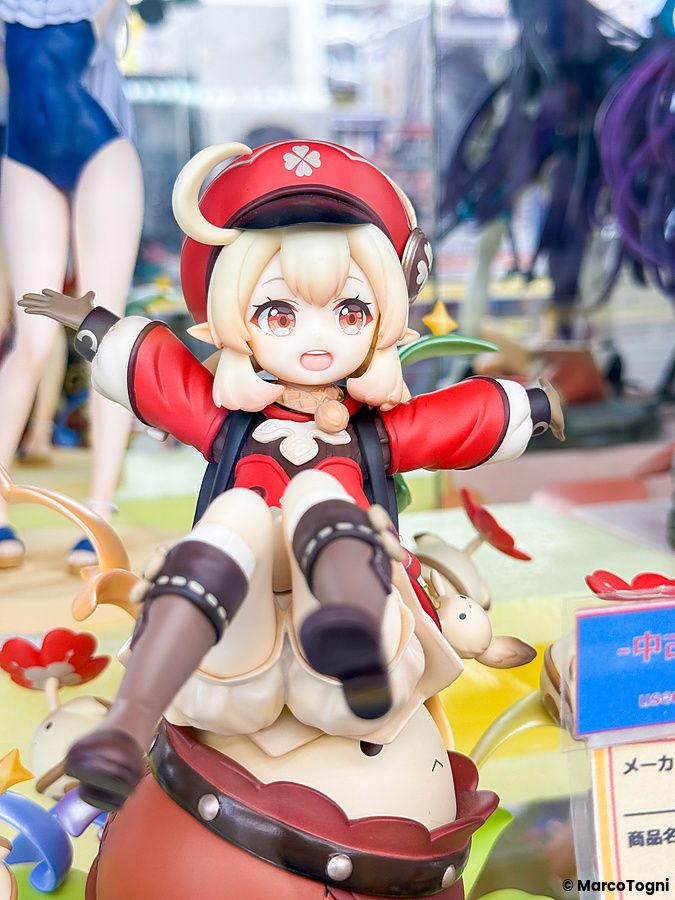
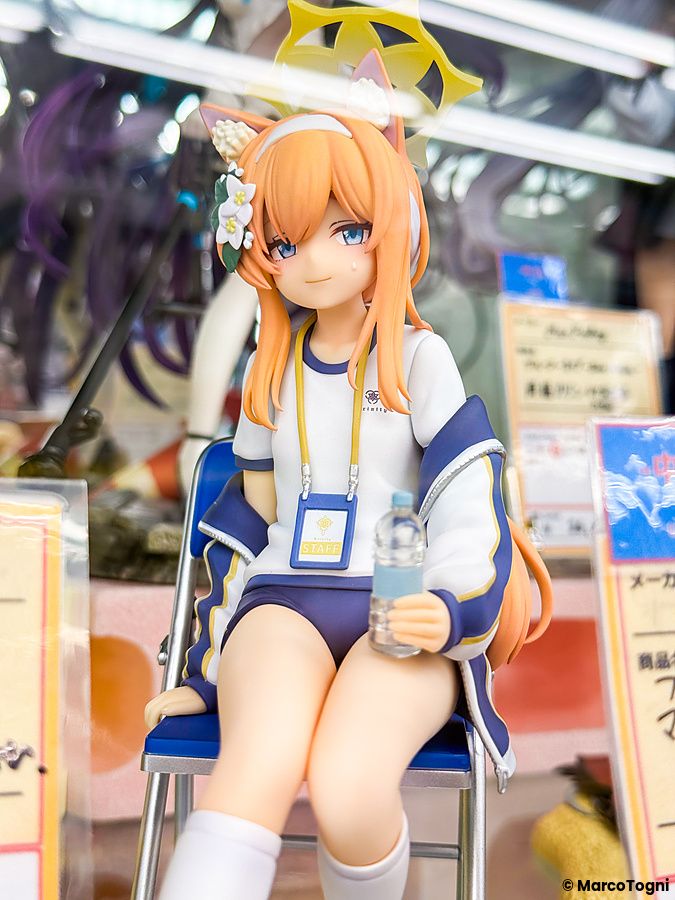
Amiami isn’t where you go treasure hunting for an ultra-rare find, but it’s where you’ll find what you’re looking for, new or used. That’s the whole point: you go straight to the figure you want, see it in person before you buy it, and walk out knowing you didn’t pay more than you had to. If you’re an anime fan, it’s worth making time to go through every floor.
This place is on MarcoMaps
Amiami
My map of Japan: over 4,000 places I've tried myself, each with photos, rating, and hours. Filter by category and rating, find veg-friendly spots and places near you with GPS. No sign-up, right from your phone.


Amiami Akihabara Radio Kaikan - nearby you will find: