Asakusa
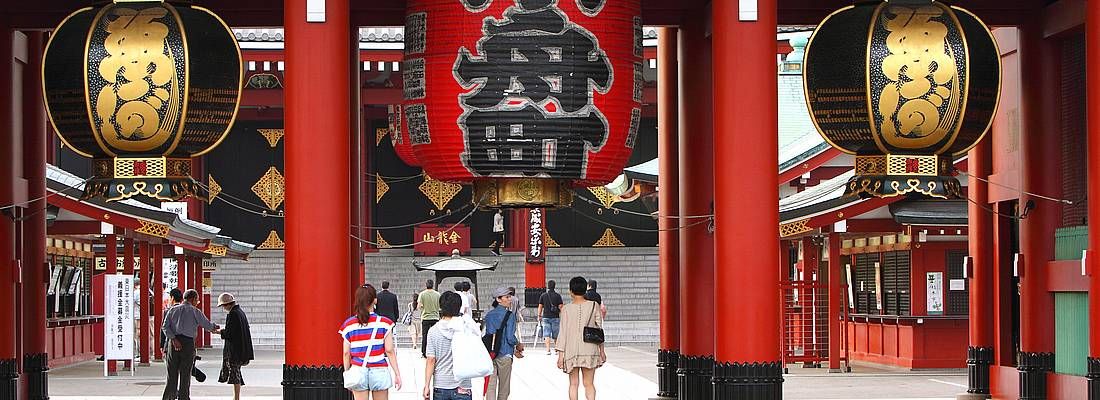
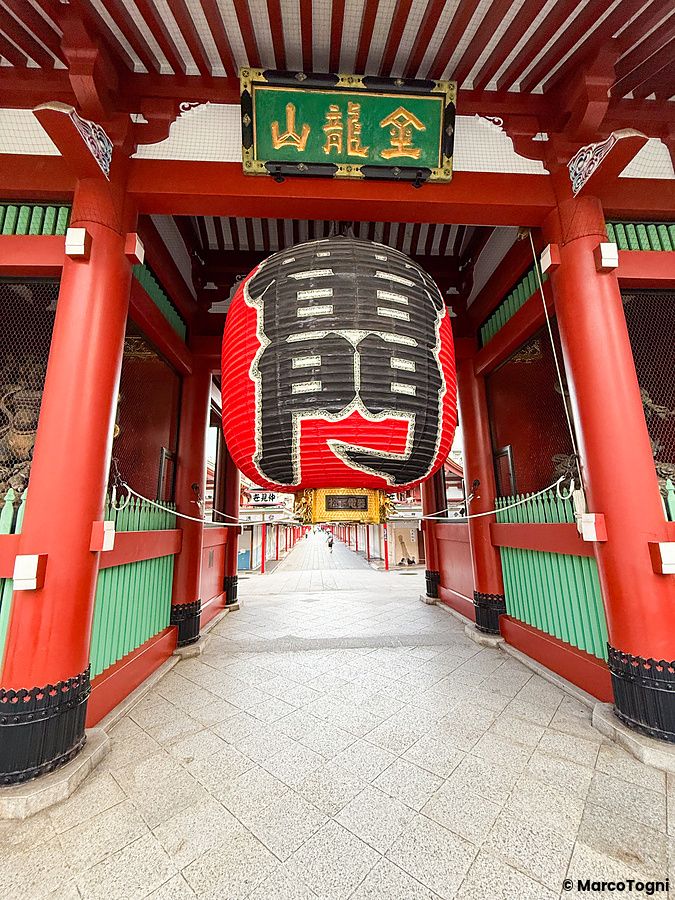
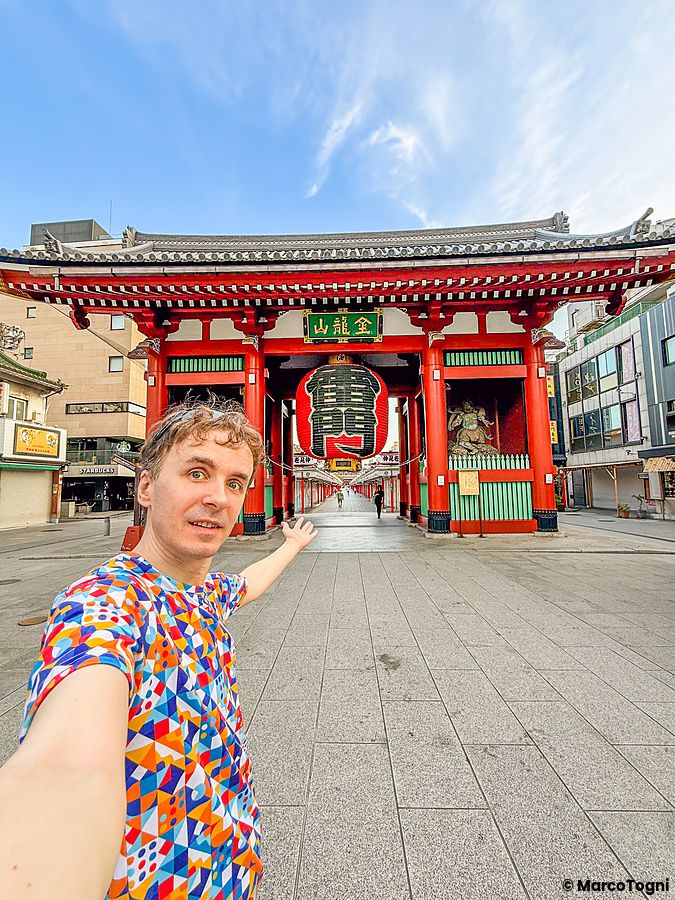
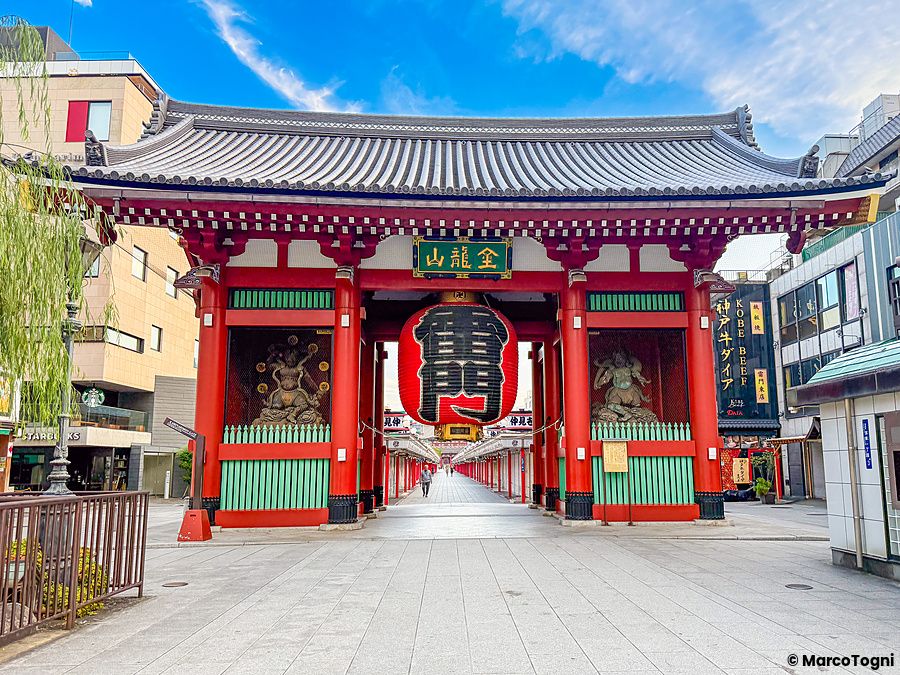
Asakusa is the part of Tokyo where history feels close enough to touch. It’s home to Sensoji, the city’s oldest temple, and you reach it by walking under the huge Kaminarimon gate and down Nakamise Dori, a street lined with stalls where you can stock up on souvenirs.
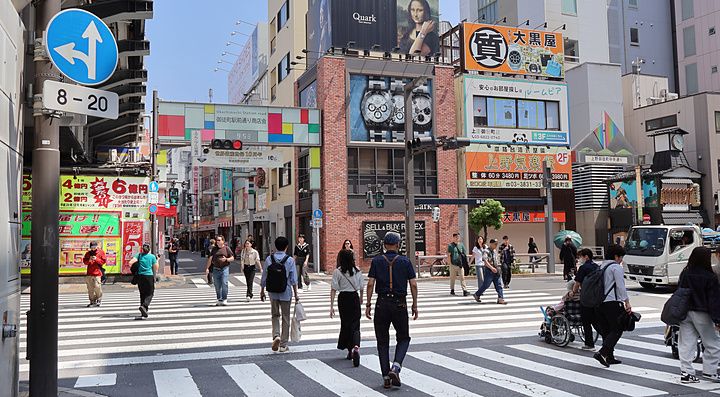
There’s more to Asakusa than the temple, though. Walk one street over and you’ll find wooden shop signs, hand-pulled rickshaws and izakaya with tables out on the street, a slice of working-class Tokyo that’s gone from the rest of the city. If you’re after the historic side of Japan without leaving Tokyo, this is the neighborhood to come to.
Contents
- What to see
- Shops
- Restaurants
- Nearby neighborhoods
- Getting There
- Useful Info
- Map
- Video: Asakusa, Tokyo's temples
- Video: Purifying incense in Asakusa
- Video: Asakusa or Akasaka, a fatal mistake
- Kaminarimon and Nakamise Dori
- Sensoji and the statue nobody gets to see
- Hozomon, the pagoda and the giant sandals
- Festivals at Sensoji
- Beyond Nakamise Dori
- Photo gallery
What to see
Shops


Restaurants

Nearby neighborhoods

Oshiage
Uguisudani
Getting There
The easiest way is the Ginza Line. From Shibuya, Ginza or Ueno, ride it to the end of the line at Asakusa and you'll come out a two-minute walk from the Kaminarimon.
From Shinjuku or Tokyo Station, take a JR train to Kanda and change there to the Ginza Line.
If you're coming from the Skytree area or from Nikko, get off at the Tobu station, which faces the same intersection. The Tsukuba Express leaves you five minutes farther away, on the west side of the neighborhood.
Useful Info
Name: Asakusa
Time needed: Half a day
Tips: Try drawing an omikuji at Sensoji, but don't take it personally. The temple still follows the old method, and about three slips in ten come out as kyo, bad luck. If you get one, fold it and tie it to the racks nearby, so the bad luck stays at the temple instead of following you.
Getting there:
- Asakusa Station (Tokyo Metro Ginza Line): exit 1, right by the Kaminarimon
- Asakusa Station (Toei Asakusa Line, Tobu Skytree Line): same intersection, exit A4
- Asakusa Station (Tsukuba Express): about a 5-minute walk from the temple
Map
MarcoMaps100% free
This place is on MarcoMaps
Asakusa
My map of Japan: over 4,000 places I've tried myself, each with photos, rating, and hours. Filter by category and rating, find veg-friendly spots and places near you with GPS. No sign-up, right from your phone.
- 4,000+ places
- Rating, photos, and hours
- Veg friendly
- Near me (GPS)
- Favorites without login
- Works offline


Video: Asakusa, Tokyo's temples

Video: Purifying incense in Asakusa

Video: Asakusa or Akasaka, a fatal mistake

Kaminarimon and Nakamise Dori
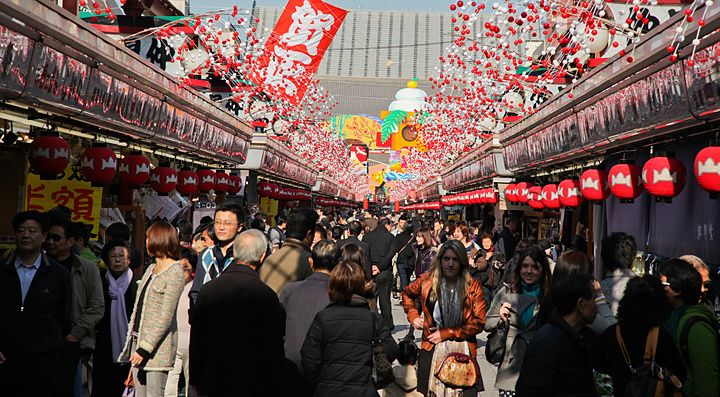
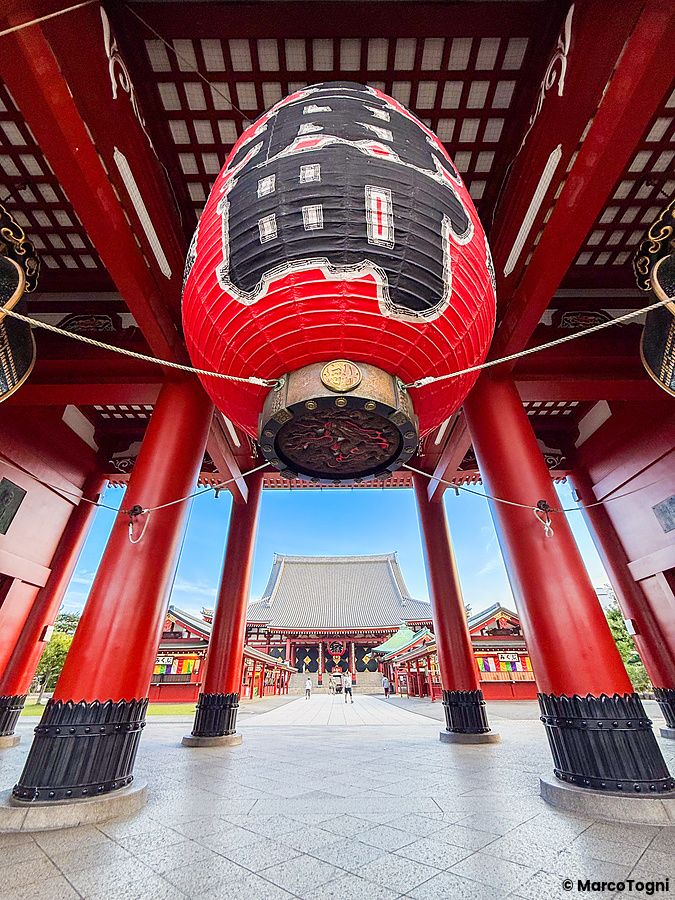
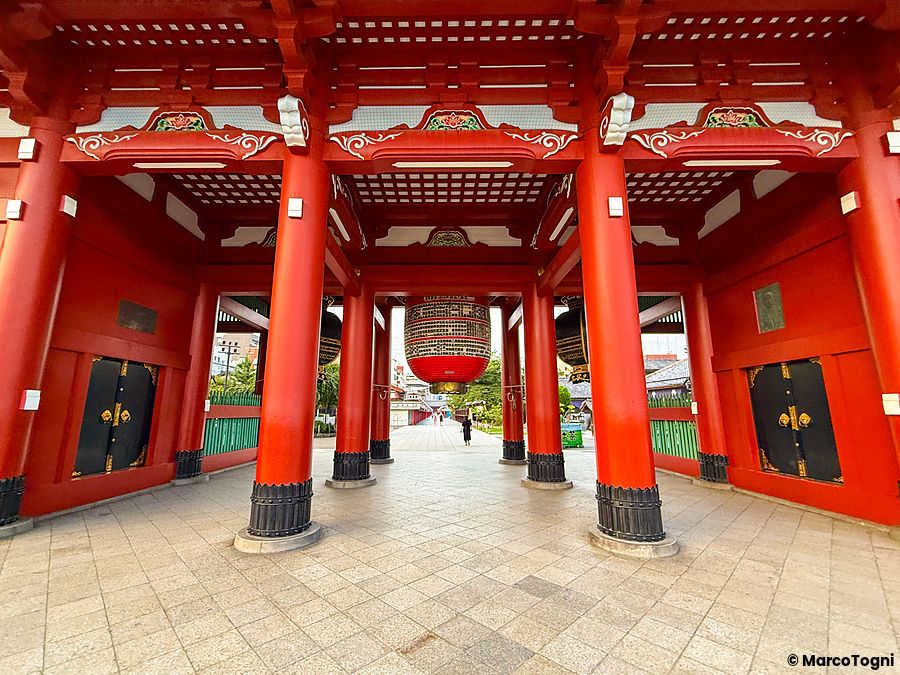
The first thing you’ll see when you get to Asakusa is the Kaminarimon, the neighborhood’s main entrance, where two huge statues stand symbolic guard over the temple. Past the gate you’re on Nakamise Dori, a street more than 200 meters long that runs from the Kaminarimon to Sensoji. It’s home to Asakusa’s tourist market, a good place to pick up a few souvenirs.
Don’t be shy: try the samples of the puffed rice sweets sold at a lot of the stalls. Some stalls keep turning out fresh batches of other Japanese sweets, with that delicate kind of sweetness typical of Japanese desserts, and other vendors sell food made to please the thousands of tourists who crowd the area every day.
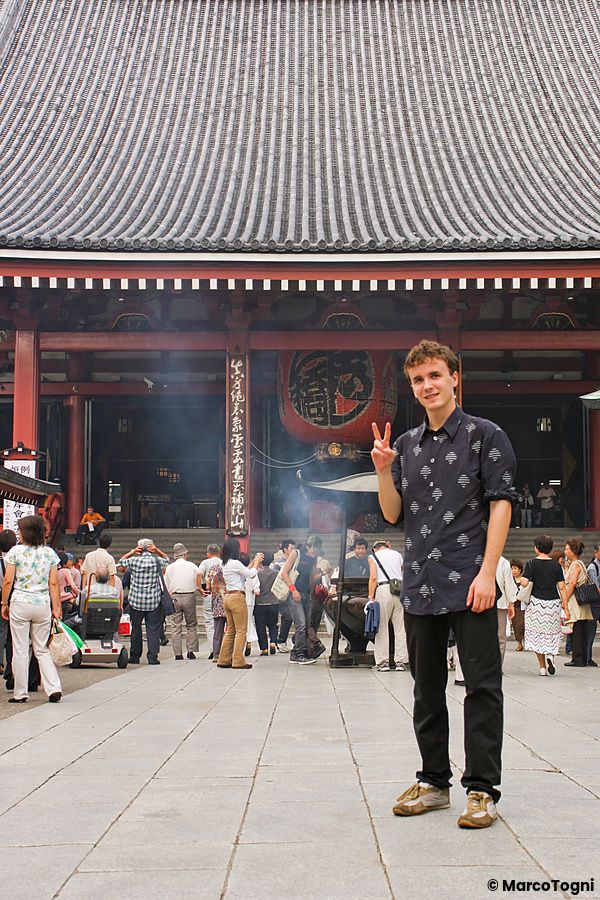
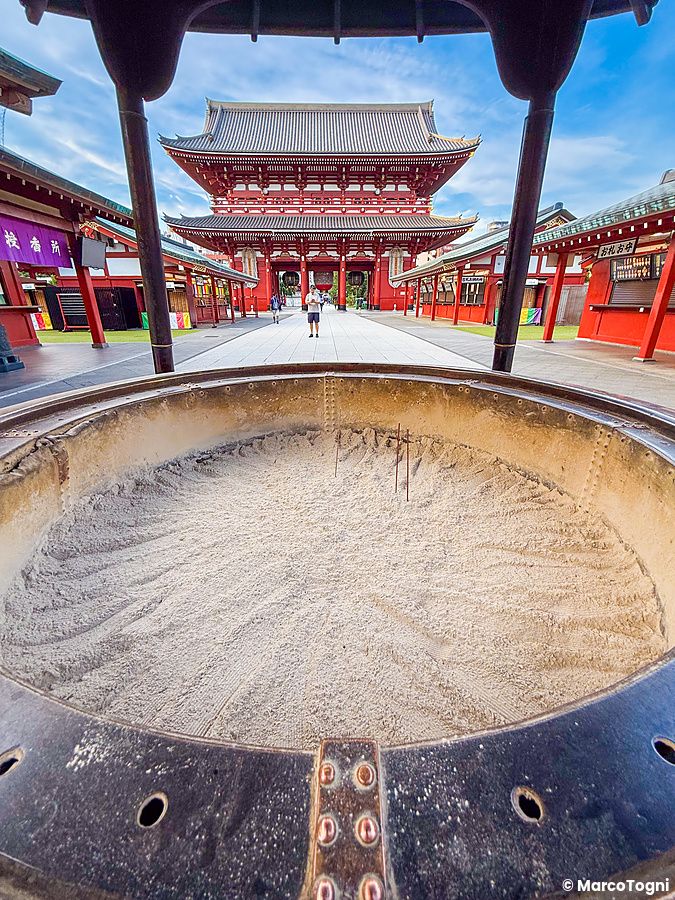
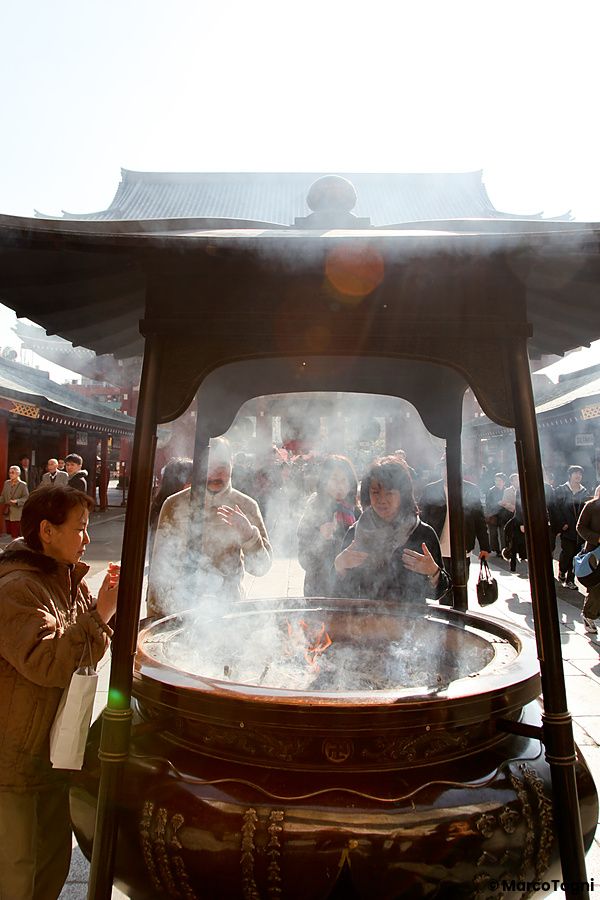
Before you go into Sensoji, buy a few incense sticks for 100 yen and stand them in the shared burner. Everyone’s sticks burn together and give off thick smoke, and you purify yourself by fanning it toward you with your hands. Watch what Japanese visitors do and copy them. The smell can cling to your clothes for hours, but the gesture is considered a purification ritual. The smoke is also said to heal whatever part of your body you direct it toward, which is why you’ll see so many people fanning it onto their heads, their shoulders or their aching knees. They do it casually, almost in passing, and nobody will give you a funny look if you try it too.
Sensoji and the statue nobody gets to see
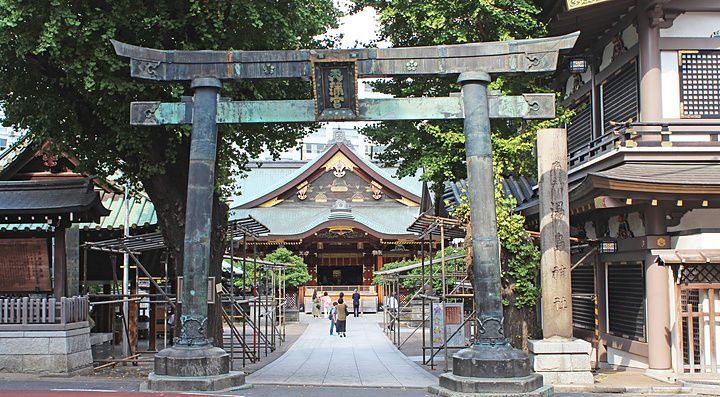
Sensoji is Tokyo’s oldest temple, and its story starts in 628, when two brothers who were fishermen pulled a small statue of Kannon, the deity of mercy, out of the Sumida River. They put it back in the water several times, but it kept turning up in their nets, so the village head turned his own house into a temple. By 645 the temple was already standing. These three men, the two brothers and the village head, haven’t been forgotten. They’re worshipped at Asakusa Jinja, the Shinto shrine right next to the main hall. The shogun Tokugawa Iemitsu had it built in 1649, and it’s one of the few buildings in the complex that survived the bombings.
The Sanja Matsuri, the festival of the “three shrines,” is held in their honor, and the most important mikoshi set off from here.
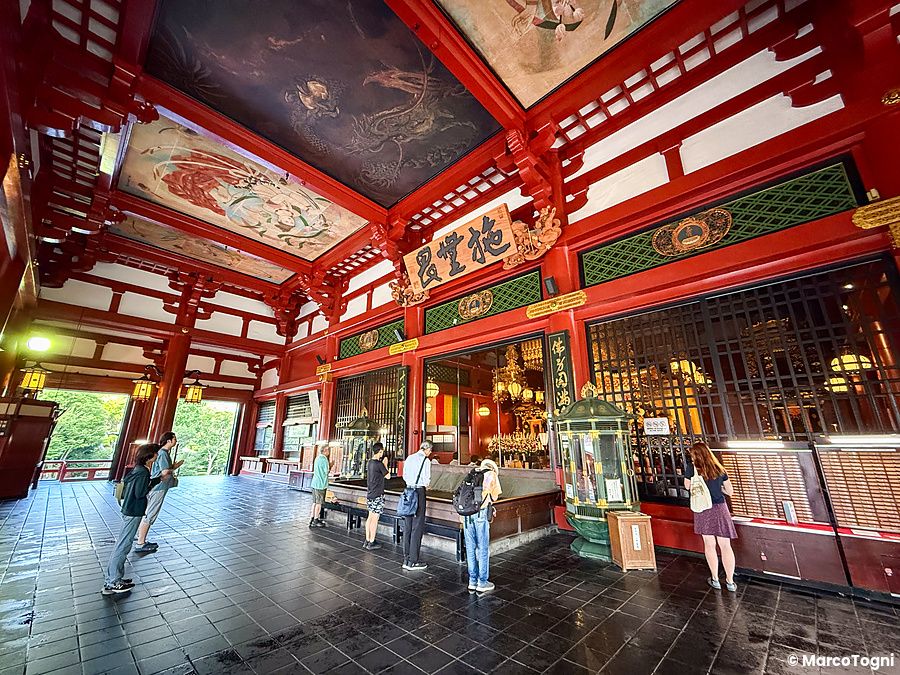
What almost nobody knows is that the statue itself is never shown. It’s kept in the main hall but stays hidden, and not even Japanese worshippers have ever seen it, so people pray in front of a closed door. What you see today is a postwar reconstruction anyway, since the bombings flattened almost the entire complex. The atmosphere hasn’t changed, though, with a steady stream of people tossing in a coin and putting their hands together.
Hozomon, the pagoda and the giant sandals
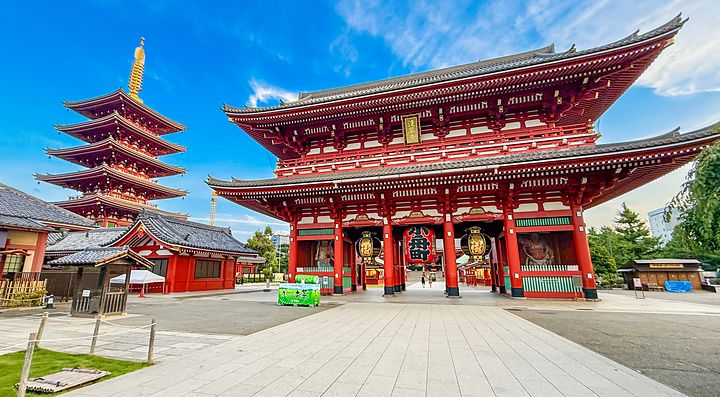
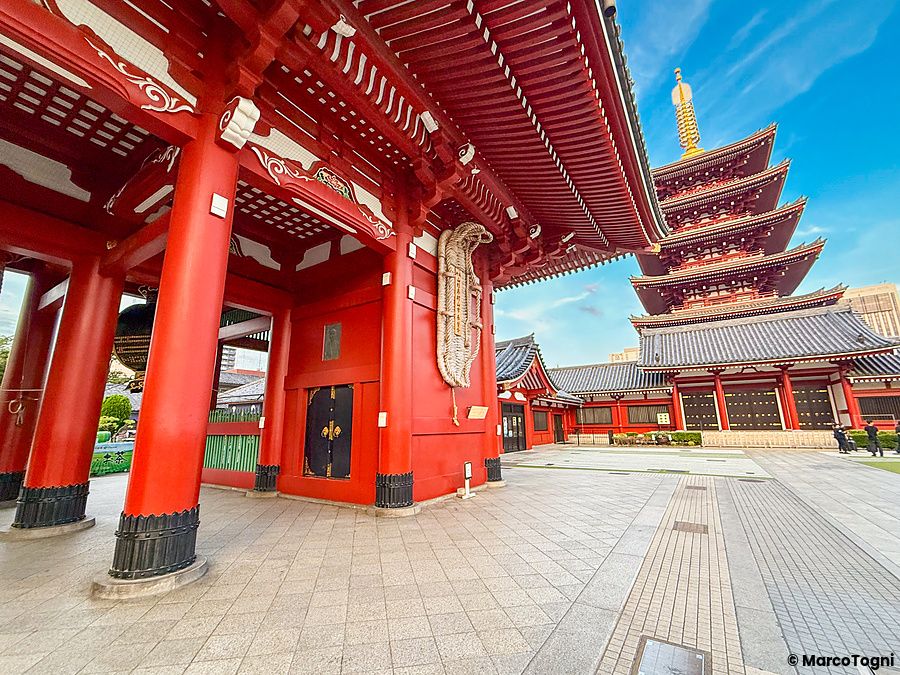
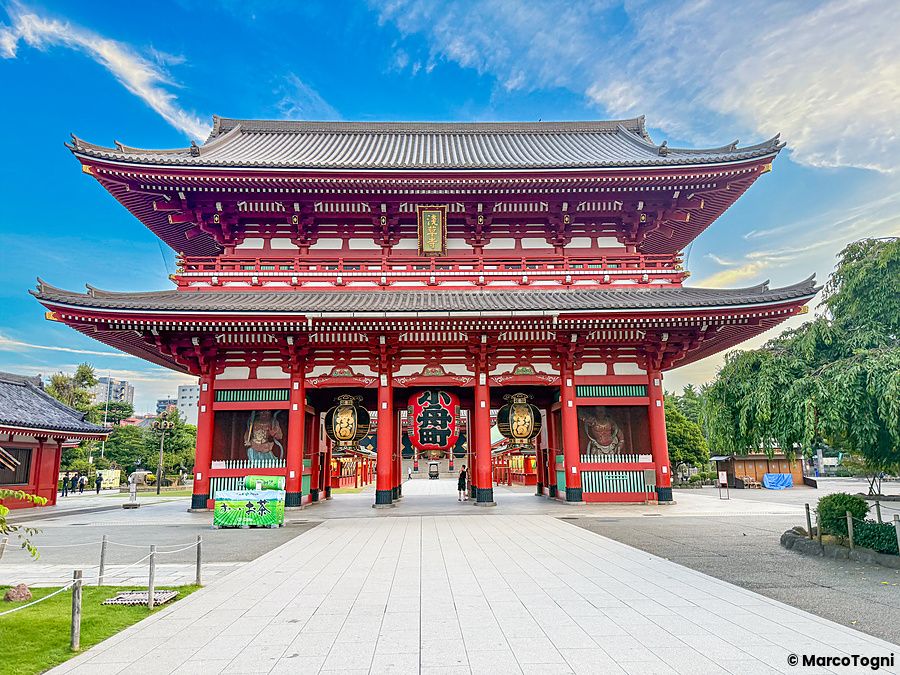
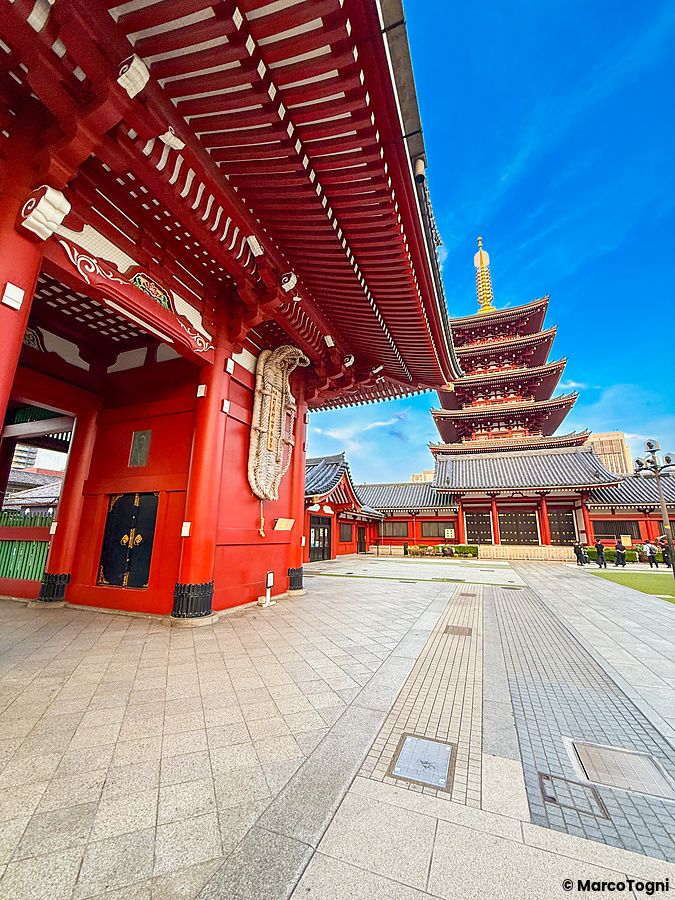
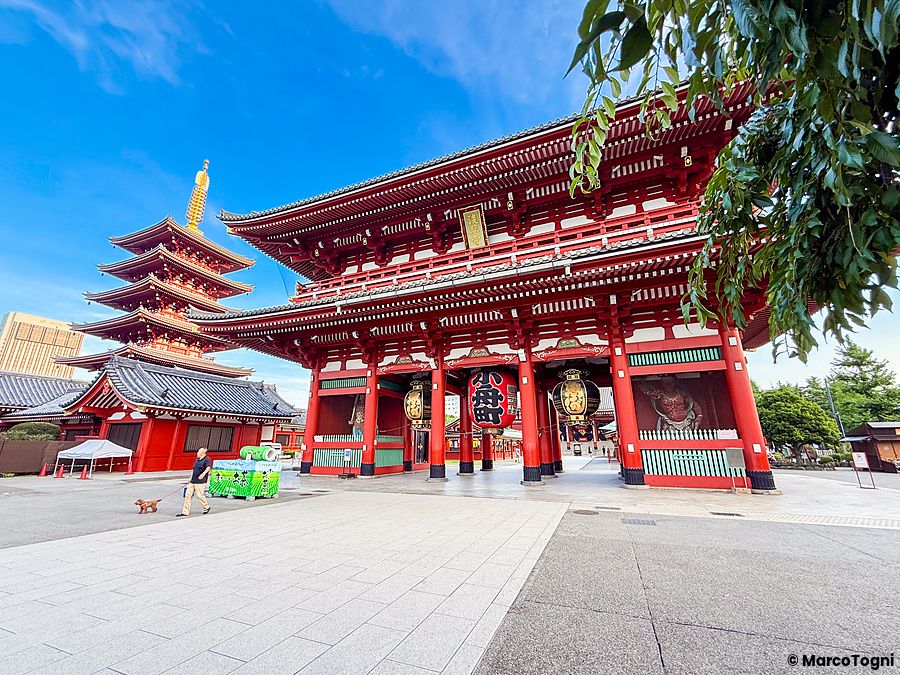
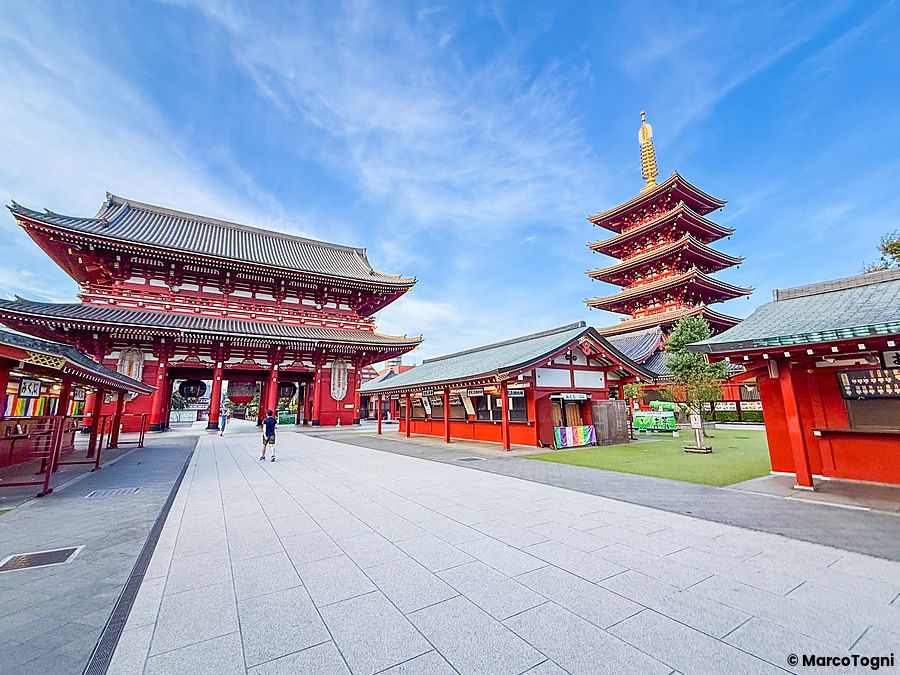
At the end of Nakamise Dori you come to Hozomon, the second gate. It’s much more imposing than the Kaminarimon, yet almost everyone hurries through without really looking at it. Walk under it and then turn around: hanging on the back are two enormous woven straw sandals, four and a half meters long, a gift from Yamagata Prefecture. They’re there to keep demons away, the idea being that any demon will think twice before taking on a giant with feet that size.
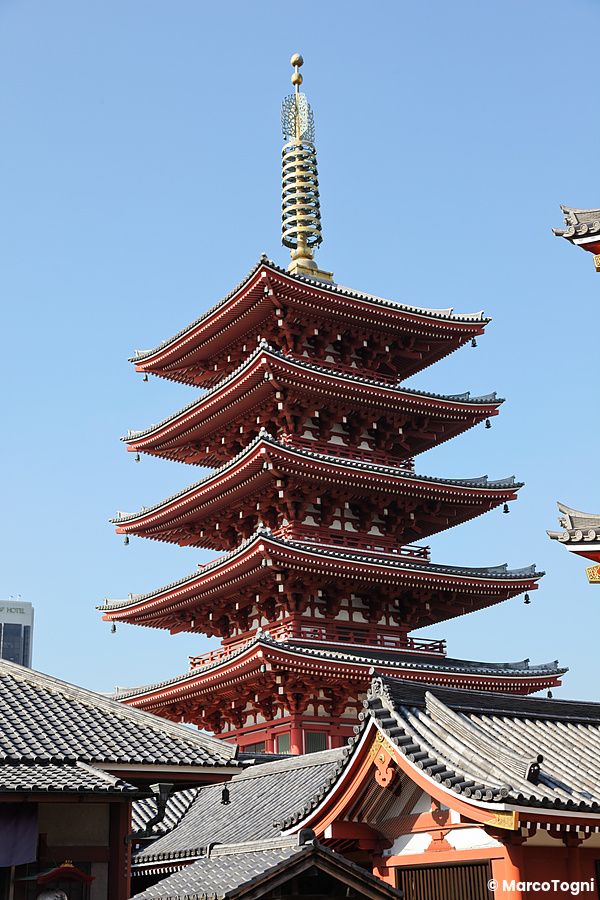
The five-story pagoda rises on the left, 53 meters tall. At night it’s lit from below and the whole square looks completely different, so if you can, come back for another look after dark.
Festivals at Sensoji
If you’re in Asakusa on the third weekend of May, get ready for chaos. That’s the Sanja Matsuri, one of Tokyo’s three great festivals, and the neighborhood fills with drums, shouting and tattooed bearers as dozens of mikoshi are carried through the streets on people’s shoulders. It’s Asakusa at its best. Along with the first days of January, when half of Tokyo comes here for the first prayer of the year, it’s also the most crowded time of all.
The rest of the year the temple hosts its traditional markets. In July there’s the hozuki ichi, with stalls selling potted orange Chinese lantern plants, and in mid-December the hagoita ichi, where people buy decorated wooden paddles showing the faces of actors and other famous people. They’re the best chances to see the neighborhood the way Japanese people experience it.
Beyond Nakamise Dori
Nakamise Dori is just the showpiece. Walk one street over and the noise drops off all at once. Denboin Dori has Edo-style storefronts and wooden signs, while Hoppy Dori is a row of izakaya with tables out on the street, where people start eating and drinking in the afternoon under red awnings, with steam drifting out of the kitchens.
Through all of this, hand-pulled rickshaws keep rolling past, pulled by young guys in traditional outfits who tell their passengers about the neighborhood as they run. Asakusa still has the feel of the working-class Tokyo that has disappeared from the rest of the city, and that’s why it’s worth staying into the evening instead of leaving as soon as you’ve seen the temple.
Photo gallery
Oltre alle foto qua sotto, guarda molte altre foto di Asakusa.

See lots more photos of Asakusa