How to Recognize Authentic Sushi
Authentic sushi is a quiet promise: few gestures, no theatrics, and a balance you notice at once.
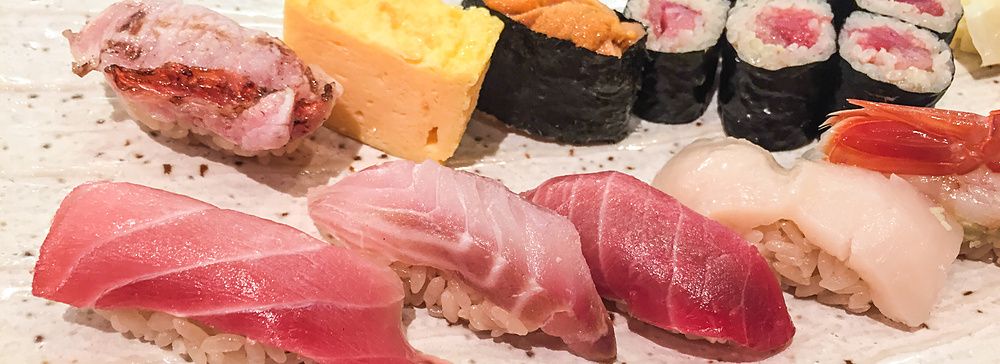
I can often tell from a photo alone. When the plate looks staged, with salad or decorative vegetables, my first thought is that it’s more of a fusion dish. It may be delicious, but it’s different. The authentic sushi I care about is usually simple and precise. I think it matters to know how to spot it, because it changes how you choose where to eat and how you enjoy the experience.
Here’s my method, step by step, for telling at a glance and with the first bite whether what you’re eating is authentic sushi.
Contents
- Start with humility
- How I order
- Table or counter
- Tamago first
- Soy sauce and rice
- The rice-to-fish ratio
- Hands or chopsticks
- What salmon can and can't tell you
- What a scallop gives away
- Raw shrimp
- Hosomaki and umami
- Don't be scared of sea urchin
- Tuna whenever you like
- Unagi
- Consistency
- Kaiten and supermarkets
- Common mistakes
- My advice
- A simple ending
- Video: Sushi in Italy, the honest truth
- Video: How to spot good sushi
Start with humility
Sushi is a world where it’s easy to play the know-it-all. Plenty of people talk as if they’ve “figured it all out,” and then judge a place on two things: how much fish they see on top and how hard the wasabi hits.
My advice is the opposite approach: total humility. Not because you have to worship anyone who lays a hand on a piece of fish, but because sushi involves choices you won’t understand on the first bite. There are different schools and styles, every chef works differently, and above all there are years of experience that show up in tiny things: the rice temperature, how moist the fish is, the pressure the chef used to shape the nigiri.
Humility also keeps you from another mistake, which is confusing personal taste with “the truth.” I might like sweeter rice, while you might like it tangier. That doesn’t automatically make one of us “right” and the other “wrong.” It just shows that sushi is something you have to read, not just taste.
How I order
Obviously, if I go to a top restaurant that serves omakase, I let the chef lead.
When I want to size up a place that doesn’t do omakase, though, I don’t let the set menus box me in. I don’t order the discounted lunch set just because it looks like a deal, and I don’t start with nontraditional pieces like the California roll. I genuinely love those. They just tell me almost nothing about how skilled the chefs are.
My method is extremely practical. I order a handful of carefully chosen pieces, one of each kind, almost always as single pieces. For me, two identical pieces in a row are often a waste of money and stomach space. I’d rather put together a progression, even a short one, as long as it’s a smart one.
If it helps, this is how I usually think it through:
- a few “test” pieces that tell me straight away where the restaurant stands
- a couple of pieces to judge the quality of the fish and how they handle delicate flavors
- a piece with more umami to see how they work with seasoning and balance
- tuna only at the end, because it’s fatty and brings everything to a close
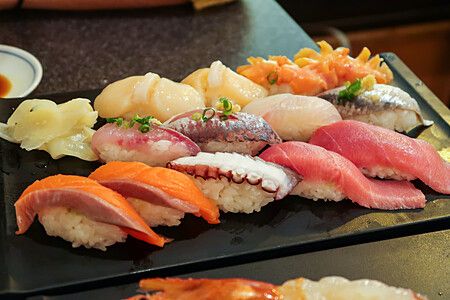
Table or counter
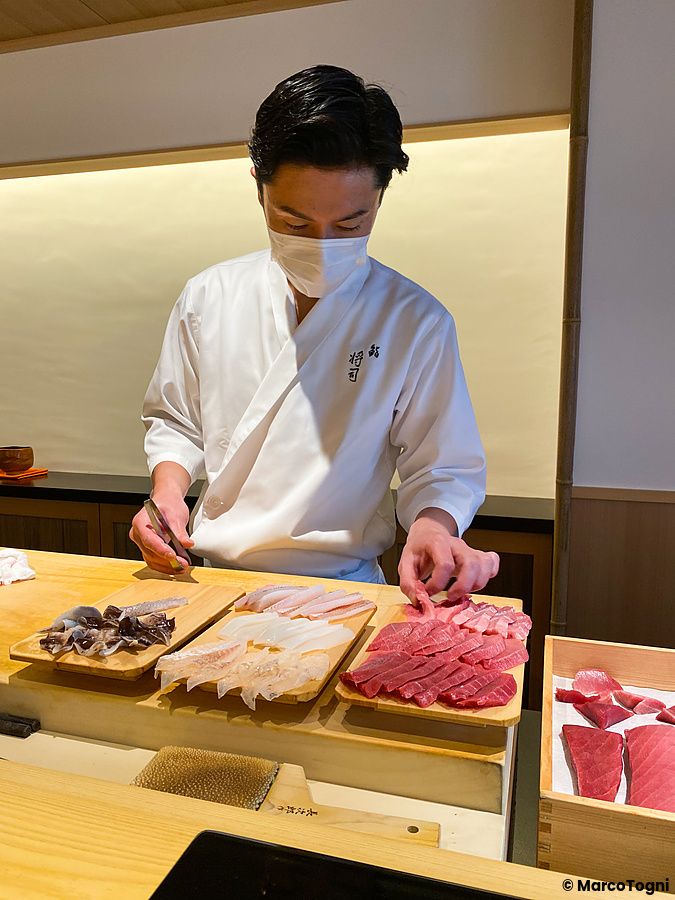
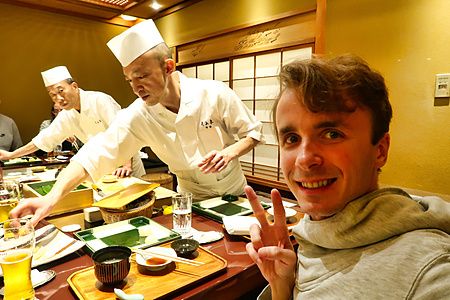
Many people think authentic sushi has to be eaten at the counter, face to face with the chef. That’s not a hard rule, though. It’s a style. I like a table too, when I can eat in total peace, without any pressure.
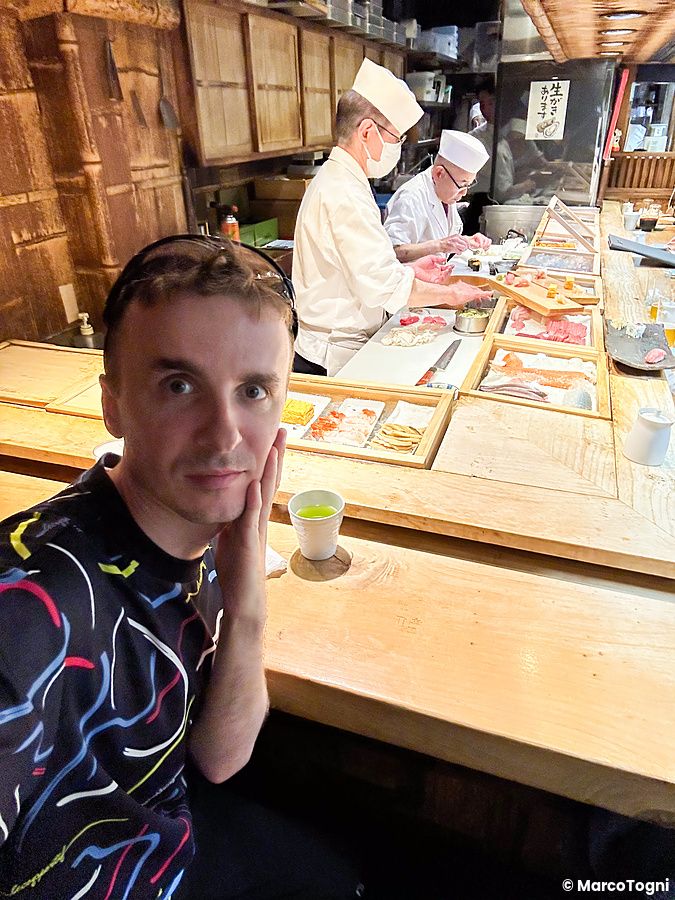
I’ll be honest: not everyone is comfortable at the counter. Some people feel watched, some are afraid of doing something wrong, and some end up eating on edge the whole time. That’s part of how I judge a restaurant too. Can I relax? Can I focus on the flavors? Or am I only thinking about not embarrassing myself?
Tamago first
The first piece I often order is tamago, the sweet “omelet.” I know it traditionally comes toward the end, almost as a closer. That’s exactly why I think it’s a brilliant test.
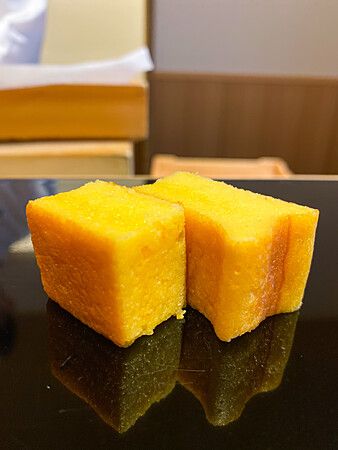
So how do I tell when it’s well made? It shouldn’t be dry. It should have a gentle sweetness, not a cloying one. Above all, it shouldn’t be one solid block: look closely and you’ll see that a good one has a layered structure, almost like a tiny lasagna. It seems like a small detail, but it’s one of those details that separate an “okay” place from one where they know what they’re doing.
Soy sauce and rice
Another thing that ruins the experience is careless use of soy sauce. With nigiri, you dip the fish side, not the rice side. The rice soaks it up and falls apart, and the sauce ends up drowning out everything. A light brush on the fish makes sense. Dunking it in the dish doesn’t.
Then there’s the rice, which is the heart of sushi. A lot of people see it as a neutral base, but it’s exactly the opposite: it’s seasoned, it has character, and it’s often a restaurant’s most recognizable signature. The ideal rice temperature isn’t cold. It’s close to body temperature, because that’s when you pick up its sweetness and aroma, and the fat in the fish behaves differently.
I always run a simple mental check here. If the rice is cold and packed tight, I’m eating something that’s been sitting around. If the rice feels alive, slightly warm and just moist enough, I’m already expecting higher quality, even before I get to the key pieces. There’s also a whole set of pieces where you don’t need soy sauce. Gunkan with sea urchin or fish roe fall apart if you try to flip them over, and pieces the chef has already brushed have the right sauce on them. In those cases I don’t touch anything and eat them as they are. If you’re not sure, look for the soy sauce dish: at serious places they often don’t even put one in front of you, because the seasoning is already the chef’s call.
The rice-to-fish ratio
A lot of people are fixated on one idea: “if there’s plenty of fish, it must be good quality.” That’s not how it works. I’m obviously not defending tiny nigiri with a see-through sliver on top. But the idea that more fish means better is far too simplistic.
In a good nigiri, the rice and the fish are meant to work together. The amounts have to let you taste both, and above all they have to let you eat the piece in one bite without it coming apart. Wasabi follows the same logic. Many places put it between the rice and the fish, and how much goes in is the chef’s call, not a test of courage.
If all you look at is how much fish there is instead of how the piece is made, you risk rewarding places that only go for the wow factor.
Hands or chopsticks
One of the questions I get most often is whether you eat nigiri with your hands or with chopsticks. Both are fine. Picking it up with your fingers is completely normal, and at the counter it’s often the most practical way, because the piece stays whole and won’t crumble. Chopsticks work just as well, as long as you pick the piece up from the side and not from the top.
What matters much more is timing. When the chef sets a piece down in front of you, that’s the moment it’s perfect: the rice is at the right temperature, the seaweed is still crisp, and the fish hasn’t started to warm up. If you stop to take photos or to finish what you were saying, you’re already losing something. At the counter I eat right away and talk afterward.
What salmon can and can’t tell you
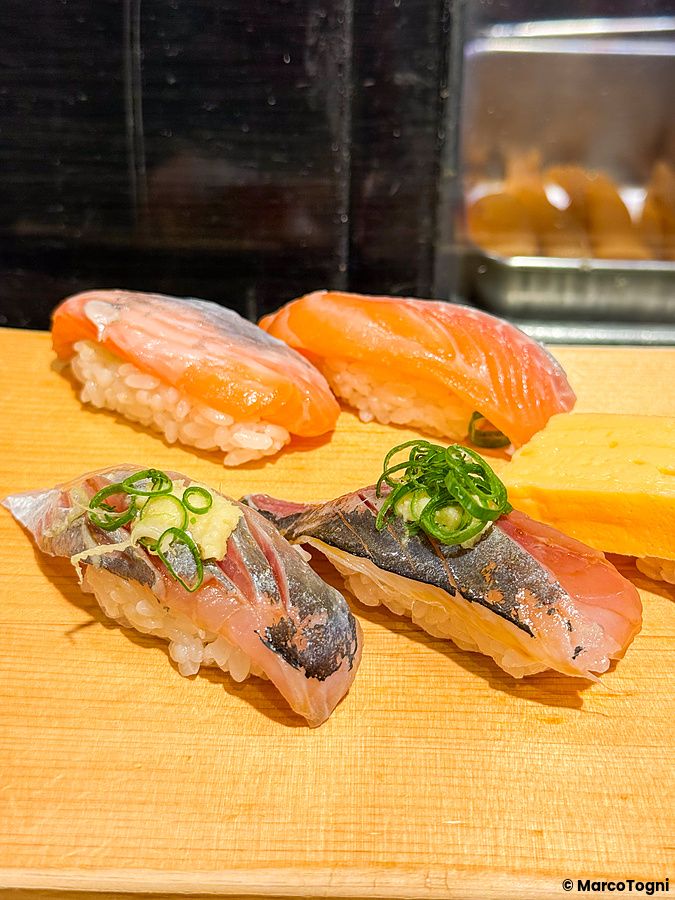
Let me be clear: judging a restaurant by its salmon alone is kind of a dumb idea, because historically salmon wasn’t a central fish in traditional sushi, especially Edomae style. Raw salmon became common much later, partly because of food safety issues and partly because of a commercial push from foreign exporters.
That said, I find salmon useful for one practical reason: you already know it. It’s one of the few pieces that let you make direct comparisons with what you’ve eaten elsewhere. So yes, it makes sense to try it, just not as the ultimate test. I use it as a personal yardstick, not as a universal verdict.
Here too, I’ll tell you what I look for: a clean smell, a firm but not rubbery texture, and fat that doesn’t feel heavy. If the salmon tastes like the fridge or is mushy, the problem often isn’t the fish itself but how it’s been handled.
What a scallop gives away
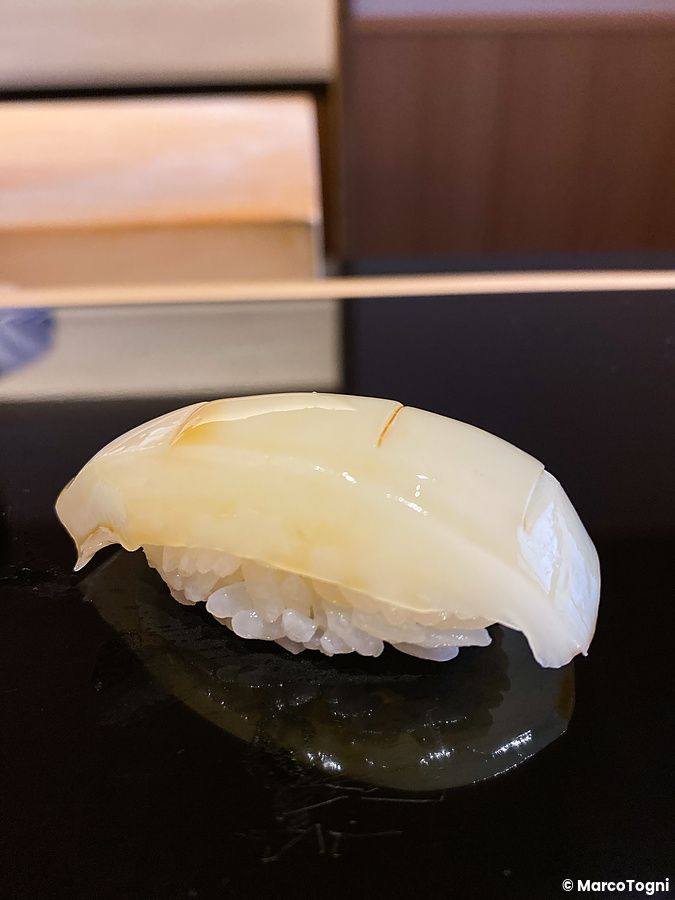
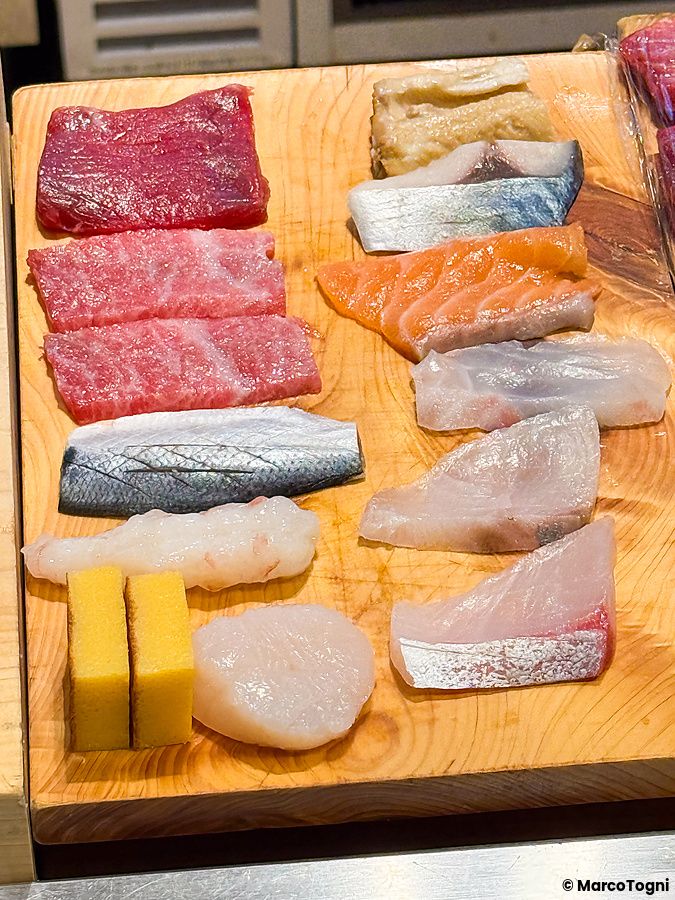
The scallop is one of my favorite tells, because when it’s mediocre you notice instantly: it’s small, watery, with no sweetness, almost bland. A good one has a clear flavor, a natural sweetness and a firm texture that doesn’t fall apart.
In Japan a lot of quality scallops come from the north, and when this ingredient is handled well, it shows you there’s care behind it. I use it to judge the chef’s technique: the cut, the thickness, the temperature, and how well it stays intact in your mouth.
To put it simply, a good scallop isn’t butter. It’s springier and more alive. If it just melts in your mouth like cream, that’s often not a good sign.
Raw shrimp
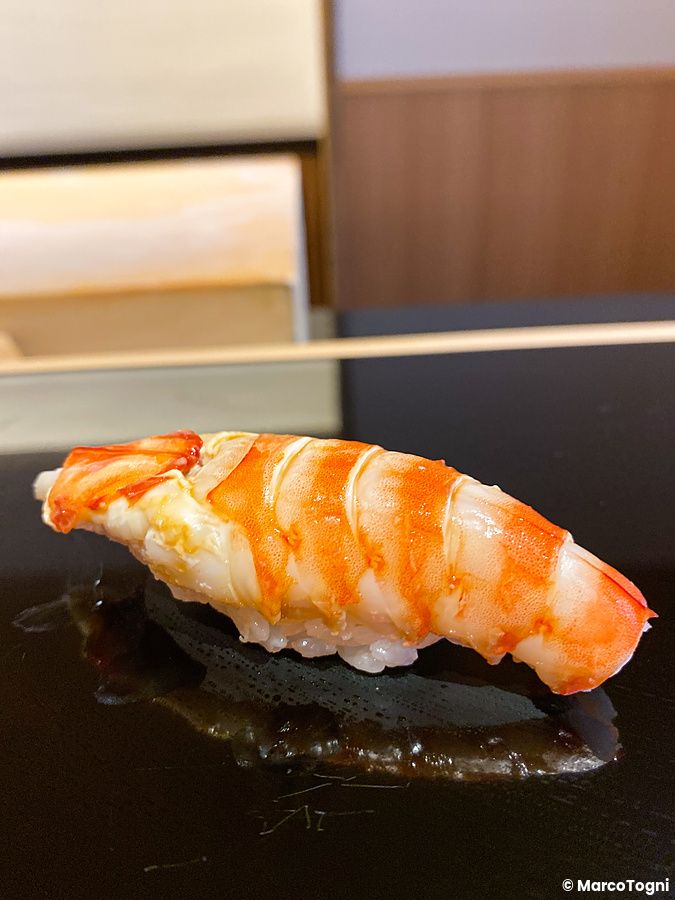
If the restaurant offers raw shrimp, I’d say that’s the one to try. Boiled shrimp can be good anywhere, and it’s easy to make it taste fine. Raw shrimp, on the other hand, is unforgiving: if it isn’t fresh or hasn’t been prepared well, you’ll notice.
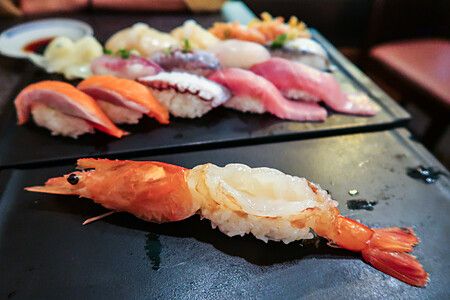
If they also serve you the head (sometimes fried), that’s a fun extra, but I wouldn’t turn it into an absolute benchmark. What counts is the body: if that’s good, the restaurant is getting it right.
Hosomaki and umami
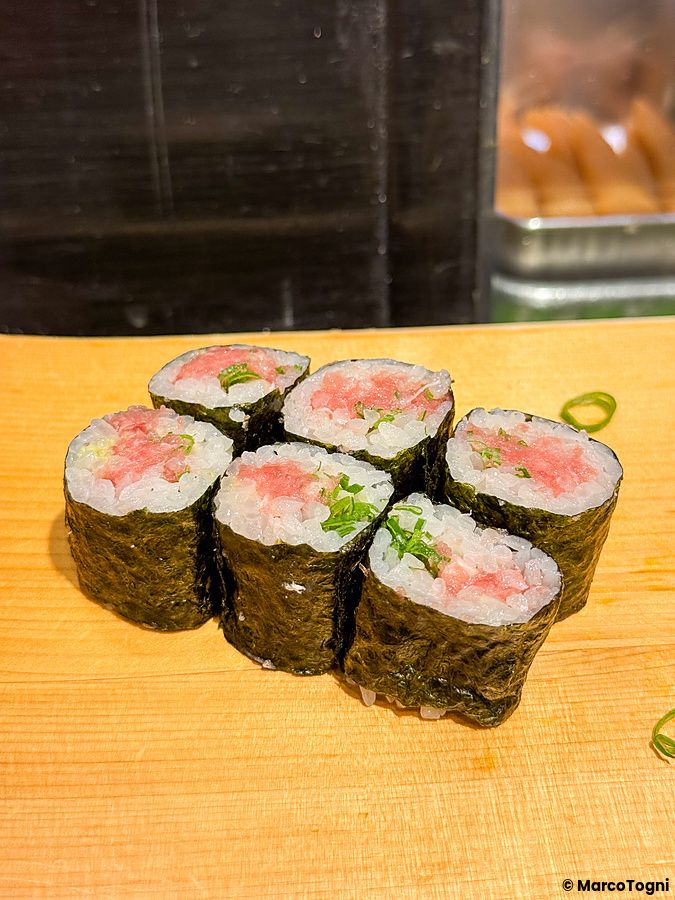
At some point I always order something with a strong personality, often a “house” hosomaki, the kind a place makes all the time and people order over and over. I don’t care about it because it’s “traditional” in some abstract sense. I care because it’s pure repetition: if a restaurant makes something a thousand times, it has to have a balance that really works.
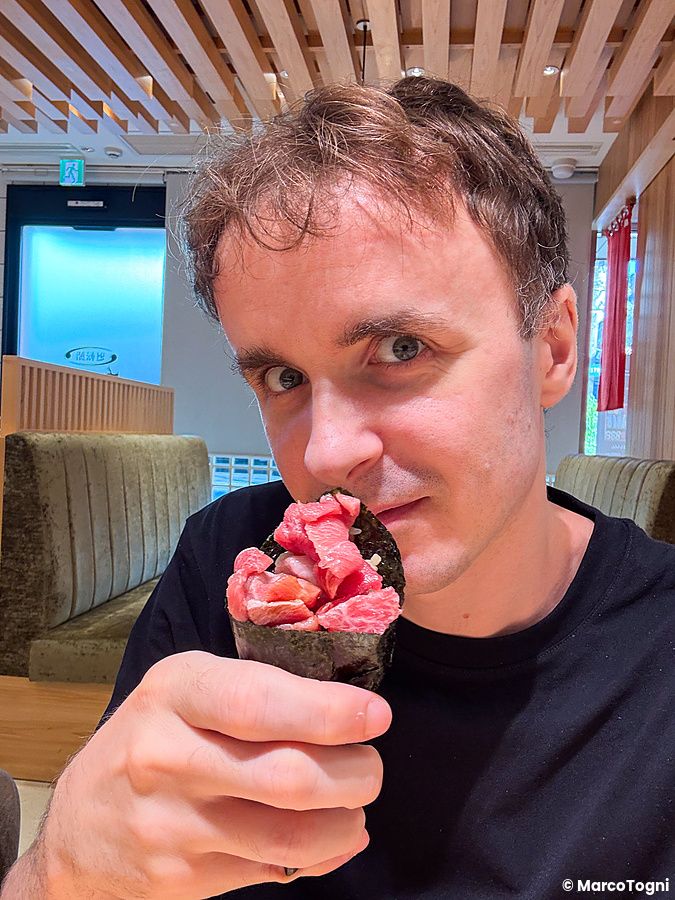
Take a hosomaki with minced tuna and chives. The idea couldn’t be simpler, but it really comes alive when the rice, seaweed and seasoning are spot on. With a bite like this, you immediately see how they handle umami, and if you want another one right away, that’s often a very clear sign.
I’m not looking for the most refined bite of my life. I’m looking for everything to work together. And precisely because these pieces look “simple,” they’re often the most honest.
Don’t be scared of sea urchin
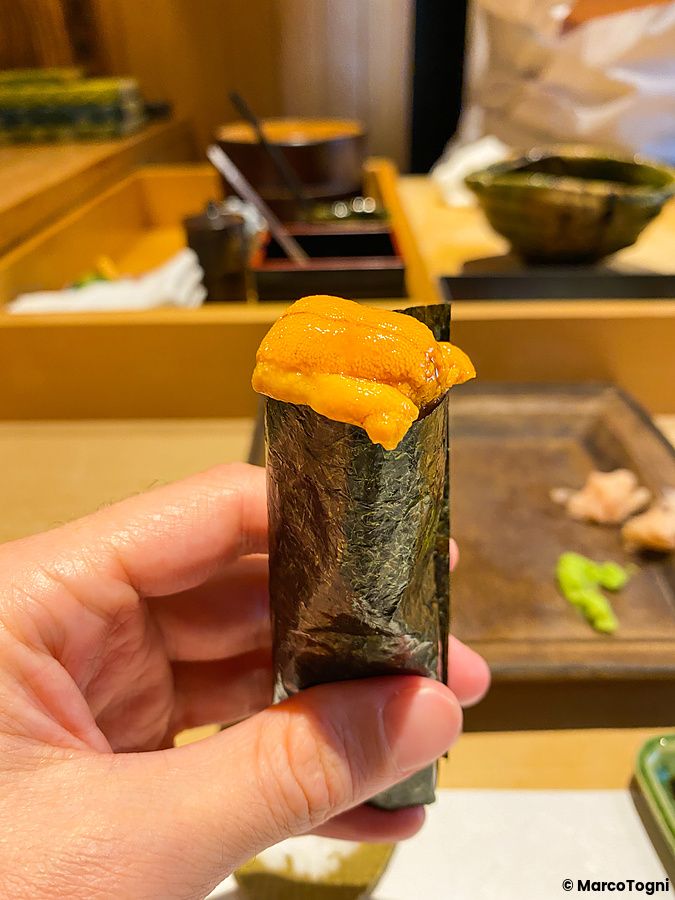
Sea urchin divides people: some love it, some hate it. I’d never treat it as a “mandatory test,” because if you don’t like it to begin with, it can skew your judgment. But if you can enjoy it even a little, it’s one of the pieces that tell you the most about a place.
Good sea urchin shouldn’t be bitter. It should taste like the ocean, sweet and salty, full and almost creamy, with a clean finish. Mediocre sea urchin is often flat, or it leaves an unpleasant note that lingers in your mouth.
After sea urchin I always cleanse my palate with a bit of ginger and a sip of water. I’m not trying to be a purist. I just want to get to the tuna without carrying over a flavor that overpowers everything else. As for the bitterness, much of the sea urchin you’ll find is treated with alum so it doesn’t fall apart during shipping, and that’s often where that chemical note at the back of your tongue comes from. Places that care serve untreated sea urchin, and you notice the difference right away: a fuller flavor, real sweetness, no bitter aftertaste. If they can tell you exactly where their sea urchin comes from, to me that’s already a good sign.
Tuna whenever you like
I often eat tuna last for a simple reason: depending on the cut, it can be fatty, so it coats your mouth and completely changes what you taste.
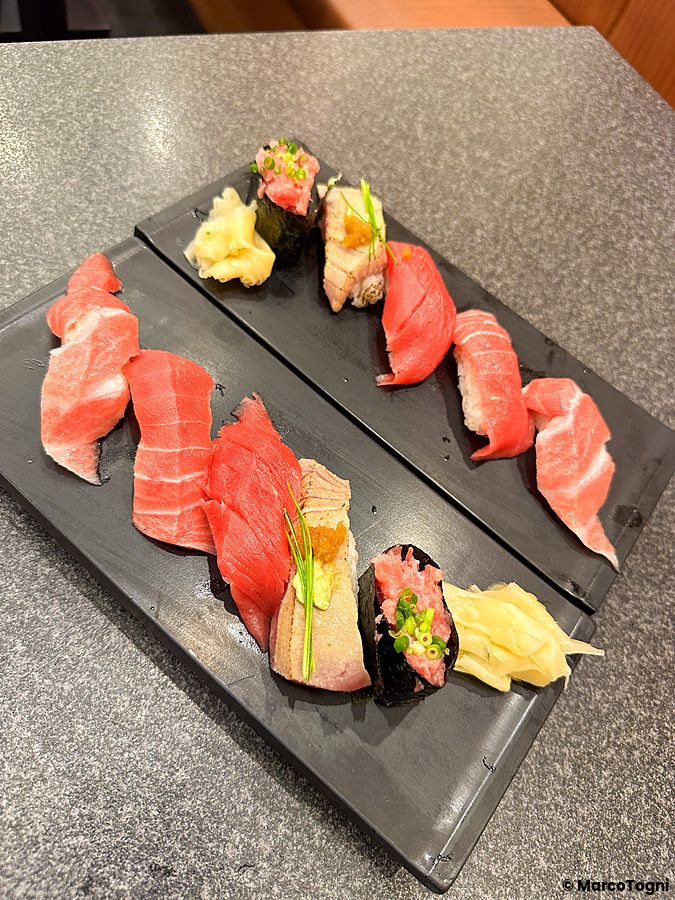
Without turning this into an encyclopedia, I think in terms of three categories: akami (lean), chutoro (medium fatty) and otoro (very fatty), although there are other factors and cuts to consider too.
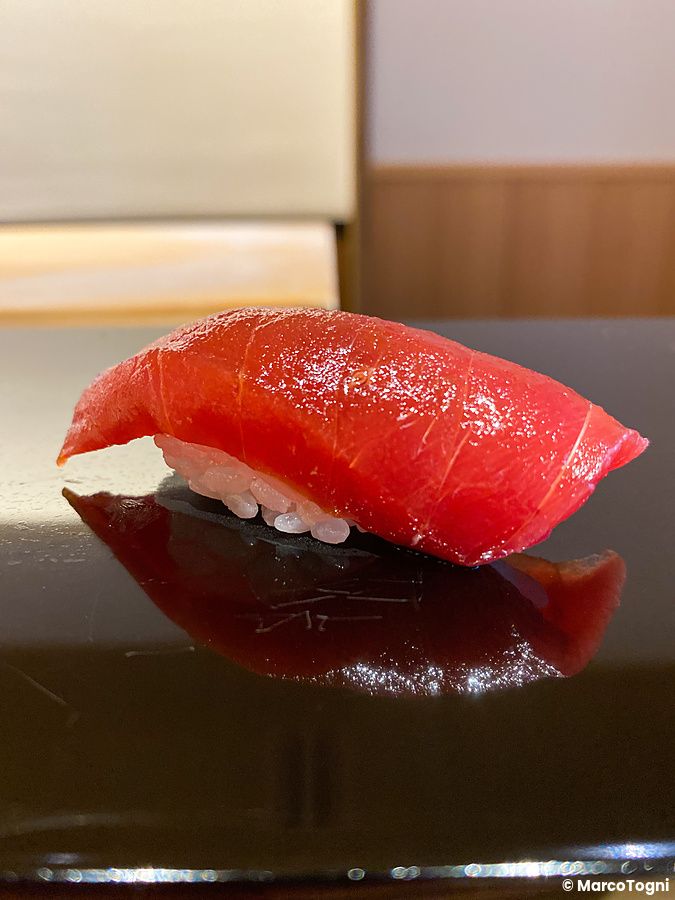
To judge a place, I mostly try akami and chutoro. Chutoro is prized, and it’s often “easy” to win people over with it. Akami is where you find out whether they really know what they’re doing: it should be moist and delicate, with no metallic taste.
Tuna’s color can be misleading. A red that’s too bright, almost raspberry, can be a sign of treatments that keep it looking “fresh” for longer. One method people in the industry talk about is carbon monoxide treatment, which stabilizes the color and can give tuna that “watermelon” pink that looks perfect even when the quality isn’t what you’d imagine.
When I say tuna should melt in your mouth, I don’t mean it should fall apart. I mean it should become almost buttery, with a fine texture. If it breaks into dry fibers instead, I take that as a sign that the handling or storage was less than ideal.
Unagi
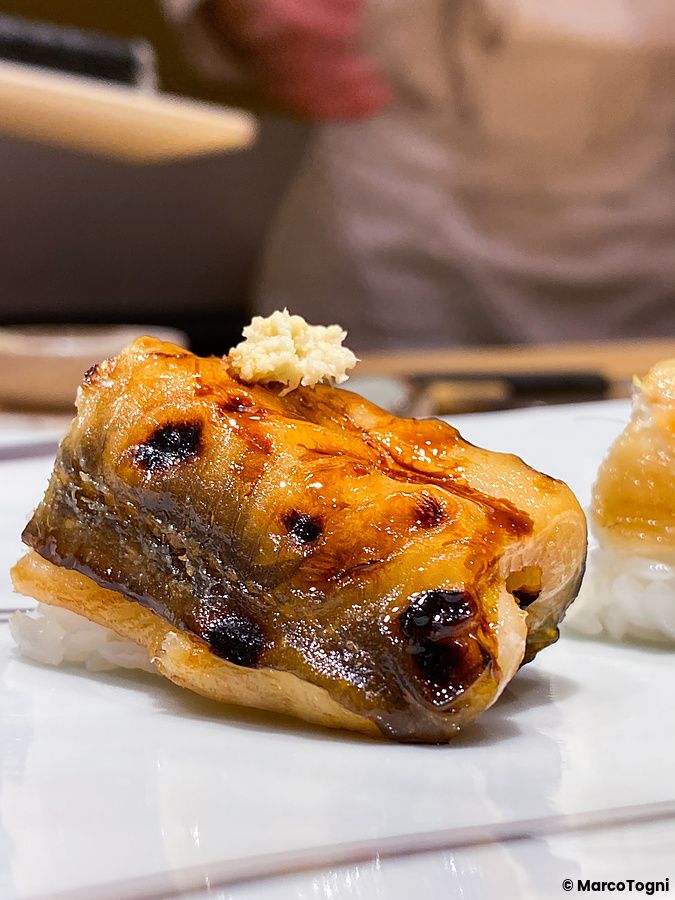
At omakase restaurants, unagi usually comes at the end because it’s sweeter and richer than a lot of other pieces.
That glaze and that flavor leave a strong finish in your mouth, and if you eat it too early you risk masking the delicate flavors that come before it.
I find it perfect after the tuna, precisely because the tuna has already brought richness and intensity, and at that point it makes sense to finish with something that feels almost like a dish from the kitchen rather than “just raw fish.” If you’re following my carefully planned tasting, unagi is one of the pieces worth saving for the end: it’s satisfying, it’s memorable and, above all, it doesn’t ruin the rest.
Consistency
Something else a lot of people overlook is consistency. Some places are incredible one night and two months later feel like a different restaurant. That happens especially when a place gets famous, is always packed, changes staff, changes pace.
When I recommend a place, I always keep two very down-to-earth questions in mind: does it hold up over time? and is it worth the trip? Even if you find fantastic sushi, if it’s really far away and you spend hours in line, the actual experience changes. Sushi isn’t just “how good the bite is.” It’s also what it costs you in energy, time and stress.
I’m not saying “it’s never worth it.” I’m saying choose wisely: sometimes a convenient, consistent 8/10 is better than a 10/10 that wrecks your day.
Kaiten and supermarkets
The method I’ve described doesn’t only work at serious restaurants. It works just as well at kaiten places and in front of a supermarket sushi counter. The tools change, the criteria don’t.
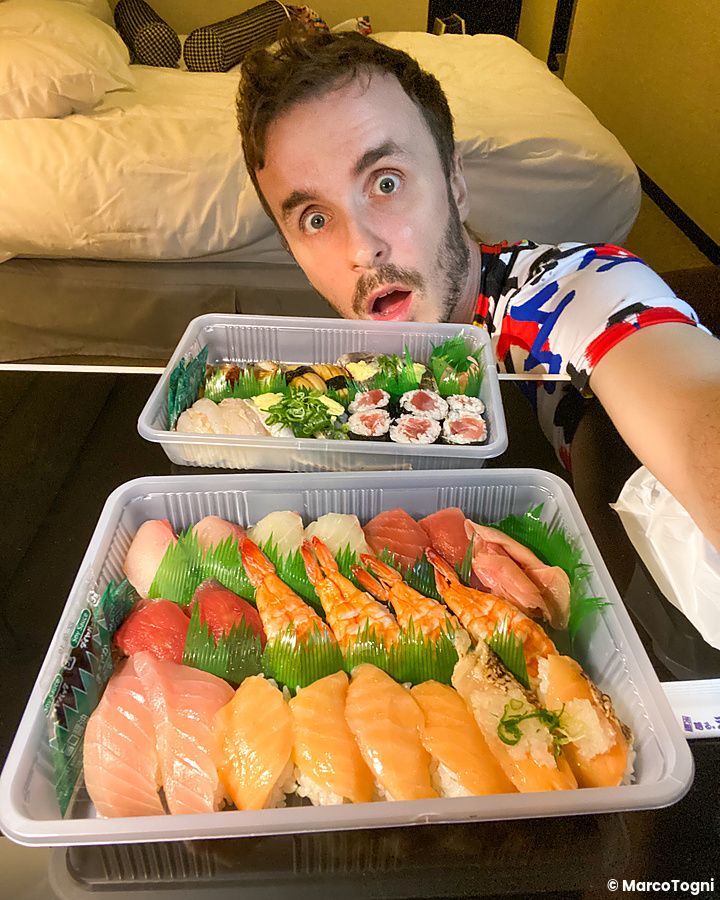
At kaiten places I look at two things: whether the rice is still soft and alive or has turned into a cold little brick, and whether the pieces going around have dried-out edges. At the better kaiten places it’s worth ordering from the tablet instead of grabbing plates off the belt, because the sushi is made to order and you can taste the difference. At supermarkets it all comes down to when you buy: at the end of the day you’ll find discounts, but also trays that were made hours earlier.
I eat them soon after buying and don’t leave them in the fridge too long, because cold is exactly what kills the rice. It’s not second-rate sushi. It’s the same test, on a different budget.
Common mistakes
I see the same mistakes all the time, and the funny thing is they often come from good intentions. People want to do “the right thing” and end up ruining the experience for themselves.
Here’s what I’d watch out for most:
- ordering only rolls and then concluding that “this is what Japanese sushi is like,” when you’re actually eating a different category altogether
- drowning everything in soy sauce and then saying the rice “doesn’t taste like anything”
- asking for extra wasabi like it’s a competition, and then not being able to taste the fish
- judging everything by the salmon, as if it were the piece that settles how good a restaurant is
- only looking for “Instagrammable” places, when the best sushi is sometimes the kind that has zero interest in putting on a show
I’m not moralizing. It’s purely practical. Fix these five things and that alone will make you enjoy any sushi a lot more, even without becoming an expert.
My advice
If I had to leave you with just one rule, it would be this: judge sushi for what it is, not for what you want to prove.
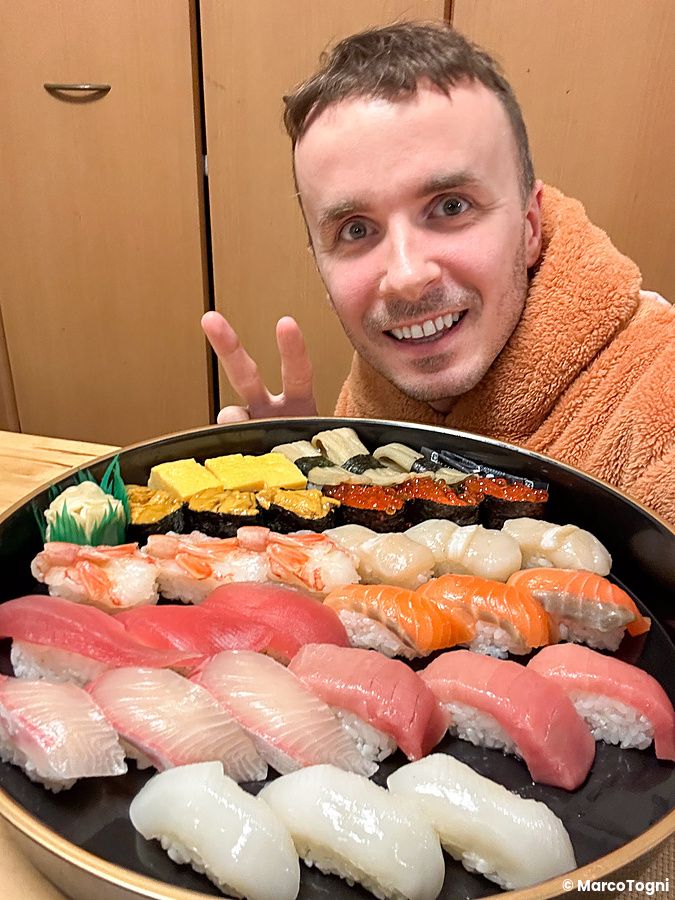
I always put together a small, carefully planned tasting with just a few pieces, and I pay as much attention to the rice as to the fish. I focus on temperature, balance and clean flavors. If a place gives me peace of mind and consistency, it often wins me over more than one that’s only out to make an impression.
And really, you don’t need to turn every meal into an exam. Sushi can be a simple pleasure. The one thing that changes everything is to stop judging at random and start looking at two or three of the right details. Once you do, you’ll find there’s a lot more to enjoy.
Honestly, I hope this also takes away a bit of the anxiety. Walk in, order smart, eat slowly. And if a piece doesn’t win you over, oh well: you’ve learned something, and next time you’ll choose better.
A simple ending
To me, authentic sushi is the kind that still holds up once you strip away all the theater.
Sometimes you find it in a tiny place, sometimes at a packed chain restaurant, sometimes at a restaurant where you sit at a table and forget about everything else. I’d always go for whatever lets you eat well and stay relaxed, without having to prove anything to anyone. And if you end the night with one last nigiri done right, the rice still alive and just warm enough, it stays with you. Not as a “perfect experience.” Simply as a taste.

