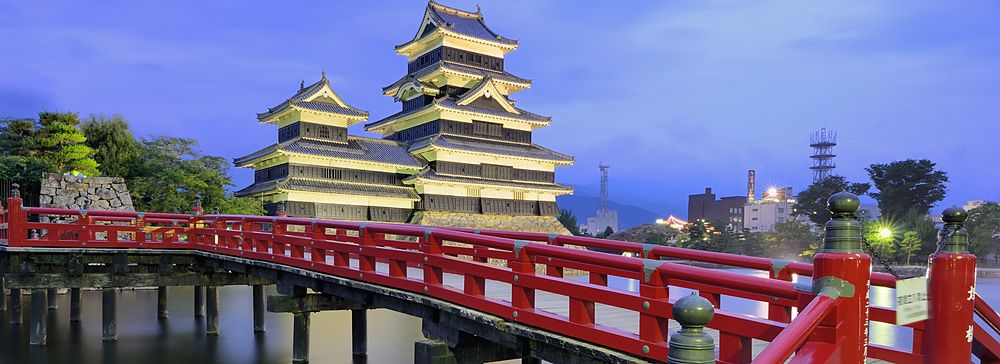
How to Become a Japanese Citizen
Getting Japanese citizenship is possible, but it isn’t something you do for show. It’s a real procedure with clear requirements, and it comes with one huge consequence that a lot of people find out about too late.
I’ve lived here for years on an Italian passport and a visa, and that’s exactly why I keep getting the same questions: can you become a Japanese citizen, how hard is it, and what about dual citizenship? Let me clear it all up for you, without turning it into a guide to bureaucracy.
Contents
- Is it possible?
- The dual citizenship problem
- Passport vs. visa
- The requirements
- How the process works
- What actually changes
- Permanent residency
- The paradox back home
- Can you get it back?
- When it can make sense
- International couples and kids
- Language and integration
- Your name and documents
- Common mistakes
- Where I stand
- If you're thinking about it
- Final thoughts
- Video: Living in Japan: How Long Visas Last
- Video: Moving to Japan: 4 legal ways
Is it possible?
Yes, you can become a Japanese citizen through naturalization. It isn’t a shortcut, and it isn’t a formality. You apply, you prove you meet the requirements, and if you’re approved, you become a Japanese citizen in every legal sense, with a Japanese passport.
Whether you can do it is only part of the question. What you really need to understand is what it actually involves, because Japan looks at citizenship differently from a lot of other countries.
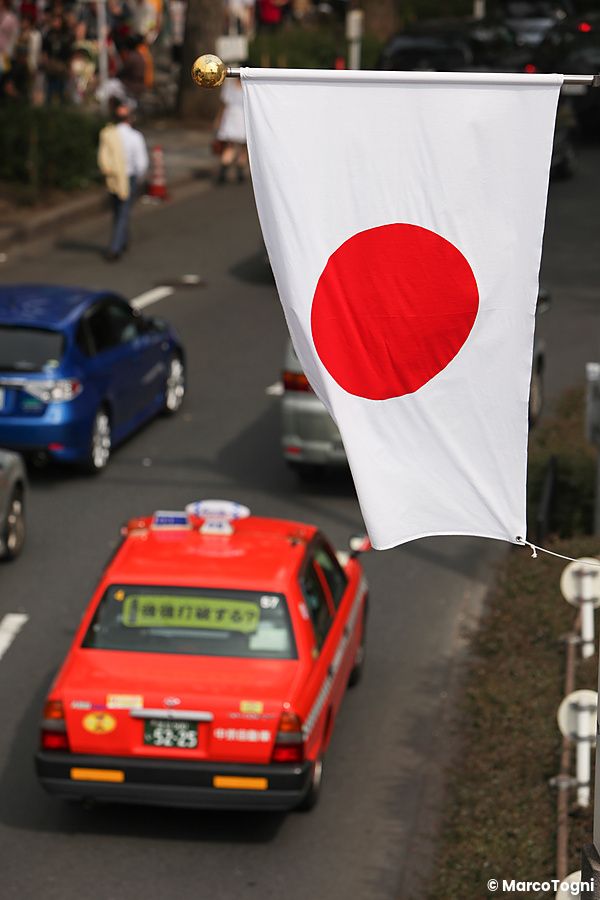

The dual citizenship problem
This is what changes everything: Japan generally doesn’t allow dual citizenship as a long-term arrangement. If you naturalize, the basic rule is that you have to give up your previous citizenship.
So the idea of keeping your old passport and getting a Japanese one on top falls apart in most cases. That’s usually the moment people realize that “Is it worth it for me?” is anything but a simple question.
Passport vs. visa
If you live in Japan on a visa, you’re not halfway there or “almost Japanese.” You’re a citizen of your own country with permission to be here. That holds even if you’ve been here for ages, work, pay taxes and lead a completely normal life.
Citizenship is a different thing altogether. It’s a permanent change of status: you no longer depend on renewals, visa categories or residence requirements, so legally you have complete stability. But it comes with that huge price I mentioned above.
The requirements
I won’t turn this into a bureaucratic checklist. The requirements come down to a few pillars: years of continuous residence, good conduct, the financial means to support yourself, and legal eligibility.
In very practical terms, you have to show that your life is genuinely here and that the system can see you as someone “reliable.” Having a job isn’t enough on its own. You need to be in good standing, stable and consistent over time. It’s worth getting the numbers right, because that’s where applications are won or lost. The law says 5 years of continuous residence, but in practice the offices that handle applications set the bar higher, at around ten years. They also go back over several years of your tax returns and pension contributions, and if you have gaps in your payments, that’s where your application gets complicated. There’s a shorter route if you’re married to a Japanese citizen, but it’s the exception, not the rule.
How the process works
You don’t just fill out a form online and wait. It involves documents, checks and interviews, it can drag on for a long time, and it takes persistence.
Here’s how I’d approach it. If you’re considering naturalization, be ready to gather proof and certificates, explain your situation clearly and see the process through with patience. It’s one of those procedures where a “well, let’s give it a shot” attitude usually doesn’t get you far, because it takes energy and follow-through. In practice, you file the application at the Legal Affairs Bureau, the Homukyoku that covers the area where you live, and you hand it in yourself, in person. Before you can even file it, there’s a preliminary consultation where they tell you which documents your case needs, and the list varies from case to case. Then come the checks, a formal interview and, above all, the wait: it’s often more than a year between your first visit and the answer. The final decision rests with the Minister of Justice.
What actually changes
Becoming a Japanese citizen gives you something huge: you stop depending on immigration as a “resident with a permit.” Legally, you become part of the country, with no conditions attached.

- no more visa renewals or restrictions tied to your residence status
- living here without the worry that one day “they might not renew my visa”
- having the rights of a citizen, including political rights, along with the duties that come with them
Many of the other things people associate with citizenship, though, often come with a secure residence status that you keep in good standing. Which brings me to the alternative a lot of people underestimate.
Permanent residency
If your goal is to live in Japan long term without the stress, permanent residency is often the most sensible option. It doesn’t make you Japanese, but it removes a huge amount of the uncertainty.
The way I see it, citizenship makes sense when you truly want to change which country you legally belong to. Permanent residency makes sense when what you want is practical stability. Those are two different goals, and mixing them up leads to choices that weigh on you later.
The paradox back home
This is the part that throws people, but it’s also the one with the most concrete consequences.
If you become a Japanese citizen and give up your original citizenship, you enter your home country as a Japanese citizen. That means going through the channels and rules for foreign nationals: a limited stay as a tourist, and if you want to stay longer, you have to go through the same paperwork as any foreigner, permits and all.
Let’s be honest. Having to apply for a residence permit to live in the country where you were born is something a lot of people never even consider until someone spells it out for them like this. And it’s one of the reasons why, if your original citizenship is a “strong” one, naturalizing in Japan isn’t automatically a smart move.
Can you get it back?
People ask me this all the time: if I give up my citizenship, is it gone for good? That depends on the law of your home country. Some countries let you reacquire it, but the route can go through one demanding step: re-establishing residence there, which means actually moving back.
And when it does, the paradox comes full circle. To get that residence back, you first have to enter and live there as a Japanese citizen, which means on a residence permit, dealing with the same paperwork as any foreigner, in the country where you were born. It’s not impossible, but it’s not a switch you can flip back on whenever it suits you. It’s a real move, with all the time and bureaucracy that involves.
When it can make sense
In some cases this choice can make a lot of sense. Typically:
- if your original citizenship holds you back a lot when it comes to travel and opportunities
- if you want to truly cut ties with your home country, for personal or legal reasons
- if your life is here for good and you have no interest in keeping an “easy way back”
In those situations, giving up your previous citizenship can seem like an acceptable trade-off. But if you care about being able to go back to your home country, stay for long stretches or settle there again without hurdles, my advice is to think it over very carefully.
International couples and kids
For children of international couples it’s a different story again, because they often have dual citizenship from the start. Even here, though, Japan tends not to see dual citizenship as a permanent condition, and in some situations they have to choose one by a certain age.
If this is your situation, the important thing is not to treat it as a detail that “can be sorted out later.” You need to understand it early, because it affects documents, registrations and life choices that are a pain to fix at the last minute.
Language and integration
A common fear is “Do I need perfect Japanese?” You have to be realistic about this. You don’t need to be a poet, but you do need to show you can genuinely handle normal everyday life, and above all to follow a process that runs on documents and precise communication.
My advice is to look at it this way: even if someone helps you, you’re the one responsible. If you can’t even understand what you’re signing or which documents you’re missing, everything gets slower and more stressful. Language isn’t a trophy. It’s a tool to keep the procedure from overwhelming you.
Your name and documents
Here’s a question I hear all the time: do I have to change my name? No, it isn’t mandatory, and most people who naturalize just keep their own.
There is one technical detail that throws people, though. As a Japanese citizen you’re entered in a koseki, the family register, and your name can’t be written there in Latin letters. It has to be registered in Japanese characters, usually in katakana, spelled out phonetically. Put simply, your name stays yours, but the way it’s written on official documents changes.
The rest of your administrative life changes too. You no longer have a residence card, you get a Japanese passport, and the koseki becomes the core document for marriage, inheritance and all kinds of paperwork. It looks like a minor detail, but it stays with you for life.
Common mistakes
There are three mistakes I see again and again when people go with their gut on citizenship:
- confusing citizenship with permanent residency, as if they were two versions of the same thing
- taking dual citizenship for granted, because in other countries it’s normal
- treating it as a choice made purely for convenience, without looking at what happens when you go back to your home country
Get these three points clear and half the confusion goes away.
Where I stand
Honestly, I wouldn’t want it. Not because I “don’t love Japan” or don’t feel at home here, but because for me it makes no sense to give up my Italian citizenship when I can build a stable life here on a permit I keep in good standing.

If you’re thinking about it
If you’re seriously considering Japanese citizenship, I’d start with three blunt questions:
- are you after stability in your life in Japan, or a permanent change in where you belong?
- are you willing to give up your current citizenship with no practical regrets?
- do you have a clear plan for what happens if one day you want to live for a long time in your home country?
If you’re unsure about even one of these, the answer often isn’t to dive in, but to first build a solid foundation with residency and a stable life here. Then you can decide.
Final thoughts
Yes, you can become a Japanese citizen. But it’s not a reward for loyalty, and it doesn’t automatically upgrade your life. It’s a choice that changes where you stand in the world, especially in relation to the country you were born in.
My advice is to take it as seriously as you would any decision you can’t undo. If you go into it with a clear head, it can make sense. If you do it just because it “sounds good,” it could turn into a problem you never saw coming.
So what about you? If you had to choose between practical stability and a complete change of passport, which would you put first?

