Best Beaches Near Osaka
Just like Tokyo, there are plenty of nice beaches near Osaka, along with lively seaside towns, perfect for breaking up city sightseeing with some downtime by the sea. Wherever you go, one piece of advice always applies: watch out for jellyfish. They tend to show up in large numbers late in the summer, from August on. Unfortunately the beaches aren’t always as clean as they should be, partly because so many people use them, so always take your trash with you and help keep the coast clean. This is a country that has always treated order and cleanliness as core values.
Here are the best-known beaches near Osaka.
Shirahama
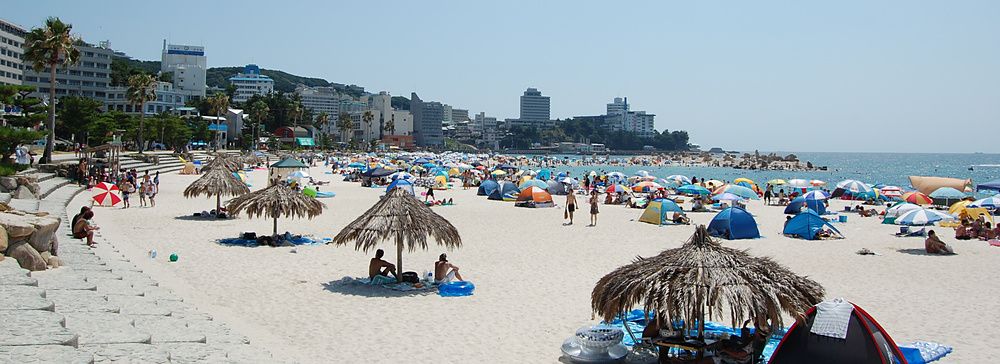
Shirahama sits in the southern part of the Kii Peninsula in Wakayama Prefecture, facing the Pacific Ocean. It’s one of Japan’s three oldest hot spring towns and also a well-known beach resort, popular for its fine sandy beach and the views along the waterfront. In the past, many emperors came here.
Shirahama is best known for its beautiful white sand, which was actually brought in from Australia, for the excellent seafood you can eat here, and for its many luxury resorts, which make it a sought-after destination in summer. The beaches are fairly clean and well kept, and there are lots of attractions for kids, so it works well for families too. Since it’s about two hours from Osaka by train, most people come for more than a day.
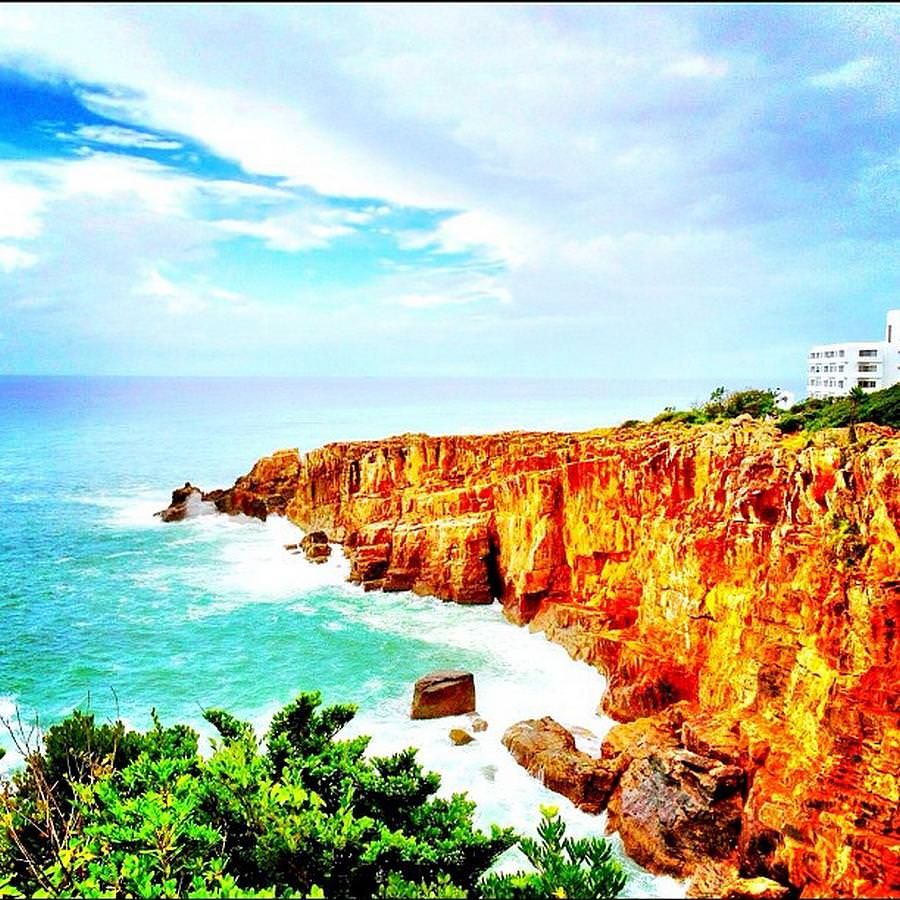
The area’s sights include the Sandanbeki cliffs, a dramatic wall of rock that drops straight into the sea, and the underwater observation tower, which stands 100 meters offshore and lets you watch underwater plants and animals through its portholes.
Creative Commons tenaciousme
Creative Commons Hikosaemon
Suma
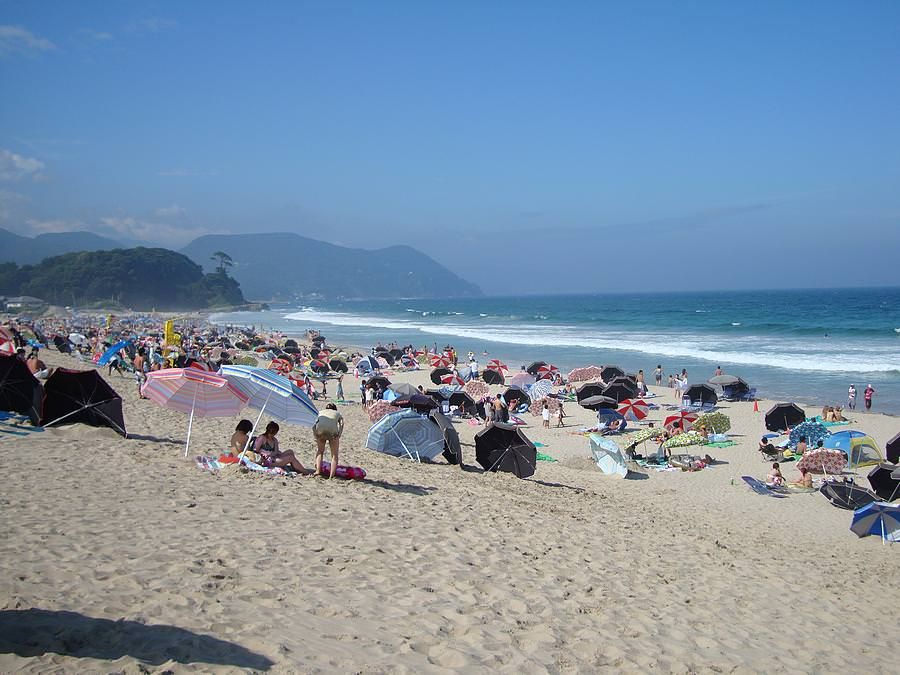
Suma Beach is very popular with people from the Hanshin and Chugoku regions, partly because it’s easy to get to: fast trains run there and the station is close to the beach. It’s often very crowded, but it’s still a pleasant place to spend the day, and a strict city ordinance bans speakers, amplified instruments, barbecues and fireworks. As a result, the atmosphere is calmer than you’d expect from a city beach.
Suma is also known for its beautiful white sand and green pine trees, and all year round it draws people who love the sea and water sports like windsurfing. It’s estimated that more than a million people come here every year, drawn not just by the scenery but also by the many facilities: bars, restaurants, sports and recreation centers, and so on.

Creative Commons Takeshi Kuboki
Tarui
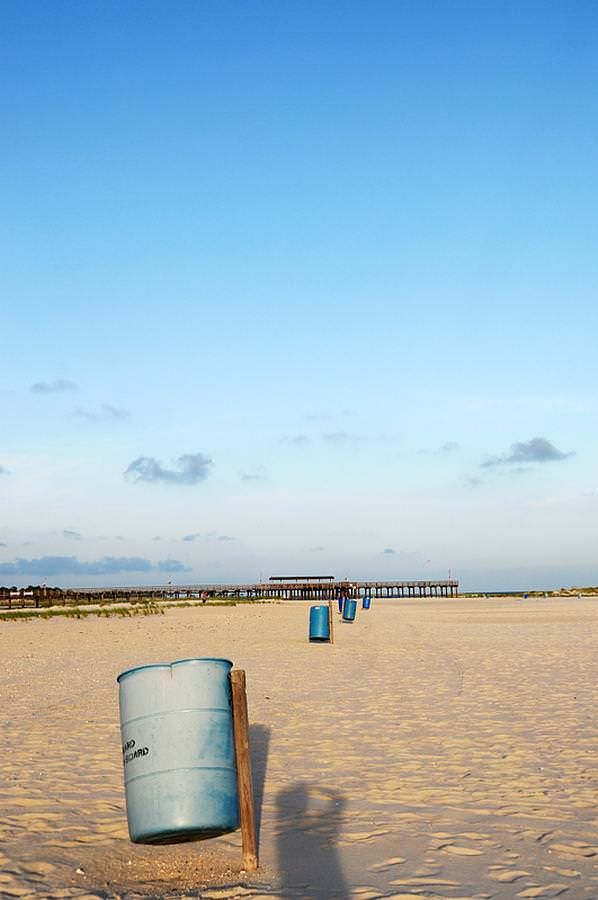
If you don’t like crowds, you’ll be happier at Tarui, a beach that’s a lot quieter and more secluded than Suma. Tarui Beach is about a 15-minute walk from Tarui Station, and like many other beaches, it’s easy to reach on fast trains from the big cities. It’s small, but it has plenty of facilities: umbrella rentals, several places to eat and many of the amenities you’d expect at bigger, better-known beaches. Tarui is an artificial beach, and its white sand and the palm trees lined up along half a kilometer of shoreline give it an almost tropical look, which is pretty unexpected in this part of Japan.
Right in front of you is Kansai Airport, with planes constantly taking off and landing over the sea. The sunsets here are good enough to have earned the area a place among Japan’s 100 best sunset spots. It’s also a good spot for stand-up paddleboarding.
Creative Commons faungg
More beaches on the Osaka coast
Tarui isn’t the only beach on the Osaka coast. Heading south along the shore from Kaizuka to the Wakayama border, you’ll find several others, all very popular with Osaka families on summer weekends.
- Nishikinohama: in Kaizuka, a long beach sheltered by a very dense pine forest, and maybe the one Osaka locals love most;
- Tannowa Tokimeki Beach: in Misaki, sandy with calm water, handy if you have kids;
- Pichipichi Beach: in Hannan, facing the Sennan coastal park, with lots of greenery behind the sand;
- Marble Beach: in Sennan, not a swimming beach but a stretch of white pebbles, famous for its sunsets.
In spring, before the swimming season starts, many of these beaches fill up for a different reason: people come to dig for clams at low tide, a classic outing for Japanese families.
Awajishima
Awajishima is an island in Osaka Bay, easy to reach by ferry, with small, lovely beaches that are perfect for a relaxing stay. Besides the sea, you can tour the area and visit places like the Naruto whirlpools in the Seto Inland Sea. The island’s beaches aren’t all the same, so it helps to know which ones to head for. On the west side is Keinomatsubara, a couple of kilometers of pale sand backed by a centuries-old pine forest, with some of the most celebrated sunsets in the country. A little farther north, the beach at Goshiki is covered in colorful pebbles, which gave the place its name: Goshiki means five colors.
On the east side, Ohama is the most convenient and best equipped beach if you decide to spend the night on the island.
Isonoura
Isonoura, near Wakayama City, is a big, fairly crowded beach that’s very popular with people from Osaka and the Kii Peninsula. You won’t get the peace and quiet of a small, secluded cove, but it has a cheerful, lively atmosphere that pulls in huge numbers of people in summer. The facilities work well, and there are some nice trips you can take in the surrounding area. To get there, take the train to Isonoura Station. Above all, though, Isonoura is the surfers’ beach: over a kilometer of sand, a gently sloping seabed and usually mild waves, ideal for beginners, so there’s no shortage of surf schools. When a typhoon swell rolls in, the waves get really big and the water fills up with experienced surfers.
In summer, swimmers and surfers share the beach without any trouble, because the swimming area is kept separate from the surfing area. The local specialty is fresh whitebait, served over rice at the stands right by the water.
When you can swim
Japan’s beach season is short. Beaches officially open between late June and mid-July and close by the end of August. At Suma, for example, the season lasts just over a month, while beaches on the Osaka coast usually open on July 1.
During those weeks you’ll find everything: lifeguards, showers, food stands and, in some places, jellyfish nets, plus the beach huts where you can eat and rent towels and lounge chairs. Outside that period you can still walk onto the beach, but it’s completely bare. There are no facilities, no lifeguards, and even on a 30°C day in September, almost nobody goes in the water. If your trip falls in June or mid-September, expect to look at the sea rather than swim in it.