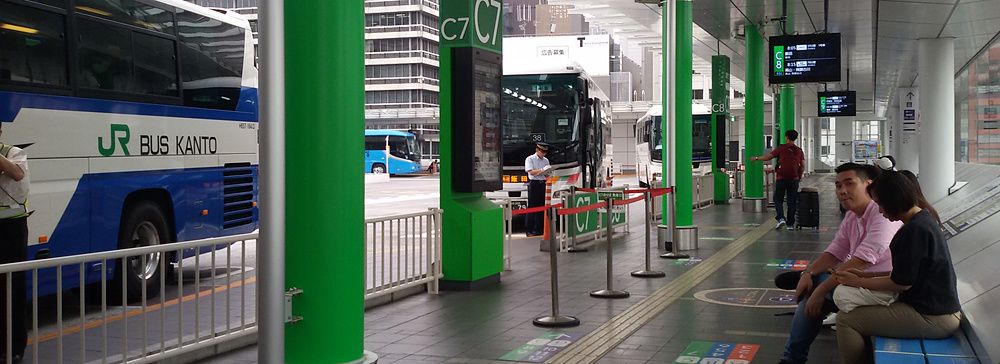
Busta Shinjuku
If you want to travel around Japan by bus without spending much, start at Busta Shinjuku. It’s the largest terminal for long-distance buses in the country, and it sits right on top of Shinjuku Station. Buses leave from here for Mount Fuji, Kyoto and Osaka, the airports, and hundreds of cities you may never have heard of.
I’m there a lot, both when I’m heading to Lake Kawaguchi and when I’m seeing someone off on an overnight bus. First-timers almost always get tripped up by the same things: which entrance to take from the station, which floor to go up to, and how to find their bay on the departure board.
Contents
What Busta Shinjuku is
Its official Japanese name is Shinjuku Expressway Bus Terminal, but everyone calls it Busta, a blend of bus and station. It opened in April 2016. Before that, long-distance buses left from about twenty stops scattered around the west exit of Shinjuku Station, and finding the right one with a suitcase in hand, maybe in the rain, wasn’t easy.
Now it’s all under one roof. More than a hundred companies operate here, and on peak days there are over 1,500 departures and arrivals, serving about 300 cities in almost every prefecture in Japan.
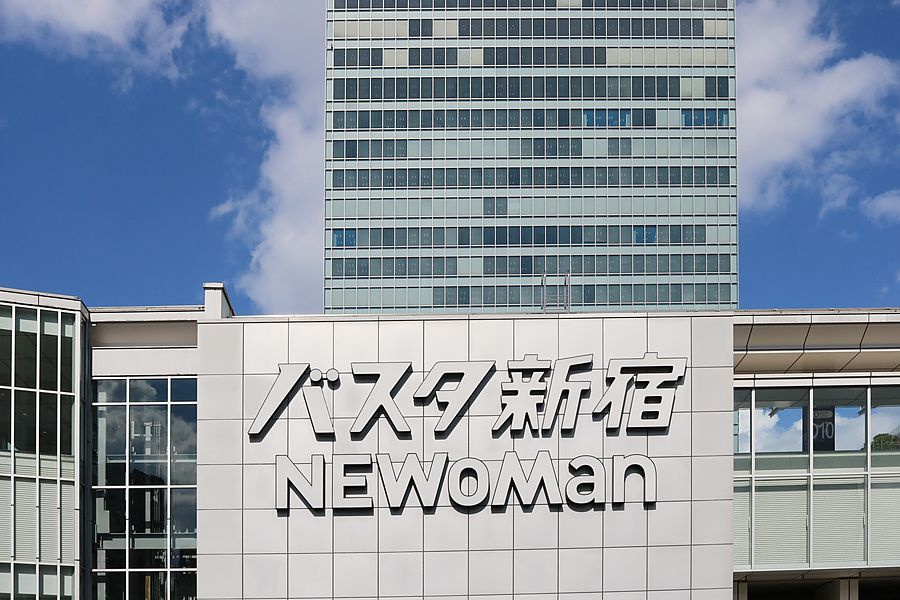
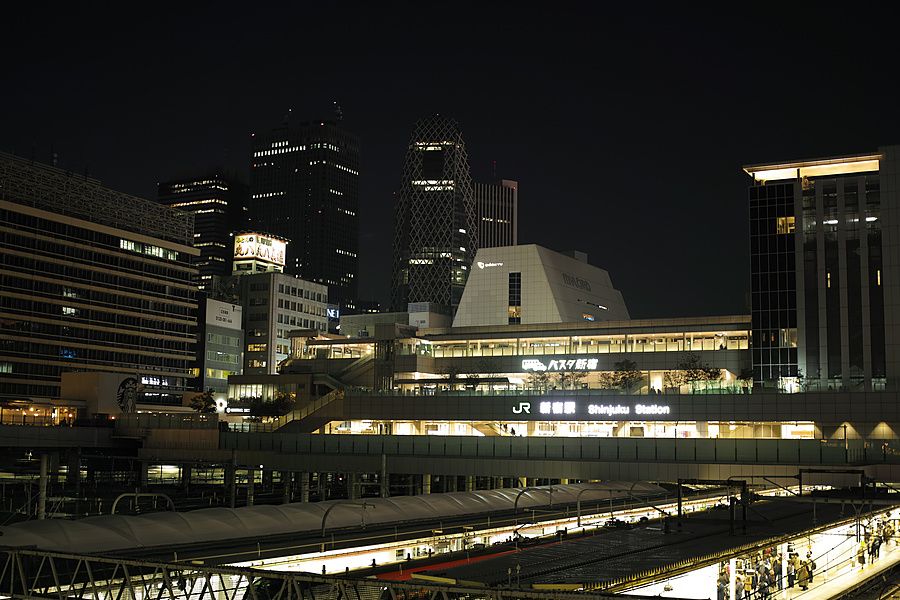
The terminal is part of a big redevelopment project built over the tracks on the south side of the station, along Koshu-kaido, a major road. The same complex also has the Newoman shopping center and an office tower. I mention this because lots of people look for the terminal at street level and can’t find it. Busta is up high, above the station, and you reach it by escalator.
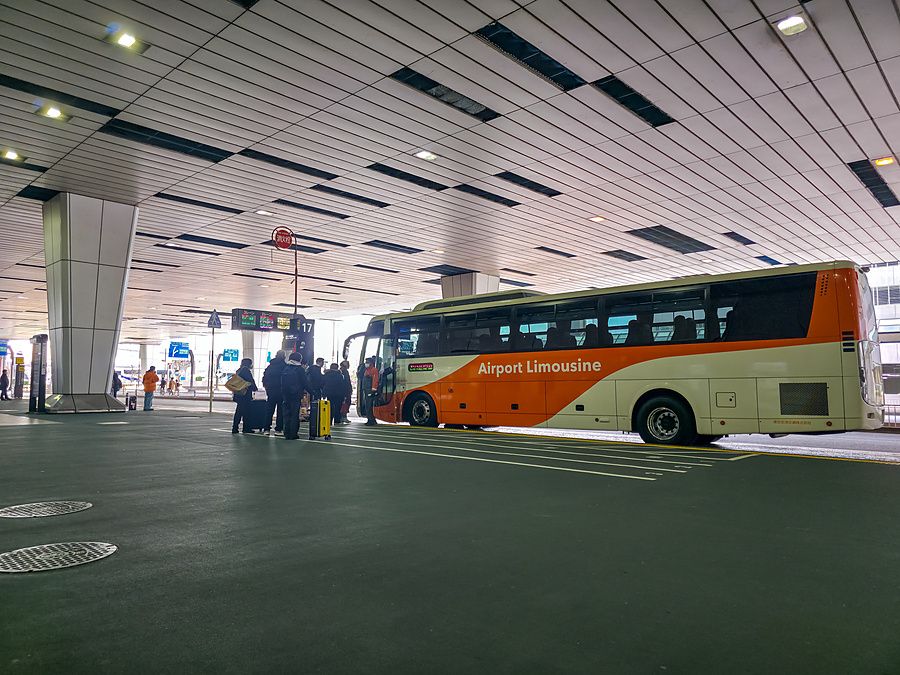
Getting there
If you’re arriving on a JR train, the easiest route is through the Shin-minami gate, the New South Exit. Right outside are the escalators up to the terminal, and in a couple of minutes you’re on the departures floor. The route is covered all the way, so you won’t need an umbrella even when it’s raining.
The Shin-minami gate, though, closes late at night and reopens early in the morning. If your bus leaves at dawn or you’re arriving in the middle of the night, use the regular South Exit. It’s a few more minutes on foot, but it’s always open while the trains are running.
If you’re coming by subway or on a private line like Odakyu or Keio, allow 5–10 minutes to walk through the station, and at Shinjuku that means long corridors and big crowds. I’d follow the yellow signs that say Busta Shinjuku or Expressway Bus Terminal, which you’ll see almost everywhere, and not rely too much on Google Maps. Inside the station your location on the screen keeps jumping around and the floors get mixed up.
If you come by taxi, get dropped off on the third floor, where the taxi stand is. Private cars can’t get in, though: the terminal is for buses and taxis only.
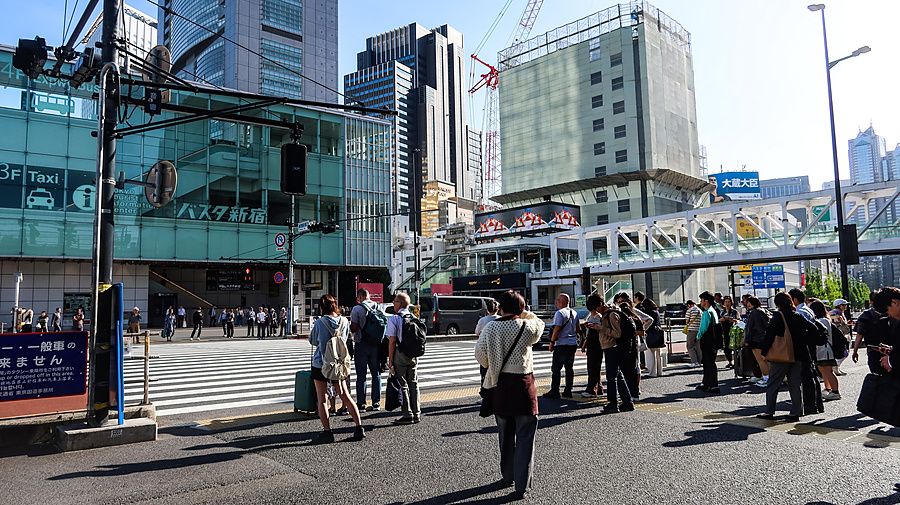
Floor by floor
Busta takes up three floors, and it helps to figure out right away what each one is for:
- The fourth floor is for departures. This is where you’ll find the ticket office, the waiting room, the convenience store, the souvenir shop and the bays the buses leave from.
- The third floor is for arrivals. It also has the taxi stand and a Tokyo tourist information center with English-speaking staff.
- The second floor is just for passing through. That’s where you come in from the station, and from there you go up by escalator or elevator.
The most common mistake is waiting for your bus on the third floor, because it’s the first one you reach on the way up. If you’re leaving, always go up to the fourth.
The information center on the third floor, on the other hand, is useful even if you’re not taking a bus at all. They sell passes and tickets and give out maps and advice on Tokyo and the surrounding area, and they’re open from early morning until evening.
The color-coded zones
On the fourth floor the bays are split into four zones, each with its own color, and each zone handles buses heading in a certain direction. Once you know which zone you need, getting around is much less stressful:
- Zone A is orange. Buses to the airports at Haneda and Narita leave from here, along with those heading north on the Tohoku routes.
- Zone B is blue and handles buses on the expressways heading west, the Tomei and the Chuo. This is usually where the buses for Lake Kawaguchi, Mount Fuji and the Hakone area leave from.
- Zone C is green and serves destinations to the northwest, toward Gunma and Niigata.
- Zone D is purple, for long-distance routes to Kansai and Hokuriku, meaning Kyoto, Osaka and Kanazawa.
The zone color isn’t enough on its own, though. Your exact bay shows up on the big electronic boards, along with the departure time, destination, trip number and company name, and buses on the same route don’t always leave from the same bay. Check the board as soon as you arrive and again shortly before departure.
I’d also keep the trip number and the company name on your phone, copied from your booking confirmation. Buses to similar places leave every few minutes, and it’s easy to mix up two Osaka buses run by different companies.
Tickets and booking
The fourth floor has a ticket office with staffed counters, and next to it are the ticket machines. The counters sell tickets for every company that departs from Busta, so you don’t have to hunt for the right one for your destination. The machines are only handy if you can read a bit of Japanese or already have a booking code.
I’ll be honest: buying your ticket on the spot is a gamble. On the most popular routes, on weekends and during cherry blossom and fall foliage season, buses fill up days in advance.
The easiest way is to book online. Some booking sites list buses from many companies and have an English version, and some companies have their own website. For Mount Fuji, for example, some buses are booked on the general bus booking site and others on the Fujikyu website. Booking usually opens about a month ahead.
As for prices, the bus generally costs about half what the high-speed train does on the same route. To Lake Kawaguchi you’ll pay around 2,000 yen each way. An overnight bus to Kyoto or Osaka ranges from 5,000 yen on the most basic buses to 10,000–15,000 yen or more for wider seats or cabins with curtains, and the price varies a lot depending on the day. Before you go, check current prices, especially around holidays.
Waiting room and facilities
The waiting room is on the fourth floor, near the ticket office. It’s an open space with long wooden benches, free wifi and an information desk where you can also ask questions in English. Around it you’ll find restrooms, a nursing room, vending machines, ATMs and ways to charge your phone, from coin-operated chargers to portable batteries you can rent.
There’s also a convenience store open almost all day, handy for picking up water and something to eat before a long trip. Next to it is a souvenir shop with hundreds of products from all over Japan, meant for people who realize at the last minute they haven’t bought anything for the folks back home.
If you’re taking a bus in the middle of the night, keep in mind that the waiting room closes for a couple of hours and you can’t get to the lockers on the fourth floor. Don’t count on spending the night in there while you wait for a morning bus.
If you want to eat without rushing, Newoman has an entrance right off the fourth floor, with cafés, bakeries and places where you can get something more than a convenience store sandwich. The streets around the station also have more convenience stores and places open late, all within walking distance.
Luggage and lockers
The waiting room has two banks of coin lockers in three sizes. They’re handy if you get there a few hours before your bus and want to explore Shinjuku without dragging your suitcase around. They cost from a few hundred yen for the smallest to about 1,000 yen for the largest. At busy times the large ones go fast, so if you have a bulky suitcase, don’t count on getting one.
On the bus, your big suitcase normally goes in the luggage compartment underneath, and the staff load it in front of you before you board. Each company has its own rules, but you’re generally allowed one large bag per person plus a small one to keep at your seat.
If you’re traveling with more than one suitcase each, check your bus company’s luggage rules before you book. Sometimes the staff refuse to load extra bags, especially on full buses.
For people on a long trip, say Tokyo, then Fuji, then Kyoto, I often suggest a different approach. Send your big suitcase straight to your next hotel with the luggage delivery service you’ll find at almost every hotel and convenience store, and get on the bus with just a backpack. It costs a bit more, but you travel much lighter.
Overnight buses
Busta Shinjuku really shines when it comes to overnight buses. You leave late in the evening, sleep on the bus and get to Kyoto, Osaka or Kanazawa early the next morning, saving a night in a hotel as well as the high-speed train fare. That’s why in the evening, when the overnight buses leave, the fourth floor fills up with people carrying rolling suitcases, travel pillows and convenience store bags.
The buses vary a lot from company to company. The basic ones have four seats per row, like a regular tour bus. The higher-end ones have three separate seats per row, with side curtains, footrests and seatbacks that recline pretty far.
I recommend the overnight bus to people who sleep easily when traveling and have flexible plans for the next day. You arrive tired, often before the shops are open and hotel rooms are ready. I don’t think it’s a good fit for light sleepers or for anyone who has a hard time sitting for many hours. For them, whatever they save by taking the bus instead of the high-speed train, they pay for in exhaustion.
If you decide to try it, here’s how to prepare:
- Pick a seat with curtains even if it costs a bit more, because it’s hard to sleep with the seatback just a few centimeters in front of you.
- Put everything you’ll need for the night in your small backpack: charger, eye mask and something warm. You can’t open the suitcase in the luggage compartment until you arrive.
- Use the restroom at Busta before you board. Many buses have a toilet on board, but they make few stops, and those are in the middle of the night.
- Turn your phone’s volume all the way down and don’t talk during the ride. On overnight buses silence is a rule that everyone actually follows.
Mount Fuji and the surrounding area
For a lot of travelers, Busta is first and foremost the jumping-off point for Mount Fuji. Buses to Lake Kawaguchi run very often during the day, and when traffic is light they drop you right at the station by the lake in about two hours, with no transfers. The train means at least one transfer and often costs more, so for this trip the bus is the simplest option.
The catch is that everyone knows it. On weekends and in peak season the morning buses sell out fast, often a week or two ahead. If Fuji is the main reason for your day trip, book both ways as soon as your dates are set.
On the way back, plan for traffic. In the evening, especially on Sundays and at the end of long weekends, the expressways into Tokyo jam up and the bus can arrive very late. Don’t book a train or make important dinner plans right after the scheduled arrival time.
Buses to Hakone and to several hot spring and mountain towns to the west leave from the same part of the fourth floor. Whenever I’m planning a day trip out of Tokyo, Busta is the first place I check for schedules.
When it gets crowded
Busta gets crowded at two specific times. Mornings bring a rush of arrivals, as overnight buses unload people from all over Japan and the first buses head out for Fuji. Late at night there’s a wave of overnight departures, and the waiting room gets so full that it’s hard to find a seat.
On long weekends and during Japan’s big holidays, like Golden Week in early May, Obon in mid-August and New Year’s, it all gets much worse: lines at the ticket counter, packed restrooms, no lockers left. I tell everyone to get there at least 30–45 minutes early. The bus itself leaves on time and boarding starts just a few minutes before, but you need to allow for the walk from the station, checking the departures board, a bathroom stop and a run to the convenience store.
These are the mistakes I see most often:
- Showing up at the last minute because you planned your timing around when your train pulls in. At Shinjuku, just getting out of the station can take ten minutes.
- Waiting on the third floor instead of the fourth, or at a boarding bay you saw on the map instead of the one shown on the departures board.
- Booking with the wrong company and only finding out once you reach the bus. Before you get in line, check that the name on your ticket matches the one on the bus.
- Planning to sleep in the waiting room, which closes in the middle of the night.
Is it worth it?
If you’re looking for a cheap way to get around Japan, yes, definitely. The bus isn’t as fast as the train, but on routes like Tokyo–Lake Kawaguchi it’s actually more convenient, and on long overnight trips it saves you quite a bit. Busta makes everything easier because it puts every company on the same floor, connected to the station.
It’s not the right choice, though, if you’re traveling with lots of luggage or on a tight schedule. Expressway traffic is unpredictable, and a bus’s arrival time is always an estimate, never a guarantee the way it is with Japanese trains.
There’s no need to spend time at the terminal itself unless you’re leaving from it. The information office on the third floor is worth a stop even if you’re staying in Tokyo, though, and if you need a last-minute gift, the shop on the fourth floor always has something.
My advice
If it’s your first time, keep it simple. Book online, write down the company and the trip number, leave yourself some time to spare and head straight up to the fourth floor to check the departures board. The rest falls into place.
I take the overnight bus when I have more time than money. For Fuji, though, I almost always take the bus, because it’s convenient to get off right at the lake without transferring. What about you? Would you try a night on a bus from Shinjuku to Osaka, or are you sticking with the shinkansen?