

 50 m
Gyoza Lou50 m
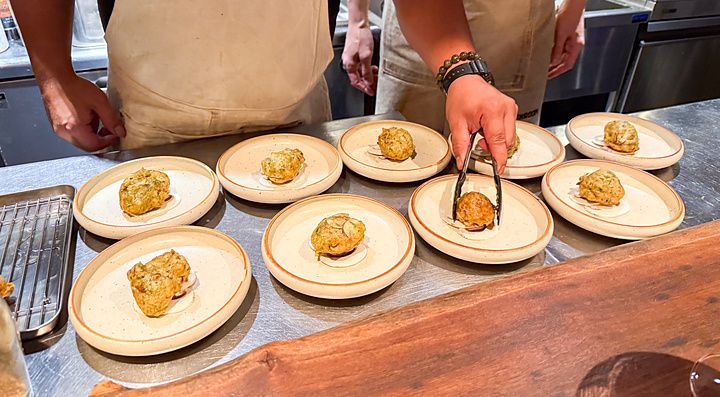
Great, cheap gyoza.
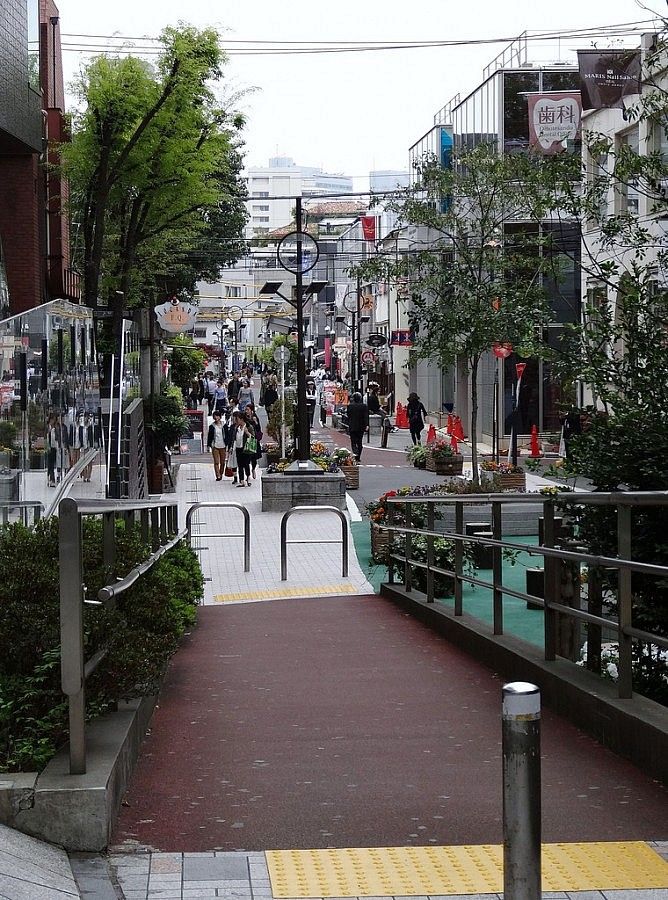
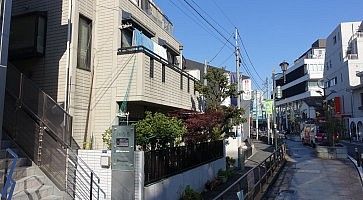
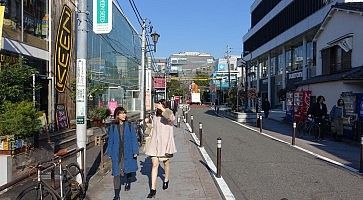
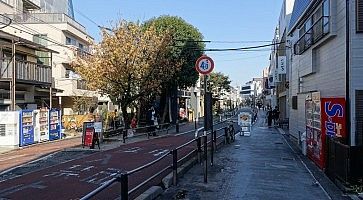
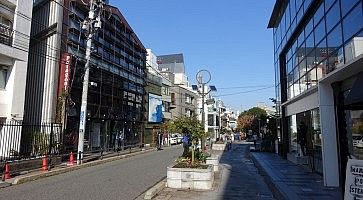
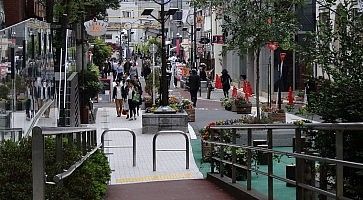
Cat Street is one of the nicest walks in Tokyo.
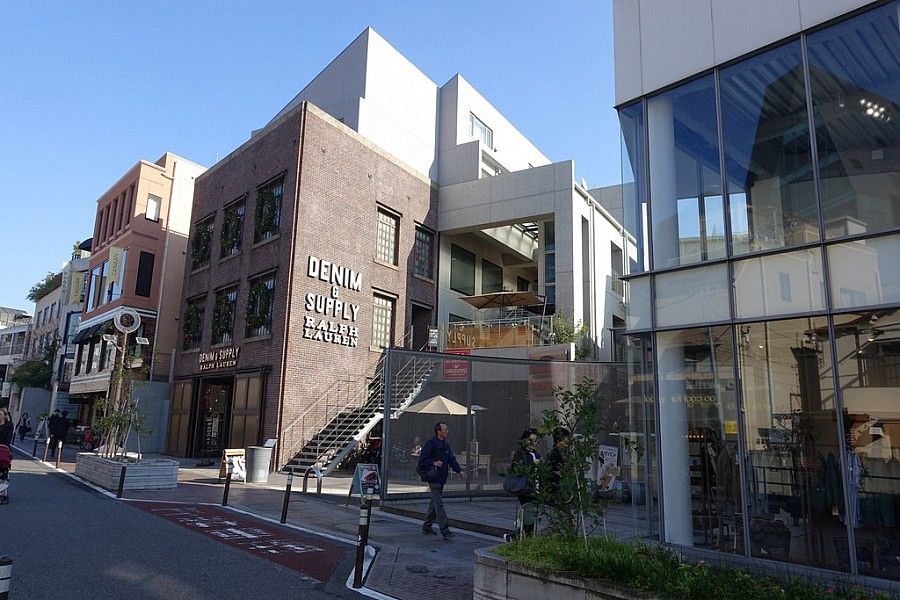
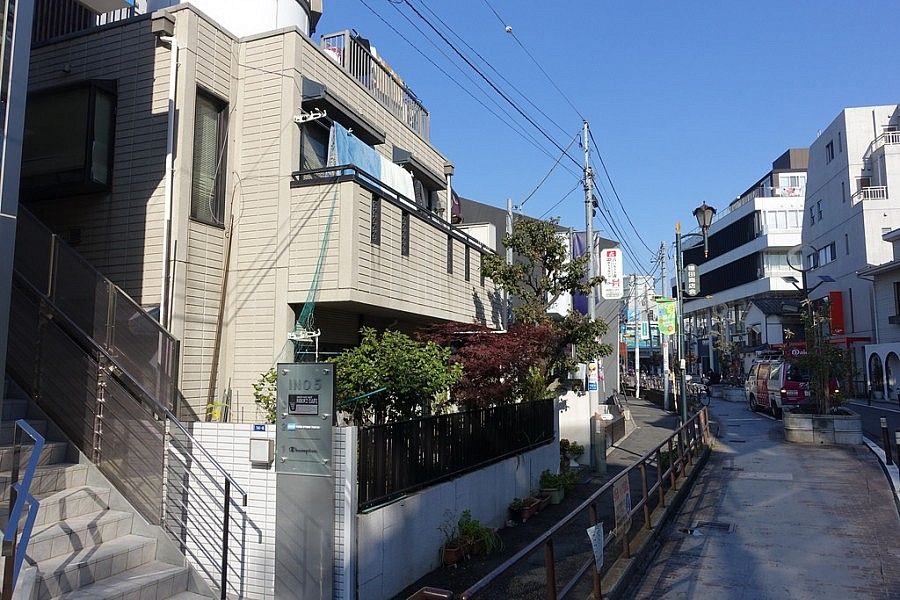
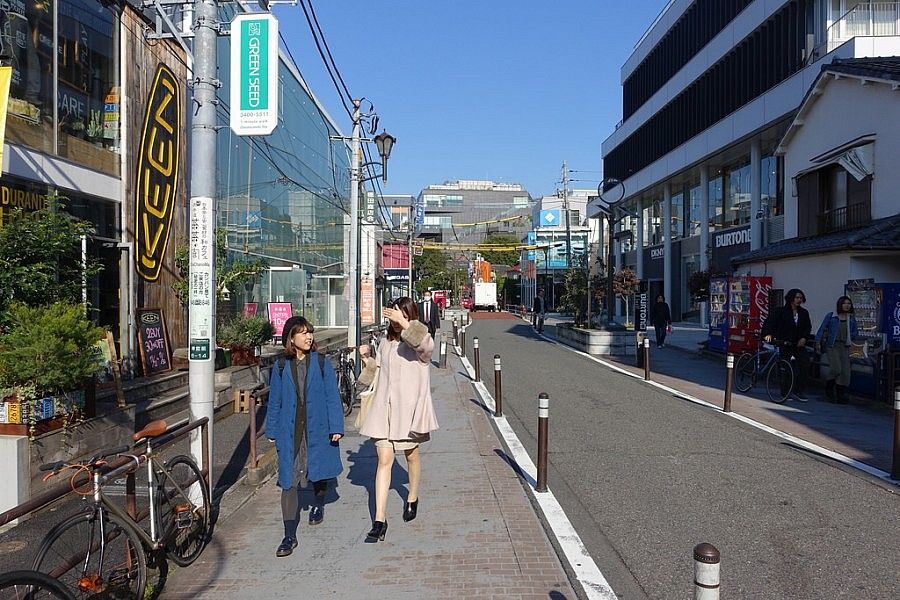
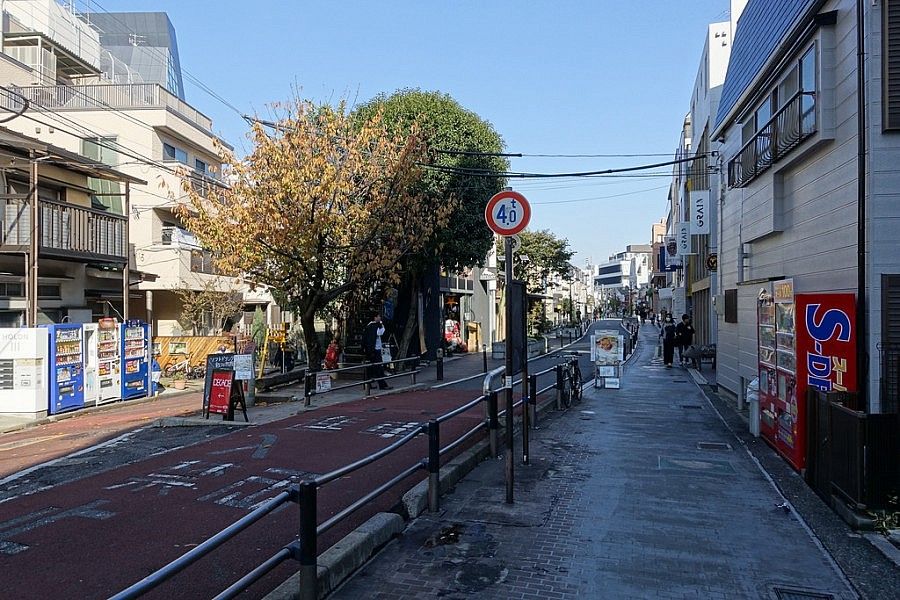
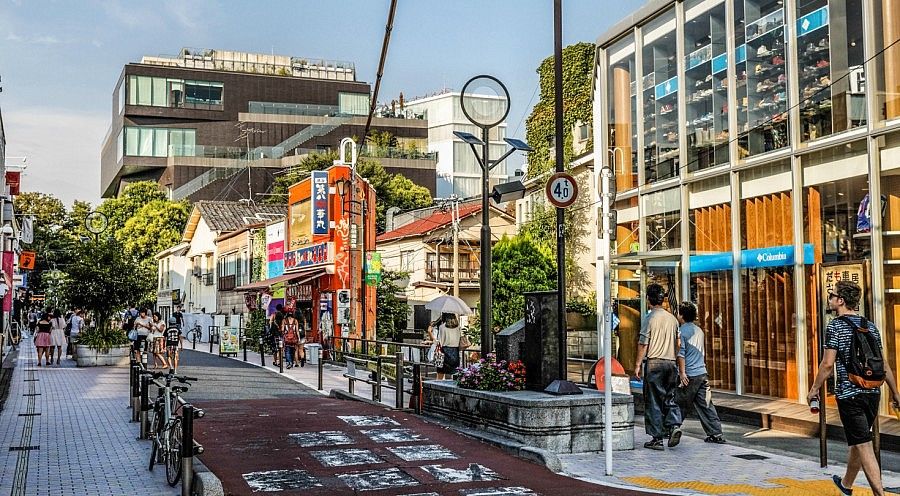
It runs between Harajuku and Shibuya in a slightly tucked-away part of town, and it’s such an unusual street that it doesn’t even feel like Tokyo. It’s more like a neighborhood on the edge of London or some other European capital, the kind of place where people come to shop but life moves at an easy pace. There’s almost no traffic, just small shops, cafés and benches to sit on.
It’s definitely not somewhere you need to go out of your way to visit, but if you’re in the area, stop by!
Cat Street links Harajuku and Shibuya, and you can start from either end or join it halfway. From Harajuku, walk down Omotesando for about 5 minutes. Cat Street crosses it just past the big intersection, and from there you can head north or south.
The subway is even easier, since the Meiji-jingumae exits leave you practically at the crossing.
From Shibuya it's about a 10-minute walk north, on the streets behind Meiji Dori. The entrance isn't very well marked, so keep an eye on the map the first time.
This place is on MarcoMaps
Cat Street
My map of Japan: over 4,000 places I've tried myself, each with photos, rating, and hours. Filter by category and rating, find veg-friendly spots and places near you with GPS. No sign-up, right from your phone.


If Cat Street’s shape seems odd, with gentle curves unlike any other street in Tokyo, there’s a reason: the Shibuya River runs right under your feet. The river was covered over and buried for the 1964 Olympics, and what’s left in its place is this walkway, about a kilometer long, which still follows the old riverbed.
That’s also why hardly any cars come through here, and why the street is wider than most lanes in the neighborhood. You’re walking on an embankment, not on a road built for traffic.
There’s no official story behind the name, and maybe that’s the fun part. Some say it comes from the many stray cats that lived here back when it was still an out-of-the-way little street. Others point to the Japanese expression neko no hitai, the cat’s forehead, which people use to describe a really tiny space. And some swear the credit goes to the Black Cats, a band that used to hang out here.
The name you’ll find on maps is a lot less poetic: Kyu Shibuyagawa Yuhodo, which means the old Shibuya River walkway.
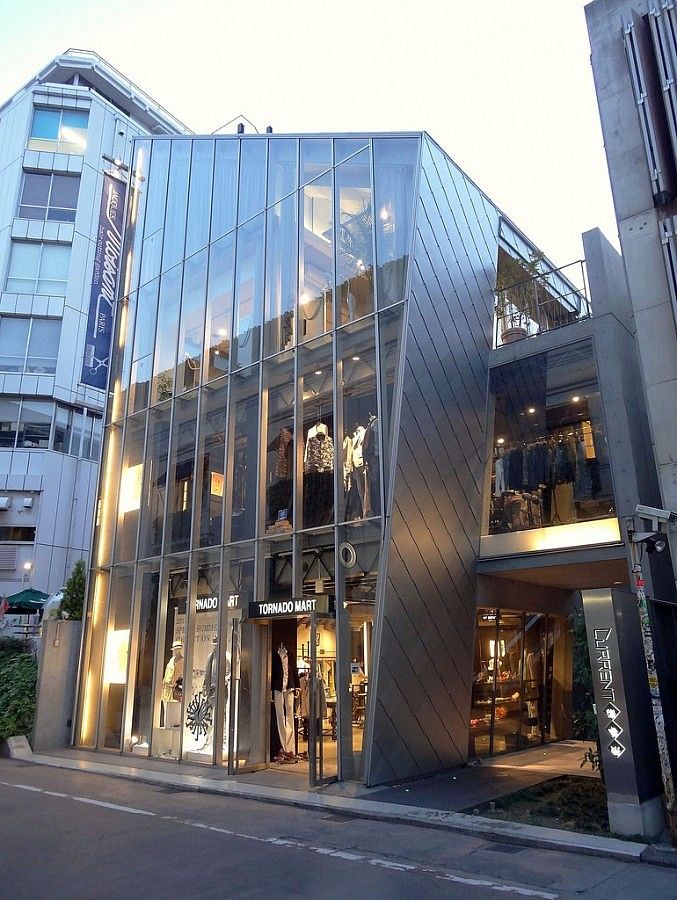
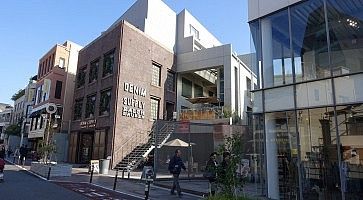
More than anything, Cat Street is a place for window shopping. The big streetwear brands are here, starting with the Bape store, one of the first to open in the area. The small shops are the more interesting part, though: American and Japanese vintage, sneakers, skate shops, and independent labels that sometimes last a single season before something else moves in.
In between there are cafés with a few tables outside and benches to sit on, which you can’t take for granted in Tokyo. People here actually stop, chat and watch everyone else go by.
This street is the backbone of what Japanese people call Ura-Harajuku, back-street Harajuku. It’s the web of lanes where Japanese street fashion was born in the ’90s, before it spread around the world. If you stick to the main street you only see a slice of it, because the side streets are packed with tiny rooms with just a few pieces of clothing hanging up, and small workshops that sell what they make.
It’s the opposite of Takeshita Dori: no dense crowds, no shouting, just a slow pace. That’s also why people who live in Tokyo love Cat Street so much.
Cat Street - nearby you will find: