 64 m
Don Quijote64 m
Open 24 hours, and you can find anything.
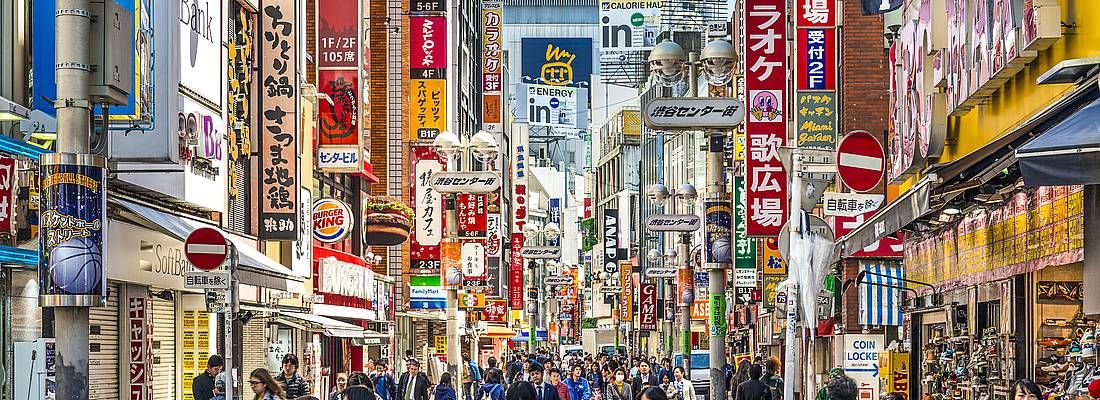
The hub of youth culture, new trends and nightlife in Shibuya, Center Gai is a 300-meter stretch and one of Tokyo’s best-known pedestrian streets. The neon lights here never go out. The bars and shops, many of them open 24 hours a day, are always crowded with young Japanese people and tourists, who can spend hours shopping, singing karaoke, eating sushi and ramen, or making a night of it in a typical Japanese pub or a pachinko parlor.
Center Gai means “central street,” and the name fits: this street is the heart of the neighborhood, both geographically and symbolically. Just steps from where it begins is the Shibuya crossing, probably the most photographed spot in Tokyo.
Look at the signs at the entrance and you’ll notice they don’t say Center Gai but Basketball Street. That’s been the official name since 2011, when the local merchants’ association picked it to clean up the image of a street known for being chaotic and a bit sketchy at night.
Nobody uses the new name. Japanese people and tourists alike still think of this as Shibuya’s central street, and signs and maps keep calling it Center Gai.
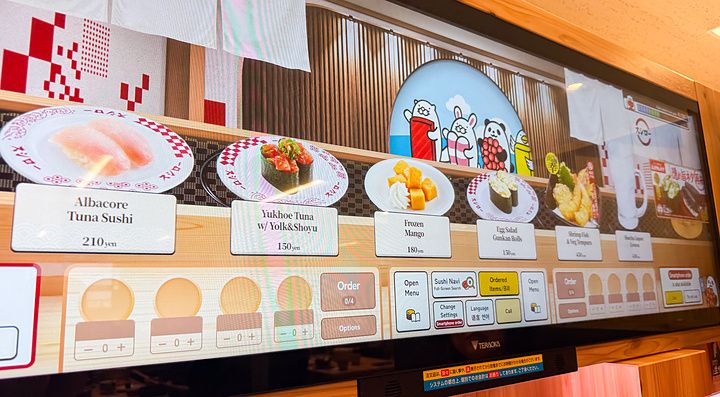
Center Gai is known for its food scene, with everything from local dishes to Spanish and French food. Most places along the street are casual, “fast-food style” spots, and some of the most popular are the kaiten sushi restaurants (sushi served on a conveyor belt), where you can grab a bite without spending much. They have multilingual digital screens, so even if you don’t speak Japanese you’ll have no trouble ordering.
Another specialty I recommend trying on Center Gai is ramen. Shibuya is something of a ramen mecca, and ramen is one of the most popular things to eat on Center Gai, which has some of the best-known shops, like Ichiran Ramen.
The Niku Yokocho building, right in the middle of Center Gai, has 28 izakaya, Japanese-style pubs, under one roof. You can try yakiniku (classic Japanese barbecue), yakitori meat skewers and other meat dishes, either fried or raw, all with beer, sake or other house drinks. The atmosphere in these places is always friendly and lively, and you’ll get to eat alongside plenty of office workers and young Japanese people.
The best part of Niku Yokocho is that you don’t have to stick to one izakaya: from any table you can order from the other izakaya on the same floor and have the food brought over to you. They’re spread over two floors of the Chitose Kaikan building, so walk the whole thing first, pick where to sit, and then order a little at a time so you can try food from several kitchens.
If you like window shopping, you’re sure to find something to buy on Center Gai. The Japanese brand Uniqlo, one of the country’s best-known clothing labels, is here, along with budget international chains like Zara and H&M, where you can shop without spending a lot.
Besides clothing, you’ll find stores from international shoe brands like Nike and Reebok, and of course cosmetics stores selling skin and body care products. They carry quality brands that cost a bit more, but also discounted items, and you’ll see several of these stores right at the entrance to Center Gai.
Other popular stops are the Loft and Mega Donki department stores, where you can wander through departments crammed with all kinds of things: cosmetics, souvenirs, electronics, home decor, snacks, stationery and much more.
Akihabara may be the neighborhood most associated with otaku culture, but if you’re into anime and manga, you’ll find good shops on Center Gai too. Mandarake and Animate are the two most popular stores in the area, and they’re both in the same building, Shibuya Beam. Mandarake is in the basement and is the place to go for used manga, figures and collectibles, including discontinued items. Animate takes up the third floor and leans more toward merch and new releases from whatever series are popular right now.
Center Gai starts right at the Shibuya crossing. At the station, take the Hachiko exit, cross the scramble crossing and head into the pedestrian street under the arch with the lit-up sign. From the exit to the first shops it takes two or three minutes.
If you're coming from Harajuku, you can easily walk it: head down Meiji-dori and you'll be there in about fifteen minutes.
This place is on MarcoMaps
Center Gai
My map of Japan: over 4,000 places I've tried myself, each with photos, rating, and hours. Filter by category and rating, find veg-friendly spots and places near you with GPS. No sign-up, right from your phone.


Along with shops and restaurants, Center Gai is full of multi-story arcades. The ground floor almost always has claw machines full of plush toys and gashapon machines, and as you go up you get to video games, rhythm games and purikura booths, the photo sticker booths where Japanese girls take shot after shot with their friends.
On the street itself and the side streets off it, there are also several karaoke chains with private rooms, where you can hole up with your friends and sing late into the night. It’s one of the most fun things to do here, and you order drinks using the phone in your room.
Center Gai - nearby you will find:
64 mOpen 24 hours, and you can find anything.
 65 m
Great ramen chain.
 93 m
Cheap kaiten sushi.
 104 m
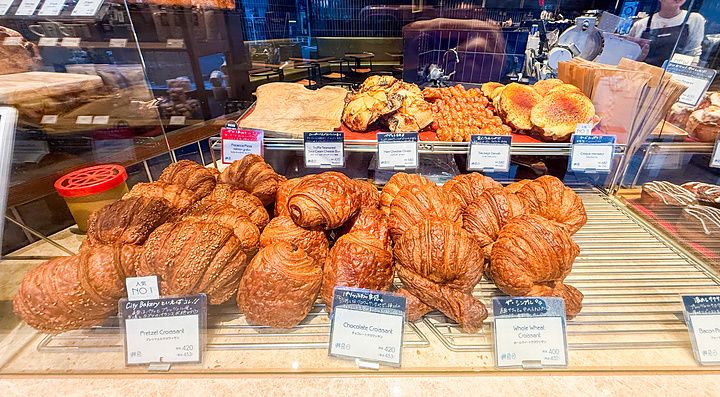
Hearty breakfasts.
 131 m
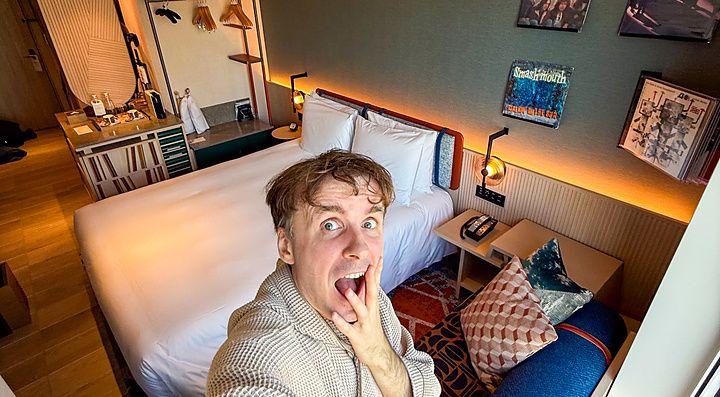
Design, vinyl and a terrace with a view.
 145 m
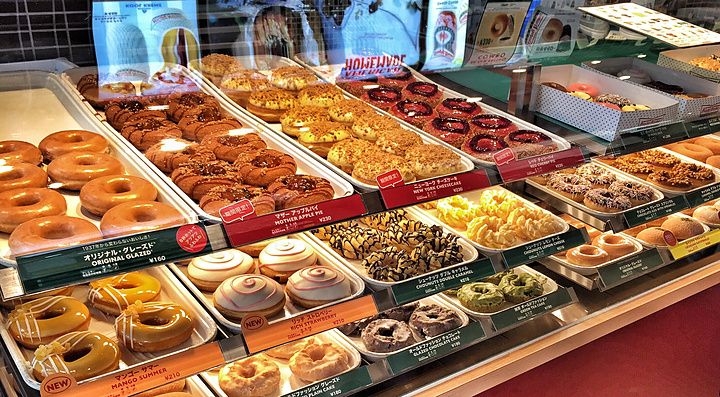
American glazed doughnut chain.