 432 m
Yakiniku Like432 m
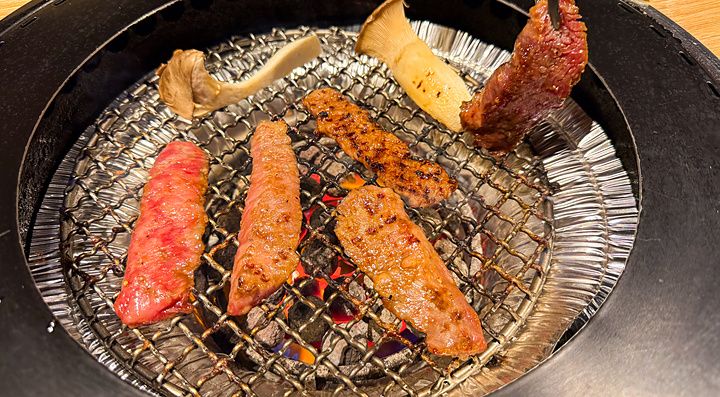
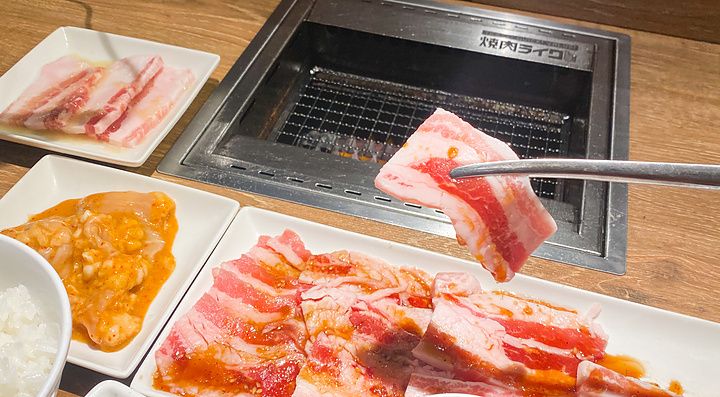
Quick grilling at solo seats.
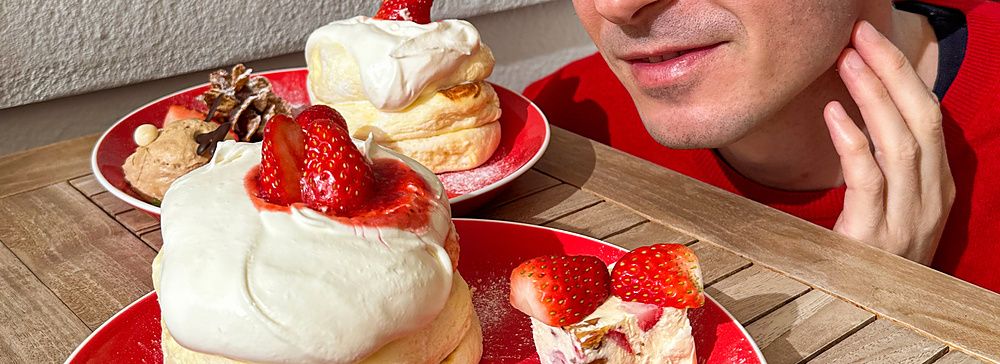
A pancake cafe in Kita-Senju where every plate is made to order, only once you’ve ordered it, and comes out fluffy and soft in a way very few places in Tokyo manage.
It’s called Chaka, and fair warning: it’s off the usual tourist routes, so if you’re only in the city for a few days, factor in the travel time.
It’s the right spot for a late breakfast or an afternoon snack, when you can take it slow and you’re in the mood for a well-made dessert.
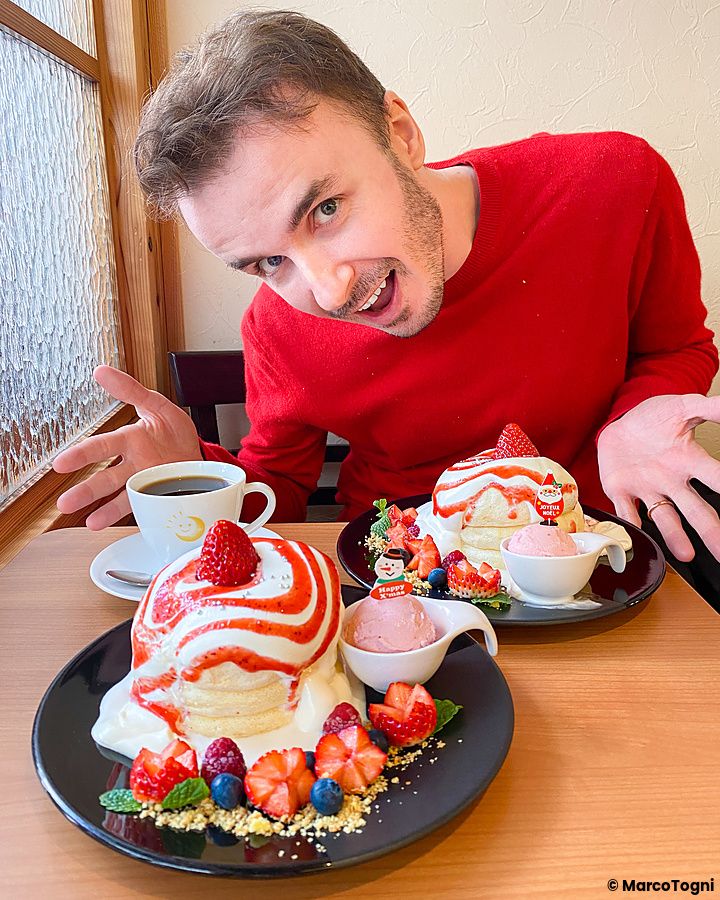
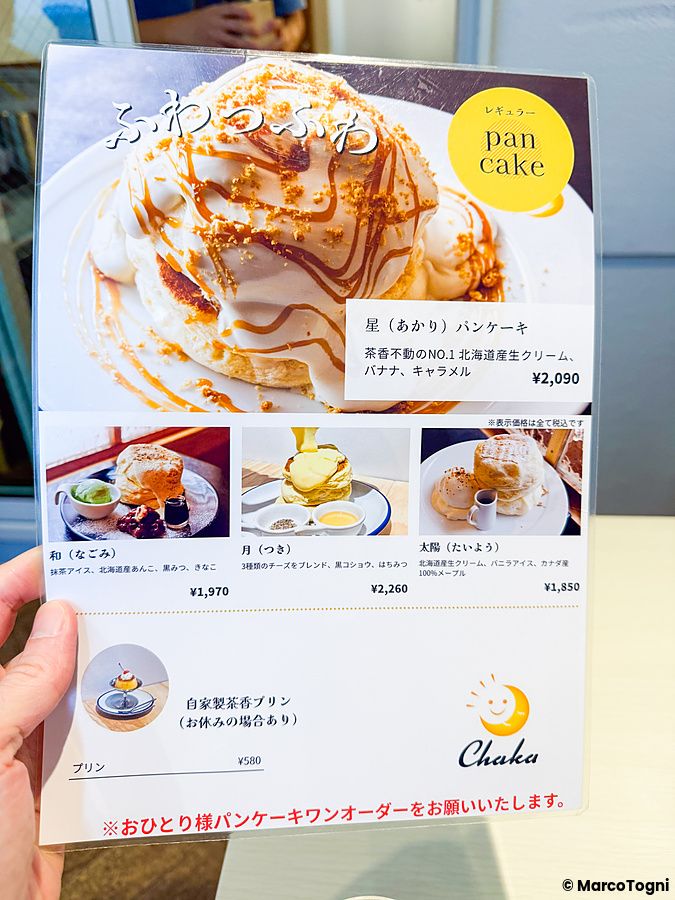
Pancakes are the main event, with four regular versions plus a seasonal one. The most popular is the Akari, which people also call the star pancake.
Here’s what’s on the menu:
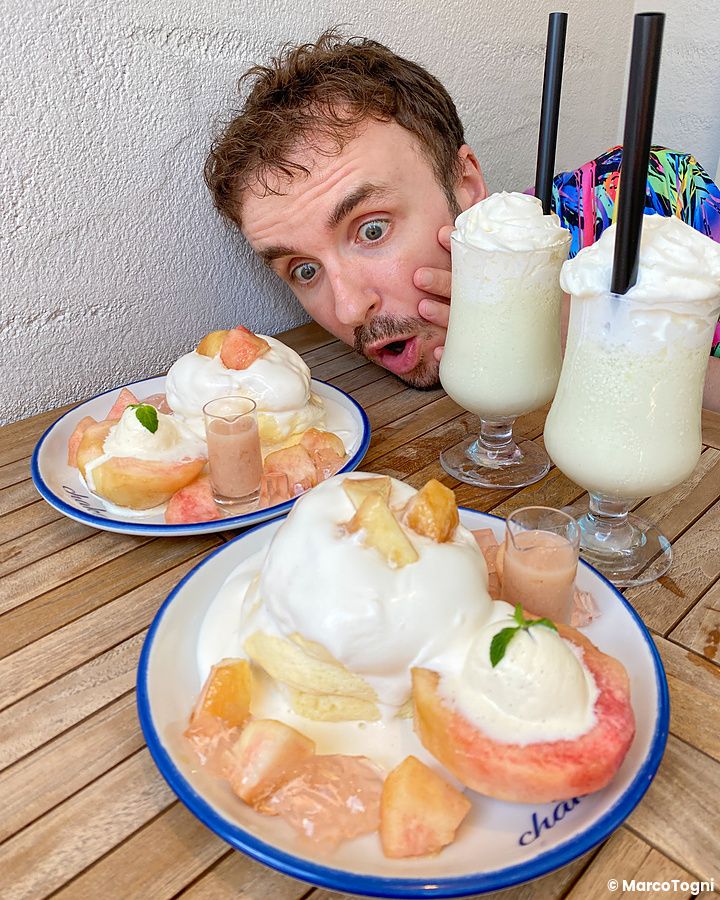
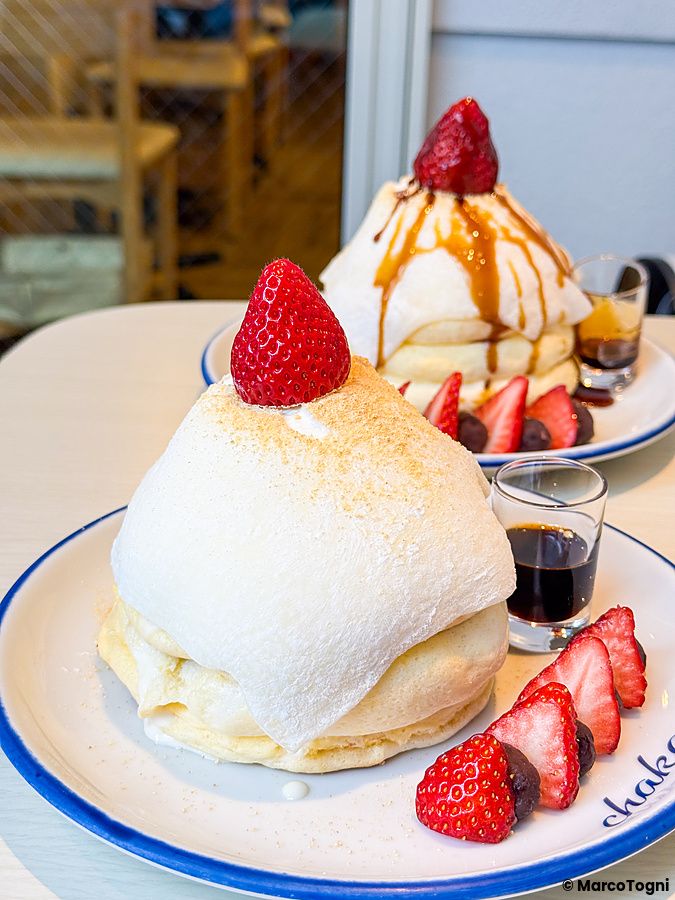
The batter is incredibly light. Give the plate a shake and the pancakes wobble like pudding, then they melt in your mouth and leave a sweet, eggy taste behind. The cream isn’t sugary; it tastes like milk.
If you love the tall, dense pancakes you get at an American diner, this is something else entirely.
The wait is where you’ll need patience. They make the pancakes one by one after you order, using a flour blend the owner developed himself plus fresh Hokkaido milk and buttermilk, and the wait at the table is long. It takes about twenty minutes for each group of four, and anyone who comes in after them waits even longer. This isn’t somewhere to squeeze in when you’re in a hurry.
The secret to the height is whipped meringue, folded into the batter by hand at the last moment. And the recipe is never exactly the same: humidity and temperature affect how it turns out, so they adjust the batter every day.
One more thing to know before you sit down: it’s one pancake per person, so you can’t split one between two.
With a drink set you’ll spend around 2,000–2,500 yen per person. That’s not cheap for a dessert, and I’d put it in the mid-to-high price range, but given how they’re made, it’s fair.
Whenever I get a pancake craving, I go back, because I’ve never found that texture anywhere else, the way it wobbles on the plate and then disappears in your mouth. For me, Chaka makes the best pancakes in Tokyo.
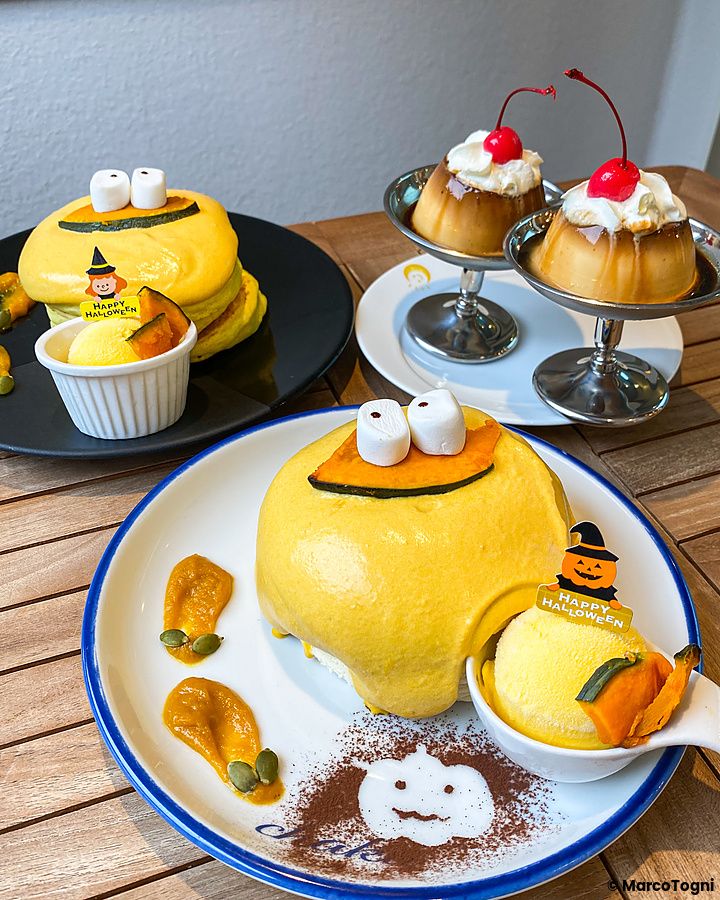
Besides the four regulars, there’s always a seasonal pancake, and it’s the reason locals keep coming back: it changes from month to month, and once it’s gone you won’t see it again.
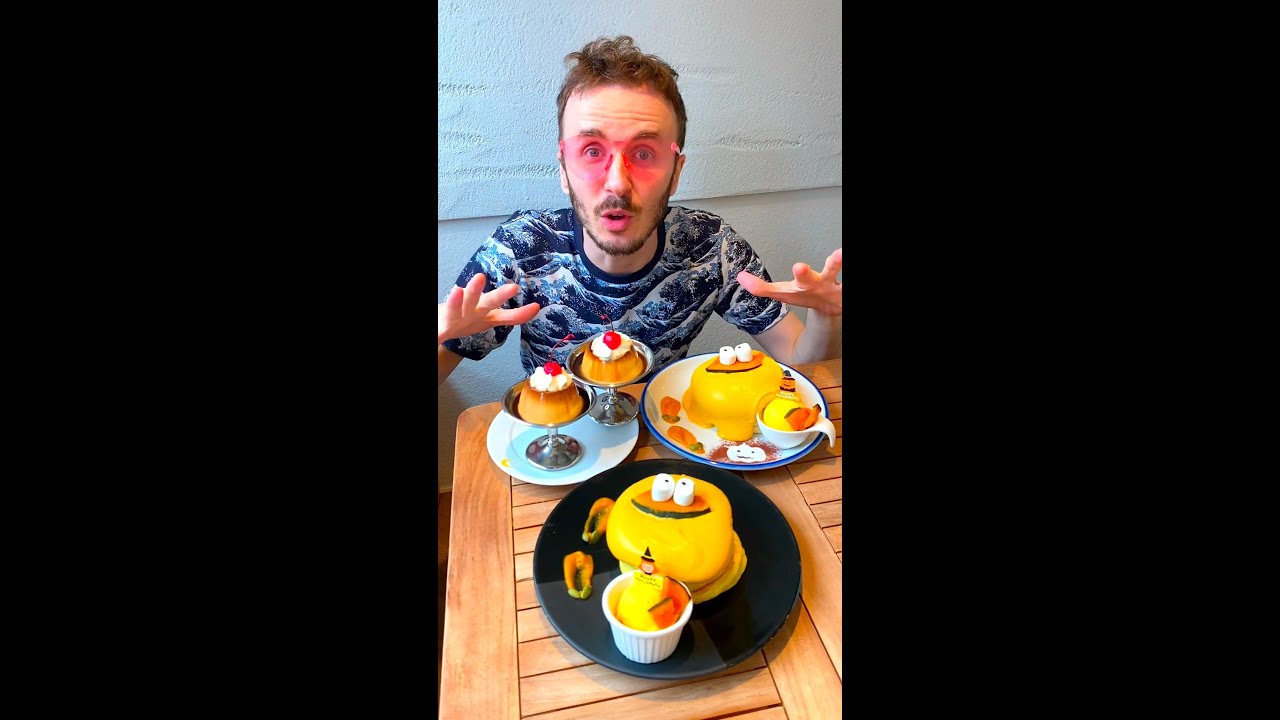
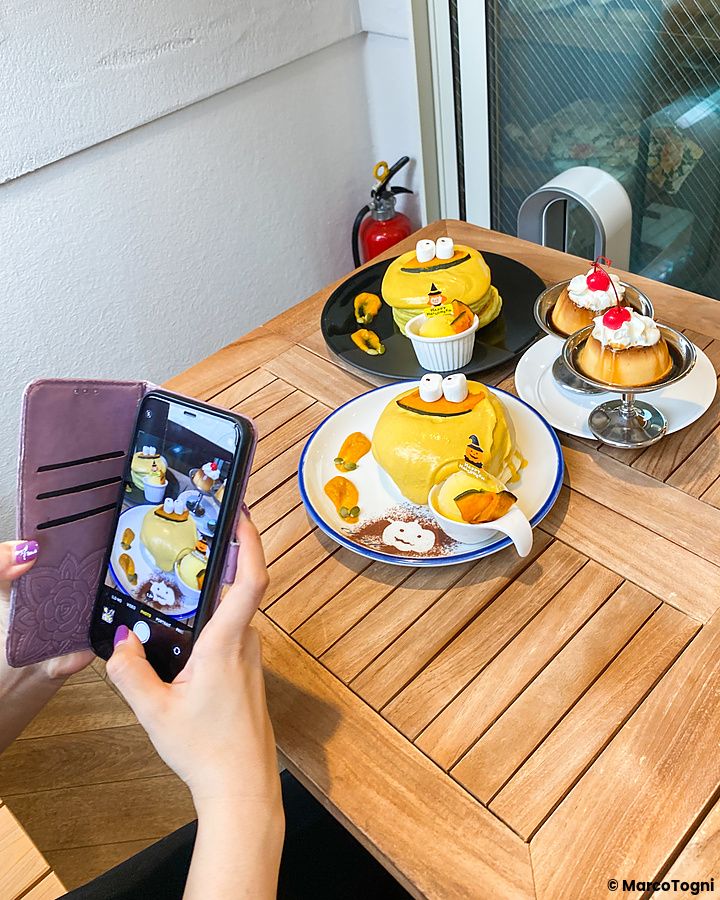
In fall it’s pumpkin cream, with marshmallow eyes and cocoa ghosts for Halloween. In winter the pancake disappears under cream and berries, and summer brings peaches. Whatever month you’re there, ask what the current version is before you order.
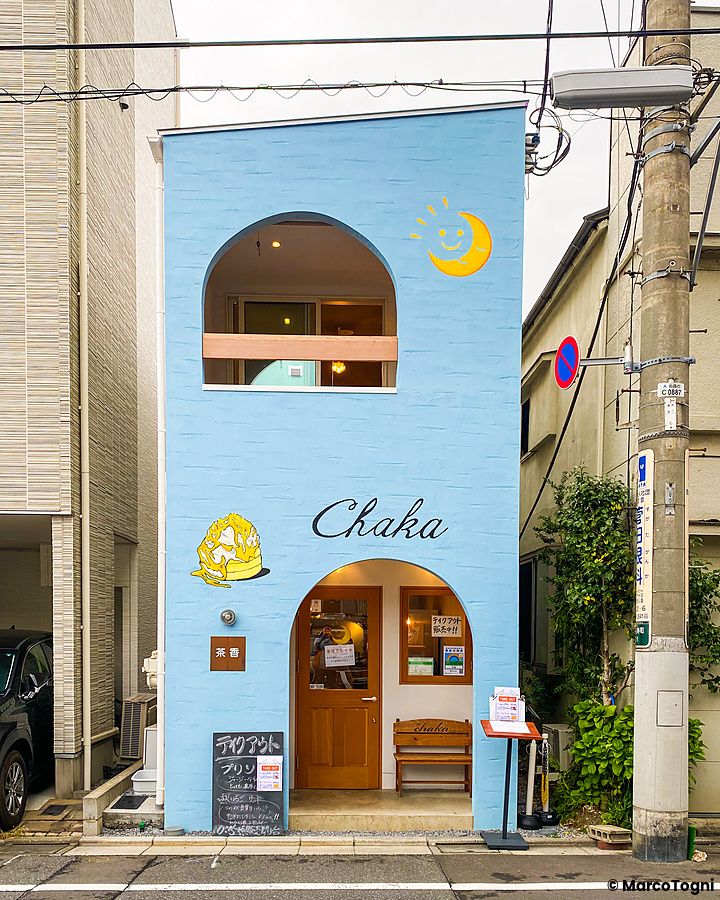
Chaka is in Kita-Senju, in a quiet residential area of low-rise houses, away from the crowds.
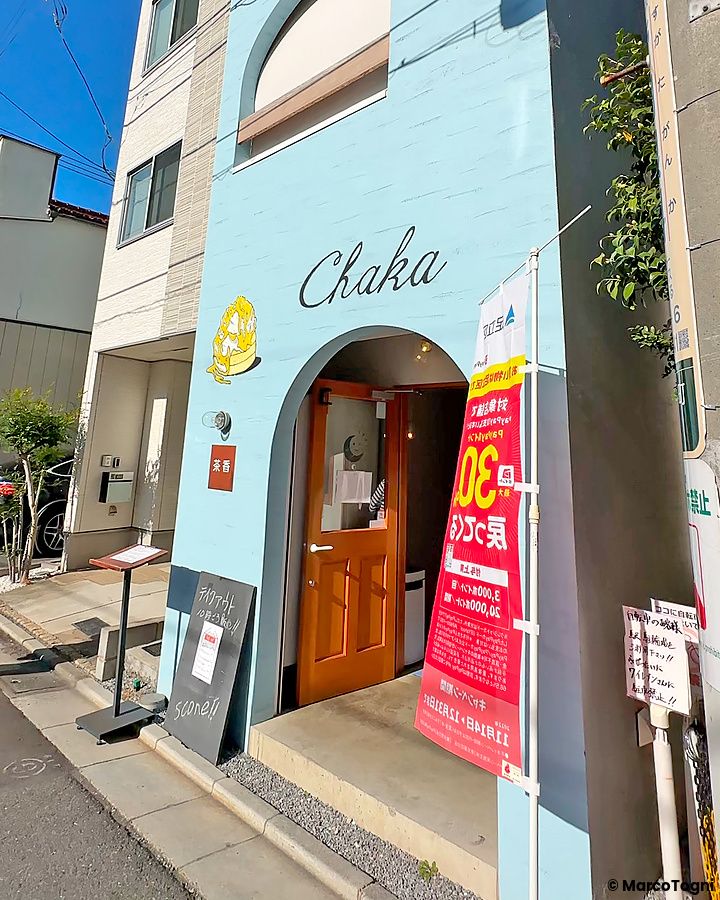
You’ll recognize it instantly: it’s a cute sky-blue building that stands out from the houses around it. If you’re wandering around Kita-Senju, a lively neighborhood that tourists often skip, Chaka is easy to work into a half-day visit.
This is the annoying part. Chaka doesn’t want lines of people outside the door, and the sidewalk in front of the building stays clear even on the busiest days.
It’s no exaggeration when people call it one of the most sought-after pancake spots in Tokyo. It’s on Tabelog’s top 100 list, and anyone who really wants to go plans ahead instead of just showing up.
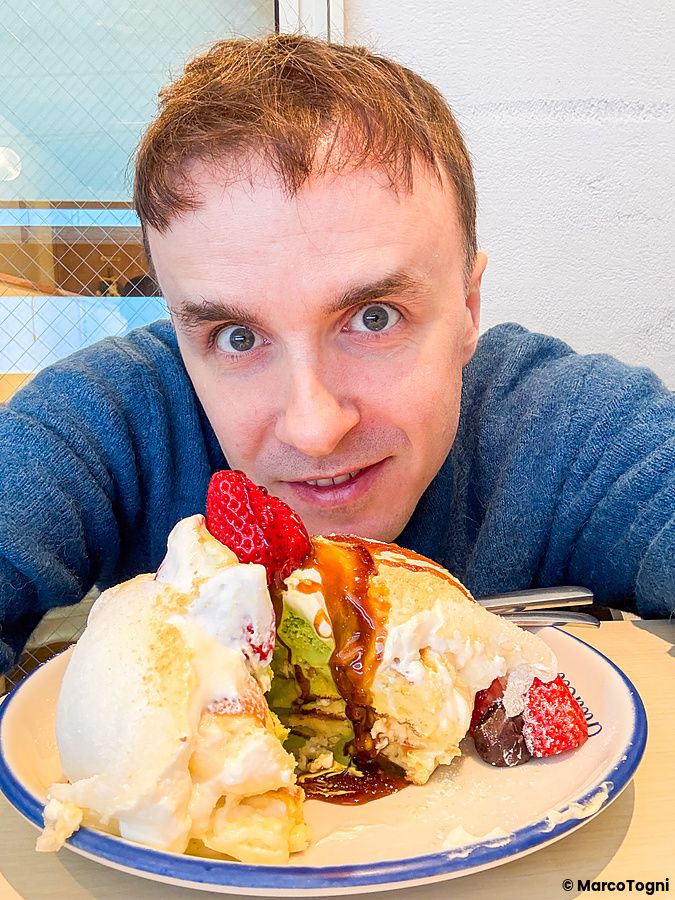
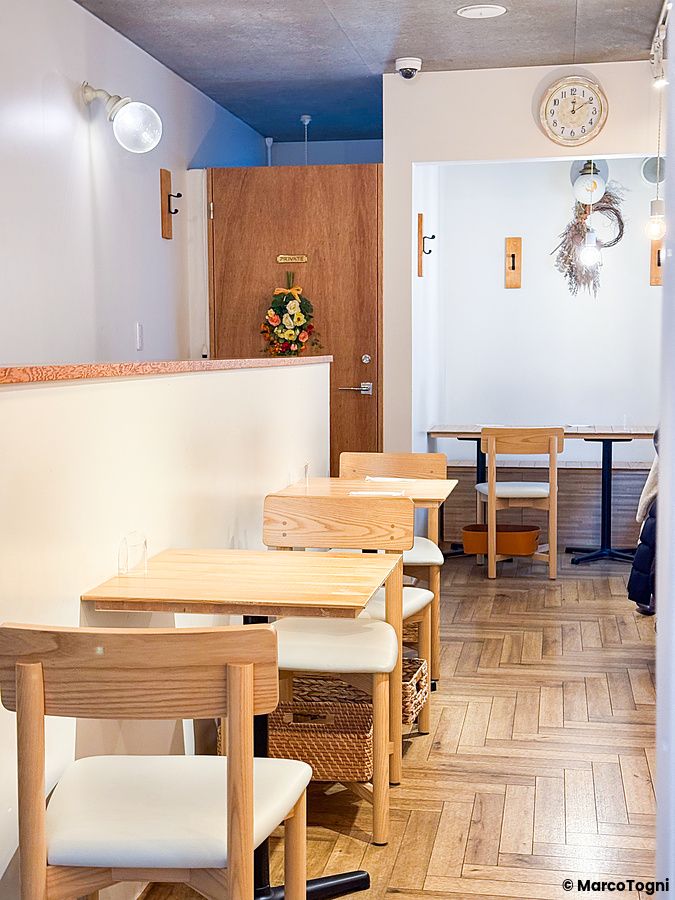
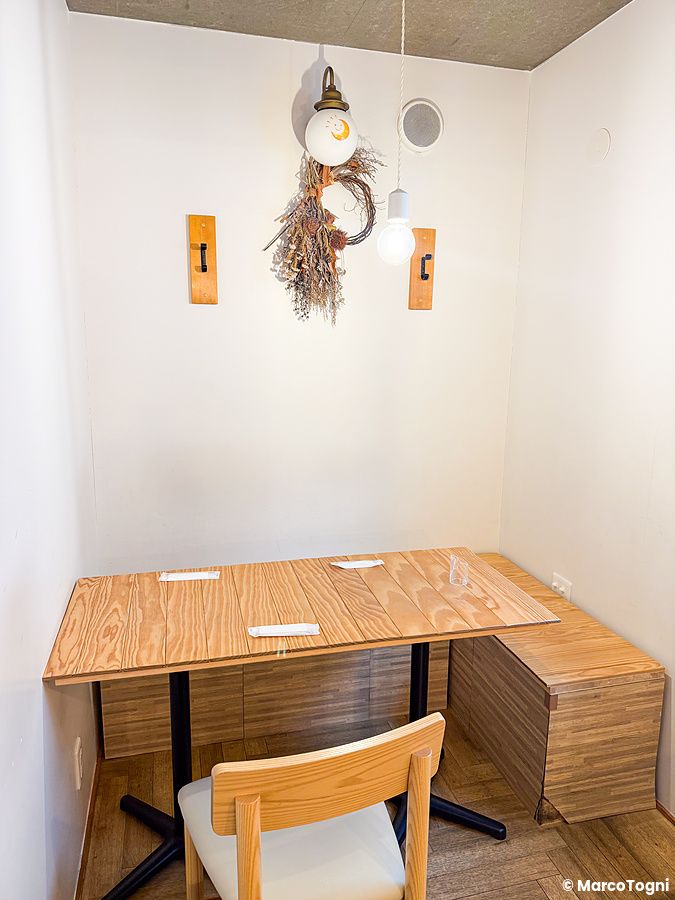
It’s small and cozy inside. The first thing you notice when you walk in is the light wood, and the place feels warm and relaxed, with tables spread over two floors.
What I like best are the seats on the terrace, which get tons of natural light. In winter they set up a kotatsu, so your feet stay warm under the blanket, and the cold air that drifts in now and then actually feels nice. It isn’t crowded, and you can eat at your own pace.
The man behind Chaka is Nakamura Makoto, who used to be an office worker. A friend whose cafe was closing offered him the space. Almost everyone told him to forget it, but his wife backed him, so he dropped everything and got behind the griddle.
At first pancakes were just one item on a broader menu. Then customers started asking for them at breakfast too, and soon after, asking for taller ones. After years of reworking the batter, he arrived at today’s pancakes, and that’s also why the menu is now almost all pancakes.
Pros:
Cons:
Best for: pancake fans who are willing to plan ahead and want an unhurried afternoon snack or late breakfast.
Atmosphere: a sky-blue cafe among the houses, light wood, sunlight and tables on two floors inside, relaxed customers and no line outside.
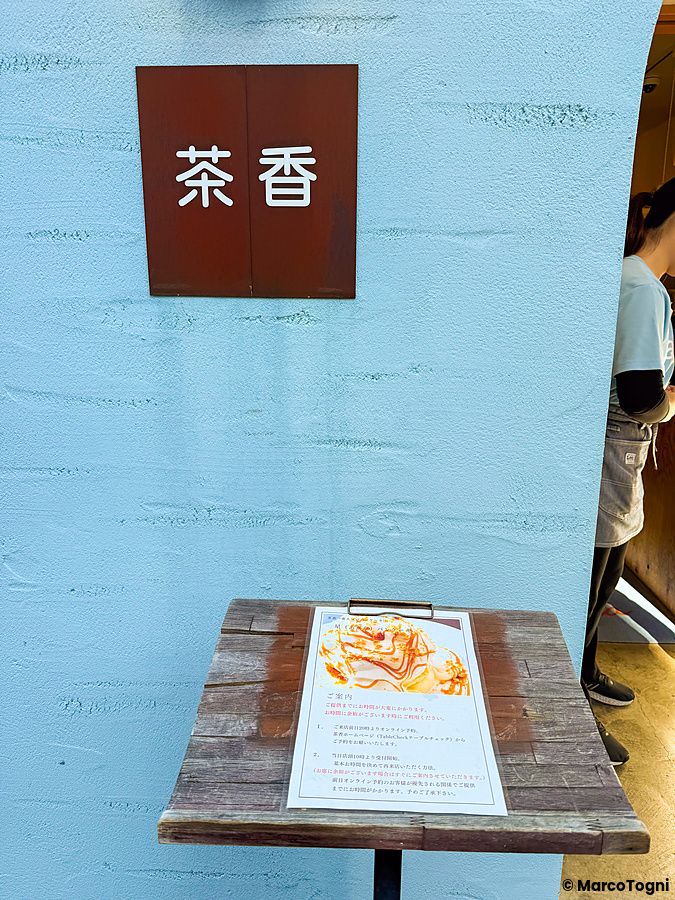
What stays with you when you leave Chaka is the moment your fork first sinks in and the pancake gives way without any resistance at all. If you’re only going once, get the Akari: the crumbled pastry on top gives you the only crunchy bite on the whole plate.
Order the set with coffee and grab a seat on the terrace, so you spend the wait in the brightest part of the place. If you love pancakes, plan your morning around this and nothing else. It’s worth the trip to Kita-Senju even from the other side of Tokyo.
Everyone comes from Kita-Senju Station. Take the west exit, cross Route 4 and head into the neighborhood of low houses behind the shopping streets. It's a good ten minutes on foot, all flat, to the sky-blue building, which you'll spot from a distance.
Kita-Senju is closer to central Tokyo than it seems: it's two stops by train from Ueno, and from the Otemachi or Omotesando area you can get there on the subway without changing.
This place is on MarcoMaps
Chaka
My map of Japan: over 4,000 places I've tried myself, each with photos, rating, and hours. Filter by category and rating, find veg-friendly spots and places near you with GPS. No sign-up, right from your phone.