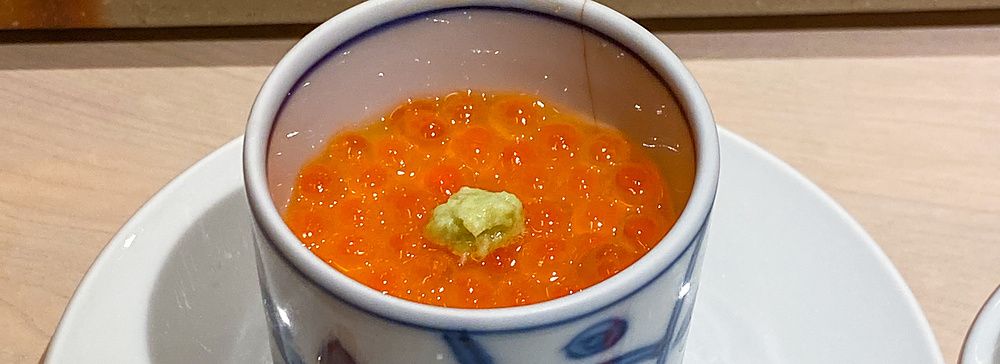
Chawanmushi
Chawanmushi is one of the Japanese dishes I recommend most to people visiting for the first time. It’s a savory egg custard made with broth and steamed in a lidded cup, very soft and served hot, with a few bits of shrimp, mushroom or chicken hidden at the bottom.
You eat it with a spoon. The flavor is delicate and almost everyone likes it, kids included. Its history goes back to banquets in Nagasaki, it varies quite a bit from one part of Japan to another, and today you’ll find it almost everywhere, from conveyor belt sushi places to historic restaurants.
Contents
What is chawanmushi
The name tells you most of what you need to know. Chawan means cup, the kind used for tea or rice, and mushi means steamed. Basically it’s beaten egg thinned with dashi, the Japanese broth made from kombu seaweed and dried bonito flakes. It’s seasoned with a little light soy sauce, salt and mirin, then poured into the cup and steamed gently.
It has the texture of a pudding, but much more fragile. The moment your spoon goes in, it breaks open and lets out a little broth. It’s not a dessert, even though some people mistake it for crème caramel at first glance. Don’t confuse it with an omelet either, or with tamagoyaki, the rolled omelet you see on sushi.
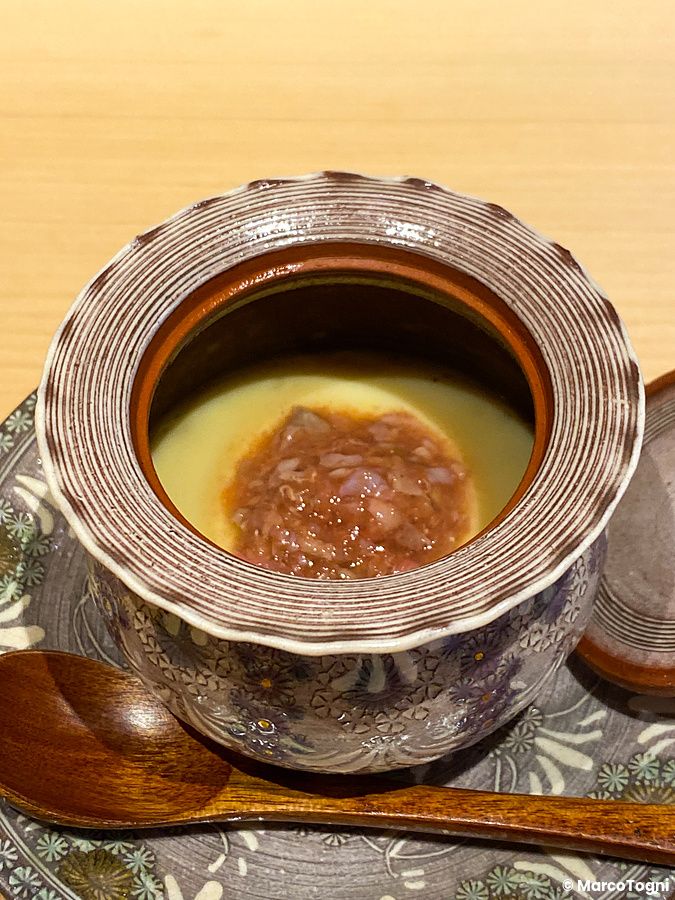
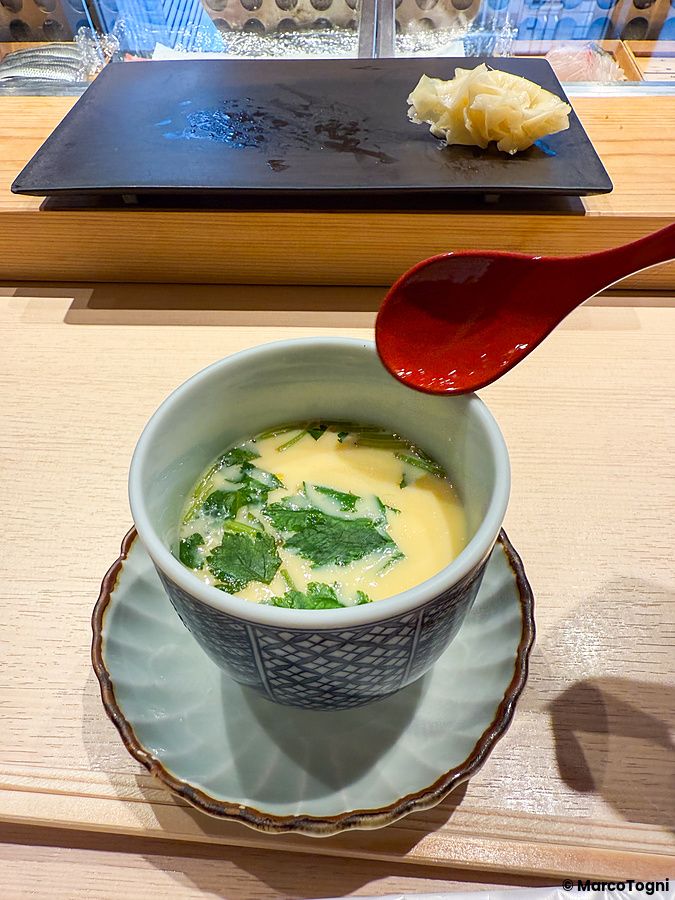
What really matters is the ratio of egg to broth. Cooks generally use one part egg to three parts dashi, and it’s all that broth that makes the custard wobbly and full of flavor instead of firm. Too much egg makes it rubbery, while too much broth keeps it from setting.
That’s why chawanmushi is considered a deceptively simple dish. It has just a few ingredients, but one mistake with the temperature is enough to ruin it.
What’s inside
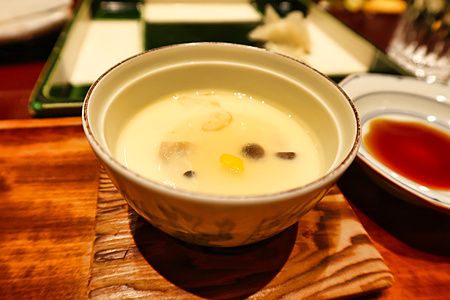
Under the smooth surface there’s always a little surprise, and my favorite part is digging in with the spoon to find the pieces one by one. The classic version you’ll get in someone’s home or in an ordinary restaurant has more or less these things in it:
- A shrimp, often just one, which also flavors the rest of the custard.
- A few bits of chicken, usually thigh meat, chopped small so they cook along with the egg.
- A slice of kamaboko, the white and pink fish cake you also see in ramen.
- A shiitake mushroom, which soaks up the broth and adds a deeper flavor.
- One or two ginkgo nuts, small, yellow and slightly bitter. In the colder months they’re almost always there.
- A mitsuba leaf placed on top at the end for color. Mitsuba is an herb similar to parsley, but more fragrant.
Not everyone puts in all of these, and every family does it a little differently. In more refined restaurants you’ll also see crab meat, eel and lily bulb, which has a starchy texture a bit like chestnuts.
Ginkgo is the one that divides people the most. Some love it, and some always leave it on the edge of the cup. If you’re not a fan, feel free to leave it there. Plenty of Japanese people do too.
How to eat it
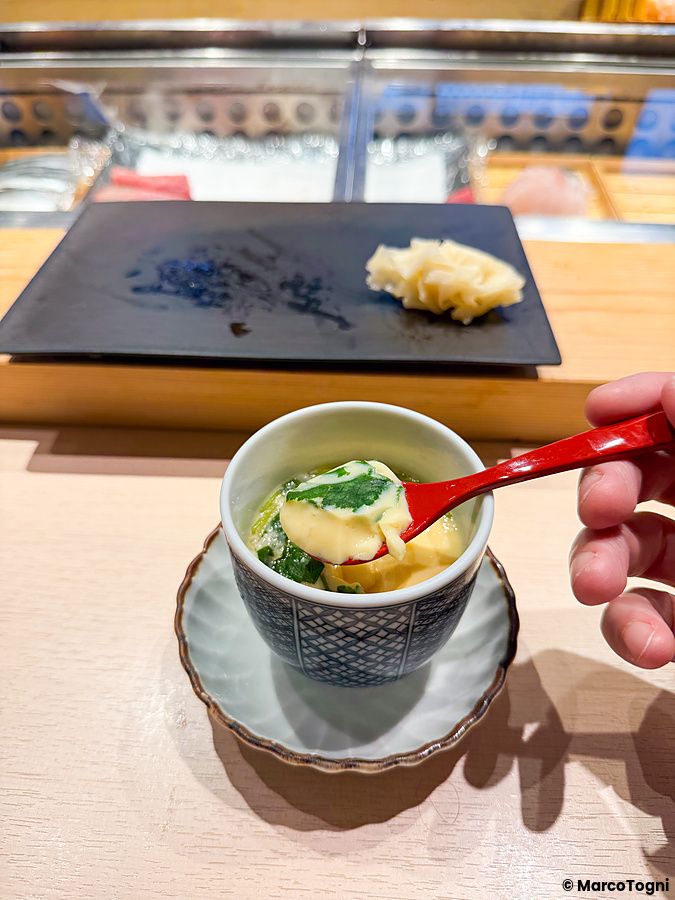
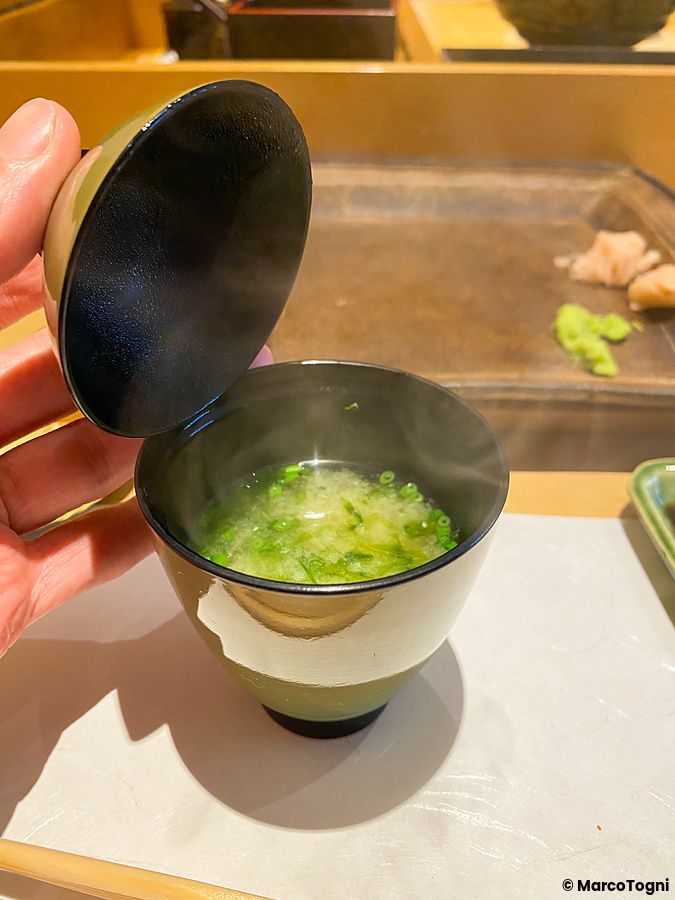
Chawanmushi almost always arrives piping hot, with its lid on, sitting on a small saucer with a wooden or ceramic spoon. The lid is there to keep it hot and to keep water out while it steams, so only take it off when you’re ready to eat.
Lift it off slowly, because condensation builds up underneath. Tilt it toward you so the drops fall back into the cup, then set it upside down on the tray next to the cup. At the end of the meal it goes back on, just like the lid on a miso soup bowl.
The cup gets seriously hot. I’d hold it by the top rim, or leave it on the saucer and eat without picking it up right away.
Take one spoonful at a time from the surface, then work your way down to the bottom, where the pieces are. Toward the end you’ll have a little liquid broth left, and it’s perfectly fine to drink it from the cup. You don’t need to add soy sauce, because it’s already seasoned.
Origins in Nagasaki
The most common account traces it back to Nagasaki, which for centuries was the only port open to foreigners. A style of cooking called shippoku developed there, mixing Japanese, Chinese and Dutch dishes served on a big round table, and chawanmushi was part of those banquets.
The steamed egg dish then spread to the rest of Japan during the Edo period. It became a restaurant dish first, and later something people made at home too.
If you’re in Nagasaki, the place to know is Yossou, a restaurant that opened in 1866 in the Hamamachi shopping area, close to the center. It was founded by a former samurai who had fallen in love with chawanmushi and wanted to turn it into something quick for working people who didn’t have much time.
They still make basically two things. One is chawanmushi, served in bigger cups than usual and packed with ingredients. The other is mushizushi, steamed vinegared rice topped with eel, egg and crumbled fish. The two together are called fufumushi, the “married couple’s steam,” and that’s why people go.
Prices are mid-range, around 1,500–2,500 yen for a full set, and it feels like the historic restaurant it is, with spacious tatami rooms. I like it because it’s one of those places where a dish you take for granted becomes the star of the meal. The founder was a samurai from the Iyo domain, in what’s now Ehime, and Yossou is considered Japan’s first restaurant specializing in chawanmushi.
The recipe has been handed down from father to son, and today the seventh generation of the same family runs the restaurant.
Regional versions
Chawanmushi changes from region to region, and not just a little. In Kansai, meaning Osaka and Kyoto, there’s odamakimushi, a chawanmushi with udon in it. Udon is a thick wheat noodle, and the dish is named after a ball of hemp thread, because the coil of udon at the bottom of the cup looks just like one.
That makes it a heartier dish, a meal on its own, which people eat for lunch in winter rather than as a side. Outside Kansai it’s pretty hard to find on menus.
Hokkaido and some parts of northern Japan go the opposite way. Up there, chawanmushi is sweet. Sugar goes into the mixture, and sometimes you’ll find a chestnut in syrup inside.
If you grew up with the savory Tokyo version, it’s a shock, and it’s a classic argument even among Japanese people, who can’t agree on which version is the right one. It comes down to the island’s history. The people who moved to Hokkaido came from other regions of northern Japan, and they brought their habit of cooking with sweeter flavors with them.
In summer you’ll also find cold chawanmushi pretty much everywhere. It’s chilled in the fridge and sometimes topped with a broth jelly with edamame, corn or crab. It’s very light, and on muggy days in July and August it’s one of the dishes I’m happiest to order.
At conveyor belt sushi
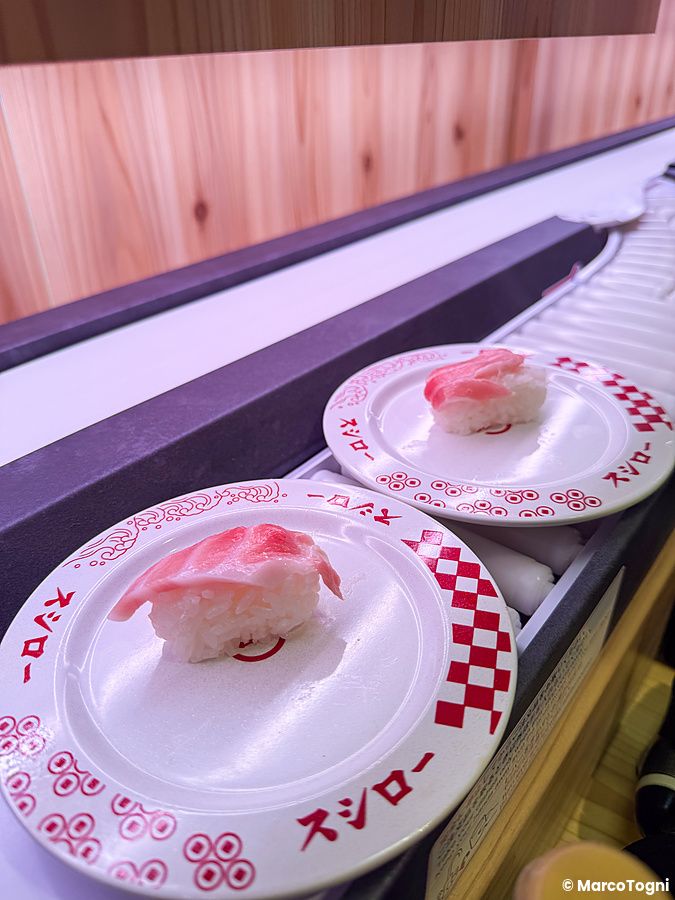
Most people eat their chawanmushi at kaitenzushi, conveyor belt sushi, no question. At big chains like Sushiro, Kura Sushi and Hama Sushi, it’s the most-ordered dish that isn’t sushi, ahead of soups, fried food and desserts.
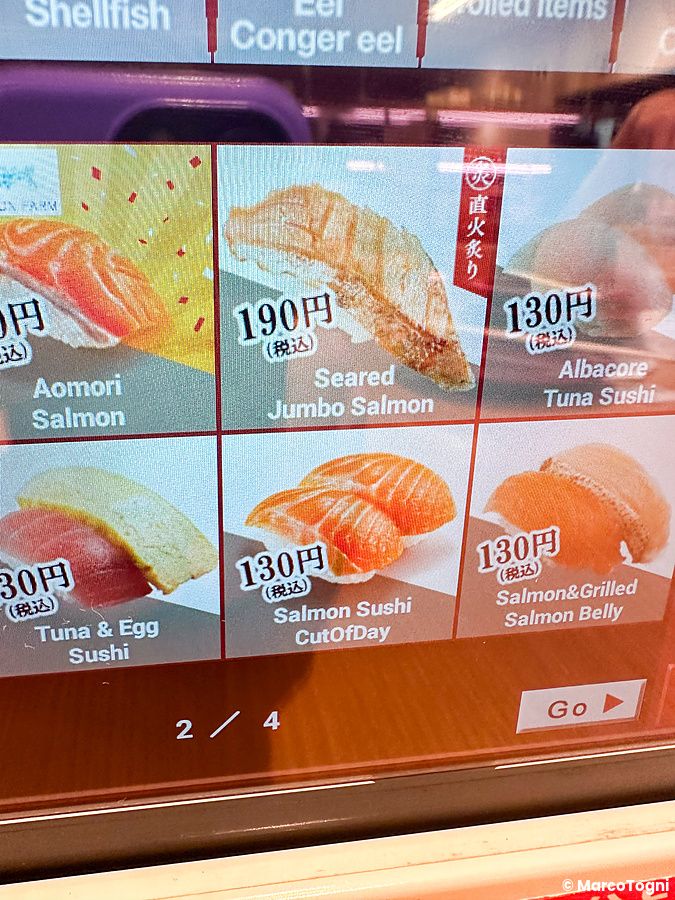
It’s cheap, around 200–300 yen. You order it on the tablet at your table, and within a few minutes it shows up on the express lane, hot and with its lid on. Some chains change the ingredients with the season or also offer the cold version.
I’ll be honest with you: it’s not the best chawanmushi you’ll have in Japan. It’s often made in big batches, so the texture is firmer. Still, it’s convenient, and it’s an easy way to try it for the first time with no real commitment.
Many Japanese people order it at the start of the meal to warm their stomachs before the raw fish, and I think it makes sense to do the same. If you’re traveling with kids who won’t eat sushi, it’s often what saves the day.
At traditional restaurants
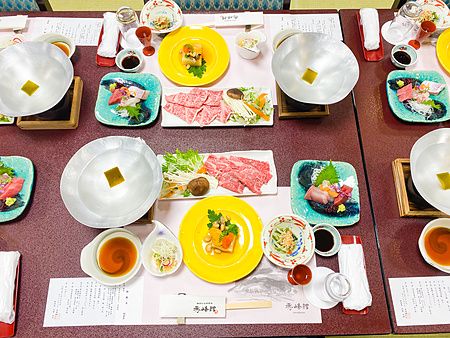
In kaiseki, the traditional multi-course dinner, and in meals served at ryokan, chawanmushi is the steamed course. It usually comes midway through dinner, after the sashimi and before the richer courses. Compared to the conveyor belt sushi version, the step up is obvious. The custard is so soft it can barely hold its shape. The broth is made fresh, and the ingredients change with the season.
In autumn there might be matsutake mushrooms, in winter crab, and in spring bamboo shoots. It often comes with a thickened broth sauce on top, which makes it even silkier.
You’ll also find it at soba and udon restaurants, at tempura places and at many izakaya, almost always as an add-on for a few hundred yen. If you see 茶碗蒸し on the menu, that’s it.
Supermarkets and konbini sell it ready-made in single-serving containers that you heat in the microwave. It’s a decent version, and handy if you’re staying in an apartment and want something warm and light in the evening.
Allergies and dietary restrictions
Even when you can’t see any meat or fish inside, chawanmushi isn’t vegetarian, because the dashi is almost always made with dried bonito. If you have specific dietary needs, these are the ingredients to watch out for:
- Egg, the base of the dish, which can’t be left out.
- Fish broth, which is there even in versions without any visible meat or fish.
- Shrimp and crab, very common in both homemade and restaurant versions.
- Ginkgo, which isn’t recommended in large amounts for small children.
- Soy sauce, which contains wheat, if you’re gluten-free.
At the sushi chains, the tablet shows allergen icons for every dish, so choosing gets much easier.
At smaller restaurants it’s best to ask first.
Making it at home
You can make chawanmushi at home outside Japan and get good results, as long as you can find good stock. If you don’t have dashi, use the granulated kind sold in Asian grocery stores, or a light vegetable broth, though the flavor won’t be the same.
Only a few things really matter:
- Mix the egg without whipping air into it, because air bubbles leave holes in the custard.
- Strain the mixture through a fine sieve so it comes out as smooth as it does at a restaurant.
- Cover each cup with a piece of foil or its own lid so drops of condensation don’t fall in.
- Keep the heat low: just a couple of minutes over medium heat to start, then about ten over low.
- Check it with a toothpick: if clear liquid comes out, it’s done.
The most common problem is tiny holes on the surface and inside the custard, known in Japanese as su. They form when the heat is too high and the liquid starts to boil.
The trick is to leave the pot lid slightly ajar, maybe propped open with a chopstick, so the steam doesn’t build up too much. You can find proper chawanmushi cups with lids at 100-yen shops too, along with ceramic spoons.
My advice
It probably won’t blow you away on the first spoonful, but after a few trips you’ll catch yourself ordering it everywhere. It’s no coincidence that a lot of Japanese people associate it with family meals and New Year’s celebrations.
I’d say try it at least twice: once at a conveyor belt sushi place, to see what the most popular version is like, and once at a traditional restaurant or a ryokan, where you’ll see how soft it can get. And if you’re passing through Nagasaki, well… the fufumushi at Yossou is a perfectly good excuse to stop for lunch.