 385 m
Hamarikyu Gardens385 m
Beautiful gardens near the Shiodome skyscrapers.
A first-rate Chinese restaurant on the 28th floor of a Shiodome skyscraper, with a dining room that looks out over Hama-Rikyu Gardens and Tokyo Bay. China Blue is inside the Conrad and serves a modern take on Cantonese cooking, with a Michelin star it has held for years.
The menu covers duck, dim sum, fish and a mango pudding that has long been their signature dessert. I’d pick it for a special-occasion dinner or a long lunch, especially if you live in Tokyo and want to try something new.
China Blue’s Cantonese cooking strays a long way from the classics, and a number of dishes bring in fruit and spices that give them a Southeast Asian bent. At lunch the easiest option is the multi-course set menu, which starts with dim sum. Dinner is all about the longer tasting menus.
If that sounds like too much, you can skip the tasting menu and order à la carte: two or three dishes and some dim sum are enough to get a feel for the kitchen without committing to every course. The larger dishes are served for sharing, so even two of you get to taste plenty.
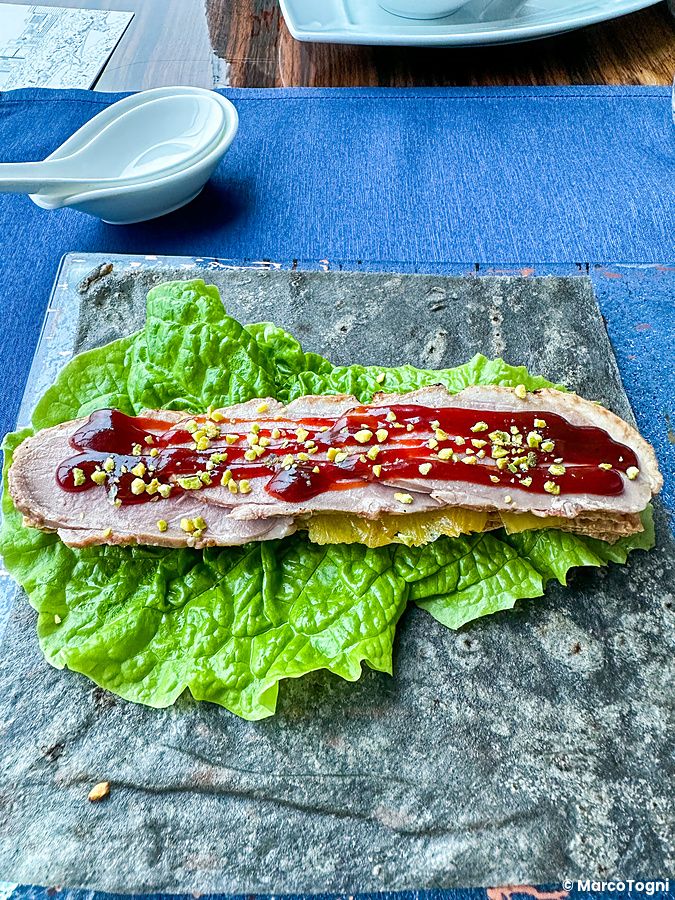
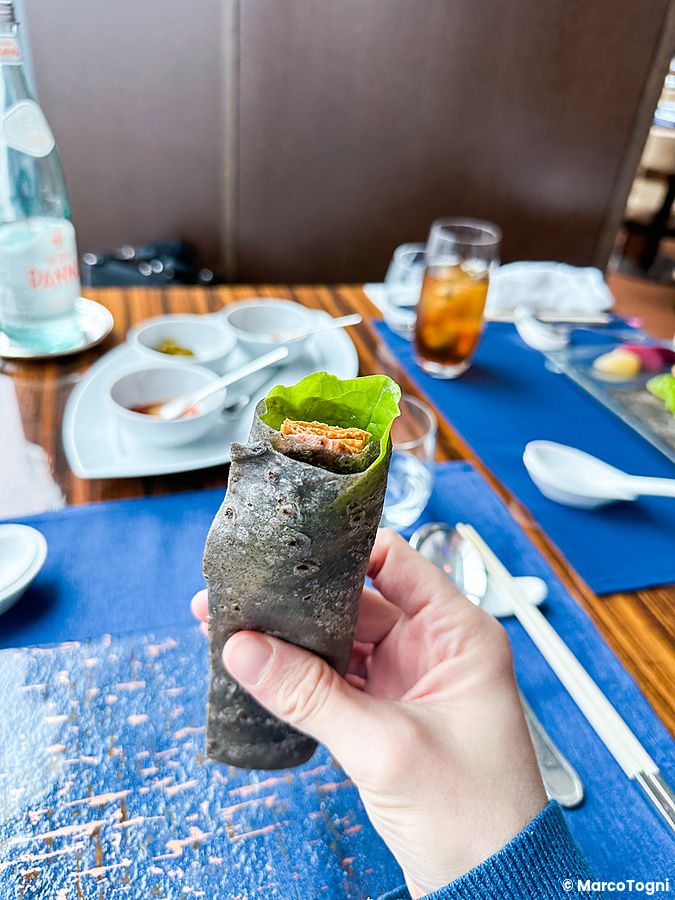
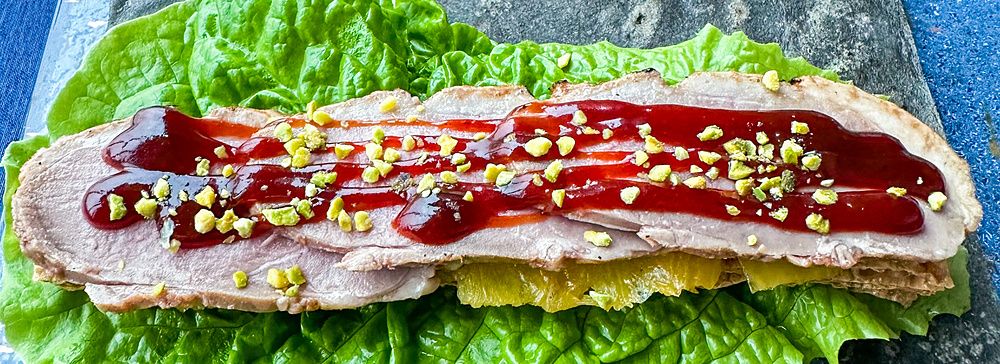
Don’t go in expecting traditional crispy, lacquered Peking duck. Here the crêpe is light and thin, and the pineapple cuts through the fat. If that’s the duck you’re after, it’ll catch you off guard.
The rest of the food is lighter than you’d expect from a Chinese restaurant, and there are no sauces smothering everything.
Lunch runs about 7,000–10,000 yen per person, dinner about 15,000–25,000. It’s not an everyday expense, but for Chinese food of this caliber in Tokyo, in a room like this and with servers whose timing never slips, I don’t think the price is over the top.
I keep coming back because in Tokyo, Chinese restaurants are either neighborhood spots down the street or hotel dining rooms coasting on their reputations. Here, at lunch, I get six or seven well-cooked courses for under 10,000 yen, and I don’t often find that kind of middle ground.
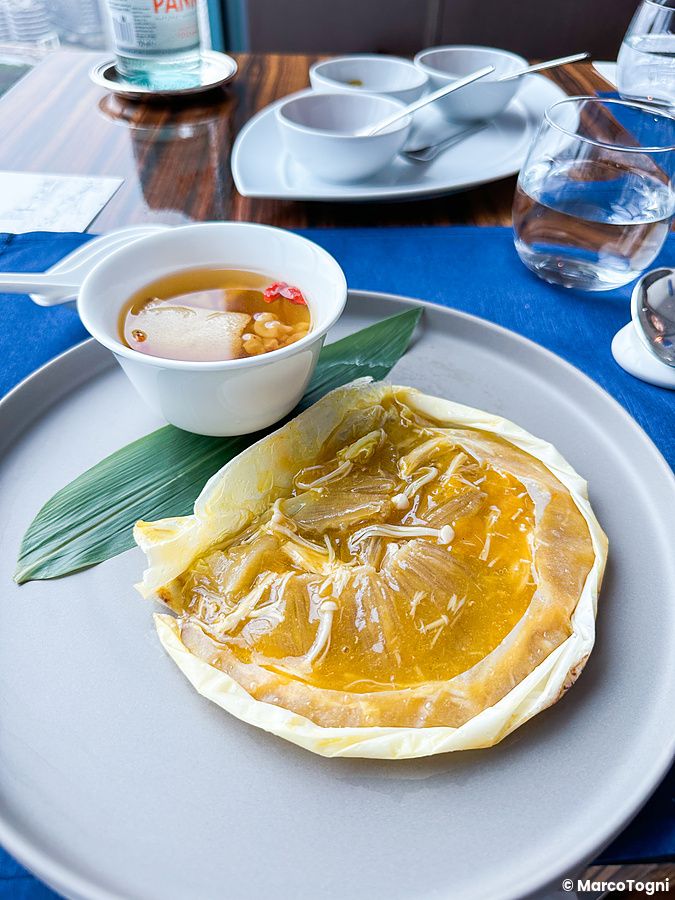
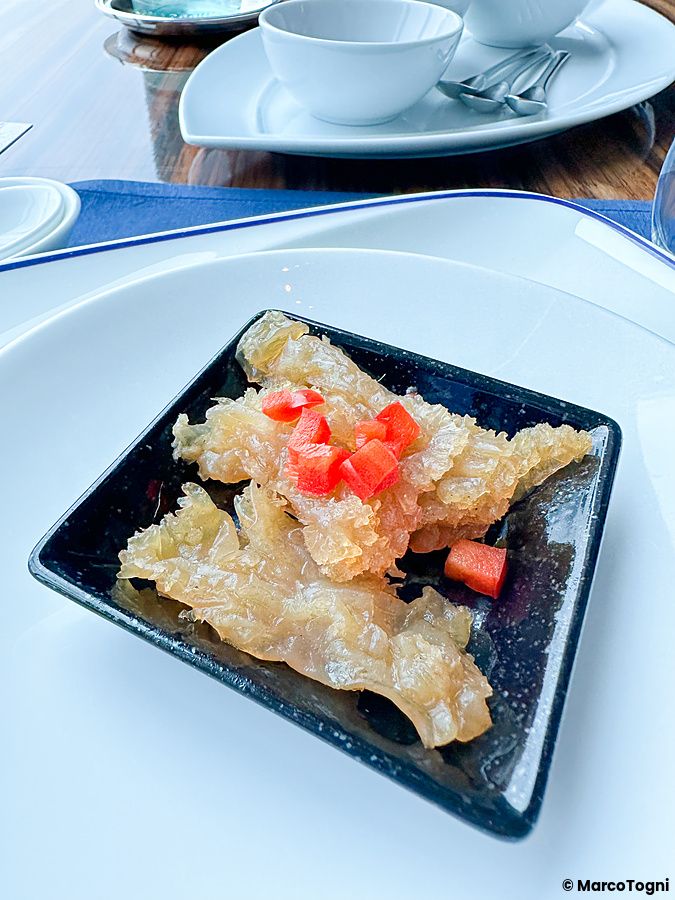
The head chef is from Hong Kong and joined this kitchen a few months after the restaurant opened. He learned the trade alongside the first chef and hasn’t left since. Before the Conrad he had already spent years cooking in Japan, and you can taste it.
Fish is where he goes deepest, and a lot of his cooking starts with Japanese ingredients rather than the classic Hong Kong repertoire. That’s why this Cantonese food feels so far off the usual track: it comes out of years in Japanese markets, seen through Cantonese eyes.
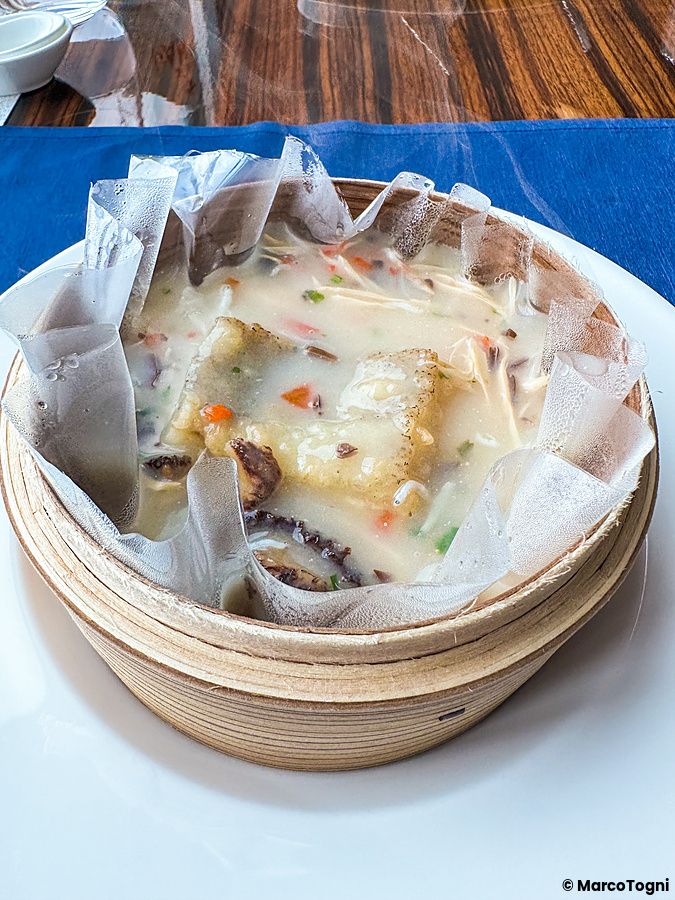
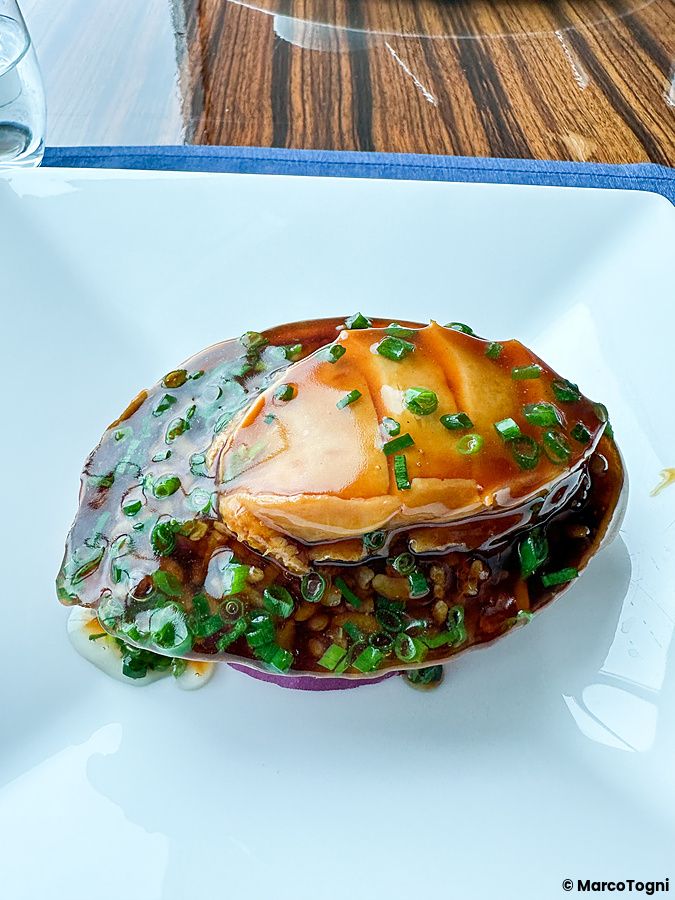
The room is done entirely in shades of blue, with high ceilings and a wall of bottles that rises eight meters, with 2,500 labels behind glass. At the entrance, a red gateway sets the restaurant apart from the rest of the hotel.
The tables are spaced well apart, so you can talk at a normal volume without overhearing the people next to you. There are also three private rooms, one with a round table and windows on two sides. They seat six to twelve people and carry an extra charge, higher for the one with the best view, so factor that in if you’re coming as a group.
If you can, ask for a seat by the windows. You’ll be looking down on the gardens, the skyscrapers and the Rainbow Bridge.
The dress code is smart casual: no tank tops or flip-flops, but otherwise a shirt is more than enough.
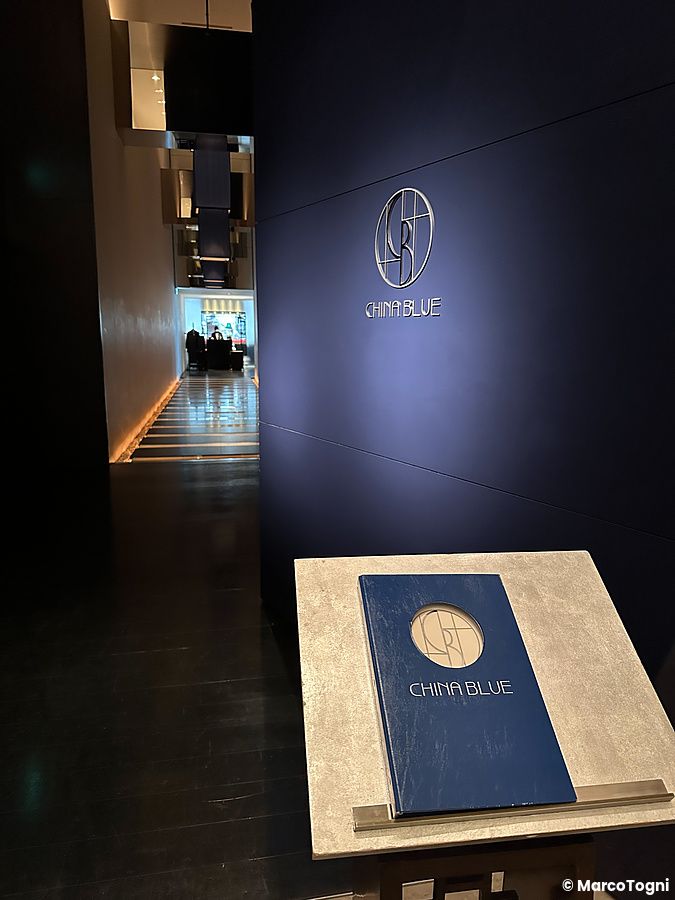
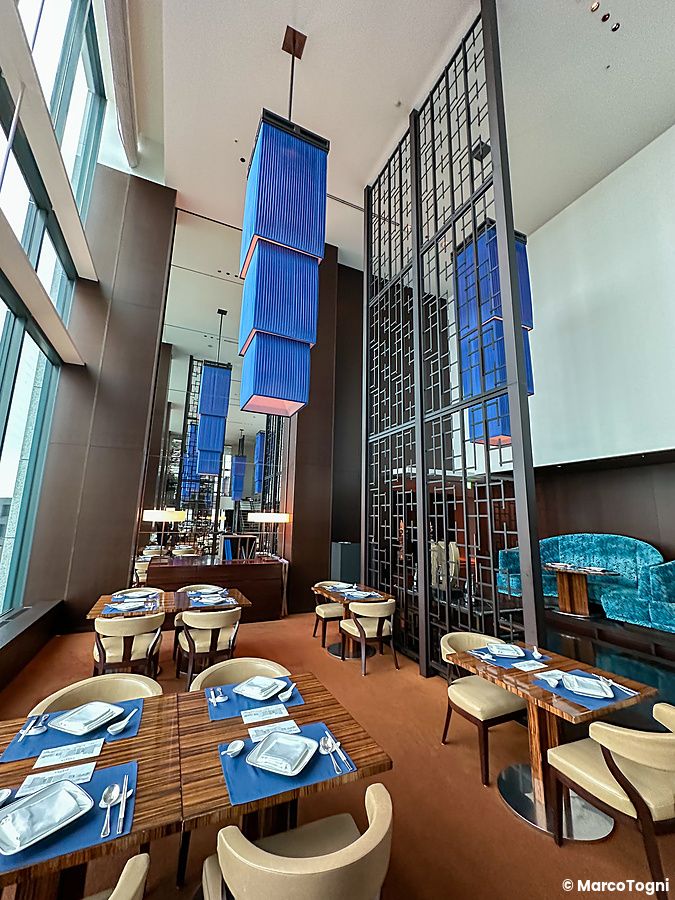
Lunch is where your money goes furthest: the courses are almost the same as at dinner, you see the bay in full daylight, and you spend nearly half as much. In the evening you’re paying for the view with the city lights on, which is fair enough for an anniversary or a business dinner.
If you’re in Tokyo for ten days or so, though, I think your money goes further elsewhere, on sushi or a kaiseki meal. I save this place for people who live here and want a change, or for anyone staying at the Conrad who’s in the mood for Chinese without leaving the hotel.
Pros:
Cons:
Best for: Tokyo residents who want to try something different, special-occasion dinners, hotel guests.
Atmosphere: elegant and quiet, low lighting, couples and business groups.
What stays with me when I walk out of China Blue isn’t a dish but the calm. Nobody raises their voice, the wall of bottles glows blue, and outside, 28 floors down, the gardens just sit there. It’s the right place for a dinner you’ll remember, or for a lunch where nobody’s in a hurry to get up.
If you only go once, order the duck with turmeric crêpes and the mapo eggplant, and finish with the mango pudding. The pudding tells you more about the kitchen than anything else: it’s simple enough to seem plain until you taste it. Tokyo has plenty of good Chinese restaurants, but none with a room and service like this. It’s worth the ride up to the 28th floor, so go.
From Shiodome Station you can get there without going outside. The underground passages come out inside the Conrad, and from there you take the elevator up to the 28th floor.
If you're coming to Shimbashi on the JR, take the Shiodome exit and walk seven minutes toward the bay.
From Ginza it's a 15-minute walk, which is handy if you're already in the area or coming from Hama-Rikyu Gardens, right below the hotel.
This place is on MarcoMaps
China Blue
My map of Japan: over 4,000 places I've tried myself, each with photos, rating, and hours. Filter by category and rating, find veg-friendly spots and places near you with GPS. No sign-up, right from your phone.


China Blue - nearby you will find:
385 mBeautiful gardens near the Shiodome skyscrapers.
 439 m
Good, cheap standing sushi.
 455 m
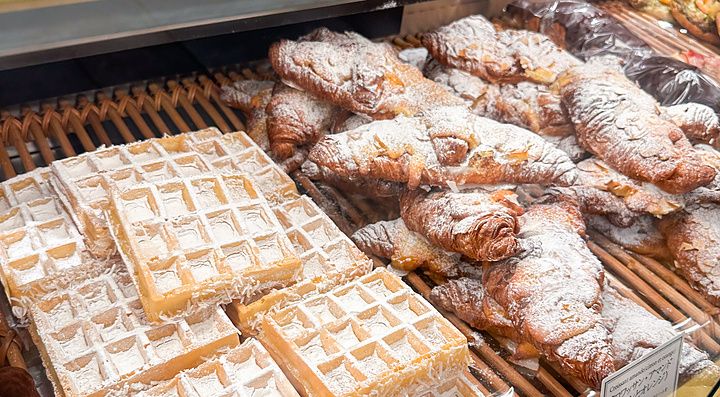
Bakery with sweet and savory croissants.
 472 m
Open 24 hours, and you can find anything.
 594 m
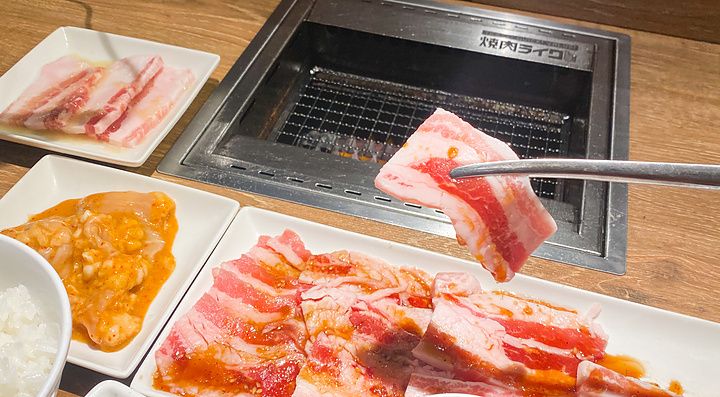
Quick grilling at solo seats.
 622 m
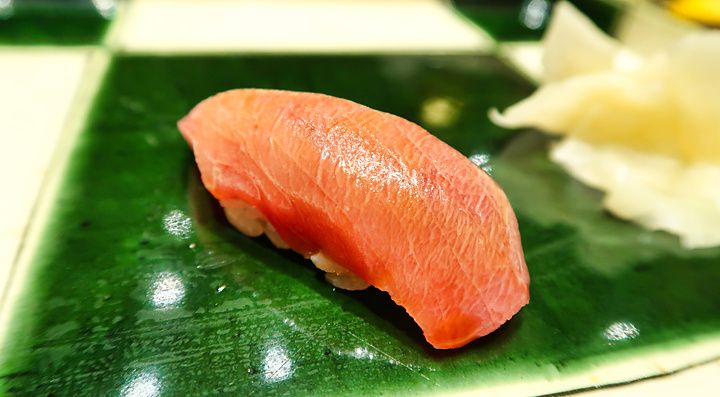
Counter omakase, with a big main location.