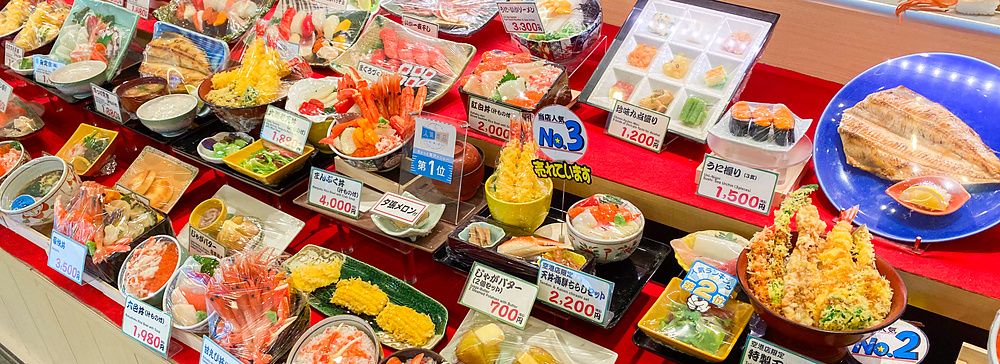
Chirashi
Chirashi is one of the Japanese dishes I recommend most often to anyone who wants to eat sushi without spending what they would at a sushi counter. The name comes from the verb chirasu, which means to scatter. It’s a bowl of vinegared rice topped with fish, egg and vegetables in a seemingly random arrangement.
It looks like a simple dish, but almost everything changes between Tokyo and the rest of the country. There’s a whole holiday built around it, and you can find it everywhere, from the neighborhood sushi-ya, the classic sushi restaurant, all the way to the supermarket. Lots of people also make a mistake with soy sauce the first time, and it’s easy to avoid.
Contents
What chirashi is
Its full name is chirashizushi, and that alone tells you a lot. It’s sushi in every sense, because the base is the same rice seasoned with vinegar, sugar and salt that goes into nigiri. The difference is that instead of being shaped into lots of small bites, everything goes into a bowl or a lacquered box, and everyone helps themselves however they like.
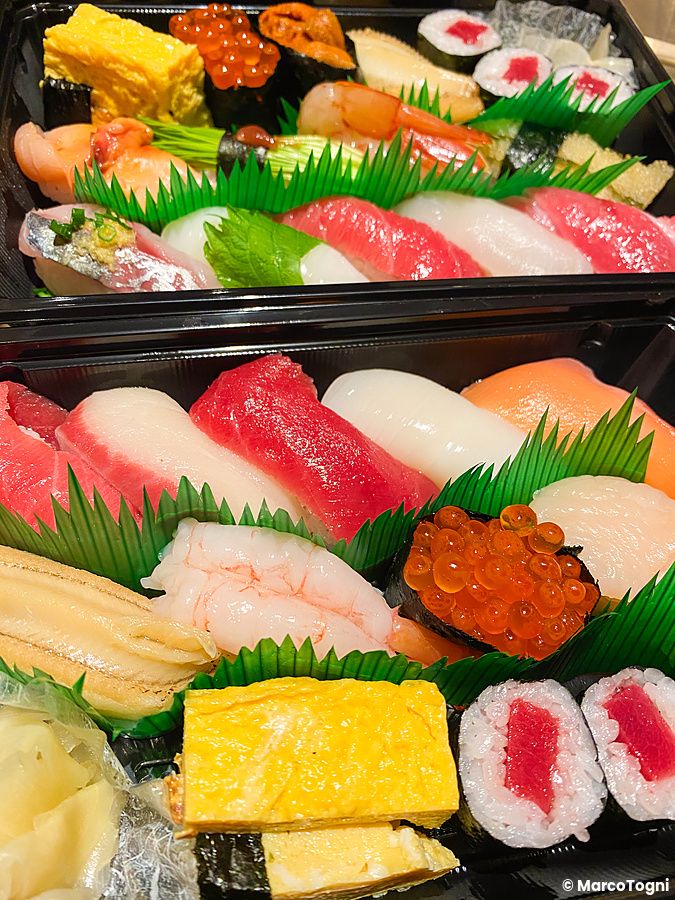
The ingredients vary enormously from place to place. The version best known outside Japan has slices of raw fish, salmon roe, shrimp and sweet omelet cut into cubes. The home-style version often has no raw fish at all. Instead you’ll find cooked vegetables, shiitake mushrooms, lotus root, snow peas and thin strips of yellow omelet called kinshi tamago.
In Japan people associate chirashi with happy occasions and celebrations, yet it’s also one of the most ordinary lunches there is. At the sushi-ya downstairs from the office, chirashi is often the go-to option, the one office workers order when they have half an hour and don’t want to think too hard about it.
Two dishes with one name
The same name covers two almost opposite dishes, and the main difference is where the ingredients go: on top of the rice or inside it.
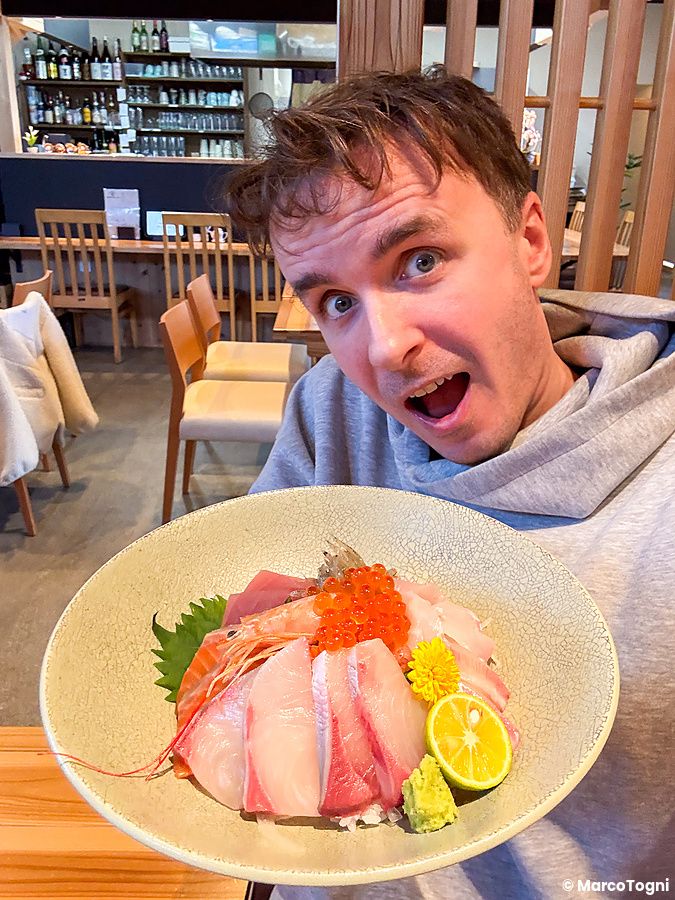
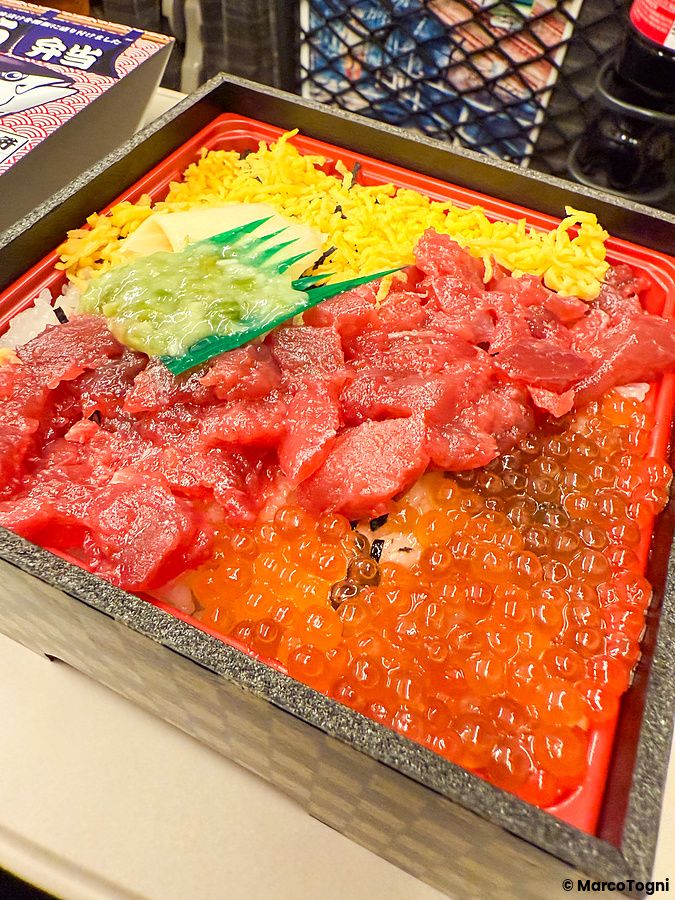
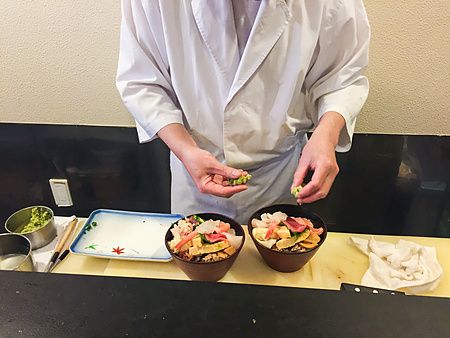
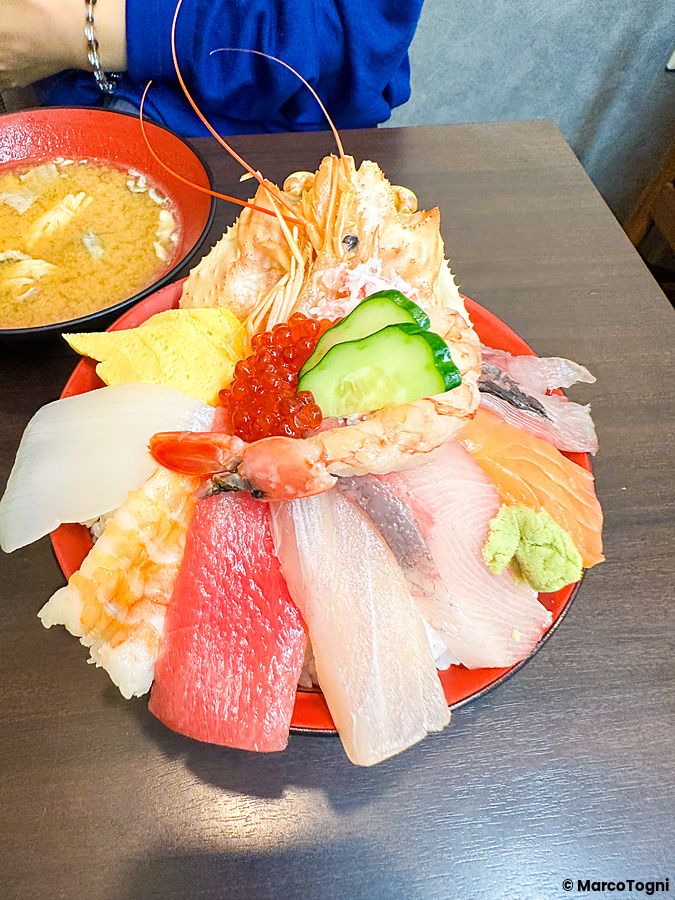
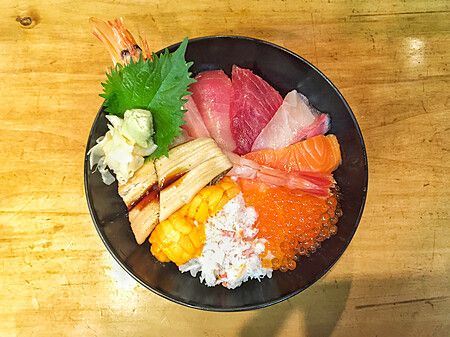
The first is Edomae chirashi, typical of Tokyo and of sushi restaurants. The rice is white and the raw fish is laid on top for all to see: tuna, salmon, sea bream, octopus, squid, sometimes sea urchin. This is the one you see in Instagram photos and on the menus of tourist restaurants.
The second is gomoku chirashi, which in many parts of western Japan is called barazushi or mazezushi. Here the cooked ingredients, like carrots, burdock, shiitake and strips of dried gourd called kanpyo, are mixed right into the rice, which turns colorful and full of flavor. On top go the omelet strips, a few shrimp, pea pods and often a sweet pink fish powder called sakura denbu.
It’s the home-cooked version in Japan, the one grandmothers make. The flavor is sweeter and mellower, and it’s still good cold the next day.
Where chirashi comes from
According to the most common story, Tokyo-style chirashi started in the Edo period as a meal for the cooks. At the end of the day, the cooks at sushi-ya would put fish trimmings and ingredients left over from service on top of the leftover rice and eat it themselves. It was a way to use up leftovers that eventually made it onto the menu.
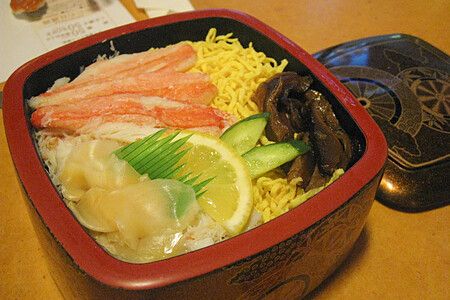
The story behind Okayama’s barazushi is more unusual. In 1654 the area was hit by a major flood, and the local lord, Ikeda Mitsumasa, issued an austerity edict that allowed only one dish besides soup. People still wanted to eat something good, so they started hiding the ingredients inside the rice to make it look like a single dish.
Okayama is still considered the home of barazushi, with lavish versions that include local seafood, and at the station you’ll find takeout boxes made just for it. The anniversary of Ikeda Mitsumasa’s death, June 27, has even become Japan’s official chirashi day.
Girls’ Day
March 3 is Hinamatsuri, Girls’ Day, and chirashi shows up on the table of practically every family with young daughters. Supermarkets fill up with stacks of colorful trays, and restaurants put together special menus. In the depachika, the food floors in department store basements, you’ll see special versions shaped like hearts or dolls.
Part of the reason is a play on words: sushi is written with characters that suggest being in charge of good fortune, which is why it has always been celebration food. But each ingredient also carries its own specific meaning, tied to wishes for the girls’ future:
- Shrimp, with their backs curved like an old person’s, represent the wish for a long life.
- Lotus root, full of holes you can see through, stands for the ability to see far into the future.
- The omelet strips, yellow like gold, stand for wealth and prosperity.
- Carrots and other root vegetables represent the wish to put down strong roots in life.
- Green beans or snow peas are linked to working hard and staying healthy.
Hinamatsuri chirashi almost always comes with a clear soup of hamaguri clams. The two halves of a shell only fit each other, which makes them a symbol of a happy marriage. If you’re in Japan in late February or early March, I recommend walking through the food floors of the department stores. That’s when chirashi looks its prettiest.
Chirashi or kaisendon?
Lots of travelers mix up chirashi and kaisendon, and at first glance that’s understandable, since both are bowls of rice covered in raw fish. The traditional difference is the rice. In chirashi it’s always seasoned with vinegar, while kaisendon was originally made with plain white rice.
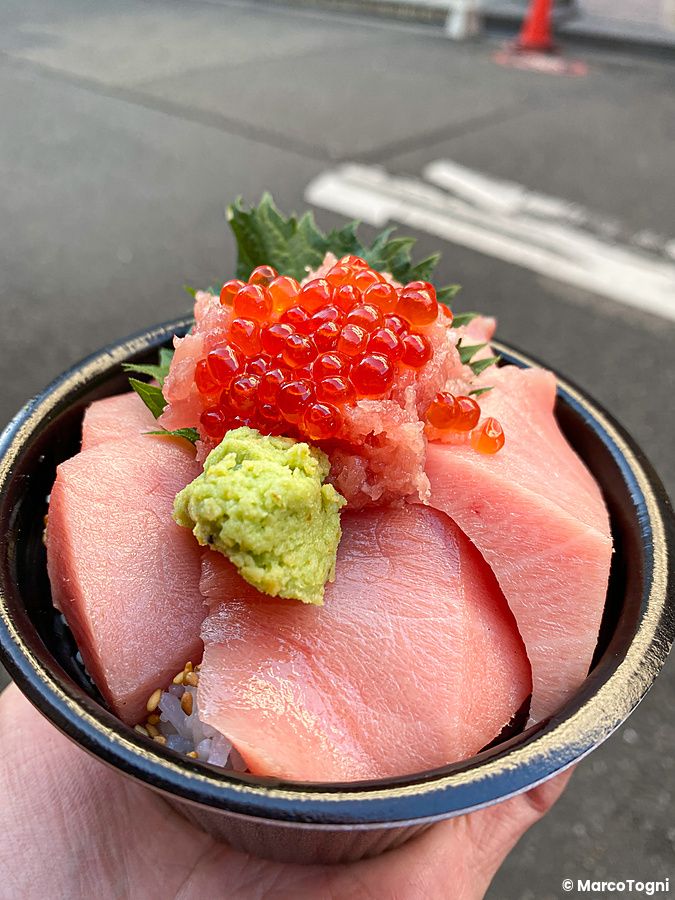
Today the line is blurrier, and quite a few places use sushi rice for kaisendon too. In practice, the difference is more a matter of style. Kaisendon belongs to fish markets and seaside towns, with generous portions and big pieces, often lots of a single kind of fish. Chirashi belongs more to the sushi-ya, with smaller cuts, more variety and a neater arrangement, even though its name means scattered.
Then there’s bara chirashi, a middle ground where the fish is cut into cubes and mixed with omelet, cucumber and salmon roe. It costs less than the version with whole slices, and honestly I find it easier to eat, because every bite has a little of everything.
Where to eat it
You can find chirashi pretty much everywhere in Japan, at very different prices and levels of quality. It all depends on what you’re after: a quick lunch, a meal to remember or something to take on the train.
These are the places where I see it most often and that I think are worth it:
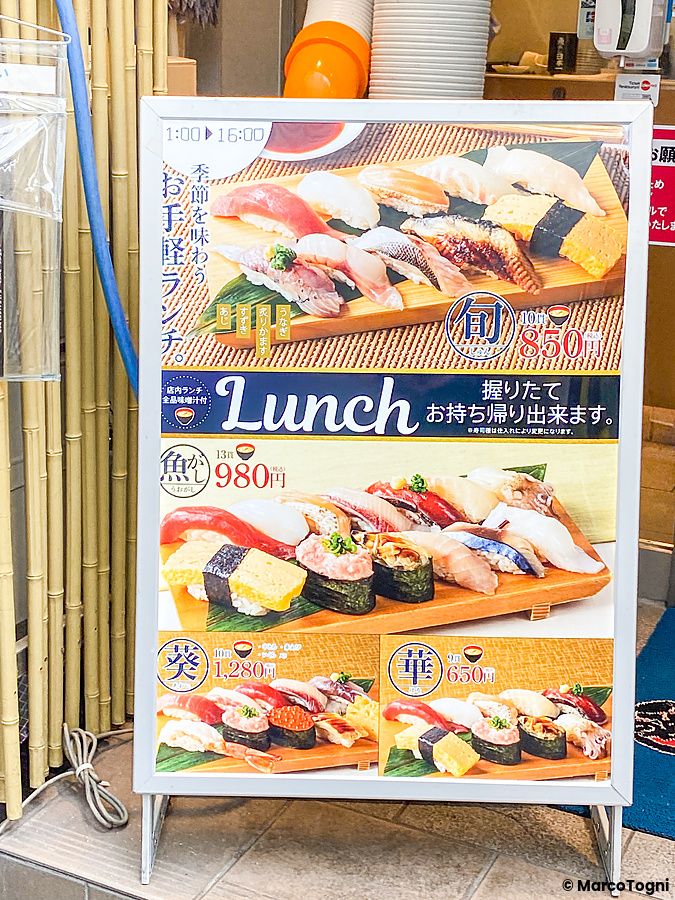
- Traditional sushi-ya at lunch, where chirashi is almost always on the daily menu with miso soup included, and costs much less than the omakase tasting menu the same place serves at dinner.
- Fish markets, like Tsukiji’s outer market in Tokyo, where you’ll find bowls loaded with toppings, but also long lines and higher prices because the area is packed with tourists.
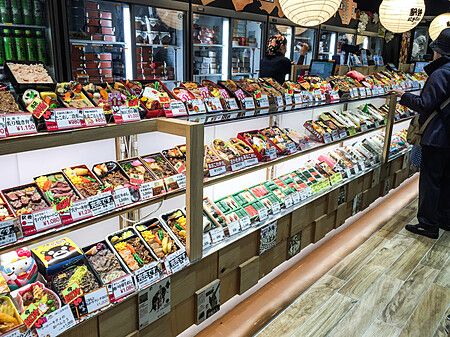
- Department store depachika, where sushi chains and well-known restaurants sell takeout boxes that look great and are nice to eat back at your hotel.
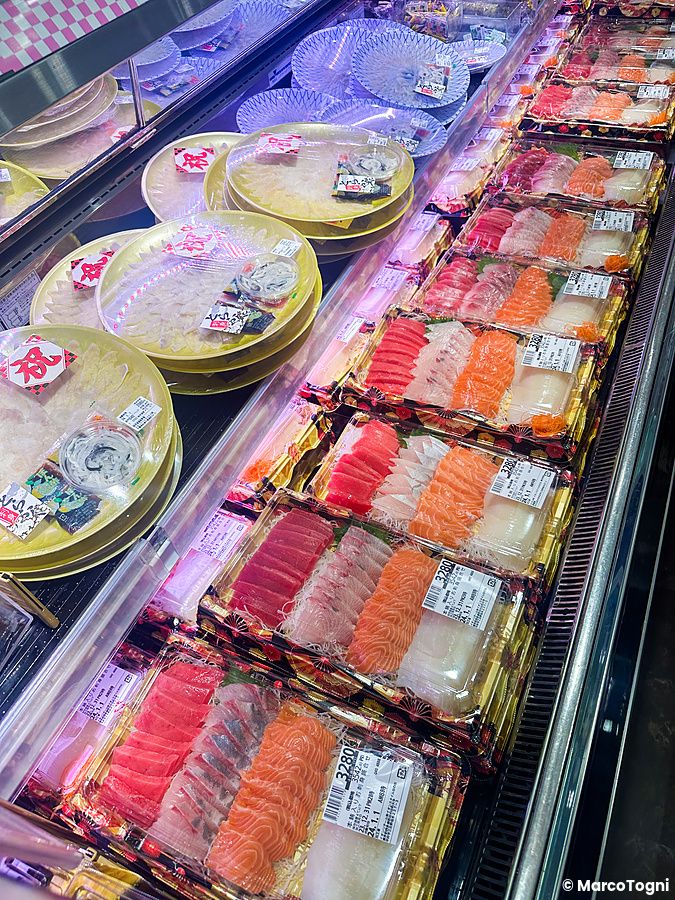
- Supermarkets and konbini, the convenience stores open all day, with cheap gomoku chirashi or bara chirashi that’s more than decent for a quick dinner.
- Train stations, where chirashi is a classic ekiben, a boxed meal made to eat on the train, with regional versions that change from city to city.
Conveyor-belt sushi chains often have chirashi on the menu, but there I’d stick to individual nigiri, which are what they do best. Chirashi is at its best at a place where the chef picks the fish of the day and cuts it to order.
How much it costs
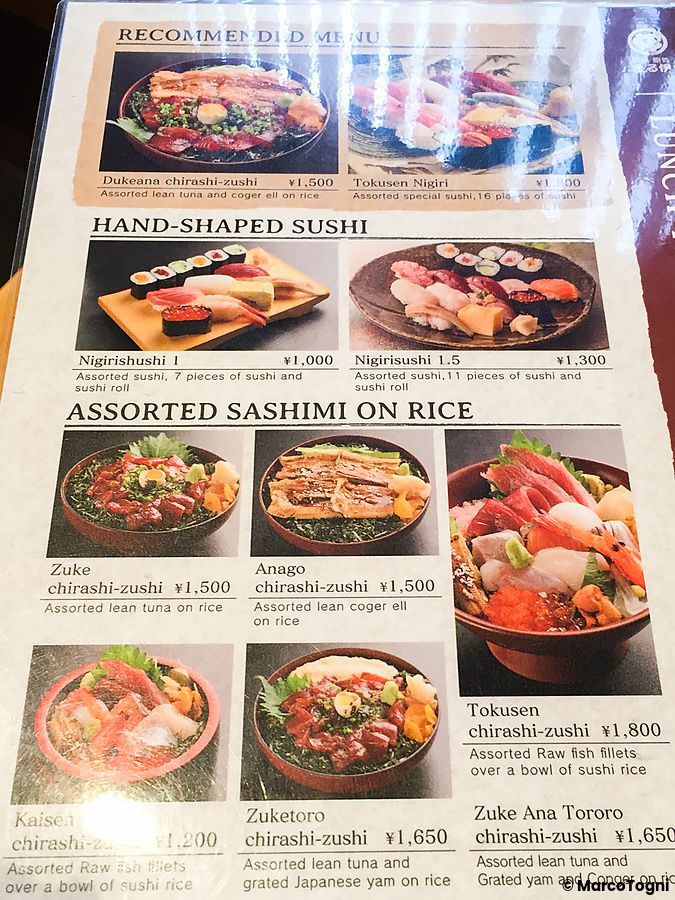
The price range is huge, and it’s one of the reasons budget travelers love chirashi so much. At a supermarket or konbini a tray is cheap, around 500–800 yen, and in the evening you’ll often find discounts on the last few left on the shelf.
Lunch at a neighborhood sushi-ya usually runs between 1,000 and 2,000 yen, soup included. At fish markets and in tourist areas the price easily climbs to 2,500–4,000 yen, especially if the bowl has sea urchin, fatty tuna or crab.
At top-tier sushi restaurants, chirashi at dinner can easily go over 5,000 yen, but at that point it’s a completely different dish, with carefully selected fish and rice prepared the way it would be for the best nigiri. If you want to try a good sushi-ya without emptying your wallet, I suggest going at lunch and ordering chirashi. Prices change often, so it’s a good idea to check the menu before you sit down. At sushi-ya, chirashi often comes in several grades with different names: nami, jo and tokujo, or ume, take and matsu, where matsu is the top grade.
The bowl is the same, but as you move up, the kind of fish changes, and so does the amount of premium ingredients like sea urchin, toro and salmon roe. If it’s your first time, the middle grade is often the best balance.
How to eat it
The question I get asked most is what to do with soy sauce, and the answer depends on the type of chirashi. With gomoku chirashi you don’t need soy sauce at all, because the rice is already seasoned and the cooked ingredients have plenty of flavor.
With the raw fish version, though, the classic mistake is pouring soy sauce straight over the bowl, the way you would on plain white rice. The rice gets soggy, the vinegar gets thrown off balance, and everything ends up too salty.
The better way is to pour a little soy sauce into the small dish, stir in the wasabi if you like it, dip a piece of fish and then eat it with a bite of rice you pick up with your chopsticks. At many places, if you ask, they’ll also give you a small spoon so you can put just a few drops of soy sauce on the fish alone.
In the end, nobody’s going to judge you if you get it wrong, but I swear you can taste the difference. The pickled ginger on the side is there to cleanse your palate between different fish, and it doesn’t go into the bowl.
Making it at home
Gomoku chirashi is one of the dishes Japanese families like making most, partly because supermarkets sell packets of ready-made chirashi mix. Inside you get the vinegar already measured out and a mix of cooked vegetables, and you stir it all into freshly cooked rice.
You’ll find them in the condiments aisle. They’re worth looking for if you’re staying in an apartment with a kitchen during your trip, or if you want a practical souvenir to take home. Making it is really simple:
- Cook Japanese rice with a little less water than usual so it comes out firmer.
- Put the rice in a wide bowl while it’s still hot, add the mix, and stir with a cutting motion so you don’t crush the grains.
- Fan the rice to cool it, which makes it glossy and keeps it from getting sticky.
- Top it with a thin omelet sliced into fine strips, cooked shrimp, sweet peas and, if you can find it, salmon roe.
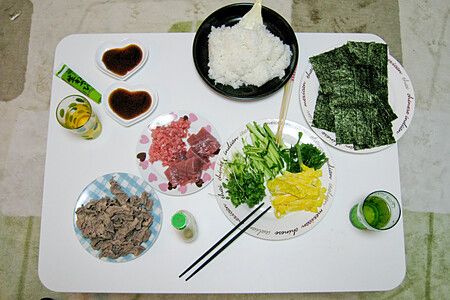
The version with raw fish is a different story, because you need fish that’s safe to eat raw. Japanese supermarkets label it clearly, and many also sell trays of assorted sashimi that’s already sliced, which is the quickest way to do it.
What I’d recommend
Chirashi says a lot about Japan. It started as a way to use up leftovers, became a dish for celebrations, and ended up in every lunch box. When I feel like sushi but don’t want a long meal, it’s what I order almost every time.
If it’s your first trip, try it twice, two different ways: a chirashi with raw fish for lunch at a sushi-ya in Tokyo, and a gomoku chirashi from a depachika or in an ekiben, maybe on the train to Okayama. They feel like two different dishes, and in a way they are. Which one would you try first?