How to Choose a Ryokan in Japan
I often read stories online from tourists who say they stayed in a ryokan, when what they actually experienced was nowhere near what a real ryokan is supposed to be.
Contents
- Watch out for "fake" ryokan
- Make the most of your stay
- How much it costs
- The ryokan association
- Ryokan in Kyoto
- Where to go
- Don't go alone
- Ryokan with kids
- How many nights to stay
- Onsen
- Dinner
- Rooms: futon or bed
- Large and small ryokan
- Where to book
- Choosing your dates
- Quick recap
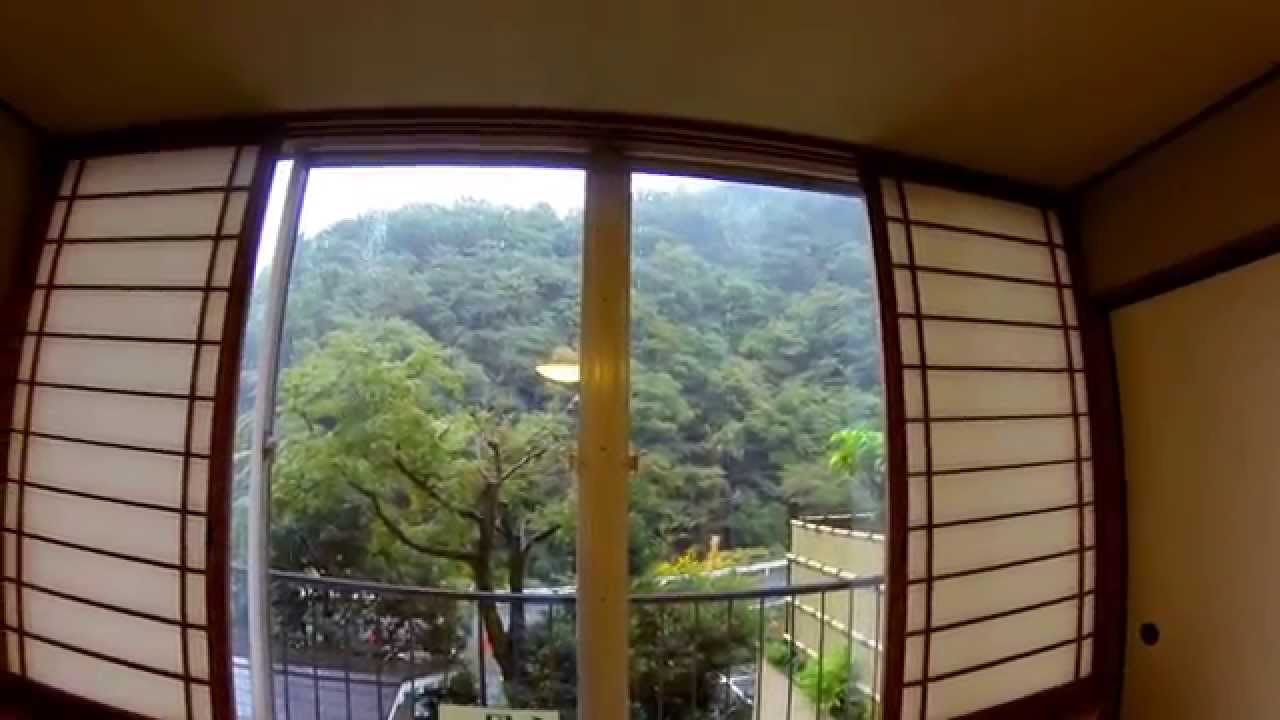
- Video: A beautiful ryokan in Hakone
- Video: A beautiful ryokan in Nikko
- Video: Eating Japanese food at a ryokan!
Watch out for “fake” ryokan
When Japanese people get a few days off and want some relaxation, maybe with their family or partner, they book a ryokan in a well-known destination. It’s always fairly expensive, and they stay just one night. If they want two nights away, both in a ryokan, they usually move to a different ryokan. That’s because a ryokan stay means a whole range of very particular experiences and services: the room, the view, the service, dinner, the onsen. Spending an extra night in the same place is counterproductive.
So for the Japanese, a ryokan isn’t simply somewhere to sleep. It’s where they go to unwind and indulge all five senses, surrounded by Japanese tradition.
Plenty of “clueless tourists”, on the other hand, go to bargain-basement ryokan and stay for many nights, and what they get is basically a bed-and-breakfast. Staying at a cheap ryokan doesn’t make you clueless. Believing you’ve had the real ryokan experience does. It’s perfectly fine to stay in a low-end “ryokan” that’s more like a hostel and pay very little, but please don’t think that’s a real ryokan.
Make the most of your stay
When you go to a proper ryokan, enjoy it to the fullest. Japanese guests usually set off early in the morning and spend the whole morning seeing the sights near the ryokan. Then they go to the ryokan, check in as early as possible and spend many hours inside, sometimes without ever going out. As soon as you get to your room, you make yourself a cup of green tea and have it with the wagashi (a Japanese sweet) that’s usually left in the room to welcome you. Then you take a hot bath in the onsen, go back to the room to relax and have a kaiseki dinner. After that it’s back to the room for a little downtime, then another soak in the onsen. You go to bed, and in the morning it’s the onsen again, before and/or after breakfast, and then you check out.
That’s how you should spend your time at a ryokan. Sure, you could head out for a couple of hours to see something nearby, but it’s silly to book a ryokan and then spend hours outside. Enjoy your time there and savor every second of it.
How much it costs
For a decent ryokan in a destination that isn’t too famous, expect to pay somewhere around 20,000 yen for a double room, including a kaiseki dinner. If you find a ryokan charging 8,000 yen for a double, that’s definitely too low. Obviously price alone can’t tell you whether a place is good or not, but a price that’s too low already gives you an idea of what kind of ryokan it is.
The ryokan association
If you want to be fairly sure about a ryokan’s quality, check the website of the Japanese Ryokan Association. The ryokan that belong to it are generally of good quality. That said, plenty of truly excellent ryokan are not members, like Iwaso on Miyajima and many others. Always check my page on hotels and ryokan in Japan, where you’ll find the ones I recommend.
Ryokan in Kyoto
Kyoto has some excellent ryokan and it’s very convenient for tourists, but for what you’d pay for a mid-range ryokan in Kyoto, you can often get a lot more somewhere else.
Staying in a ryokan in Kyoto, even a mid-range one, can certainly be a pleasant experience. But as I said, what matters isn’t what’s around the ryokan, it’s what’s inside it, so it might be smarter to go somewhere else, as long as your budget and schedule allow, of course.
Where to go
Japan is full of beautiful places with great ryokan. The Hakone area is very popular because it’s not far from Tokyo, it has a huge number of ryokan as well as onsen open to the public, and you might get to see Mount Fuji.
Another popular area is Takayama, which is close to beautiful rural areas like Shirakawa-go.
Among the places I’ve been, I’ve also really enjoyed the ryokan in Tohoku, a region sadly known for the earthquake and tsunami that hit it. Tohoku has top-notch ryokan at fantastic prices, plus charming places that see few tourists, like the village of Ouchijuku.
I could point you to dozens of places all over Japan with spectacular ryokan and onsen, but my advice is not to stray too far from your itinerary. I think a ryokan in Hakone or Takayama could be a great choice for you. Kyoto can also work well if you don’t want to waste too much time, as long as you keep in mind what I wrote above.
Don’t go alone
Ryokan prices are often for a room for two people, so if you go on your own you may not get any discount. But that’s not why I recommend not going alone. Go with someone else so you can share the experience. Even if you like being on your own, a ryokan stay by yourself can be sad and depressing. Having a spacious room to yourself, drinking tea alone, maybe having dinner served in your room and eating it with no one else there might not be much fun. Obviously, though, it’s your call.
Ryokan with kids
If you’re traveling as a family, check carefully before you book. Quite a few high-end ryokan, especially small traditional ones, don’t accept children under a certain age, so the other guests don’t lose the peace and quiet they came for. Others are very well set up for kids, with extra futons in the same room, a smaller version of dinner for the little ones and yukata in their size.
If you have very young children, booking a private bath solves most of the problems, because babies in diapers generally aren’t allowed in the shared baths. If in doubt, write to the ryokan before booking: they’re always very clear about this.
How many nights to stay
At a ryokan you stay one night, no more. If you then want to try another ryokan, go right ahead. Ryokan aren’t places to “sleep,” they’re places to immerse yourself in Japanese tradition. You can stay in cheap ryokan every night if you want, but they’re a far cry from what you get at the more expensive ones.
Onsen
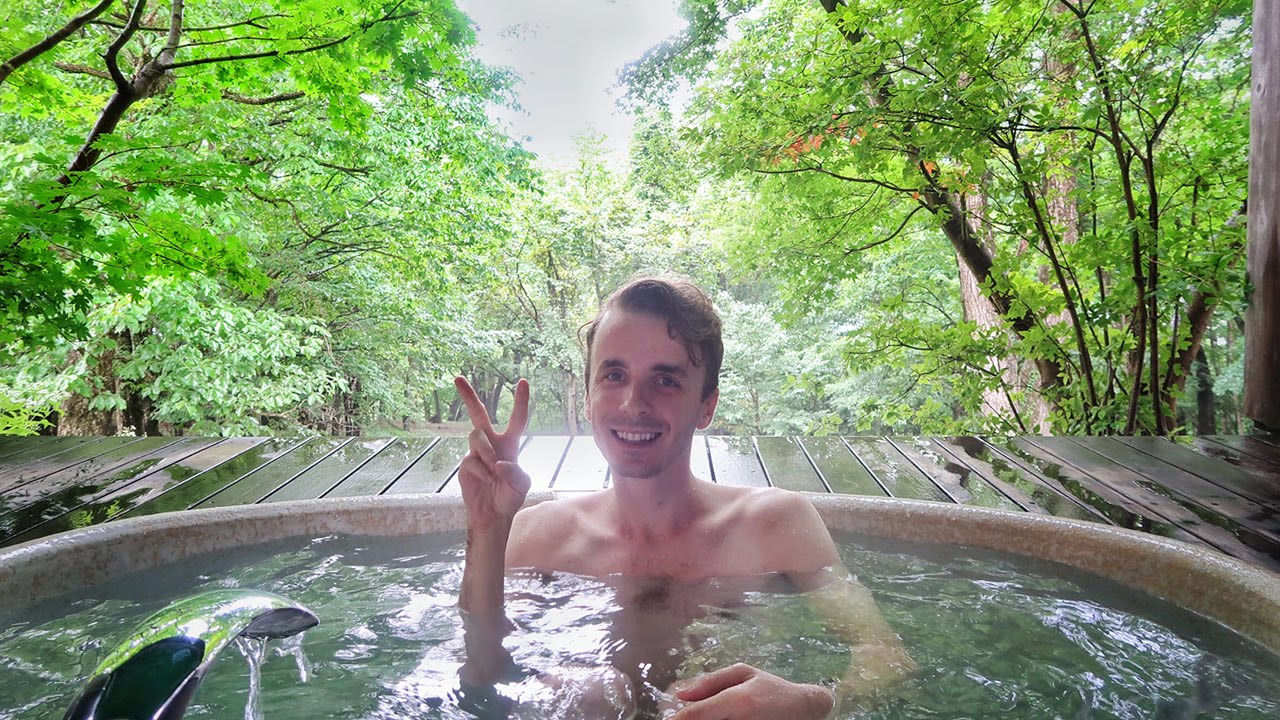
The onsen (hot spring bath) is one of the main features of a ryokan. At low-end ryokan it’s a plain tub in a bare room, while the best ryokan have several onsen, sometimes with gorgeous views, and the option to book a private bath. That’s handy both for a romantic soak with your partner (otherwise the onsen is always separated by gender) and for people with tattoos, who wouldn’t be allowed in otherwise. Also make sure the water is actually hot spring water. Quite a few places that call themselves ryokan only have a big shared bath filled with heated tap water, which is a different thing from a real hot spring. Reputable ryokan always tell you what kind of water they use and what its properties are.
Some of the most expensive rooms also have a small private onsen on the balcony. It’s really convenient, but don’t skip the ryokan’s large baths because of it.
It can be a good idea to pick a ryokan in an area with other public onsen. That way you can enjoy your ryokan’s onsen and also go out for a few hours to try a couple of new places, for very little money. The area that probably works best for this is Hakone-Yumoto, which has several ryokan and lots of public onsen you can try.
The video below shows an onsen I went to on one of my trips, and as you can see, it’s top quality.

Dinner
When you book a ryokan, always pick the option with dinner included.
Depending on where you are in Japan, you’ll get different kinds of food.
In the mountains, dinner might be built around top-quality meat, while closer to the sea it’s more likely to focus on the fish most commonly caught in the area. To give you a few concrete examples, in Takayama dinner will probably include meat from the Hida area, while in Aomori (in the north) you’ll likely get fish dishes, tuna in particular. In Hiroshima it’s almost certain that at least one dish will have oysters, and so on.
Don’t worry too much, though. Dinner is always very varied, with lots of different courses. If you’re vegetarian or vegan or have food intolerances, let the ryokan know well in advance. Another thing to look at when booking is where dinner is served. At the most traditional ryokan it’s brought right to your room, one course after another. Some ryokan serve it in a small private dining room, others in a large shared dining hall. The atmosphere changes a lot, so check exactly what the plan you’re booking includes.
You don’t get to choose your dinner time at the last minute, either. They ask you to pick one at check-in, which is one more reason to arrive early.
Rooms: futon or bed
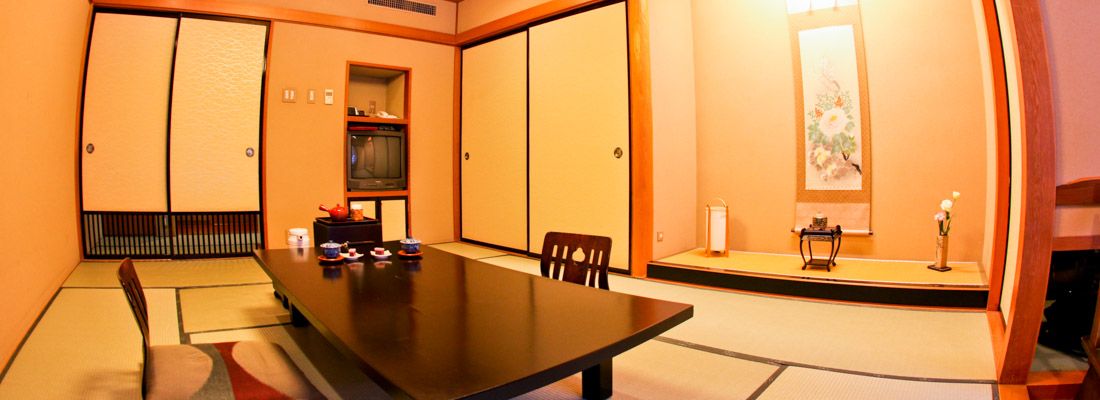
Some ryokan have rooms with Western-style beds. I know it sounds odd, but it’s true. If your dream is to sleep on a futon, pay close attention when you book! Look carefully at the room’s bathroom too. In many traditional ryokan the room has only a toilet, and to wash you use the shared baths. Not everyone is comfortable with that. If you want a shower and tub in your room, check before booking.
Another thing that throws first-timers is that the futon isn’t laid out when you arrive. You’ll find a low table in the room, and while you’re at dinner or in the onsen, the staff move the table and lay out the futons for the night.
Large and small ryokan
Good ryokan fall mainly into three broad categories:
- traditional: usually fairly small places, run by owners who are very proud of keeping their old traditions alive. The building may not be exactly “luxurious,” because for many years the owners have deliberately kept everything as intact as possible.
- modern: ryokan in buildings that aren’t too big but are well maintained inside and out. The building has next to no history, but the traditions inside are the same as in the other types of ryokan.
- hotel ryokan: these are large properties, sometimes with over 100 rooms on many floors. Despite appearances, you still get a real sense of Japanese tradition, and many Japanese choose them for the excellent service and reasonable prices.
I imagine you’re already leaning toward the “traditional ryokan” and ruling out the other two types, but that’s not necessarily the right choice. If I were you, I’d skip the modern ones, but hotel ryokan are actually excellent places to stay, and even with lots of guests the service is still flawless.
So don’t let the size of the building or the number of rooms sway you too much. Look more closely at the individual features: the room, the food, the onsen.
Where to book
At a lot of ryokan the staff barely speak any English, and even when someone does, the ryokan’s own booking site is usually in Japanese only.
Ryokan websites almost always list a whole series of “plans” that bundle different options for your booking. Japanese people love having lots to choose from, but all those plans get very confusing, especially since they’re basically all alike.
So I recommend booking through the best-known English-language sites. Have a look at the ryokan I recommend, which you can book on English-language sites, so you can see clearly what’s on offer.
Choosing your dates
In Japan everyone takes their vacation at the same times of year. If you book a ryokan for the first week of May, on August 15, or between December 29 and January 3, you may find higher prices than at other times of the year. There are other holidays too, of course, but the point is this: if you can’t find a room at a decent price on the day you want, try another date. The same goes for weekends. Saturday night is the most expensive and the hardest to book, while a weeknight at the same place can cost quite a bit less. If your itinerary allows, moving your ryokan stay to the middle of the week is the easiest way to trade up to a nicer ryokan for the same money.
Also keep in mind that the best ryokan only have a few rooms and sell out well in advance.
Quick recap
Here’s what to keep in mind:
- the area: Takayama and Hakone are the ones I recommend
- onsen: you want a ryokan with a decent onsen, ideally in an area with other onsen nearby (like Hakone).
- a futon room: don’t book a room with a Western-style bed!
- dinner: it’s essential that it’s prepared to a really high standard, to round out your experience.
Have a great trip!