 589 m
Yakiniku Like589 m
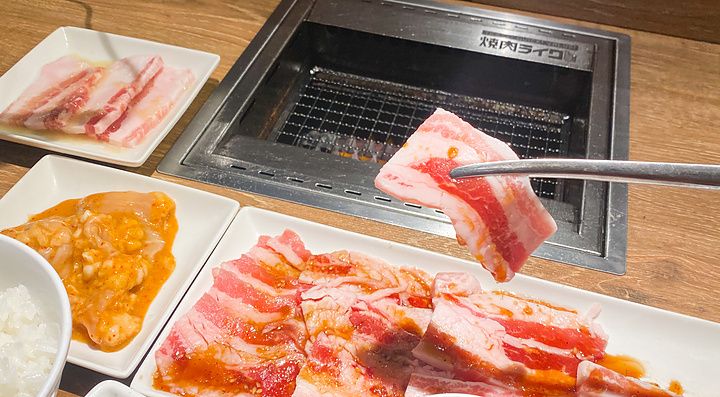
Quick grilling at solo seats.
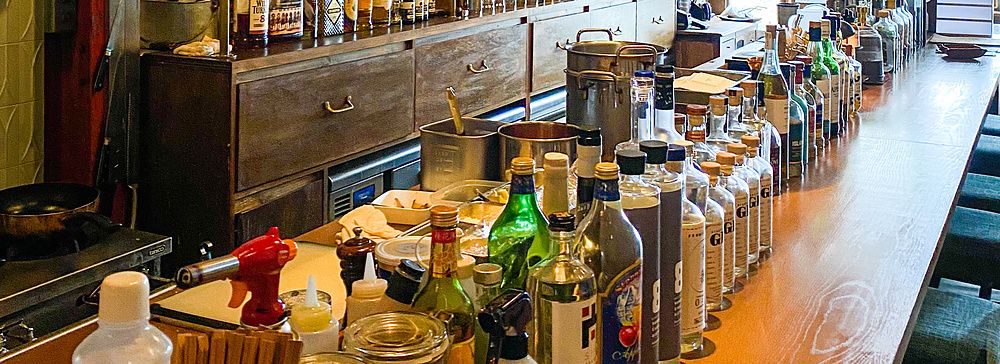
A small chain of cocktail bars with branches in Tokyo and one up in the mountains in Karuizawa, where the bartenders cut fresh fruit to order instead of reaching for a bottle of syrup. Cocktail Works is known for its seasonal fruit cocktails and for a collection of more than two hundred craft gins.
This isn’t a place where you just drink. The kitchen is Italian at heart, with charcuterie boards, pizza, and pasta, and some branches serve lunch too. It’s the right spot for a night out for two or for a serious drink on your own.
The food menu is short and designed to go with the drinks, but it’s not something thrown together just to fill you up. It’s mostly Italian, and a few dishes change from branch to branch depending on what they can get locally. In Karuizawa, for example, they use Shinshu beef in both the steak and the ragù.
At the branches that also do lunch, the setup is different: pizza and pasta, not much else.
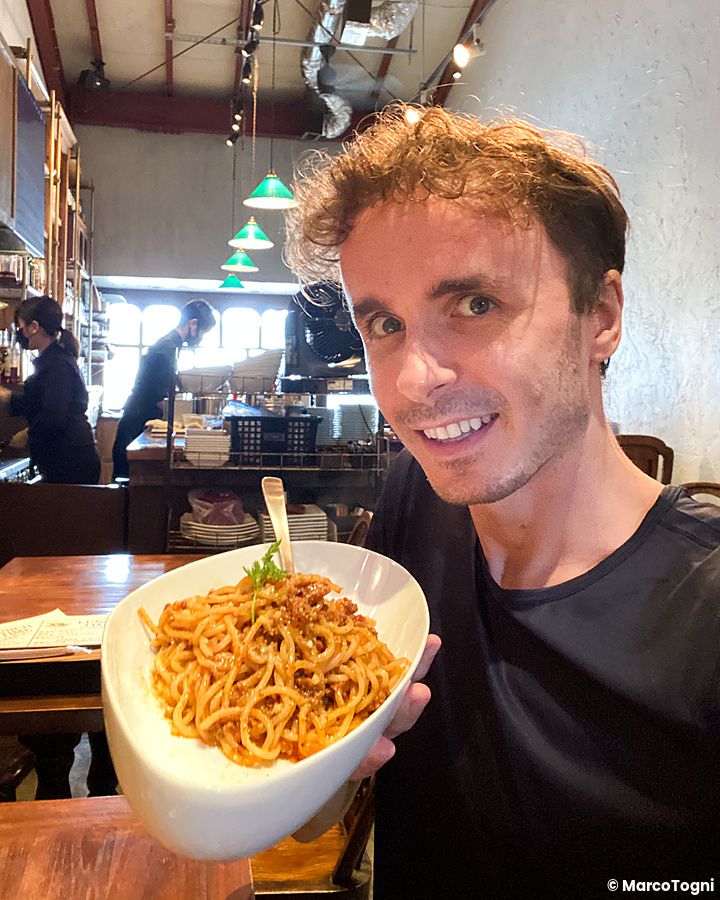
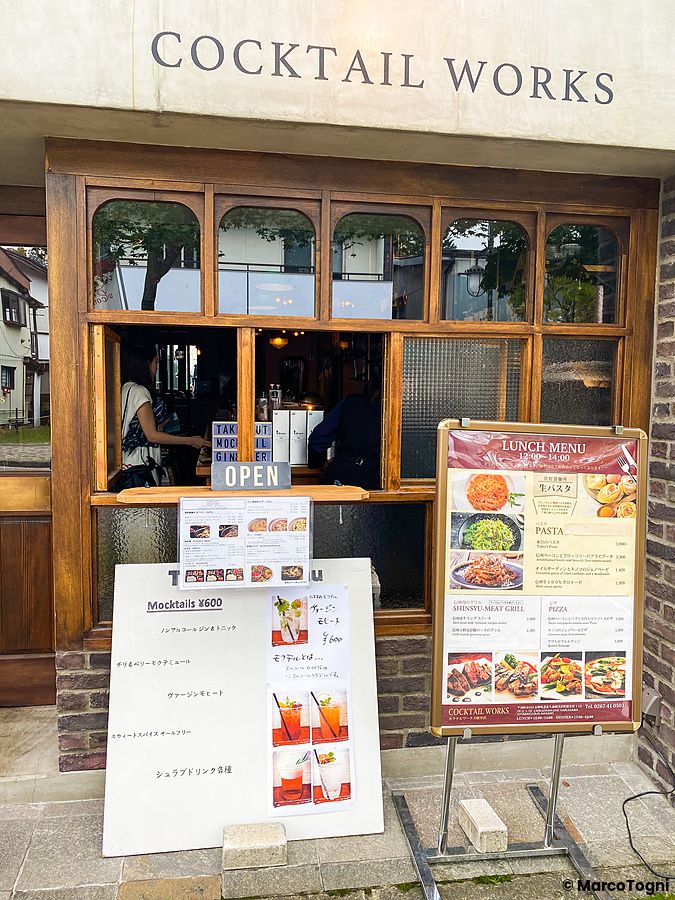
The pizza is good because the dough stays thin all the way to the center and never gets rubbery. Just know that you’re paying for a seat at the bar more than for the flour: in Tokyo there are a hundred places where you’ll find a margherita like this for half the price.
The chocolate is the real surprise. It’s not your usual praline. It’s soft and bitter, and it stands up really well to an aged gin or a whisky.
In the evening you’ll spend around 5,000–6,000 yen per person with two or three drinks and something to eat, and a bit more at the branches outside Tokyo if you order the grilled meat. At the branches that do lunch, figure on 2,000–3,000 yen for pasta or pizza. There’s also a cover charge of just under 1,000 yen per person. That’s normal in Japanese bars, but you should factor it in before you sit down.
Prices are mid-to-high, plain and simple. But every cocktail is shaken with freshly cut fruit, and elsewhere in the city you’d pay a third more for that.
When I want a carefully made drink without having to keep my voice down, it’s one of the first places that comes to mind. I keep going back because it’s one of the few chains where the drink is made the way a proper craft cocktail bar would make it, and I can have dinner at the same time.
Some of the bartenders have won cocktail competitions, and you can tell from how they handle the fruit. They cut it, muddle it, and strain it right in front of you, with no premixes. The menu follows the seasons, so January’s citrus and August’s peach aren’t there for decoration: they’re the reason that drink exists at that time of year.
There are also classics made by the book, like martinis and daiquiris, plus a few proper alcohol-free drinks for anyone who doesn’t drink.
Among the permanent fixtures on the menu, a few are worth looking out for. The mojito with Earl Grey and bourbon tastes of tea first and finishes sweet with apple. The Bloody Mary is made with fresh tomato instead of juice, so it’s much tarter and more vegetal than the one you’re used to. There’s a margarita with cinnamon that sounds odd on paper but works really well, and a sour with olive oil that leaves a soft, almost buttery feel in your mouth.
Some of these lean sweet, so if you want them drier, say so when you order. They’re happy to adjust.
Then there’s the gin, which is why this place has made it onto lists of the best bars in the city. They stock over two hundred bottles from around the world, including more than twenty Japanese ones, from Kyoto’s Ki No Bi to distilleries you’ve never heard of.
Here a gin and tonic isn’t what you order when you can’t decide. Tell the bartender what kind of profile you like, citrusy, floral, or resinous, and they’ll pull out the right bottle with a tonic to match. The menu comes in English too, and the staff can explain things well enough, which at a spirits bar makes all the difference.
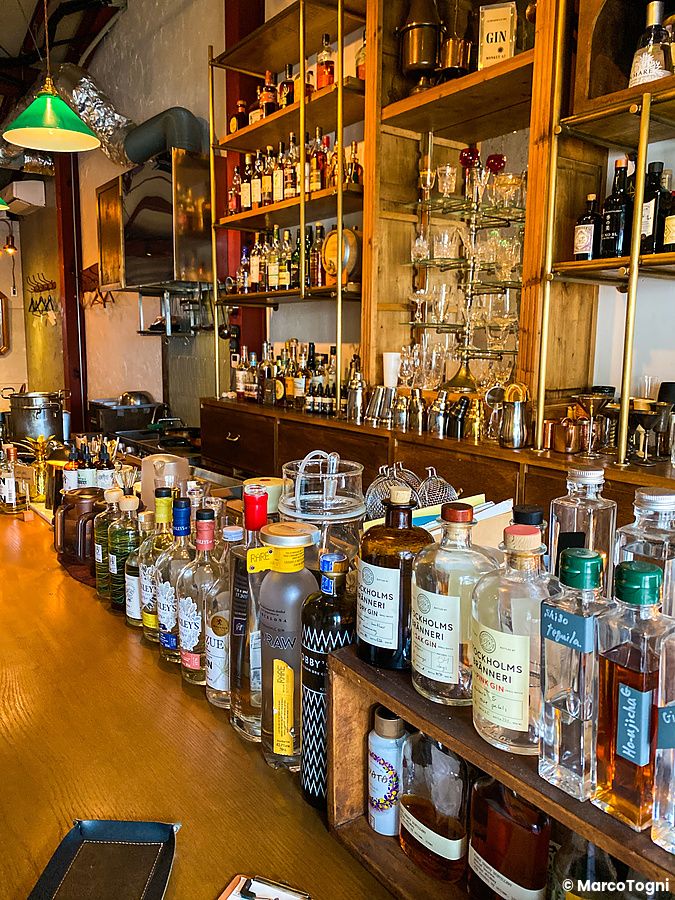
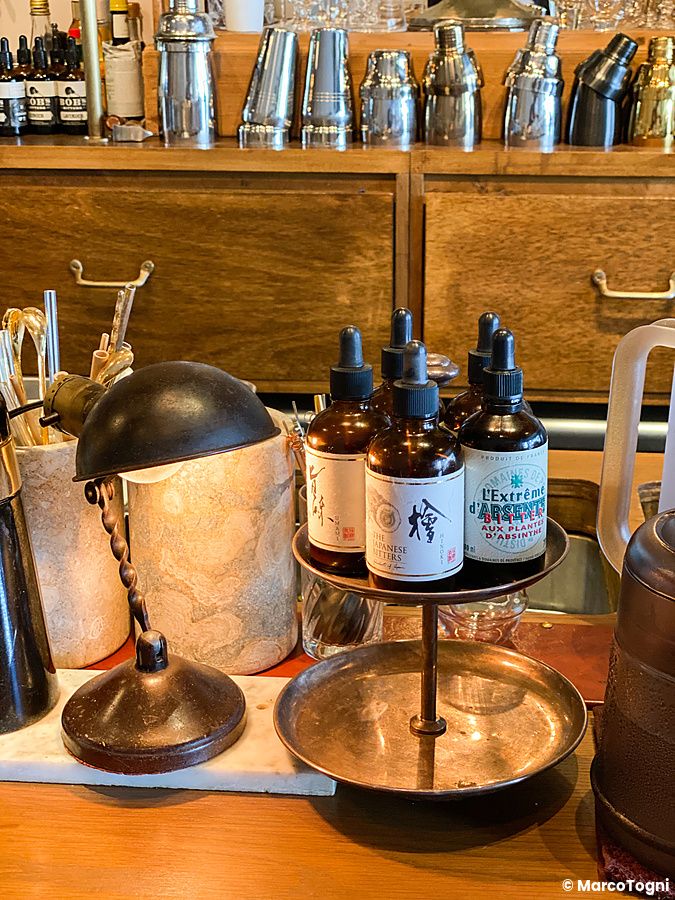
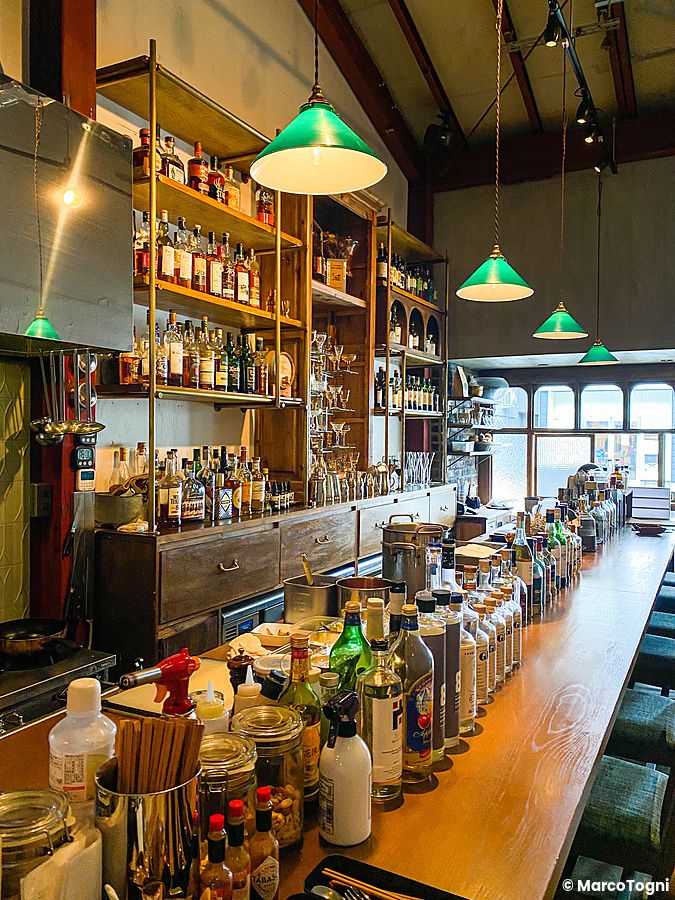
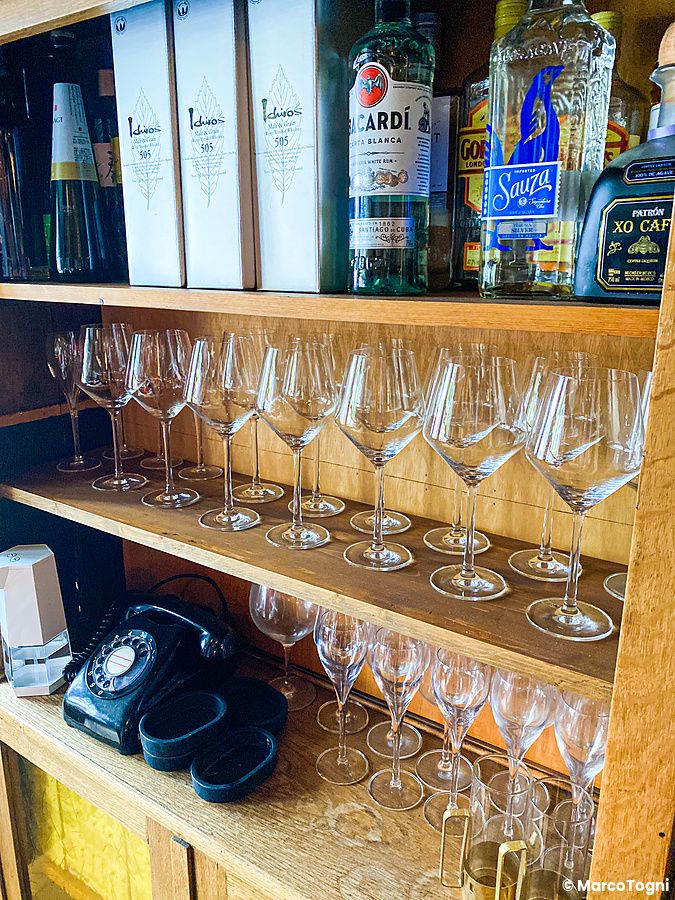
The branches aren’t carbon copies of each other, but they all share the same style: iron, brass, oak, and salvaged old furniture, with dim lighting focused on the counter and not much else switched on. Some have very high ceilings, while in others the tables are packed closer together.
They range from around twenty seats to just under forty, always with a long counter facing the bottles and a few tables behind it.
The counter is the best seat in the house, and I’d aim for it. From there you can watch them cut the ice and muddle the fruit, and you can ask for recommendations without feeling awkward. Sitting alone isn’t weird; people do it all the time.
There’s no smoking, and the music stays low enough that you can talk without raising your voice.
In the evening the bars fill up with couples and small groups of two or three, office workers fresh from work with their jackets off, and a few foreigners who’ve read about the gin. At the branches that serve lunch, the scene is completely different at midday: daylight comes in through the front window, the tables fill with people eating pasta in half an hour, and the glasses stay put on the shelves.
This isn’t an everyday place, and it doesn’t pretend to be. Between the cover charge, two drinks, and a couple of plates to share, the bill adds up fast, and if you’re used to the Japanese habit of drinking cheaply at an izakaya, you’ll feel the difference.
If you’re after cheap beer and fried food, you won’t find it here.
When the counter is full, things slow down quite a bit. The team behind the bar is small, and every cocktail means cutting, muddling, and shaking. The second round can take a while, so if you’re in a hurry, it’s better to know that going in.
Which branch you pick also changes the evening. Some are more like restaurants with a bar inside, while others are bars first and foremost, where the food just goes with the drinks. If you’re planning on a proper dinner, go for the ones where the kitchen takes center stage, like the one in Karuizawa.
Pros:
Cons:
Best for: a night out for two or a serious drink on your own after work, and at some branches a quick lunch of pizza or pasta
Atmosphere: dim lighting, brass and old furniture, people talking quietly at the counter in front of a wall of bottles
What stays with you when you leave isn’t any one drink. It’s the sound of ice being cut by hand right in front of you, followed a moment later by the smell of freshly muddled fruit. Sit at the counter and let them ask what profile you like: that’s where gin stops being a word on a label and becomes something you can actually recognize.
If you’re only going once, order a gin and tonic tailored to you and finish with the raw chocolate. At the branches that also do lunch, you get to see a different side of the place. In Karuizawa, the midday pasta with Shinshu beef ragù is as good as any of the evening cocktails, and it’s the version of this bar that few people know about.
Go, and let them pick your second drink.
This place is on MarcoMaps
Cocktail Works Kanda
My map of Japan: over 4,000 places I've tried myself, each with photos, rating, and hours. Filter by category and rating, find veg-friendly spots and places near you with GPS. No sign-up, right from your phone.


Cocktail Works Ueno - nearby you will find:
Cocktail Works Nihonbashi - nearby you will find:
Cocktail Works Kagurazaka - nearby you will find:
Cocktail Works Shinagawa - nearby you will find: