


 802 m
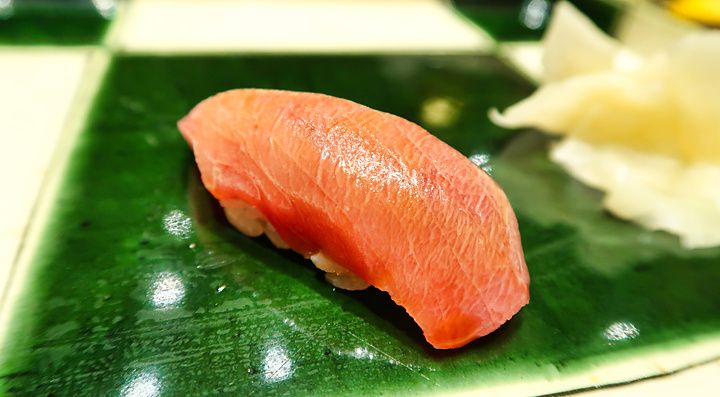
Sushi Ginza Onodera802 m
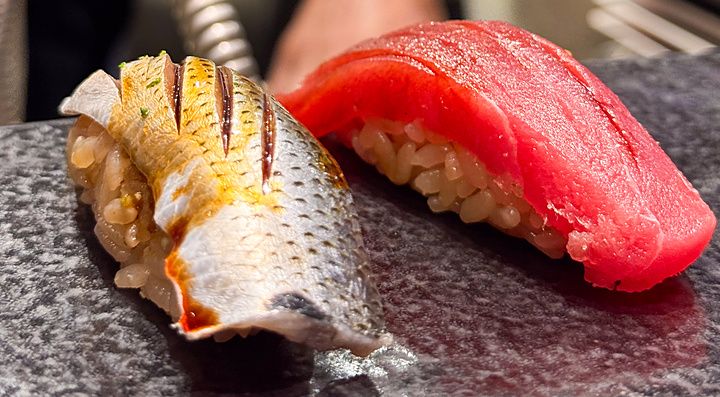
Chain with excellent sushi.
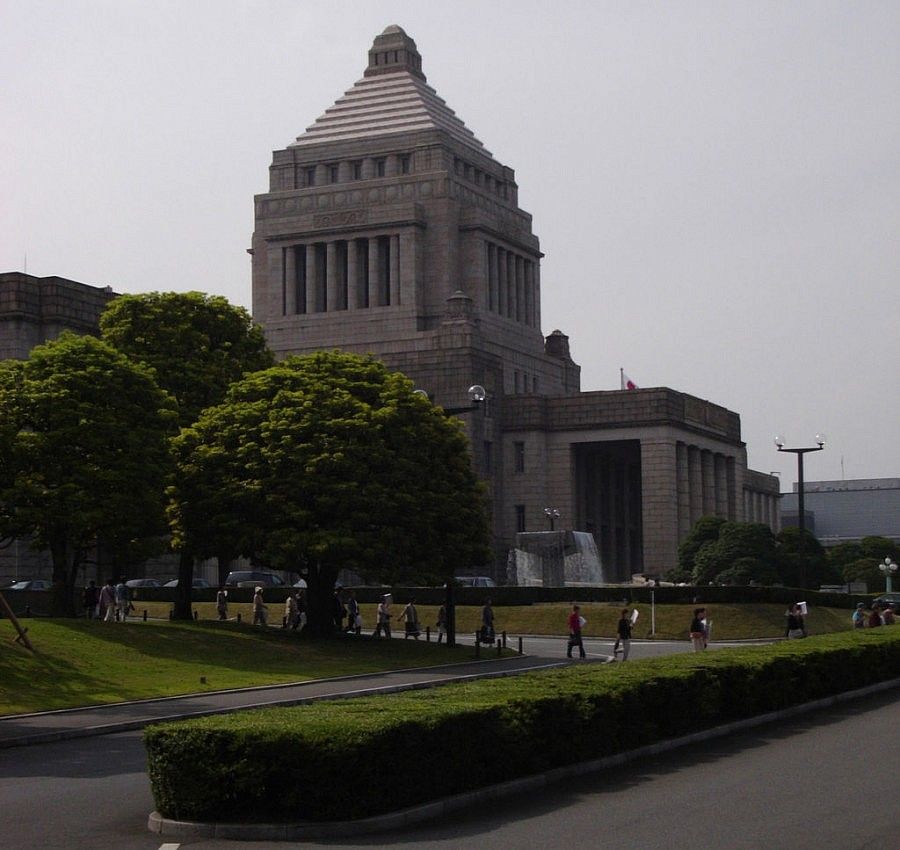
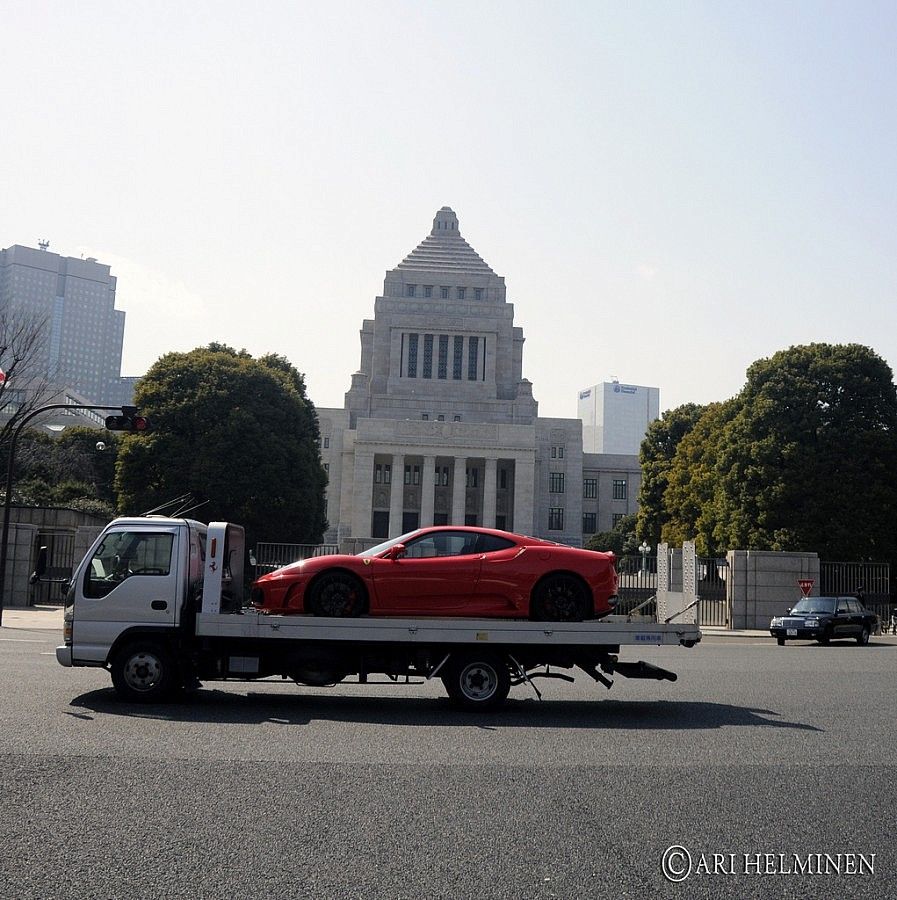
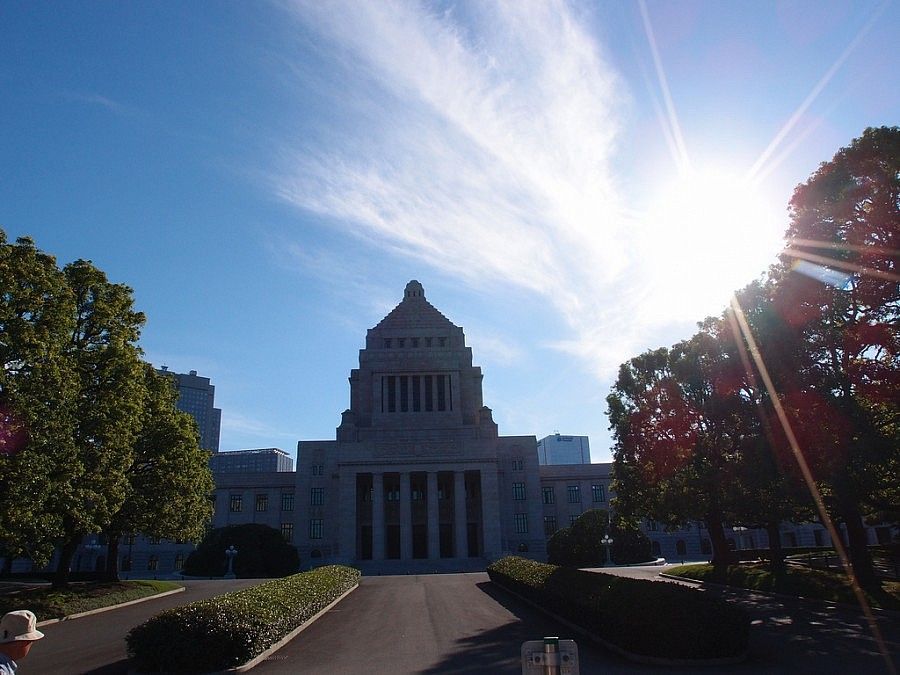
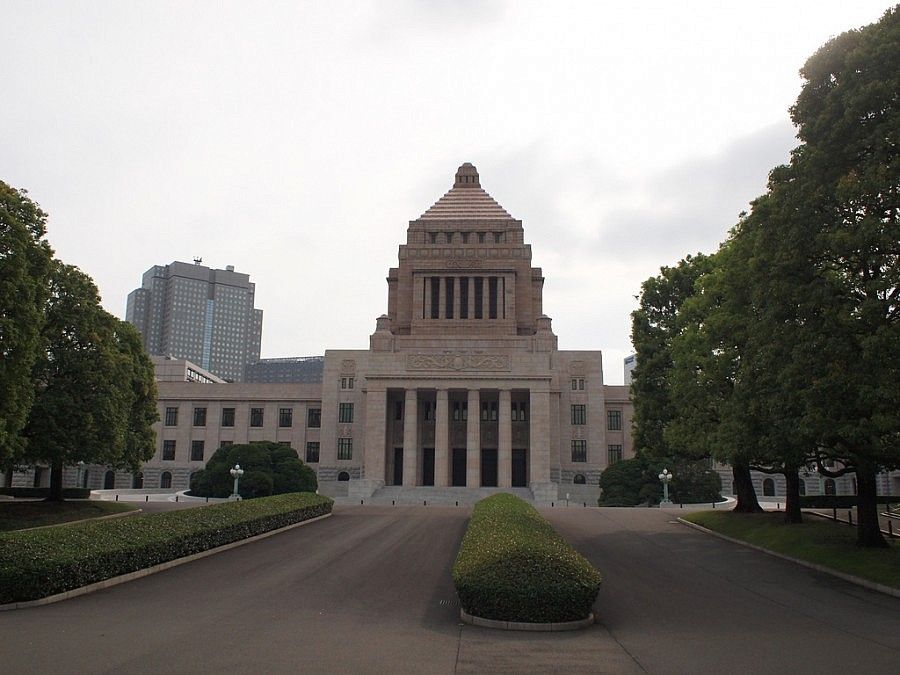
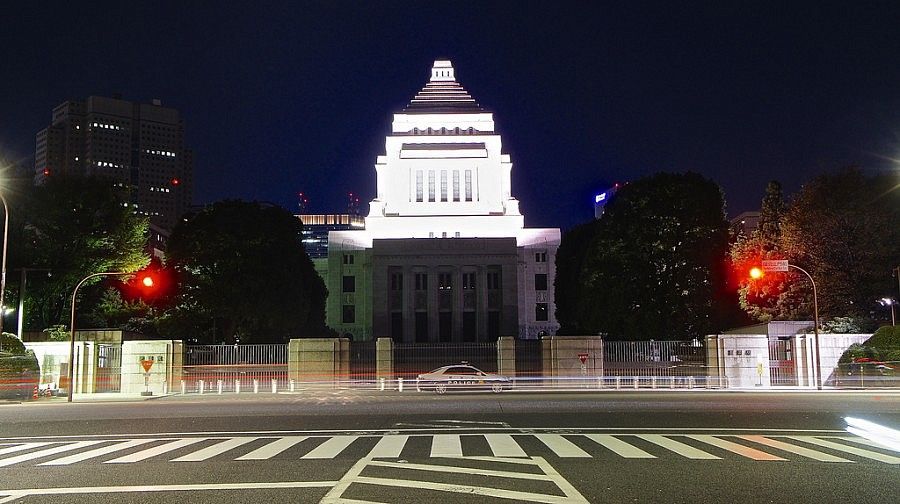
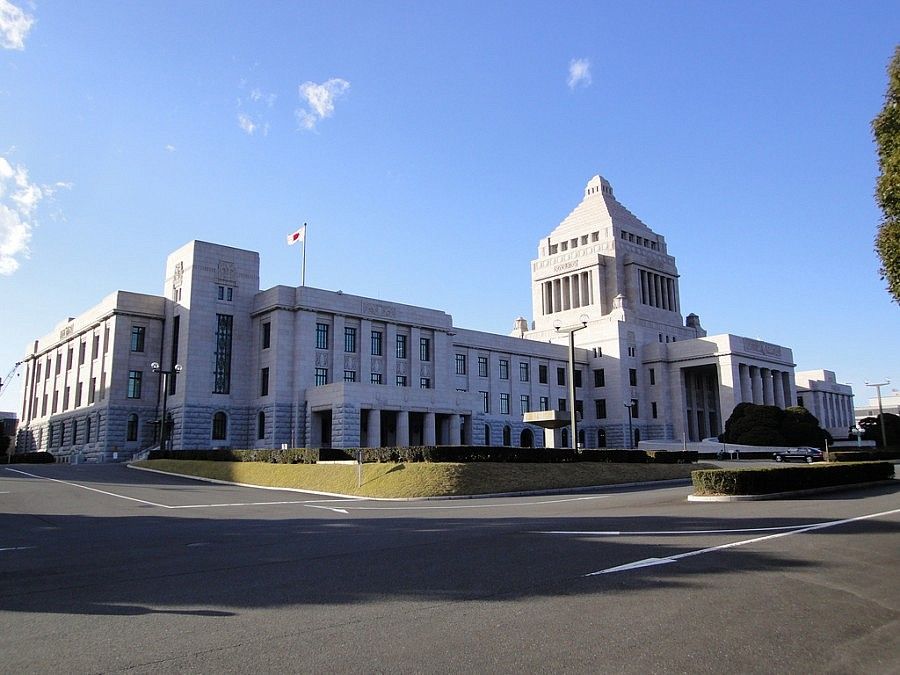
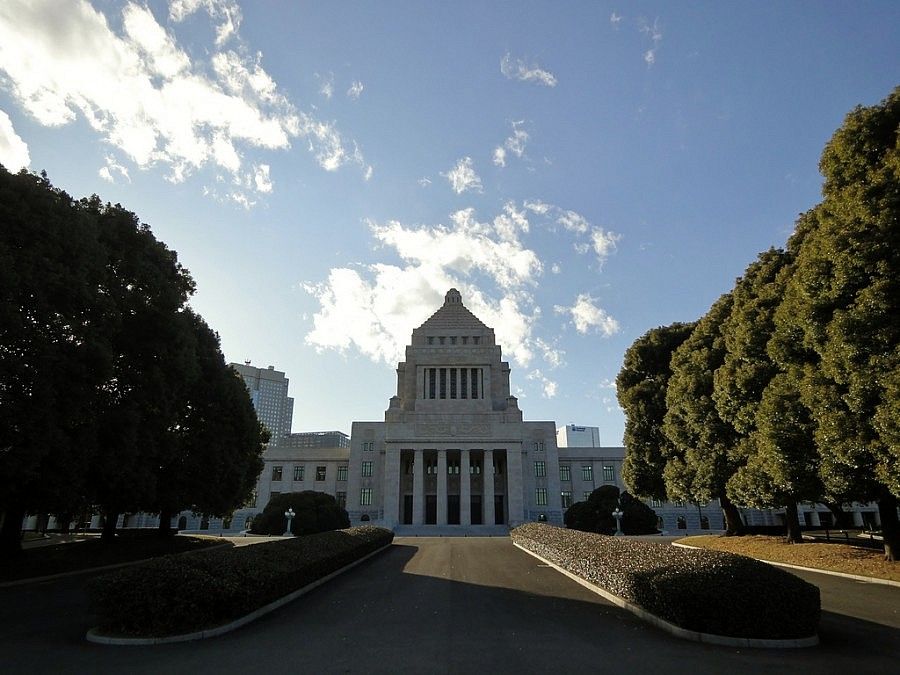
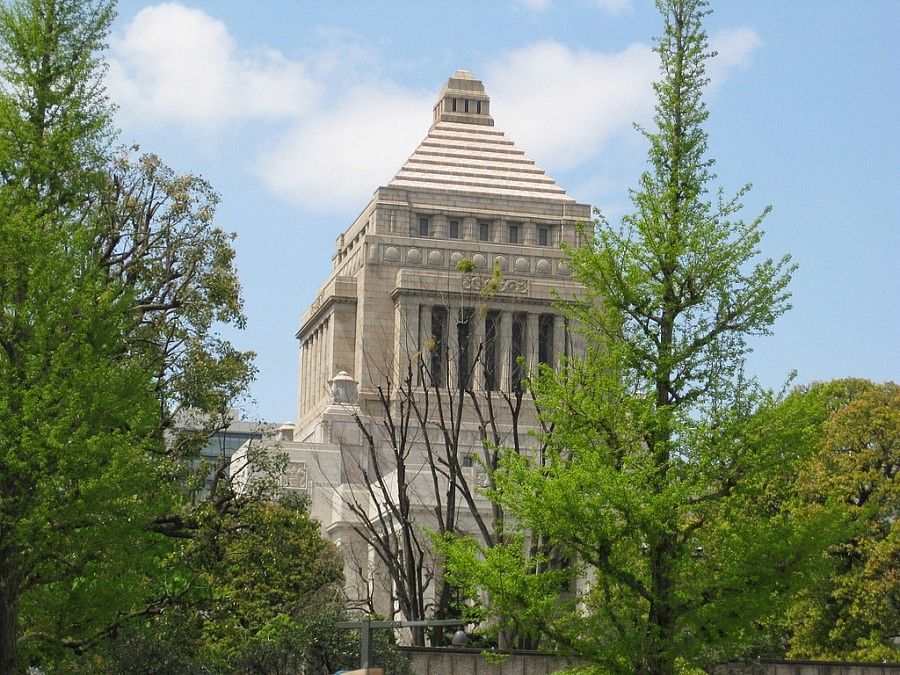
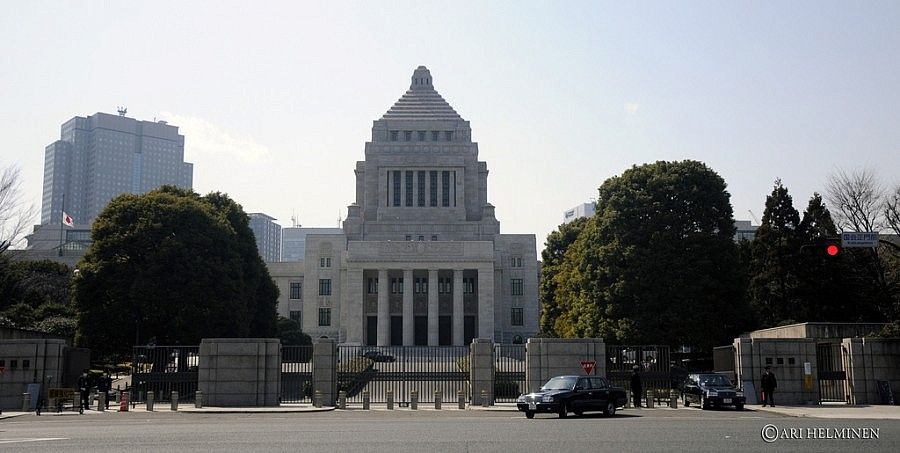
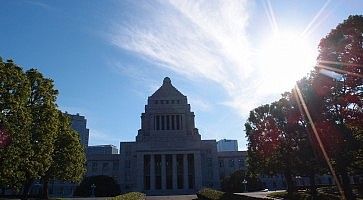
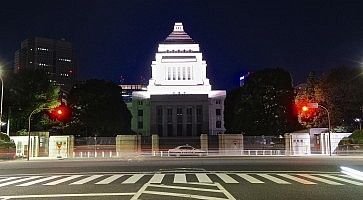
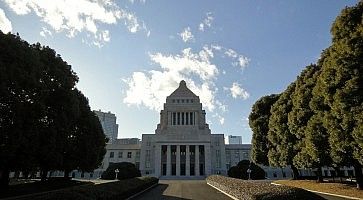
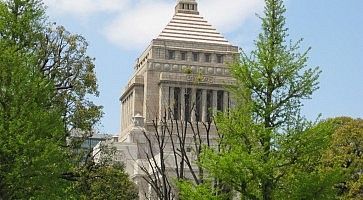
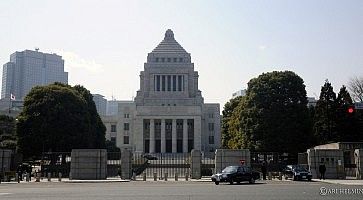
The National Diet Building rises over Tokyo’s Chiyoda ward, and its white exterior and massive pyramid-shaped tower catch your eye right away. This is the heart of Japanese politics. Both chambers of Japan’s parliament, known as the Diet, meet here to carry out their legislative work: the House of Representatives and the House of Councillors.
The building is well worth a visit, both for its architecture, which is a pleasure to look at, and for its huge historical value. Over the years, it has seen every major political event in the country.
The National Diet Building has a troubled past, marked by fires and plenty of controversy. The plans go all the way back to 1880, yet construction only started around 1920. The people involved in the project couldn’t agree on what the building should look like, so for a full 50 years the Japanese parliament had to meet in temporary locations. The first design came from two German architects, who proposed a style typical of government buildings at the time, with a domed central block and two side wings. Some politicians rejected it, though, saying it wasn’t “Japanese” enough.
With no agreement in sight, a temporary two-story wooden building went up instead. A fire destroyed it almost immediately, and it was rebuilt to the same design. This second building housed parliament until 1925, when another major fire burned it to the ground. The government then decided to build something grander, inspired by the Italian Renaissance style. Construction took almost 17 years and demanded an enormous investment in both money and manpower: an estimated 2.54 million workers took part, and the government spent a total of 25,736,000 yen.
What makes this building special is that it was built almost entirely from Japanese materials, a choice Japan was proud of at a time when it imported almost everything from the West. The marble on the walls and floors comes from quarries all over the country, and as you walk down the corridors you can sometimes spot fossils set in the stone. Hunting for them is a favorite game on the tour.
There were only three exceptions, all bought abroad: the stained glass, the door handles and the pneumatic tube system that carried the internal mail.
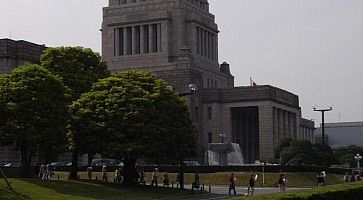
The National Diet Building’s outline is easy to recognize even from far away. As you walk up to the main entrance, you can’t help noticing the sheer size of the white central tower. It’s about 65 meters tall, and when it was finished it was the tallest building in the country. The two wings spread out on either side: the House of Councillors is in the right wing, and the House of Representatives meets in the left.
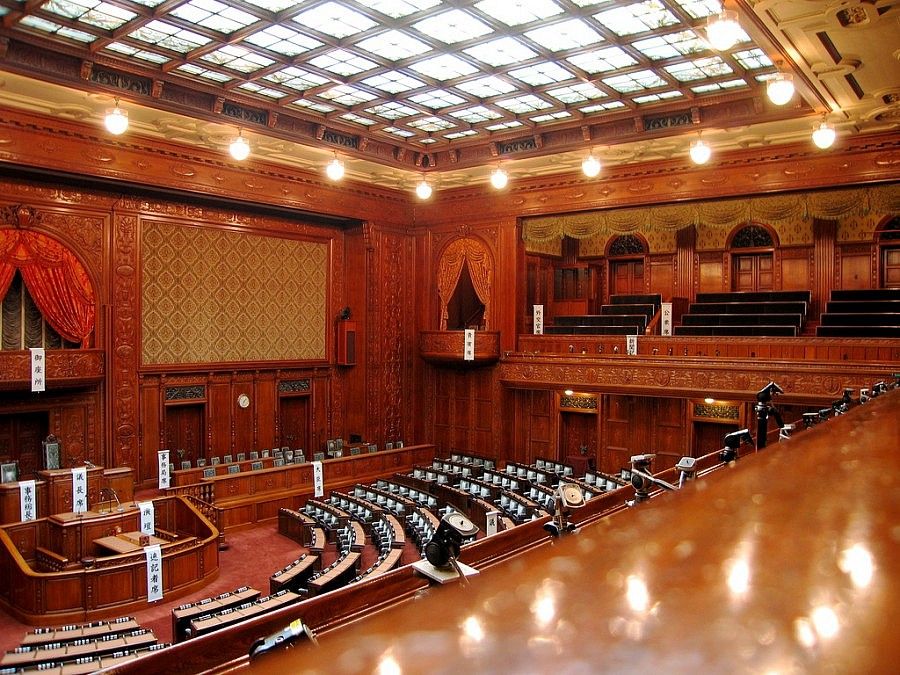
In the central hall you’ll see bronze statues of Hirobumi Ito, Shigenobu Okuma and Taisuke Itagaki, made for the 50th anniversary of the constitution’s promulgation. Elsewhere in the building you can stop in a lobby set aside for visitors and visit the floors and rooms where the two houses do their work. You also get to look into the room designed for the Emperor.
What catches people off guard here is that you don’t get to see everything. The tour only takes you into one of the two houses, and you choose which. The route doesn’t change much, though, since the two wings are almost mirror images of each other, and you see the central part, with the statue hall and the Emperor’s room, either way.
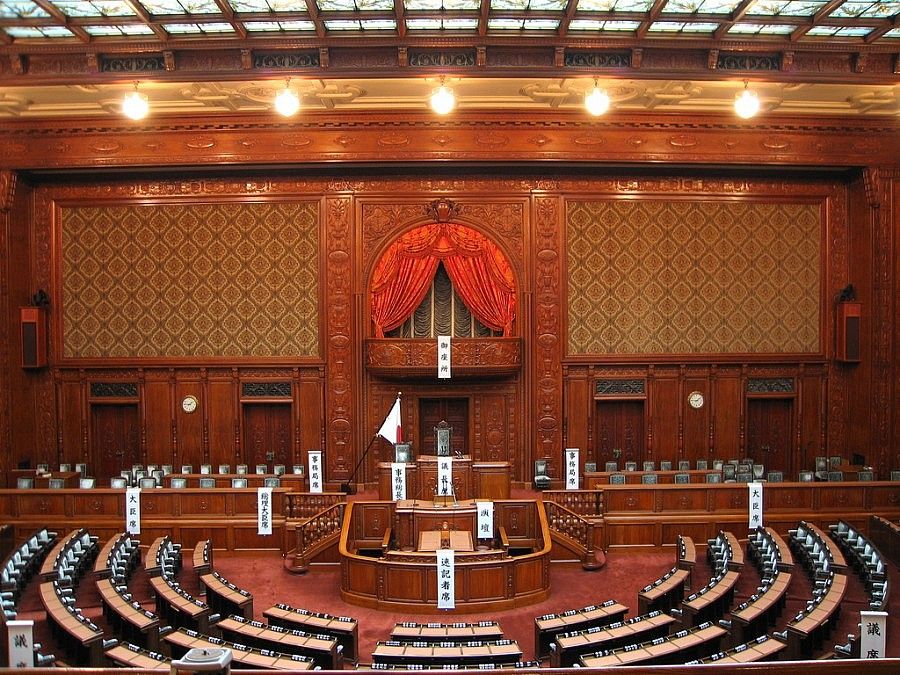
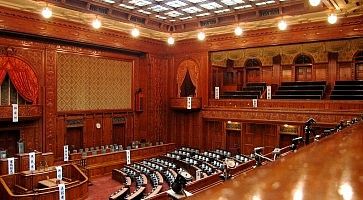
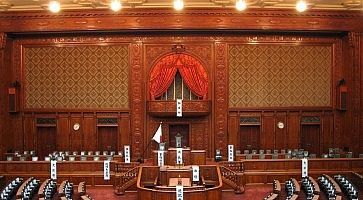
The real difference is the chamber you look down into from the public gallery. The House of Councillors’ chamber is the more solemn of the two, because it still has the platform from which the Emperor attends the opening of the session. The House of Representatives’ chamber is where most of Japanese politics plays out, and you’ll recognize it instantly from the TV news.
The building is in Nagatacho, and the subway drops you very close by. From Kokkai-gijidomae Station, take exit 1 and you're at the gates in about three minutes on foot, with the central tower already in view.
From Nagatacho Station, also exit 1, it's a couple of minutes longer.
Once you get there, check which entrance you need. The reception desks for the two houses are on opposite sides of the building and well signposted, but if you pick the wrong side you'll have to walk all the way around the perimeter.
This place is on MarcoMaps
National Diet Building
My map of Japan: over 4,000 places I've tried myself, each with photos, rating, and hours. Filter by category and rating, find veg-friendly spots and places near you with GPS. No sign-up, right from your phone.


National Diet Building - nearby you will find: