
Japan Digital Nomad Visa
Japan has a permit designed specifically for people who work online and want to stay beyond the tourist limit, which for many nationalities is three months. It’s called the digital nomad visa, it’s valid for six months, and it lets you live here while you keep working for a company or for clients based outside the country.
It isn’t open to everyone. There’s a high income threshold and a set of limits you’ll want to know about up front, before you fall in love with the idea. Your daily life will also look quite different from that of someone on a regular work visa, starting with banking and housing.
Contents
What the permit actually is
Officially it isn’t called a digital nomad visa at all. It falls under Designated Activities, the category Japan uses for cases that don’t fit the standard permits. In practice, it lets you stay up to six months working online for an employer or for clients that aren’t Japanese.
Your work has to be for an employer or clients outside Japan, meaning either a contract with a foreign company or digital services and products you sell to clients abroad. What you can’t do is take a job with a Japanese company, not even part-time, not even for a few hours a week.
This isn’t the permit for people who want to move here. It’s for people who want to work from Japan for a long stretch while remaining, on paper, a sort of long-term guest.
If you’re hoping it’ll be a first step toward a real work visa, you’ll be disappointed, because it can’t be converted into any other status.
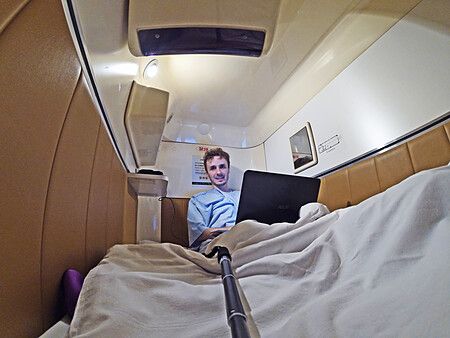
Who can apply
About fifty countries and territories are eligible, and there are two criteria: your country needs a visa waiver for short stays in Japan, and it needs a tax treaty with Japan to avoid double taxation. That covers much of Europe, plus the United States, Canada, Australia, New Zealand, South Korea, Taiwan, Singapore, Hong Kong and others.
If your country doesn’t meet both conditions, that’s the end of it. There’s no other route within this category.
What you do for a living matters less than you’d think. You don’t have to be a developer or a designer. Consultants, writers, people who manage investments and people in marketing qualify too, as long as the work can be done remotely and the money comes from abroad. The real constraint isn’t your job, it’s how much you earn.
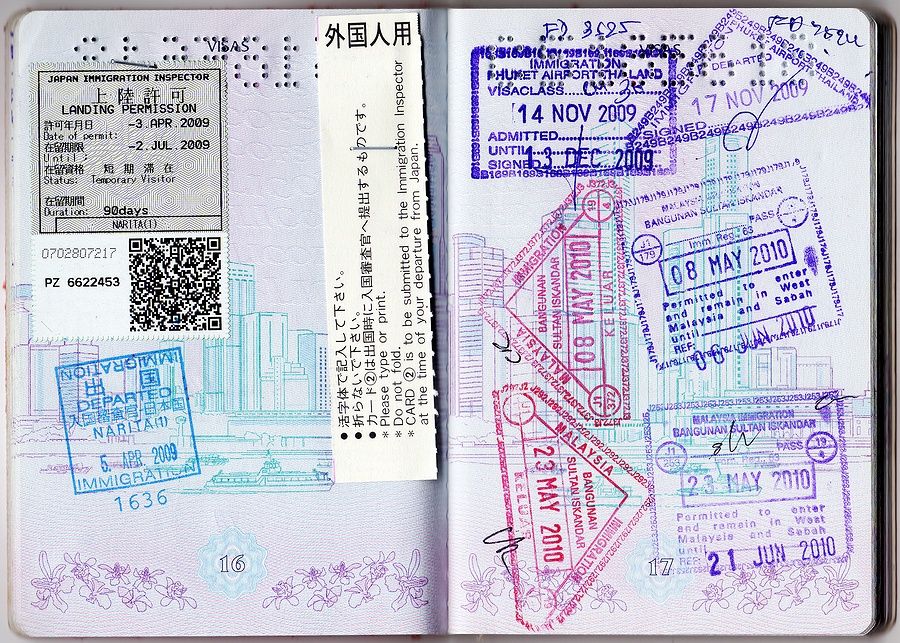
The income threshold
You need 10 million yen a year in personal income, measured at the time you apply. That’s a lot even by Japanese standards, well above the average salary for an employee here, and it’s the main reason this permit remains a niche option. Japan issues a few hundred of these visas a year, not thousands.
It has to be earned income, not wealth. Savings in your bank account don’t count, even if you have a lot put aside.
You have to back it up with proper paperwork, not a self-declaration. Usually that means a tax certificate or tax return from the country where you work, plus contracts and bank statements showing the payments coming in.
Employees have it easy, since the contract and the tax document are enough. Freelancers have more to gather, and my advice is to put together an organized file for each client with the invoices and the matching bank transfers. That’s where most requests for additional documents come up.
Health insurance
There’s no way around this one. You need private health insurance covering your whole stay, with at least 10 million yen of coverage for treatment of injuries and illness, plus coverage in case of death, meaning a payout or repatriation of remains.
All three conditions have to be met at once. A policy with good medical coverage but nothing for death isn’t enough.
Insurance that comes with a credit card can work, but only if it meets the same requirements, and often it doesn’t. The limits are lower, and the coverage only lasts a few weeks, not months. Before you assume you’re covered, ask the insurer for a certificate that states all three points in black and white, because that’s what the embassy looks at, not the name of the product.
And on this permit you’re not part of Japan’s national health insurance system, so that policy is the only thing standing between you and a hospital bill. Don’t treat it as a formality and just grab the cheapest policy you can find online.
How to apply
The usual route is to apply for the visa at the Japanese embassy or consulate in the country where you live, before you leave. Some offices only accept applications through authorized agencies and others have an online procedure, so the first thing to do is read the instructions from the office that handles your case.
Expect it to take a while. This isn’t something that gets done in a few days, and in some cases it takes several weeks, sometimes months, because it’s an uncommon permit and not every office deals with it regularly.
Here’s what they usually ask for:
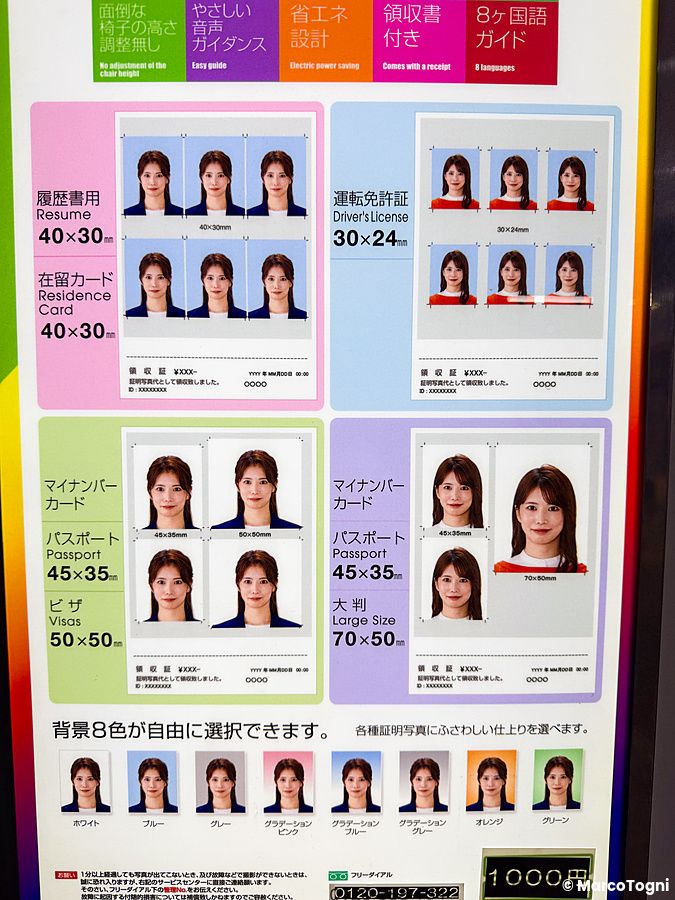
- The completed application form, with a passport-style photo in the required format and a passport valid for your entire stay.
- Proof of income, meaning a tax certificate or tax return, along with contracts and bank statements.
- A description of the work you’ll be doing from Japan, with a letter from your employer or your contracts with foreign clients.
- The health insurance certificate, showing the coverage limits and the period covered.
- If you’re traveling with family, documents proving the relationship, such as a marriage certificate and your children’s birth certificates.
You can also enter as a tourist and apply for a change of status from inside Japan, at the immigration office. On paper it’s a shortcut. In practice it’s a race against the clock, because the decision can come after your tourist stay has run out.
Honestly, I’d avoid it unless you already have all your documents ready and translated. Get the Japanese translations of your tax certificates and contracts done in advance, because that’s the part that eats up the most days.
No residence card
This is the part that changes everything, and a lot of people find out about it too late. On this permit you don’t get a residence card, the document you need for almost everything in Japan. Instead, they put a slip in your passport listing the activities you’re allowed to do.
Without a residence card you’re not registered as a resident at your local city office, you don’t get a local tax number, and you can’t join the public health system.
You’ll feel the consequences in everyday life, and there are more of them than you’d expect:
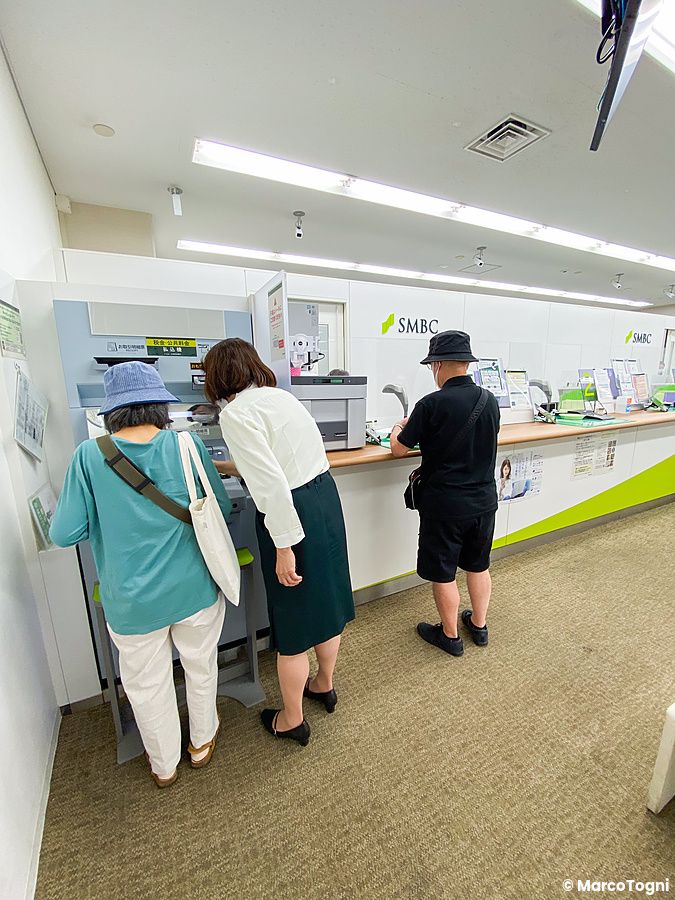
- Opening a Japanese bank account is almost always out of the question, since nearly every bank asks for a residence card or resident registration.
- For the same reason, they usually won’t give you a phone contract with a monthly plan.
- Renting an apartment on a regular lease isn’t realistic, given the guarantor requirement, the two-year term and the documents you can’t provide.
- You need a registered address to join a gym or a public library and to get some discount cards, so those are out of reach.
It’s not the end of the world, but you need to factor it in before you go. Treat it like a long trip, not a move: everything you need for work and daily life has to run on cards and services from your own country.
Where to stay
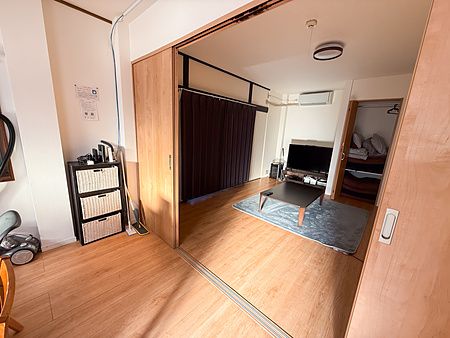
Six months is the worst possible length when you’re looking for a place in Japan. It’s too long for a hotel and too short for a traditional lease. Almost everyone ends up in a monthly apartment, a furnished studio you can rent for a few weeks or longer, with utilities and internet included in the price.
In Tokyo a studio like this costs roughly 100,000 to 180,000 yen a month all in, and goes up quite a bit if you’re aiming for the most central areas around Shinjuku or Shibuya. Outside the capital prices drop sharply, and the same money gets you a lot more in Fukuoka or Sapporo.
The other option is a share house, where you have your own room and share the kitchen and bathroom. They cost less, accept short contracts and don’t ask for a guarantor, but you’re living with other people, and it isn’t always quiet during your working hours.
Short-term vacation rentals are fine for the first few weeks, but over six months they get expensive, and in some neighborhoods there isn’t much available. If your job has fixed hours, make sure there’s a desk before you sign. Many Japanese studios don’t have one, and months of working at a low table will wreck your back.
Phone, money and coworking
To stay connected, the simplest answer is an eSIM or a prepaid SIM for foreigners, which you can activate without a contract or Japanese documents. They work well, coverage is excellent even on the subway and in the valleys, and for six months you won’t need anything else.
You’ll pay with your cards from home. In big cities cards are accepted almost everywhere, but at small restaurants, temples and markets you still need cash, and you can withdraw it easily at ATMs in konbini and post offices.
For work, coworking spaces are the most sensible choice if you’re spending many months here. Monthly memberships in Tokyo run from a few thousand yen for the basic tier to tens of thousands of yen for a dedicated desk, and almost all of them offer day passes or hourly rates if you’d rather move around.
Plenty of people work from cafés, but there’s an unwritten rule. In small places and at busy times, nursing one coffee for three hours is frowned upon, and loud video calls are out of place almost everywhere. Big chains are a better bet, along with public libraries and, of course, coworking spaces, where nobody gives you a dirty look for talking into your mic.

Taxes
Since you’re not registered as a resident, you don’t pay the local resident tax. Income tax is different, and that’s where the tax treaty between Japan and your country comes in.
The rule that matters is the 183-day rule. If you spend fewer days than that in Japan within the tax year or within any 12-month period, and you meet the treaty’s other conditions, Japan generally doesn’t tax the income you earn from a foreign employer.
The trouble is that six full months comes dangerously close to that number, and if you add an earlier trip you can go over without realizing it. If your situation is a bit complicated, say with clients in several countries or your own company, you should talk to an accountant before you leave, not after.
Trust me, this is the part people underestimate most often. The embassy gives you the visa, but you work out the taxes back home.
Bringing your spouse and kids
One of the best things about this visa is that your family can come with you. Your spouse and children fall under a related category with the same six-month maximum. They need a passport from a country that’s visa-exempt for short stays, and they need the same health insurance coverage required of the main applicant.
The income requirement is still just the main applicant’s, and it doesn’t go up with each family member: there’s one figure for the whole household. Parents, siblings and other relatives can’t come on it.
There are two timing rules to keep in mind. Your family members can’t arrive before you do, and they can’t stay on once you’ve left Japan.
Your spouse is also limited to day-to-day living, which means no work at all, not even remote work for a company abroad. If you both work online, you’ll each need to apply for your own visa, and each of you has to earn above the threshold.
When the six months are up
You can’t renew or extend this visa, period. When it expires you have to leave Japan, and you have to wait six months after leaving before you can apply again.
While it’s valid, though, you can leave and come back as often as you like. If you want to pop over to Seoul or Thailand for two weeks, you go through the simplified re-entry procedure, letting immigration know at the airport on your way out.
That lack of flexibility is why a lot of digital nomads choose other countries, where visas last one or two years and can be renewed. Japan gives you six months, then a mandatory break just as long, and if your work is built around project deadlines, you’ll have to plan your calendar carefully around it.
If you already know you’ll want to come back, start treating it like a season: spend six months here and six months somewhere else, and prepare the next application at your own pace during the break.
Other options
This isn’t always the right choice, and I’ll be upfront: when people ask me about it, I end up recommending something else to quite a few of them.
- If you’re staying less than three months and don’t need to tell anyone what you’re doing on your laptop, a regular visa-free tourist stay already covers your trip. Most eligible nationalities get ninety days.
- If you’re under thirty and your country has an agreement with Japan, the working holiday visa lasts a year, gets you a residence card and lets you work for Japanese companies too. It’s a much more convenient arrangement than this one.
- If your goal is to actually live here, your best bet is still a work visa with a Japanese company or a visa to run your own business. Both take more effort, but they make you a full-fledged resident.
- If you work in a technical field and have the degrees and experience, the highly skilled professional visa can be granted for long periods and comes with perks the nomad visa doesn’t even come close to offering.
Is it worth it?
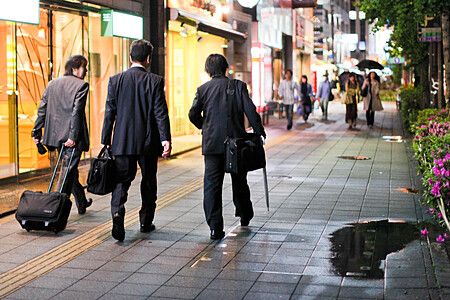
It makes sense for a specific kind of person: someone with a high income and a stable contract with a client or employer abroad who wants to spend half a year in Japan with everything above board and no gray areas.
If that’s you, the peace of mind is real. At passport control you can say exactly why you’re here, and nobody gives you a funny look if you stay five and a half months.
For everyone else, let’s be honest: it asks a lot of you and gives you little more than you’d already have as a tourist. You get six months, but no local ID, no bank account and no public healthcare, and when it’s over, the door closes for another six months.
The rules can change over time, so before you make a move, always check the current requirements on the official websites of Japanese immigration and the Japanese embassy in your country.
What I’d do
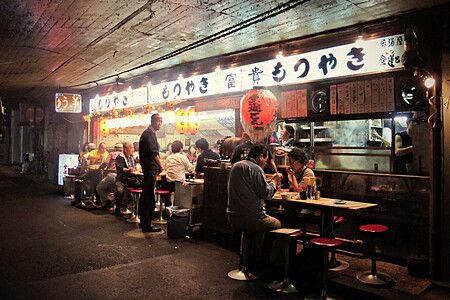
If I were in your shoes and had the required income, I wouldn’t spend those six months staying put in Tokyo. I’d rent an apartment by the month in a mid-sized city, maybe Fukuoka or Kanazawa, and put the money I saved on rent toward getting around on weekends.
Working from here is easy, with fast internet everywhere and trains that actually leave when the schedule says they will. But in the end, the video calls aren’t what you’ll remember. You’ll remember the evening you closed your laptop and went out for a bite at a place where nobody spoke English.
So where would you spend your six months?