 275 m
Ryogoku Kokugikan275 m
Sumo arena.
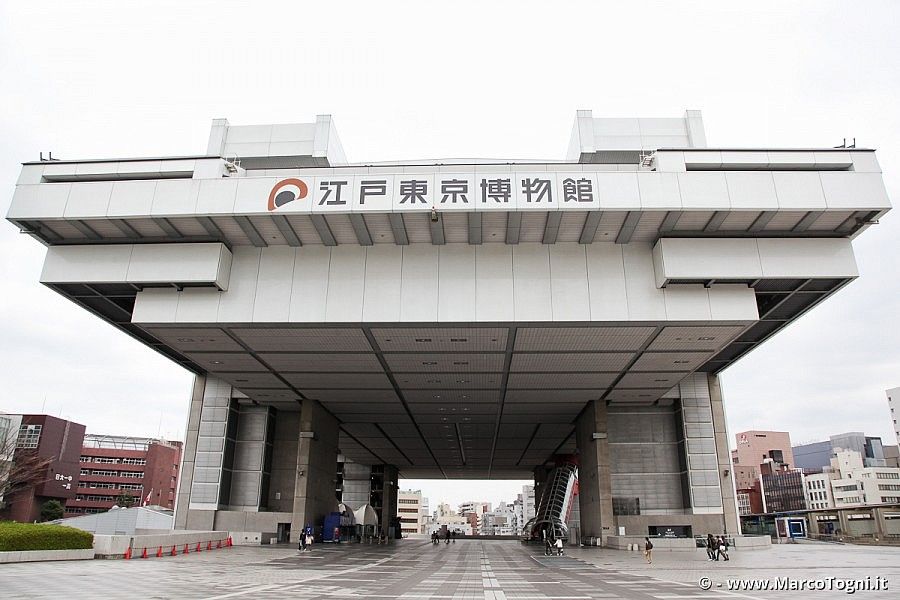
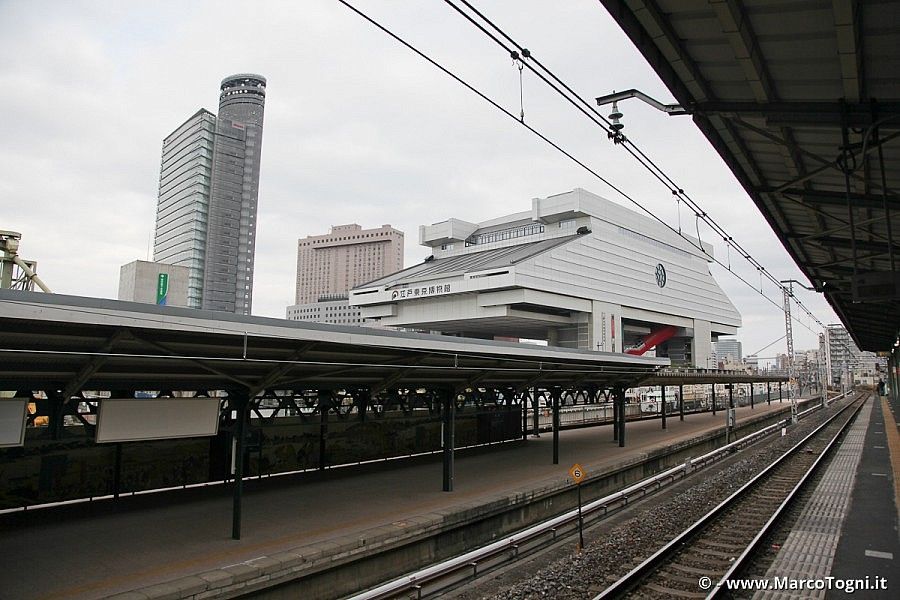
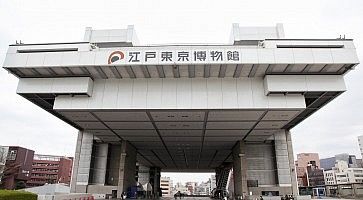
If you’re curious about Tokyo’s past, I recommend a visit to the Edo Tokyo Museum. Inside this futuristic building, which opened in 1993, you can trace the history of a city that has been the beating heart of Japan ever since it was founded as Edo 400 years ago. The exhibitions, the 50 miniature models and more than 2,500 historical artifacts show you in detail what Tokyo was like in the old days, including its customs and traditions. As you browse through old maps, traditional clothing and everyday objects, you feel like you’ve gone back in time, and you discover lesser-known sides of Japanese life and how it changed over the centuries.
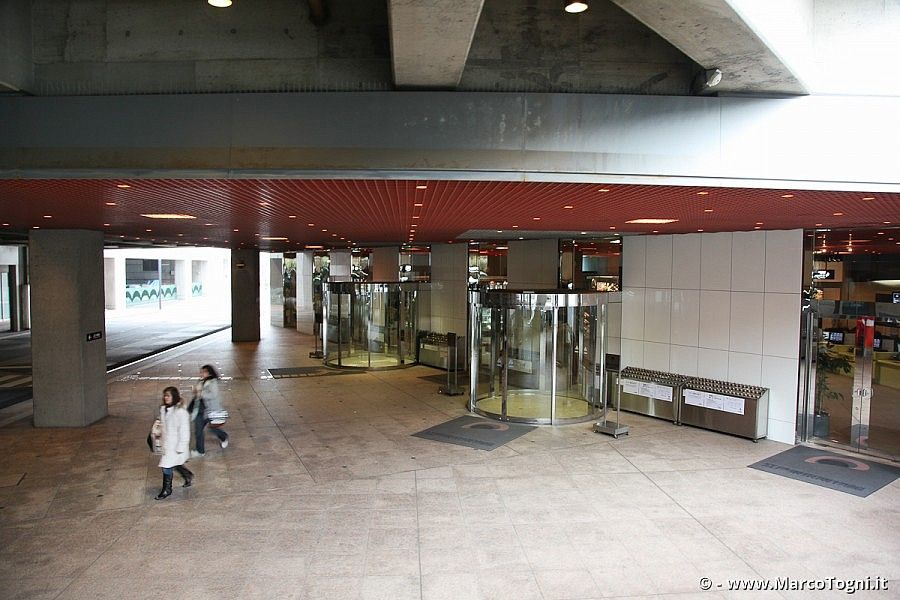
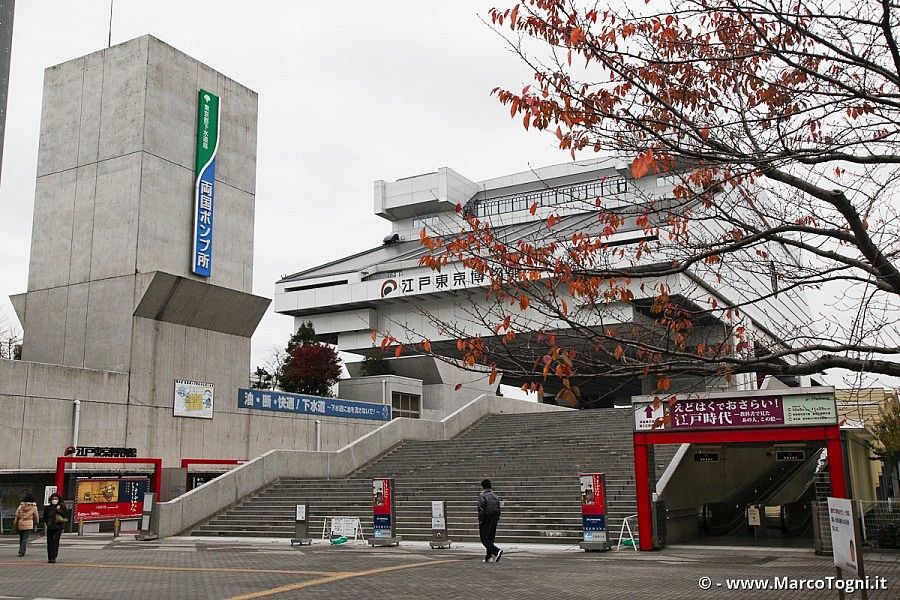
The easiest way is the Toei Oedo Line. Exits A3 and A4 at Ryogoku Station are right in front of the museum, a minute's walk away, and you stay under cover even when it rains.
If you're coming on the JR Sobu Line, take the West Exit at Ryogoku and walk about 3 minutes past the Kokugikan to the entrance.
This place is on MarcoMaps
Edo Tokyo Museum
My map of Japan: over 4,000 places I've tried myself, each with photos, rating, and hours. Filter by category and rating, find veg-friendly spots and places near you with GPS. No sign-up, right from your phone.


Plan on about two hours for the visit. There’s a lot of culture packed into this building, and it’s an experience that will stay with you. The images, the interactive exhibits and the scale models, which reproduce historic buildings down to the last detail, make for a fun and interesting day.
The museum has both permanent and temporary exhibitions. You start by walking across a life-size replica of the Nihonbashi bridge, which is also a symbolic link between past and present: once you’re across, you find yourself right in the middle of old Edo. The bridge recreates half of the original wooden bridge at full scale, and from up there you get a bird’s-eye view of the large models of the city spread out below you.
The Edo section is the most spectacular part of the museum. Besides the Nihonbashi bridge, what really stands out is the life-size reconstruction of the Nakamura-za kabuki theater, and these days you’re not limited to the facade, because you can go inside.
All around it are the row houses where ordinary people lived, models of the daimyo residences and shops lining the street. Among them you’ll find the bellflower seller and a tempura stall, which show you what everyday life was like for the people of Edo.
Looking around, it feels more like an amusement park than a museum. After the large section on the city’s early days, you move forward through the centuries all the way to postwar and present-day Tokyo, where you see Japan’s more modern face.
The Tokyo section starts after Edo and covers the opening to the West in the Meiji era, the Great Kanto Earthquake of 1923, the wartime air raids and the postwar revival.
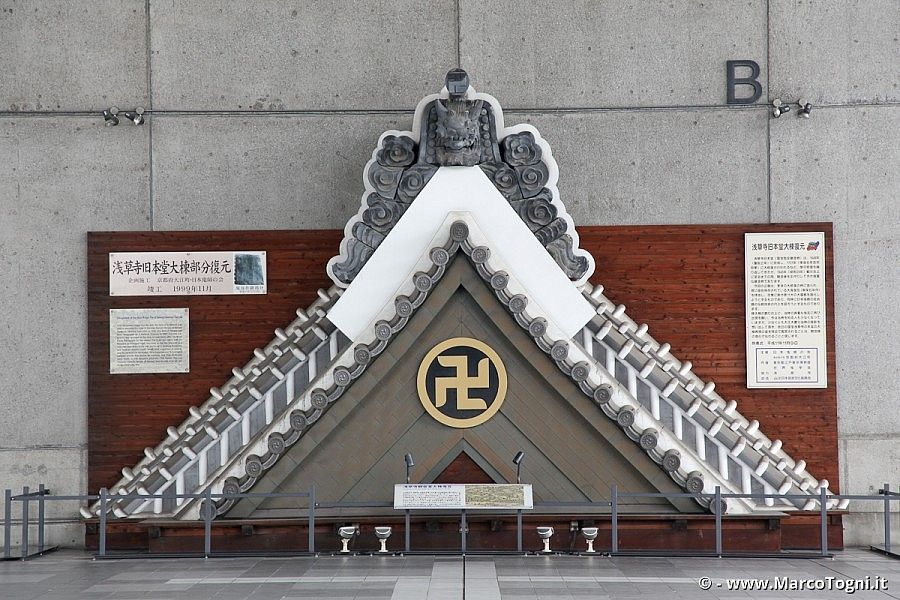
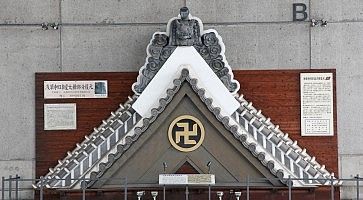
This is where you’ll find some of the museum’s most unusual exhibits: the facade of the Hattori clock shop in Ginza, the gate of Hanayashiki amusement park in Asakusa and the Entaro bus, a rare vintage vehicle designated an Important Cultural Property.
Don’t miss the Dojunkai apartments, furnished the way they were back then. They take you straight back to the Tokyo of the 1930s.
The Edo Tokyo Museum also hosts lots of temporary exhibitions on Tokyo’s art and history.
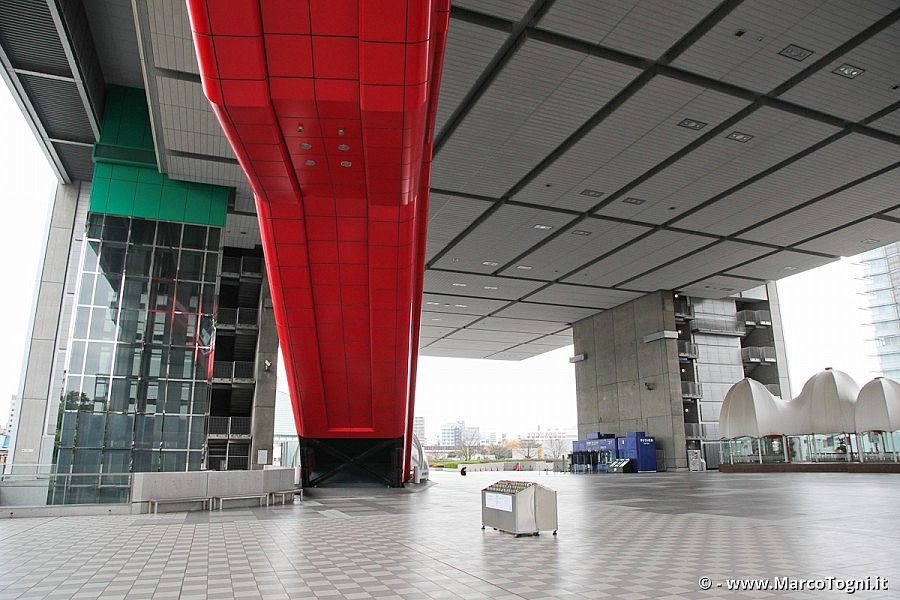
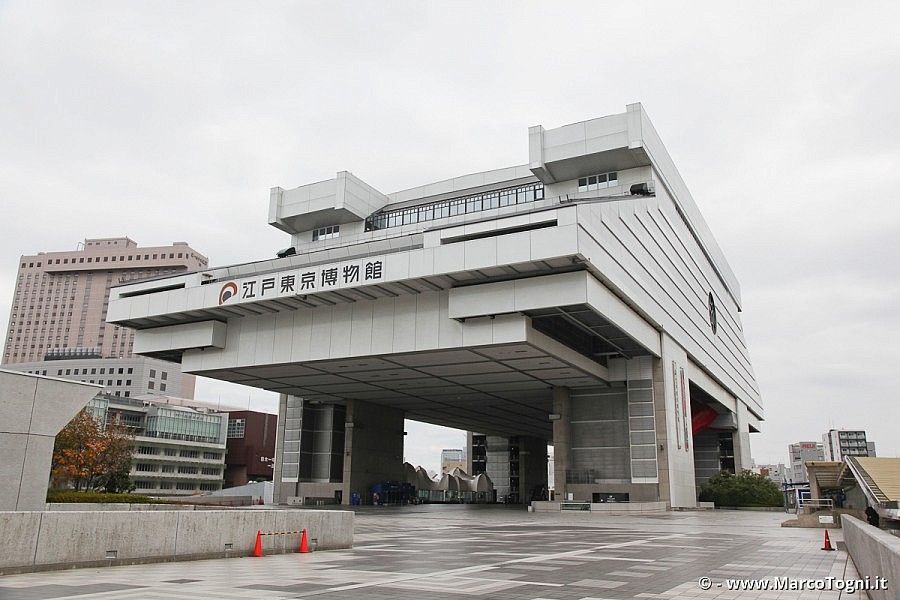
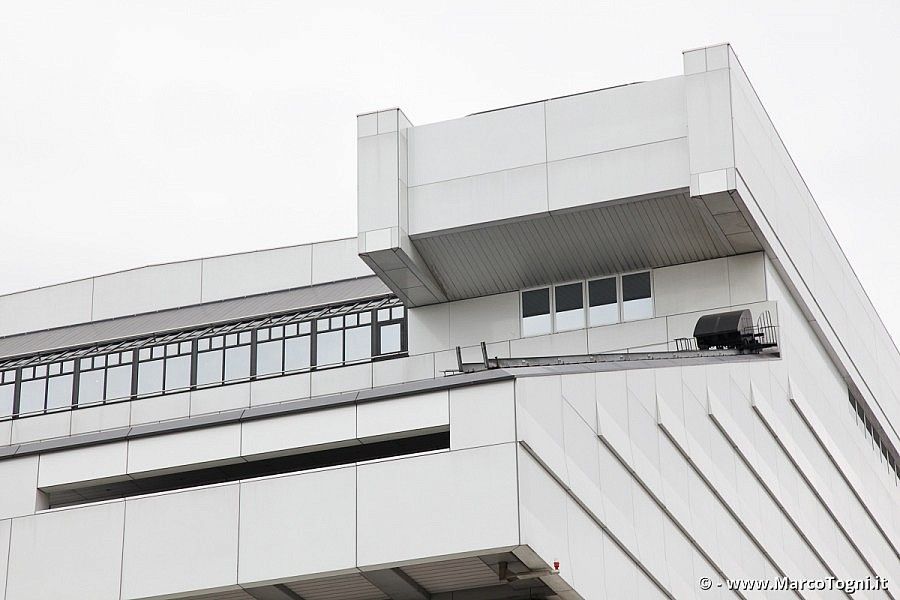
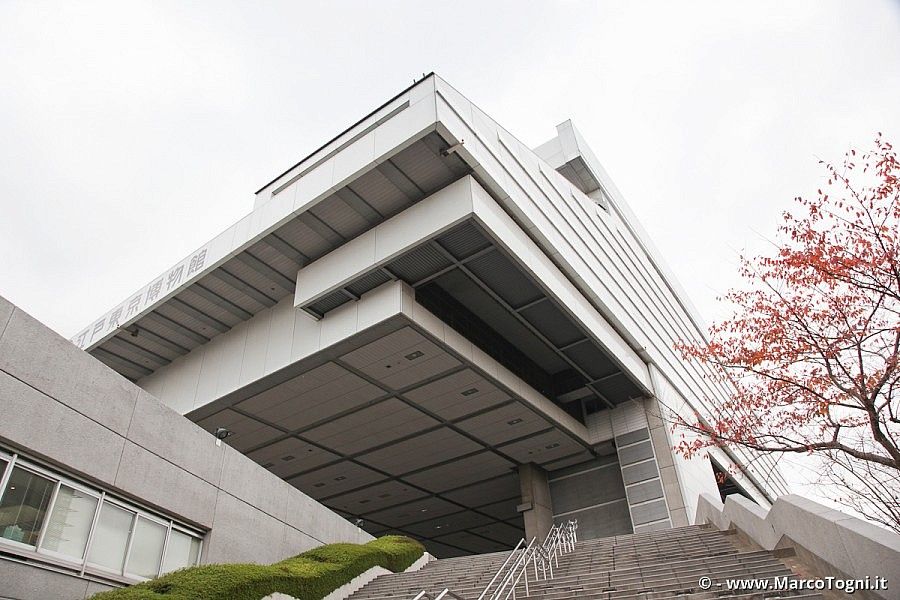
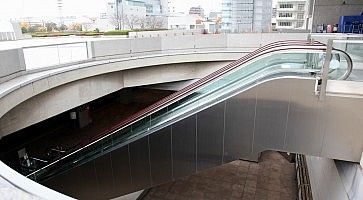
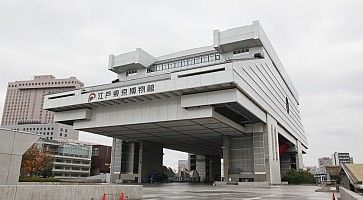
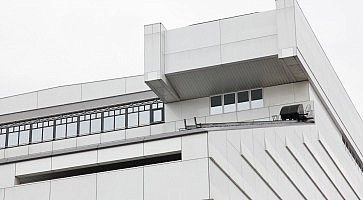
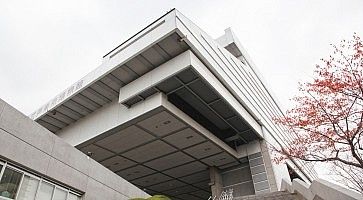
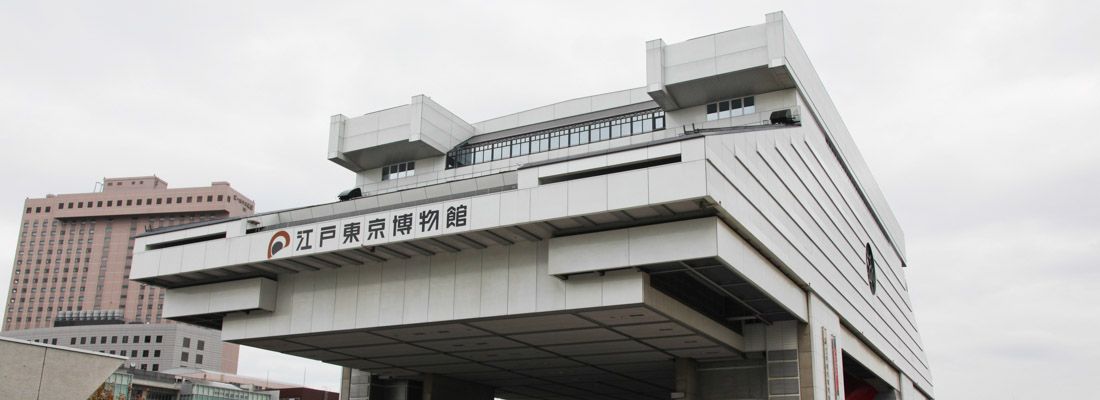
The building itself is worth a look before you go in. It was designed by Kiyonori Kikutake, one of the founders of the Metabolist movement, who took his inspiration from traditional Japanese raised storehouses.
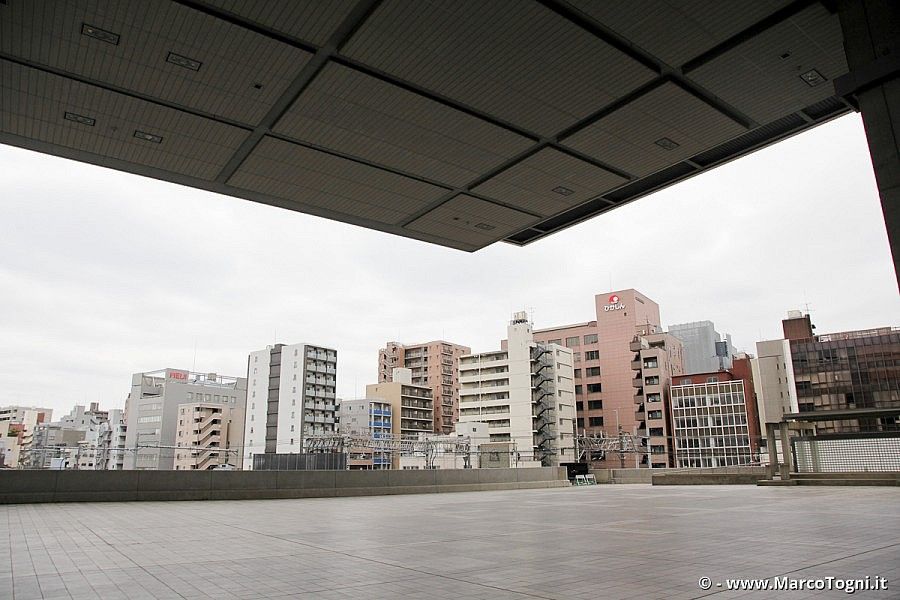
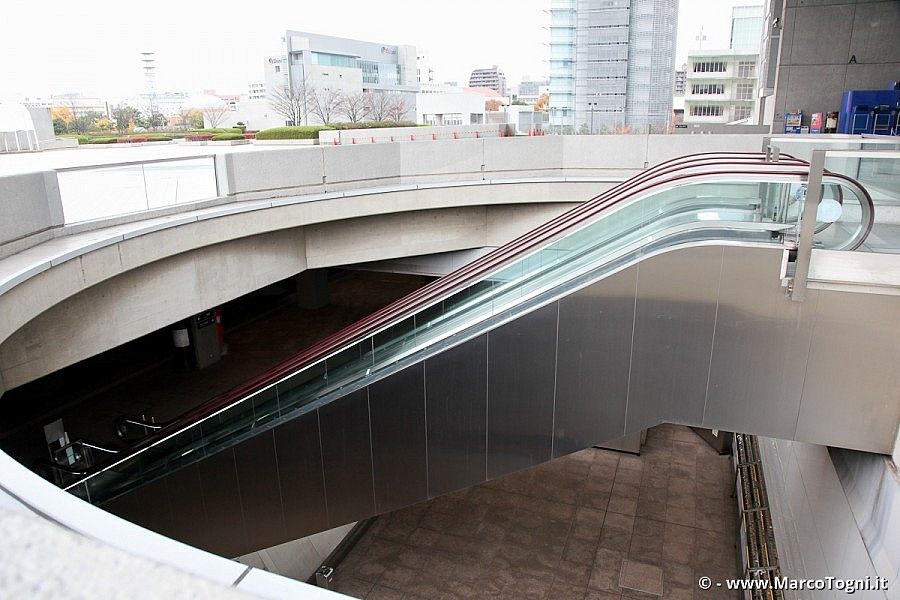
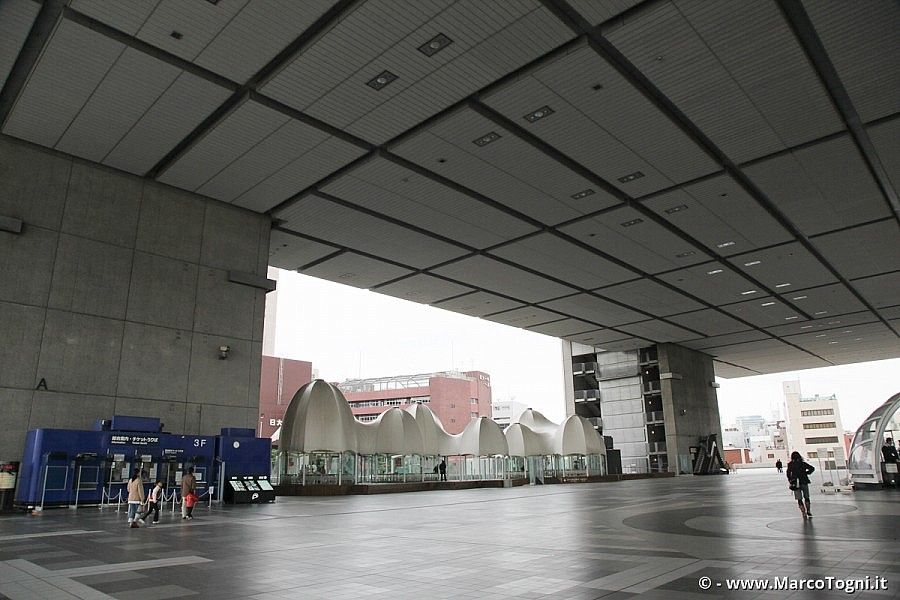
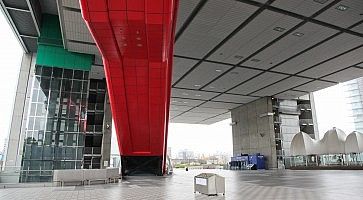
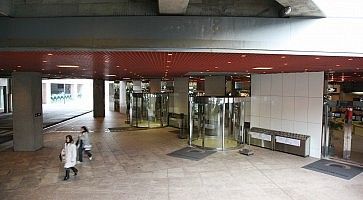
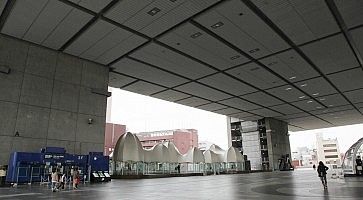
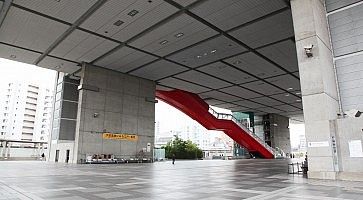
The exhibition floors sit up high, raised on four huge pillars. Underneath there’s a large open plaza, and that’s what gives the building the futuristic look you notice even from a distance.
Edo Tokyo Museum - nearby you will find: