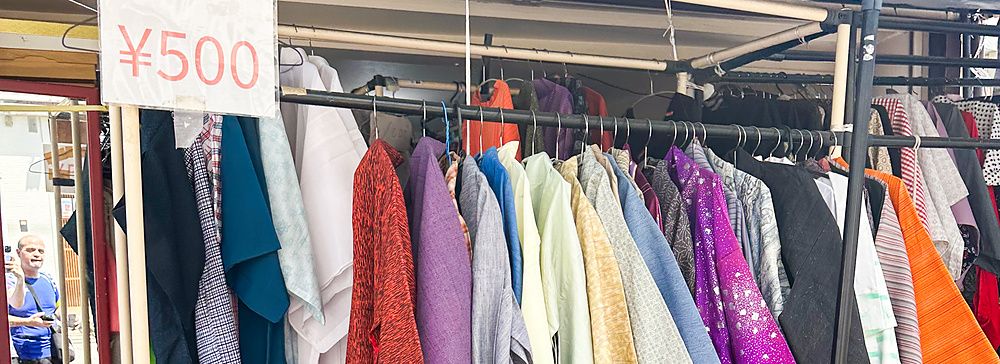
Tokyo Flea Markets
Tokyo is one of the most modern cities in the world, but it’s also paradise for anyone who loves vintage, giving old things a second life and the art of patiently hunting for something special. Tokyo flea markets are an experience in their own right, and I wouldn’t skip them. That goes for antique lovers and secondhand fashion fans, but also for anyone who wants to see a different, more authentic side of the city. Tucked between skyscrapers or set up on the grounds of old shrines, these markets show a Tokyo the guidebooks don’t always cover: ordinary people, their passions, a slower pace. It’s a Tokyo that empties its attics and fills your heart.
Contents
- When Tokyo flea markets are held
- What you'll find
- Oi Racecourse flea market
- Oedo Antique Market
- Hanazono Shrine flea market
- Tomioka Hachiman Shrine market
- Flea Market Mottainai
- Setagaya Boroichi
- Arai Yakushi market
- Heiwajima, the big indoor market
- How to shop at Japanese flea markets
- Night markets and special events
- Flea markets as a cultural experience
- What to bring home
- Final thoughts
When Tokyo flea markets are held
The first thing to know is that Tokyo flea markets aren’t held every day. Most take place only on certain Saturdays or Sundays each month, or around special events, so you can’t just write down a place and show up whenever you like. Always check the latest calendar online, ideally on the market’s official website, because markets often get canceled for bad weather or moved.
The best time is definitely spring and fall, when the weather is pleasant and the outdoor markets are at their best. Summer is too hot, and in winter it’s cold and windy.
What you’ll find
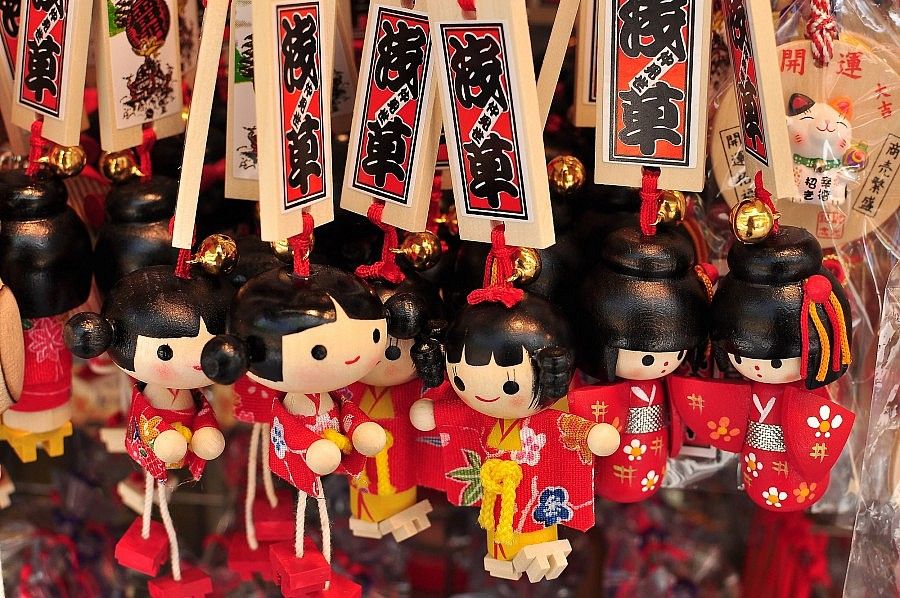
- Antique Japanese prints, woodblock prints and calligraphy
- Used kimono, often sold for next to nothing
- Ceramics, like tea bowls or hand-painted plates
- Vintage jewelry
- Old photos, posters and stamps
- Vintage books, magazines and manga
- Toys from the ’80s and ’90s
- Secondhand Western clothing
- Curious things that are hard to pin down: theater masks, paper lanterns, odd figurines, old work tools
I’d get there early in the morning, because the best pieces go fast. Latecomers can still pick up last-minute discounts, though, when sellers would rather not haul everything home.
Oi Racecourse flea market
The Oi Racecourse Flea Market is one of the biggest flea markets in Tokyo, with hundreds of stalls set up in the racecourse parking lot near Oi Keibajo-mae station. It’s held almost every weekend, but the dates aren’t fixed, so always check online before you go.
The vibe is lively and down-to-earth, and you’ll find a bit of everything: used clothing, vintage electronics, toys, ceramics, plus food trucks if you want lunch on the spot. It’s the perfect place if you love digging through piles of random stuff with no idea what you’ll turn up.
Again, I’d get there early in the morning, because a lot of sellers pack up before 14:00. Bring cash and a big bag, since you might stumble on a real find. To give you a sense of scale, on the best days there are up to 700 stalls, which makes it the biggest in Tokyo. There’s a big practical plus, too: part of it is held in the multistory parking garage, so in light rain it often goes ahead anyway, while the markets on shrine grounds get canceled.
Oedo Antique Market
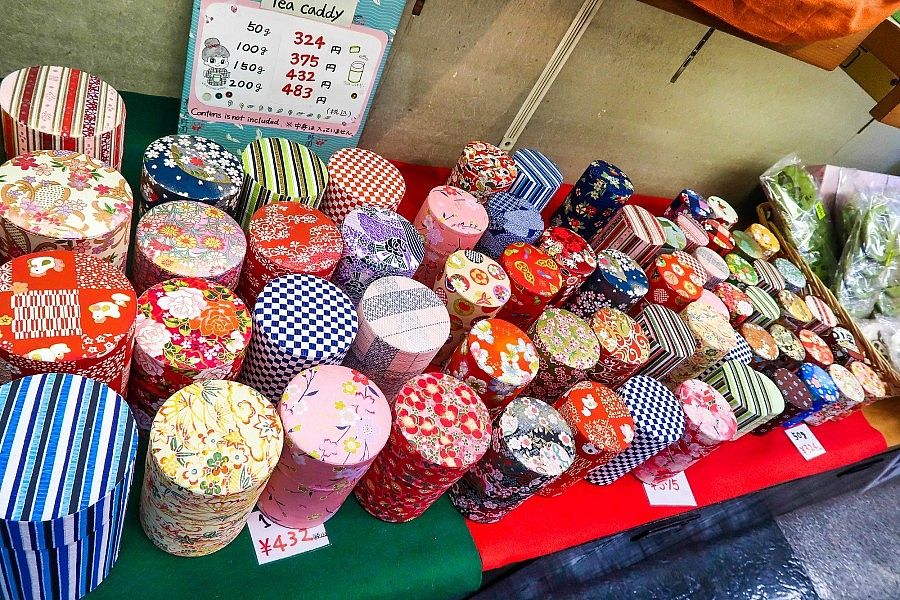
Some of the pieces are very old, perfect if you’re after something authentic, like a Japanese grandmother’s teacup or an old lacquered wooden bento box. Prices vary a lot, from next to nothing for small items up to very high prices for truly rare pieces.
It’s also worth going just to stroll among the stalls and soak up an old-Tokyo atmosphere. The whole market is outdoors, though, so if it rains it’s canceled, and there’s no market at all in August because the Tokyo heat is unbearable for sellers and shoppers alike.
When the weather holds, there are more than 200 stalls and it’s quite a sight: ceramics, textiles and wooden chests of drawers laid out at the foot of the Forum’s glass walls.
Hanazono Shrine flea market
This is a lovely little market right in Shinjuku. It’s held on Sunday mornings on the grounds of Hanazono Shrine, which is worth a visit on its own. It’s quieter than the bigger markets, and that’s exactly the appeal: it feels like a village from another time.
It’s ideal if you’re looking for old books, vintage photos, reasonably priced kimono and collectibles. You’ll often see Japanese history buffs or curious tourists stopping to chat with the sellers. It’s a really small market, 25 or 30 stalls in all, which is why you can browse at your own pace without getting swept along by the crowd. Keep in mind that there’s no market when the shrine holds its festivals and ceremonies, and in November the grounds are taken over by Tori no Ichi, the good-luck rake fair, which is a show in itself.
I’d go after breakfast at one of the many cute cafés in Shinjuku Sanchome, then wander the surrounding backstreets for a while.
Tomioka Hachiman Shrine market
In Fukagawa, east of the center, the big Tomioka Hachiman Shrine hosts one of the city’s most serious antiques markets, the place to go for the real thing. It runs on several Sundays a month along the shrine’s approach, and almost all the stalls belong to professional dealers selling blue-and-white Imari ware, lacquerware, old clocks, copper teapots, carpentry tools, kimono and obi.
There’s also a curious split: on some days Western items dominate, on others Japanese and Asian pieces, so two different Sundays can give you two different markets.
The shrine alone is worth the detour. It’s the center of the Fukagawa Matsuri and closely tied to the history of sumo, and browsing the stalls with all that around you makes it a very different experience from browsing a parking lot.
Flea Market Mottainai
The name comes from mottainai, a Japanese word for the regret you feel over waste, as in “what a shame to throw away something that’s still useful!” That spirit is behind this market, which is held at various locations, including Akihabara, Ikebukuro, Nakano, Kichijoji and Shinjuku.
The focus here is on reuse and the circular economy, so you’ll find tons of used clothing, household goods and electronics, but also office gadgets, kids’ stuff and sometimes even packaged food.
It’s the perfect market if you’re looking for something useful for cheap rather than collectibles or antiques. The vibe is young and very casual, often with families and young people selling off their old things.
Setagaya Boroichi
If you’re in Tokyo in December or January, don’t miss this historic market, which has been running for more than 400 years. The Boroichi is a big local event, more of a fair than a flea market, with hundreds of stalls: people eat street food and listen to music, and the whole thing feels like a matsuri.
Boro means “rags,” but these days you’ll find everything: clothes, kimono, dolls, food, toys, kitchen utensils, hardware and a thousand other things. It’s a real neighborhood festival, Japanese to the core. The signature treat is daikanmochi, mochi pounded on the spot and sold only during the Boroichi in three varieties: kinako, anko and karami, the last one topped with grated daikon and soy sauce. The line is huge, and waiting in it is part of the ritual: for many Setagaya locals, that’s the reason they go to the fair.
Arai Yakushi market
This is another interesting market, smaller and less touristy. It’s held on the grounds of Arai Yakushi Temple, in a part of Nakano few people know but that’s well worth visiting. It’s a small market, with few sellers but lots of authentic pieces, often from private homes.
You’ll find old Japanese dolls, kimono, religious objects and sometimes even traditional musical instruments. It’s very calm and relaxed, ideal if you want to browse slowly and chat with the sellers, many of whom live in the neighborhood.
If you’re in the area, I’d also stop by nearby Nakano Broadway, a mecca for collectors and fans of pop culture and manga, and the perfect way to round off a day of treasure hunting.
Heiwajima, the big indoor market
If you’re in Tokyo when the weather is terrible or in the middle of summer, there’s an alternative that saves the day: the Heiwajima antiques fair, held indoors in the halls of the Tokyo Ryutsu Center a few times a year.
These aren’t people clearing out their attics. They’re professional dealers, almost 300 of them, coming from all over Japan with furniture, lacquerware, ceramics, baskets, kokeshi dolls, netsuke, kimono and obi, tea sets, old postcards, coins and stamps.
It’s the right place if you’re after quality pieces and want to compare lots of sellers in one go. The atmosphere is less romantic than a shrine courtyard, I’ll admit. It’s a full-on antiques fair, more commercial, but incredibly well stocked, and it has the advantage of not depending on the weather.
How to shop at Japanese flea markets
Shopping at a flea market in Tokyo isn’t like browsing a flea market in France. There are a few unwritten rules and habits worth knowing:
- Don’t haggle aggressively. If you want to ask for a discount, do it politely and with a smile. Sellers often lower the price on their own toward the end of the day.
- Bring cash, ideally small bills and coins. Sellers don’t take cards, and sometimes they won’t even take ¥10,000 bills.
- Don’t handle things roughly. Japanese people care a lot about treating objects with respect, even old ones. If you want a closer look at something, ask with a smile or watch what others do.
- Don’t take too long to decide. If you see something you really like, buy it, because one-of-a-kind pieces disappear in a flash.
- Bring a big bag or a light backpack. It’ll come in very handy.
Night markets and special events
Most flea markets are held in the morning, but now and then there are night events, especially in summer. Some are tied to local festivals or special events, and the atmosphere changes completely: soft lighting, candles, live music, maybe street food and stalls selling handmade goods.
One of the best examples is the night market in Shimokitazawa, one of Tokyo’s most alternative, bohemian neighborhoods. It isn’t a regular thing, just held every so often, but when it’s on it’s absolutely worth going. The vibe is young and laid-back, and you can even just stop for a drink in one of the countless little bars playing jazz or acoustic music.
Flea markets as a cultural experience
What makes Tokyo flea markets so interesting isn’t only what you can buy. It’s the experience itself: meeting people and discovering a more human, more intimate side of the city. Walking among the stalls, catching bits of conversation, watching a woman sell her mother’s ceramics with care or an old man telling the story of a broken toy… it’s like traveling through time, and in a way it’s also a small gesture of love for the things themselves.
There’s a deeper message too: in Japan, things have a soul, and giving them a second life isn’t just good for the environment, it’s spiritual as well. Whether it’s a postwar kimono or an old magazine from the ’60s, every object has a story to tell. Pay attention, and it’ll speak to you.
What to bring home
If you’re looking for unusual souvenirs, I strongly recommend picking something up at a flea market. Skip the usual mass-produced trinkets and let what you find inspire you:
- A Japanese teacup that shows some wear but is still beautiful
- A colorful obi to wear as a belt or use as decoration
- An old ukiyo-e print, a little faded but genuine
- An ’80s manga for your bookshelf
- A wooden toy that feels like it’s from another time
These are things that have a story to tell, move you and surprise you, and they’ll remind you of your trip in a far more personal way than a magnet you grabbed at the airport.
Final thoughts
Going to Tokyo flea markets isn’t just a way to shop. It’s a genuine experience, full of life and a little out of the ordinary. It gives you a chance to slow down, look around and step into a more intimate, everyday side of Japan. If you have some time, even just a free morning, I’d suggest putting a few dates on your calendar and seeing what turns up. You might not find anything to buy, but you’ll still take something home.
And if you want to discover more offbeat, authentic places, you’ll find plenty of detailed guides on my site, with my own take on where to go, what to see and how to really experience Japan.