How Much Does Food Cost in Japan
You can eat well in Japan without spending much, and it’s one of the things I like most about this country. A full lunch, cooked to order and on your table in five minutes, costs about what you’d pay for a quick sandwich in plenty of European cities.
There are also dinners that cost tens of thousands of yen per person, and the cheap places and the expensive ones are often on the same street, a hundred meters apart. Between a convenience store breakfast, a chain restaurant lunch, izakaya nights, and sushi at the counter, what you end up paying depends far more on your choices than on the city. The rough figures below are the ones I use when someone asks me to estimate their food costs in Japan before they leave.
Contents
Daily budget
If I had to give just one number, I’d say 3,000–5,000 yen a day gets you varied, satisfying meals without having to check the price of everything you order. That’s the range I stay in when I travel too: a quick breakfast, a regular lunch at a restaurant, and a slightly nicer dinner.
If you want to keep costs down, you can easily manage on 1,500–2,500 yen a day by mixing convenience stores and chain restaurants. If you want to try counter sushi, Japanese beef, and a few dinners with drinks, you’ll easily hit 8,000–10,000 yen a day or more, but that’s a choice, not a requirement.
Food prices don’t change much between Tokyo and smaller regional cities. A bowl of ramen in Osaka or in a small town in Tohoku costs roughly what it does in Shinjuku. Accommodation is another story: there the gap is huge.
In the most touristy neighborhoods, though, you do notice the markup. Around Asakusa, Tsukiji market, or Kyoto’s main streets, the same dishes cost quite a bit more than they do two blocks away. Food is the expense you have the most control over, and walking a little farther is enough to change the bill.
Breakfast
Breakfast is the meal you can save the most on, because sitting down at a café for breakfast isn’t really a habit in Japan the way it is in many European cities. An onigiri, a filled rice ball wrapped in seaweed, plus a coffee from a convenience store gets you going for a few hundred yen total.
Convenience stores, known here as konbini, sell coffee that’s one of the cheapest things you can buy anywhere, and it’s actually pretty decent. You pay at the register, grab the cup, and press a button on the machine.
Coffee shop chains do what’s called a morning set: toast, a hard-boiled egg, and coffee for a little more than the coffee alone, usually around 400–600 yen. You’ll find it pretty much everywhere near stations, and it’s the easiest way to sit down without spending much.
Gyudon chains, which serve bowls of rice topped with simmered beef, also do Japanese breakfasts with rice, miso soup, and a raw egg for under 500 yen. At mid-range hotels the breakfast buffet usually costs 1,500–2,500 yen, and I’ll be honest with you: it’s almost never worth that much, unless it’s already included in your rate.
Lunch is always the better deal
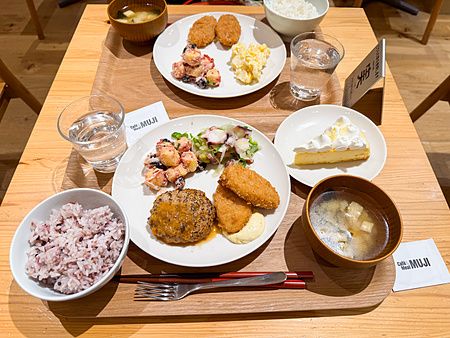
In Japan, lunch is when you eat best for the least money, and I’m not exaggerating. A teishoku, the complete tray with a main dish, rice, miso soup, and pickles, almost always costs between 800 and 1,500 yen.
Teishoku chains are everywhere, and at several of them you can ask for more rice at no extra charge. It’s not food you’d photograph. It’s everyday food, and I promise the average quality is higher than you’d expect from a place with a ticket machine by the door.
The golden rule, though, is this: a huge number of good restaurants offer a lunch menu that costs a fraction of dinner, with the same ingredients and the same kitchen.
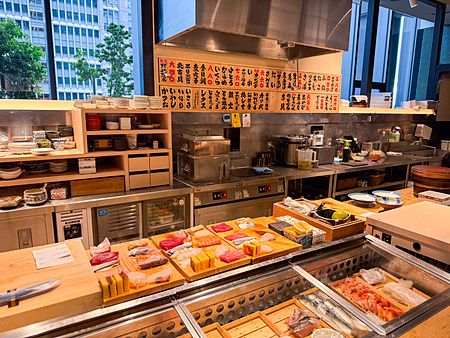
- Counter sushi restaurants offer fixed-price lunch courses that can cost half or a third of the evening ones.
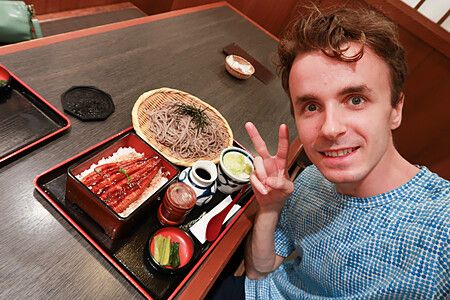
- Tempura, eel, and meat restaurants serve rice bowls with toppings at lunchtime, often for under 2,000 yen.
- In neighborhoods full of offices, like Shinjuku or Marunouchi near Tokyo Station, competition keeps lunch prices low.
- Many places only take cash at lunch and turn tables over fast, so expect a short line.
My advice is to flip the European habit: a big lunch and a simpler dinner. You spend a lot less and get into places that would be out of your budget in the evening.
Ramen and quick meals
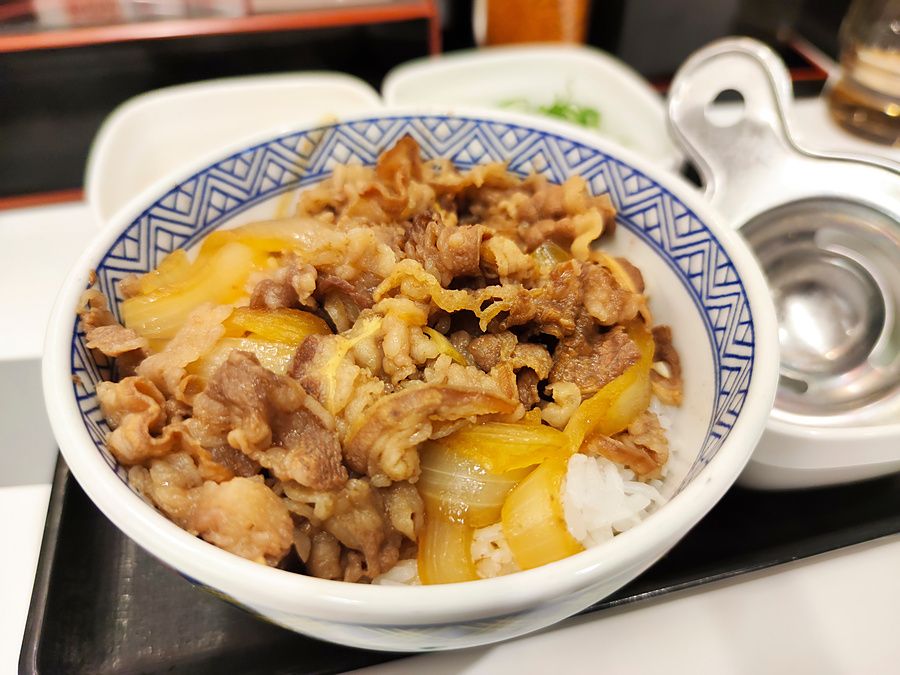
The beef rice bowls at the big chains are still the cheapest hot meal in the country, around 500 yen for a regular size. These places are open at all hours, you order from a machine or a tablet, and you’re done eating in ten minutes.
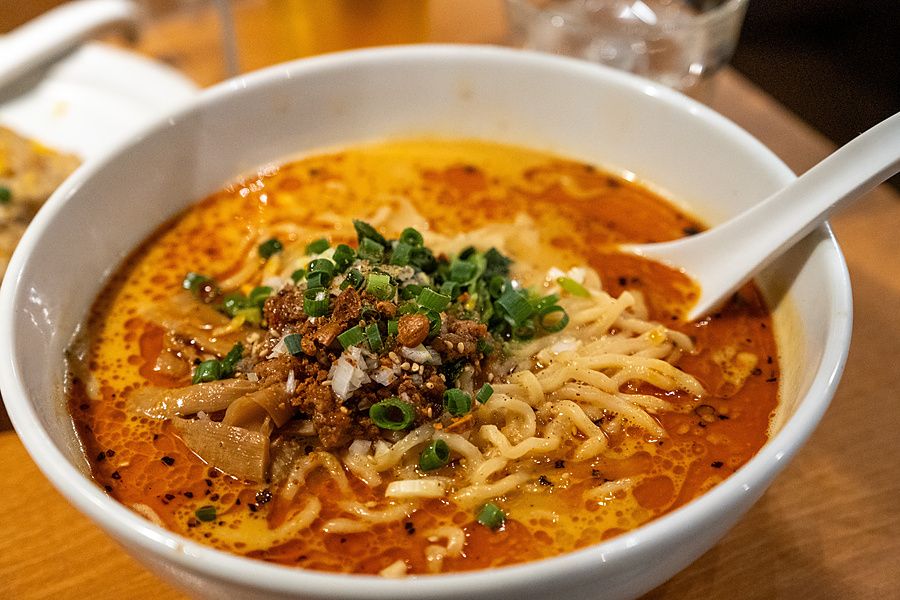
Ramen sits in a different price range. Most bowls cost between 700 and 1,000 yen, while the better-known shops and those in tourist areas charge 1,200–1,500 yen or more. People in the business often talk about the 1,000-yen psychological barrier, which many owners struggle to cross because they’re afraid of losing their regulars.
The extras are where the bill creeps up without you noticing: a marinated egg, double meat, a side of rice, and a beer can add several hundred yen to a 900-yen bowl.
The soba and udon counters inside and next to stations are the cheapest option of all, with bowls starting at around 300–400 yen and a fried vegetable topping that adds about a hundred more. You eat standing up, often in five minutes, next to commuters on their way back to work. It’s not a meal you’ll tell your friends about, but it’s real, hot food at a price you’ll rarely find in Europe.
Convenience stores and supermarkets
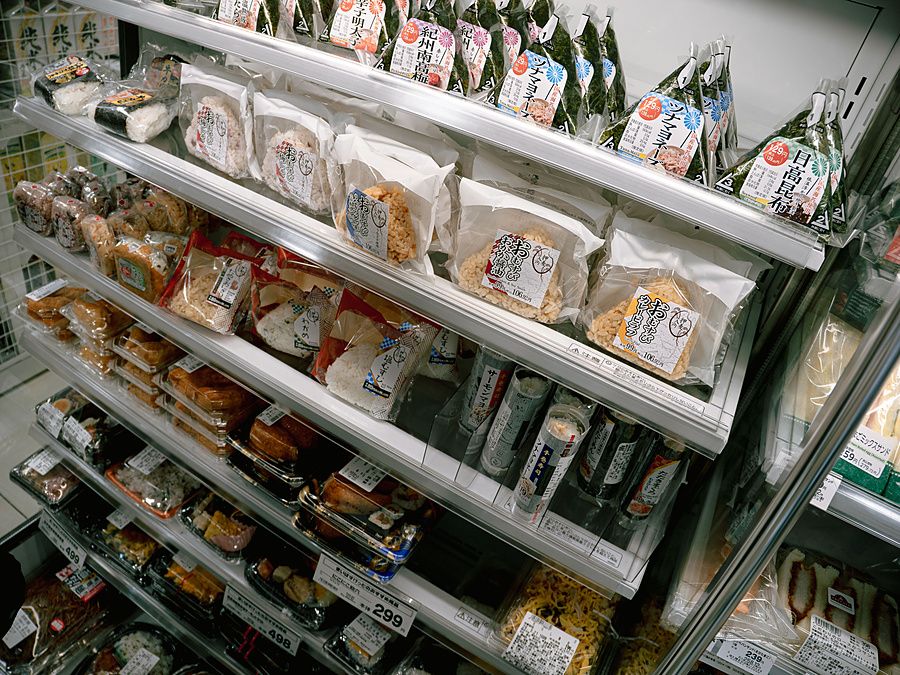
Convenience stores, open 24 hours, are a lifeline for anyone traveling in Japan, and their ready-made food is better than what you’ll find almost anywhere else. A boxed meal of rice and sides usually runs 400–700 yen, a sandwich or a salad around 300–400, and onigiri about 150–200 yen each.
The staff heat everything up in the microwave and hand you chopsticks and cutlery. For under 1,000 yen you can put together a full meal, drink included.
Supermarkets are even cheaper, and they’re what I recommend most often to people traveling with kids or staying several days in the same city. In the last hours before closing, staff put discount stickers on fresh food, marking it down by 20 to 50 percent, and the same tray of sushi or assorted fried food drops in price right in front of you.
The same thing happens on the basement food floors of department stores. During the day they’re the most expensive place in town for prepared food, but shortly before closing they’re full of bargains. There’s also a tax detail you’ll see on your receipt: takeout food has a lower tax rate than food you eat on the premises, so the same item costs a few yen more if you eat it in the store’s seating area. The cashier will ask which you prefer, and your answer barely changes the total.
Dinner at an izakaya
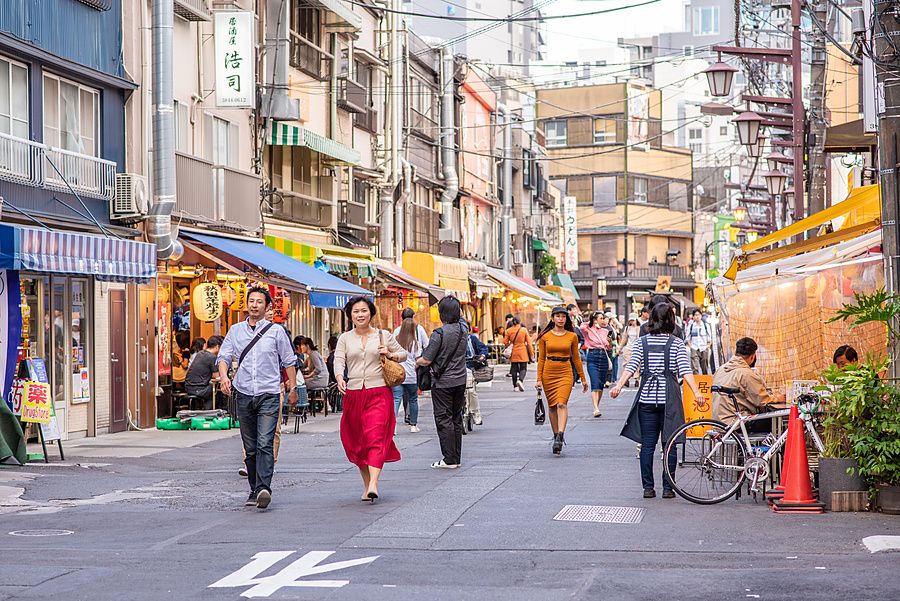
An izakaya is a casual Japanese bar and eatery where you drink and order lots of small plates to share. It’s where almost all my nights out with friends end up, and it’s also where the bill is hardest to predict.
A realistic average is 3,000–5,000 yen per person with two or three drinks, figuring small plates at 300–600 yen and beers around 500–600. If you take your time ordering and don’t drink much, you can stay under 2,500.
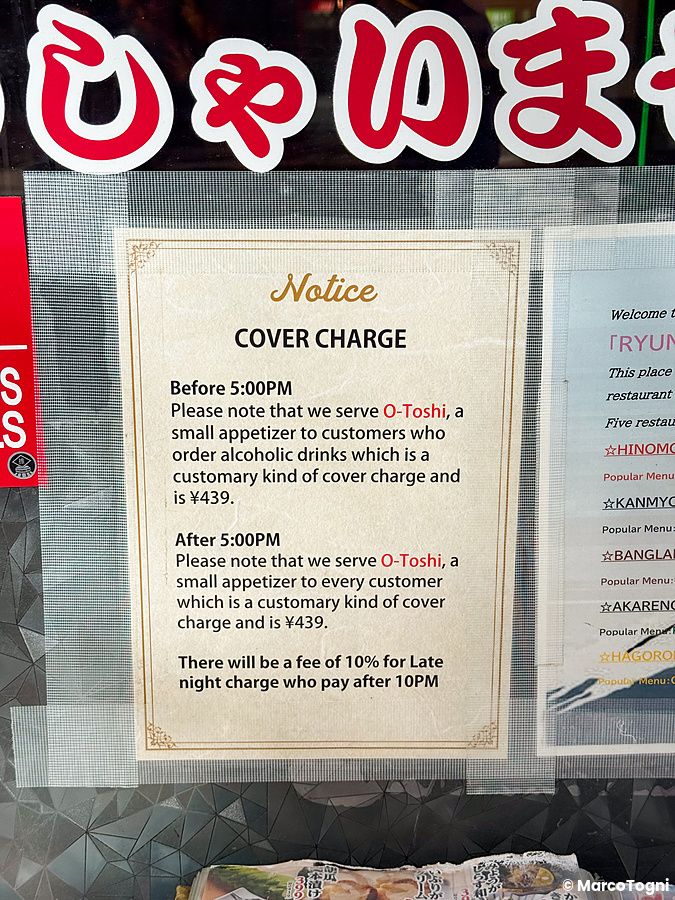
Two items on the bill cause more confusion than anything else. The otoshi is a tiny appetizer that shows up without you asking for it and appears on the bill as a cover charge, usually 300–500 yen per person. It’s not a mistake and it’s not a rip-off. It’s the Japanese way of charging for the table.
Nomihodai is the all-you-can-drink deal for a set time, normally a couple of hours, and it often costs 2,000–3,000 yen per person. It only makes sense if you have at least four or five drinks; otherwise you end up paying more than you need to. There are also chains where nearly every dish costs the same, around 300–400 yen. There you can tally up the bill in your head with no surprises, and they’re the right place for a loud, carefree night out.
Conveyor belt sushi vs. counter sushi
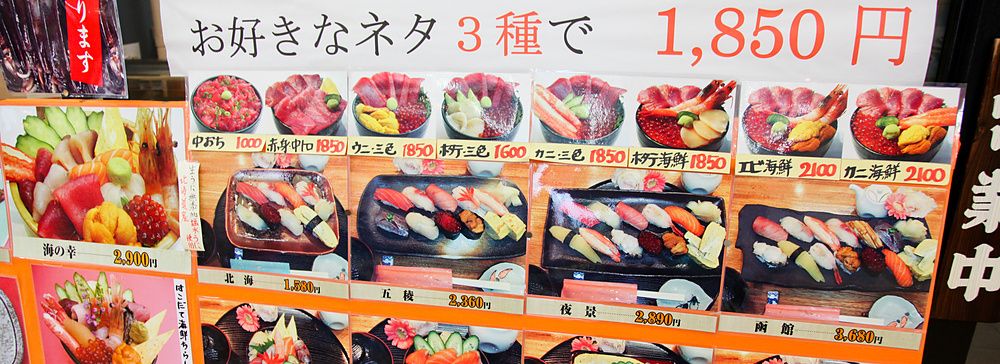
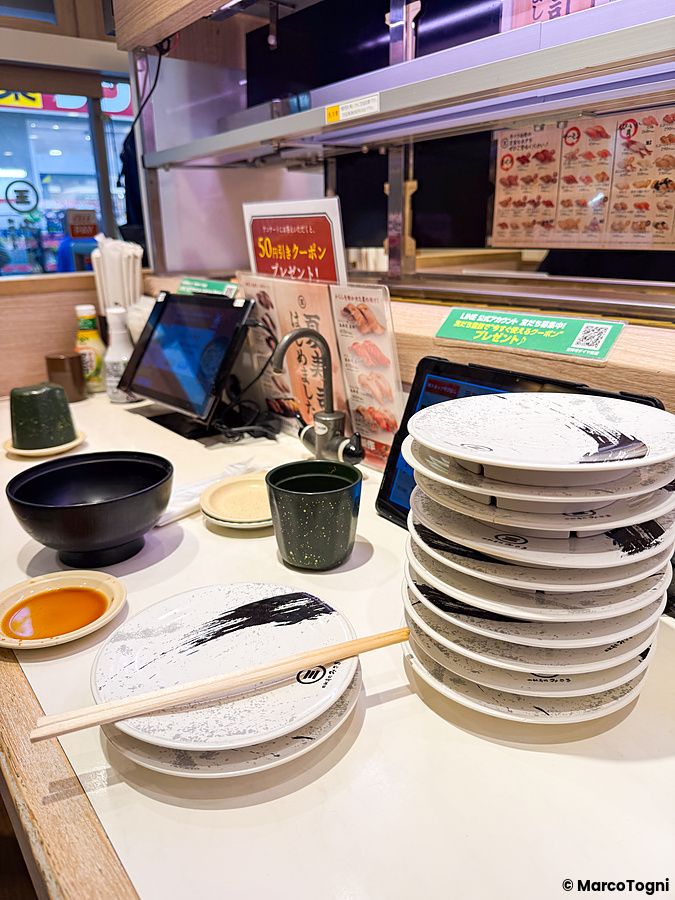
There are two very different worlds of sushi in Japan, and it helps to know which one you’re walking into. At conveyor belt places, where the plates go around in front of you or arrive on a track after you order on a screen, prices start at just over 100 yen for a two-piece plate, with the better options going up to 200–400.
The average person eats around ten plates, so the real bill almost always comes to between 1,500 and 2,500 yen per person with a drink and dessert. For a family, it’s the cheapest dinner out you’ll find.
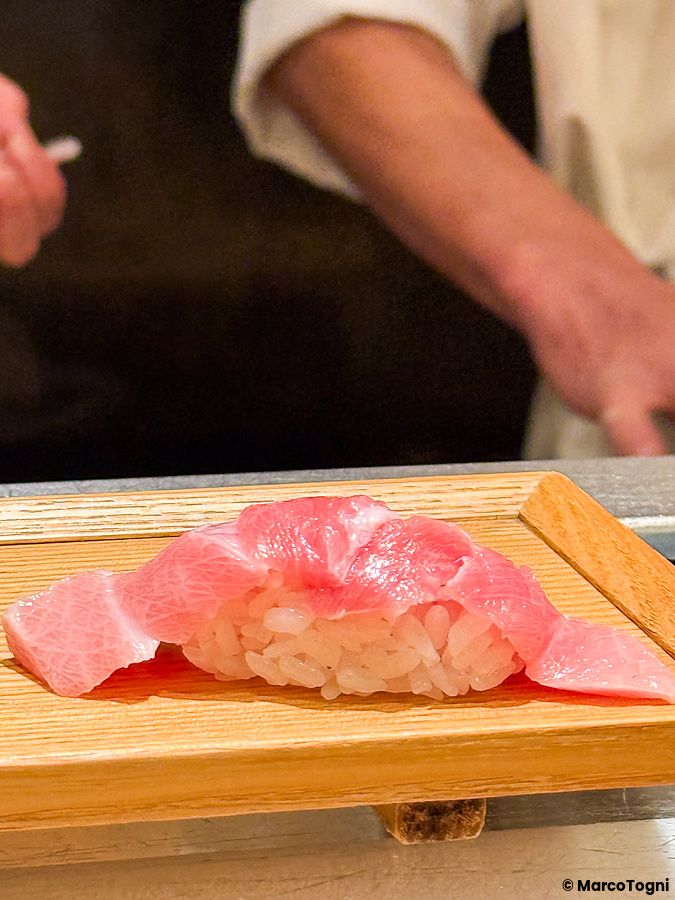
At the counter of a traditional restaurant it’s a completely different story. You eat whatever the chef decides, one piece at a time, and dinner courses in big cities often start at 15,000–20,000 yen and go much higher. It’s one of the most expensive meals in the country, and it’s also one of the few where you can taste every yen on the plate.
If you’re curious but the price puts you off, go at lunchtime. The same counters offer shorter courses at 5,000–10,000 yen, with the same fish and a few fewer pieces. Honestly, for anyone coming on a short trip, that’s the only way I recommend it.
All-you-can-eat
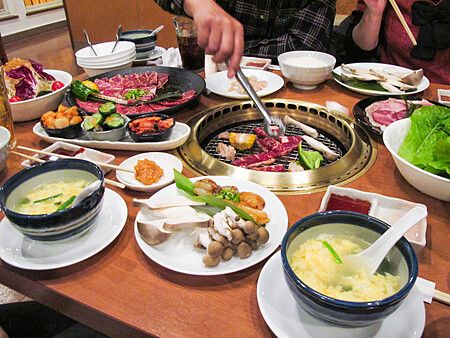
All-you-can-eat deals are hugely popular in Japan and a smart middle ground between saving money and eating a lot. The most common one is Korean-Japanese barbecue, with the grill in the middle of the table and meat you cook yourself. At the big chains, all-you-can-eat menus cost around 3,000–3,500 yen per person for a limited time, usually 100 minutes.
An à la carte dinner at the same place easily goes past that, so these are fair prices. The cheaper versions come down to around 2,500, while those with premium cuts go over 5,000.
You’ll find the same kind of deal for shabu shabu, meat boiled as you go in a light broth, and at some sushi chains with a time-limited version for around 2,000–2,500 yen. Big family restaurant chains, on the other hand, offer unlimited soft drinks from a self-serve bar for a few hundred yen, which is really handy with kids.
The test is simple: if what you’d order on your own would come to more than the deal costs anyway, go for it; if you’re a light eater, ordering à la carte costs less and you’ll eat better.
What gets expensive
Some kinds of food in Japan cost a lot, and knowing which ones they are spares you some nasty surprises. Grilled freshwater eel is the most obvious case. A decent serving at a restaurant that specializes in eel goes well over 3,000-4,000 yen, and the long-established places charge much more, because eel has been scarce for years.
The same goes for Japanese beef from prized breeds, for pufferfish, and for multi-course seasonal menus, with set-price dinners starting at several tens of thousands of yen per person.
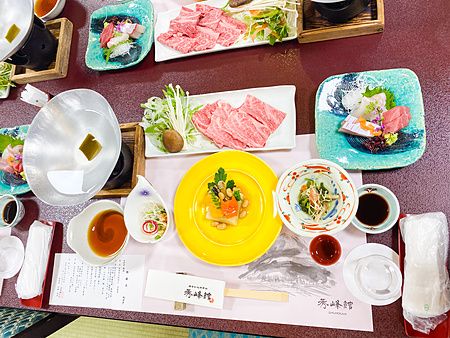
Then there are ryokan, the traditional inns where the rate includes dinner and breakfast. You don’t pay for the food separately there. You pay for the stay, and at high-end places the bill gets steep precisely because dinner is a multi-course banquet served in your room or in a dining hall.
Even on a mid-range budget, you can try seasonal cuisine at lunch, when it comes in a scaled-down version. I think one expensive experience, chosen well, is worth more than three middling dinners. If you’re going to spend, spend it all at once and make it something you’ll remember.
Hidden charges
Bills in Japan bring few surprises, but you should know about the ones that do come up. The most common is the cover charge disguised as an appetizer at places you go to at night. I covered it earlier, and you can almost never turn it down.
Bars and music venues may add a table charge, and in some nightlife districts a late-night surcharge kicks in on anything you order late, usually an extra 10 percent. At hotels and high-end restaurants the service charge is listed on the menu, and it’s always around 10 percent.
On the plus side, there’s no tipping, and you shouldn’t try. Leaving money on the table only embarrasses the staff, who’ll chase you down the street thinking you forgot your change. Water is free and shows up without you asking, along with a hot towel, and at many places tea is included too.
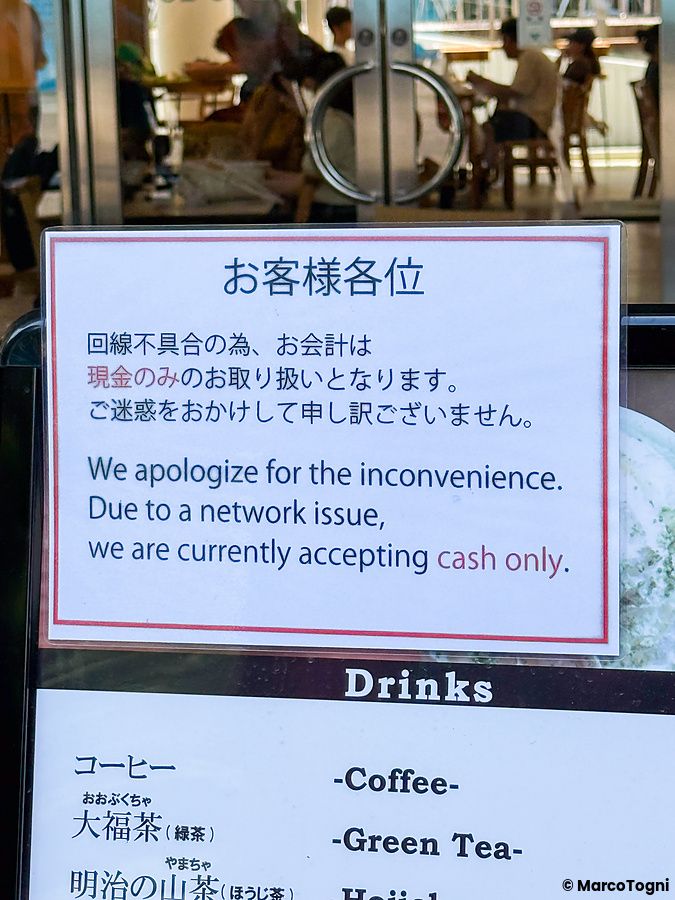
One practical detail makes a real difference: quite a few small, family-run places take cash only, so always carry some on you. Prices change fairly often, so before you leave, check the current prices at the places you have in mind.
How to spend less
You don’t have to eat badly to keep costs down. All it takes is a couple of habits, and you’ll pick them up fast.
- Make lunch your main meal of the day and keep dinner light. No other single tip saves you more.
- Walk two or three blocks away from the main streets in tourist areas. The same dishes cost much less there, and the places are full of locals.
- Stop by the supermarket around closing time, when the fresh food gets marked down.
- Drink less alcohol at restaurants and more water or tea. It makes a huge difference to what each person pays for dinner, and drinks are what push the total up the most.
- At places with a ticket machine by the door, look at the buttons in the top left. That’s usually where you’ll find the basic dish, which is what the place does best and also costs the least.
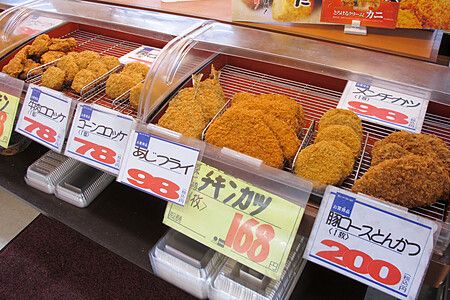
I always make this point: cheap food in Japan isn’t second-rate food. Beef bowl chains, station soba stands, and convenience stores are inspected, clean, and consistent, and the whole country eats there, not just people who can’t afford anything else.
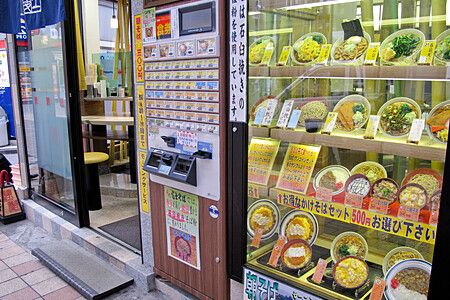
My advice
If I were doing my first trip here over again, I wouldn’t change the overall budget. I’d shift it around: lots of 1,000-yen lunches, a few low-key dinners at izakaya, and two or three proper splurges on things you’ll never find back home.
When people travel here, the problem isn’t spending too much. It’s spending it in the wrong places, like ending up at one of those Shibuya places with laminated photos out front because it was dinnertime and nobody knew where to go.
Budget a realistic amount, around 4,000-5,000 yen a day, and decide how to spend it as you go. What would you blow it all on in a single night?