 701 m
New York Bar in Shinjuku701 m
Cocktails, jazz and panoramic views.

A Norwegian coffee shop chain with several locations in Tokyo and a few more scattered around Japan, where the coffee is light-roasted, tart and light-bodied, the way they drink it in Oslo. Fuglen roasts its own beans, makes thin Norwegian waffles and switches to cocktails in the evening, so it’s one of those places where you walk in for a cup and end up sitting there for three hours.
Go if you want coffee made properly and a bit of a Nordic feel. It works for a midday break, a slow breakfast or a chat with someone, and nobody hurries you out.
The light roast isn’t just a way for baristas to show off. The coffee of the day has a citrusy acidity you notice right away, and then it finishes clean, without that bitter film coating your mouth. Depending on the bean, they make it in an AeroPress or as a pour-over.
The single origins change, but they tend to come from the same places: floral Ethiopians, Kenyans that lean toward grapefruit, the occasional sweeter Colombian. If you order a latte, the milk really comes through and the coffee stays soft in the background.
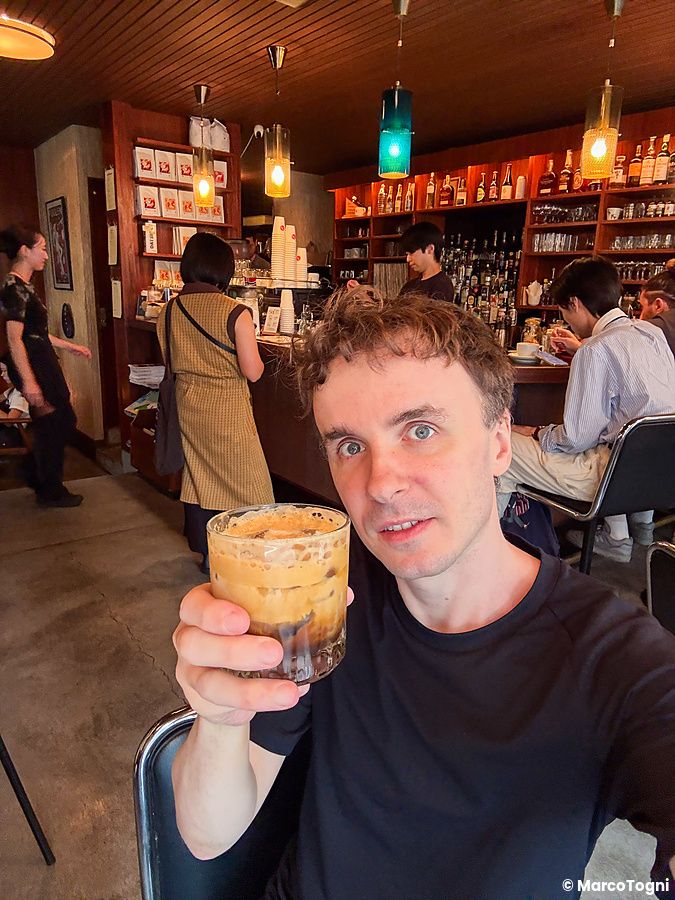
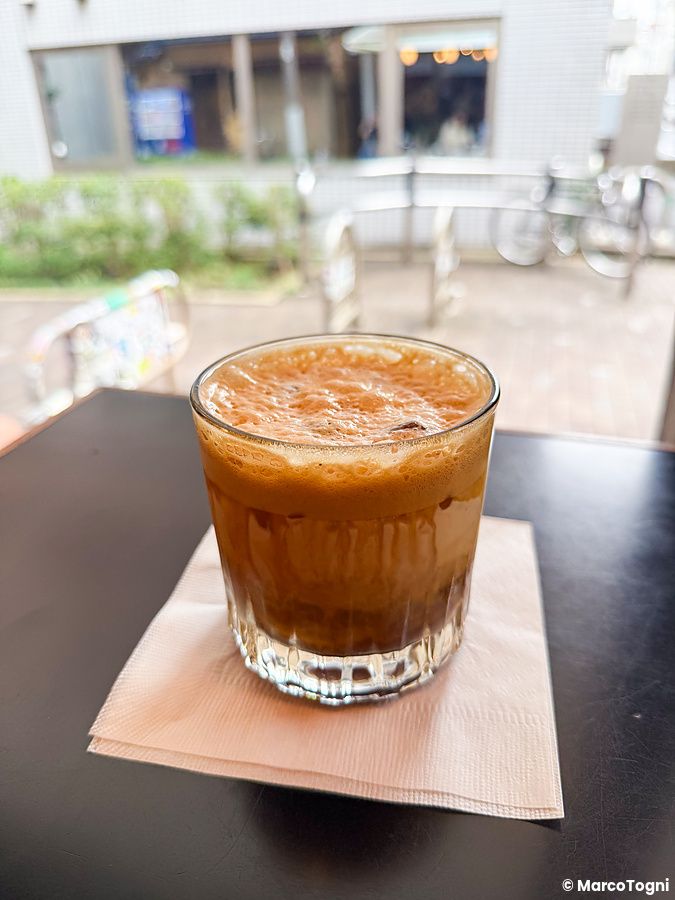
A Norwegian waffle is nothing like a Belgian one. It’s thin and soft, closer to a thick crêpe than to a crisp waffle, so if you’re expecting a crunchy outside with butter running down it, you’ll be disappointed.
Brunost is a strange one, too. It’s goat cheese cooked until it caramelizes, with an aftertaste a bit like burnt sugar. I absolutely love it with the tart coffee, but some people give up after two bites.
A coffee costs around 400–600 yen, which is a normal price for Tokyo given the quality of the beans. Add a waffle and you’re looking at 1,500–2,000 yen per person, and that’s when the bill gets on the expensive side for what is really just a coffee shop.
To me, you’re paying for what’s in the cup. A filter coffee here costs half what it would in much of Europe, and it wouldn’t be brewed as well there. When I want coffee that tastes like fruit instead of burnt beans, Fuglen is the first place that comes to mind, and I’ll even stop in just to drink one standing up before heading off again.
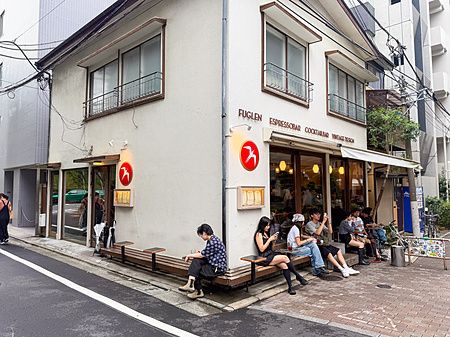
No two locations are identical, but they all have the same feel: Norwegian furniture from the 1950s and ’60s, light wood, lamps with rounded shapes and warm lighting. Almost everything you see is for sale, chairs and lamps included.
You might sit down in an armchair and find a price tag on it. It makes you smile. The furniture also changes over time, because when someone buys a piece, it disappears and something else takes its place.
Some locations have two floors, with sofas and low tables upstairs and the counter downstairs, while others have a few seats outside. Seating is limited everywhere, and you’ll share the big tables with strangers, which is less common in Japan than you might think.
The windows are big and let light in all day, so even when it’s packed you don’t feel boxed in.
Fuglen started out in Oslo as a coffee shop called Kaffefuglen, and only much later did it add the design gallery selling vintage Scandinavian furniture. The Tokyo shop in Tomigaya, near Shibuya, was the first one outside Norway, and from there the brand spread across a good part of Japan.
If you’re only picking one, Tomigaya is the original, a real neighborhood spot where the counter is always packed. Asakusa is bigger and more comfortable, and it’s where to go if you actually want to sit down and stay a while.
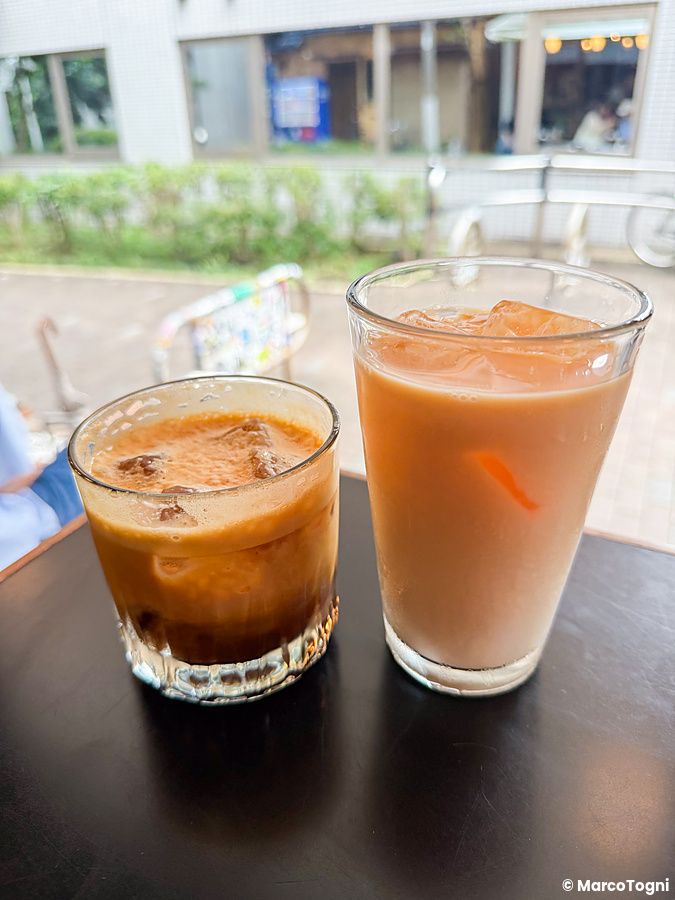
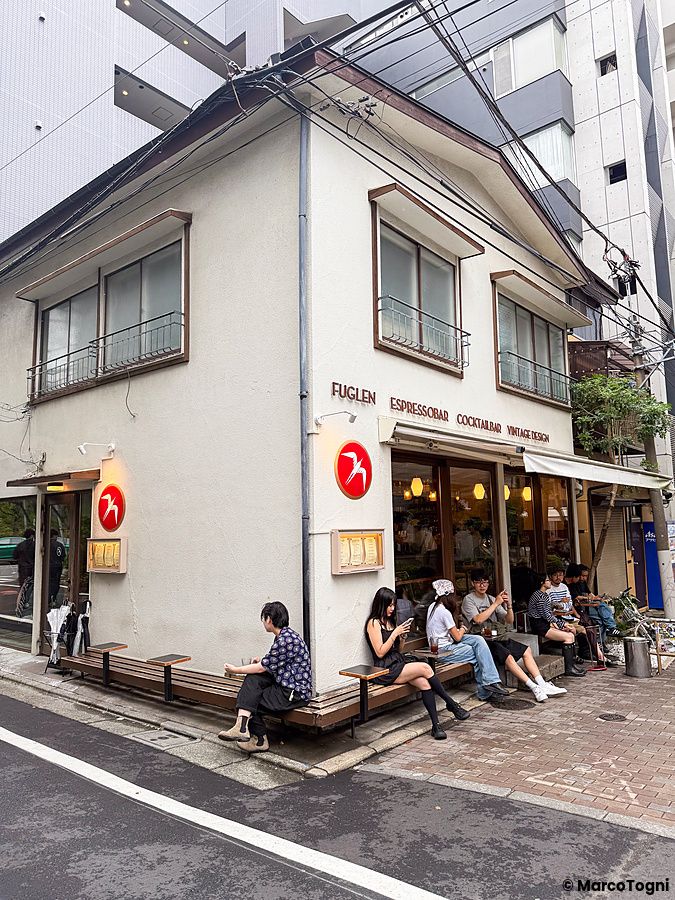
This is the part almost everyone misses. Once the lights go down, the same room where people drink filter coffee in the morning becomes a cocktail bar, and the guys behind the counter do serious work with Norwegian aquavit, the herb-flavored spirit Norwegians drink with fish.
They also have beer and coffee cocktails, and those are worth trying here for one more reason: they roast the coffee themselves.
A cocktail costs more than 1,000 yen, which is about what you’d pay at any decent bar in Tokyo. The crowd changes too. In the morning it’s students and foreigners with guidebooks in hand, and in the evening it’s couples and locals who settle into the sofas and stay.
Expect a crowd. On weekends you’ll have to wait in line and hover around the tables until someone gets up, and even on weekdays the counter stays busy.
If you want to take your time, the quietest time is midafternoon on a weekday. You can sit down, order a second coffee, and nobody gives you dirty looks.
If every table is taken and you camp out with your laptop open for two hours, it won’t go over well. This isn’t a place to work. It’s a place to drink and talk.
And if your favorite coffee is the dark, bitter stuff from your local café, the acidity will taste strange to you here. It’s not a flaw, it’s on purpose, but it’s better to know that before you spend the money.
Pros:
Cons:
Best for: a proper coffee break while you’re out exploring the city, or a long, unhurried stop to talk
Atmosphere: light wood, daylight through the big windows, low sofas and a mix of foreigners and locals
What stays with me when I leave Fuglen is the contrast between the cup and the room. You get coffee that tastes like citrus and a 1950s armchair with a price tag stuck underneath, as if you’d walked into someone’s home where all the furniture is for sale. Order the coffee of the day and ask which lot it comes from, because they’re happy to tell you and it changes the way you drink it.
If you’re only going once, get the brunost waffle, because that caramelized cheese next to a filter coffee is a combination you won’t find anywhere else in the city. Sit by the windows if you can get a spot, and stay a little longer than you planned. Of all the coffee shops in Tokyo, this is the one I recommend without a second thought.
This place is on MarcoMaps
Fuglen Sangubashi
My map of Japan: over 4,000 places I've tried myself, each with photos, rating, and hours. Filter by category and rating, find veg-friendly spots and places near you with GPS. No sign-up, right from your phone.


FUGLEN HANEGI KOEN - nearby you will find:
Fuglen Tokyo Yoyogi Koen - nearby you will find:
 428 m
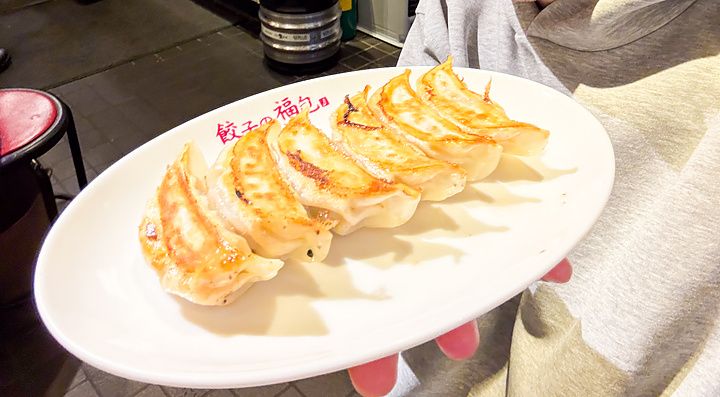
Thin-skinned gyoza, also available without garlic.
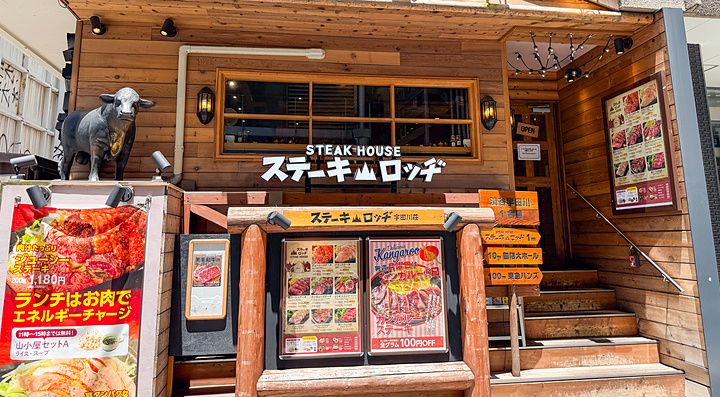 706 m
Steakhouses with tableside cooking.
 707 m
Designed by Kenzo Tange for the 1964 Olympics.
 714 m
A store that sells everything. Great.
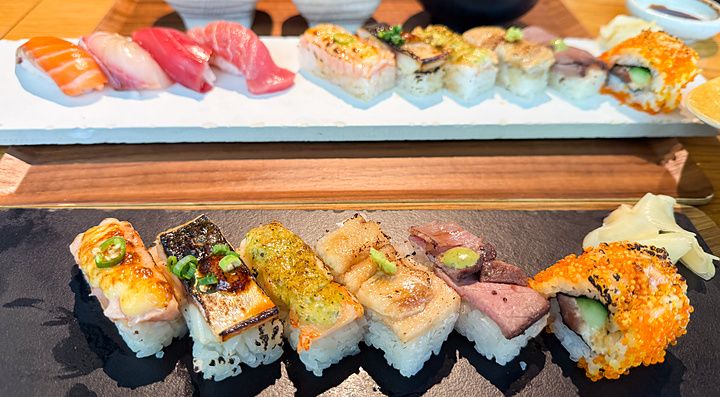 733 m
Aburi sushi and izakaya dishes.
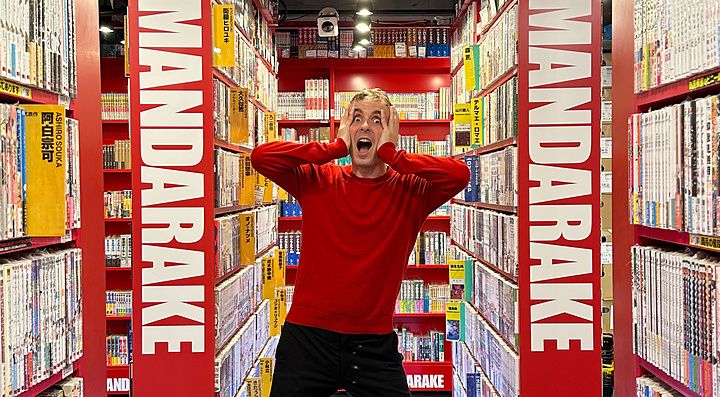 742 m
Used anime and manga.
Fuglen Asakusa - nearby you will find: