
Gap Year in Japan
A gap year in Japan is one of those choices that, if you set it up right, gives you something rare: time of your own. You get time to study, to break the habit of always rushing, and to figure out how everyday life works here. You also get time to build a routine you can keep up, one that isn’t an endless vacation but isn’t a prison either.
What separates an easy year from one full of anxiety almost always comes down to two things: the right visa, chosen in advance and used without trying to game the system, and a comfortable base to come back to every night.
Contents
- Sort out the visa first
- The student visa
- Actually showing up
- Staying as a tourist
- The working holiday visa
- Leaving and coming back
- Tokyo as a base
- Home and habits
- Traveling around Japan
- Elsewhere in Asia
- The real budget
- Health and insurance
- Part-time work
- Common mistakes
- What I'd do
- Video: Living in Japan: How Long Visas Last
Sort out the visa first
The question isn’t whether you can stay for a year. It’s how to stay without running into trouble. A gap year isn’t a long backpacking trip. You’re living somewhere continuously, with a base, habits and a rhythm, and Japan is very straightforward about this: if you come in as a tourist, you’re a tourist, and if you’re a student, you’re a student.

If you want to do a gap year properly, decide from the start what shape you want it to take:
- studying with a routine (the most stable version)
- traveling in several stretches, with periods outside Japan
- a mix of the two, but with clear rules from day one
The visa isn’t a bureaucratic detail. It’s the backbone of the whole year, and when the backbone is weak, everything else wobbles.
The student visa
If you want my practical advice, I almost always recommend the student visa. It isn’t a magic fix, but it gives you the most valuable thing of all: stability you can count on. Housing, paperwork, your phone, your bank account, daily life… it all gets easier to manage when you’re enrolled in a recognized program.

Let’s be clear, though: a student visa isn’t about enrolling on paper so you can go sightseeing. It’s tied to a school and to actually attending. If your plan is to sign up and then be gone all the time, you’re playing a game that can backfire, especially when you need to extend or renew. There’s no need to panic, but you do need to understand this before you go.
I’d pick a school based on one simple thing: a workload you can handle. A steady pace for months beats starting out hard and crashing after three weeks. Oddly enough, a healthy pace also means you enjoy Japan more, because you’re not living every day like a race and you still have energy to travel at the right moments.
I find it useful to check the calendar right away: terms, breaks, how the year is structured. Those breaks become your natural windows for traveling, so you don’t pile up absences or feel guilty about it. The other thing to check early is when you can start. Language schools usually have four start dates a year (April, July, October and January), but long programs mostly start in April and October. Between enrollment, documents and the certificate the school requests from immigration on your behalf, you need to plan months in advance. If you decide in January that you want to start in April, you’re almost always too late.
Actually showing up
This is where half the year is won or lost: don’t turn it into a vacation in disguise. Vacations aren’t bad, but if your visa requires you to be present, you have to act like it. In the end, that’s good for your head too.
The way I see it, a gap year works when you alternate routine with stretches of freedom. Keep the routine simple, not regimented, and carve out experiences inside it.
A realistic rhythm that usually holds up well looks like this:
- school days: classes, light studying, errands, quiet evenings
- weekends: outings, new neighborhoods, museums, onsen
- longer breaks: proper trips, including multi-day ones
The nice thing about a whole year is that you get all four seasons: spring, summer, fall and winter. With a rhythm like this you don’t burn through everything at once, and you don’t find yourself in November already tired of everything.
Honestly, Japan gets more interesting once you stop seeing it only as a tourist and start noticing the small things. Everyday life here is full of details you never see on a 10-day trip.
Staying as a tourist
The “three months in, leave, come back, repeat” plan looks easy, but it’s the one that causes the most friction. The problem isn’t any single entry. It’s the story your passport stamps tell. If immigration sees 90 days, a short trip out, another 90 days and then the same again, they may read it as living in Japan as a tourist. That’s when you can get questions, requests for proof and longer checks. It doesn’t always happen, but when it does, it ruins your mood in two minutes.
A lot of people also bring up “six months” when it comes to taxes. I’ll keep this simple. When you stay in the same country for a huge chunk of the year, questions come up about where you’re actually living. There’s no magic formula with a single number, but it can get awkward and hard to explain if your plan looks like a workaround to stay in Japan.
My advice is this: if you want a gap year that doesn’t weigh on your mind, avoid any plan that has you facing every re-entry wondering, “Will they let me in?” Over time, that tension eats away at the whole point of the year.
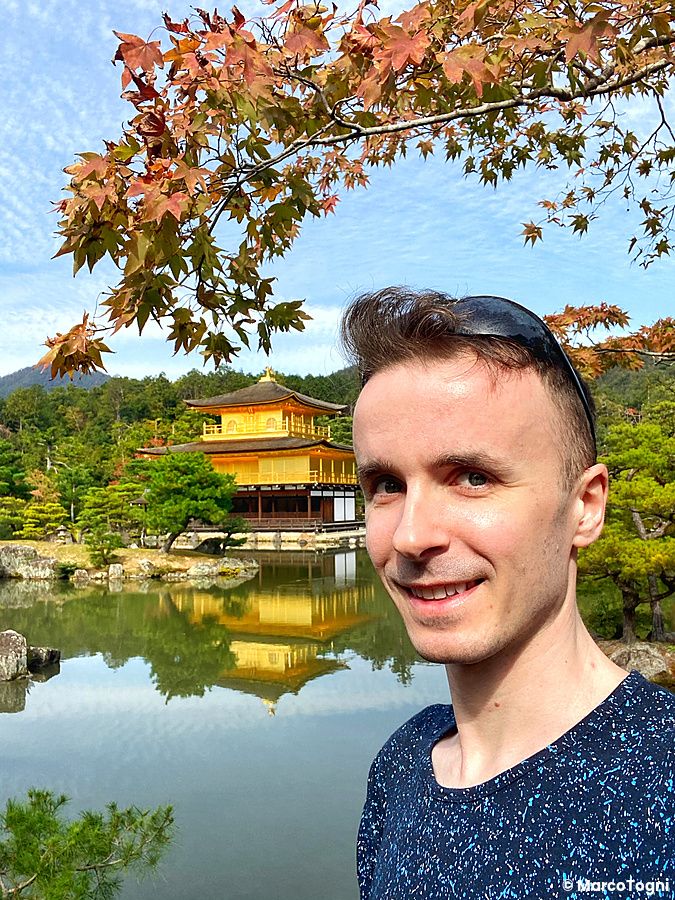
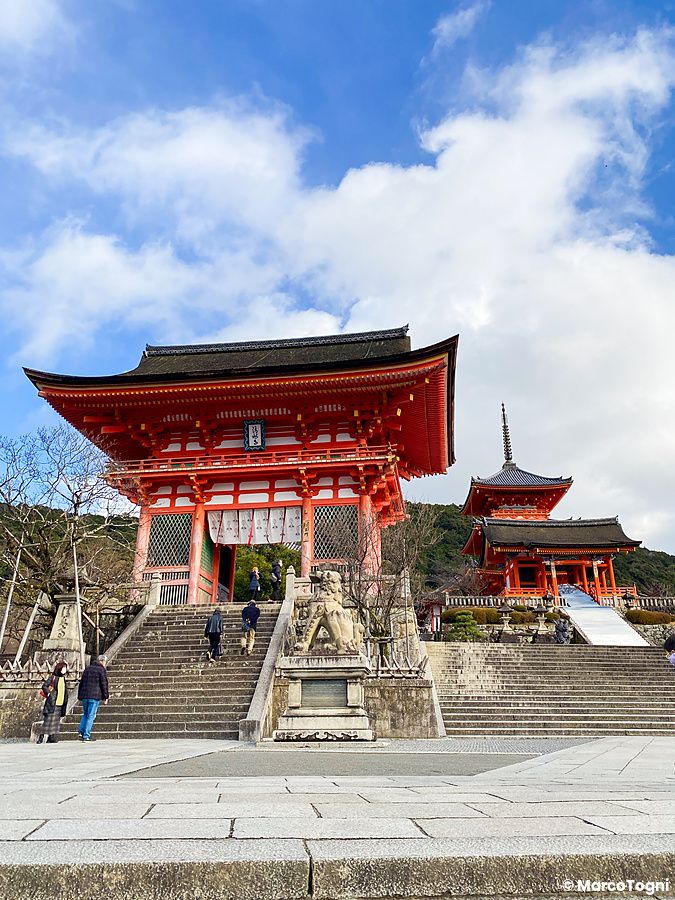
The working holiday visa
If you’re under 31 and your country has a working holiday agreement with Japan, there’s a third option, and it changes the math quite a bit: the working holiday visa. It lets you stay for up to twelve months on a single entry, with no school requirement and no separate work permit. Work is allowed for up to six months in total, as long as it stays secondary to the holiday.
The requirements are straightforward: you need to be between 18 and 30 and living in your home country when you apply, with a valid passport and a bank account that shows enough money to get you started. You apply from your home country, and the number of visas issued each year is capped, so if you’re interested, apply early.
I recommend it to people who want the freedom to move around without a school’s discipline hanging over them. The downside is that you miss out on the structure and the contacts a school gives you. Without at least some structure of your own, those twelve months slip away fast.
Leaving and coming back
If you like the idea of breaking the year up, I think that’s smart. Just make sure there’s a clear logic to it: real breaks, not technical maneuvers. Whether a re-entry looks clean or looks like a workaround often comes down to two things: how long you’re away and whether your route makes sense.

A lot of people miss one practical detail: even with a stable visa, you can’t always come and go as you please with no paperwork. I’d treat every re-entry as a big deal and keep them few, sensible and well justified. It’ll save your mood and your sleep. With a residence card the procedure is simple, but you have to follow it. When you leave, you declare that you’re coming back by checking the right box on the departure form and showing your card at immigration. It covers absences of up to one year and it’s free, but it isn’t automatic. If you leave without declaring it, your status lapses and you end up without a visa while you’re abroad.
Tokyo as a base
Where you set up your base changes everything: money, energy and quality of life. Tokyo is the most common choice and often the most convenient, especially if you’re going to school. It’s a great fit if you want services everywhere, easy transportation, events, a range of neighborhoods and a full routine without traveling all the time.
The downside is that Tokyo can turn into a machine that drains your money and your time if you slip into “always out, always doing something” mode. I mostly recommend it to people who want a year where even an ordinary week is interesting, Tuesday nights included.
Here’s my down-to-earth advice: pick an area where daily life is easy. A comfortable apartment and decent transit access are worth more than living somewhere Instagrammable and spending your life on trains. A year is a long time, and comfort always wins.

Home and habits
On a gap year, your apartment isn’t just where you sleep. It’s where you recharge. Choose badly and you’ll always feel like you’re just passing through. Choose well and you can really relax, and the whole year takes on a different pace.
Here’s what I’d look at, without getting romantic about it:
- how far it is from school or from whatever sits at the center of your routine
- how easy it is to shop and live a normal life: supermarket, laundromat, practical stuff
- quiet and sleep (hugely underrated)
- enough space to actually feel good, not just to get by
Honestly, I’ll skimp on almost anything before I skimp on sleep and comfort. If you sleep badly or live somewhere uncomfortable, you start skipping classes, eating worse and putting everything off, and you end up with a year you only half lived.
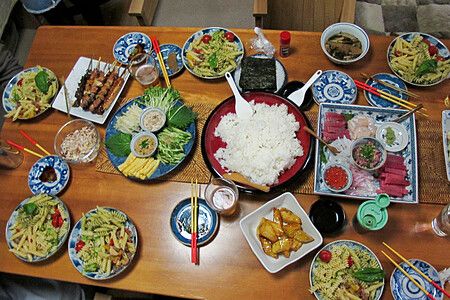
Traveling around Japan
The best part of a gap year is that you can see Japan at a human pace, not the checklist version but one that has room to breathe. The best way to keep from getting thrown off is to split your trips into two kinds.
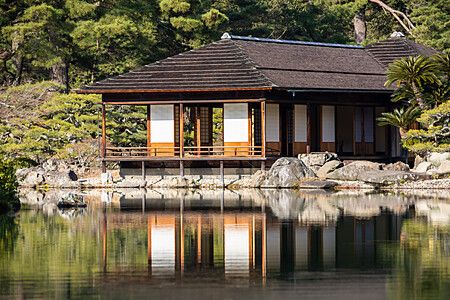
The second is the long trip, which you save for the breaks. That’s when you can head to less obvious areas and see a quieter side of Japan. There might not be crowds lining up for the perfect photo, but there’s a calm that stays with you.
For me, this is where the year stops being like a normal trip. You start choosing where to go because you’ve had time to figure out what draws you, not because a place is famous. That’s real freedom, not a race.
Elsewhere in Asia
Leaving Japan for a few months and then coming back is a smart move if you do it well. It breaks up the year, but more importantly it gives you a point of comparison, so when you come back you see Japan with fresh eyes. I recommend it to anyone who feels they might go a bit stale after a few months in one country.
These are the places that make the most sense to work into the year:
- Seoul: an intense city that’s easy to get around, with a different energy from Tokyo, perfect for an urban break
- Bangkok: a complete change of headspace, and often easier on the budget too
- Malaysia: a gentler pace and a mix of cities and nature, good for recharging
- Vietnam: fast-moving, growing and very varied, interesting if you like discovering new places
The trick is not to do it haphazardly. Give yourself a theme: a city month, a slower month, a nature month. That way going back to Japan doesn’t feel like a leap into the unknown. It feels like the next chapter.
And if you’ve chosen to do the year as a series of tourist stays, a really long break outside Japan also makes your return more natural and less stressful.
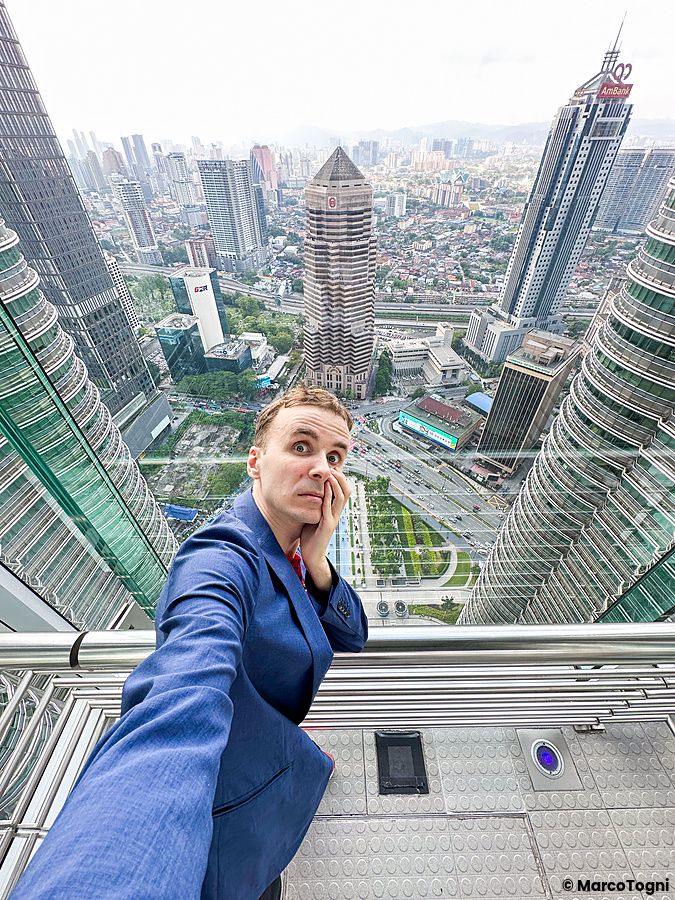

The real budget
People get this wrong because they think in terms of a daily budget. A year isn’t a pile of days, though. It’s a set of habits. If your habits are sustainable, the year works. If they aren’t, you end up cutting back on the best parts.
I’d split the budget into three parts, because these are the ones that decide everything:
- housing: it affects your mood, your energy and how much you get done
- school: if you’re on a student visa, it’s an investment you have to budget for honestly
- daily life: food, transportation, small expenses, constant temptations
Here’s something practical: put together a typical week and take a hard look at it. How many times do you eat out? How many long train trips do you take? How often do you go out at night? If your typical week is sustainable, everything else gets easier. If it’s already expensive, don’t expect it to magically fix itself by month four.
One more thing: don’t fall for the “I’m here, so I have to” mindset. Over a year, the real luxury is being able to say “not today.” Today I’m staying home, today I’m going for a walk, today I’m resting. It shouldn’t turn into a performance.
Health and insurance
A year is long enough that you’ll get sick at some point, and health coverage isn’t something to put off. If your visa gets you a residence card and you’re staying more than three months, signing up for National Health Insurance isn’t optional. You do it at city hall when you register your address, and you pay a monthly premium based on the previous year’s income, which means it’s low if you’ve just arrived. In return, you pay 30% of the bill at the doctor, the dentist or the pharmacy.
That’s also one of the reasons I prefer a year on a proper visa to a year as a series of tourist stays. As a tourist you don’t sign up for anything, so you need a solid private policy that actually covers every month you’re away, renewals included, and that would also cover a hospital stay. And do yourself a favor: go to the dentist, get your glasses and do the boring checkups here. With your coverage active, you can get them out of the way without spending a fortune.
Part-time work
If you’re thinking about part-time work, you need to know where you stand. It doesn’t happen automatically, and it’s not something you can wing. On a student visa you can work in many cases, but you need permission and there are rules. So “I’ll arrive and then support myself” isn’t a plan. It’s a hope.
In practice there are two rules. First, you need permission for activities outside your visa status. You apply for it with immigration, often right at the airport when you arrive, and without it working is simply illegal. Second, there’s a cap of 28 hours a week, which only goes up during the school’s long breaks. All your jobs count toward it together, and going over isn’t some harmless shortcut, because it puts your visa renewal and future reentries at risk.
The way I see it, a part-time job can be something to lean on, but not the foundation. If you build everything around work, you end up juggling school + work + paperwork + exhaustion, and at that point your gap year turns into a year of just getting by.
In my opinion it makes sense if:
- it helps you feel more at ease
- it doesn’t wreck your sleep
- it doesn’t eat into the time you wanted to spend actually living in Japan
If you notice you’re spending your weeks just trying to get your energy back, you’re losing sight of why you came.

Common mistakes
These are the mistakes I see people make over and over. I’m keeping them short and blunt because they’re exactly the ones that ruin the experience.
- treating the visa as a detail: it’s what the whole year rests on
- underestimating attendance: if you’re a student, you have to act like one
- scheduling reentries too close together: the anxiety eats up your year and you put yourself in a gray area for no reason
- choosing an inconvenient apartment: you never feel settled
- arriving without a routine: it’s fun at first, then you lose your rhythm and feel like you’re not getting anything done
Flip those around and you get the simple recipe that works: a stable base, realistic goals, trips at the right times and freedom spread sensibly across the year. You don’t need to plan everything like a military operation. You just need to avoid the choices that make you anxious for no good reason.
What I’d do
If I had to leave you with one rule of thumb, it’s this: make sure your gap year in Japan makes sense, both to the authorities and to you.
In your shoes, I’d pick a setup that lets me sleep at night: a student visa if I want a steady, straightforward year, a convenient base (Tokyo if I need energy and services), trips around Japan without overdoing it, and maybe a stretch somewhere else in Asia done properly, not just a quick visit.
Then something nice happens. At some point you stop feeling like you’re “traveling” and start feeling just… good. Maybe on some ordinary evening, with the city lights, a simple dinner and the feeling that you’re not chasing anything.
