 131 m
Hanamikoji Dori131 m
The geisha street.
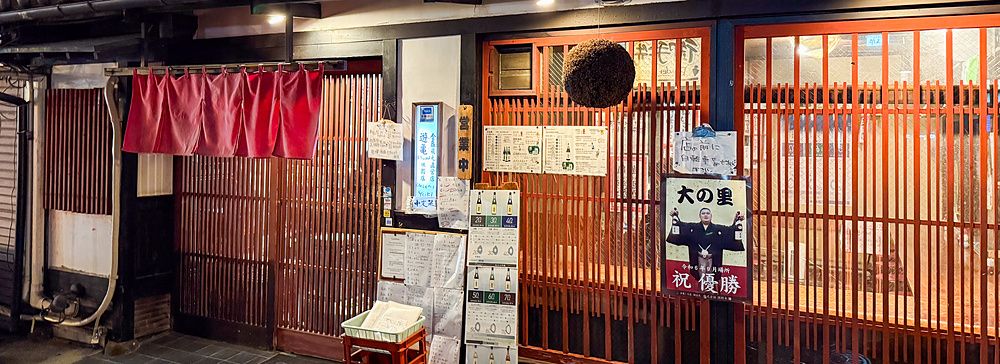
A real Japanese izakaya in Gion, Kyoto’s geisha district, close to the Shirakawa canal, with fresh fish every day and sake that comes straight from a family brewery.
Gion Yuki sits in one of the most touristy parts of the city, and yet it’s still a real Japanese izakaya that doesn’t tone things down just to please foreigners. You come here for the sashimi, the tempura and the seasonal vegetables, with a huge sake list to go with them. It works for a lively dinner with friends, and just as well if you’re traveling alone and want to sit at the counter and eat and drink well.
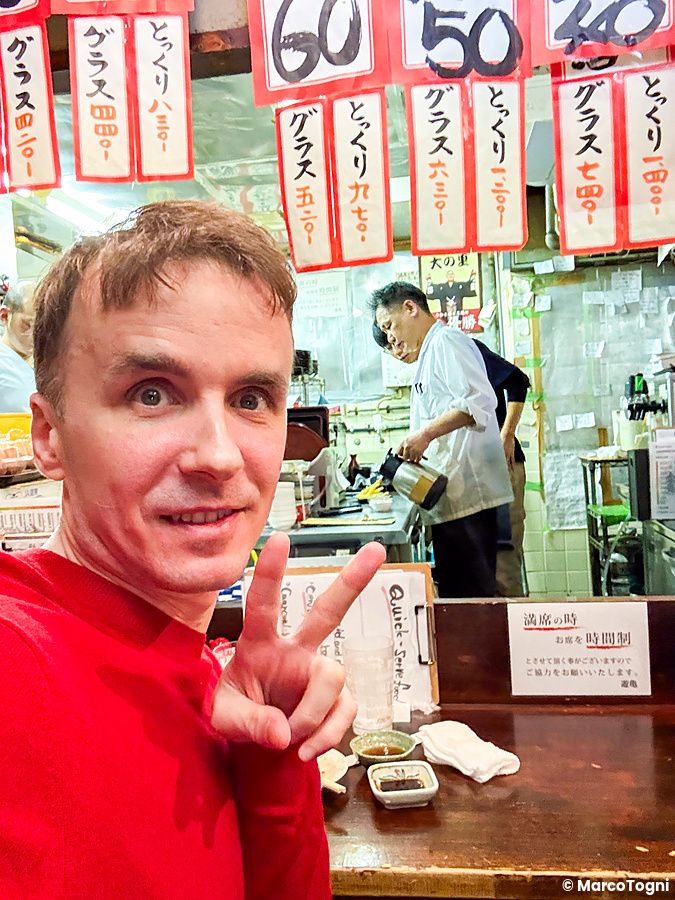
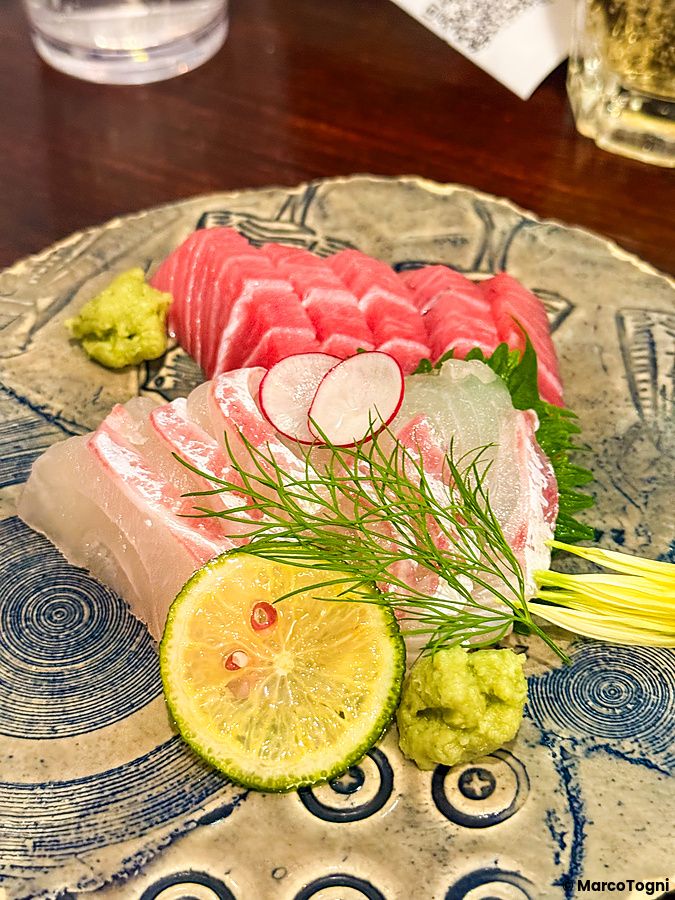
The restaurant is run directly by Okamura Honke, a sake brewery that has been operating in Toyosato, Shiga Prefecture, since 1854. Every sake on the list is theirs, from the Kinkame line, and you’re drinking it at prices you’d have a hard time finding anywhere outside the brewery. They buy the fish at the market and the selection changes from day to day, so the menu follows whatever’s good.
What to order:
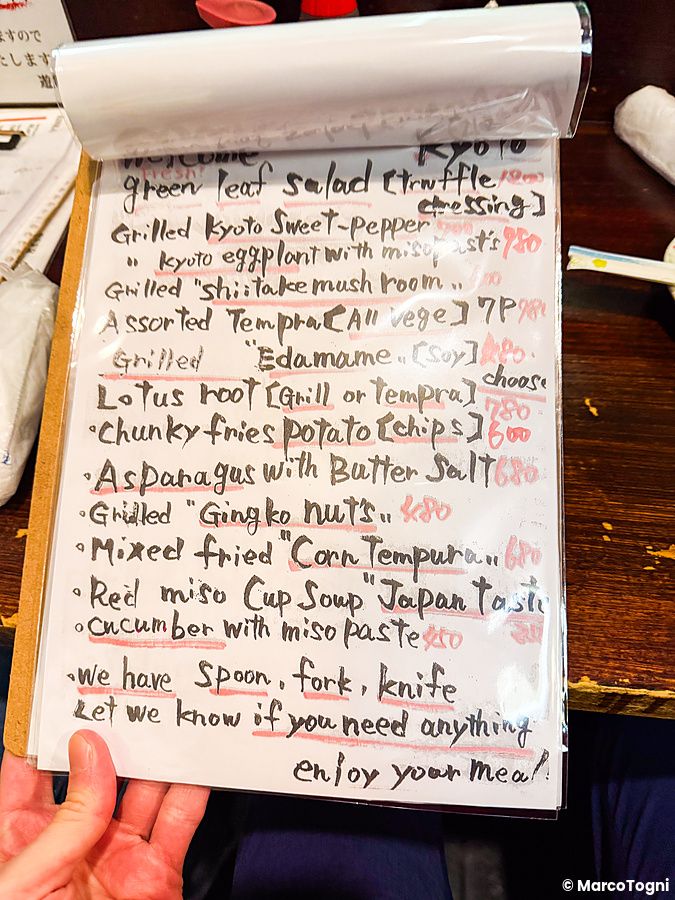
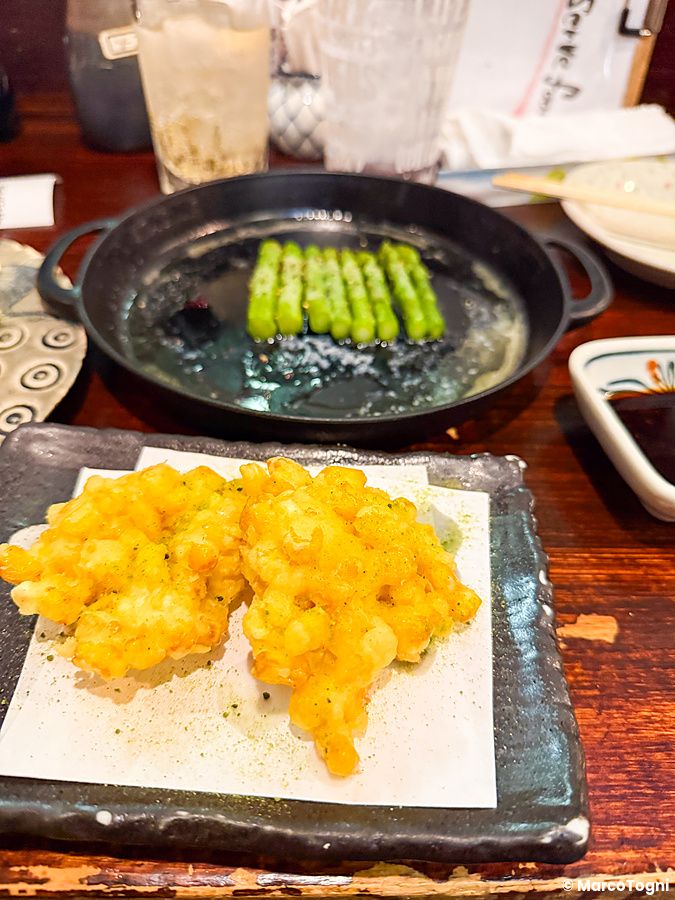
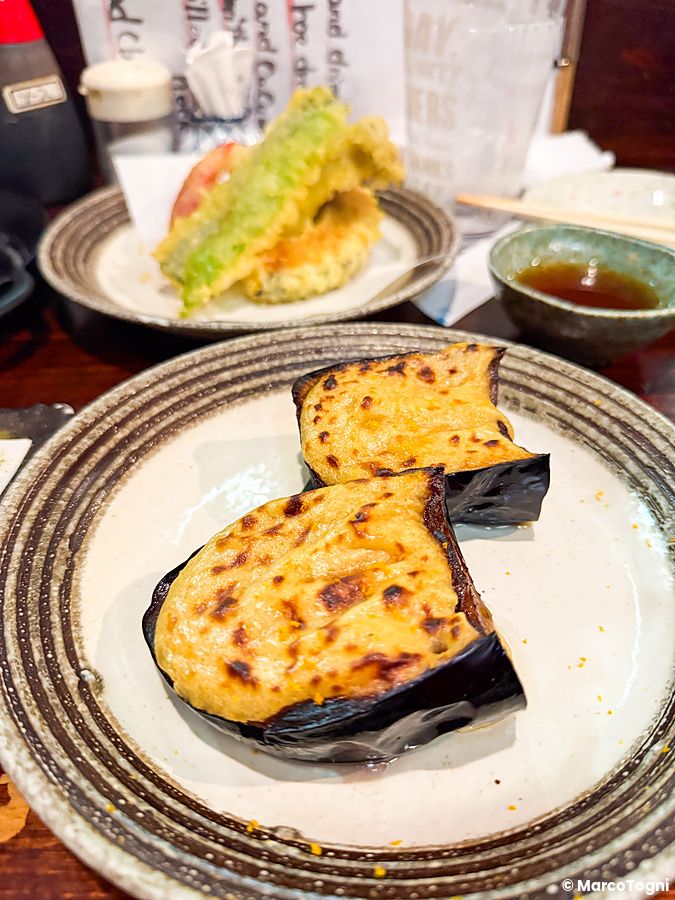
The saba-zushi is seriously rich and fatty. If mackerel just isn’t your thing, skip it and go for the mixed sashimi, which is more delicate. The eggplant with cheese is hearty and gooey, so order it to share when there are two or three of you.
Expect to spend around 3,500–5,000 yen per person for a few dishes and a few drinks. Given the quality of the fish, and the fact that you’re drinking the brewery’s own sake right in the middle of Gion, the meal is well worth that mid-range price. In an area like this, where every square meter costs a fortune, the value for money is excellent, because nothing on the menu is there just for show.
When I’m in Kyoto and I want fresh fish with no frills, this is one of the first places that comes to mind. For that money I get good sake and sashimi I’d pay a lot more for somewhere else.
Here the sake list isn’t an afterthought. It’s the whole point of the place. Almost everything is Kinkame, the Okamura house label, and it comes in a range of polishing ratios, from rice that’s barely polished at all, at 100%, up to daiginjo milled down to 40%. Drinking the same brand in such different versions is a tasting exercise you won’t get to do anywhere else. The unpolished one is full-bodied and rustic and stands up well to the saba-zushi and the eggplant with cheese, while the more refined ones are clean and fragrant and go well with the sashimi.
If you don’t know where to start, tell the staff what you’ve ordered and ask them to suggest a pairing, including from the day’s blackboard. It’s their sake, so they know it inside out, and they’re happy to walk you through it, in English too.
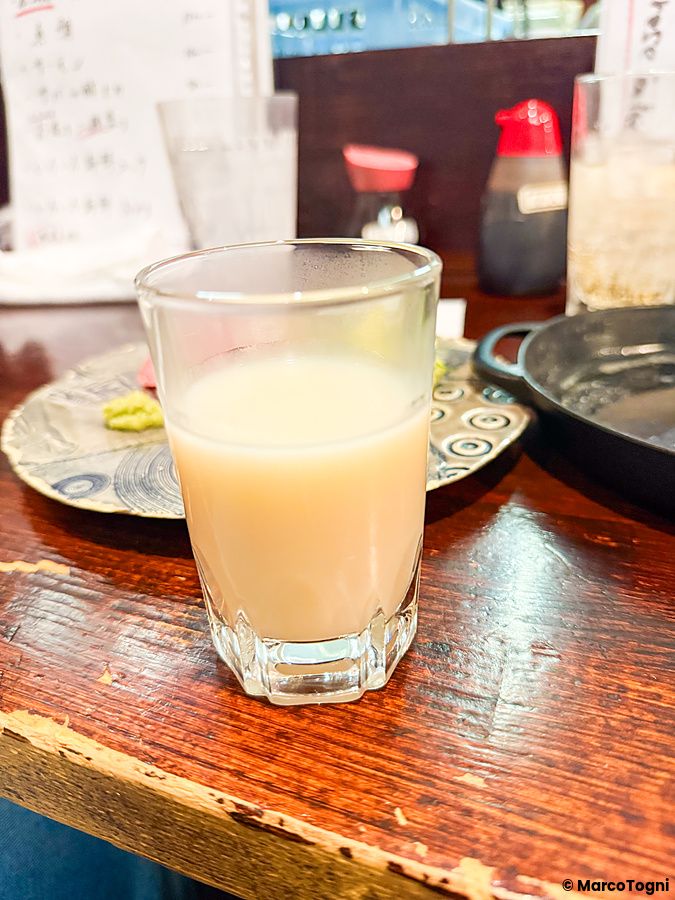
The restaurant is in the part of Gion near the Shirakawa canal.
If you’re walking along the Shirakawa in the evening, past the streetlights and the teahouses, dinner here fits right in at the end of your walk without any detour. It’s a little hidden away on a side street, so keep an eye out for the sign and don’t expect a flashy storefront.
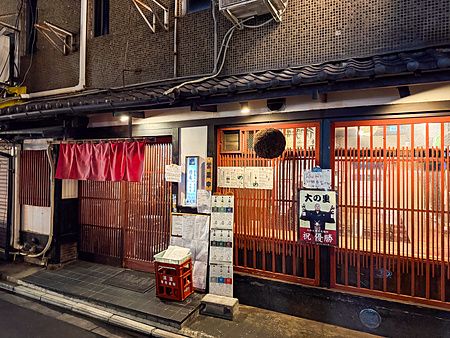
The counter is on the ground floor, and the floors above have Japanese-style tables on tatami. At the counter you eat elbow to elbow and watch the staff prepare the fish, which to me makes it the best spot if there are two of you or you’re on your own.
It has the informal feel of an old-school izakaya, always packed even on weekdays, with locals and tourists mixed together. It’s loud, people drink, and it feels like a real night out over sake.
The staff are friendly and there’s an English menu, so even if you don’t speak much Japanese you’ll get by just fine. If there are four or five of you, ask straight away for the tatami tables upstairs. There’s room to sit comfortably up there, while at the counter a group ends up split in two. Just remember that you take your shoes off on tatami, so in the evening it’s best to skip boots that are a hassle to get off.
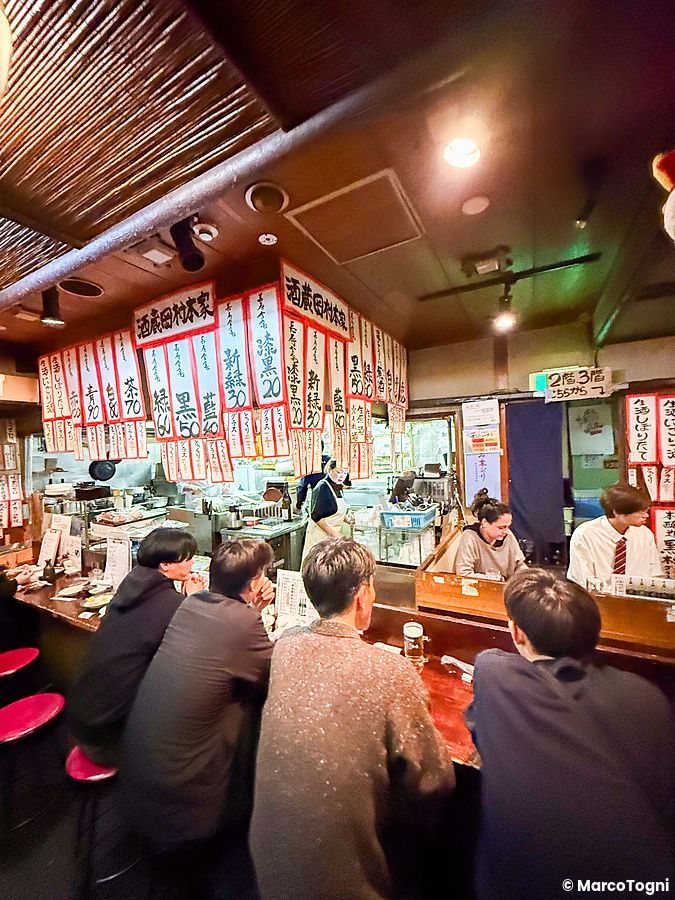
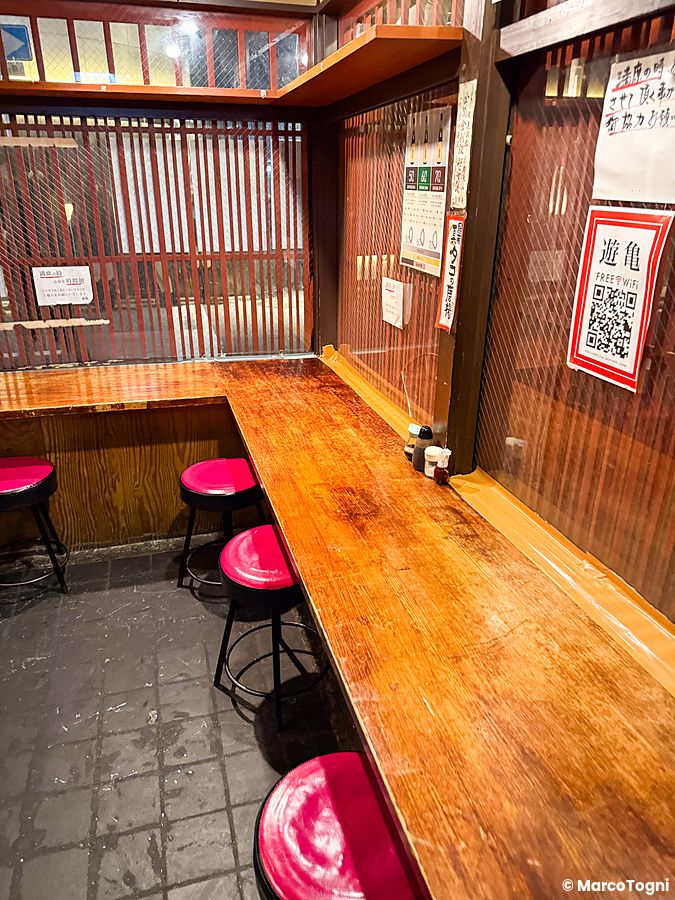
At dinnertime every seat is taken, and anyone who shows up without planning ahead waits outside. When the bill comes, they take credit cards (Visa, Mastercard, JCB, American Express), but not phone or QR code payments.
Keep some cash in your pocket anyway. If you’re out in Gion in the evening, it’ll come in handy at other places too.
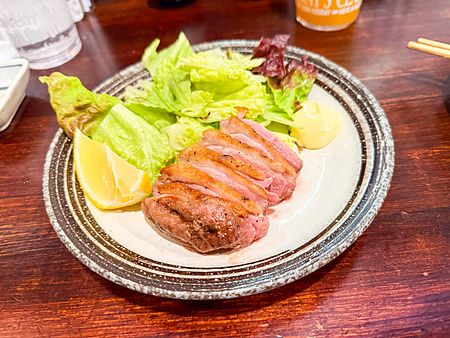
Pros:
Cons:
Best for: a fish and sake dinner after an evening walk along the Shirakawa, for two or on your own at the counter.
Atmosphere: informal and loud, with the counter on the ground floor and tatami tables upstairs, and locals and tourists elbow to elbow.
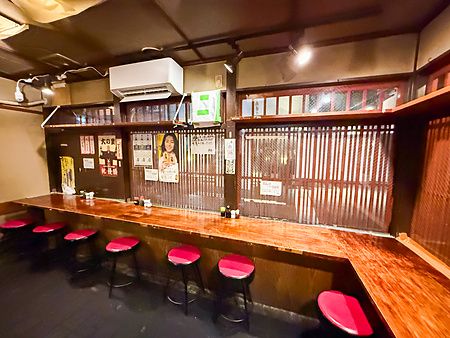
What I remember most is the noise: the ground-floor counter with everyone talking over each other, the knife slicing fish right in front of you, the kind of evening you no longer expect to find in Gion. Sitting there, you understand how an izakaya like this keeps going in Kyoto’s most photographed neighborhood.
If you only go once, start with the mixed sashimi, add the eggplant gratin and the asparagus, and have them pour you one Kinkame after another, letting the staff guide you. Some tempura along the way keeps the night going when you’re already halfway down the sake list.
When you leave, you won’t be thinking about any one dish. You’ll be thinking about a place that hasn’t changed a single thing to win anyone over. Go hungry and in no hurry.
At Gion-Shijo Station on the Keihan Line, take exit 7, walk east along Shijo and turn left into the narrow Kiridoshi lane. It takes three or four minutes, but watch for the sign, because it's small and easy to miss.
If you're coming from downtown, just cross the bridge on Shijo from Kawaramachi and walk for about ten minutes. If you're already strolling along the Shirakawa canal, head down toward Shijo and you'll be there in a couple of minutes.
This place is on MarcoMaps
Gion Yuki
My map of Japan: over 4,000 places I've tried myself, each with photos, rating, and hours. Filter by category and rating, find veg-friendly spots and places near you with GPS. No sign-up, right from your phone.


Gion Yuki - nearby you will find:
131 mThe geisha street.
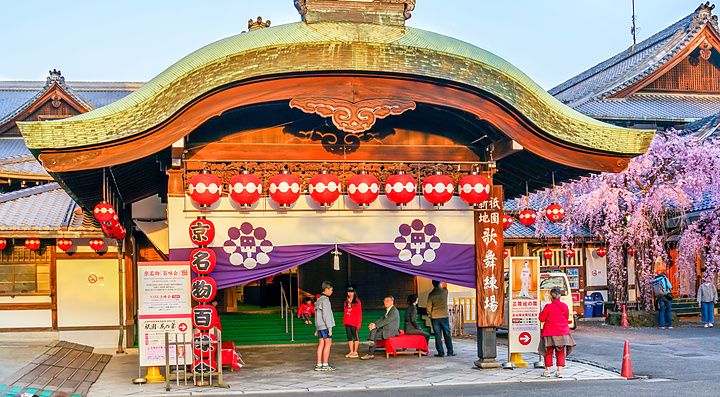 353 m
Where to see the Miyako Odori.
 395 m
Beautiful shrine near Gion.
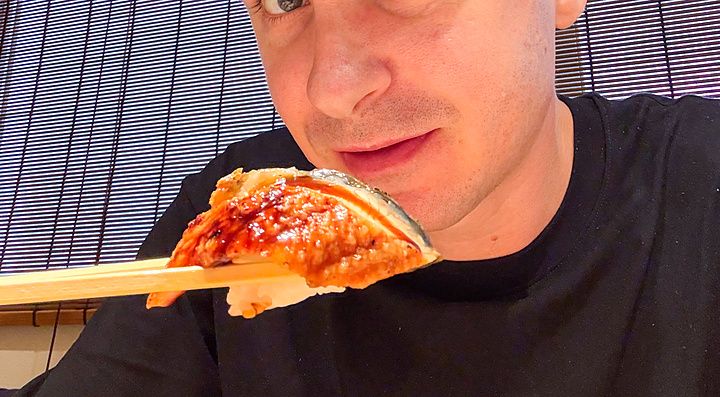 415 m
Cheap sushi and izakaya dishes.
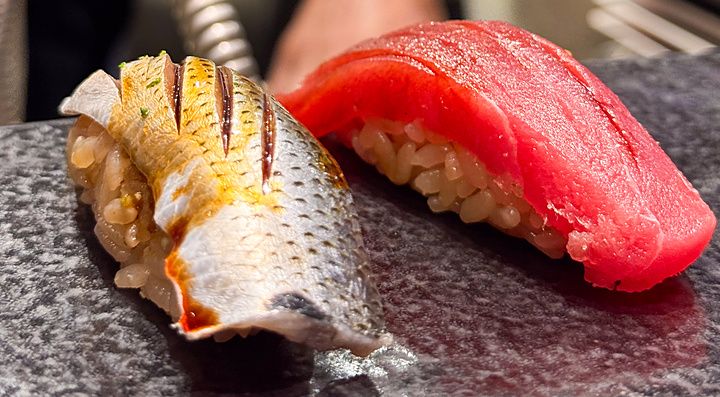 447 m
Chain with excellent sushi.
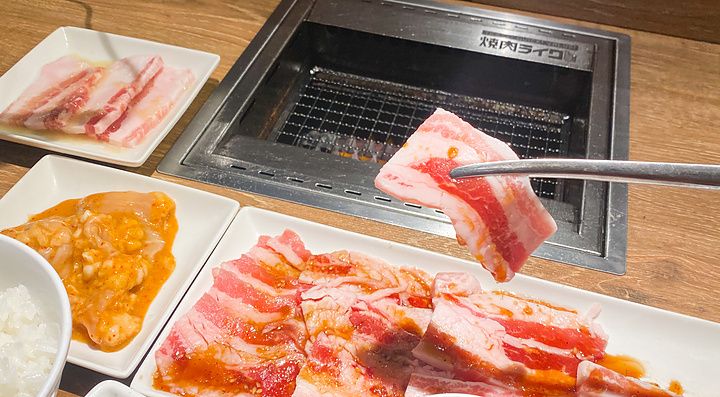 473 m
Quick grilling at solo seats.