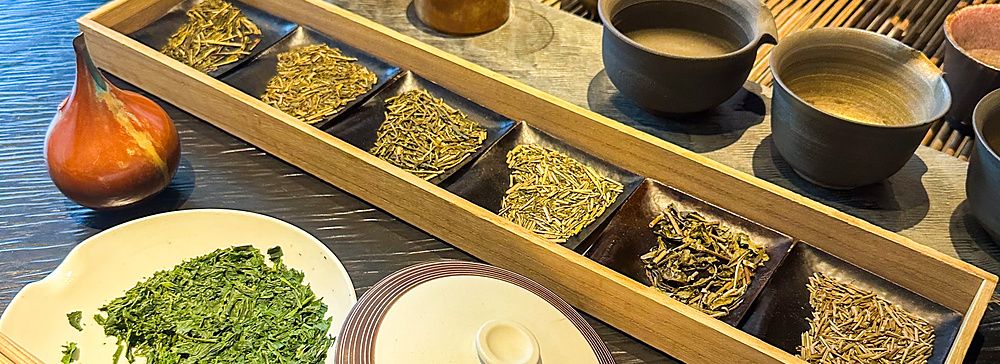
Japanese Green Tea
Japanese green tea is one of the easiest and most enjoyable things to get into when you come to Japan. You’ll drink it everywhere here. Restaurants bring you a hot cup as soon as you sit down, vending machines have whole rows of bottles, and in a lot of homes the kettle stays on all day.
To an outsider it all looks like one drink. In fact there are lots of different teas, each brewed its own way and drunk at its own time of day. There’s the light one they keep topping up at neighborhood restaurants without you asking, the sweet, thick one you sip from tiny cups, and the powdered one you whip up with a bamboo whisk. When you’re standing in front of the shelves in a tea shop, knowing which is which is what separates a good buy from a bad one.
Contents
One plant
Green tea, black tea and oolong all come from the same plant, Camellia sinensis. What changes is how the leaves are processed. Japanese green tea has one feature that sets it apart even from most Chinese tea: the freshly picked leaves are steamed rather than pan-fired. Steaming stops oxidation and gives the tea its bright green color and that vegetal taste, a bit like fresh-cut grass or seaweed, that you recognize right away.
Tea reached Japan from China many centuries ago, but the turning point is usually traced back to the monk Eisai. At the end of the 12th century he came back from China with seeds and the Zen temple practice of drinking powdered tea. About twenty years later he also wrote a short book on the health benefits of tea, which is considered the first Japanese text on the subject.
Sencha as we know it today came later. In the 18th century a grower from the Uji area near Kyoto, Nagatani Soen, developed the method of steaming the leaves and rolling them by hand. From then on, loose-leaf tea stopped being something for a privileged few and became an everyday drink.
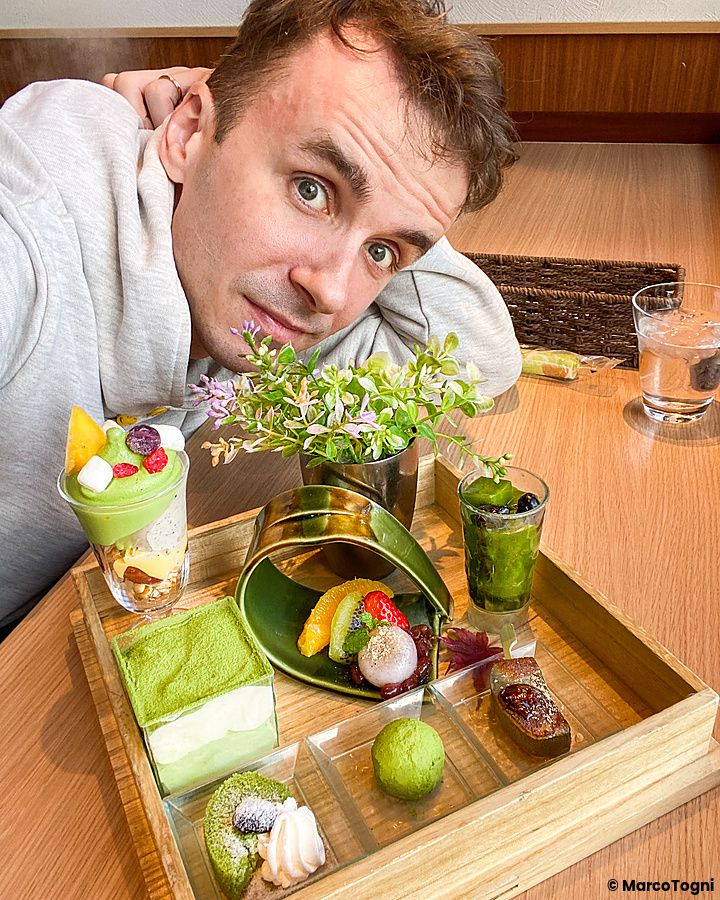
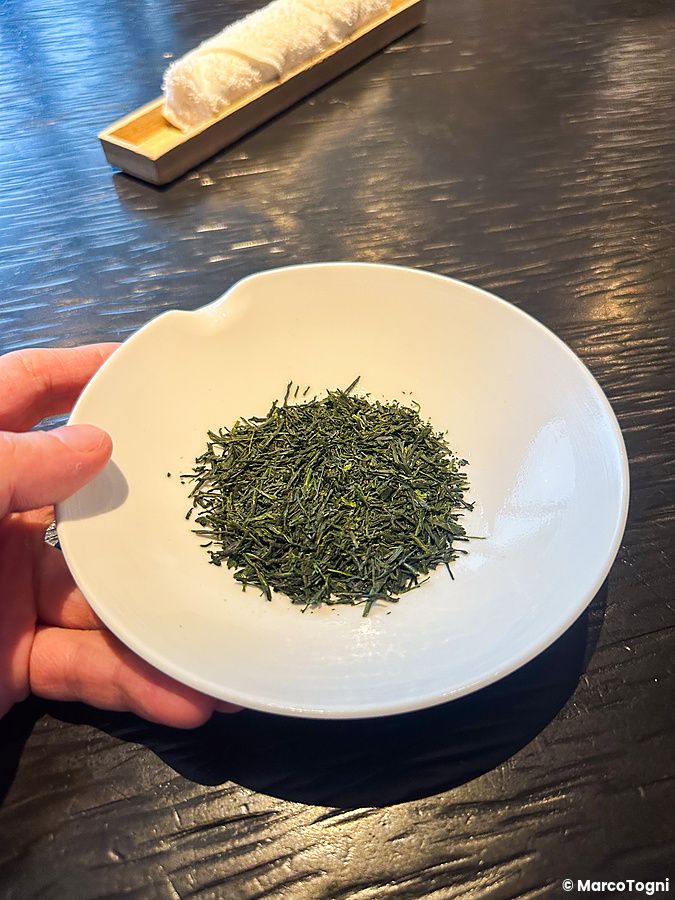
Sencha and everyday teas
Sencha is the green tea that nearly all Japanese people drink at home and at the office. The leaves grow in full sun. After picking, they’re steamed for a few dozen seconds, then rolled and dried until they’re thin as needles. It has a balance of light bitterness and a touch of sweetness, with a fresh aroma.
There’s also fukamushi sencha, which is sencha steamed for longer. The leaves break up more, so the tea comes out cloudy and deep green, with a rounder, less astringent taste. It’s typical of Shizuoka, and I think it’s the right one to start with if you find regular sencha a bit too bitter.
Alongside sencha there are other everyday teas. They’re cheaper and often easier to like for visitors from abroad:
- Bancha is made from larger leaves picked later in the season. It’s inexpensive, with less caffeine and a light taste, and it’s often what you get in neighborhood restaurants.
- Hojicha is a roasted green tea. It’s brown, tastes of hazelnut and wood, and has very little caffeine, so kids drink it too, even in the evening.
- Genmaicha is green tea mixed with roasted rice grains, some of them popped like popcorn, and it smells a bit like toast.
- Kukicha comes from the twigs and stems of the plant instead of the leaves, and it’s sweet and delicate. When it comes from gyokuro fields it’s often called karigane.
- Konacha uses the bits and dust left over from processing. It’s the tea you get at sushi bars, because it’s ready in no time and cleanses your palate nicely between bites.
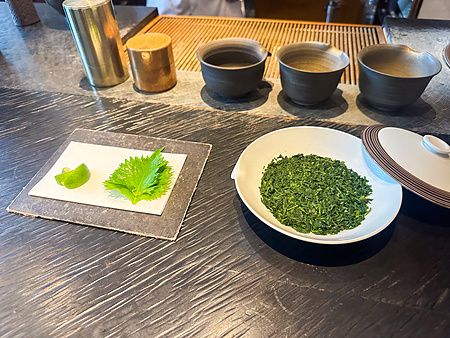
Gyokuro and shade-grown tea
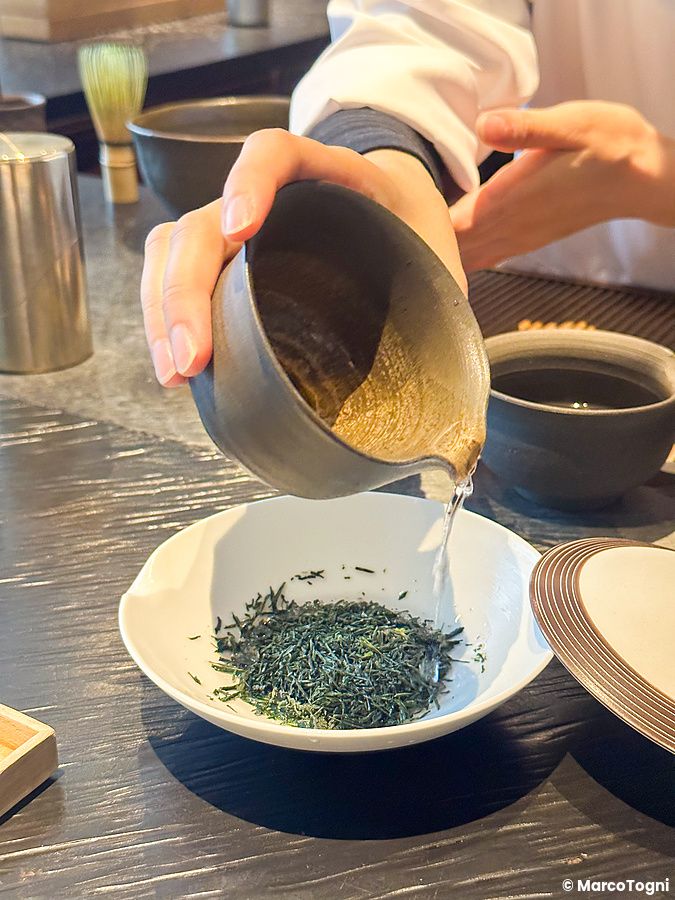
Gyokuro is the finest and most expensive loose-leaf tea. The difference starts in the fields. For about three weeks before the harvest, the plants are covered with sheets or mats that block out almost all the light. Without sun, the plant makes fewer catechins, which are what make tea bitter, and holds on to more amino acids, especially theanine, which gives it that sweet, savory umami flavor.
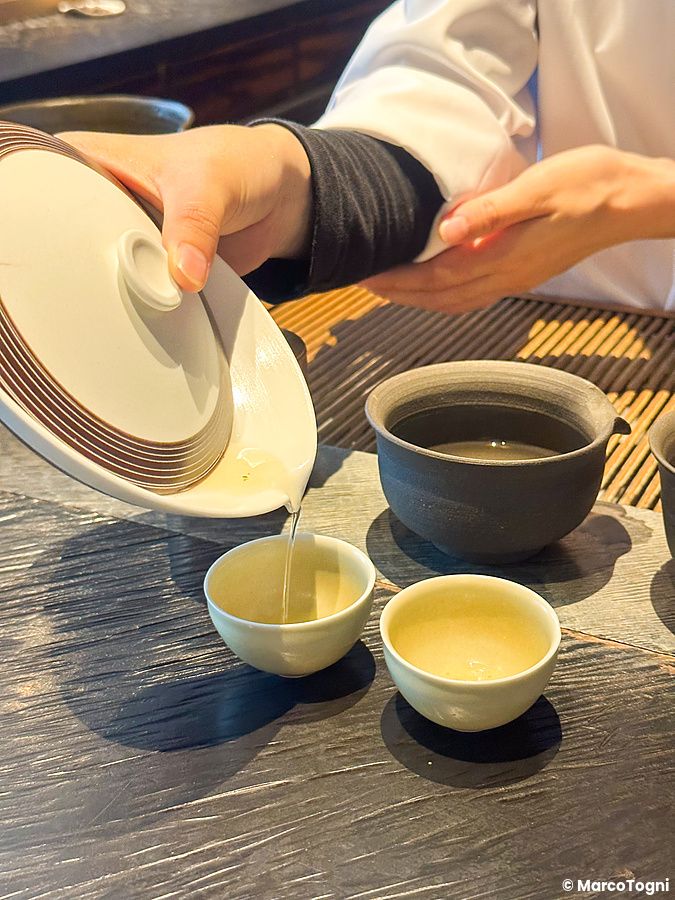
The result is a tea you drink in tiny amounts, almost like a broth. A lot of people are surprised the first time: they’re expecting tea and get something thick and salty instead, a little like seaweed. The best-known places for gyokuro are Uji, near Kyoto, and Yame, in Fukuoka Prefecture on Kyushu.
Halfway between sencha and gyokuro there’s kabusecha, which is shaded for about a week. It already has a good share of gyokuro’s sweetness, but it costs less and it’s easier to brew. I’d suggest trying it if you want to taste what shading does without spending too much.
Matcha and tencha
Matcha also starts from shade-grown leaves, but it’s processed differently. The leaves are steamed and dried without being rolled, then the stems and veins are removed. What’s left is called tencha. The tencha is stone-ground into a very fine powder, and that powder is matcha.
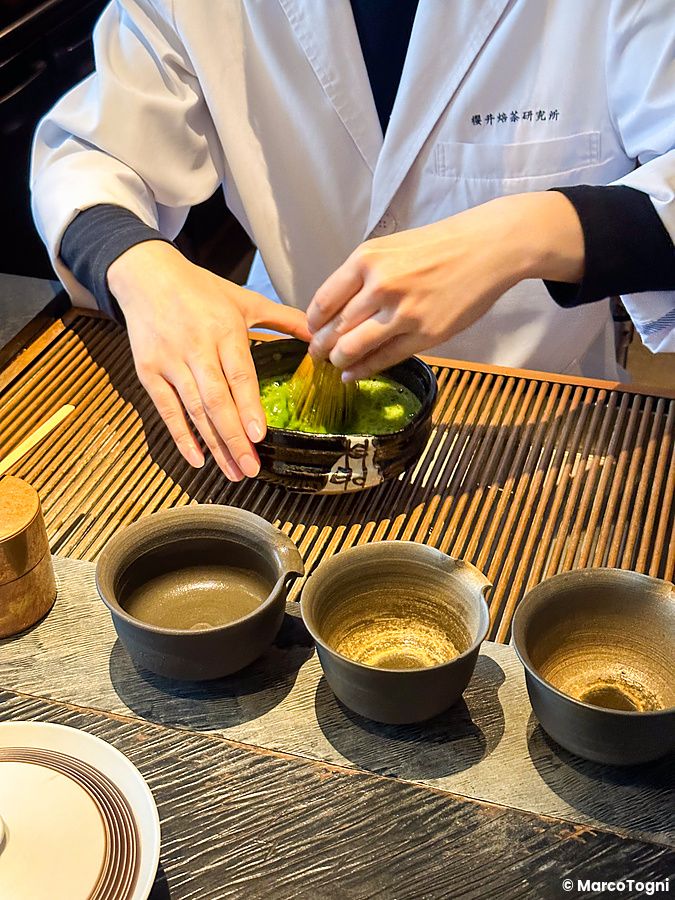
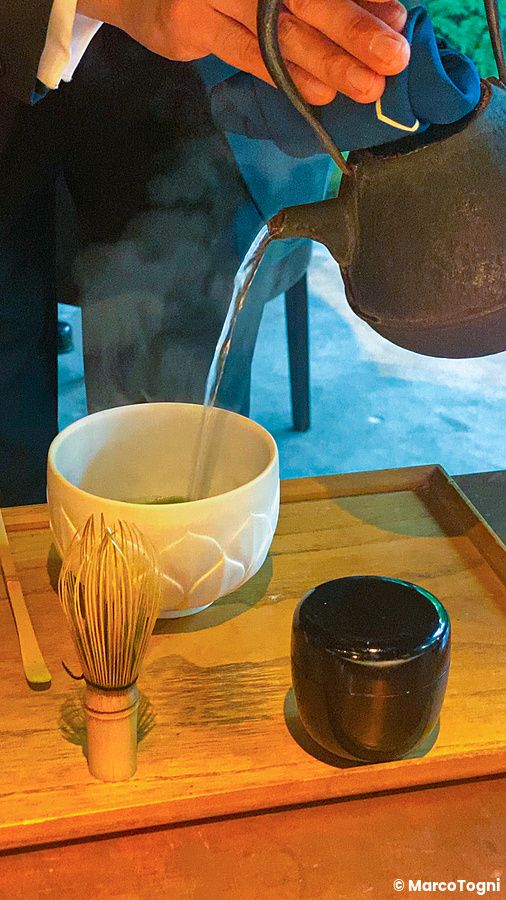
You don’t steep matcha. You mix the powder into hot water and whisk it with a bamboo whisk, the chasen, until a light foam forms. Basically you’re drinking the whole leaf, which is why the flavor is so full and you really feel the caffeine.
Matcha is tied to the tea ceremony, but in Japan it isn’t something kept for tatami rooms and kimono. You’ll find it in desserts and ice cream, in café drinks and even in cookies from the big brands.
When you buy it, what matters is whether it’s matcha for drinking or matcha for cooking. Matcha for the tea ceremony is bright green, smells sweet and has almost no bitterness, and it’s sold in small tins of a few dozen grams. Culinary matcha is cheaper, darker and more bitter, and it’s meant for desserts and lattes. If you’re buying it to drink, don’t skimp. Cheap matcha mixed into water tastes bitter and isn’t very pleasant, and it could put you off matcha altogether.
Where tea is grown
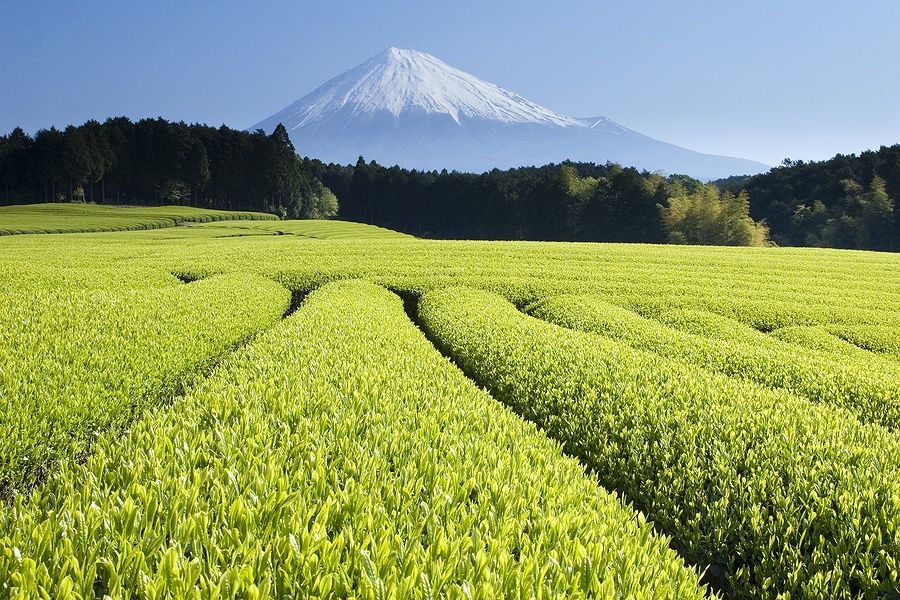
Tea is grown across much of Japan, but two prefectures, Shizuoka and Kagoshima, produce around three quarters of the total between them. Mie comes third, far behind. On the train between Tokyo and Nagoya, around Shizuoka, you can see hillsides covered in neat rows of bushes, with fans on poles that protect the plants from frost.
Kagoshima, at the southern tip of Kyushu, has a warmer climate, and its tea is the first to be harvested. A lot of bottled teas and supermarket sencha come from there, even if the label doesn’t always say so.
Uji, on the other hand, doesn’t produce much, but it’s the best-known name, especially for matcha and gyokuro. It’s about twenty minutes by train from Kyoto, and the street leading to Byodoin Temple is lined with long-established tea shops where you can try their teas and buy some. Then there are smaller areas whose tea has a character all its own:
- Sayama, in Saitama Prefecture just outside Tokyo, is known for a strong-tasting tea, thanks to a heavier final roast.
- Yame, on Kyushu, is still one of the top names for gyokuro.
- Ureshino, in Saga Prefecture, is known for kamairicha, one of the few Japanese teas that are pan-fired rather than steamed, with curled leaves and a toastier aroma.
Shincha and harvest seasons
The year’s first harvest, in spring, gives you ichibancha, the most sought-after tea. The leaves have stored up reserves over the winter, so the tea is sweeter and more fragrant than the later summer and fall harvests, which mostly go into cheaper teas and bottled drinks.
The very first leaves of the season are sold as shincha, new tea. It shows up in shops between late April and May, with signs and little green flags, and it only lasts a few weeks. It tastes fresh, almost grassy, with little bitterness. If you’re in Japan at that time of year, I’d recommend buying a bag, because you won’t find the same tea once the season is over.
There’s also a symbolic day: the 88th night counted from the start of spring on the traditional calendar, which falls in early May. Tea picked on that day is said to bring good health, and the date often appears on packaging and in folk songs about the harvest.
Brewing
The most common mistake is using boiling water for everything. With sencha, and even more with gyokuro, water that’s too hot brings out the bitterness and masks the sweetness. The rule is simple: the better the tea, the cooler the water.
Here are the rough guidelines I follow myself at home:
- For sencha, the water should be around 70–80°C, with about a minute of steeping. Fukamushi needs a little less time, because the broken leaves release everything faster.
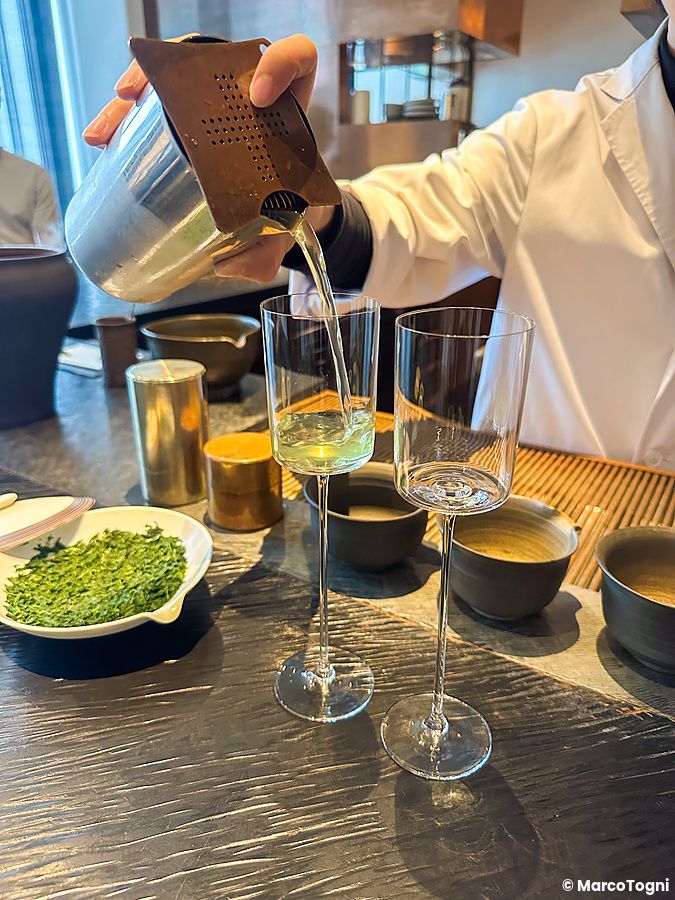
- For gyokuro you go down to 50–60°C, use plenty of leaves and little water, and wait a couple of minutes.
- Hojicha, bancha and genmaicha want boiling water and about thirty seconds. They’re the simplest teas and you’ll have a hard time ruining them.
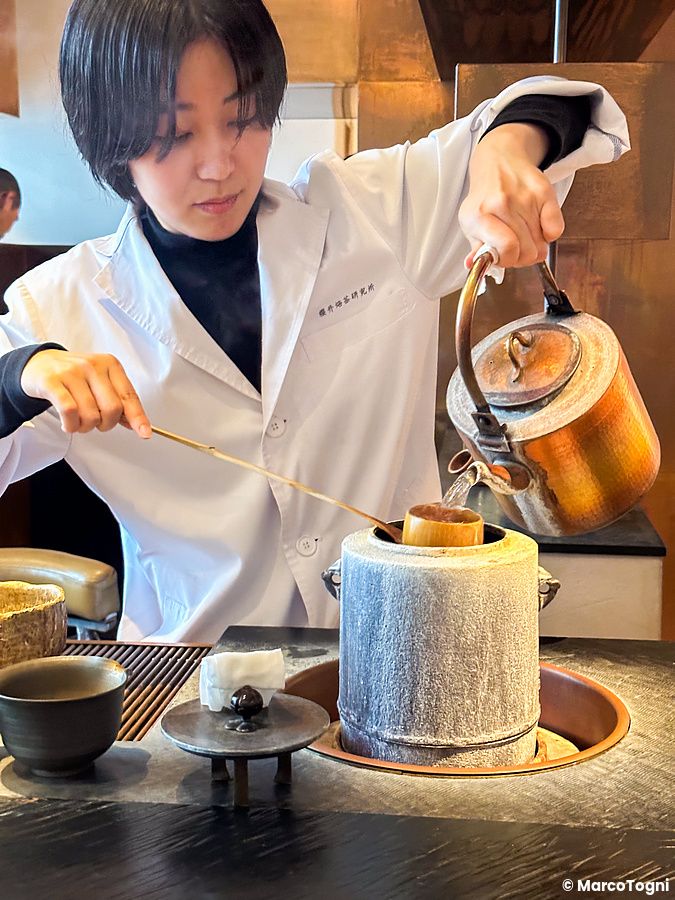
- For matcha the water should be around 80°C. Sift the powder to get rid of lumps, then whisk fast in a zigzag motion, not in circles.
If you don’t have a thermometer, there’s a trick everyone in Japan uses. Pour the boiling water into the cups, wait a moment, then pour it into the teapot over the leaves. Each time the water goes from one container to another it cools by about 10 degrees, and you warm up the cups at the same time.
If you’re pouring for several people, fill the cups a little at a time, going around, so the tea comes out the same in every cup. And empty the teapot down to the last drop, which is the strongest. That way the leaves don’t sit in water and the next brews turn out well. You can easily get two or three cups out of the same sencha leaves, using slightly hotter water and a shorter steep each time.
Teapots and cups
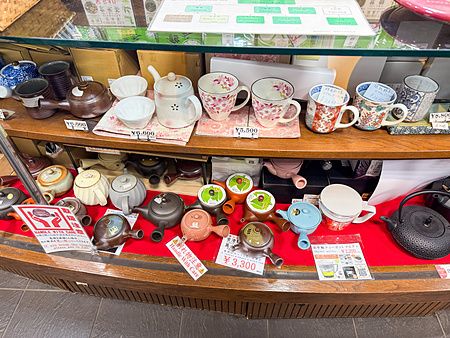
The basic tool is the kyusu, a small teapot with a handle on the side, set at a right angle to the spout. You hold it in one hand and pour with a turn of the wrist. Inside there’s a fine strainer made for Japanese tea leaves, which are smaller than the ones used for Western-style tea.
The best-known kyusu are Tokoname ware from Aichi Prefecture, often made of unglazed red clay, but you can also find excellent porcelain teapots that don’t cost much. The cups, called yunomi, have no handle and are fairly small. You drink the tea warm, in small sips, not from big mugs.
Gyokuro has its own even smaller teapots, almost miniatures, because you drink very little of it at a time. For matcha you need a wide bowl and a bamboo whisk, which is easy to find in tea shops and housewares stores.
Tea in everyday life
In Japan, green tea is first and foremost an everyday drink, like water. At most restaurants, from small neighborhood places to ramen chains, hot or cold tea is free, and the staff refill your cup without you asking. At sushi bars it’s called agari, and there’s often a hot water tap at the counter, with powdered tea in a jar so you can make it yourself.
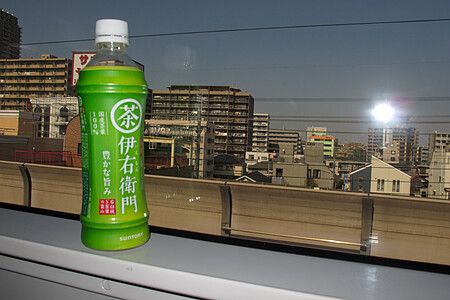
Bottled tea is a category of its own. Vending machines and konbini carry every kind you can think of, almost all of it unsweetened, which catches people used to sweet iced tea off guard at first. The big brands have a basic sencha, a stronger version, a hojicha and often a tea with health benefits, and in winter the same bottles are sold hot as well.
I often tell travelers to carry a bottle of green tea instead of water. It costs about the same, you can find it everywhere, and in summer it helps a lot with the heat. The bottles you’ll see everywhere are Ito En’s Oi Ocha, Suntory’s Iyemon, Coca-Cola’s Ayataka and Kirin’s Namacha. Each tastes a little different, so it’s worth trying more than one to find your favorite. The ones with the tokuho symbol, like Kao’s Healthya, are teas with recognized health benefits, and they usually taste more bitter.
Offering tea is part of everyday life too. At the office and at home, people serve it when you first arrive, and in many ryokan you’ll find a thermos, a kyusu and a few tea bags in your room, along with a local sweet. You don’t need any special etiquette. You just hold the cup with both hands, and nobody expects a foreigner to know the rules of the tea ceremony.
Where to buy it
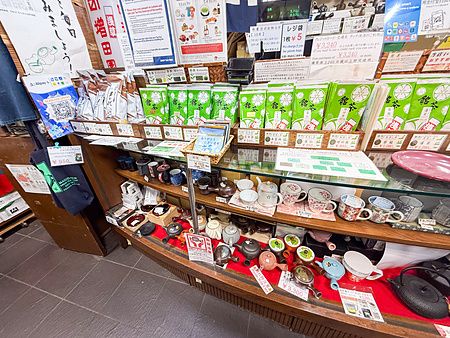
To choose well, I’d recommend specialty tea shops, which will often let you taste before you buy. Long-established chains and Kyoto shops like Ippodo also have branches in Tokyo, and in Uji there’s plenty to choose from. Department store basements, the depachika, always have a few good tea counters too, handy if you’re short on time.
The supermarket is perfectly fine for everyday teas like bancha, hojicha and genmaicha, and even for a decent sencha. For gyokuro and for matcha you plan to drink, though, you’re better off at a shop where someone can explain what you’re buying.
Prices vary a lot. A 100-gram bag of supermarket sencha costs around 500–1,000 yen, while a good sencha at a specialty shop usually runs 1,500 to 3,000 yen. Gyokuro starts higher and climbs fast.
For matcha you plan to drink, a small 30–40 gram tin usually costs 1,000–1,500 yen for the simplest kinds, and a lot more for matcha meant for the tea ceremony. Prices change quite a bit from shop to shop, so it’s best to check them in person.
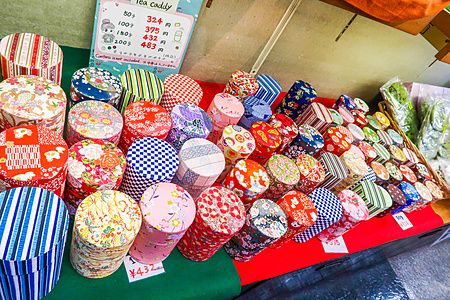
What to bring home
Tea is one of the easiest souvenirs to bring back from Japan. It’s light, it doesn’t break, and it keeps for a long time if it’s sealed well. A few things to look for so you don’t go wrong:
- Check the packing date and pick bags that are vacuum-sealed or packed in a protective atmosphere, because green tea loses its aroma fast once it’s opened.
- For people who’ve never had Japanese tea, hojicha and genmaicha are the safest picks. Almost everyone likes them, and you can make them with boiling water without worrying about it.
- If you want to give something different, a small bag of gyokuro or a good kabusecha really shows how different it is from the tea you find outside Japan.
- Buy matcha in small tins. Once it’s open it has to go in the fridge and be used up within a few weeks, or it turns darker and more bitter.
- If you have room in your suitcase, a simple kyusu is a gift that means the tea actually gets drunk instead of sitting at the back of a cupboard.
At home, keep tea in an airtight container, away from light, heat and strong smells. The fridge is fine for unopened packs, but when you take one out, let it come back to room temperature before you open it, or condensation will form on the leaves.
Where to try it
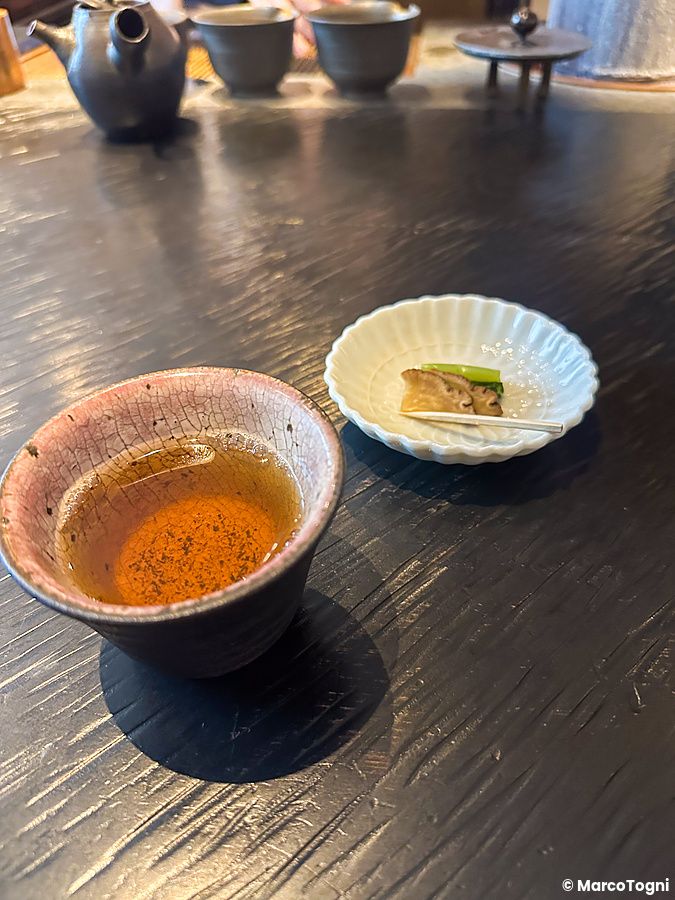
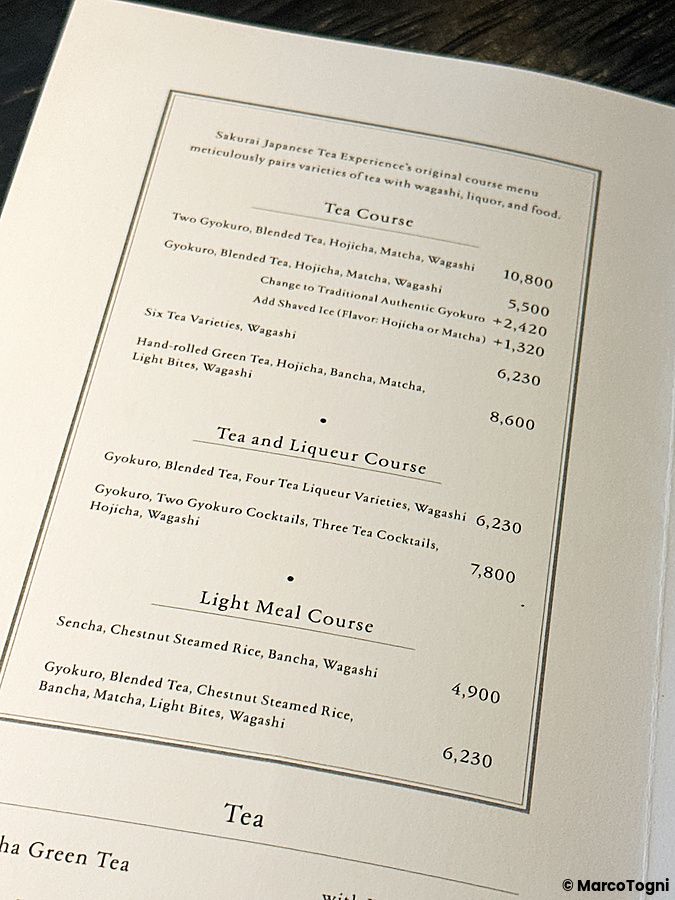
The easiest way to understand the differences is to drink two or three different teas side by side on the same day. Many tea rooms in Kyoto and Tokyo offer guided tastings, where they make a sencha, a gyokuro and maybe a hojicha in front of you and explain the temperatures and steeping times.
In Uji, some shops also run workshops where you grind tencha with a stone mill and then make your own matcha. It takes about an hour, and it’s one of the most relaxing things to do around Kyoto. In Shizuoka you can visit the tea plantations in the hills and, on clear days, see Mount Fuji behind the rows of bushes.
For a first taste of the tea ceremony, I recommend the short versions designed for visitors, which last under an hour and walk you through the main gestures. Full ceremonies are much longer, and if you don’t know the gestures you can end up spending the whole time worrying about getting them wrong.
What I’d recommend
If I had to pick just one tea for someone arriving in Japan to try, I’d go with a good sencha made with water that isn’t too hot, ideally at a tea room where they serve it properly. It’s the tea everyone drinks, and it’s the one that shows you how much difference temperature and timing make.
Then take home a hojicha for winter evenings and, if you’re curious, a bag of gyokuro to open when you can take your time. Which one would you start with?