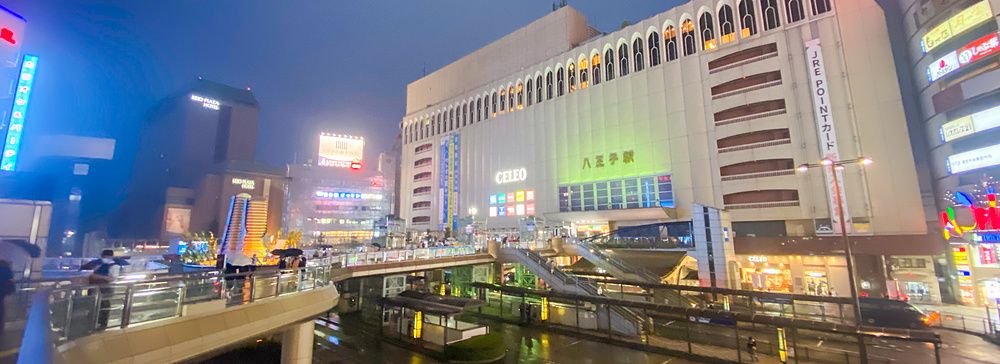

Hachioji
Hachioji is the best excuse to get out of Tokyo and spend some time in the woods.
It’s a long way from central Tokyo, nearly 50 kilometers west, and that’s exactly why it has pretty much everything: shopping malls, electronics stores, chain stores of every kind. It’s almost a city in its own right rather than just another Tokyo neighborhood.
I’ll be honest with you. If you’re visiting Japan, the main reason to come out this way is Mount Takao, which is part of Hachioji. I wouldn’t plan a stop at the station itself, but if you do end up spending some time there, you’ll have everything you need.
Contents
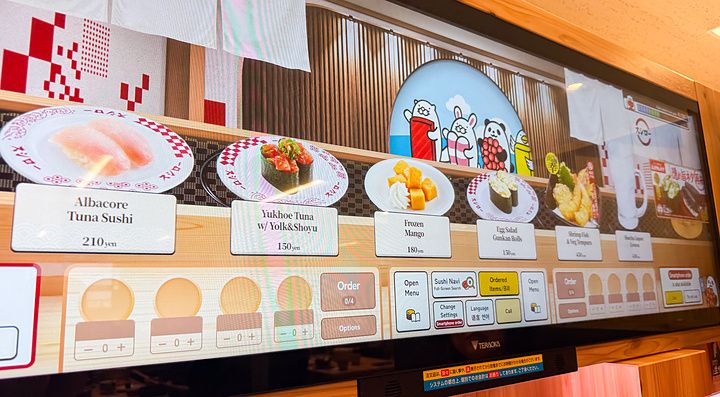
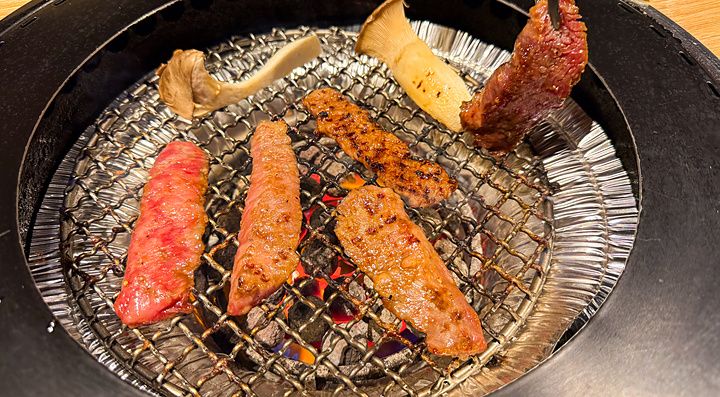
Restaurants


Shops

Nearby neighborhoods
Tachikawa
Machida
Around the station
The actual city, with its shops and department stores, is around JR Hachioji Station, a few stops before Takao.
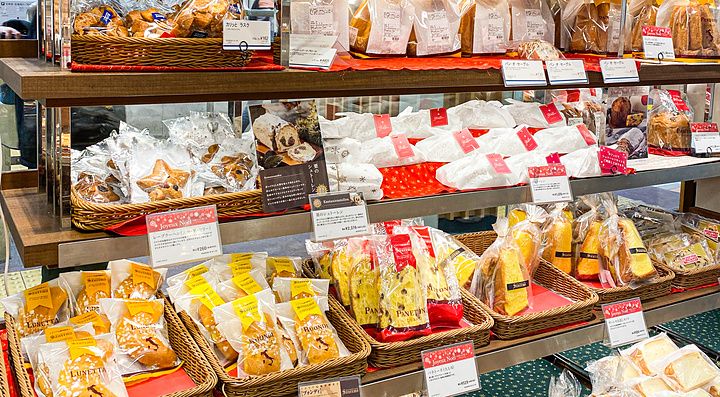
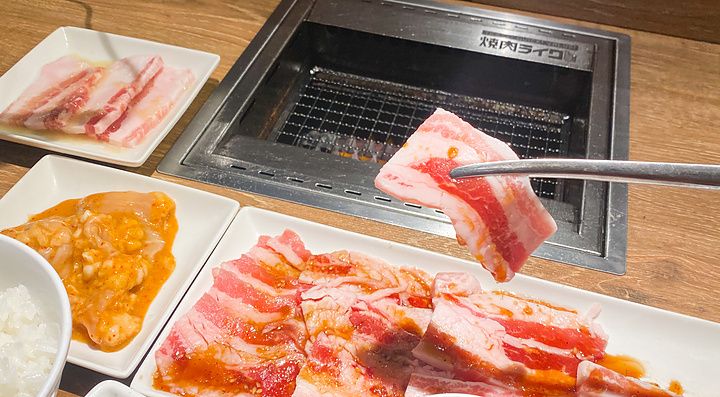
The exit you want is the North Exit. On its west side is You-Road, a pedestrian shopping street with Hachioji’s biggest concentration of shops: restaurants, supermarkets, pastry shops and all kinds of stores, some new and some that have been around for ages. If all you need is somewhere to eat or pick something up before you head off, stick to that side and don’t go the wrong way.

Mount Takao
This is the whole reason to make the trip. Takao is a 599-meter peak in the city of Hachioji, and with around three million hikers a year it holds the record as the most climbed mountain in the world. It also has three stars in the Michelin Green Guide, which is pretty impressive for a day trip from Tokyo.
There are three ways up from the base:
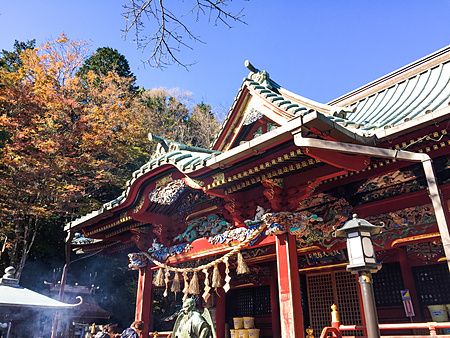
- On foot along Trail 1, the wide paved one: it’s the busiest, with asphalt almost all the way, and it passes Yakuoin, the mountain’s temple.
- By cable car, which gets you halfway up in a few minutes and is the steepest in Japan.
- By open chairlift, which leaves from the same spot and ends at the same place as the cable car for the same fare, if you’d rather be out in the open air with an unobstructed view.
The ride up and back down is cheap, around 1,000 yen round trip, so it won’t add much to the cost of your day. From the summit, on clear days, you can even see Mount Fuji in the distance.
One thing that makes the day a lot easier: at the bottom there’s an onsen connected directly to Takaosanguchi Station, a minute from the ticket gates. After a few hours of walking, your legs will thank you.
Should you stop in Hachioji?
I’d rather be upfront about this: the area around the station doesn’t belong on a travel itinerary. It’s an efficient regional city with everything the people who live there need, but not the kind of picturesque spots you’re after on a first trip to Japan.
If you do end up there, though, you’ll have everything you need. There are several department stores around the North Exit, so the area feels very urban even though it’s almost an hour from the center, with every kind of restaurant and covered shopping streets full of people at all hours.
As for spending the night, here’s my take. If you want to hit the trails early and take your time, a night near Takaosanguchi makes sense, because you’ll already be there in the morning before the crowds arrive. Otherwise, you might as well stay somewhere more central and come out for the day.
One last thing about timing. During the fall foliage and blossom seasons, go on a weekday, because on weekends the main trails and viewpoints get really crowded. If you can choose when to come, skip Saturdays and Sundays in the fall and you’ll enjoy the climb a lot more.
When Hachioji is worth a stop
Twice a year, though, the city transforms, and a stop makes sense even without Takao.
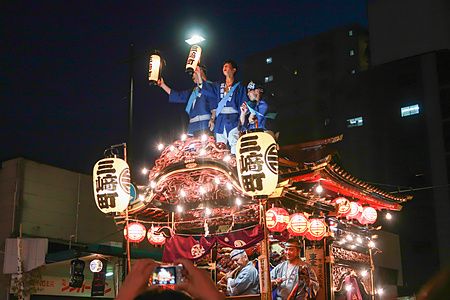
The first time is the Hachioji Matsuri in early August. Nineteen carved wooden floats parade between You-Road and the Koshu Kaido, and when two of them meet, they stop face to face for a drum battle. During the day you can see the carvings up close, but at night, lit up by lanterns, the floats are something else entirely.
The second comes in mid-November, when the roughly 770 ginkgo trees lining four kilometers of the Koshu Kaido, all the way to Takao Station, turn yellow all at once. That’s also when the ginkgo festival takes place, with stalls and a stamp rally that harks back to the passes travelers carried in the Edo period.
Getting There
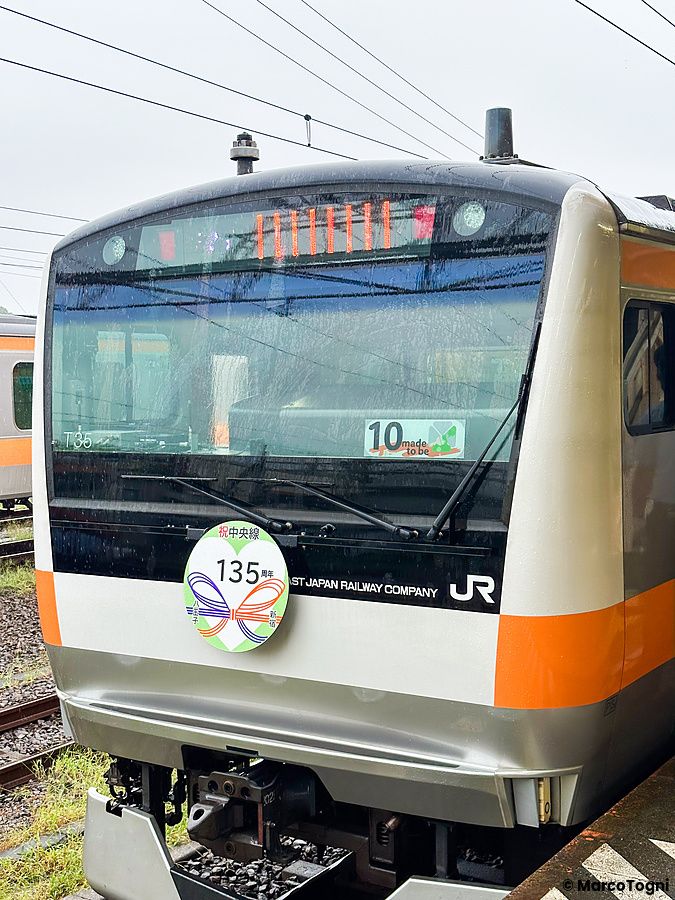
From Shinjuku, JR Chuo Line rapid trains get to Hachioji Station in about 40 minutes. For shops and restaurants, take the exit on the north side, where the You-Road pedestrian street starts. The Keio Line stops at Keio-Hachioji instead, a few minutes' walk from the JR station.
For Mount Takao, the easiest way is the Keio Line from Shinjuku to Takaosanguchi, which takes about 50 minutes with no transfers. The trails start right by the station. If you have a JR Pass, take the Chuo Line to Takao, then ride the Keio Line one stop to Takaosanguchi.
Useful Info
Name: Hachioji
Time needed: A full day if you climb Mount Takao. A couple of hours is enough for the area around the station.
Tips: Ride the cable car or the chairlift up Mount Takao and walk down on Trail 1. You'll get to see Yakuoin at your own pace without tiring yourself out on the climb, and the station onsen is waiting for you at the bottom. In the fall, go on a weekday.
Getting there:
- JR Hachioji Station (JR Chuo, Yokohama and Hachiko lines): North Exit
- Keio-Hachioji Station (Keio Line)
- Takaosanguchi Station (Keio Takao Line): for Mount Takao
Map
MarcoMaps100% free
This place is on MarcoMaps
Hachioji
My map of Japan: over 4,000 places I've tried myself, each with photos, rating, and hours. Filter by category and rating, find veg-friendly spots and places near you with GPS. No sign-up, right from your phone.
- 4,000+ places
- Rating, photos, and hours
- Veg friendly
- Near me (GPS)
- Favorites without login
- Works offline

