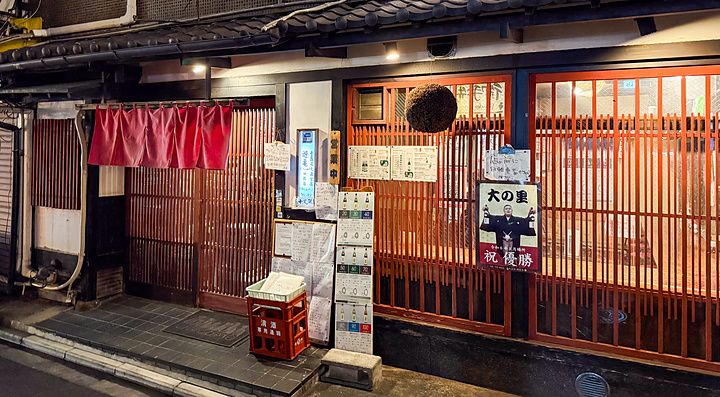
 131 m
Gion Yuki131 m
Traditional izakaya at good prices.
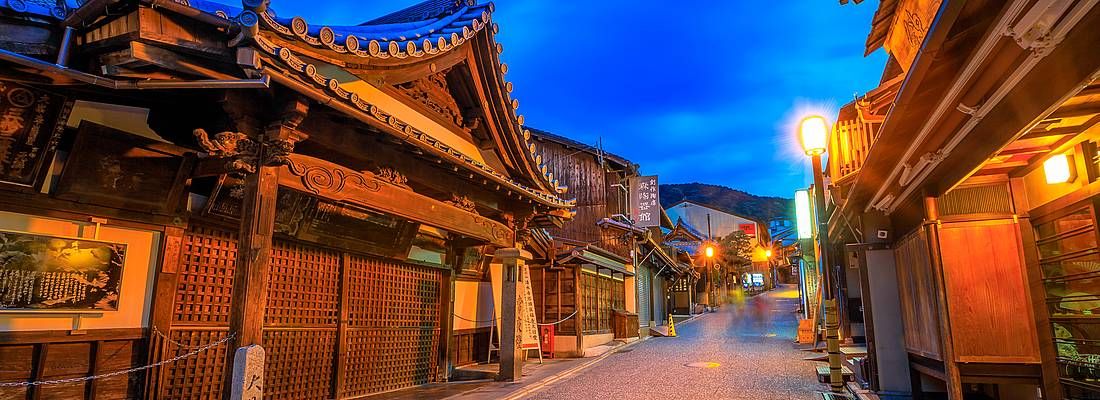
Walking down Hanamikoji Dori feels a bit like going back in time and getting a taste of the magic of old Kyoto: traditional machiya-style wooden houses, sweet shops, restaurants serving kaiseki cuisine, and boutiques where you can rent a kimono and soak up Japan at its most authentic. Some people find the street a little too touristy at times, but that takes nothing away from its romantic, timeless beauty.
Part of Hanamikoji Dori’s appeal is how completely traditional it looks. It’s one of the best-preserved historic streets in Kyoto. Wooden facades with the classic latticed windows, signs with Japanese characters a little faded with age, and red lanterns hanging by the doorways all give the area its unmistakable vintage look. Take your time walking the main street. Stop to browse the shops selling Japanese snacks and sweets, get lost in the architectural details of the buildings, and try to picture what this area must have looked like long ago.
Keep in mind, though, that the side alleys in Gion are private streets. Visitors aren’t allowed in, and anyone who ignores the ban can be fined, so stay on the main street and the other public streets. The young women and couples strolling through the streets in kimono make the whole picture even more convincing, and they offer the perfect opportunity for a souvenir photo.
As soon as you turn onto Hanamikoji Dori from Shijo, you’ll spot a building on the corner that’s hard to miss. It has bright ochre-red walls, a low bamboo wall and a discreet entrance under the lanterns. This is the Ichiriki teahouse. It has been in business for more than three hundred years and has always been the most exclusive teahouse in Gion, the place where geiko entertain politicians and businessmen. You can only get in by invitation, so you’ll have to settle for admiring it from outside.
It’s also a piece of Japanese history. In the story of the 47 ronin, this is where Oishi Kuranosuke spent his days partying and drinking so his enemies would believe he had given up on revenge.
In recent years, more and more tourists have been wandering the streets of Gion hoping to see a geisha on her way to work at one of the teahouses. There’s no guarantee you’ll see one, but walking along Hanamikoji Dori in the evening and giving it some time is a very good strategy. If you really want to get a closer look at the world of geisha, though, you’re better off going to a show at one of the teahouses where they perform. At the end of the street there’s also the Gion Kobu Kaburenjo theater, where the neighborhood’s geiko and maiko take the stage. Every April it hosts the Miyako Odori, a spring dance show that has been running for more than 150 years and features dozens of performers. It’s the easiest way to actually see them perform without having to hope you’ll run into one on the street.
If you’d like to have dinner in a traditional setting, you’ll find a good selection of restaurants in historic machiya houses along Hanamikoji Dori and in the alleys around it. They definitely aren’t cheap, but you’ll get to try local dishes served kaiseki-style, as a series of small dishes, each one prepared like a work of art, and it’s sure to be a unique experience.
Just don’t confuse these restaurants with the ochaya, the teahouses that line the street. You can’t just walk into one the way you would a restaurant, because the old rule of ichigensan okotowari still applies: no new customers unless a regular introduces them. The machiya restaurants, on the other hand, are open to everyone, and they’re the easiest way to have dinner in a historic house in Gion.
Hanamikoji Dori ends at Kenninji Temple, one of Kyoto’s five great temples. Beyond its historical and religious importance, the temple is well worth a visit for the treasures and artwork it holds. Go into the main hall to see the beautiful dragon paintings on the ceiling, along with sliding doors and ornately decorated gold folding screens.
At Gion Shijo Station on the Keihan Line, take Exit 6 and walk east along Shijo-dori toward Yasaka Shrine. In a couple of minutes you'll reach the intersection with Hanamikoji Dori. Turn right onto the stone-paved stretch south of Shijo. It's the prettiest part of the street, and it runs down to Kenninji Temple.
If you're coming from the Kawaramachi area on the Hankyu Line, plan on about ten minutes on foot heading east, across the Kamo River.
From Kyoto Station, the most direct option is the city bus. It drops you at the Gion stop in front of Yasaka Shrine, and from there you walk back along Shijo-dori for a couple of minutes.
This place is on MarcoMaps
Hanamikoji Dori
My map of Japan: over 4,000 places I've tried myself, each with photos, rating, and hours. Filter by category and rating, find veg-friendly spots and places near you with GPS. No sign-up, right from your phone.


Hanamikoji Dori - nearby you will find:
131 mTraditional izakaya at good prices.
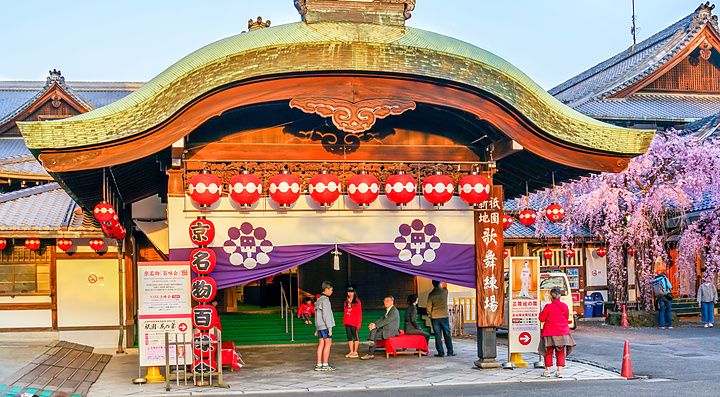 226 m
Where to see the Miyako Odori.
 320 m
Beautiful shrine near Gion.
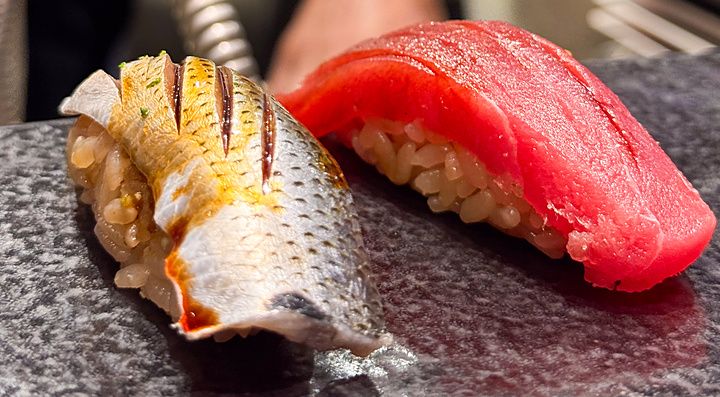 482 m
Chain with excellent sushi.
 536 m
Cheap sushi and izakaya dishes.
 574 m
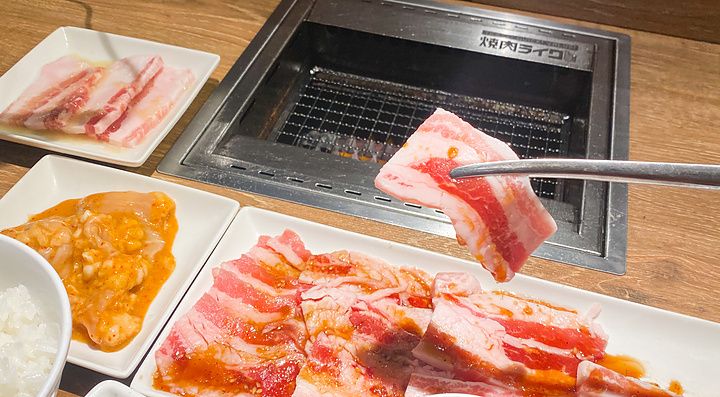
Quick grilling at solo seats.