



 66 m
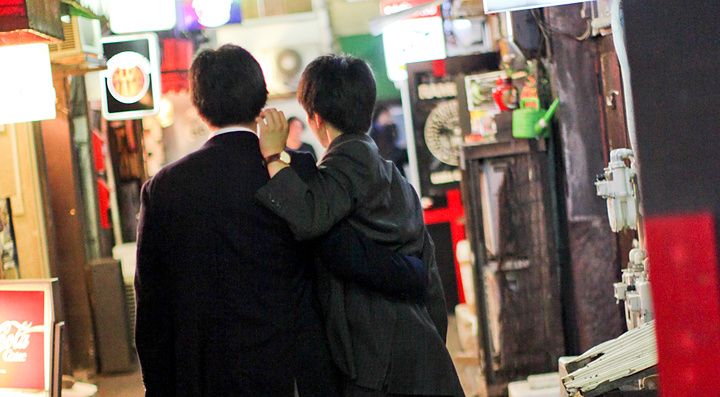
Golden Gai66 m
Packed with countless tiny bars. Really one of a kind!
 ©Bogdan Lazar - Dreamstime
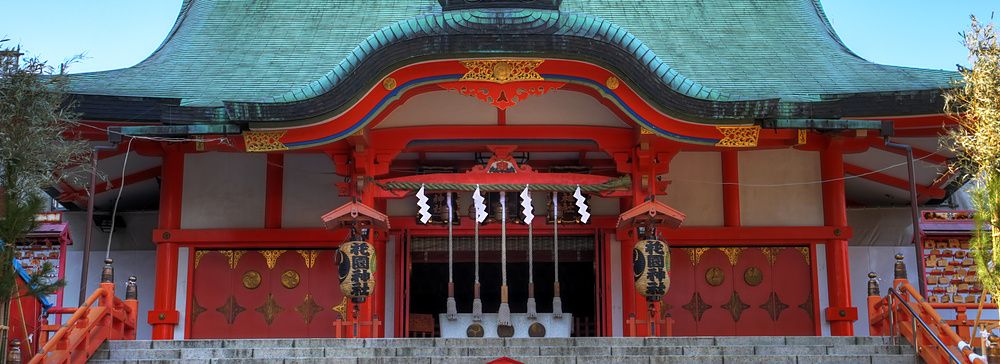
Tokyo is full of contrasts. Modern skyscrapers and gleaming shop windows stand shoulder to shoulder with historic buildings, and packed streets run right past places of meditation and calm. Right among the high-rises of Shinjuku, Tokyo’s busiest and most hectic district, stands Hanazono Shrine, a pocket of silence and prayer in the middle of the city.
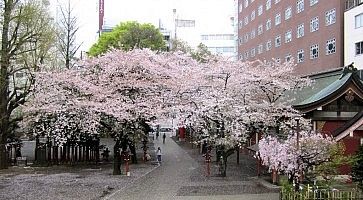
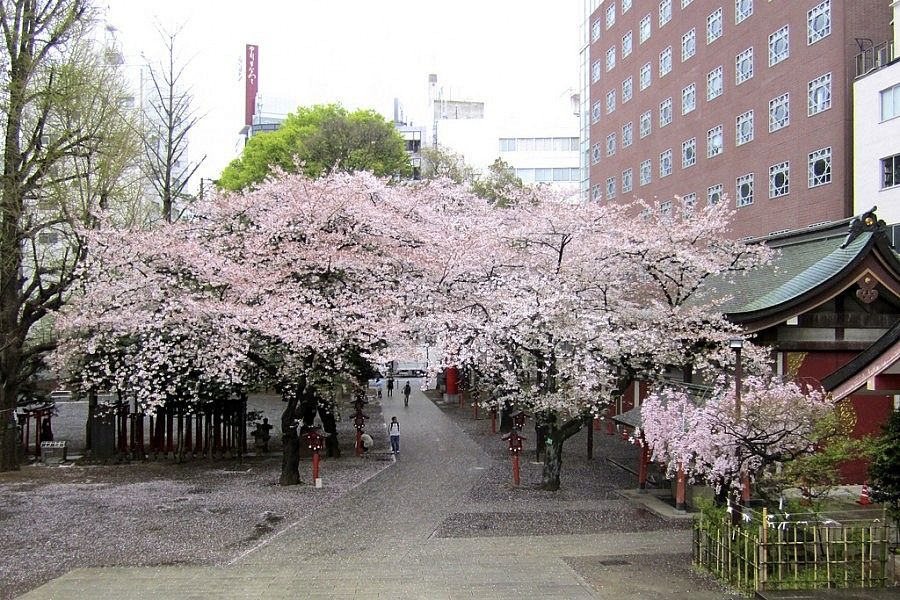
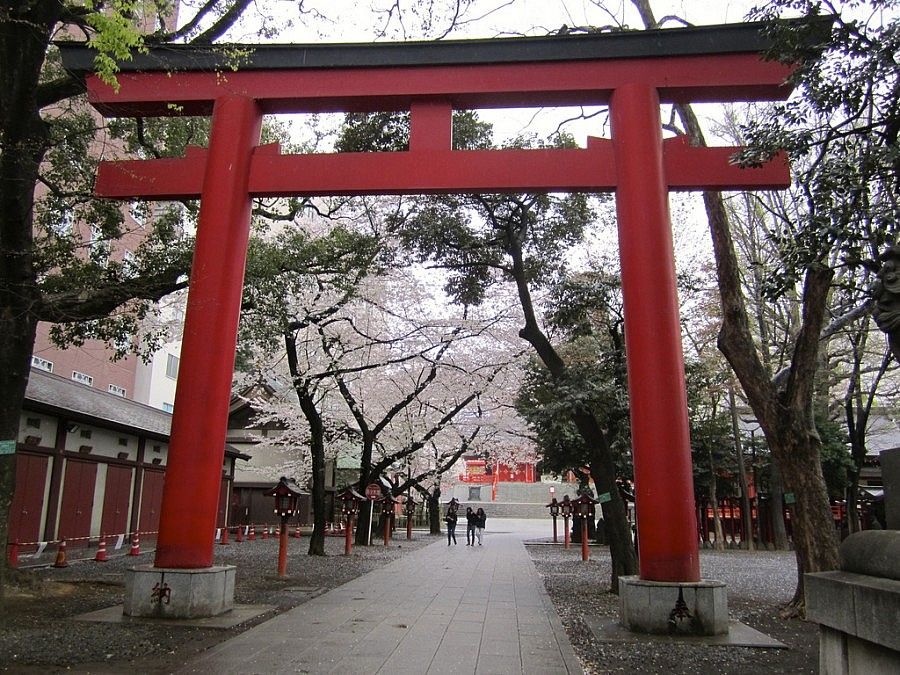
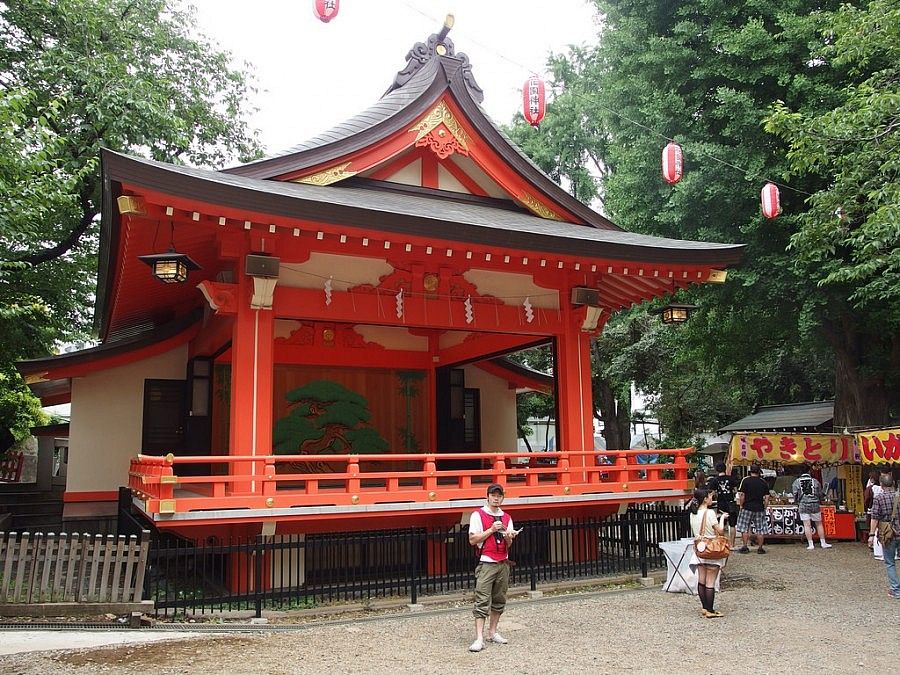
This Shinto shrine is surrounded by lovely cherry trees, and it’s one of the places where you can still see Tokyo’s past. It was already here before 1590, when Tokugawa Ieyasu arrived in Edo, which makes it one of the city’s oldest shrines, even though the buildings you see today are a 1965 reconstruction.
Since it was founded, the shrine has been dedicated to Inari, the deity of fertility and financial success. That’s why you’ll see lots of salarymen stopping by to pray and leave offerings.
Because it’s so central, plenty of the people who visit Hanazono Shrine are tourists, and most of them are amazed to find a shrine in such a modern setting. Some stumble on it by chance and others come looking for it, but they all feel like they’ve found a hidden treasure.
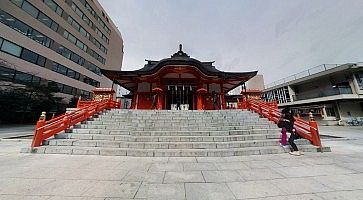
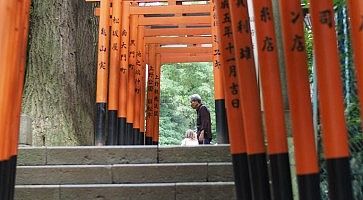
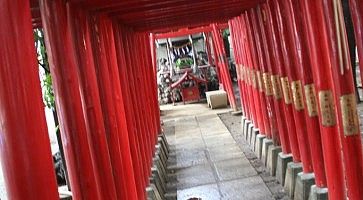
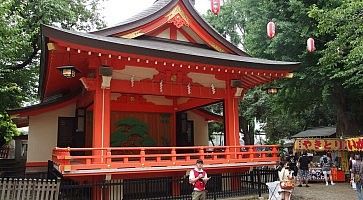
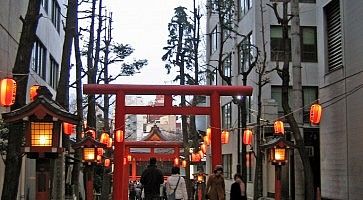
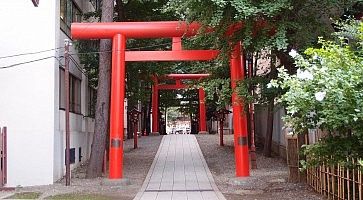
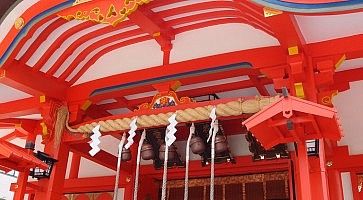
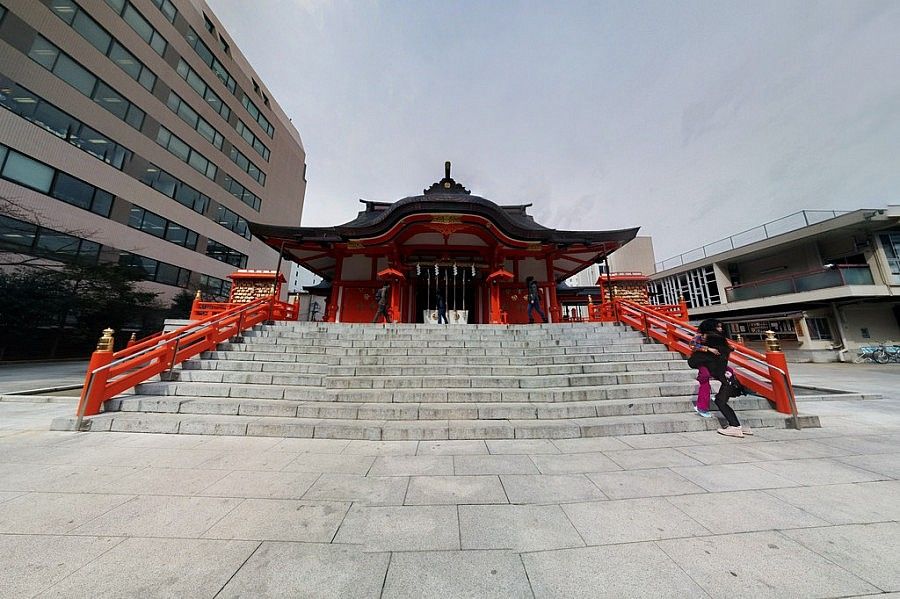
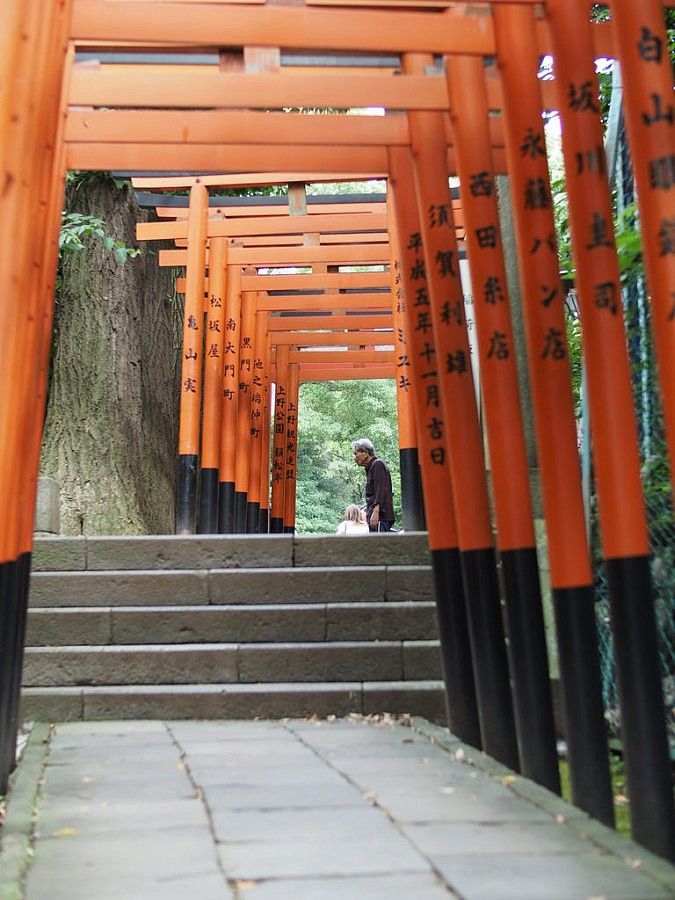
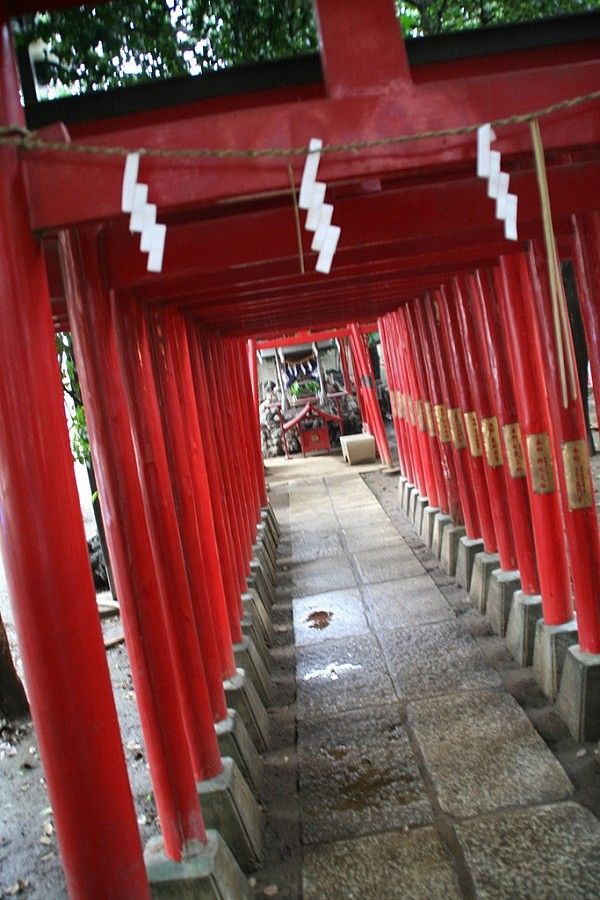
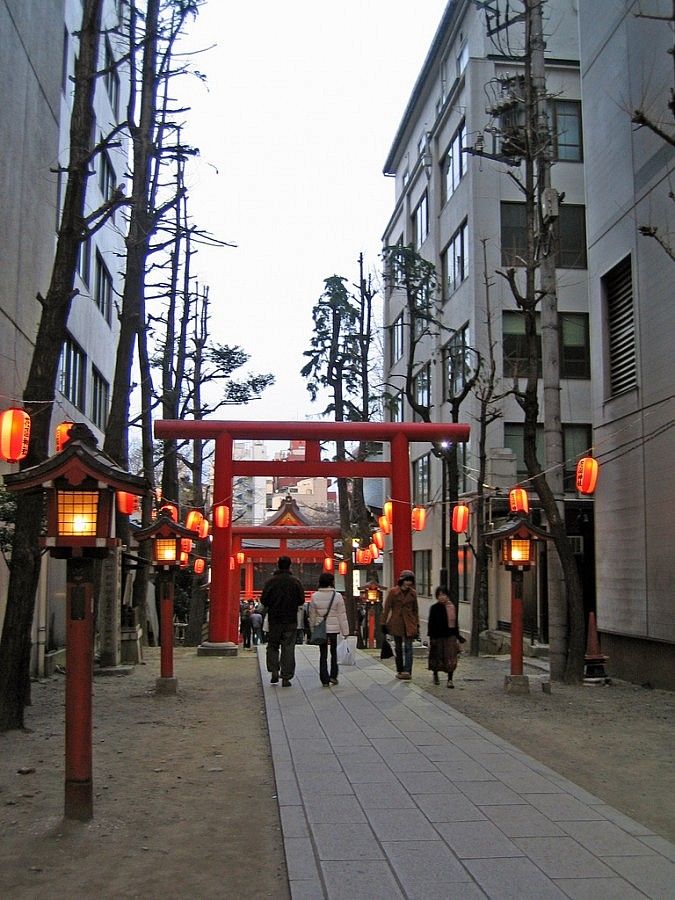
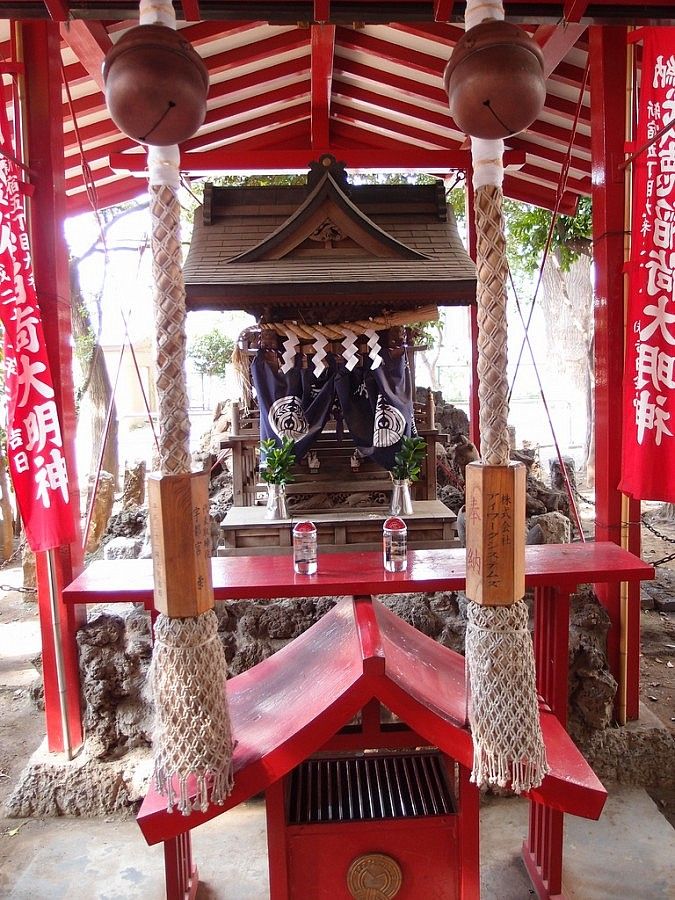
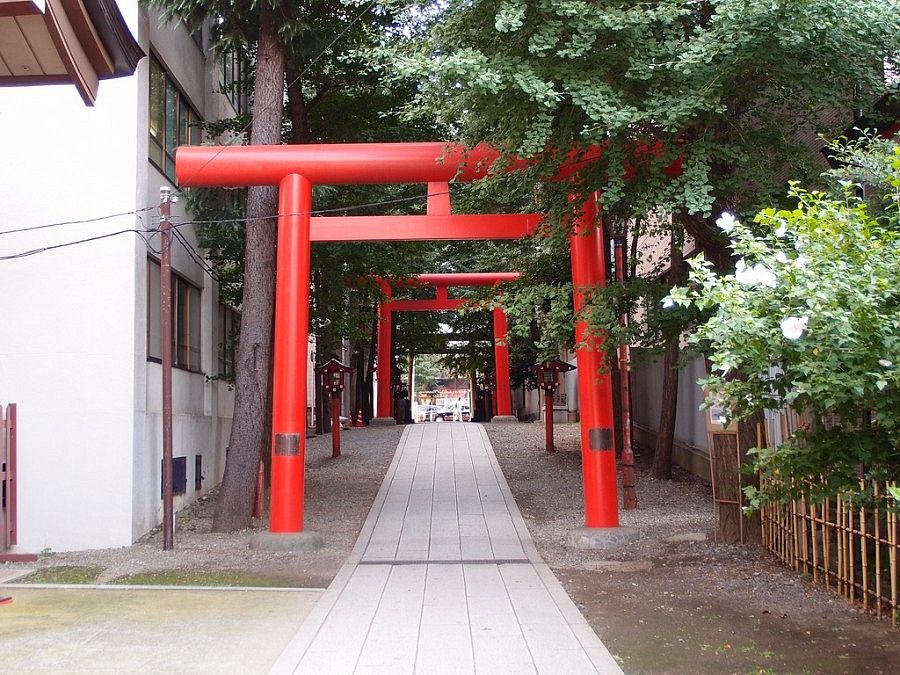
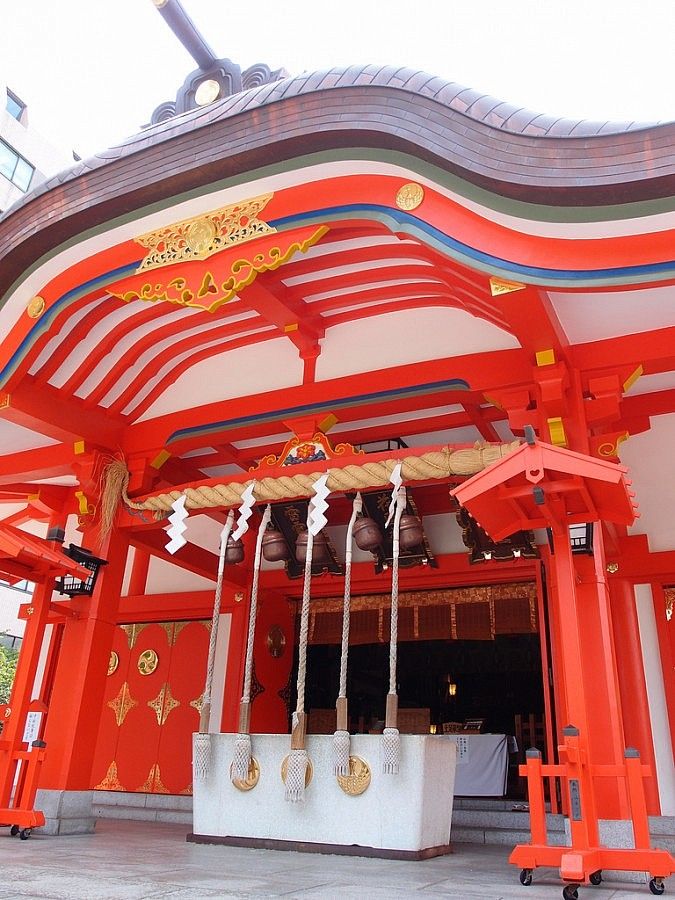
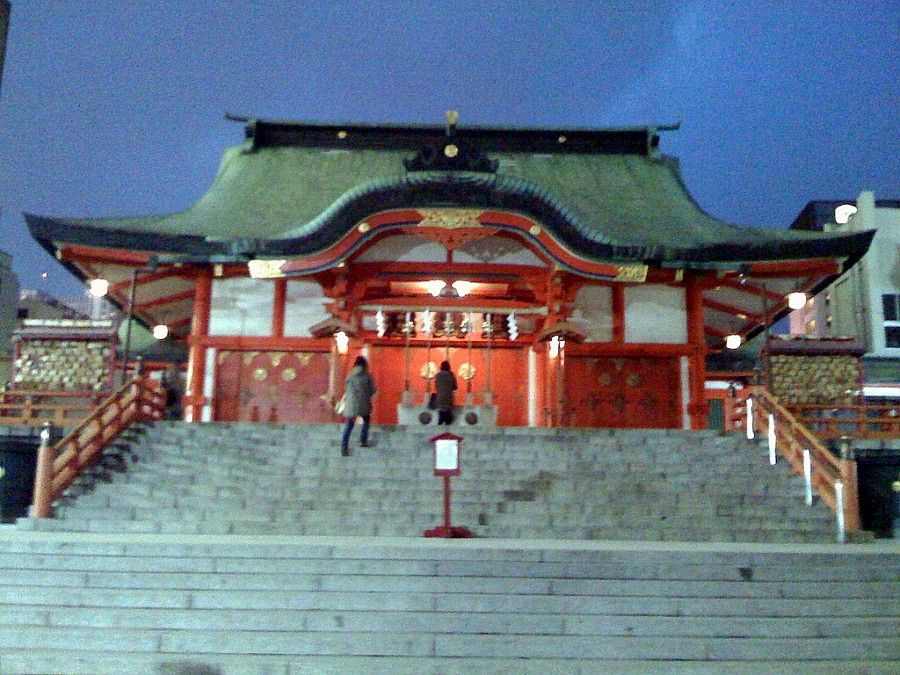
The main hall stands out at the top of a flight of steps, a beautiful white building with lots of red accents. Besides the main hall, there’s a small altar that you reach through a tunnel of red torii surrounded by trees. That altar is Itoku Inari, where people pray for harmony with their partner, for children, and for finding their soulmate, which is why most of the people you’ll see among the torii are young women.
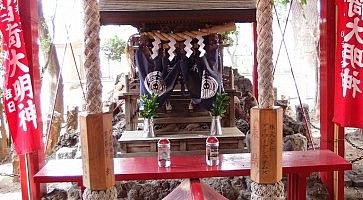
A pair of foxes stands guard, and the female carries a cub on her back. Behind the name plaque, resting on two purple cushions, a wooden phallic symbol pokes out, which makes it pretty clear what people come here to pray for.
If you’re in the area, I recommend ducking into Hanazono Shrine for a break after walking around Shinjuku’s busy streets. On Sundays there’s also the weekly market, where you can browse stalls selling antiques and accessories. Toward evening, when the sunset turns the Tokyo sky red, the shrine becomes even more charming and mysterious, wrapped in a surreal silence. Meanwhile the little streets of Kabukicho, the red-light district known for its bars, restaurants, and nightlife spots, come alive under the colorful neon signs.
A short walk from the main hall is Geino Asama Jinja, a small shrine dedicated to show business. Actors, singers, and comedians come here to pray before making their debut, and their names are written on the wooden plaques lined up along the fence. They’re fun to read, if only to see whether you recognize anyone.
Next to it there’s a stone monument carved with the lyrics of a famous song by Keiko Fuji, the enka singer who was Utada Hikaru’s mother. That’s no coincidence. In the 1960s the shrine grounds were home to the red tent of Kara Juro’s avant-garde theater, and that’s where Hanazono’s ties to the world of show business began. The song on the stone is Keiko no yume wa yoru hiraku, the one that made her famous all over Japan, and it’s remembered here just around the corner from the alleys that songs like this one were about. The little shrine itself is dedicated to Konohanasakuya-hime, the deity of Mount Fuji, who is linked to beauty and cherry blossoms. For performers, she’s the perfect patron.
As the neighborhood’s main place of prayer and meditation, Hanazono Shrine hosts some of the most important festivals and religious events, including the annual Hanazono Jinja Reitaisai.
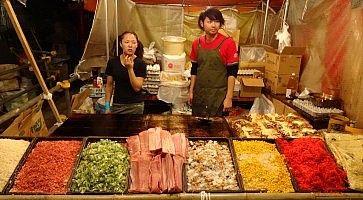
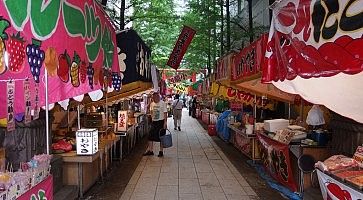
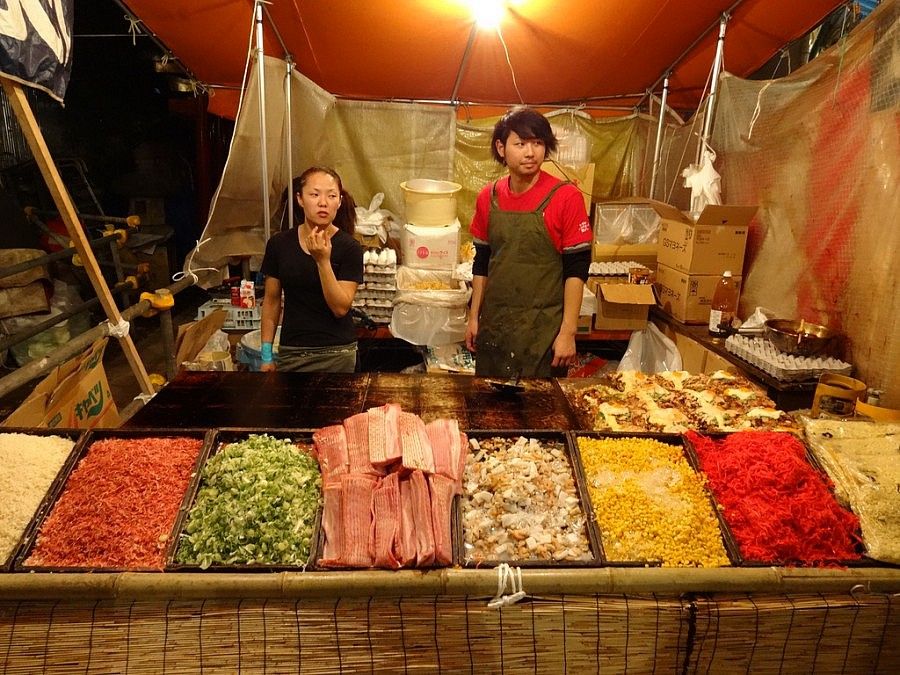
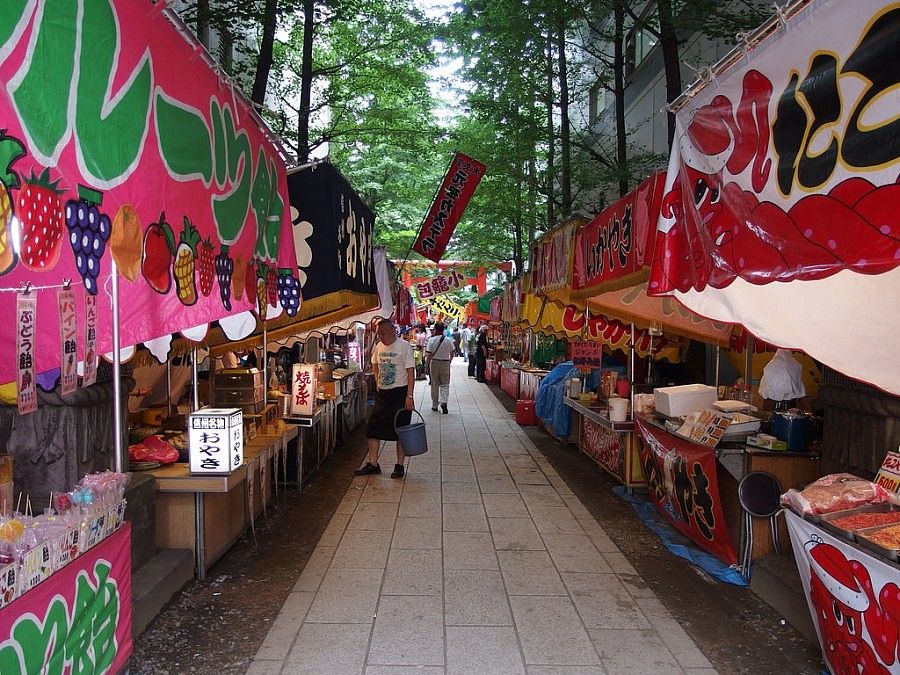
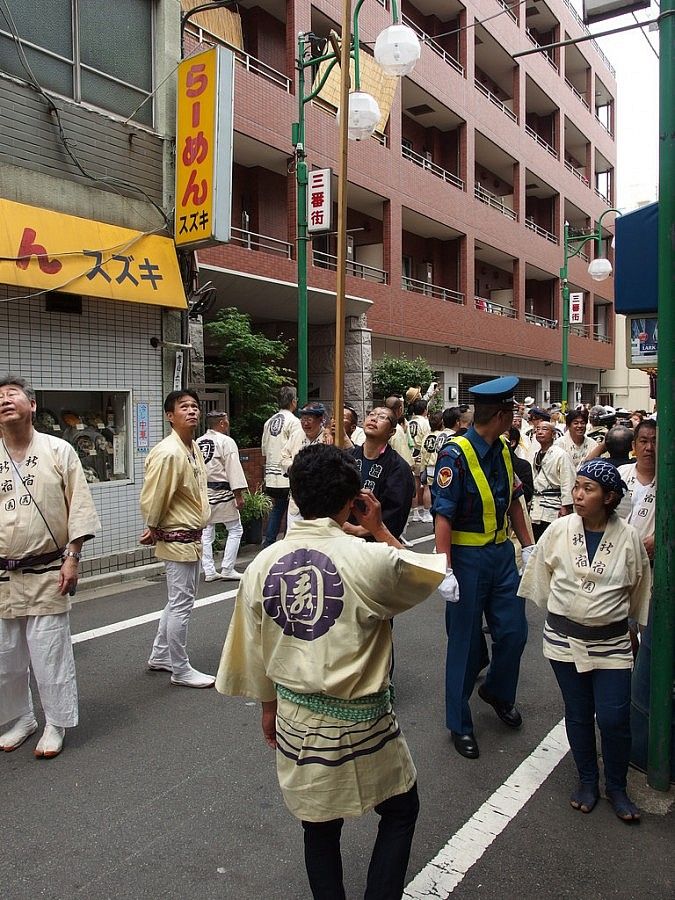
Hanazono Shrine’s annual festival usually takes place on the last weekend of May, when more than 100 stalls and street food stands take over the grounds around the shrine. It’s one of the few times of the year when the shrine feels a bit like the rest of Shinjuku, with worshippers and tourists coming and going, music playing, and festivities everywhere.
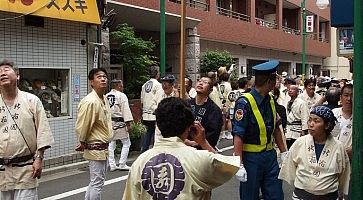
On Sunday there’s a procession to the shrine, with a group of worshippers carrying the shrine’s mikoshi (a small altar) on their shoulders. The festival usually ends on Monday, but the stalls only stay until Sunday evening, so if you can, I’d go on the weekend.
The procession changes from year to year, though. In even-numbered years it’s the shrine’s own two mikoshi, the main one and the Raiden, with a float carrying a lion’s head and musicians leading the way. In odd-numbered years it’s the eight mikoshi from the neighborhoods linked to Hanazono that come out, gathering together and parading along Yasukuni-dori, Meiji-dori, and Shinjuku-dori.
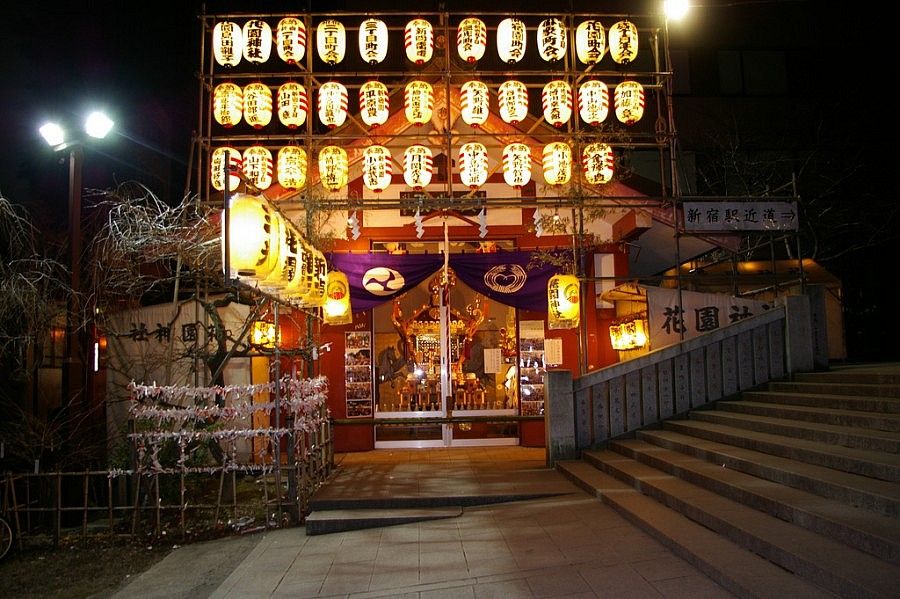
If there’s one time of year when Hanazono Shrine becomes the center of Shinjuku, it’s November. That’s when the shrine hosts Tori no Ichi, a market selling good-luck rakes, held on the days of the rooster in the traditional calendar, usually two or three times during the month. It’s one of the three most important in the Kanto region and draws hundreds of thousands of people. The grounds fill up with stalls selling kumade, the decorated rakes that shopkeepers and bar and restaurant owners buy to bring in good luck. Every time someone buys one, the sellers clap in rhythm to bless the deal.
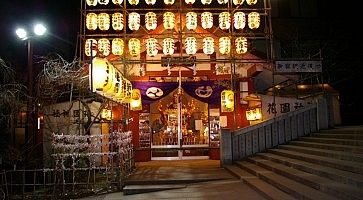
Go after sunset, when the glow of about a thousand lanterns hanging overhead completely changes the atmosphere. On market days you’ll also find the misemono koya, a fairground sideshow tent with bizarre acts. There are hardly any left anywhere in Japan, and it’s one of the reasons Japanese people come here.
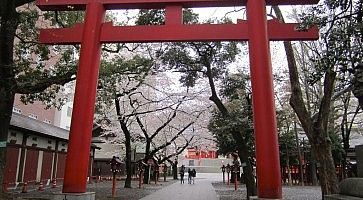
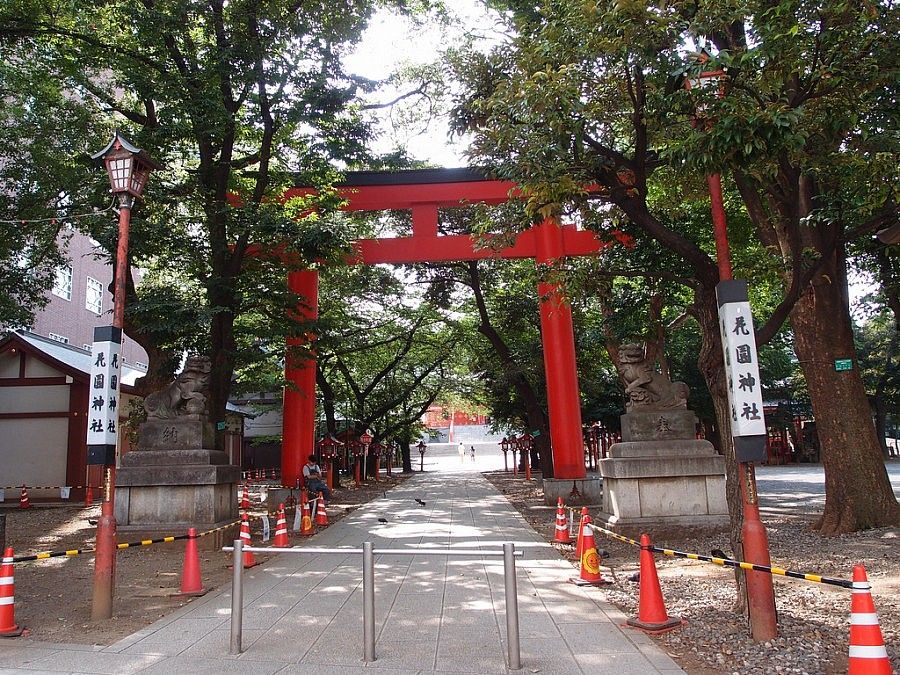
The shrine is steps away from Shinjuku-sanchome Station. Come out of exit E2 and you're practically in front of the main entrance on Yasukuni-dori, which you'll spot by its big red torii.
If you're coming from Shinjuku Station, take the east exit and walk northeast for about ten minutes.
There's a second entrance at the back, on the Golden Gai side, which is very handy if you're wandering around Kabukicho, but it's stairs only. If you have a stroller or just don't feel like climbing steps, use the Yasukuni-dori or Meiji-dori entrance instead.
This place is on MarcoMaps
Hanazono Shrine
My map of Japan: over 4,000 places I've tried myself, each with photos, rating, and hours. Filter by category and rating, find veg-friendly spots and places near you with GPS. No sign-up, right from your phone.


Hanazono Shrine - nearby you will find:
66 mPacked with countless tiny bars. Really one of a kind!
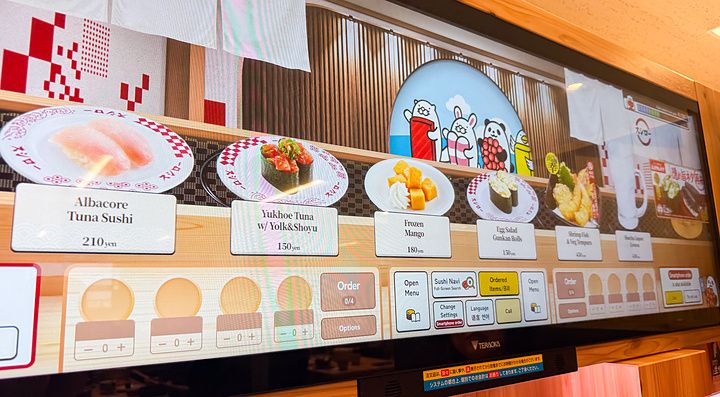 192 m
Cheap kaiten sushi.
 272 m
Widespread tonkatsu chain.
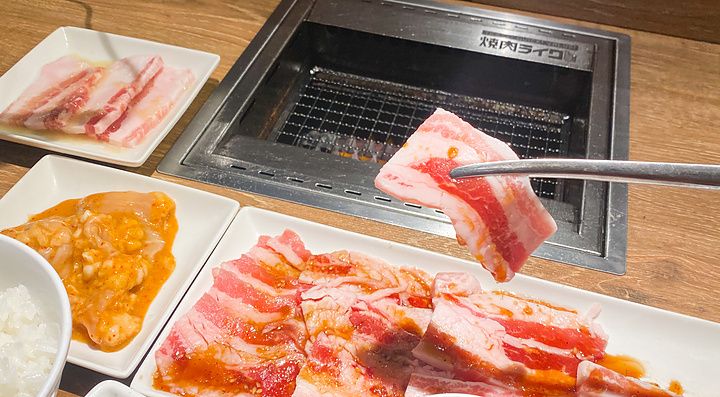 277 m
Quick grilling at solo seats.
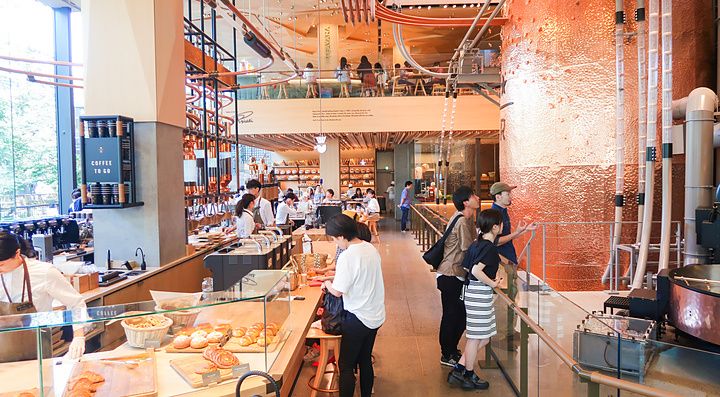 301 m
Premium coffee and a Princi bakery.
 310 m
Open 24 hours, and you can find anything.