Hida Folk Village
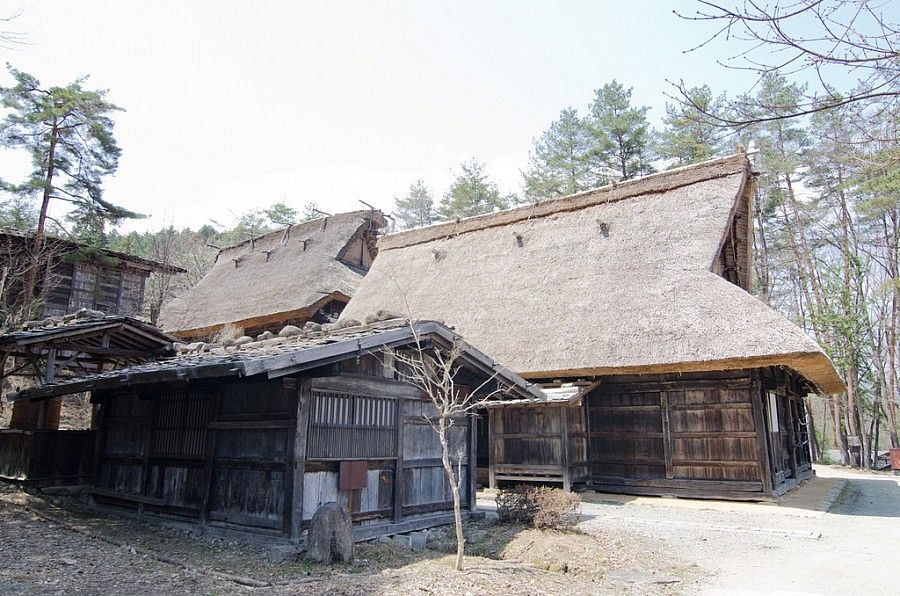
If you love the mountains and you’re looking for the most authentic side of Japan, you’ll feel right at home here. Perched on a hill above Takayama, Hida Folk Village is an open-air museum where time seems to have stood still. As you wander its little lanes you’ll pass 30 old farmhouses with the thatched roofs typical of Japan’s mountain areas. Some were built right here, while others were brought in from far away to save them, and every house tells a story that goes back centuries. The clues are in the things kept inside, from kitchen tools to clothing, so have fun guessing which era each house dates from.
Contents
The architecture of the houses
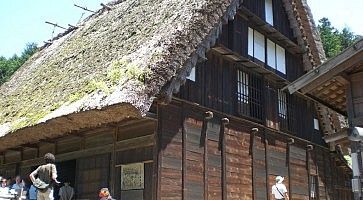
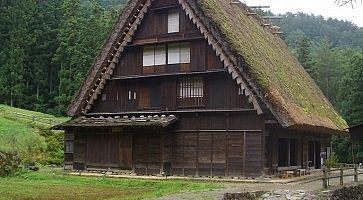
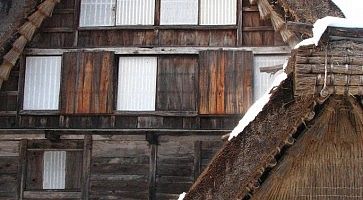
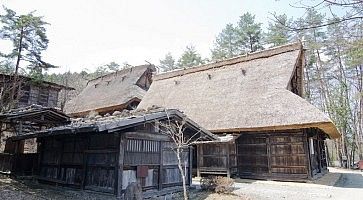
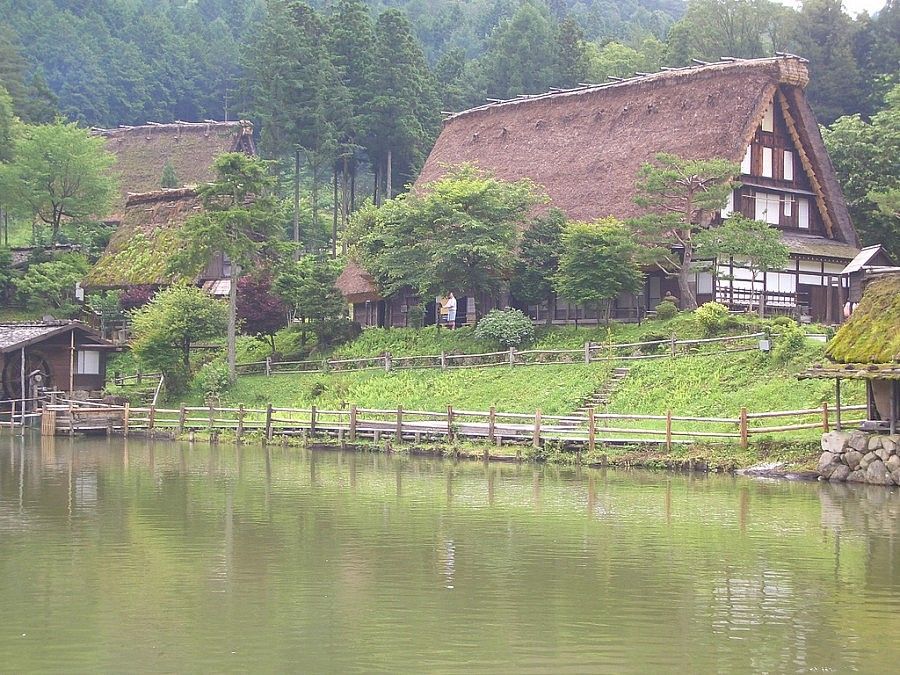
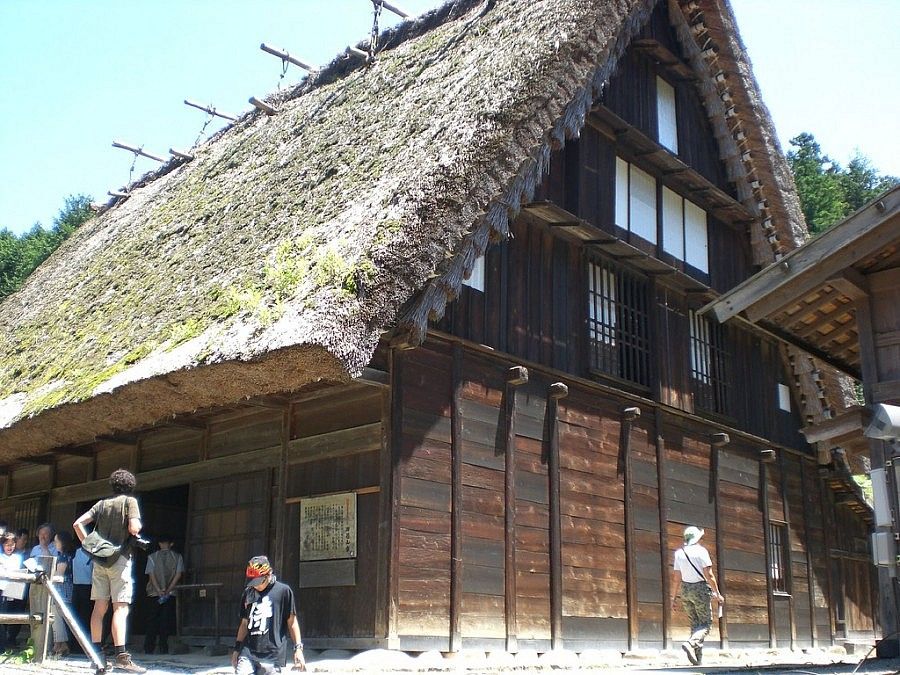
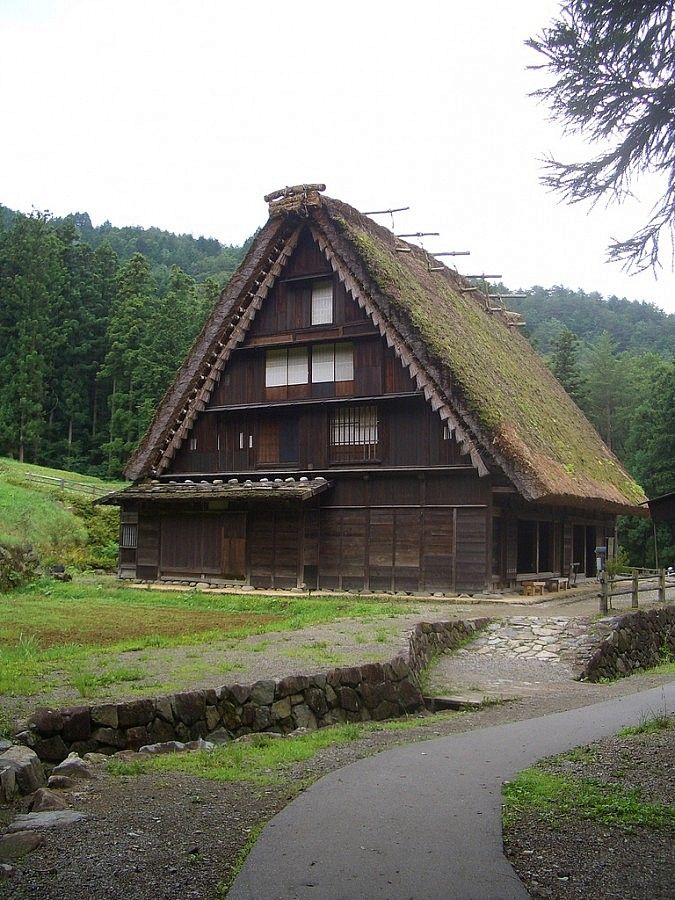
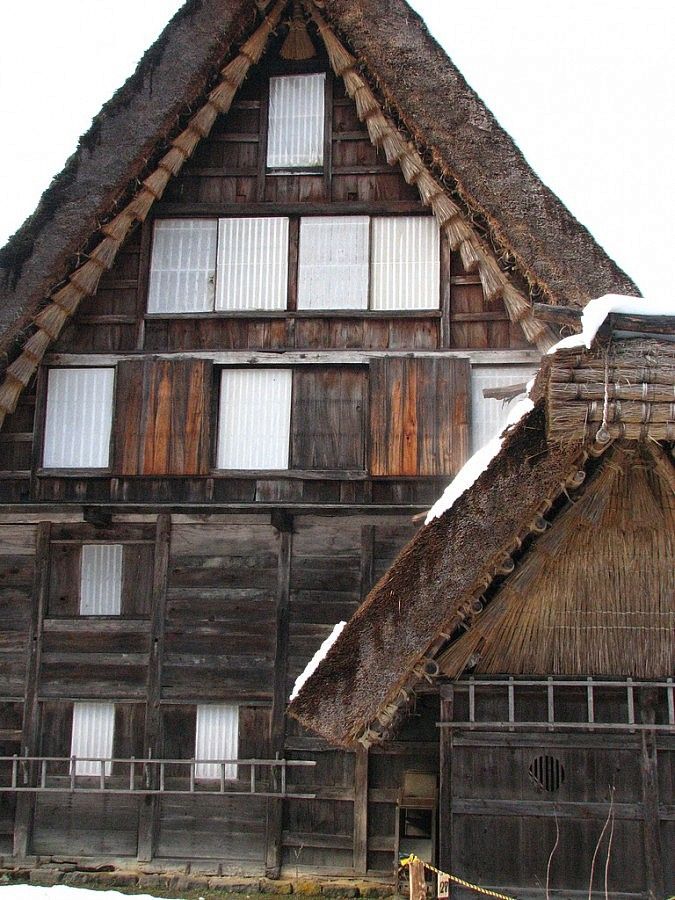
The houses in Hida Folk Village were built in several different architectural styles, and if you’re into architecture, you’ll have plenty to look at: these are the traditional styles of old mountain villages, with the classic wood and thatch roofs. The most common is the Gassho-zukuri style. The name literally means “built in the shape of praying hands,” and the steep thatched roofs really do look like two hands pressed together in prayer. The houses are sturdy, and the shape and construction of their roofs let them hold up under the weight of the heavy snow that falls in winter. Right from the start, they weren’t just homes for large families of farmers and artisans. They were also real workplaces where all the daily work got done, which explains their size: they’re very spacious, with three or four floors.
Houses saved from the dam
A lot of the houses you see here didn’t start out on this hill. When the Miboro Dam was built in the Shokawa valley in the 1950s, whole villages were doomed to end up underwater, and families had to leave their homes. Some of those houses were taken apart piece by piece and rebuilt up here, and that’s how the whole thing began. Over the years, the village grew as more buildings arrived from all over the Hida region.
The highlight is the Wakayama house, built in 1797 and one of the village’s four houses designated as a national Important Cultural Property. Its huge roof covers four floors where silkworms were raised, while dozens of family members lived on the ground floor. Climb all the way to the top and look at how the beams fit together, tied with rope and straw without a single nail.
Visiting Hida Folk Village is a fun, one-of-a-kind experience that puts you in touch with local people, their traditions and their culture, partly through the many old crafts the region is still proud of today. You can watch skilled craftspeople at work and see the techniques they use to make everything by hand, and you can even try it yourself and be a craftsperson for a day! The village runs lots of workshops where you can learn wood carving, make pottery and work with straw. All the techniques the craftspeople use go back a very long way and have been handed down from generation to generation. The best time for these activities is usually from 10:00 to 15:00. Keep in mind that the crafts change every day. They rotate between kumihimo cord braiding, sashiko embroidery and wood carving, so what you get to see depends a lot on the day you show up. If there’s room at the table, you can sit down and give it a try, even if it’s just to see how much patience this kind of work takes.
There’s plenty else to do in Hida Folk Village, too, and you can easily spend a fun, relaxing day here. Stroll the winding lanes and go into the different houses, where the many objects and tools on display help you picture the daily life of the people who once lived in them.
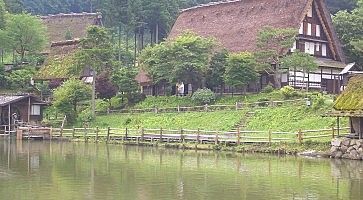
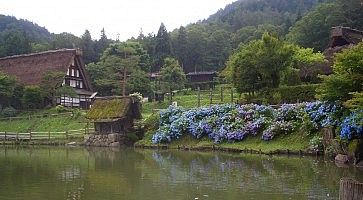
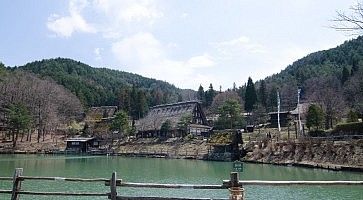
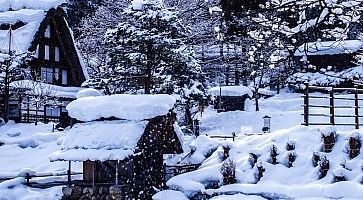
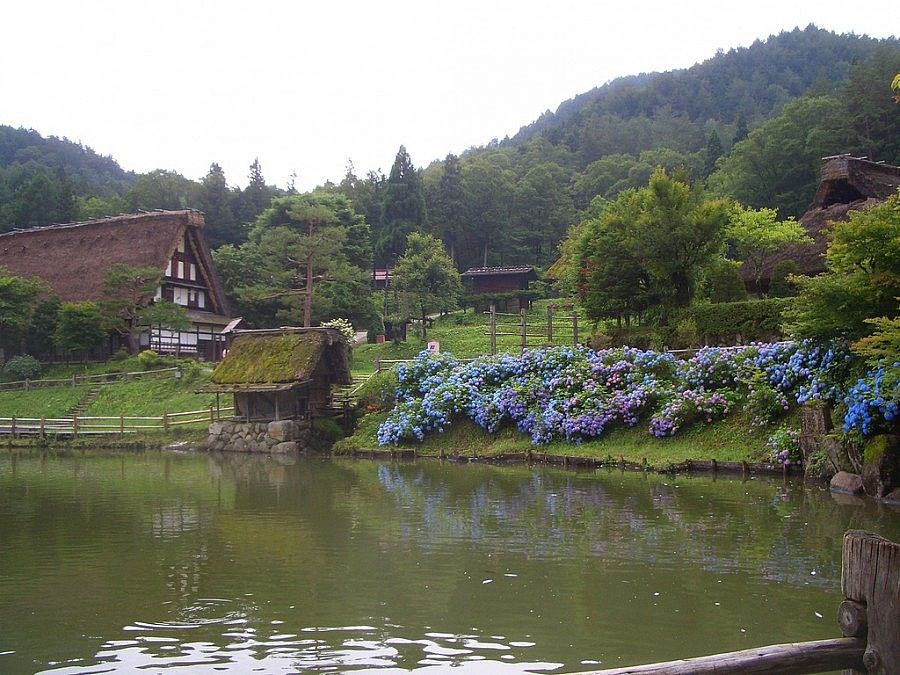
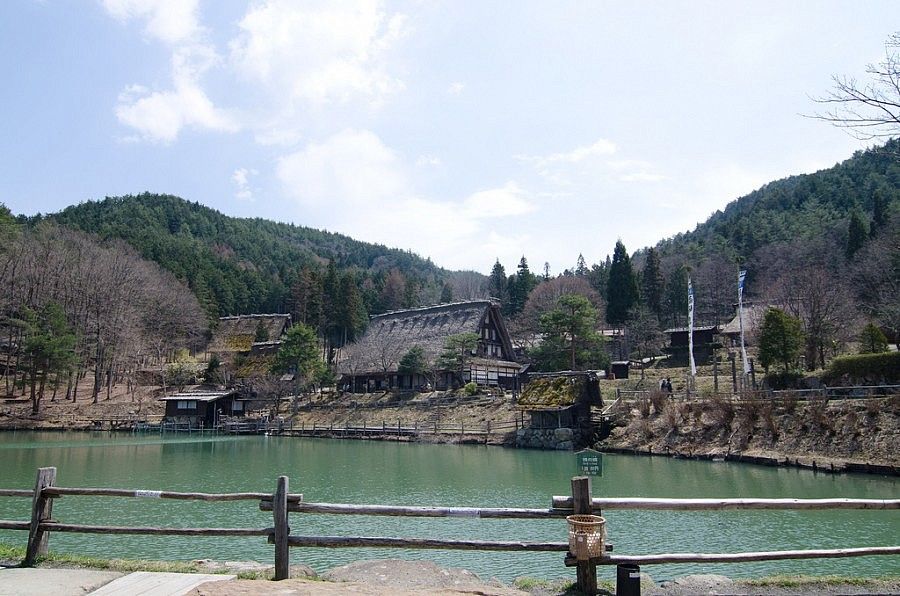
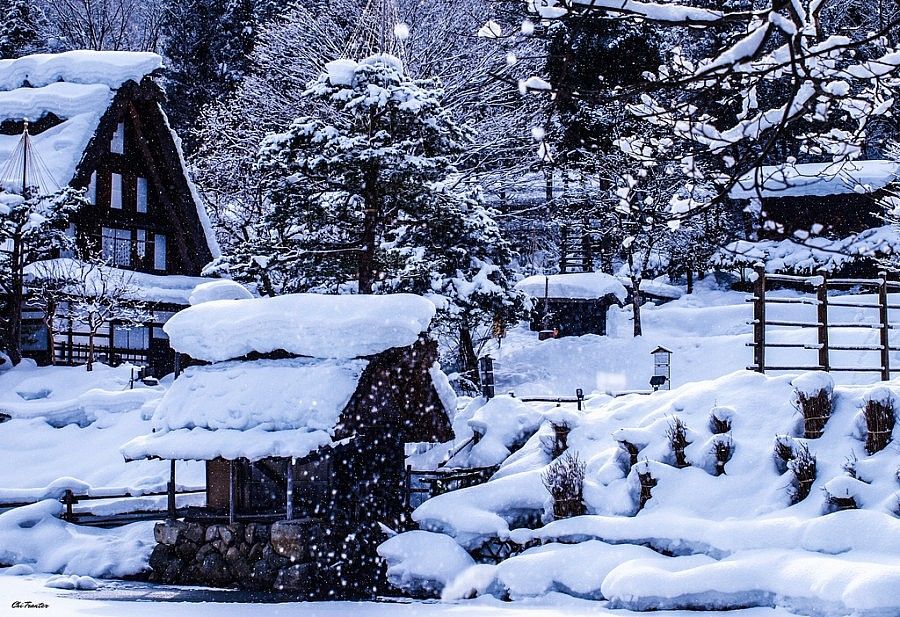
Hida Folk Village is also a paradise for nature lovers. The village is framed by the huge, beautiful Japanese Alps, and the mountain views are spectacular. The dense greenery around the village separates it from the rest of the city, which makes you feel even further from everything. The scenery is striking in every season. In fall, the warm colors of the leaves make the village look almost magical and unreal, while in winter the snowy mountains turn it into a postcard scene. There are several lookout points where you can take in the scenery, including through free telescopes. If you like hiking, you can also take the roughly 30-minute walk to the top of Mount Matsukura, a remote spot with the ruins of Matsukura Castle, destroyed in 1585. The walk isn’t hard, and once you reach the top you can rest and enjoy a beautiful view from up there. If you’re after the photo everyone takes home, head to Goami Pond. When the water is still, the thatched roofs are reflected in it and you see the village twice. It works really well with the fall colors, and even better with snow on the roofs.
For an even more memorable trip, come during one of the many festivals, shows and events held here throughout the year. Here are some of the main ones:
- Winter illumination: in January and February the snow-covered houses are lit up after sunset, and winter is celebrated with local specialties and games in the snow.
- Hina doll festival, in March and April.
- May and June bring lots of festivals, including ones held to pray for a good rice planting, the iris festival and many more.
- The founding of Hida is celebrated in July and August, along with other festivals welcoming the summer.
- Rice harvest season falls in September and October and is celebrated at Kurumada, along with other festivals such as the Autumn Illumination and shows where children perform traditional arts.
- November and December are all about winter traditions, including making preserves and celebrating Christmas.
Good to know
When you arrive, you’ll be greeted by a beautiful swan that lives on Goami Pond. The village has lots of things you can borrow for free, like wheelchairs, boots, umbrellas and walking poles. If you don’t want to carry your backpack around, you can pay to leave it in a locker.
Photo Gallery
Getting There
The village sits on a hill behind Takayama, a few minutes from the center. From Takayama Station, head to the Nohi Bus Center right next door and take the Sarubobo bus bound for Hida no Sato. The ride takes about ten minutes and the stop is right in front of the entrance. At the bus center ticket window you can also buy a combo ticket that covers the round trip and admission to the village.
If you have the time and the legs, you can walk there. It's about 30 minutes from the station, and the last stretch is uphill.
By car it's about ten minutes from the Takayama expressway exit, and there's a paid parking lot just steps from the ticket office.
Useful Info
- Hida no Sato stop (Sarubobo bus, from the Nohi Bus Center): a short walk from the entrance
- Takayama Station (JR Takayama Line): about 30 minutes on foot
Map
This place is on MarcoMaps
Hida Folk Village
My map of Japan: over 4,000 places I've tried myself, each with photos, rating, and hours. Filter by category and rating, find veg-friendly spots and places near you with GPS. No sign-up, right from your phone.
- 4,000+ places
- Rating, photos, and hours
- Veg friendly
- Near me (GPS)
- Favorites without login
- Works offline

