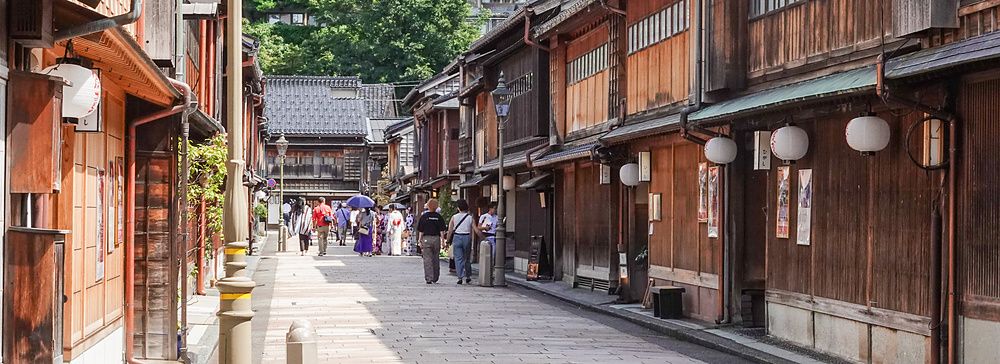
Higashi Chaya
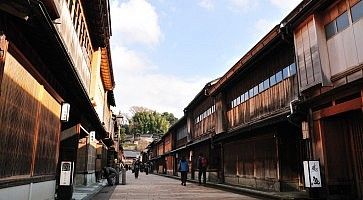
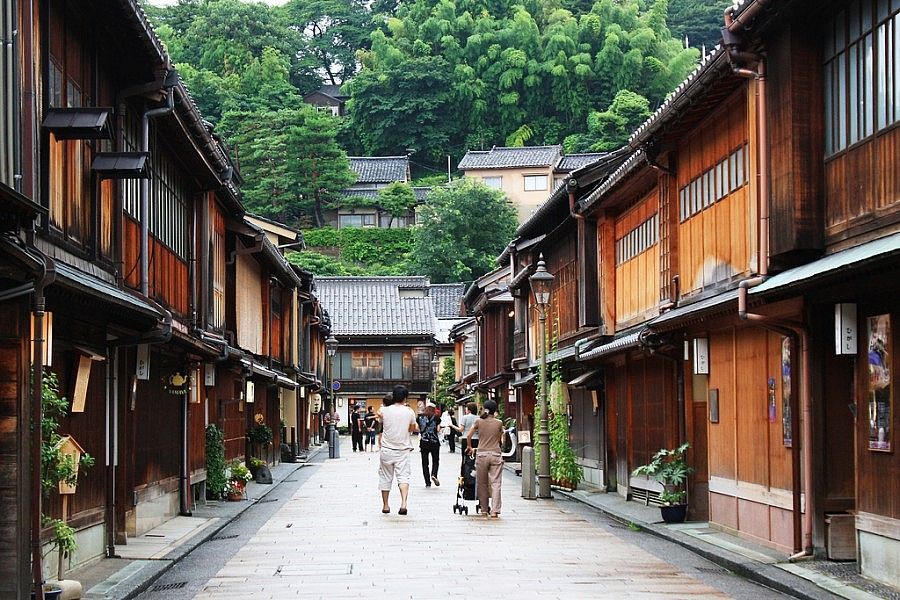
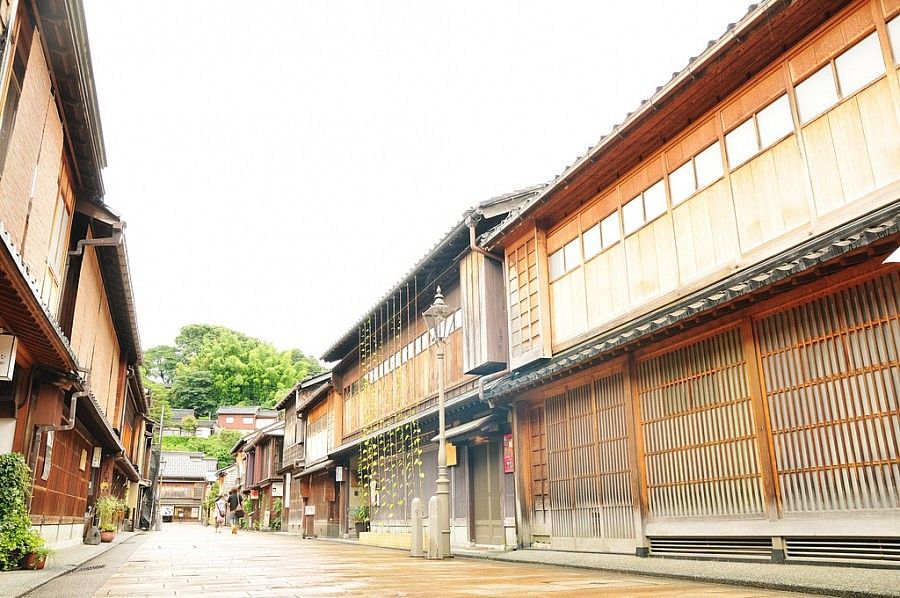
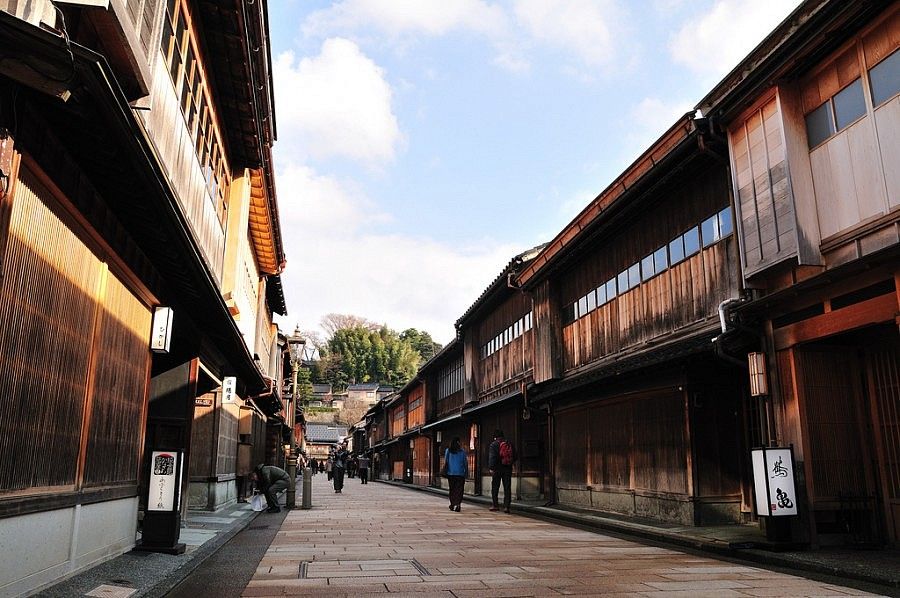
Higashi Chaya is Kanazawa’s largest teahouse district. In the old days the city center was full of chaya houses, distinctive buildings that hosted parties and performances: inside them, geisha danced, sang and played traditional Japanese instruments. In 1820 the chaya houses were moved out of the center to districts on the edge of Kanazawa.
If you want to get a feel for the past and soak up the real atmosphere of those old districts, this is the place to come. Its historic lanes, like those in Kazue-machi and in Gion in Kyoto, are considered part of Japan’s cultural heritage.
Contents
History and art
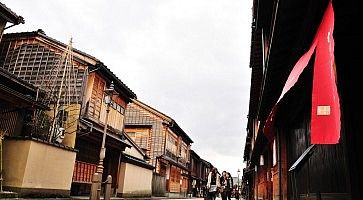
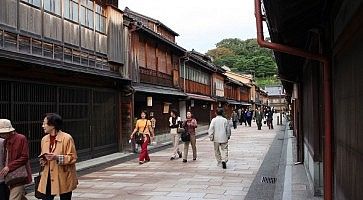
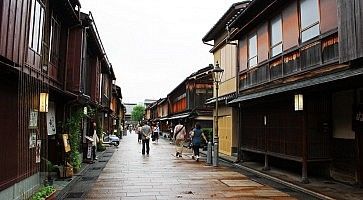
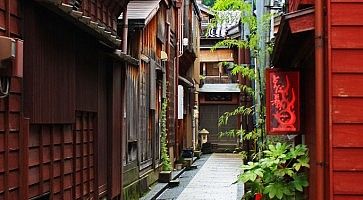
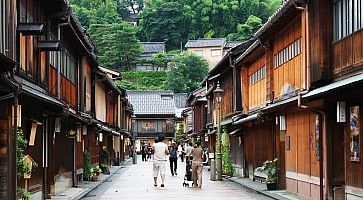
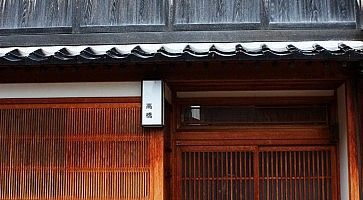
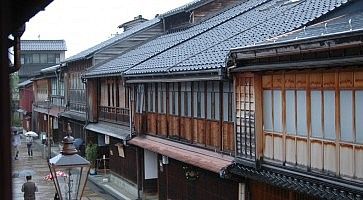
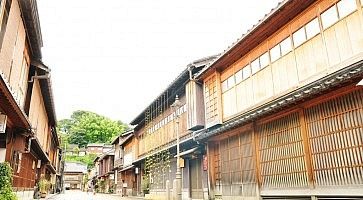
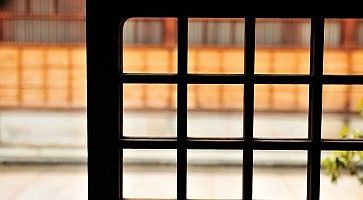
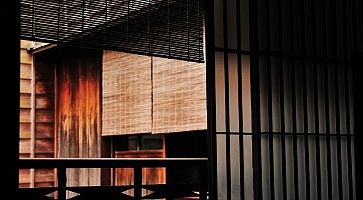
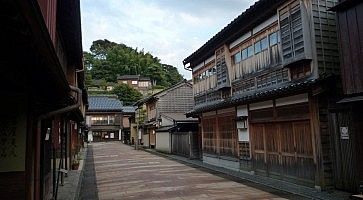
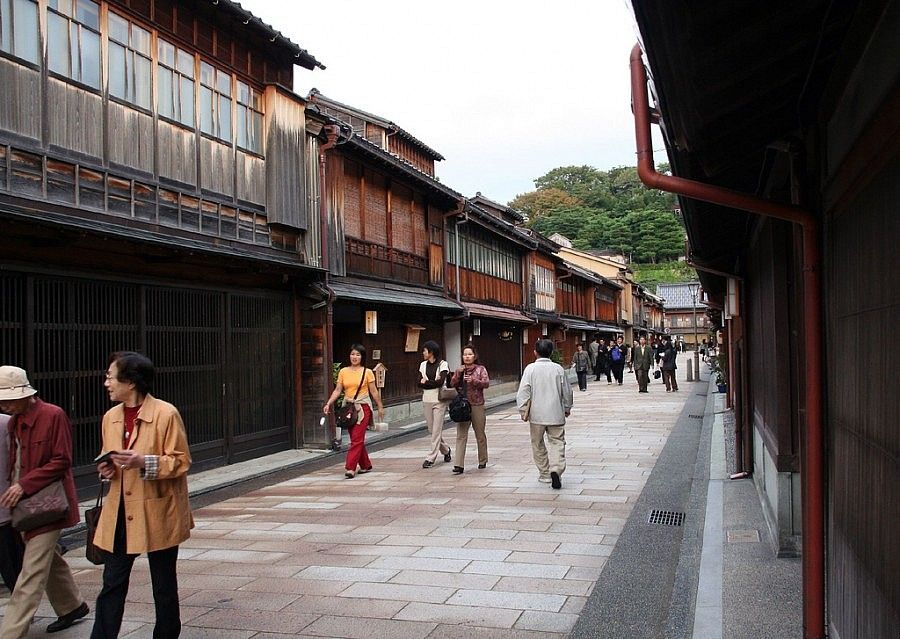
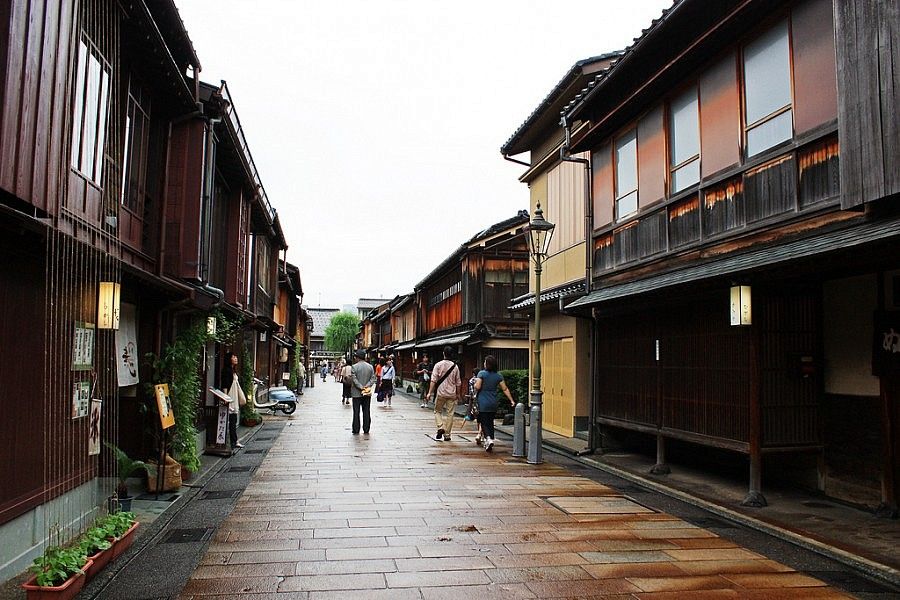
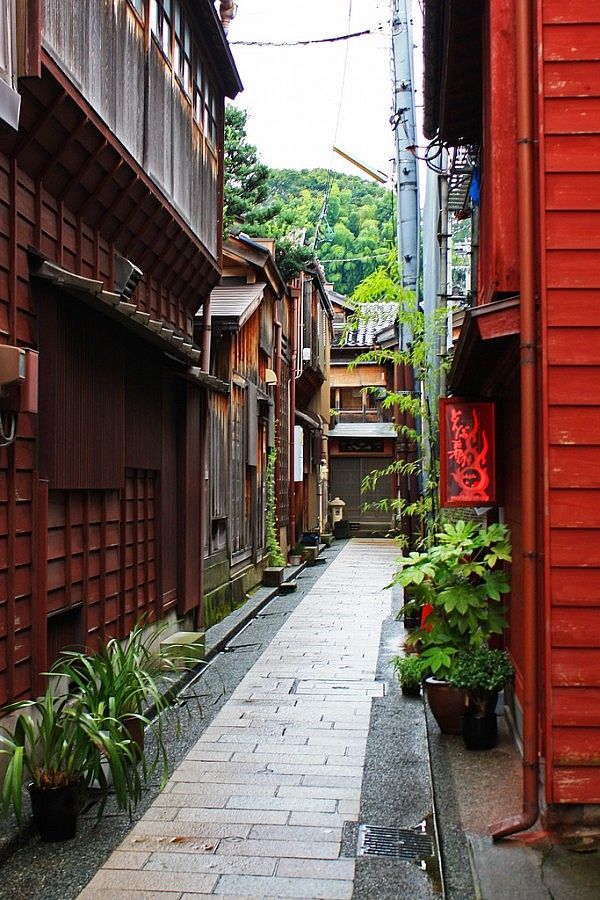
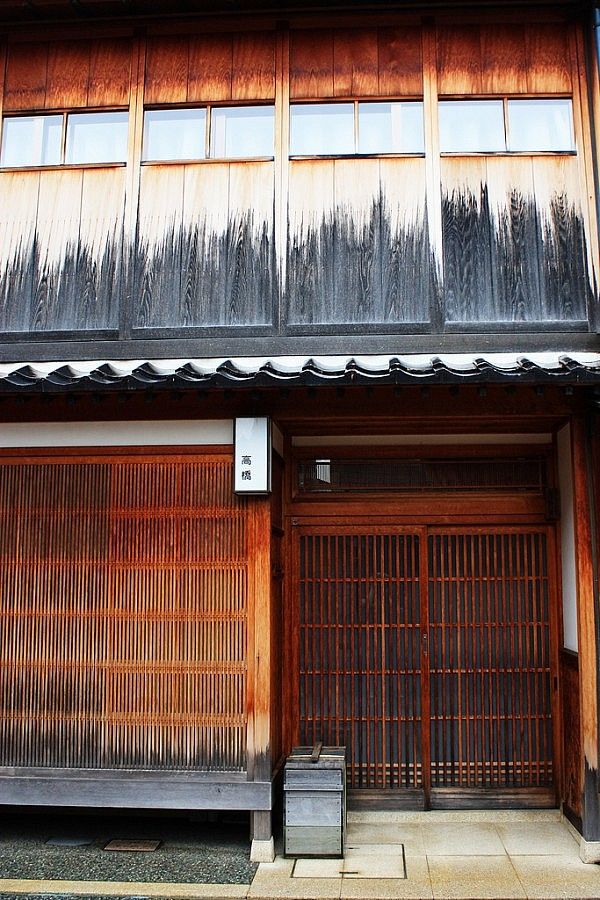
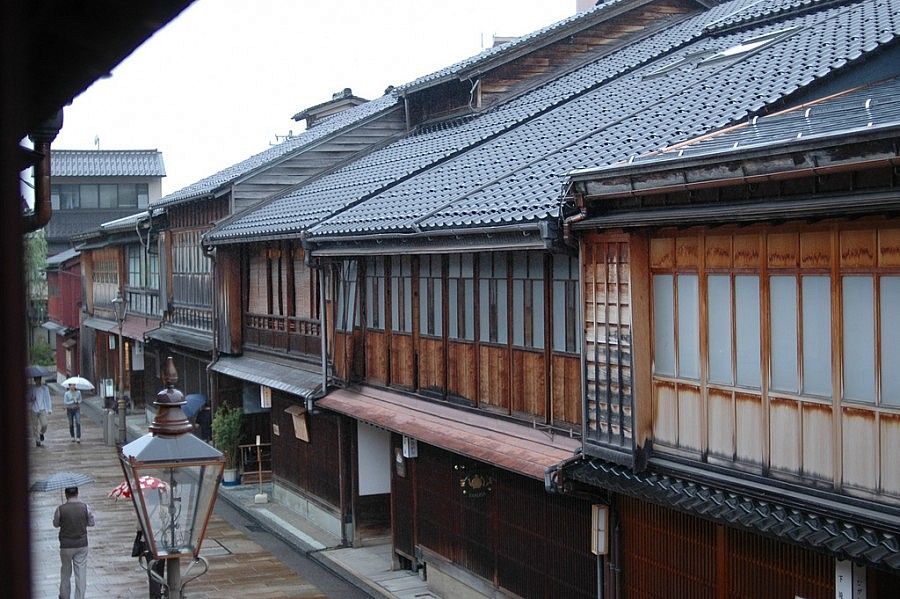
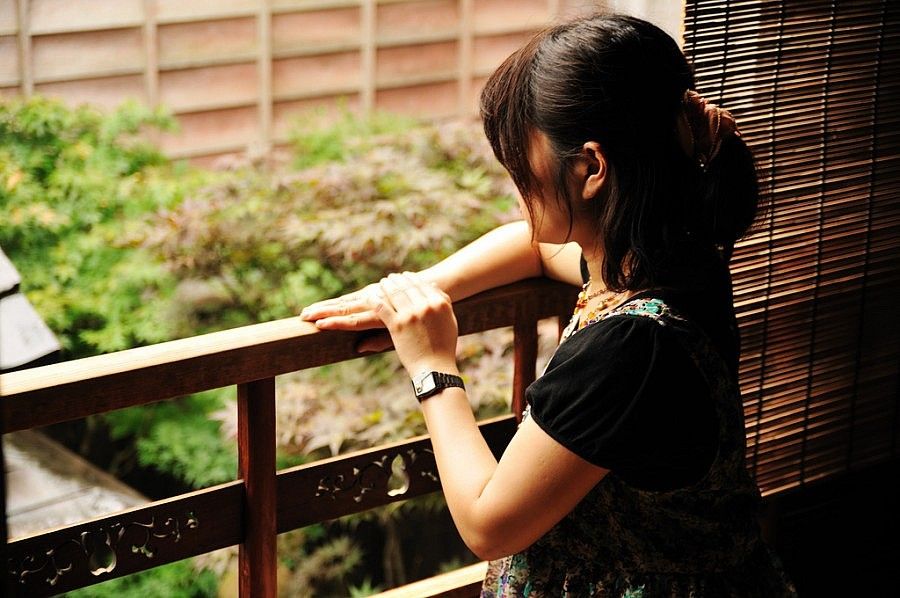
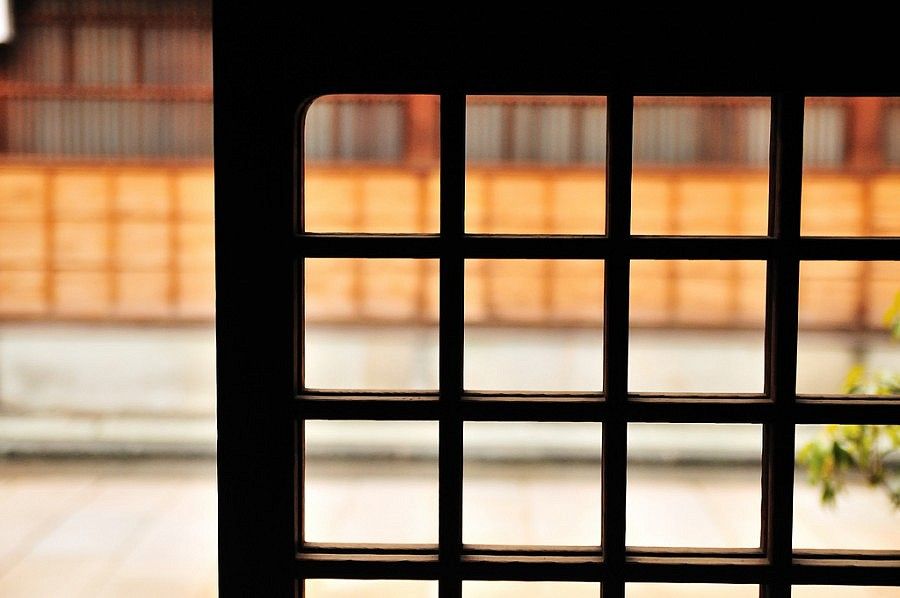
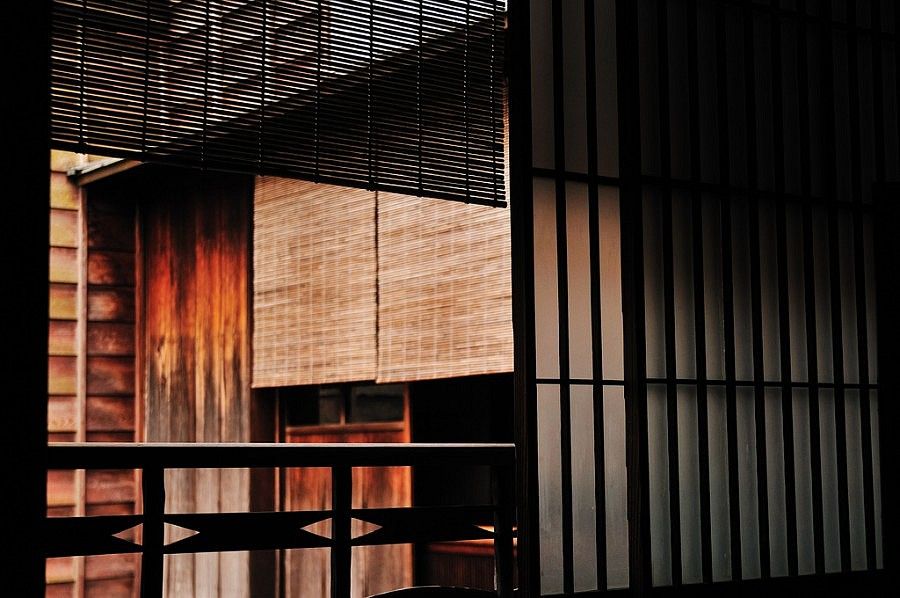
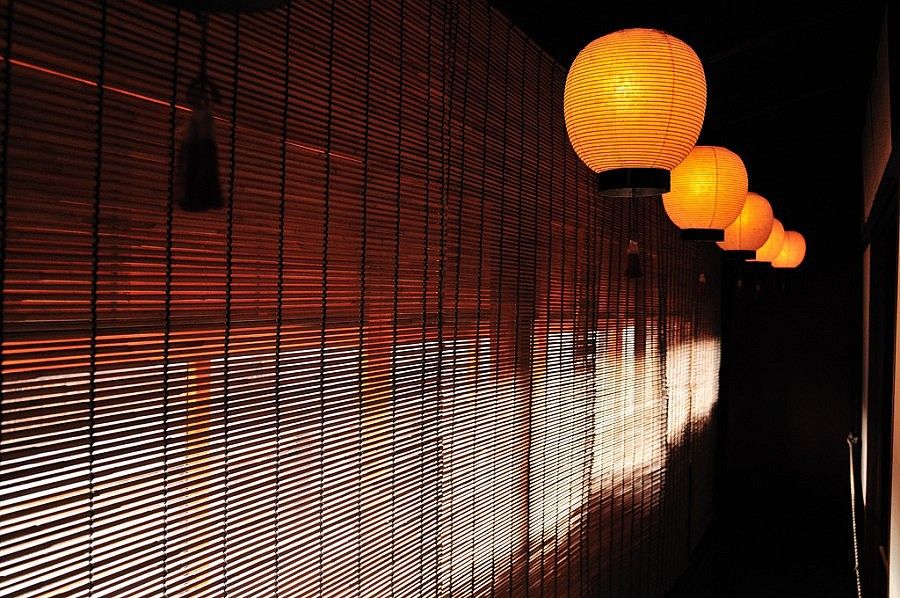
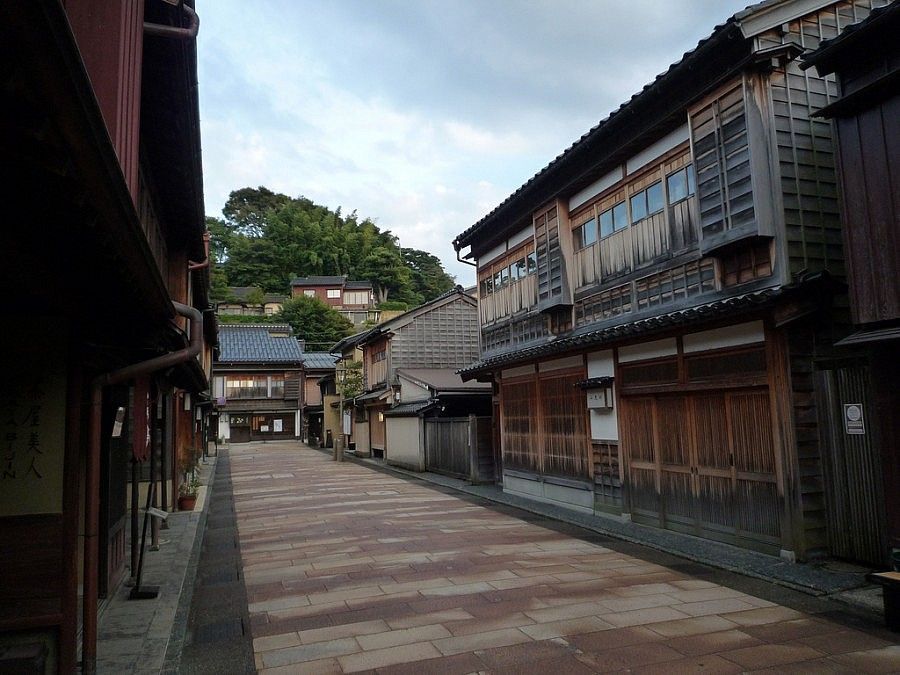
Higashi Chaya is a tangle of narrow, winding lanes, and walking through it you’ll feel like you’ve wandered into a maze. Along the way you can admire the old chaya houses from the outside, with their distinctive wooden latticework, known as kimusuko. The houses are all wooden and two stories high. The owners lived on the ground floor, where the geisha also had their dressing room, while upstairs were the rooms where the geisha entertained guests with dances and songs. One of these houses is the historic Shima teahouse, built in 1820, and you can go inside and walk through its rooms, full of history. Most of the chaya houses have been renovated and are now restaurants, teahouses and souvenir shops, but they haven’t lost any of their authentic charm. If you visit this or one of the other chaya districts on a Saturday, you can catch a performance by the geisha who still keep this traditional art alive. Today Kanazawa has only a few dozen geigi, spread across Higashi Chaya, Kazue-machi and Nishi Chaya, and they still practice every day behind the wooden latticework. In the public performances, dancing and shamisen music alternate with drumming and ozashiki games, the same games once used to entertain guests in these houses.
If you have time, you can also walk from Higashi Chaya to the Asano River, just a short stroll away. It’s a lovely natural setting, and a good place to relax and have a picnic.
The Shima teahouse
Shima is the house you really should go inside. It’s still the way it was in 1820, never remodeled, and it’s a designated Important Cultural Property of Japan.
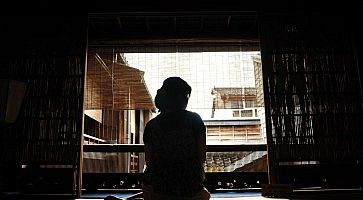
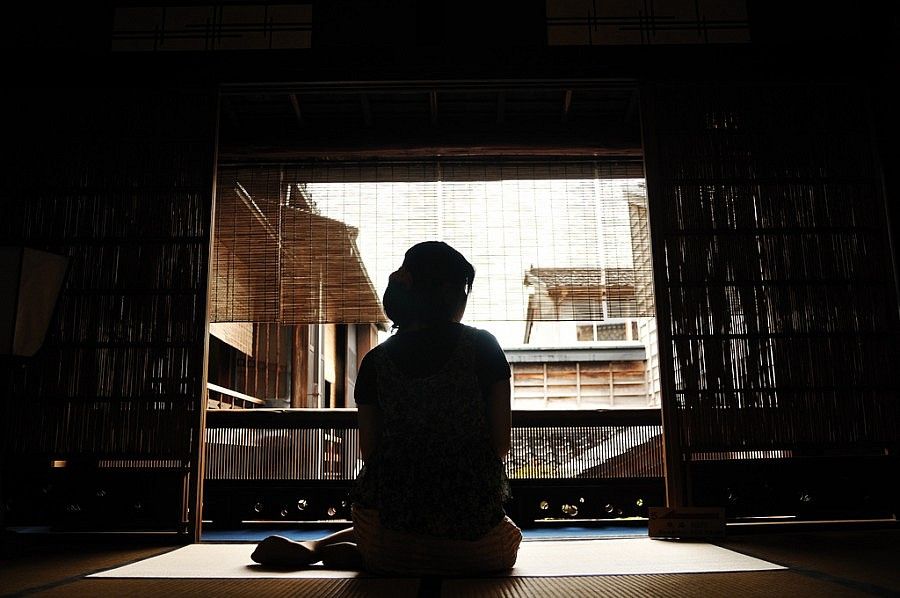
Climb the steep stairs and you’re in the rooms where guests were entertained: small rooms overlooking the lanes, with no closets or cupboards, because every bit of space was needed for dancing and music. The display cases hold the geisha’s instruments, from shamisen to drums, along with the combs and kanzashi they wore in their hair.
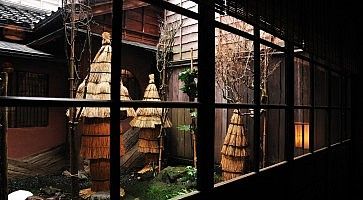
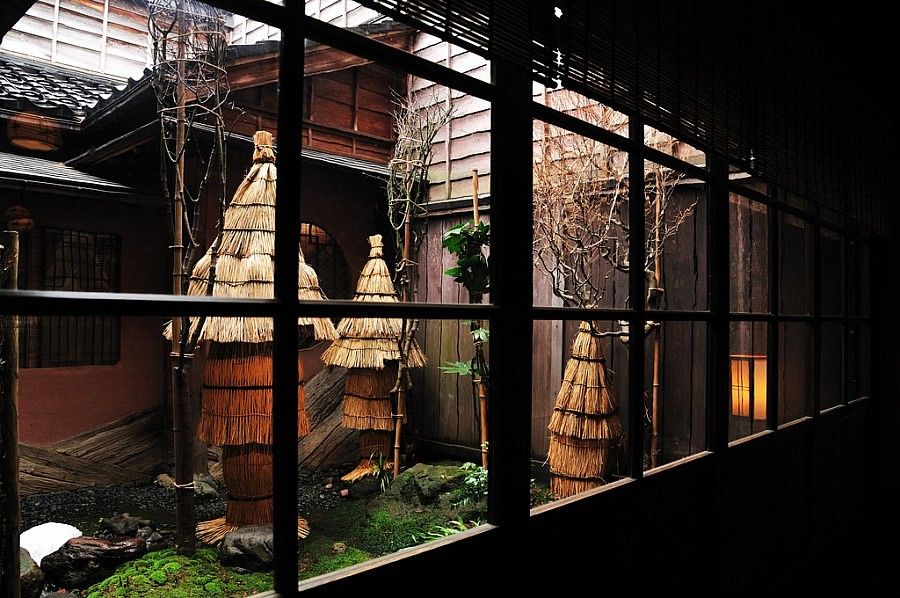
The ground floor was where people actually lived. The owners’ quarters are arranged around a small inner garden, and there’s the dressing room where the geisha got ready before going upstairs to the guests.
Photo Gallery

Getting There
From Kanazawa Station, take the east exit (the Kenrokuen side) and get on one of the buses heading toward the Asano River. In about 15 minutes you'll be at the Hashiba-cho stop, and from there the district is a five-minute walk across the bridge.
If you're coming from the castle or Kenrokuen, you can walk the whole way down toward the river, which takes about 20 minutes; from Omicho Market it's about 15.
Useful Info
- Hashiba-cho stop (Kanazawa Loop Bus, right loop; Hokutetsu buses): 5-minute walk
- Higashiyama stop (Hokutetsu buses): 3-minute walk
Map
This place is on MarcoMaps
Higashi Chaya
My map of Japan: over 4,000 places I've tried myself, each with photos, rating, and hours. Filter by category and rating, find veg-friendly spots and places near you with GPS. No sign-up, right from your phone.
- 4,000+ places
- Rating, photos, and hours
- Veg friendly
- Near me (GPS)
- Favorites without login
- Works offline


Video: Eating Japanese food in Kanazawa


Kaikaro, a teahouse still in business
A short walk from Shima is Kaikaro, the largest chaya building in the district and, more importantly, a working teahouse. In the evening it still hosts parties with geigi, and during the day it opens its doors to visitors.
Inside, the things that catch your eye are the red lacquered staircase and the tea room with tatami woven with gold leaf, a luxury you’ll be hard-pressed to find anywhere else. You can stop for a traditional sweet in the small sitting room overlooking the garden. It’s the easiest way to get inside an ochaya without waiting until evening.
Gold leaf in Higashi Chaya
As you walk the lanes, you’ll notice how many shop windows glitter with gold. Kanazawa makes almost all of Japan’s gold leaf, and this district is its best showcase.
At Hakuza there’s a storehouse covered in gold inside and out, one of the most photographed spots in Higashi Chaya. At Sakuda you can try it yourself: in the workshops you apply gold leaf to small plates and boxes, in an almost reverent silence, because a single breath is enough to ruin the leaf. And of course, the only way to finish is with ice cream covered in gold leaf.