Hokkaido
Hokkaido, the island at the northern end of Japan, is what the Japanese think of as an unspoiled natural paradise, with gorgeous scenery, fantastic hikes through the forests and great skiing in winter.
From what I’d read, Hokkaido sounded a lot like Trentino, the region in Italy where I’m from, so I’d never paid much attention to this part of Japan because I figured it would bore me. Then one day I ended up there almost by chance, changed my mind and came away pleasantly surprised.
Contents
Top destinations
The Seikan Tunnel
If you come by train from Tokyo, you’ll go under the Tsugaru Strait through the Seikan Tunnel, the longest undersea tunnel in the world. It’s almost 54 km long, and more than 23 km of it runs under the seabed. At its deepest point the tracks are about 100 m below the seabed and 240 m below sea level.
The tunnel used to have two undersea stations, Tappi-Kaitei and Yoshioka-Kaitei, but they’re closed now. All you see out the window is darkness, but it’s still quite something to know you’ve got the sea above you.
Creative Commons tetu
The cities
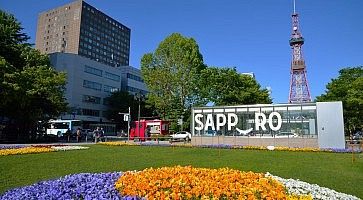
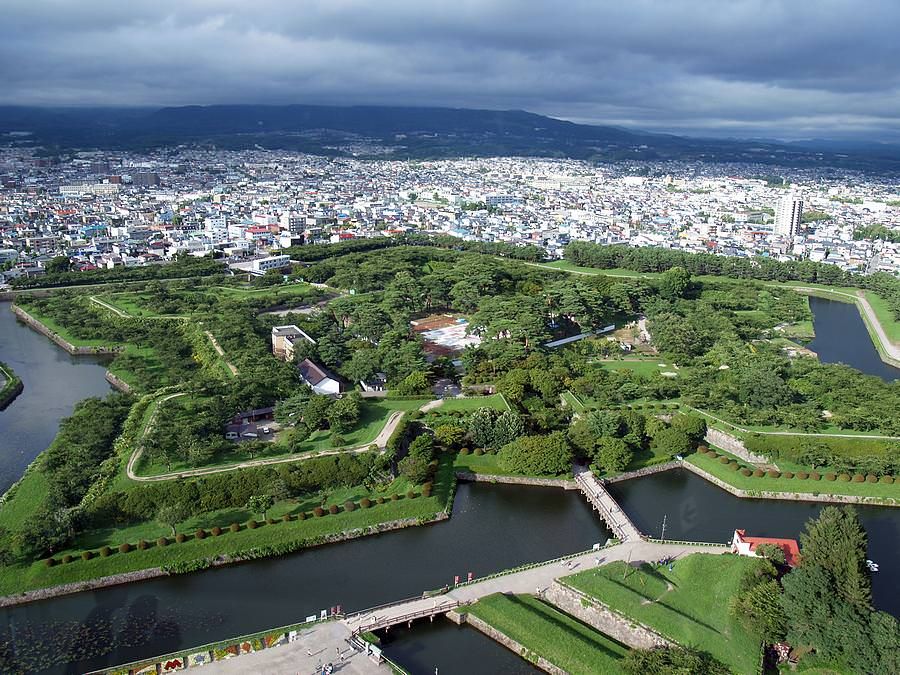
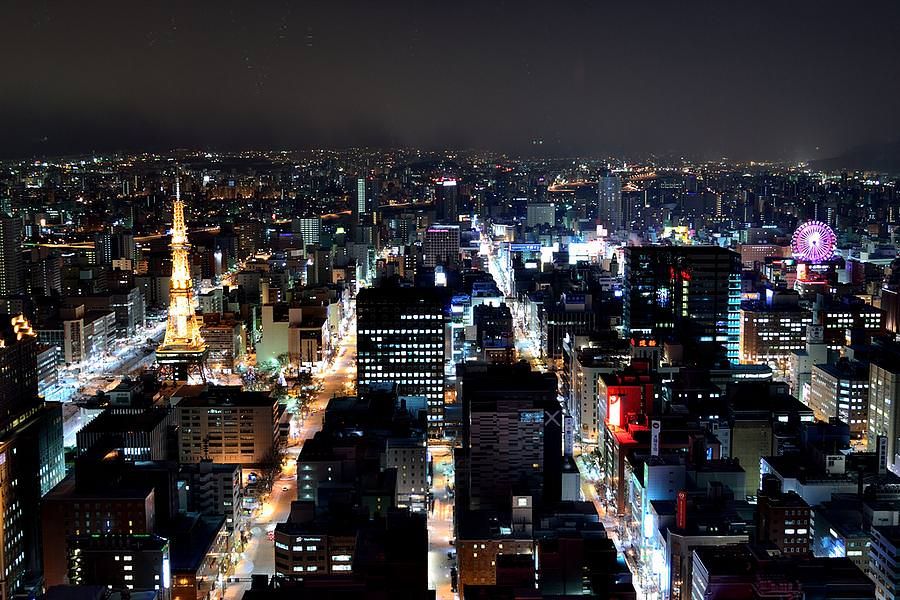
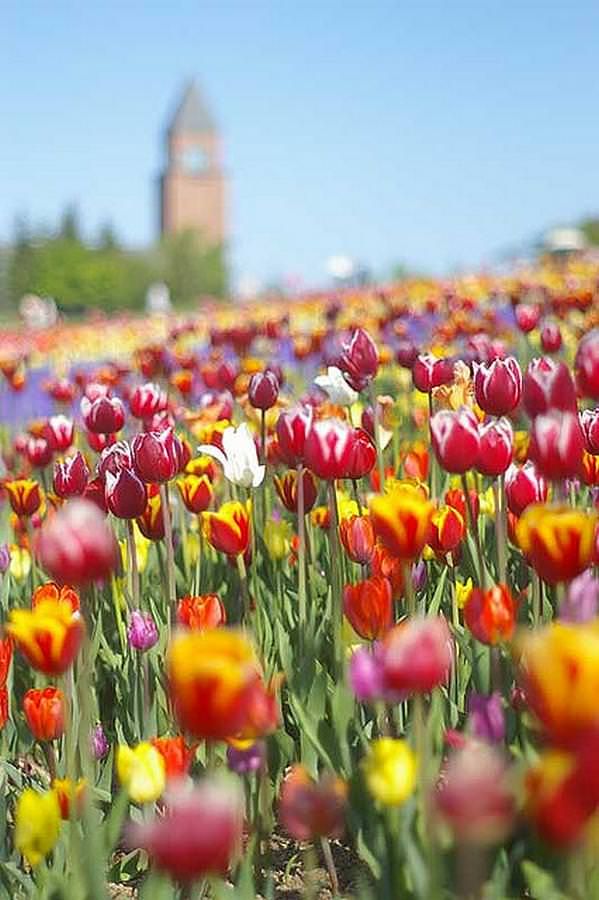
Sapporo is the island’s biggest city. It hosted the 1972 Winter Olympics, and every year it holds international events in several ski disciplines. Hakodate is the first city you reach coming by train from Tokyo, and it has one of the best views in all of Japan plus a lively fish market. Then there are the small towns: Furano, known for its flower fields and ski resorts; Otaru, where life moves at an easy pace; and the fantastic Noboribetsu, one of the most famous onsen towns in Japan. If you’re in Sapporo in early February, you’ll catch the Yuki Matsuri, the snow festival, with huge ice sculptures all along Odori Park. The view in Hakodate is the one from Mount Hakodate at night, and in Noboribetsu don’t miss Jigokudani, or Hell Valley, full of steaming vents where the hot spring water comes from.
Nature parks
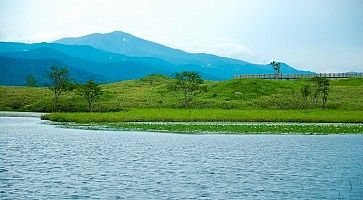
The island has lots of nature parks with fantastic lakes. The two most famous, and the ones worth visiting, are Shiretoko and Daisetsuzan, while Onuma Park, Akan National Park, Lake Shikotsu and Lake Toya also deserve a mention. Shiretoko is a UNESCO World Heritage Site and has one of the largest populations of brown bears in the world, and part of the peninsula can only be seen from the sea, by boat. Daisetsuzan is the largest national park in Japan, a vast stretch of volcanoes and high plateaus where people go on multi-day treks.
The Ainu
Hokkaido is also the land of the Ainu, the indigenous people who lived on the island long before the Japanese arrived, with a language, religion and crafts all their own. Many place names, like Sapporo and Shiretoko, come from the Ainu language.
The best place to get to know their culture is Upopoy in Shiraoi, the national museum devoted to the Ainu, with traditional dances and a reconstructed village. At Lake Akan you’ll find the Ainu Kotan, the largest Ainu village on the island, lined with wood carving shops.
What to eat
For the Japanese, Hokkaido is first and foremost the place for good food. Crab, sea urchin, salmon roe and scallops all come from these waters, and at the Hakodate fish market you can have a kaisendon, a bowl of rice topped with raw fish, for breakfast.
In Sapporo you have to try miso ramen, which started here, and jingisukan, mutton grilled on a dome-shaped griddle, as well as soup curry, a spiced broth with big chunks of vegetables.
Hokkaido’s dairy products are also the most famous in Japan, and you’ll find Hokkaido milk ice cream pretty much everywhere.
When to go
Hokkaido looks completely different from one season to the next, and each one gives you a reason to come. Winter is all about powder snow, the kind that made the slopes of Niseko and Furano famous, and between February and March the drift ice from the Sea of Okhotsk reaches the coast at Abashiri and Shiretoko.
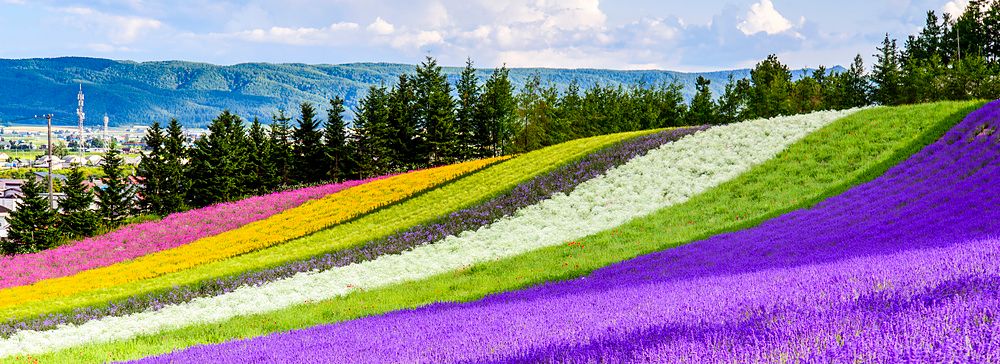
In July the lavender fields around Furano are in bloom, and summer is cool and dry, without the muggy heat you get in the rest of Japan.
In fall, Daisetsuzan is the first place in the country where the leaves change color, starting as early as mid-September, weeks ahead of Kyoto and Tokyo.
Getting There
From Tokyo the fastest option is a direct flight: from Haneda you land at New Chitose Airport in about an hour and a half, and from there the JR Rapid Airport train gets you to central Sapporo in around 40 minutes.
If you'd rather take the train, the Hokkaido Shinkansen runs from Tokyo to Shin-Hakodate-Hokuto in about 4 hours, going through the Seikan Tunnel. From there the Hakodate Liner takes you to central Hakodate in about 20 minutes.
To continue from Hakodate to Sapporo, it's roughly another 3 and a half hours on the Hokuto limited express.
Useful Info
Name: Hokkaido
Time needed: At least a week for Sapporo, Otaru, Hakodate and one national park; two weeks if you also want to reach Shiretoko and Akan
Closed: In winter, roughly from November to April, the Shiretoko Pass and many mountain roads are closed, and the park trails are under snow
Tips: If you want to see the national parks, plan on renting a car. Shiretoko, Akan and Daisetsuzan are far apart, and there aren't many trains in the east of the island. Distances are much bigger than they look on the map, so it's better to pick one area and take your time exploring it.
Getting there:
- New Chitose Airport: JR Rapid Airport to Sapporo
- Shin-Hakodate-Hokuto Station (Hokkaido Shinkansen): Hakodate Liner to Hakodate
- There are also domestic flights to Hakodate, Asahikawa, Kushiro and Memanbetsu
Map
MarcoMaps100% free
This place is on MarcoMaps
Hokkaido
My map of Japan: over 4,000 places I've tried myself, each with photos, rating, and hours. Filter by category and rating, find veg-friendly spots and places near you with GPS. No sign-up, right from your phone.
- 4,000+ places
- Rating, photos, and hours
- Veg friendly
- Near me (GPS)
- Favorites without login
- Works offline


A few photos
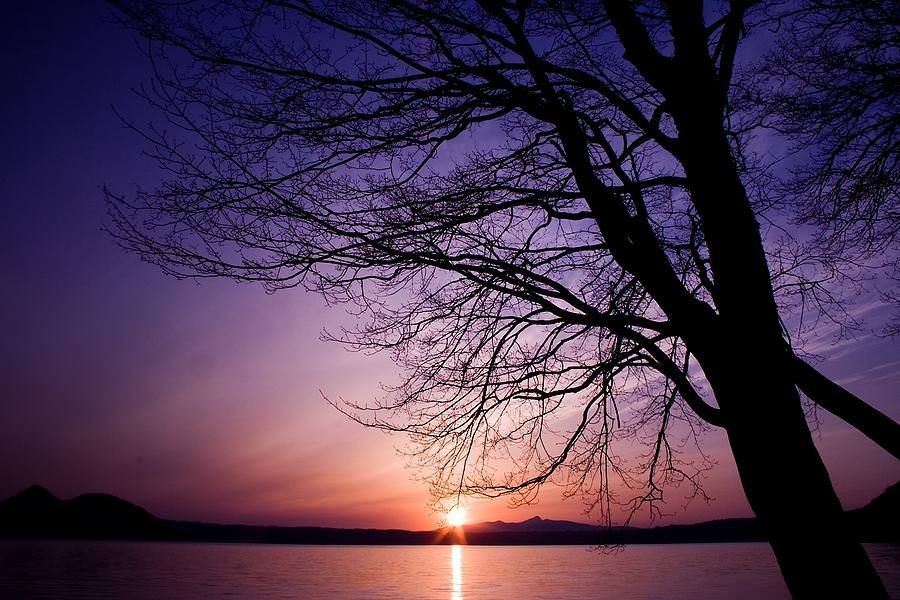
© - Dreamstime - Soo Wee Meng
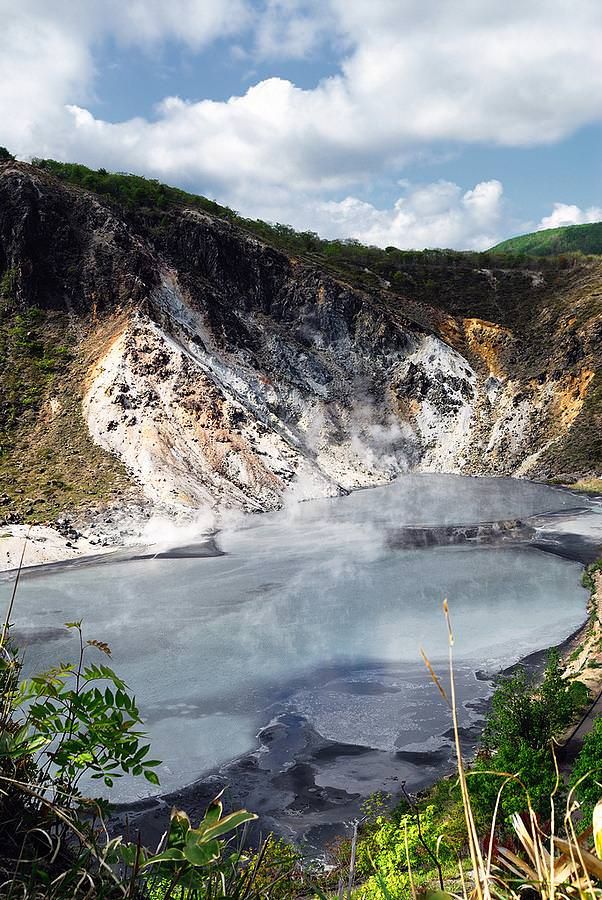
Creative Commons yamuhaton
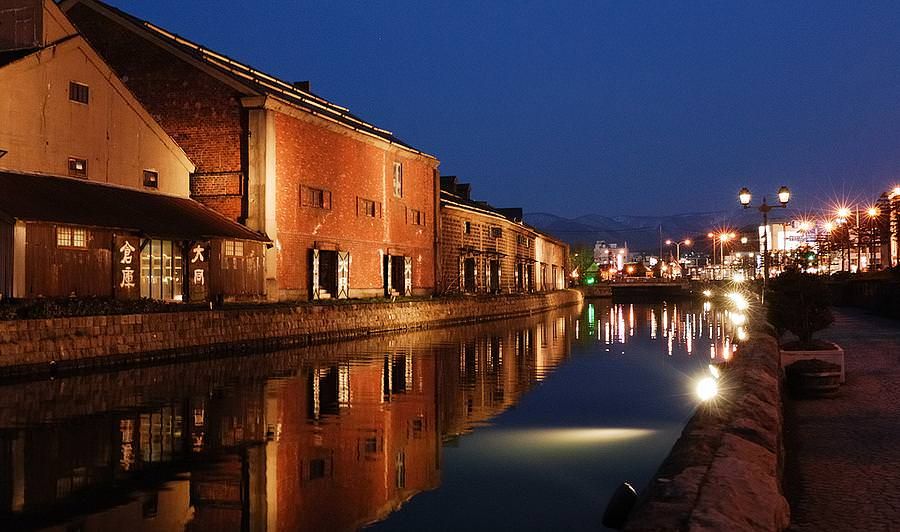
Creative Commons yamuhaton
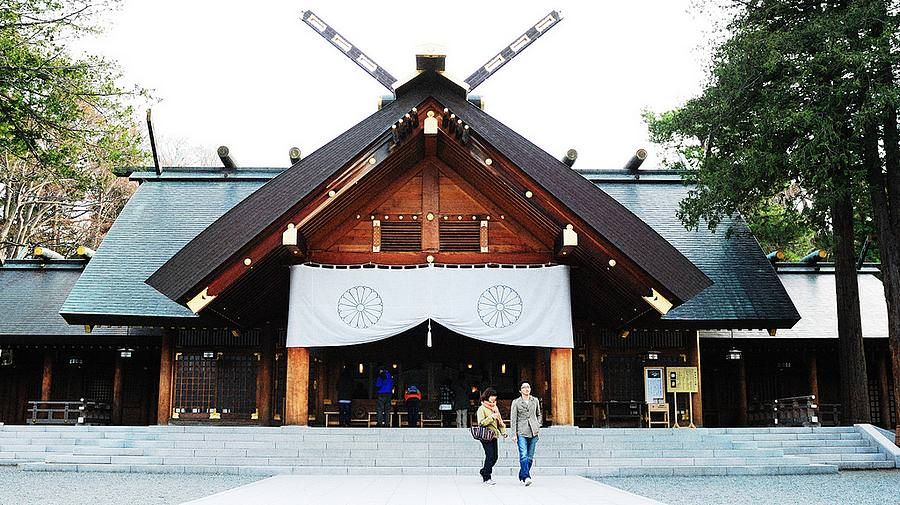
Creative Commons yamuhaton
© - Dreamstime - Paris Val
Creative Commons yukky1984
Creative Commons daita