Hotel Check-in and Check-out Times in Japan
Check-in and check-out times at hotels in Japan almost always follow the same pattern, and if you know it before you leave, you’ll save yourself a lot of headaches on your first day. What throws first-timers off is how strict the times are. Something that would be a rough guideline in Europe is a hard rule here.
The most common traps are a flight that lands early in the morning, a room that isn’t ready yet and a check-in window that closes at a set time. They’re small things, but they decide whether you start your trip relaxed or spend the first half of the day dragging your suitcases around.
Contents
Standard times
At the vast majority of Japanese hotels, check-in is at 15:00 and check-out is at 11:00, or as early as 10:00 at some places. A few business hotels allow check-in a little earlier, around 14:00, but that’s more the exception than the rule.
The 10:00 check-out surprises plenty of people who are used to leaving the room at 11:00 or even noon. Here the time is fixed, and it applies to everyone.
If check-in is at 15:00, they won’t give you the room at 14:00. Period.
The staff aren’t being difficult. That’s just how their work is scheduled.

Why they’re so strict
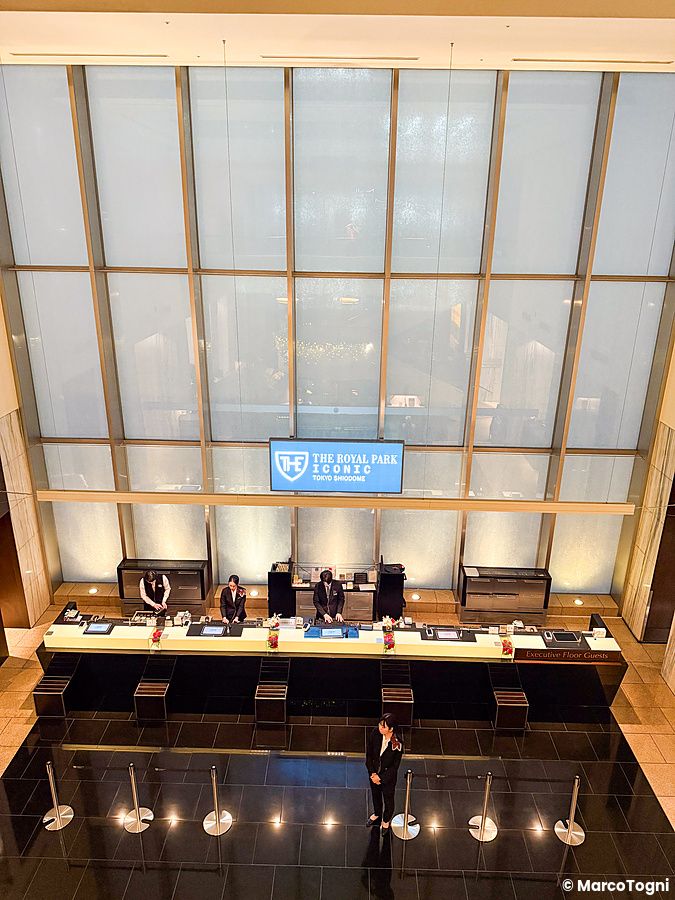
The gap between check-out and check-in is there for cleaning, and it’s timed to the minute. Cleaning each room takes 20 to 30 minutes, and those hours are set aside specifically to give the staff one uninterrupted block of time.
So when the front desk says no, there’s a practical reason behind it.
At Western hotels, if a room is ready, they’ll often let you have it early without much fuss. Japan works differently. You get the room at the stated time, and until then you wait.
It’s also about being fair to the other guests. If the hotel made an exception for one person, it would have to make one for everyone, and then the check-in time would be pointless.
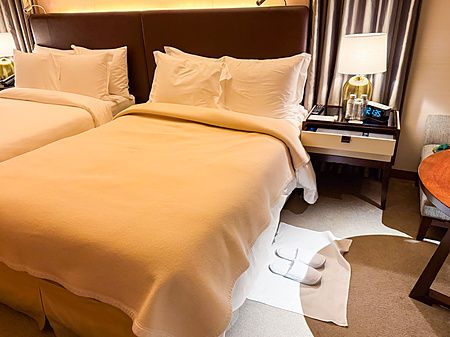
The upside is that at 15:00 sharp the room really is ready, clean and tidy, and nobody keeps you waiting at the front desk with the excuse that they’re still getting it ready.
The check-in window
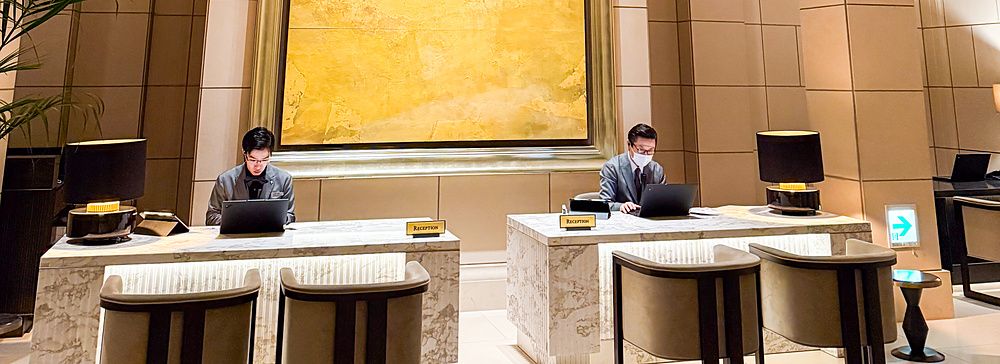
Almost nobody thinks about this before the trip. At many hotels, check-in isn’t just a start time but an actual time window, for example from 15:00 to midnight.
You can show up whenever you like inside that window, but outside it you have a problem.
Business hotels in the big cities often have a 24-hour front desk, so arriving late at night is rarely an issue, as long as your booking is already in their system. Smaller places, on the other hand, keep limited hours and lock the door at a certain time.
If you already know you’ll arrive in the middle of the night, maybe because of a delayed flight or an evening train, the smart move is to let the hotel know in advance. A short message with the name on the booking and your estimated arrival time is all it takes to be safe.
Honestly, assuming the door is always open is the easiest way to end up locked out with your suitcase in hand.

The early-morning arrival mistake
This is the classic trap, and lots of people fall for it. Your flight lands early in the morning and you want to get into your room right away, so you book the night before, figuring you’ll be able to check in at 8:00.
It seems logical. You paid for the previous night, you’re not asking for a favor, so the room is yours. It doesn’t work that way.
At many hotels, check-in is still limited to the fixed check-in window, say from 15:00 to midnight, no matter which night you booked. The room may technically be yours from the night before, but at 8:00 they still won’t let you in, because you’re outside check-in hours.
On top of that, if you book the previous night and don’t show up before check-in closes, in some cases the hotel even treats the booking as a no-show. That’s a real mess.
Booking the night before can still work, but only if you arrange it directly with the hotel. Some places will agree to hold the room and let you in in the morning, while others won’t budge on the time.
The one rule to remember: whenever your situation is a little out of the ordinary, message or call the hotel before you book. Don’t go by how you think it ought to work, because things here don’t work the way they do in Europe.
Early check-in
Early check-in is rare in Japan, so it’s best to accept that from the start. Getting a room before 15:00 is more a matter of luck than a rule, especially at small and midsize hotels.
At better hotels, though, you have some options, almost always for a fee.
Many chains and higher-end hotels offer early check-in as a paid option, often charged by the hour. The surcharge is generally somewhere around 1,000–3,000 yen per hour, but it varies a lot from place to place, so check current prices before you go.
Sometimes the booking sites list it as an add-on when you make your reservation. Other times you have to ask the hotel directly.
I think it’s worth paying for mainly in these cases:
- If you arrive wiped out from a long-haul flight, maybe with small kids, paying to get in right away saves you a whole afternoon.
- If you have only one full day in that city and don’t want to lose the morning dragging your bags around.
- If it’s so hot or so cold that trudging around until 15:00 is out of the question.
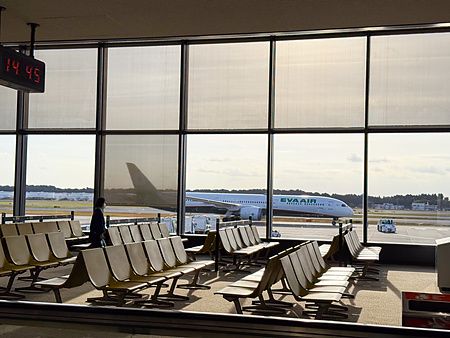
But if you’re feeling fine and traveling light, I’d say skip the surcharge and use those hours to go for a first stroll. The room’s yours at 15:00 anyway.
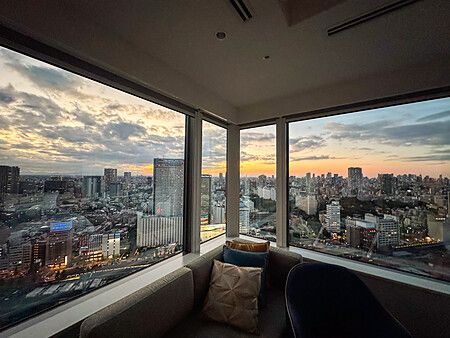
Late check-out
Late check-out here almost always costs extra, and it helps to know that so you don’t embarrass yourself at the front desk. You can’t just decide that morning to stay two more hours for free. It has to be arranged, and there’s usually a charge.
The most common setup is an hourly rate.
At many business hotels, it works roughly like this: every hour past check-out time comes with a surcharge, often around 1,000–2,000 yen per hour. Past a certain point, though, it stops being an extension and they charge you for a whole extra night.
That’s why late check-out is only worth it for an extra hour or two, not half a day.
And even if you pay, it’s not guaranteed. If the hotel is full and they need the room for cleaning, they can simply say no.
Members of the big chains’ loyalty programs sometimes get a later check-out as a perk, but that’s more for frequent travelers. For most people the simplest approach is to ask the night before and budget for a small extra charge.
Where to leave your bags
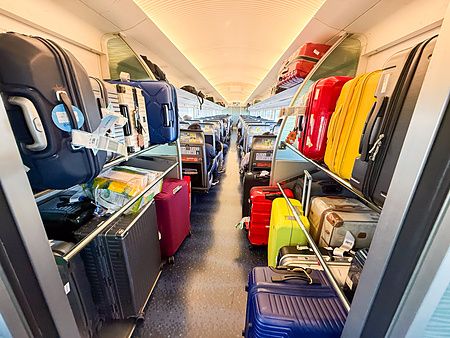
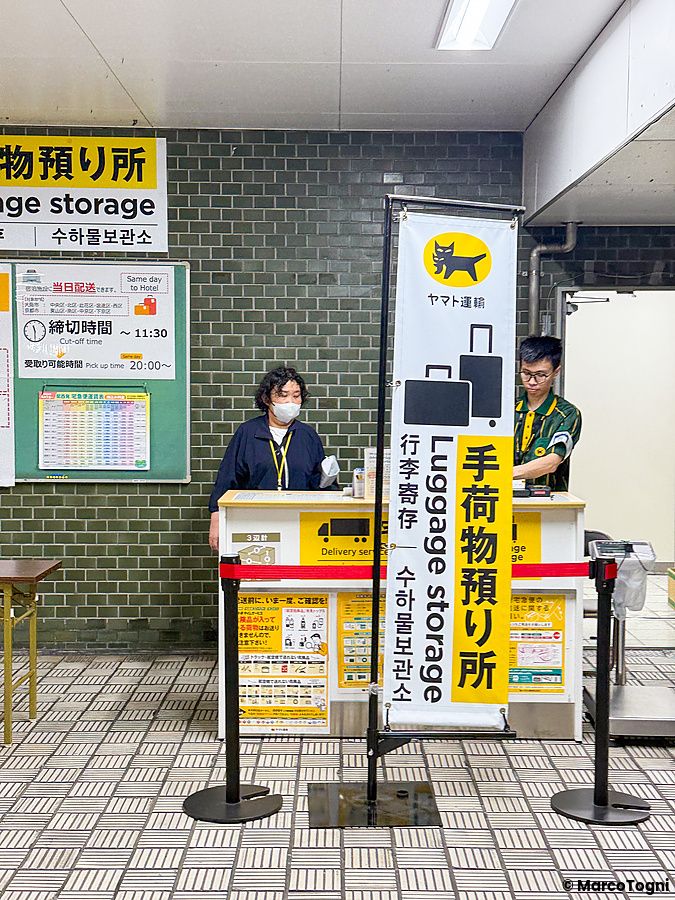
Here’s the good news that makes all of this much easier. Pretty much every hotel will hold your bags for free, both before check-in and after check-out, even if you’re only staying one night.
Just show up, give your name and ask at the front desk. They’ll hand you a claim ticket, and you can head out empty-handed.
This completely changes how you plan your first day. You land in the morning, go to the hotel, drop off your bags and head out until 15:00, when you come back for your room. Lots of people here do it this way, and it’s much more convenient than it sounds.
If the hotel is far from where you want to start the day, you still have other options:
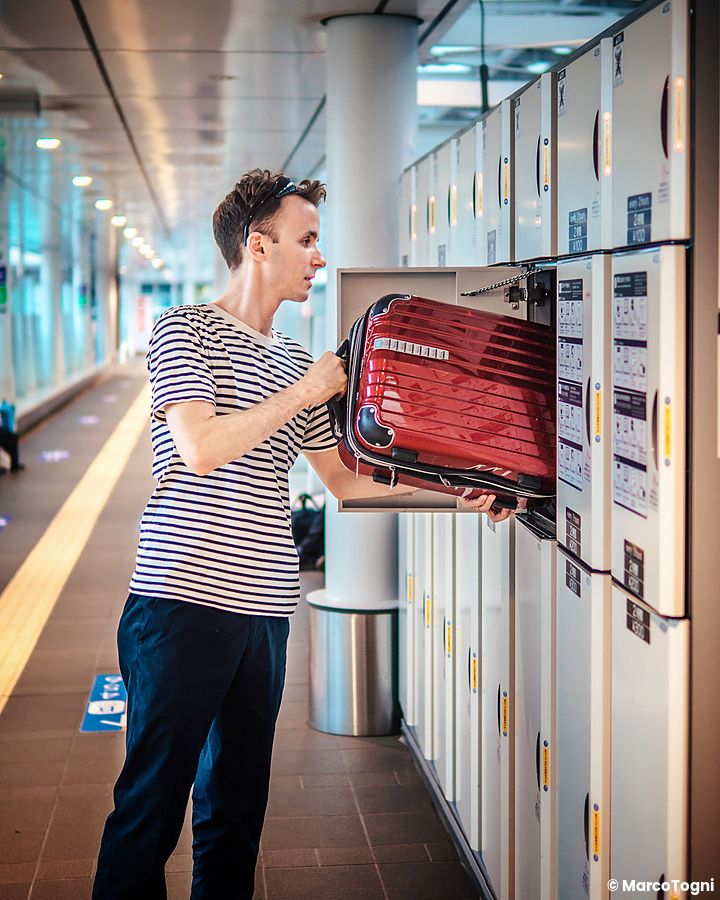
- Coin lockers are everywhere in stations and come in various sizes, from about 400–600 yen a day for small ones to around 800–1,000 yen for large ones. Keep in mind that the biggest ones fill up fast on weekends.
- App-based luggage storage services like ecbo cloak store your bags at cafés, partner shops and hotels, usually for around 500–1,000 yen per bag.
- If your route takes you near the hotel anyway, leaving your bags at the front desk is still the simplest option, and it’s free.
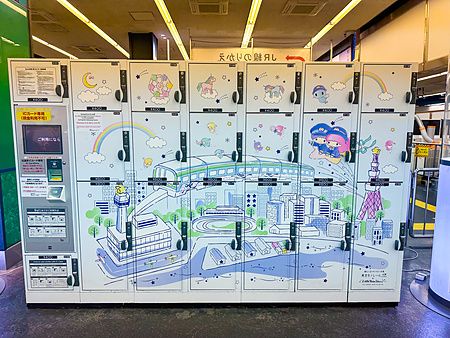
I like using coin lockers when I have just one small suitcase and want to travel light without going back to the hotel, but with big bags I leave everything at the front desk. It’s up to you, depending on where your day takes you.
Your passport at check-in
When you check in, they’ll ask for your passport, and it isn’t one hotel’s quirk. Under Japanese law, all foreign guests who don’t live in Japan have to show their passport at check-in, and the hotel has to keep a copy.
It’s not a scam and it’s not optional. Every licensed place to stay in the country has to do it.
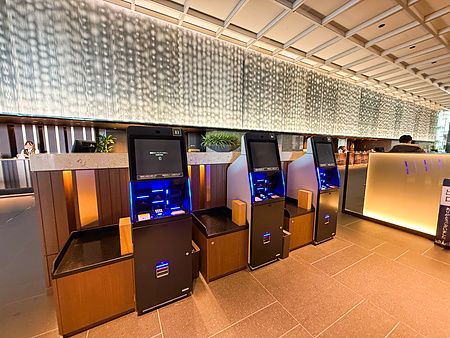
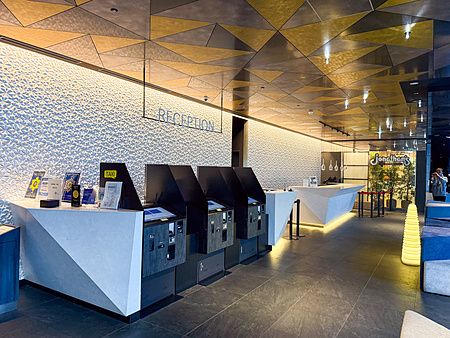
Keep your passport within easy reach when you arrive so you’re not digging through your backpack at the counter. Many chains have self check-in machines where you scan a code from your confirmation email, but they’ll still ask for your passport.
It’s a two-minute formality. What matters is knowing about it beforehand so it doesn’t catch you off guard.
Ryokan and dinner times
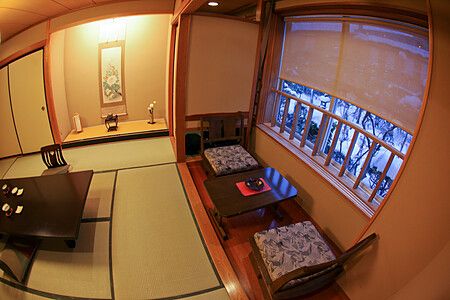
At ryokan, the traditional inns, the schedule works differently and revolves entirely around meals. Check-in usually starts at 15:00 and runs into the late afternoon, while check-out is still early, around 10:00.
But what really matters here is dinner.
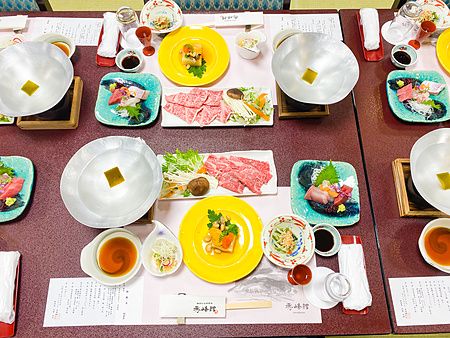
When you book a ryokan stay with dinner and breakfast included, dinner is served in a set time slot, often between 18:00 and 20:00, and they’ll ask you at check-in what time you want to eat. Stick to that time, because the staff prepare the dishes fresh on that schedule.
The usual pattern is check-in around 15:00 and dinner around 18:00 or 19:00. I’d suggest arriving at least an hour before dinner so you can take a bath, put on your yukata and settle in without rushing. If you arrive too late, your dinner slot may already be taken, or you might miss dinner altogether.
If you know you’ll be late because of train delays or traffic, let them know. Many ryokan can move or rearrange dinner, but only if you tell them in time. Showing up at 21:00 without warning at a place where the kitchen runs on fixed hours is the surest way to end up with no dinner.
Capsule hotels and apartments
In a capsule hotel, the schedule gets even stricter. At many of them you have to clear out of your capsule and leave every morning, even if you’re staying several nights, because the sleeping area closes during the day for cleaning.
Your bags can stay in a locker or in luggage storage, but you can’t. A capsule isn’t a room where you can rest in the afternoon, and it’s worth knowing that before you book several nights in a row.
Rental apartments often have no front desk at all. You get instructions by email or through an app, you let yourself in with a code or a key from a lockbox, and the owner sets the check-in time. Sometimes there’s more flexibility here, but there’s almost never any luggage storage, so if you arrive in the morning you’ll have to use coin lockers.
You still have to provide your passport details, usually by uploading a photo of it online before you arrive.
What I’d do
If I were you, I’d drop my bags at the hotel as soon as I arrived, go for a first look around without them, and check in at 15:00 instead of fighting the schedule.
Only pay for early check-in if you’re completely wiped out, ask for late check-out the night before, and if anything unusual comes up, message the hotel instead of assuming you know how it’s supposed to work.
It all comes down to adjusting to a different pace. How would you plan your first day, when your flight lands at dawn and your room won’t be ready until the afternoon?