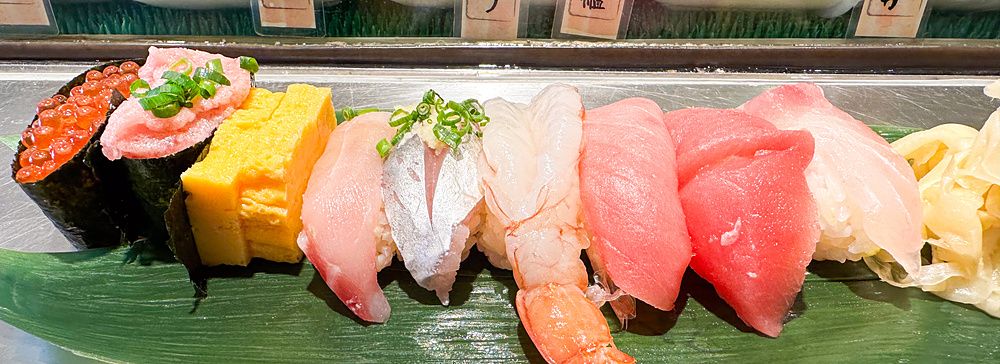
How to Eat Sushi
If you think sushi is just something you pick up with chopsticks and dunk in soy sauce, you’re missing half the experience. Eating sushi the right way isn’t just a matter of Japanese etiquette. It also makes every bite taste better, and trust me, when the sushi is really good, it deserves to be eaten properly. Here’s what you need to know about eating sushi, from what not to do to how to order wisely, and from the difference between nigiri and sashimi to what to do with the ginger. A few small adjustments can make a real difference to how you experience sushi.
Contents
- The basic types of sushi
- Hands or chopsticks
- Eat nigiri in one bite
- A little soy sauce, on the fish only
- Wasabi goes inside, not on top
- Don't eat the ginger with your sushi
- What order to eat the pieces in
- All-you-can-eat
- How to eat omakase
- Conveyor belt sushi
- What not to order together
- What to drink with sushi
- What to do with the wet towel
- What not to do with chopsticks
- Final thoughts
- Video: How to eat sushi the right way
- Video: How to tell good, authentic sushi
- Video: Which sushi to eat, the complete guide
The basic types of sushi
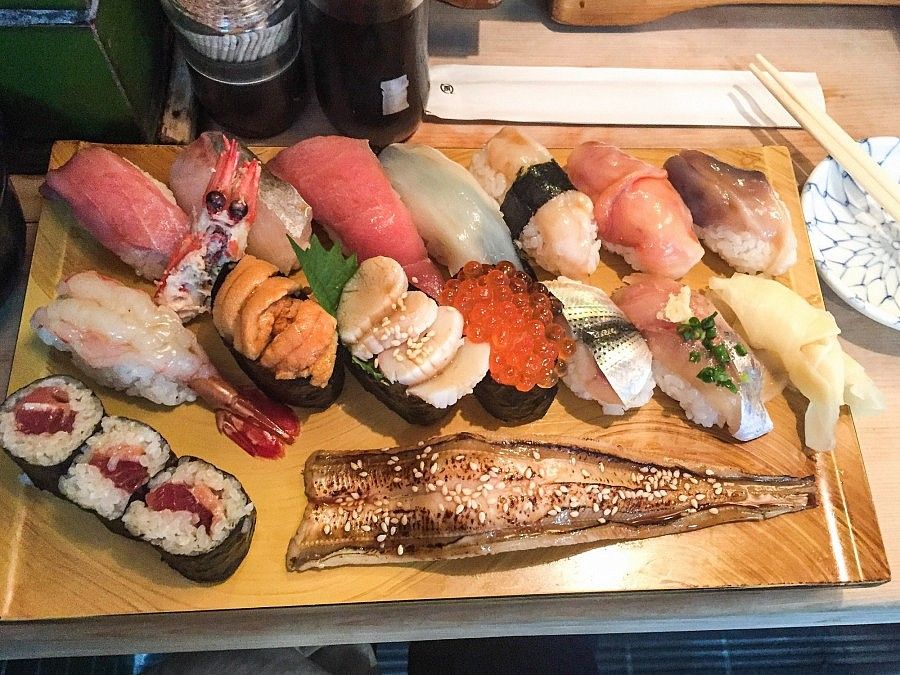
- Nigiri is a ball of rice shaped by hand with a slice of fish on top. It’s probably the type most people picture when they think of sushi.
- Sashimi technically isn’t sushi, because there’s no rice: it’s just sliced raw fish.
- Maki are rolls cut into slices, often wrapped in nori seaweed.
- Temaki are seaweed cones that you eat with your hands.
- Then there are uramaki, with the rice on the outside, which often use flavor combinations invented for the Western market.
Knowing the difference keeps you from ordering at random, and it tells you how to eat each type.
Hands or chopsticks
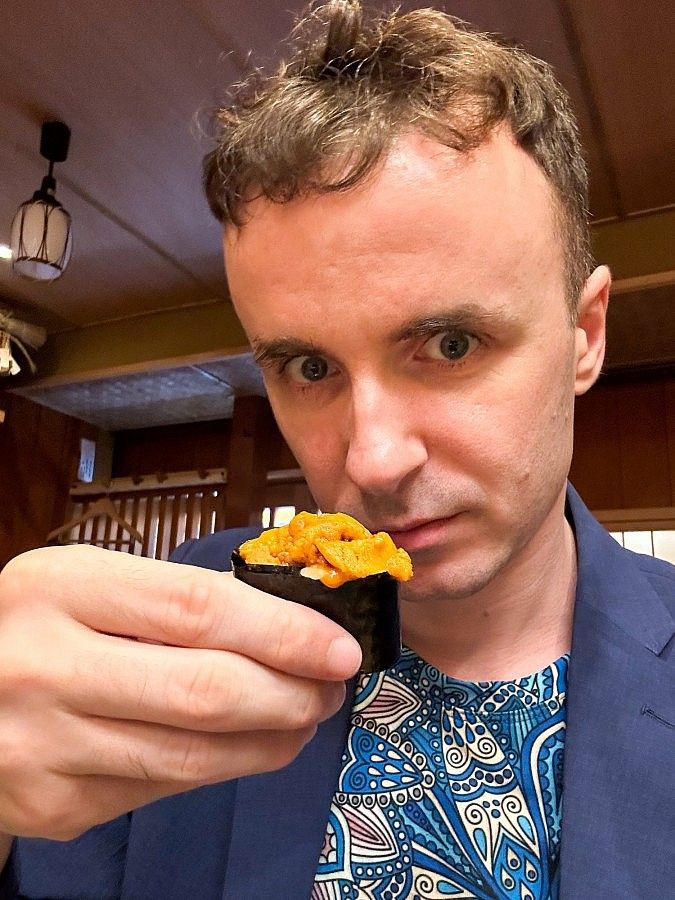
Both are fine. But it depends on the kind of place you’re in. Walk into a kaitenzushi or a cheap restaurant and you’ll see that almost every Japanese customer uses chopsticks. It’s the most practical, quickest way, and it’s how most people eat day to day.
At a top sushi restaurant, though, maybe sitting at the counter in front of the chef, eating with your hands is completely normal. In fact, it’s the preferred way at high-end places, not because people want to look like “traditionalists,” but because it lets you handle the nigiri without breaking it. At the best restaurants the rice is very soft and the nigiri fall apart within seconds, so eating them with chopsticks is almost impossible.
Your hands give you more control. Hold the nigiri between your thumb and middle finger, with your index finger on top, and turn it slightly so you dip only the fish in the soy sauce, not the rice. If the rice gets wet, it can fall apart and ruin the whole thing.
That said, if you’re more comfortable with chopsticks, use them. Nobody in Japan will be shocked, even at top restaurants.
For sashimi, of course, you only use chopsticks. As for maki, people at cheap or casual places almost always use chopsticks for those too, but nobody will say a thing if you pick them up with your hands, especially at a kaitenzushi, when you just want a quick meal.
Eat nigiri in one bite
This is the question I get asked most often, and the answer is that nigiri is eaten in a single bite. You don’t bite it in half, and you don’t put it back on the plate after the first bite, because the rice comes apart and the piece loses the shape the chef gave it. If it looks too big, you can ask at the counter for it to be made a little smaller. Nobody minds; if anything, it’s appreciated.
One detail makes a big difference: put the nigiri in your mouth fish side down, so the fish hits your tongue first and you taste it right away. That’s the same reason you only dip that side. And once it’s served, eat it immediately. The rice is barely warm and the fish is at just the right temperature, and after a couple of minutes that balance is gone.
A little soy sauce, on the fish only
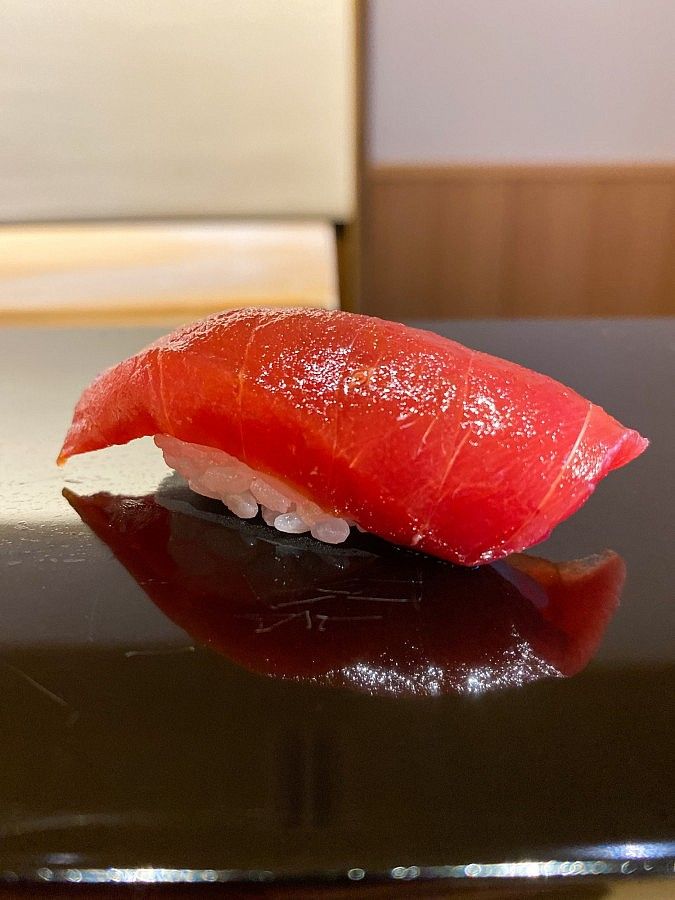
The right way to use it:
- Just a touch, not a marinade.
- Dip the fish, not the rice. Otherwise the rice falls apart and soaks up too much soy sauce.
- With your hands or chopsticks, you can tip the nigiri on its side and just touch the fish to the sauce.
At top places, the sushi chef often seasons each piece before serving it, in which case you shouldn’t add anything. If your sushi comes with sauce already on it (sometimes brushed on top), don’t add more soy sauce. Gunkan are a different story. They’re wrapped in seaweed and filled with ikura or uni, so there’s no fish side to turn over, and if you tip them you’ll spill everything into the little dish. For these, pour a drop of soy sauce straight on top, or use a slice of ginger as a brush. Maki should also only be dipped lightly on one corner: lay them flat in the sauce and the seaweed gets soggy, so the roll comes apart in your hand.
Wasabi goes inside, not on top
Another really common mistake is taking a mound of wasabi and spreading it on the fish. In Japan, in most cases the wasabi is already inside the nigiri, between the rice and the fish, and adding more can throw everything off. If you don’t want it, you need to tell the chef.
Wasabi is there to bring out the flavor of the fish, not to cover it up. It’s like pepper on a carbonara: put on too much and you ruin the dish. If you really want more, take a tiny bit and put it between the rice and the fish, not on top.
In theory, you should never mix it into the soy sauce. In practice, Japanese people do it too.
Don’t eat the ginger with your sushi
Lots of people think the ginger is there to eat with every bite. It isn’t: it’s a pause between pieces. You eat the pickled ginger (gari) between one piece and the next, to refresh your mouth and get ready for the next flavor. It doesn’t go with the sushi, you don’t put it on top, and you don’t dip it in soy sauce.
Its job is to reset your palate, especially when you go from a very fatty fish (like toro) to a more delicate one, and it helps you notice the differences between cuts of fish. There’s no need to overdo it, either: two or three slices over the whole meal are enough. Gari is vinegar and sugar, and if you keep eating it, it ends up numbing your palate, which is the exact opposite of what it’s supposed to do. At the counter they put a small amount on the side for you. That’s the right amount, not a side dish to keep getting refilled.
What order to eat the pieces in

If they bring you everything at once, though, there’s no point in eating it all in random order. There’s a recommended sequence, because each fish has a texture and flavor that can affect the next one.
I suggest starting with:
- white fish (sea bass, sea bream)
- then moving on to more flavorful ones (tuna, salmon)
- then the fatty ones (toro, eel)
- and finishing with tamagoyaki or a simpler maki
Eel or tamago often serve as the last piece, because they’re on the sweet side and leave a nice taste in your mouth.
All-you-can-eat
All-you-can-eat definitely exists in Japan, where it’s called tabehodai, but for sushi it’s rare. A few chains offer it, but it’s not what Japanese people are looking for. The cheap sushi chains are already so cheap that you can eat a lot without spending much, so stuffing yourself even more wouldn’t make sense.
The most traditional restaurants don’t even have a menu. You sit at the counter, and the chef serves you, piece by piece, whatever they think is best at that moment.
This is called omakase, which means “I’ll leave it to you.” It’s a very different experience from supermarket or chain sushi. I recommend trying omakase at least once in your life, even at lunch, when prices are more affordable. It’s the best way to really understand sushi.
How to eat omakase
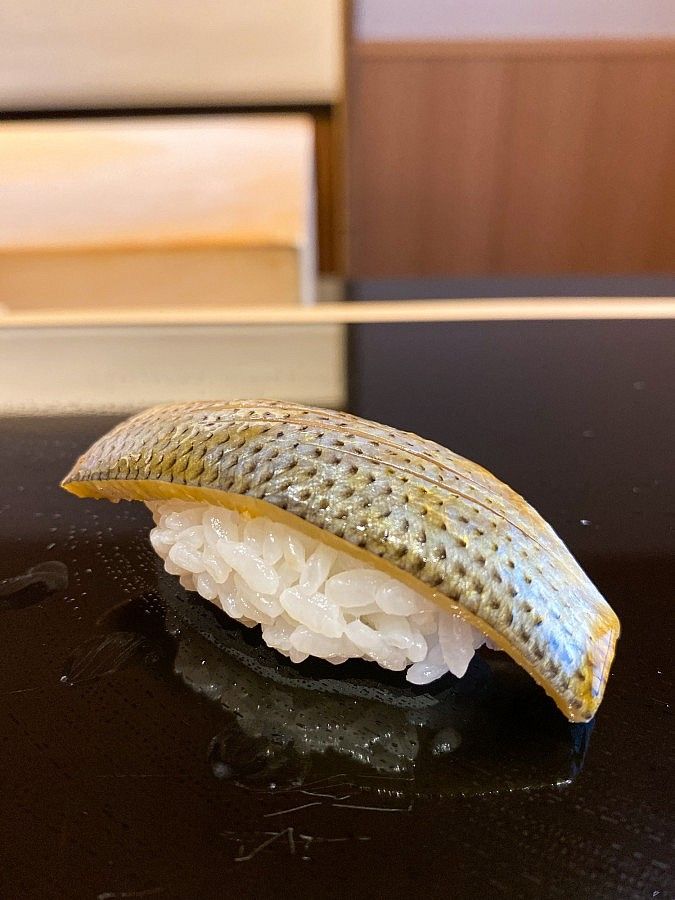
Don’t ask for soy sauce or wasabi (but do tell them if you don’t want wasabi). Don’t ask for the menu. Let the chef guide you. Each piece is often seasoned on the spot, brushed with soy sauce, or finished with a touch of salt or citrus. You eat it as soon as it’s put in front of you, without waiting.
It’s a more “serious” experience, but also a very relaxing one. If you’re not sure you can afford it, look at omakase lunch prices. A decent omakase can start at just 3,000–4,000 yen, while at top places you should expect to spend around 30,000 yen or even more.
Conveyor belt sushi
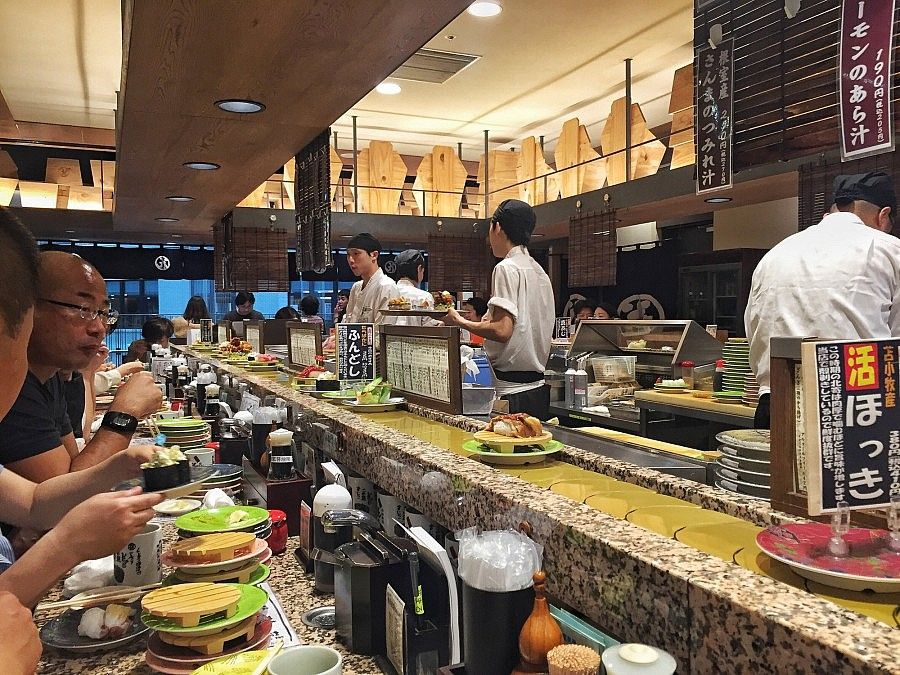
At conveyor belt sushi places, every plate has a color or pattern that shows its price. At the end of the meal, they add up your bill based on the number and type of plates stacked in front of you. Basic plates now start at just over 100 yen, and you can have a full meal for 1,000–1,500 yen. If you order pieces with pricier ingredients, like ikura (salmon roe), toro (tuna belly) or uni (sea urchin), the plates will obviously cost more.
These are very casual places to eat. You can use your hands or chopsticks, take just one plate at a time, and even order a dessert or some fries. I’d still suggest you go easy on weird combinations, though: enjoy the fish first, and maybe try something more creative at the end.
What not to order together
A mistake I see a lot is throwing everything together on the same plate: sushi with sauce, delicate nigiri, fried maki, maybe even dessert in the middle. Sushi is about balance, and even contrast works best in small doses.
I’d avoid:
- ordering pieces with heavy sauces together with delicate nigiri
- mixing eel, tamago and smoked salmon on the same plate
- starting with elaborate uramaki if you want to really taste the fish
It’s better to take it in stages. Maybe start with a few maki, move on to 2–3 classic nigiri, try some sashimi, and finish with something more flavorful.
What to drink with sushi
This is a big topic. The short answer is that there’s no fixed rule, but there are pairings to avoid.
A lot of people immediately think of green tea, and it is in fact the most common drink at sushi restaurants in Japan. That’s not just because it’s good for you, but because it doesn’t interfere with the flavors.
Beer is also a common and accepted choice, especially at izakaya or casual sushi bars. Sake is less often paired with sushi. It goes with plenty of other Japanese food, but with traditional sushi people tend to avoid it, because both are made from rice.
My own suggestions:
- hot green tea at a traditional place
- water if you want to focus entirely on the taste of the fish
- a light beer at a more modern or casual sushi place
What I’d avoid is wine that’s too sweet or full-bodied.
What to do with the wet towel
As soon as you sit down, they’ll often give you a wet towel called an oshibori. It’s for wiping your hands, and only your hands. Don’t use it on your mouth or your face, and don’t put it on your plate.
Use it discreetly, then fold it and put it back where it was. It’s a small gesture, but it says a lot about how much attention you pay to etiquette.
What not to do with chopsticks
If you eat with chopsticks, there are two things you should never do: stand them upright in your rice, or pass food from your chopsticks to someone else’s. Both are Japanese funeral rites, and seeing either one at the table makes everyone uneasy. Don’t stab the fish like you would with a fork, and don’t use your chopsticks to move the small plates.
When you’re not using them, set them on the chopstick rest, the hashioki, or lay them across your plate with the tips pointing left, never at the person next to you. If they’re disposable, don’t rub them together to get rid of splinters. In front of a sushi chef, that’s like telling them they gave you cheap chopsticks.
Final thoughts
Eating sushi properly isn’t about following strict rules so you look like an expert. It’s about respecting an art form and getting the most out of every flavor. Sushi is a delicate balance of texture, aroma, temperature and moisture, so small details make a huge difference. If that sounds over the top, try a proper nigiri made in front of you by a skilled chef, and you’ll see what I mean.
You don’t need to be in Japan or spend a fortune to start improving how you approach sushi. Even at a kaitenzushi or your local sushi restaurant, you can train your palate, make more informed choices and experience sushi in a more authentic way.
And trust me: once you start eating it this way, there’s no going back.


