
 414 m
Tonkatsu Wako414 m
Widespread tonkatsu chain.
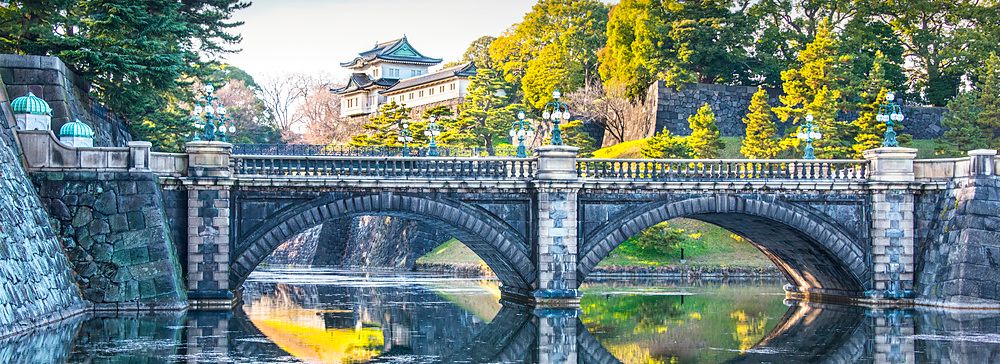 ©Sean Pavone - Dreamstime
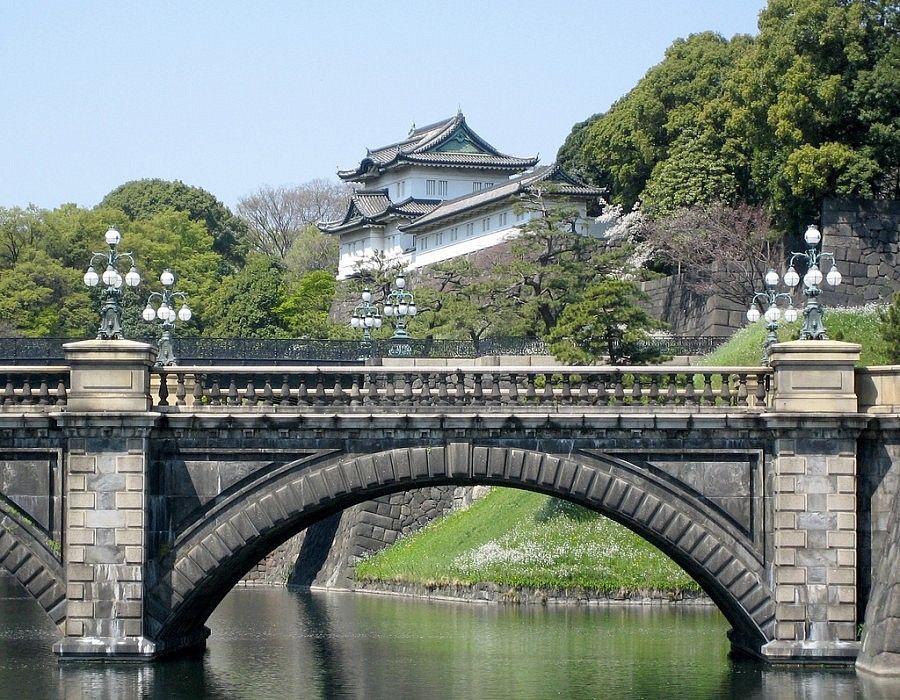
The Tokyo Imperial Palace and its gardens take up a huge area, but despite what you might expect, it’s by no means a place tourists need to visit. Apart from a relaxing walk around the moats and through the park, there isn’t much else to see.
For most of the year you can’t get into the areas closest to the palace. The only exceptions are February 23, the Emperor’s birthday, and January 2, for the New Year greeting. On those two days you can enter those areas, and the imperial family appears on the palace balcony.
The rest of the year you can book a guided tour, but as I said, it isn’t essential.
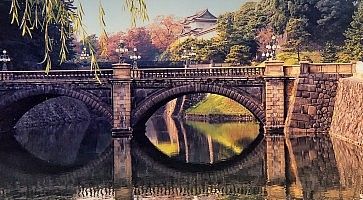
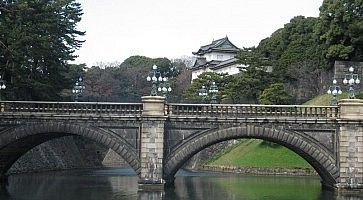
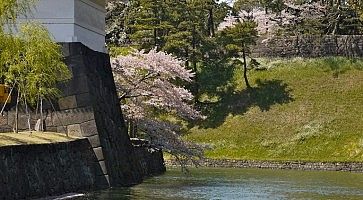
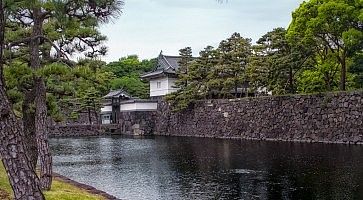
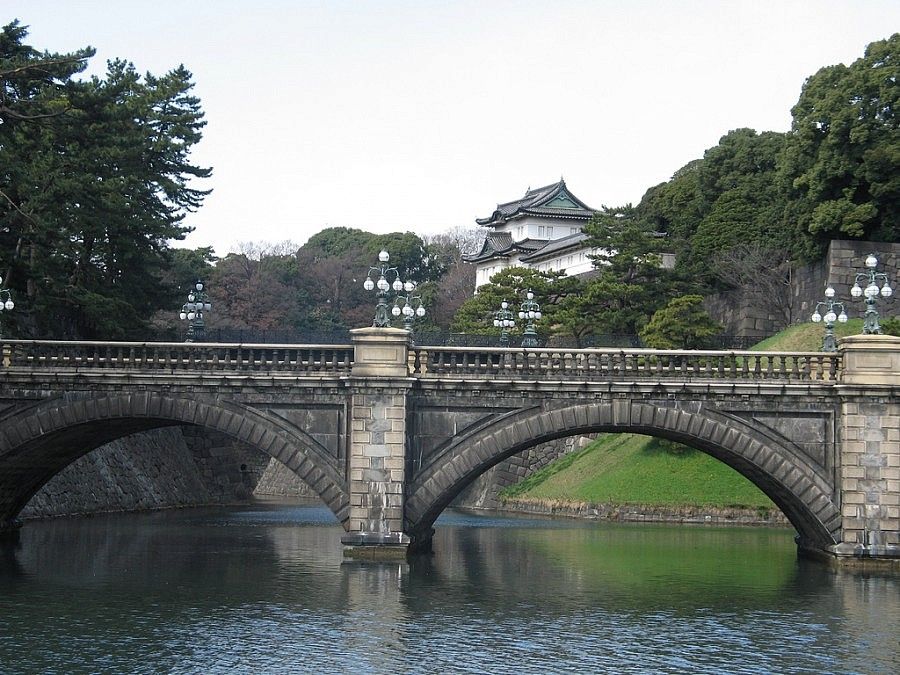
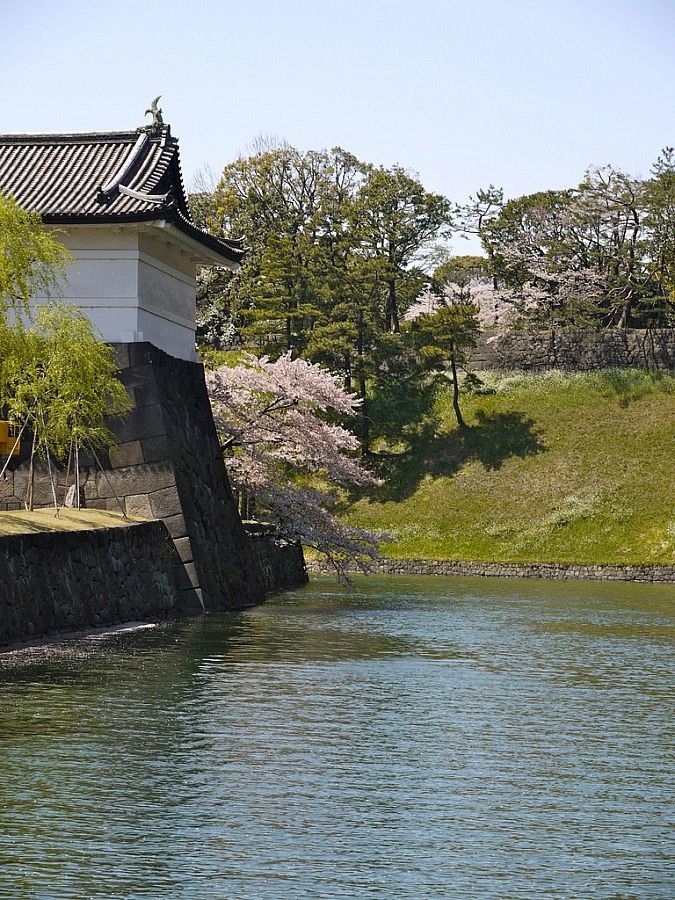
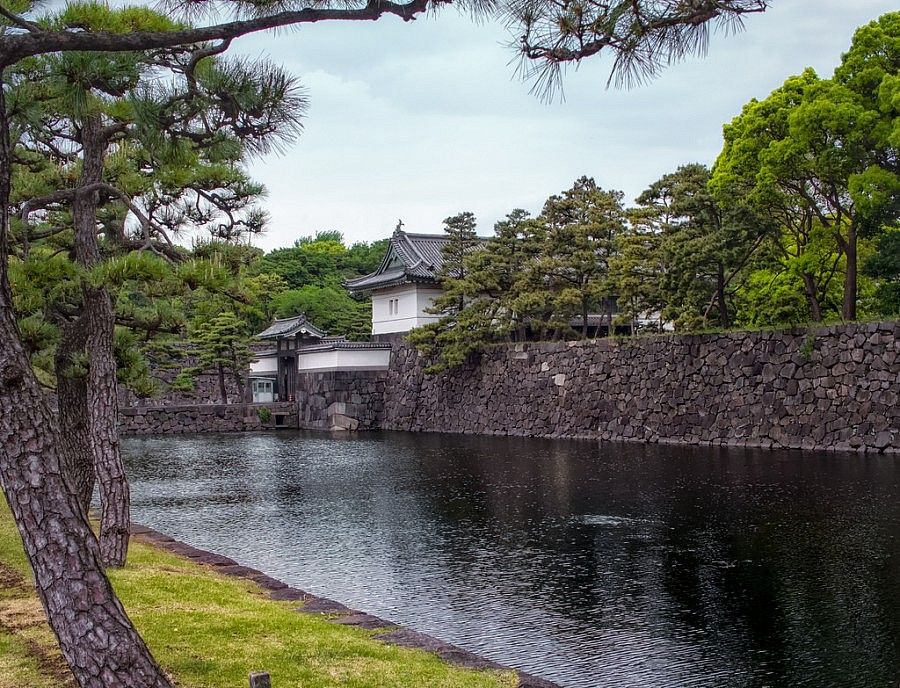
The full loop around the moats is just over 5 kilometers and takes about an hour on foot. It’s the best way to get a sense of how big the palace really is, because from the outside all you see are stone walls, pines leaning over the water and white turrets poking up above the greenery.
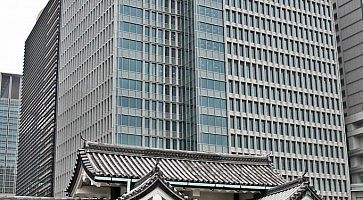
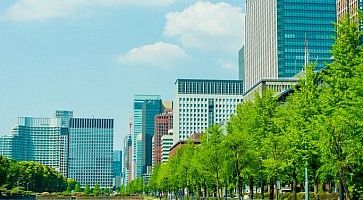
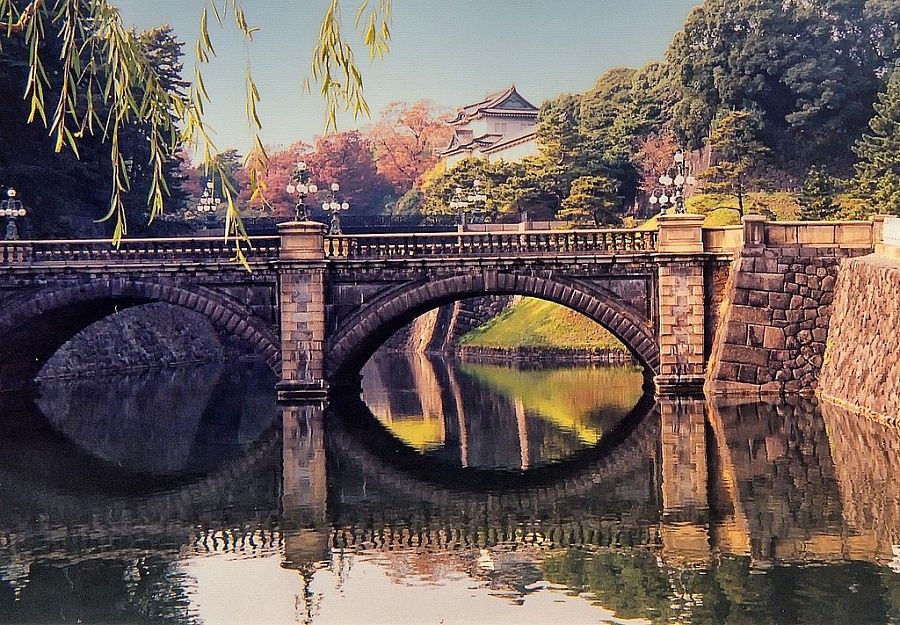
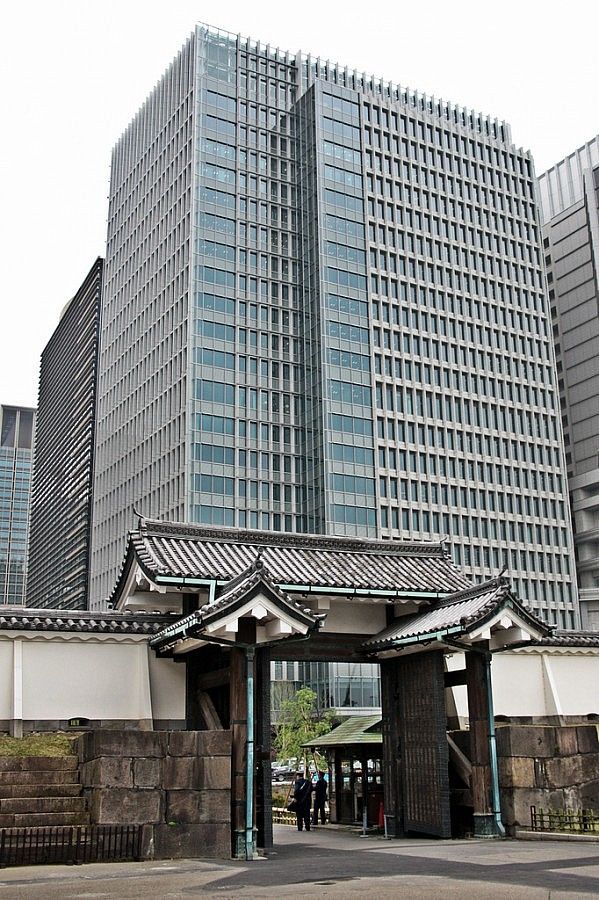
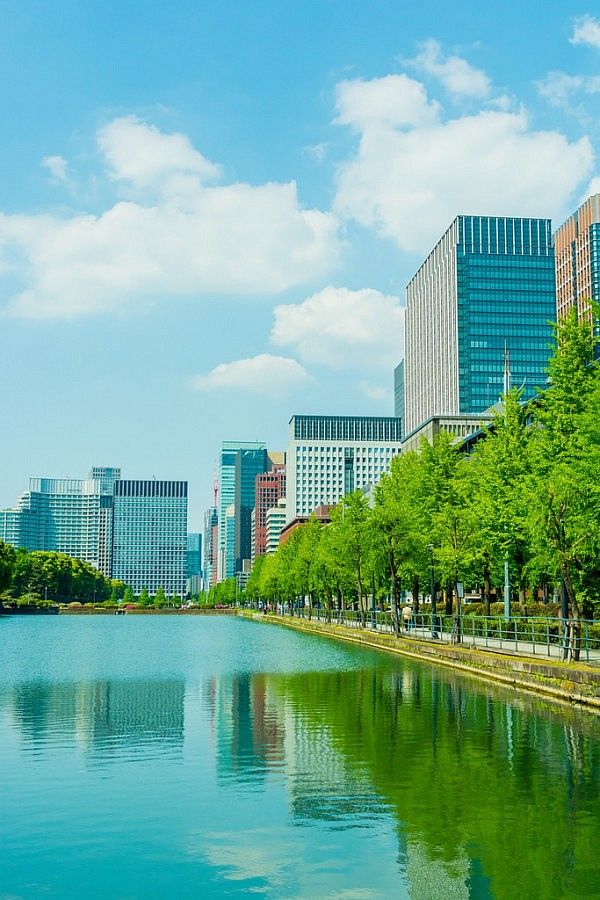
The prettiest stretch runs from Sakuradamon Gate to the plaza in front of Nijubashi, where the moat widens and the Marunouchi skyscrapers rise up behind the walls.
Don’t be surprised if you find yourself surrounded by runners. With no traffic lights or intersections, the palace loop is Tokyo’s best-known running route, and by convention everyone goes around it counterclockwise.
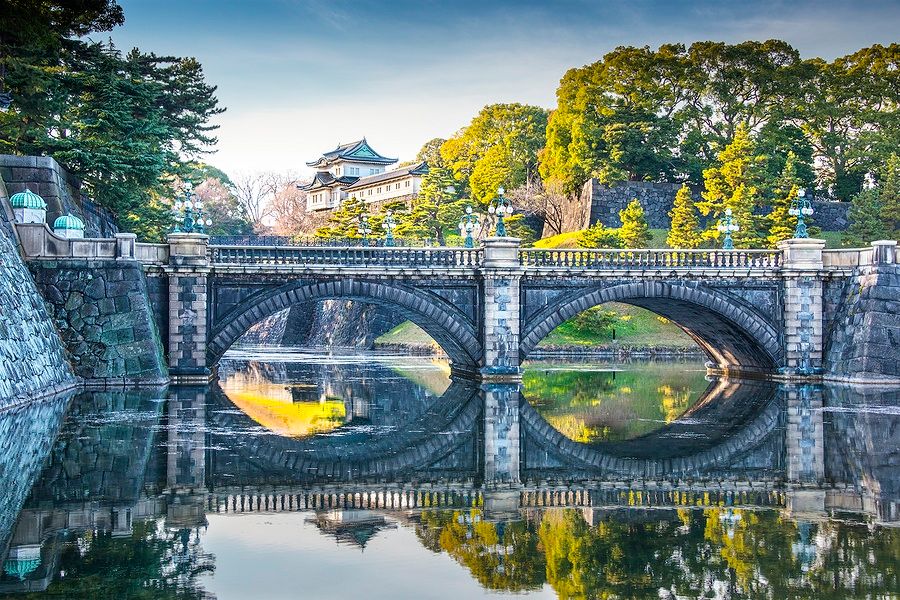
The eastern section of the park is open to the public, and entry is free.
The park you see today was once the heart of Edo Castle, the fortress of the Tokugawa shoguns, and as you walk across the lawns you can still spot traces of it.
At the far end of the gardens you reach the tenshudai, the huge stone base the main tower once stood on. The tower burned down in the mid-1600s and was never rebuilt, but you can still climb up onto the platform and look out over the whole park. Not far away, a sign marks the Pine Corridor, where the story of the 47 ronin began.
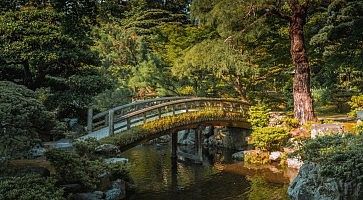
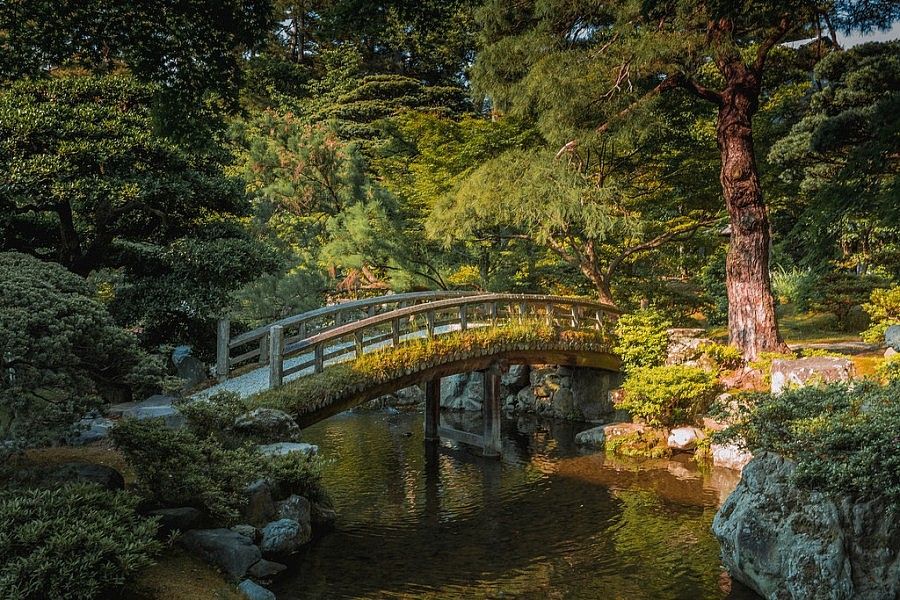
The lower part of the park is home to the Ninomaru garden, which is much better kept than the rest of the park, with a pond, carp and irises in June. A couple of wooden guardhouses are also still standing. Guards there once kept watch over people heading up to the fortress.
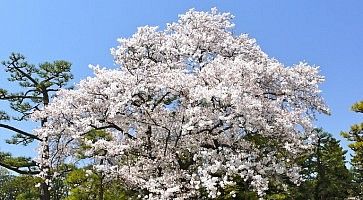
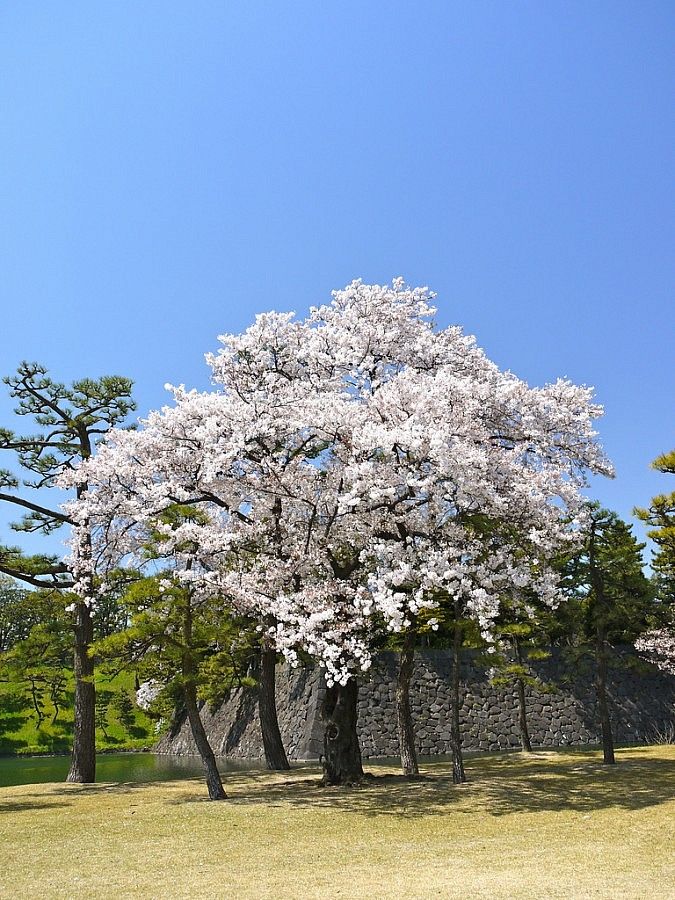
The area around the palace is full of trees that turn pink in spring, when the cherry blossoms are out.
On the moat at Chidorigafuchi you can rent a boat, which costs 1,000 yen per 30 minutes. The price goes up to 1,500 yen during cherry blossom season, when the boats get snapped up because the view is amazing.
For the East Gardens, the most convenient station is Otemachi. Head out toward the moat and in five minutes on foot you're standing in front of Otemon, the large entrance gate. If you're coming from Tokyo Station, take the Marunouchi side and walk about ten minutes through the skyscrapers.
If you're after the classic view of Nijubashi, or you need to check in for the official guided tour, get off at Nijubashimae instead. From exit 6 it's just under ten minutes to Kikyomon Gate.
For the cherry tree moat and the boats, Kudanshita Station is the best choice, since the path along the water at Chidorigafuchi starts there.
This place is on MarcoMaps
Imperial Palace
My map of Japan: over 4,000 places I've tried myself, each with photos, rating, and hours. Filter by category and rating, find veg-friendly spots and places near you with GPS. No sign-up, right from your phone.


Imperial Palace - nearby you will find:
414 mWidespread tonkatsu chain.
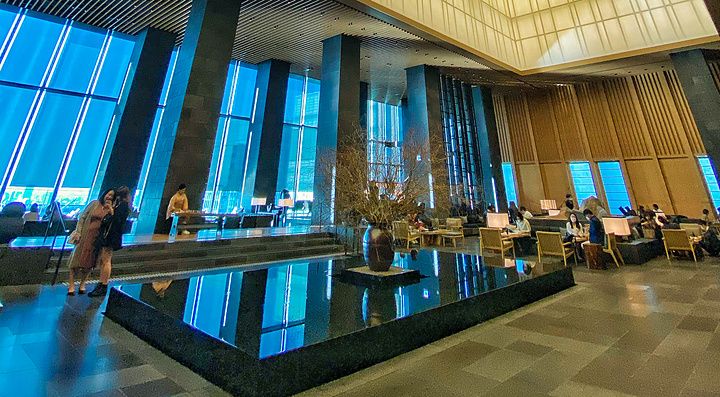 444 m
Luxury afternoon tea with a view.
 451 m
Sausages and draft beer.
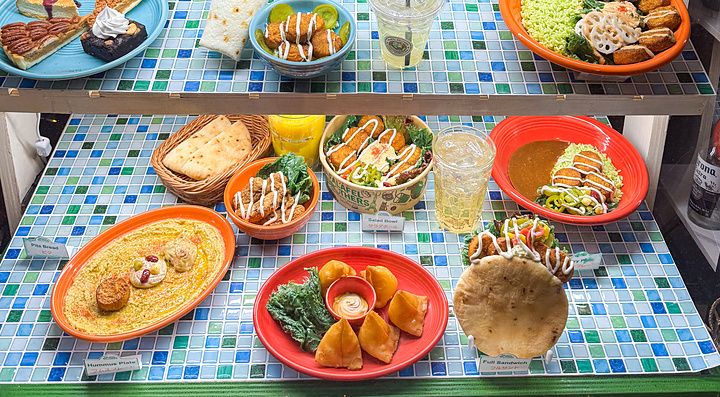 506 m
Pita, hummus and vegan food.
 515 m
Skyscraper with shops and restaurants.
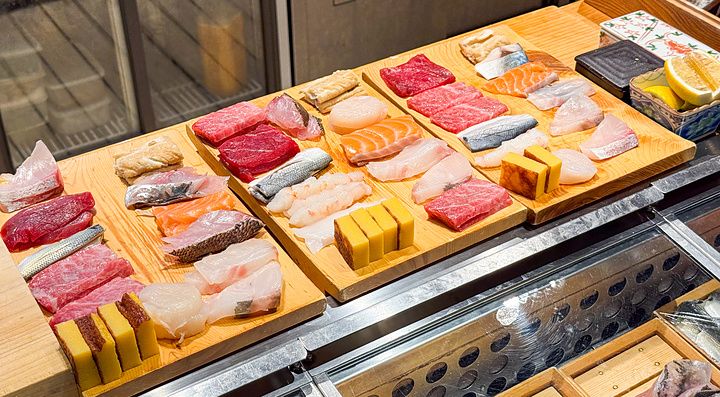 526 m
Casual omakase and aged fish.