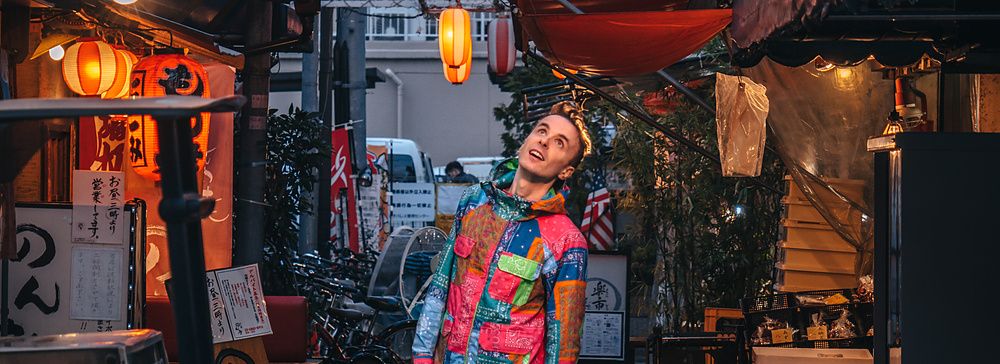
Integrating into Japanese Society
Living in Japan also means choosing what kind of presence you want to have here.
Some people dream of becoming a “local,” some want to just pass through, and others fall somewhere in between. I’ve come to a very clear view on this. I fully understand the value of integrating, but for me personally it isn’t a goal. And far from making my life worse, that choice has made it simpler.
Contents
- Integrating makes me sick
- A slippery word
- Forever a foreigner
- A country that opened up recently
- Inside and outside
- Language alone isn't enough
- Unwritten rules
- Your role at work
- Dealing with paperwork
- Housing and neighbors
- Real friendships
- Partners and family
- Foreigner privilege
- A citizen of the world
- If you do want to integrate
- Permanent residency or passport
- Common mistakes
- My advice
- Video: Why You'll Always Be a Foreigner in Japan
Integrating makes me sick
Here’s where I stand, and it’s usually what gets people arguing. I don’t want to integrate in Japan, in the social sense or in terms of identity. I’m not interested in becoming 100% part of a society, and the idea of having to do it genuinely bothers me. It makes me sick, to put it bluntly, because to me it would be a cage, not an achievement.
Don’t get me wrong: I think integration is a wonderful thing when it’s what you want. I’ve seen people find a home, a sense of belonging and peace of mind here, and I’m happy for them. It’s just not something I want for myself.
Part of the reason I’m comfortable here is that I’m “the one who’s different.” I’m not saying that out of arrogance. It’s a fact: in some lines of work, being different becomes an asset, and in a lot of everyday situations the cultural distance makes some things easier rather than harder. Above all, I like feeling free. I never liked the idea of belonging completely to a system anywhere else either. Here I’ve found a balance where I can be decent and responsible without being “absorbed.”


A slippery word
A lot of people use “integration” as if it were a destination: you arrive and you’re in. I see it as something far more slippery.
There’s a practical side, and I think it’s absolutely right: understanding how services work, paying your taxes, following the rules that let people live side by side, and learning to manage without asking for help every three minutes. That’s integration in the good sense: living well without being a burden on others.
Then there’s the other side, the social and identity side. That means being seen as “one of us,” being part of the circles, sharing the unspoken codes and feeling at home on a deep level. This is where Japan is different. That’s not because the country is “bad” or “mean.” It simply has a history and a social structure that make that kind of integration much rarer than people imagine.

Forever a foreigner
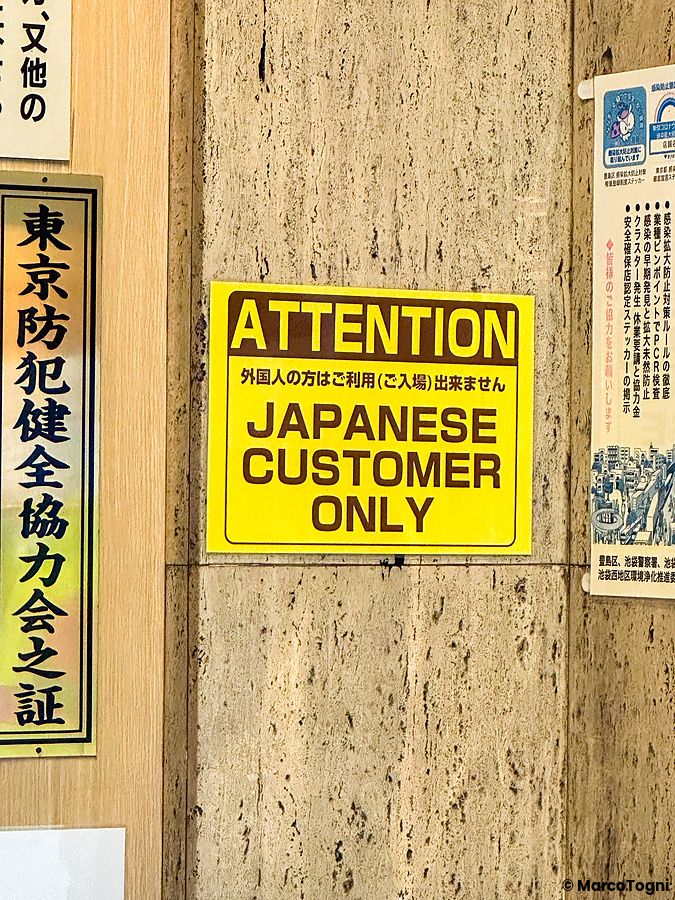
It’s something a lot of people only figure out later: even if you speak well, even if you’ve worked here for years, even if your manners are impeccable, you’ll often still be “the foreigner.” Not necessarily out of malice. Sometimes it’s neutral, almost automatic.
I’ll be honest with you. For me it was liberating to stop fighting that label. Once you accept that how people see you doesn’t depend only on you, you breathe easier. You’re no longer chasing a badge of acceptance that may never come, and you start building a life that works anyway.
There’s a flip side. In some situations you can definitely feel that distance. Some circles stay closed, some confidences never come your way, and some invitations never get sent. But if you expect to be “absorbed” the way it happens elsewhere, you’re only setting yourself up for frustration. If you make peace with being a long-term guest, or a resident with an identity of your own, you’ll handle things with a clearer head.
A country that opened up recently
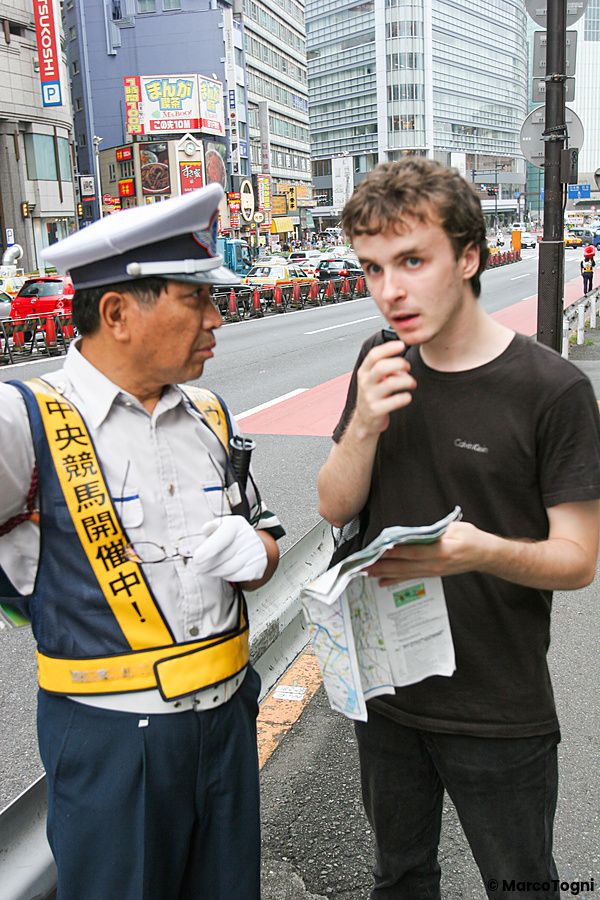
When I say full integration is rare here, I’m not just philosophizing. For centuries Japan had a policy of tightly restricting contact with the outside world, and its modern “opening” is fairly recent in the country’s long history. The end of that closed period and the start of regular relations with other countries are usually tied to the mid-19th century, when the American ships arrived and the first treaties that changed everything were signed.
Even today, while the foreign population is growing, the numbers are still small compared to those in countries that have had large-scale immigration for decades. The number of foreign residents has grown into the millions, but they’re still a small share of the total population. That shapes how society “pictures” a foreigner: often not as someone who becomes part of it, but as someone who lives alongside the group.
I’m not telling you this to discourage you. I’m telling you because once you understand the bigger picture, you’ll set healthier expectations.
Inside and outside
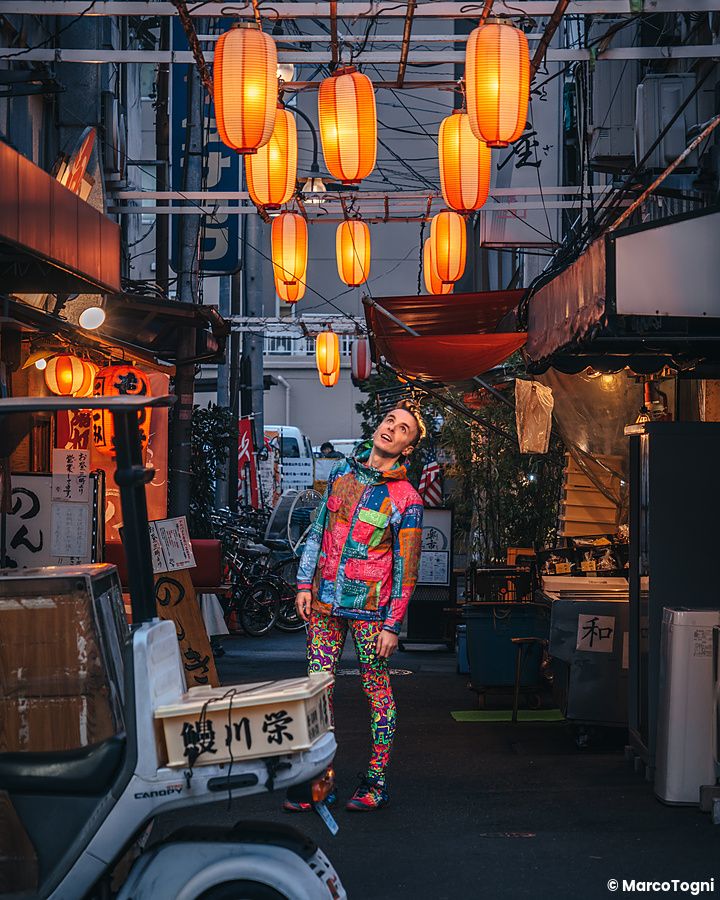
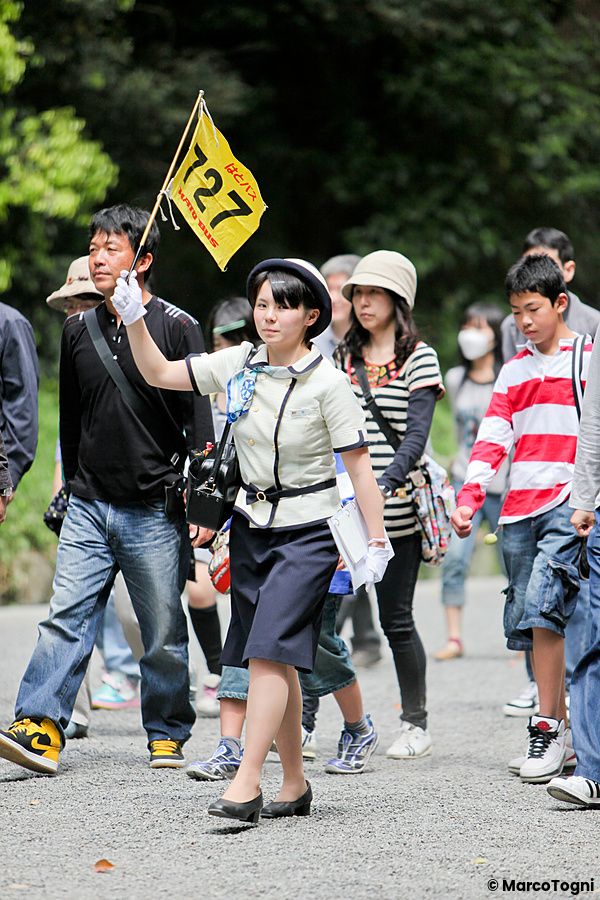
One thing you pick up on early in Japan, even without studying sociology, is the difference between “inside” and “outside.” Social circles are very clearly defined: family, school, company, neighborhood group, hobbies. Really getting into one takes time and consistency, and often someone to “introduce” you the right way.
Here’s the curious part. People can be extremely kind to you and still keep you at a set distance, as if there were an invisible boundary around them. That isn’t necessarily coldness. It’s a way of protecting the group’s harmony and keeping surprises to a minimum.
The practical advice I often give is this: don’t measure friendship by warmth alone. Measure it by how consistent it is. If someone keeps reaching out over time, includes you in small things again and again and brings you into their daily rituals, that’s worth more than a thousand compliments in a single evening.
Language alone isn’t enough
A lot of people think, “If I learn the language well, I’ll integrate.” Language is essential, but it isn’t a magic key.
The way I’d put it, language is mainly for you, so you don’t have to depend on anyone. It gives you independence, spares you anxiety, lets you understand what you’re signing, helps you handle conflicts politely and lets you pick up on nuances. But it doesn’t automatically mean people will let you in emotionally, and it doesn’t turn you into “a local” in other people’s eyes.
Sometimes the opposite happens. Once you speak well, expectations change. You’re no longer “the one who doesn’t understand”; you become “the one who understands.” Some people start treating you more seriously, others more cautiously, and that shift can catch you off guard. Then there’s the classic compliment that comes after you’ve said three words correctly, when people tell you your Japanese is amazing. It feels nice at first, until you realize it’s often a polite formality, not a judgment of your level. The real sign is the opposite: when people stop complimenting you and start talking to you at normal speed, you’ve gotten somewhere.
If you want to learn in a way that’s useful in real life, these are the things I’ve seen work:
- picking one practical area (the bank, the doctor, housing) and learning the phrases and vocabulary you need there
- practicing “I didn’t understand, could you write it down for me?” without embarrassment, because asking politely is normal here
- learning the polite phrases that defuse tension, rather than “textbook” words
Unwritten rules
The written rules aren’t the hard part. The unspoken ones are: how loudly you talk, how you use space, how punctual you are, how you ask for a favor, how close you stand, and how you avoid putting the other person in an awkward spot.
What’s interesting is that as a foreigner you often get forgiven for a lot. I’ve seen it countless times in everyday situations. You do something slightly off, and the other person automatically cuts you some slack. It’s convenient, but treat it with respect, because if you use it as an excuse it turns into a caricature.
There are three practical things that I think change everything, and you don’t have to “put on an act” to do them:
- never add to other people’s burden: if you ask for something, make it easy to do
- avoid direct confrontation in public: if you need to, talk it over privately and calmly
- always leave a way out: use phrasing that lets the other person say no without feeling bad
They won’t make you “Japanese.” They’ll just make you someone people enjoy dealing with.
Your role at work
At work, integration gets even stranger, because foreigners often have an unspoken role. In some workplaces you’re “the international one,” “the one who brings something different,” “the one who can talk to overseas clients” or “the one who bridges the gap.”
Honestly, I think that if you’re good and reliable, this role can turn into a huge advantage. I’m not saying things get handed to you. I’m saying that sometimes you get paid to be yourself, not to become a copy of your Japanese colleague.
The less pleasant part is that some career paths can stay limited. Not always and not everywhere, but certain internal “representative” positions may go to people who belong to the group by birth, because that kind of role requires trust rooted in a shared culture, and skills alone can’t build that.
My advice here is very pragmatic. Choose places where your difference is openly valued, not treated as a problem to hide. If you find yourself feeling every day that you have to make yourself smaller, that isn’t integration. It’s wearing you down.
Dealing with paperwork
Japanese bureaucracy can be incredibly tough or surprisingly smooth, depending on how you walk into the room. I put it that way because I see a clear pattern: when it’s obvious you’re a foreigner, many of the people working behind the counter try to simplify things, slow down and make the process more “foolproof.”
You might like that or find it irritating. Some people are bothered by it because it feels patronizing. I take it for what it is: a way to get things done without drama.
If you want to make life easier for yourself, I’d suggest treating it almost like a film shoot: show up prepared and eliminate surprises.
- documents always in order, including the ones that “probably won’t be needed”
- your name written the way they want it, with no creative interpretation
- patience with how long things take, because here accuracy comes before speed
Above all, when you don’t understand, don’t pretend. Asking someone to repeat themselves earns you far more respect than nodding and then getting it wrong.
Housing and neighbors
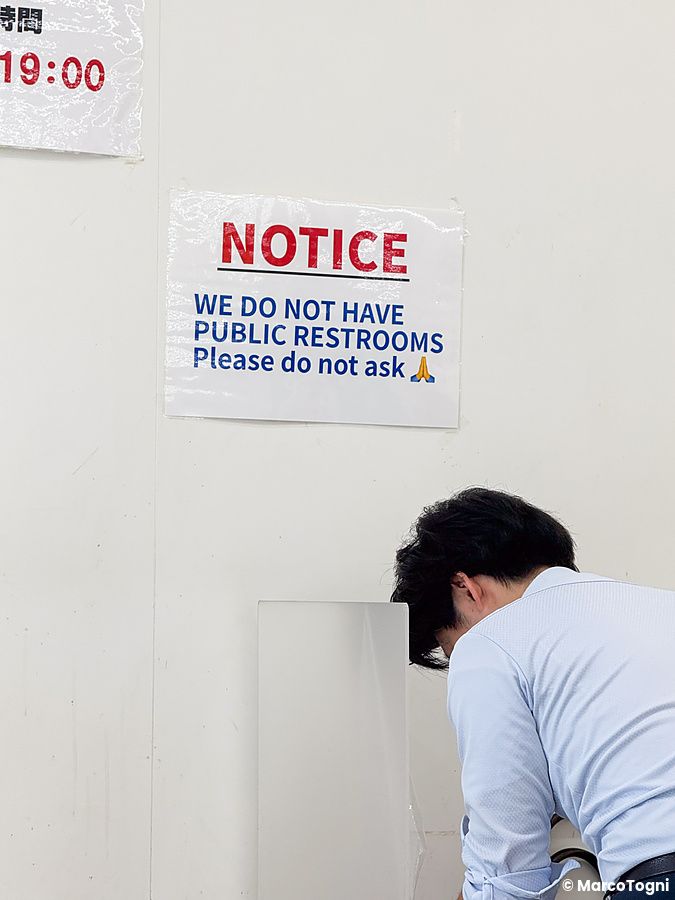
Housing is one area where you really feel the gap between integration in theory and integration in practice. Being “likable” isn’t enough here. There are rules, guarantees and procedures, and often a lot of caution toward anyone who might cause trouble in the building. The part that stings most, though, comes earlier, while you’re still looking for a place. You may be told the landlord doesn’t rent to foreigners, and it can happen even if you speak well and have a solid contract. It’s almost never hostility. Behind it is the fear of not being able to communicate if something goes wrong, and the worry that the house rules won’t be explained properly.
That’s when the distance stops being a feeling and becomes a concrete filter. My attitude was that you keep looking until you find something, and one person’s no isn’t a judgment on you.
The funny thing is that in everyday life, neighbors often don’t want to become your friends. They just want peace and quiet, and if you come from a more outgoing culture, that’s easy to misread.
The way I see it, you don’t need to get close to them. You need to be predictable in a good way: say hello, be polite, keep the noise down, put out your trash the right way, be mindful of the time. Do those things and you’ve already done the most important part of “integrating” into life alongside other people.
And if one day you have to explain something, saying it calmly in one simple sentence often gets you further than a long discussion.
Real friendships
Friendships here can run deep, but they often grow slowly, and a lot of people mistake that slowness for rejection. I’d tell you not to read it that way.
Part of Japanese social life is built around “safe” moments: a group outing, an organized dinner, an event. One-on-one closeness comes later, and sometimes it only comes if you have something ongoing in common, like a sport, music, work, volunteering or a project.
If you want better odds of building real connections, I see two approaches that work well:
- become a regular somewhere: same gym, same class, same bar, same club
- offer consistency instead of intensity: it’s better to see someone once a month for a year than three times in one week and then disappear
There’s also something I say often, because it heads off misunderstandings: someone being kind to you doesn’t mean they want to become part of your life. Kindness here is also a form of respect, not always an invitation.
Partners and family
When relationships and family come into it, the idea of integration shifts again. You’re no longer “just” living in a country. You’re stepping into the rituals of another household, with expectations that aren’t always said out loud.
In these situations, I don’t think the key word is integration. It’s negotiation: figuring out what matters to the other person and what matters to you, then finding a balance that doesn’t leave you feeling like a permanent guest.
One simple rule applies here. Don’t try to become the perfect version of what the other side has in mind, because it works for two months and then blows up. It’s better to make clear early on what kind of person you are, even if it doesn’t fit the mold.
And if there are kids, the choices obviously get more concrete: language, school, social circles, routines. In that case a lot of people opt for a stronger form of integration to give the family stability. That makes sense. But it’s a choice, not a moral obligation.
Foreigner privilege
This is a touchy subject, but I’d rather say it plainly. In some situations, being a foreigner in Japan is a practical privilege.
I don’t mean privilege as in superiority. I mean a certain leeway and people’s curiosity about you, which can make your life easier. If you get a formality wrong, people often correct you gently. If you’re unsure about something, they sometimes go out of their way to help. If you do something a bit out of the ordinary, it can be read as “different” rather than “wrong.”
That’s one of the reasons I’m happy living here. And precisely because I recognize it, I try not to take advantage of it. This is where I draw the line: I accept the kindness, but I never act like a permanent tourist. I pay what I owe, I follow the rules, and when I can, I make life easier for other people.
If your goal is to be treated like a local, you risk losing even that leeway. It’s a paradox, but it happens. When you chase total assimilation, you end up feeling more judged, because you’re measuring yourself against a standard you didn’t choose.
A citizen of the world
There’s a more philosophical side to all this too, and it has practical consequences. I’m much more comfortable with the idea of being someone who can live in more than one place, without having to pick a single national identity as the center of who I am.
I think this mindset helps enormously in Japan, because it means you don’t experience every bit of distance as a failure. If you see yourself as “permanently in transit,” in the good sense, being different isn’t a problem to solve. It’s just part of who you are.
I’ll go further. People who are at ease with this idea often integrate better on the practical side, because they don’t treat the language, the rules and the customs as a test to pass in order to “be accepted”, but as tools for living well right now.
If you do want to integrate
If, on the other hand, you really do want to integrate, I’m not going to tell you to forget it. I’ll just tell you to aim for realistic goals.
Realistic means:
- building real friendships, a few solid ones
- feeling capable in everyday life
- having a job or being in a setting where you don’t feel like a guest all the time
- understanding what goes unsaid well enough to stay out of pointless trouble
Less realistic, or at least rarer, is being seen as “a local” in the full sense. It can happen, especially in certain settings, but it’s not something you can make happen through sheer willpower.
I think it makes sense to integrate more if you’re building a very settled life: a home, kids, long-term projects. In that case, putting time into relationships and social rituals can make everything simpler. If you’re here for a few years, though, or you have a very mobile sense of identity, it may be healthier not to force yourself into a shape that isn’t yours.
Permanent residency or passport
There’s also a level of integration that has nothing to do with people and everything to do with paperwork, and it’s worth keeping it separate. Permanent residency frees you from a visa tied to your job and gives you much more freedom in your choices, but it’s still a permit. Your passport is still the one you were born with.
Naturalization is a different matter. Japan doesn’t allow dual citizenship for adults, so becoming Japanese means giving up your original citizenship. For me the answer is no, not because it’s the wrong choice, but because I don’t want to trade one identity for another.
What I really want to tell you, though, is something else: neither status changes how people look at you on the street. I’ve met naturalized citizens who still get asked where they’re from. The paperwork takes care of the practical side, and how people see you is another story.
Common mistakes
There are a few mistakes I see people make over and over, and I understand them, because they’re human. But they’re exactly the ones that hurt.
- looking for approval as proof of your worth instead of building a life that works
- copying how people act just to look the part, and then feeling empty or stiff
- reading every bit of distance as personal rejection, when it’s often just social style
- thinking the language will fix everything, and then being disappointed when it doesn’t change how people see you
- shutting yourself in a bubble and calling it integration, when it’s really just self-protection
Avoid even two of these and your experience changes, because you stop fighting reality and start steering it.
My advice
If I were you, I’d make a simple choice: integrate 100% when it comes to the things that make you independent, and leave yourself free to choose how you live your social life.
Learn what you need to live well, follow the rules, do your part. After that, it’s up to you how involved you want to get in social circles, how much you want to adapt, how much you want to stay true to yourself. There’s no medal at the end, and there’s no certificate.
I like the idea of walking around Tokyo in the evening, grabbing something at the conbini, heading home, and feeling like exactly what I am: someone who lives here, who’s happy here, but who doesn’t have to become “one of them” to earn a place. What would you choose?