
Internships in Japan
Internships in Japan are one of the most direct ways to see how people actually work here, without having to land a full-time job first. Students often write to me wanting to give it a try, and they always get stuck on the same two things: which visa they need and where to find companies willing to take on a foreigner.
The answers are out there, but they’re scattered across ministry websites, European programs and job boards in Japanese. And in Japan, the word internship doesn’t mean the same thing it does in Europe.
If you’re still a student, there are programs that cover almost all your costs. If you’ve already graduated, you can go for the working holiday visa. Either way, an internship will cost you more than you earn from it.
Contents
What counts as an internship
In Japan the word internship covers very different things. At one end there’s the one-day event where a company introduces itself and has you work on a group exercise. At the other there’s the real six-month internship, where you work on a project like everyone else.
The ministries in charge of education, labor and the economy have sorted this out by splitting these activities into four types: company information events, educational programs organized with universities, actual hands-on internships, and advanced internships for people with highly specialized skills. Only the last two count as work experience, and both have a minimum length: five days for general internships, two weeks for ones tied to a specific skill. For a European student, everything else is little more than a company visit.
There’s also a mix-up I see a lot. Technical intern training is the program Japan uses to bring in workers from other Asian countries for farming, construction and manufacturing. Its name has the word intern in it too, but it has nothing to do with a university student’s internship.
These are two completely separate tracks, with different requirements, lengths and purposes. If your online search lands you on pages about technical interns and placement agencies, you’ve taken a wrong turn.


Which visa you need
The residence status you need comes down to one thing: whether you’re paid or not. The visa for paid internships is called Designated Activities No. 9, and it’s meant for students enrolled at a university outside Japan who come here for practical training as part of their degree.
The main condition isn’t about you but about your university. There has to be a written agreement between your school and the Japanese company or organization hosting you, and the internship has to earn academic credit. Without that piece of paper, the application doesn’t even get started.
It can last up to a year, with one extra limit: it can’t run longer than half the standard length of your degree program. Your host has to pay you directly and at least the minimum wage in the prefecture where you work, and that includes overtime. Under this status there’s no such thing as under-the-table payments or token pay.
These are the main alternatives:
- The summer job visa, for students who come during their university’s summer break: it lasts up to three months, and you need a written contract between you and your host.
- International cultural exchange, also capped at three months and also only when classes aren’t in session, for programs that are more cultural than corporate.
- The cultural activities visa or plain tourist entry, which cover up to ninety days but only for unpaid internships: how long you can stay without a visa depends on your country, and if you’re paid even a single yen, you’re breaking the rules, and the company faces the consequences too.
- The working holiday visa, open to young citizens of countries that have an agreement with Japan, usually between eighteen and thirty depending on the country: it lasts up to twelve months in most cases and leaves you free to work, and it’s the most flexible way to do an internship without going through a university.
The working holiday route is the one I recommend most often to people who’ve already finished their studies and no longer have a university to sign agreements for them.
If you’re already studying in Japan
If you’re in Japan on a student visa, whether for university or a language school, a separate rule applies. You need permission to engage in activities outside your status. You request it from immigration, and many airports will stamp it on the back of your residence card as soon as you land: ask for it there and you’ll save yourself a morning standing in line.
With that permission you can work up to 28 hours a week. The way the hours are counted is stricter than people make it sound. The 28 hours apply to any seven-day window, not to a monthly average, and they include every job you have. During your school’s long breaks, the cap goes up to eight hours a day.
A paid internship counts in full toward that total, while an unpaid one doesn’t. If you’re already putting in a few hours at a restaurant or a shop, add it all up before you sign anything. Going over the limit means working illegally, and in the worst cases it ends with your visa renewal being denied.

Vulcanus in Japan
If you’re studying engineering or a science subject at a European university, this is the best program there is, and I’ll say that flat out. It’s run by the EU-Japan Centre for Industrial Cooperation, it’s been going since the late 1990s, and every year it sends a small group of students here, a few dozen in all.
The format is always the same: an introductory seminar on Japan, two months of intensive language classes, and then six months of internship inside a company. That’s eight months in total, from late summer to March of the following year. The host companies are big names in industry and research, and the projects range from mechanical engineering to artificial intelligence, and from chemistry to the life sciences.
The money is the reason it’s worth a shot. You get a grant of around 8,000 euros that covers travel, insurance and living expenses, and the company provides housing. You don’t pay for the language course or the seminar.
To apply, you have to be a citizen of an EU member or associated country, be enrolled at a European university anywhere from your fourth year up to the second-to-last year of a PhD, and speak fluent English. Japanese isn’t required at the start; you’ll study it here.
Applications open in the fall and close around January. You apply in two stages, and then the companies themselves choose from the shortlist of finalists. Competition is tough, but a lot of people rule themselves out because they think they’re not qualified enough. My advice is to apply anyway, because motivation counts as much as your grades.

The METI program
Japan’s Ministry of Economy, Trade and Industry runs its own internship program, built around small and medium-sized businesses. It’s meant for people who don’t already live in Japan: final-year students or graduates, roughly between 18 and 39, who are citizens of countries on the international cooperation lists. In plain terms, that’s the list of countries that receive development aid.
If your country isn’t on it, you normally can’t apply. I’m covering it anyway because if you also hold citizenship of a listed country, say in Latin America, North Africa or Southeast Asia, you have another option to try.
The program runs in two phases: an online phase lasting a few weeks, then about a month of work in person at the company. You get a daily allowance of a few thousand yen, so it’s not a salary, but your round-trip flight, insurance and visa paperwork are covered, and the host company provides housing.
The language requirement is at least N3 in Japanese or an intermediate level of English. Selection has three stages: a review of your documents, an interview with the program office and, finally, an interview with the company.
What I like about it is that it takes you where tourists don’t go. The companies taking part are often in prefectures outside the major cities, each one takes just one person, and they put you in direct contact with the people who make the decisions. That never happens to an intern at a multinational in Tokyo.


Other programs
Beyond the two big names, there are channels I rarely see people use, and they’re often simpler. IAESTE works with students in technical and science fields and goes through your country’s national committee. The internships are paid, but you’ll need to budget for a registration fee plus an administration fee.
AIESEC is more general and offers long internships, from six months to a year, at companies that work with the local student network.
The channel I’d try first, though, is your university’s international relations office. Many universities already have signed agreements with Japanese universities or companies, and an existing agreement solves the biggest hurdle of the paid internship visa all on its own.

Finding one on your own
If no program fits you, that leaves job listings. There are only a handful of places to look, and they’re always the same ones:
- Wantedly is the site Japanese startups use most, and it’s also where a foreigner’s profile gets read with more curiosity than suspicion.
- GaijinPot, Daijob and Jobs in Japan mostly post full-time positions, but internships come up now and then, and the companies posting there already know what hiring a non-Japanese person involves.
- LinkedIn carries less weight here than in Europe, but it works well if you’re targeting branches of foreign companies or the tech industry.
- Japanese job boards for long-term internships are full of positions paid by the hour, but almost all of them assume you already have a valid visa and speak the language.
Unsolicited applications sent by email, which in Europe almost always go nowhere, get a reply more often here, as long as they’re well written and strike the right tone. It’s even better if you find the name of the person who handles HR instead of writing to the general address.
The most open companies are Tokyo startups, branches of foreign companies and businesses that export to Europe. For the exporters, taking on a European intern isn’t doing you a favor. It’s getting someone who speaks their customers’ language.

Paid placement agencies
Some agencies will find an internship for you, handle the visa paperwork, and sometimes include housing, insurance, Japanese lessons and on-site support. They cost money, and plenty of it. Depending on how many services you sign up for, you’ll pay anywhere from a few hundred to several thousand euros, usually split in two: one payment at the interview and one when your placement is confirmed.
They aren’t a scam, but you should see them for what they are. You’re paying for the logistics, not getting a paycheck. Before you sign, ask three specific questions: is the internship paid, which companies hosted last year’s participants, and can you talk to someone who’s been through it?
If you have zero Japanese, no university agreement and little time for the bureaucracy, the agency pays for itself. If your university already works with Japan, I think it’s money down the drain.
What you’ll earn
Almost everyone asks about pay last, even though it matters a lot, so here are the real numbers. Most internships open to foreigners are unpaid or come with a small monthly allowance.
Long-term internships paid by the hour, the kind students who already live here take on, generally pay between 1,000 and 1,500 yen an hour. Tokyo pays above average, and sales or technical roles go a bit higher still. If you work two or three days a week, you’ll earn 50,000 to 100,000 yen a month, enough for groceries and transportation but not rent.
The company almost always covers your commute. That’s standard practice here, and it applies to interns too. Ask about it anyway along with the rest of the terms, and check current costs before you leave.
The real expense is living here. Between a room in a share house, insurance, transportation and day-to-day life, you’ll need money from home or a scholarship that covers it, and that’s exactly why a program like Vulcanus beats any search you do on your own.

How much Japanese you need
It depends on where you end up, and the difference is stark. At startups and foreign-owned companies in Tokyo you can work in English just fine, and N4 is enough for everyday life.
At traditional Japanese companies, especially outside the big cities, you’ll struggle without a solid N3, and without N2 nobody will give you anything meaningful to do. It’s not that people are unwelcoming. Meetings, internal documents and work chats are all in Japanese, and nobody has the time to translate for you.
Nobody expects your keigo, the formal way of speaking, to be perfect. What people do notice is whether you say hello when you arrive and goodbye when you leave, whether you let people know when you finish a task, and whether you use basic polite forms with people senior to you at the company.
Applying and interviewing
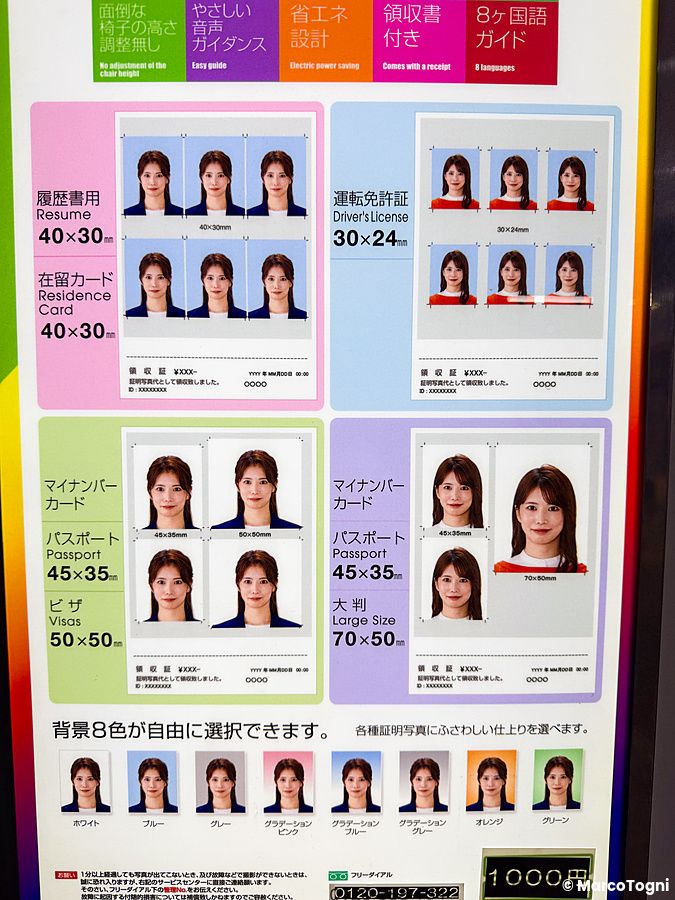
Japanese résumés have their own format, the rirekisho, with a passport-style photo and fixed fields, and that’s what a Japanese company will want. For the Japan branch of a foreign company, a regular résumé in English is fine as long as it fits on one page.
The interview is more formal than you’d expect, even at startups. Get there at least ten minutes early, dress conservatively, and have concrete answers ready for three questions that always come up: why Japan, why this company, and what you hope to get out of the internship.
There isn’t much to prepare before you send an application, but it has to be done right:
- A résumé in the right format, with dates that leave no gaps to explain.
- A short cover letter, ten lines, saying what you can do, not how much you love Japan.
- Your university enrollment certificate and, if you need the internship visa, your university’s willingness to sign the agreement.
- At least a few months of lead time, because between the selection process, the Certificate of Eligibility and the visa, it all takes a while.

Office life
The way work is organized surprises newcomers most. You report everything to your manager, even small things, and telling people what you’re about to do before you do it is an actual rule, not a formality.
Decisions go through several people and move slowly, meetings run longer than you think they should, and people praise an intern’s initiative more than they act on it. That’s not a criticism. It’s simply the pace of work here, and knowing it in advance saves you half the frustration.
On the other hand, people are very patient with foreigners and more than willing to explain things. There’s almost always someone assigned to look after you, and the group dinners after work are where colleagues talk much more openly than they do at their desks. If they invite you, go.

Common mistakes
I keep seeing the same ones, and they’re all avoidable:
- Thinking a tourist visa is enough: you can’t do a paid internship after entering as a tourist, and the company that took you on pays the price too.
- Starting too late, when the application, the university paperwork and the immigration process take months, not weeks.
- Applying only to big-name brands that get hundreds of applications, and ignoring the mid-sized companies where an intern actually gets looked after.
- Not getting the terms in writing (whether the internship is paid, how many hours you’ll work and who pays for what) and finding out after you land.
- Underestimating health insurance: here, an ER visit without coverage really hurts your wallet.
From internship to job
An internship doesn’t turn into a job on its own. To work in Japan after you graduate you need a proper work visa, usually the one that covers engineering and humanities roles, and to get it you need a degree that matches the job and a company willing to hire you.
What the internship gives you is everything else: a Japanese company on your résumé, someone who can vouch for you, and concrete proof that you lasted six months in an office here. That counts for a lot in new-graduate hiring, which runs on a rigid calendar and starts well over a year before you actually join.
Many companies can also use what they saw during a hands-on internship as part of their hiring decision. If your goal is to stay, choose with that in mind. A company that hires foreigners on a regular basis beats a prestigious name where you’re the latest experiment.

My advice
If you’re a science student, try Vulcanus and stop looking for anything else until you hear back. If you study something else or have already graduated, and your country has a working holiday agreement with Japan, that visa takes the biggest problem off the table and lets you knock on whatever doors you want.
The rest falls into place more easily than it looks from the outside. Working in Japan is a whole other thing from seeing it as a traveler, with hours and ways of doing things that not everyone can handle, and six months inside an office will tell you that better than any article, this one included.
And maybe you’ll find out it’s not for you. That’s an answer worth the trip too.