Combining Japan with a Beach Vacation
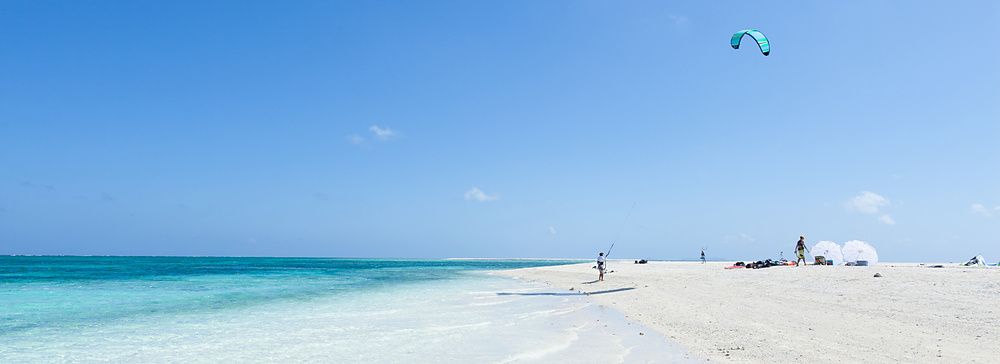
A lot of people dream of Japan for its temples, the lights of Tokyo, and a culture that goes back thousands of years. Still, I often get asked whether you can fit in a beach vacation too. You can, and if you plan it well, the beach becomes a magical part of the trip, perfect if you want to split your time between cities and nature.
If you’re looking for a full itinerary, my articles “14 Days in Japan” and “Giappone Spettacularis” are still good places to start. Here I’ll tell you where and how to add a beach stop to your trip, plus a few options outside Japan if you have an extra week.
Contents
- Okinawa, Japan's best beaches
- Book with free cancellation
- Beaches near Tokyo
- Beaches near Kyoto and Osaka
- Best time for the beach
- How beaches work in Japan
- Beaches outside Japan
- How many days to spend at the beach
- Mixing beach and city in your itinerary
- What to pack for the beach
- Lesser-known islands for something different
- Final thoughts
Okinawa, Japan’s best beaches
Ask about beaches in Japan and the answer is almost always Okinawa. It’s the country’s best-known tropical archipelago, with turquoise water, white sand, and a culture quite unlike “classic” Japan.
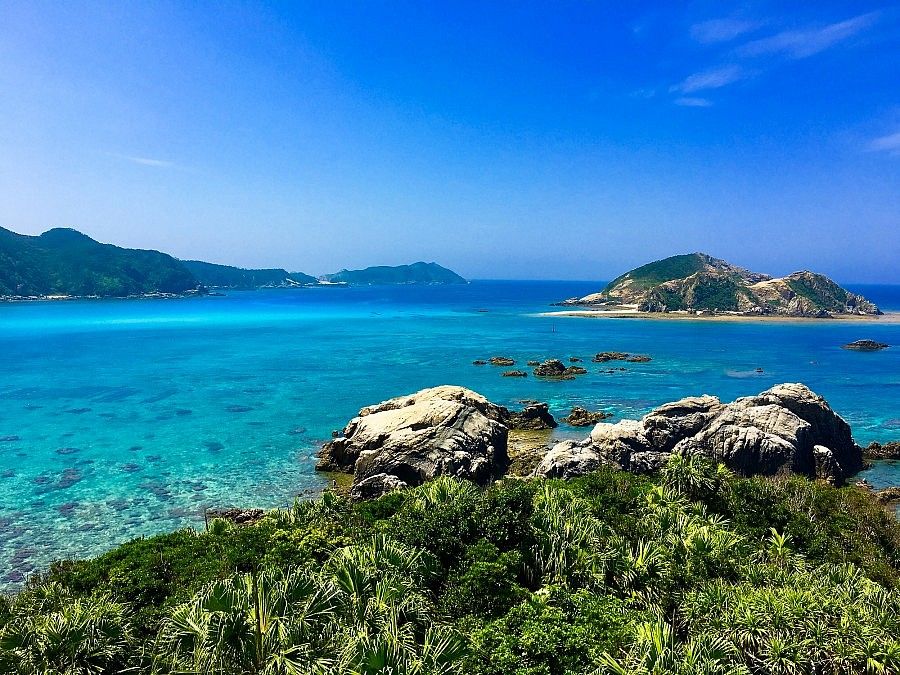
My first piece of advice is to think carefully about which island to go to, because Okinawa isn’t just one island. The main island, where you land if you fly into Naha, is convenient and has plenty of hotels, but the water there isn’t the kind you’ll fall in love with. It’s perfect if you want a mix of city life, local culture, and a few nice beaches. If you’re after postcard-perfect water, though, you’ll want to go farther. From the main island you can still reach the Kerama Islands on a day trip, and the water there is in a different league: the Kerama blue everyone talks about isn’t just marketing. Zamami and Tokashiki are small and quiet, with beaches where in summer you might spot sea turtles a few meters from shore. If you’re staying in Naha and want a taste of the real thing without taking another flight, this is your best bet.
Miyakojima is the perfect place if you love peace and quiet and spectacular beaches. There are few cars, hardly any hustle, and some of the most beautiful beaches I’ve ever seen in Japan. The mood is relaxed and life moves slowly, so it’s ideal if you want a few days to do nothing but enjoy the silence, read a book, and swim in crystal-clear water.
Ishigaki is the better choice if you’d like a bit more adventure. From there it’s easy to visit nearby islands like Taketomi or Iriomote, which offer one-of-a-kind experiences: kayaking on rivers, exploring mangroves, snorkeling among the coral. Ishigaki itself has cute little restaurants, a small town center, and a good range of excursions. If you feel like exploring, this is the one I recommend.
I’ve also written a whole article on the best beaches in Okinawa if you want more detail.
Book with free cancellation
One practical tip I always give is to book the beach part of your trip with free cancellation. The weather in Japan can be unpredictable, especially on the southern islands: sudden rain, strong wind, or even typhoons, mostly between July and October. Being able to change or cancel without a penalty gives you a lot more flexibility and lets you adjust your trip to the weather you actually get.
Often all it takes is booking through a platform like Booking.com and picking places that offer free cancellation up to a few days before. Japanese airlines like ANA and JAL also have fares with flexible options, or you can look at open tickets, or ones you can change, for only a little more.
Another option is to book a backup stay with free cancellation somewhere else, maybe in a city or in the mountains. If the forecast for your island looks terrible, you can go elsewhere without losing anything. Say you’ve booked Miyakojima and a typhoon is coming: you can decide at the last minute to stay a few more days in Tokyo, or head somewhere farther inland where the weather is stable. It’s an easy way to save your trip and stay relaxed even when plans change.
Beaches near Tokyo
The easiest places to reach from Tokyo are Kamakura, Enoshima, and Zushi. They’re perfect for a day trip, although they can get very crowded in peak season. The water isn’t clear, but the atmosphere feels very Japanese, and it can be a fun stop.
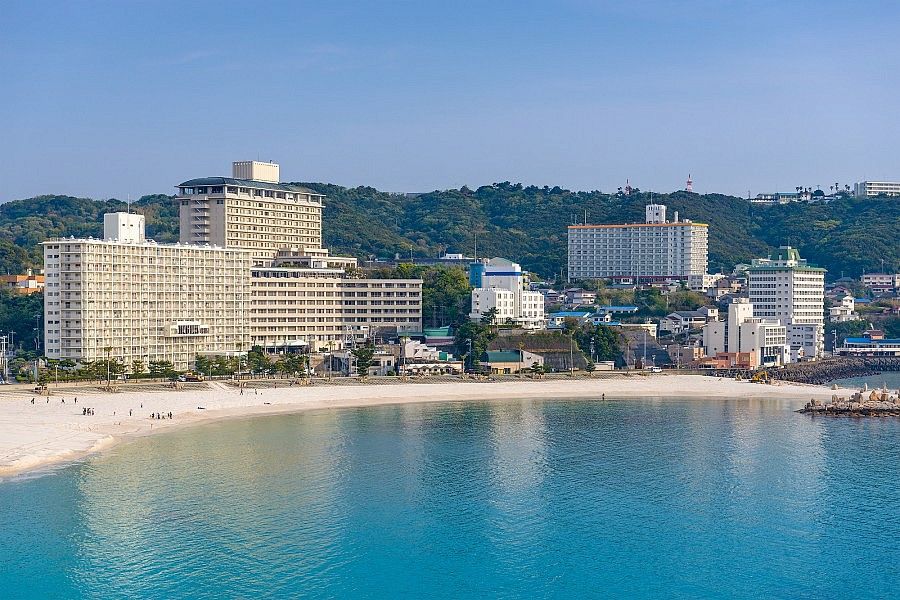
There’s also the Izu Peninsula, which has some really beautiful stretches of coast. Shirahama, for example, has a long white beach and cleaner water than Kamakura. It’s a couple of hours from Tokyo by train, but I’d stay at least one night so you can enjoy it without rushing. If you want truly blue water without going far from Tokyo, go for the Izu Islands instead: Niijima and Shikinejima have pale sand and cliffs, wild beaches, and even hot springs right by the sea. They’re officially part of Tokyo, even though they feel like a different world, and they’re just right if you want two or three days at the beach without flying to Okinawa.
I’ve written a separate article on this too, “Beaches in Tokyo,” where I list every option, from the hugely popular spots to the quieter, lesser-known ones.
Beaches near Kyoto and Osaka
If your trip is centered on Kyoto and Osaka and you don’t want to lose days flying south, you can get to the sea from here too. The classic choice is Shirahama in Wakayama: a long white beach in a hot spring town, where you can go from swimming in the sea to soaking in an onsen in half an hour. Don’t mix it up with the Shirahama on the Izu Peninsula: same name, but the two are nowhere near each other.
Not far away is Awaji Island, with small sheltered coves, gorgeous sunsets over the Inland Sea, a slow pace, and almost no foreign tourists. On the opposite side of Honshu, the Sea of Japan coast has completely different scenery: dunes, pine forests, cliffs, and colder, rougher water. I’ll say it right now: it’s not Okinawa turquoise. But if your itinerary stays on Honshu, it’s the best compromise.
Best time for the beach
The best time for the beach in Japan depends on the region. In Okinawa the swimming season starts as early as late April and lasts until October. July and August are the hottest and most crowded months, but they’re also when the water is nicest for swimming.
Near Tokyo the season is much shorter. June is often rainy and the water isn’t warm yet. July and August are ideal, though jellyfish often show up toward the end of summer. September can still work, but many beach facilities close and the atmosphere changes a lot.
If you want the real thing, I think it’s worth extending your trip south. Okinawa isn’t expensive if you book ahead, and adding 3 to 5 days can make all the difference between a good trip and one you’ll never forget.
Average sea surface temperature (°C)
Source: based on data from the Japan Meteorological Agency (JMA)
How beaches work in Japan
Japanese beaches have an official opening day. It’s called umi biraki, and it’s the day the beach officially opens for swimming: lifeguards arrive, wooden huts pop up with showers and hot food, and the swimming area gets marked off with buoys.
Outside the season the beach isn’t off-limits, but it looks completely different: no lifeguards, no facilities, and you’ll see very few Japanese people in the water, even when it’s 30°C. In Okinawa many beaches also have jellyfish nets, and you’ll be asked to stay inside the marked area. That’s not red tape for its own sake: some tropical jellyfish are genuinely dangerous in summer. Knowing how it works saves you from showing up at the end of September with your swimsuit packed and finding everything already taken down.
Beaches outside Japan
If you have more time and want a tropical experience, you can also think about leaving Japan for a while. Some budget flights get you to beach paradises in a few hours, often for less than a bullet train ticket from Tokyo to Kyoto.
If you’re after total relaxation and postcard scenery, the Maldives are one of the most spectacular options. They’re a bit farther than the other tropical places I mention here, but there are direct or one-stop flights from several Asian cities, including Bangkok and Kuala Lumpur, which can fit nicely into a combined trip. The Maldives aren’t just for honeymooners: there are also local guesthouses on the inhabited islands, where you can enjoy the ocean without spending a fortune.
French Polynesia is the ultimate exotic dream, and while it’s not exactly around the corner, you can combine it with Japan, since there are direct flights from Tokyo to Tahiti (depending on the season and the airline). People come here for turquoise lagoons, overwater bungalows, and fiery sunsets, but also to see a wilder side of the Pacific, with more local culture. It’s perfect if you want to end a long trip in a way you’ll never forget, or to celebrate something special.
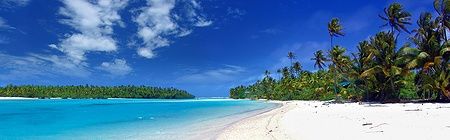
One of the options I recommend most often is Malaysia. You can fly from Tokyo or Osaka to Kuala Lumpur, then take a domestic flight, and in under 24 hours you’re somewhere dreamy. The Perhentians, for example, are gorgeous islands where you can spend very little and the water looks straight out of a magazine. If you want something more comfortable, there’s Langkawi, with resorts, good food, and a great balance of relaxation and comfort.
Another fantastic choice is the Philippines. Places like Siargao or Palawan have wild beaches, lagoons, and white sand, with a vibe that’s completely different from Japan. Flying there from the major Japanese cities is easy, and it can be a good idea if you want the second half of your trip to be all about the beach.
Don’t overlook Bali in Indonesia either, which is fairly well connected to Japan by direct or one-stop flights. Bali isn’t only about surfing and spirituality: it has beaches for every taste, rice terraces, artists’ villages, and endless hotels with infinity pools. If you’re tired of urban Japan and want to spend time surrounded by greenery, the sea, and nature, it’s one of the best picks.
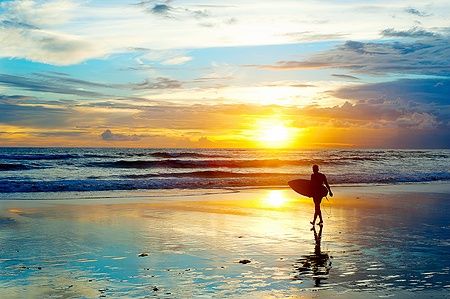
And of course there’s Thailand, still one of the classics. Phuket, Krabi, the Phi Phi Islands, Koh Lipe, Koh Tao… each island has its own personality, and you can pick the one that best suits your style. Thailand is perfect if you’re looking for good food, low prices, and dreamy beaches, with every kind of accommodation, from luxury resorts to the most basic guesthouses. It’s also a safe bet if you’re traveling with kids or as a couple.
All of these places contrast sharply with Japan, but in a way that works: you get two trips in one, going from the lights of Shibuya to a sunset on an empty beach. If you have at least one extra week, they’re all well worth considering.
How many days to spend at the beach
As always, it depends on what kind of traveler you are. If you love nature and want some downtime after rushing from train to train and city to city, 3 to 5 days at the beach can completely recharge you. Okinawa, for example, is perfect for that length of stay. You can see several islands, go snorkeling, and enjoy the sunset without hurrying.
If your Japan itinerary is already packed, even 2 nights at the beach can be enough to change the pace. In that case I recommend Ishigaki or Miyakojima, where just sitting and looking at the sea makes the trip worth it.
If you have time and flexibility, it’s worth setting aside a whole week, maybe leaving Japan and flying to Southeast Asia. The flights are there and they’re cheap, and they let you end the trip on a relaxed, exotic note.
Mixing beach and city in your itinerary
One of the most common questions is when to fit in the beach days: at the start of the trip, at the end, or somewhere in the middle?
My advice is almost always to put them at the end. After making your way through Tokyo, Kyoto, Osaka and maybe a few more traditional villages, a few days to unwind and slow down is the best way to finish. You’ll enjoy the downtime more, and you’ll go home less tired.
If you’re coming off a stressful stretch and want to start with some rest, putting the beach at the beginning can work too. You land in Okinawa, stay a few days, and then fly to Tokyo or Osaka for the more intense, more cultural part of the trip.
Whatever you choose, plan your domestic flights carefully. Japan Airlines and ANA both have excellent connections to the islands, and they often offer special fares for tourists. Just watch the baggage allowance, because on some routes it’s lower than on long-haul international flights.
What to pack for the beach
If your trip includes some time at the beach, don’t forget a couple of essentials you’d probably never use in the city. The first is reef shoes or water shoes. Many beaches, even the most beautiful ones, have rocks, coral or sea urchins. With water shoes on you can walk in the water safely, and they’re light enough to pack easily.
Bring a snorkel mask too, if you have one that’s comfortable. You can rent one in lots of places, but the quality isn’t always great, and having your own is a lot more convenient. If you’re going to Iriomote or Ishigaki, a good mask makes a real difference.
Finally, I’d also pack a UV-protective shirt. The sun in Japan is strong, especially in the south, and after hours of swimming you can get sunburned without noticing. A shirt like that protects you and lets you stay in the water much longer.
Lesser-known islands for something different
Besides Okinawa, Japan has other islands that are less famous but really fascinating, ideal if you want somewhere quieter or more unusual.
Yakushima, for example, isn’t really a beach destination, but it’s a wonderful island if you love the wilderness. It has ancient forests, waterfalls, trails that feel almost mystical, and a sense of being completely cut off. It’s perfect if you want to get away from the modern world, even though the sea isn’t the main draw.
Amami Oshima is a different story. It’s a real alternative to Okinawa, with beautiful water, unspoiled nature and very few foreign tourists. You’ll find coral reefs, caves, pristine beaches, and excellent local food too. Not many people know about it yet, so if you want to experience a more genuine side of Japan, it’s an interesting choice.
The Ogasawara Islands, a UNESCO World Heritage Site, are spectacular as well, but they’re hard to reach: the ferry from Tokyo takes about 24 hours. If you have the time and you’re up for a serious adventure, it’s a unique experience, but definitely not for everyone.
Final thoughts
If you’re planning a trip to Japan, I really recommend thinking about adding a few days at the beach. It could be the Okinawa islands, a beach near Tokyo or a flight to Southeast Asia. Either way, there’s nothing quite like a swim in the sea after all that walking around Tokyo or Kyoto.
I hope these ideas help you put together a fuller, more varied and more memorable trip. Because in the end, Japan isn’t just about culture. It’s also about freedom, nature and beauty. And yes, the sea too.