Japan in January
Japan in January is when you get the best look at the country. You get clear skies and dry air, mountains that stay sharp even from far off, and far fewer people at the places that get mobbed the rest of the year.
January isn’t really one month, though. It’s two. The first few days fall inside the most important holiday of the year, with half the country shut and the shrines packed. From the second week on, you get one of the quietest windows for traveling here, and one of the cheapest.
The two halves call for different approaches, and in both of them you need to take the cold seriously.
Contents
What the weather’s like
January is Tokyo’s coldest month, but it’s a dry cold with plenty of sun. The average is around 5°C, with highs of about 9 to 10 and lows just above zero, so during the day, in the sun and out of the wind, you’re fine with just a coat.
It barely rains, just over 50 millimeters for the whole month, and the city gets more hours of sunshine than at any other time of year. What you end up with is a bright city full of long shadows and clear air.
Kyoto’s numbers are only slightly different, with an average around 5°C and highs just under 10, but the cold there feels sharper. The city sits in a basin ringed by hills, and the morning damp gets into your bones. A few flakes fall a couple of times a month, usually without sticking.
What catches people off guard is how early it gets dark. The light is already fading by late afternoon, and as soon as the sun is gone the temperature plunges by several degrees. To give you an idea, in Tokyo the sun sets around 16:40 in early January and around 17:00 by the end of the month. Plan to wrap up outdoor sightseeing by mid-afternoon and save the evening for restaurants, onsen and lit-up neighborhoods.
If you want to photograph temples and gardens, do it all in the morning. They open early, the light is low and beautiful, and the tour buses don’t show up until later.
The snowy side and the sunny side
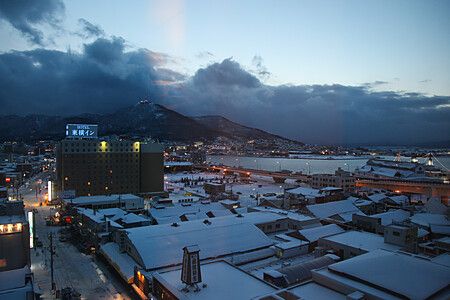
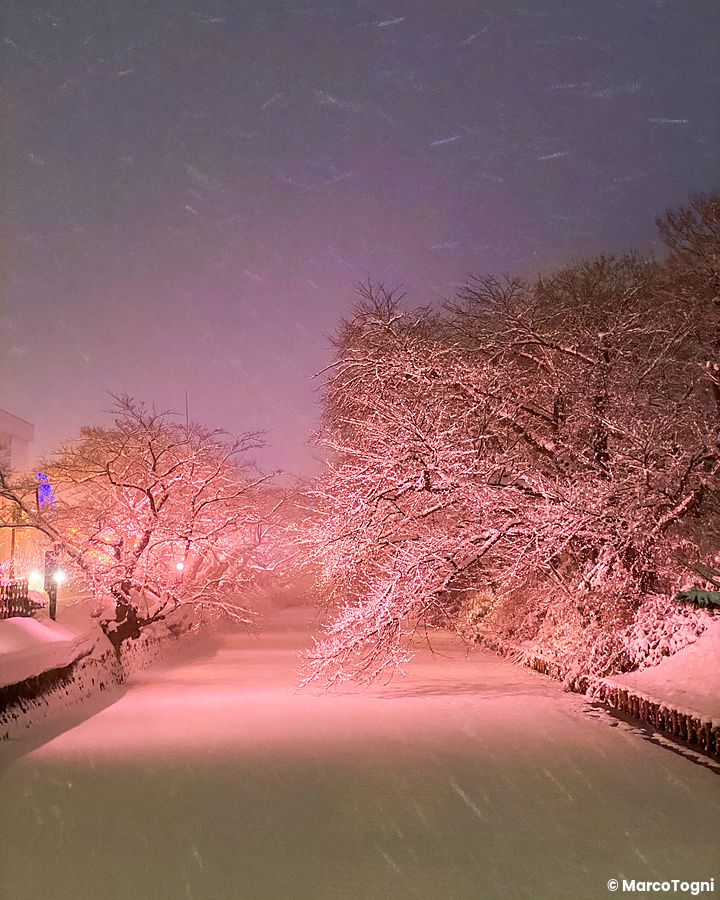
The heavy snow doesn’t fall where a lot of people expect. Cold air from the Asian mainland picks up moisture over the Sea of Japan and dumps all of it on the western side of the country, where huge amounts pile up. On the other side of the mountains, facing the Pacific, you get the clear skies I mentioned earlier.
Sapporo averages around -3°C in January and gets more than 130 centimeters of snow over the month, and the snowpack easily tops half a meter in the city. This isn’t a mountain resort, either. It’s a prefectural capital with a subway, department stores and sidewalks cleared every morning.
If snow is the reason for your trip, head that way. If you’d rather avoid it, stay on the Pacific side or go south.
These are the areas where snow is practically guaranteed:
- Hokkaido, where it snows regularly even on the plains and the cities are set up to live with it.
- The north of the main island, with Aomori and Yamagata among the snowiest places in the country.
- The stretch between Niigata and Nagano, which you can reach on a day trip from Tokyo by shinkansen.
- The coast between Kanazawa and Toyama, where wet snow falls on the gardens and wooden houses and doesn’t last long.
If you’re driving up there, you’ll need winter tires. In those parts they aren’t optional, they’re standard. Heavy snow can also delay local trains on the western side or get some services canceled, so build in some extra time, especially if you have a flight to catch.
The first three days
From January 1 to 3, Japan really does shut down. Offices close, plenty of family-run restaurants shut for a good week, and department stores stay closed on New Year’s Day almost everywhere.
Konbini stay open, and so do a lot of the restaurant chains and, from the 2nd on, the big shopping malls. The trains keep running too. You won’t go hungry, but the little place you’d bookmarked might be closed.
Museums and attractions often close for a few days around the turn of the year, while the shrines are at their busiest.
Honestly, I find these days lovely to experience but terrible to plan around. The streets are strangely empty and families stay home eating, so if you’ve packed your schedule with sights you end up wandering around getting nothing done.
The way to handle them is to do the opposite: just a few things, lots of walking, one shrine, and dinner booked ahead at a hotel or a chain you know will be open.
Hatsumode without the crowds
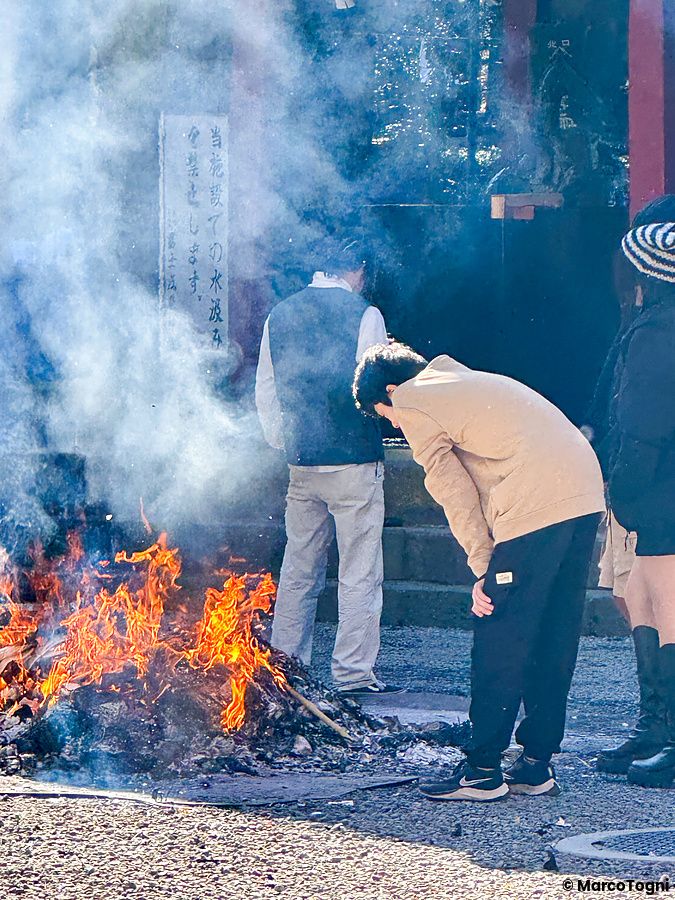
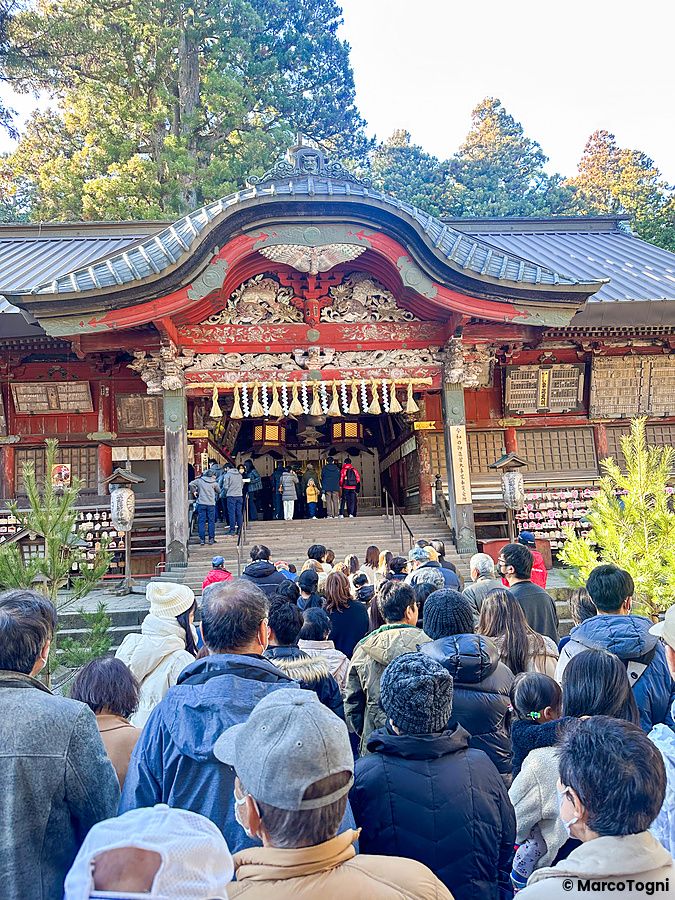
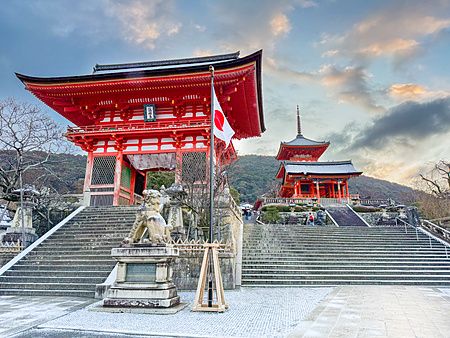
The year’s first visit to a temple or shrine is the ritual that draws more people than any other. Meiji Shrine in Tokyo gets more than three million visitors in the first three days, and Sensoji Temple in Asakusa and Fushimi Inari Shrine in Kyoto see similar numbers.
In practice that means extremely long lines that shuffle forward a few steps at a time, controlled entry and police directing the crowds. The worst stretch runs from mid-morning into the first few hours after dark.
If you want to go, get up early. At dawn it’s a completely different story, and late in the evening the crowds also thin out quite a bit.
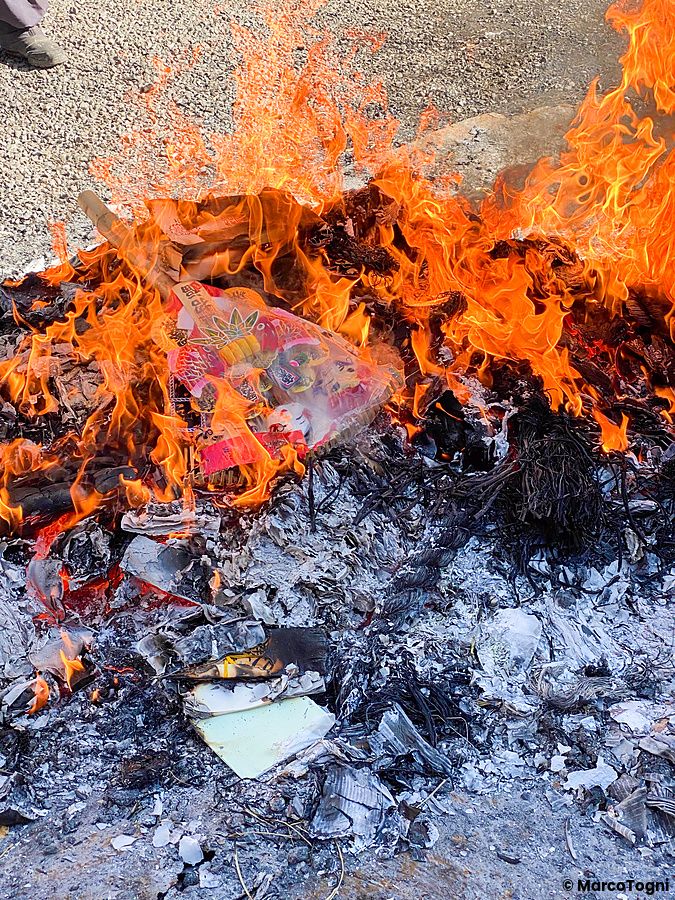
One alternative I often suggest is picking a neighborhood shrine instead of the famous one. Every city has dozens of them, with stalls out front, hot drinks, fortune slips tied to the branches and dressed-up families posing for photos.
It’s the same thing, just more enjoyable, and you don’t have to stand in line for an hour just to toss in a coin.
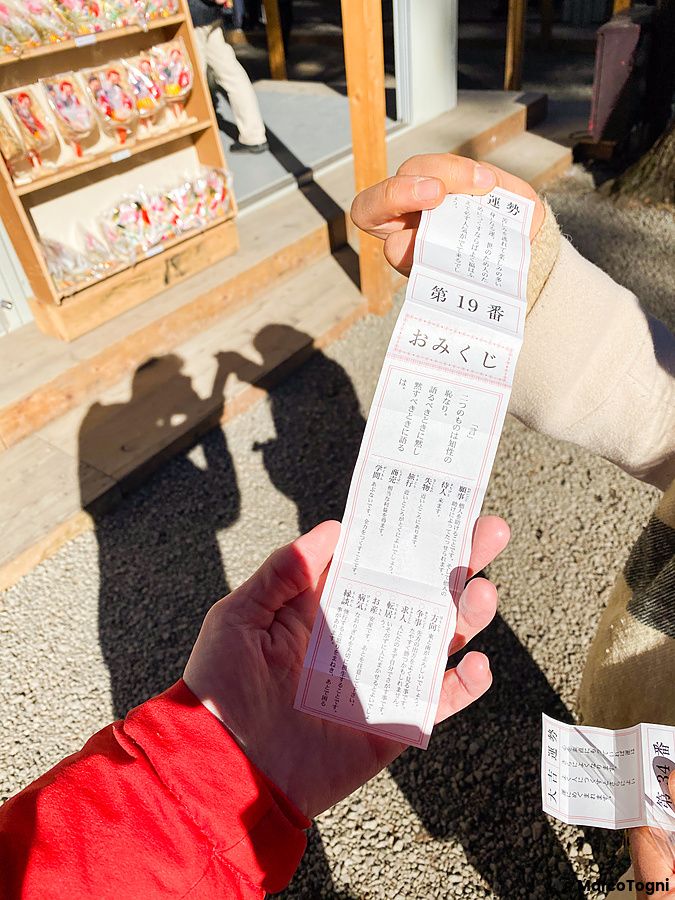
Sales and fukubukuro
The New Year sales start on January 2, and with them come the lucky bags, the fukubukuro. They’re sealed bags sold at a fixed price and filled with goods worth more than you pay, but you can’t choose what’s inside or see it first.
Everyone does them, from clothing chains and electronics stores to coffee shops and department stores. The bags from the most popular brands sell out early in the morning, with lines forming before the doors open.
The winter sales kick off at the same time, and department stores keep the big discounts going until around the middle of the month. If you were hoping to take home clothes or electronics, this is the best time to do it.
Keep in mind that fukubukuro aren’t all the same. The clothing chains’ bags are often just a way to get rid of odd sizes, while the coffee, sweets and housewares bags contain stuff you’ll actually use. If you want to give it a try without risking much, start with the ones under 3,000 yen.
After the first week
The second Monday of January is Coming of Age Day, the public holiday that fills the shrines with young women in kimono and young men in dark suits. Once it’s over, the country goes back to its normal pace and the quietest part of winter begins.
This is my favorite window. You can walk around Kyoto’s temples with hardly anyone else there, book a table at restaurants just a few days ahead and actually have room to move in the museums.
This part of the month also brings things you won’t see at any other time. Tokyo hosts the year’s first sumo tournament, fifteen days of bouts at the Ryogoku arena, and the cheapest seats stay affordable if you grab them as soon as they go on sale.
At the end of the month in Nara, they set fire to the dry grass on an entire hill overlooking the city. The fireworks come first, then the flames climb the slope while thousands of people watch from the deer park. It doesn’t last long, but if you’re in the Kansai area it’s worth the detour.
What to pack
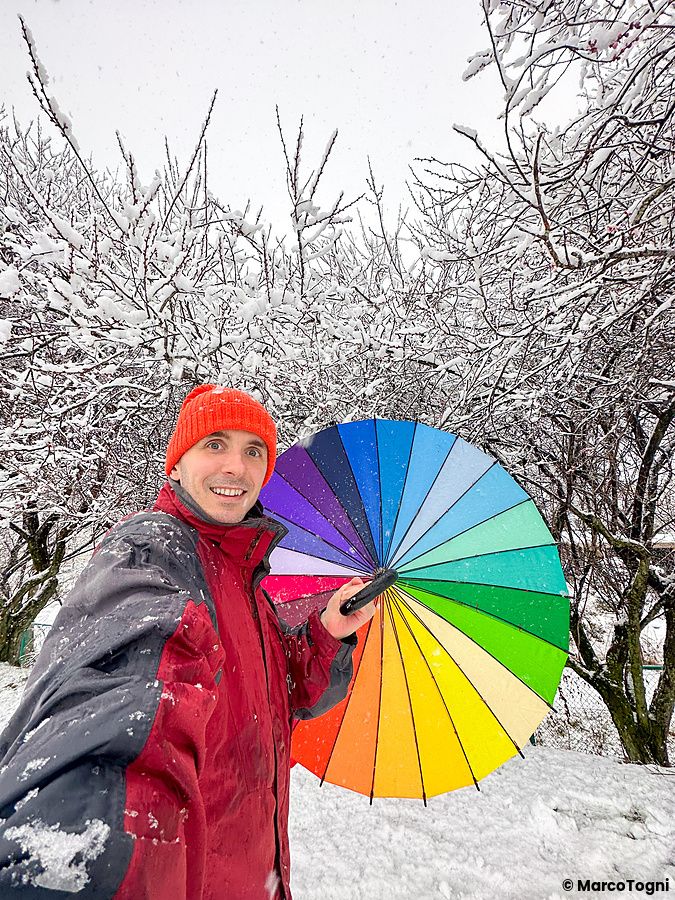
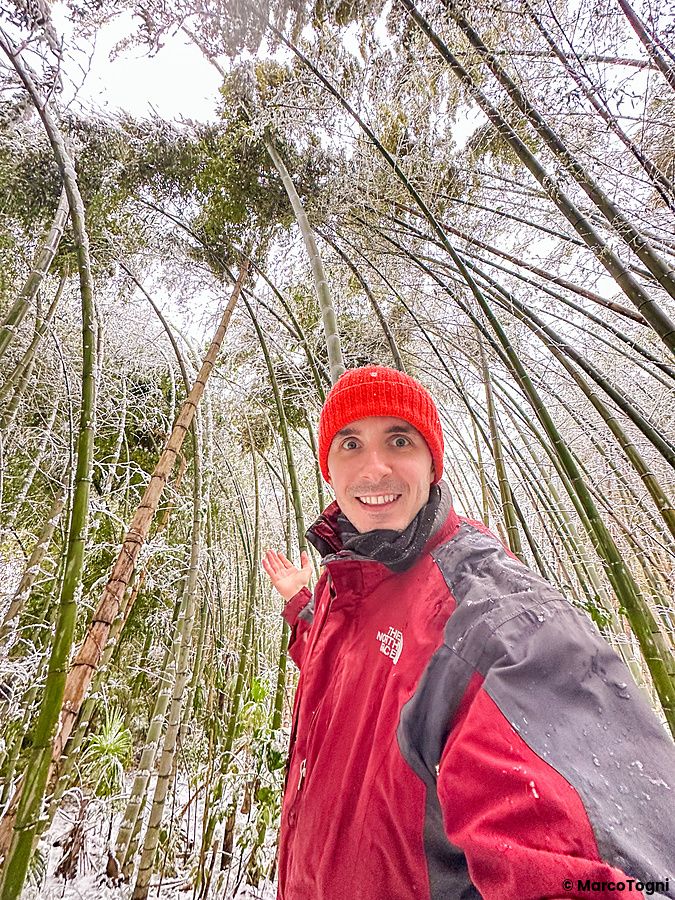
Dressing in layers matters more here than having a heavy coat, because the heating runs hot inside trains, shops and restaurants, and you go from 0°C to 20°C in a matter of seconds. A light down jacket over two thin layers will do you far more good than a wool coat you end up lugging around in your arms.
Wind is the other thing people underestimate. The clearest days are often the windiest, and by a river or the sea it feels like a different day.
The things I really recommend:
- Disposable heat packs, sold at any konbini or pharmacy. Get the adhesive kind that sticks under your shirt on your back. They cost a few hundred yen a pack and stay warm for hours.
- Thin thermal underwear, the kind they sell everywhere here at low prices, so you can skip the bulky sweaters that become unbearable on the train.
- Waterproof shoes with soles that grip, because packed snow on the sidewalks up north turns into a sheet of ice and smooth sneakers won’t cut it there.
- Gloves, a hat and a scarf: most of the cold you feel comes from your bare head and hands while you’re standing still waiting for a bus.
- Moisturizer and lip balm, because the dry air cracks your lips within two days.
If you’re only going to Tokyo, Kyoto and Osaka, you don’t need mountain gear. The ordinary winter clothes you’d wear in any European city are enough.
The dry air
Humidity here drops a lot in winter, and you feel it physically. Your throat gets scratchy, your nose is stuffed up when you wake up, your skin feels tight, and you get static shocks every time you touch a door handle or an escalator handrail.
The heating in hotel rooms makes it worse. Many hotels have a small humidifier in the room or will lend you one at the front desk, so ask for one. You’ll sleep much better.
A low-tech trick that works just as well is hanging a wet towel near the bed and leaving some water in the sink.
The masks you see on so many people at this time of year aren’t only about viruses. A lot of people wear them specifically to keep their throats moist when the air outside is this dry. If you have a sensitive throat, try it yourself. Here nobody will look twice.
Skiing and deep snow
If you ski, January has the best snow of the year, and that’s why half the world books months in advance. Niseko and other areas of Hokkaido, along with Hakuba and Nozawa Onsen in the Japanese Alps, get meters of featherlight snow, the kind skiers call powder.
The busiest weeks run from just before New Year’s through the first ten days of January. From mid-month the snow gets even better and the crowds thin out, except on long weekends.
If you’ve never skied here, it helps to know that rentals are well organized and that you can reach the resorts by shuttle from the major airports, or by shinkansen and then a bus.
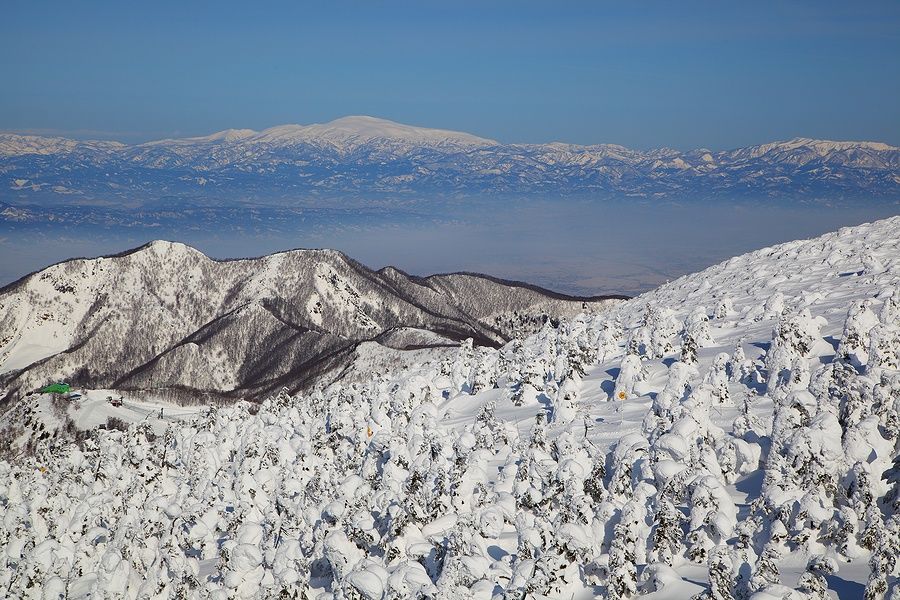
There’s also a non-skiing version of all this. In the mountains of Yamagata, ice and snow build up on the trees until the trees become white shapes several meters tall, known as snow monsters. A ropeway takes you up to them in about twenty minutes from the ski resort at the bottom.
They really start to take shape in mid-January and keep growing into February. In the evening they’re lit up, and with the freezing wind at the top, the whole scene is unlike anything else.
Monkeys in the onsen
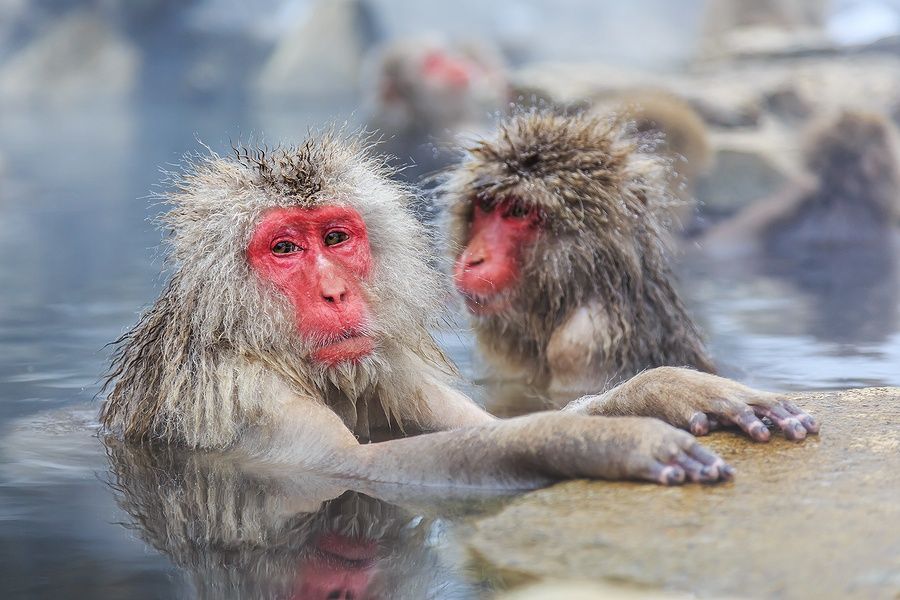
The macaques that soak in hot water surrounded by snow are at Jigokudani, in Nagano Prefecture, and you can see them on a day trip from Tokyo: shinkansen to Nagano, then a bus.
From the parking lot to the park it’s about a kilometer and a half on foot along a forest trail, a good half hour each way on packed snow and ice. In the wrong shoes it’s a serious problem; in waterproof boots it’s a nice walk.
The monkeys are there all year, but they mostly get in the water when it’s really cold, so January and February are when you’re most likely to see them soaking.
If you’re going all that way, spend a night in the area instead of going there and back in one day. The onsen in the valley are old, simple and full of locals, and a soak warms you back up after the cold walk.
Shirakawago at night
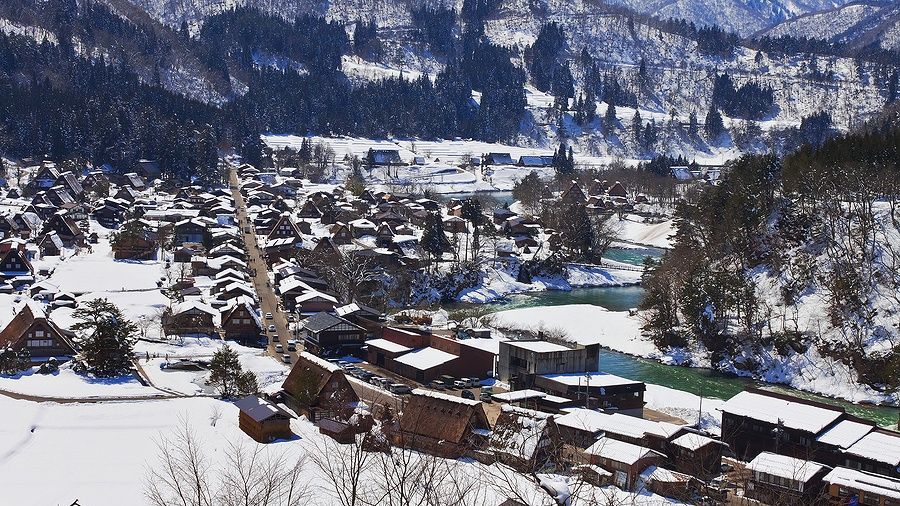
The village with the towering thatched roofs, north of Takayama, is lit up in the evening on just a handful of winter dates, in January and some years into early February. That’s when the houses under the snow look the way you’ve seen them in photos.
On those evenings, access is by reservation only, including the shuttles and the viewpoint where you get the shot of the whole village. Spots sell out well in advance, and if you show up without a booking, you won’t get in.
If you can’t get a spot, you can still see the village just fine during the day for the rest of the winter. There’s still snow on the roofs, and midweek you can walk around at your own pace.
Honestly, if you’re short on time, I wouldn’t put it at the top of the list. It’s far away, it takes at least two days to get there and back, and a lot depends on how much snow there is at the time.
Clear views of Mount Fuji
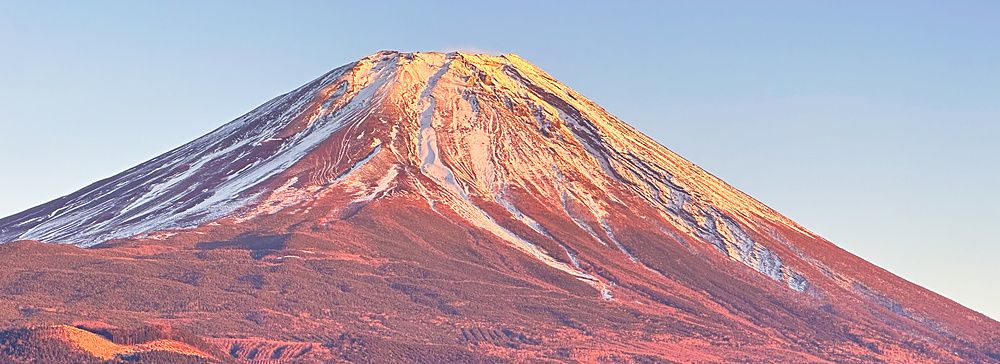
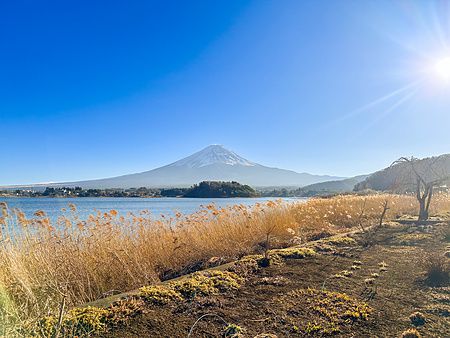
Winter is when you can see Mount Fuji most often, because the dry air and the north wind clear away the haze that hides it for weeks at a time in summer. On clear days you can pick it out from high viewpoints in Tokyo, and even from some overpasses and along suburban train lines.
Your best chance is early in the morning, before the day warms up. Around sunset it often shows up again as a dark silhouette against an orange sky.
For the classic postcard shot of the snowcapped mountain with the lake in front, head to the Kawaguchiko area. It’s several degrees colder there than in the city and the wind off the lake cuts right through you, but your chances of finding the mountain free of clouds are the highest of the year.
What to eat
Japanese food is at its best in winter, and I’m not just saying that: half of what you’ll find on menus around the country is piping hot and served in a pot. Nabe, a shared pot of broth, vegetables, and meat or fish that cooks right at the table, is the dish of the season, and at no-frills places it’s cheap considering how filling it is.
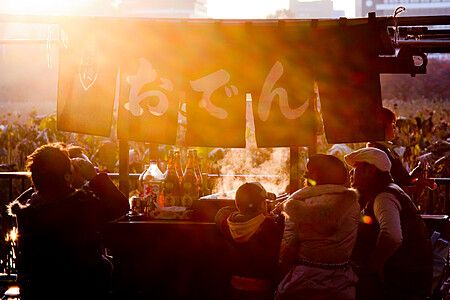
In konbini, oden shows up at a steaming counter by the register, with eggs, radish and fried tofu in clear broth. To warm up while you walk, there are also roasted sweet potatoes, which you can buy at supermarkets or from the occasional neighborhood truck.
Crab is the star in Hokkaido and along the west coast, where in January you’ll see it everywhere in the fish markets.
In vending machines, next to the cold bottles, there’s a row marked in red. Those are hot drinks, like tea, coffee and sometimes soup, and they come out scalding. They cost the same as the cold ones, and they’re the quickest way to warm your hands while you’re waiting for someone.
Over the holidays you’ll come across traditional New Year’s dishes, like soup with mochi, and shrines serve hot amazake, a sweet rice drink that usually has very little alcohol.
How much it costs
When it comes to costs, January splits in two like everything else. The days around New Year’s are among the most expensive of the year, with domestic airfares and hotel rates at their peak and rooms booked up well in advance. After the first week, though, prices drop to some of the lowest levels of the year.
If you’re on a budget, mid-to-late January is one of the best times to visit Japan, with flights and hotels noticeably cheaper than in spring.
The exceptions are the ski areas and the best-known hot spring towns, which charge high-season rates in the dead of winter.
A couple of practical points. If your trip overlaps with the holidays, book long-distance trains and accommodations well in advance, because the whole country is on the move those days.
And always check current prices before you leave, since transportation fares and admission fees change over time.
What I’d do
If I had to pick the dates for you, I’d go with the second half of the month without thinking twice. You miss the traditional side of the holidays, but you get a country running at full speed, the best light of the year and famous places you can finally enjoy.
If you really want to see Japanese New Year, you have to accept the trade-off: a few chaotic days when much of the country stands still, with the best photos and a full stomach, and a bare-bones itinerary.
The picture of this month that comes back to me most often is an ordinary one, and I find it again every year: some neighborhood shrine, breath steaming in the air, a cup of something hot in my hands and the low sun coming through bare branches. Where would you start?