Japan Mobility Show (Formerly Tokyo Motor Show)
The Tokyo Motor Show, now called the Japan Mobility Show, is Tokyo’s big auto show. The Japan Automobile Manufacturers Association organizes it at Tokyo Big Sight every two years, in odd-numbered years.
The first Tokyo Motor Show took place in 1954 in Hibiya Park, not far from Tokyo Station (Marunouchi). Today it’s a showcase for the future, full of concept cars, prototypes and new ideas about mobility, and it pulls in huge crowds of enthusiasts.
Contents
Getting there and where to stay
To get to Tokyo Big Sight from Shimbashi, take the Yurikamome line to Tokyo Big Sight station.
If you’re coming to the Japan Mobility Show several days in a row, maybe for work, I’d stay in Odaiba. Otherwise, staying in Shinjuku works fine, and you can head over on whichever day you like.

Photo:  Vuhung
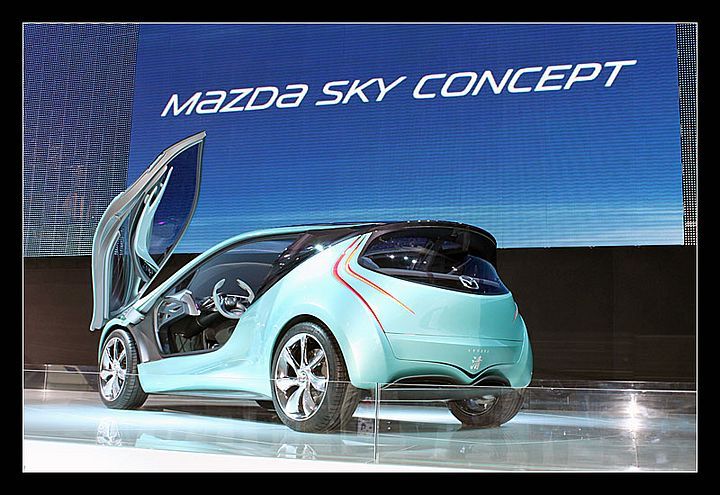
Photo: Motoyen
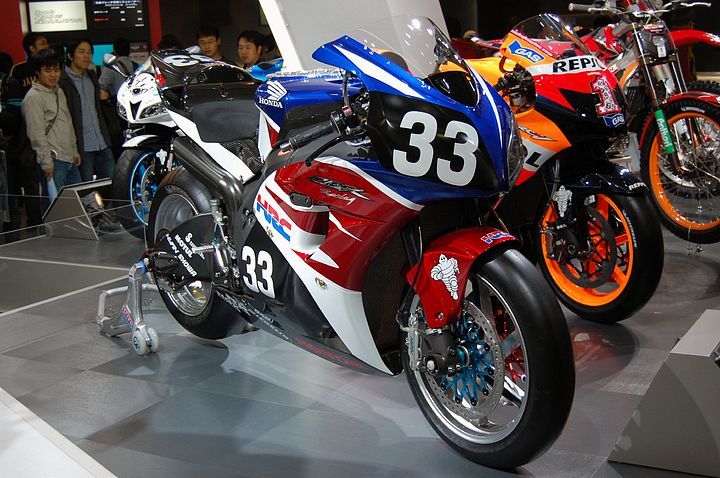
Photo: Kanegen

Photo: Kanegen
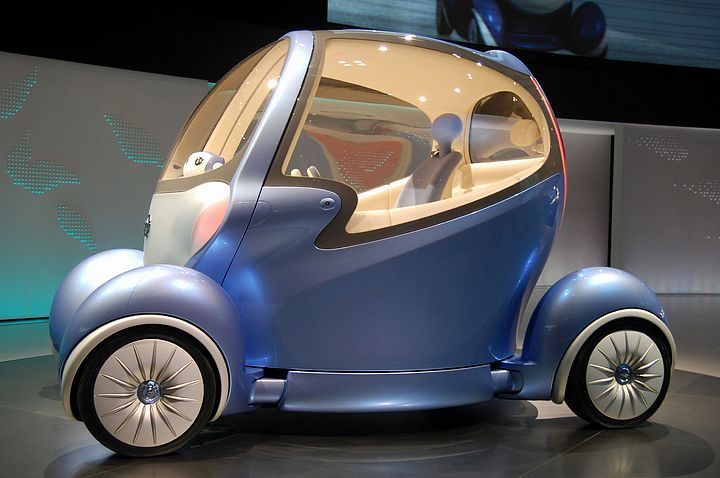
Photo: Kanegen
From Tokyo Motor Show to Japan Mobility Show
In 2023 the Tokyo Motor Show was renamed the Japan Mobility Show, and the change goes deeper than the name. Besides cars, you’ll now find motorcycles and commercial vehicles, along with startups and companies working on robotics, energy and transportation services.
The idea is to show how we’ll get around in the years ahead, not just to present the upcoming models. Still, everyone, Japanese people included, thinks of it as the old Motor Show.
In even-numbered years there’s a smaller version, the Japan Mobility Show Bizweek, which is aimed mainly at business-to-business meetings. If you’re a fan and want the big show, plan your trip for an odd-numbered year.
What you’ll see
The Japanese automakers’ booths are the heart of the show, with Toyota, Honda, Nissan, Mazda, Subaru, Suzuki and the rest competing to bring the boldest concept. Plenty of these prototypes will never make it onto the road, and that’s the beauty of it: they’re the future as designers imagine it, free from the limits of mass production.
There’s also a growing number of foreign automakers, especially the Chinese electric car brands.
Alongside the cars you’ll find Japanese motorcycles, work vehicles and interactive areas where you can climb in and try out the technology, so it’s an event you can enjoy even if you’re not a gearhead.
A bit of history
After its debut in Hibiya Park, the show grew quickly along with Japanese industry. It moved from the exhibition grounds in Harumi to Makuhari Messe in Chiba, then returned to Tokyo in 2011, this time at Tokyo Big Sight.
During the boom decades it was one of the most popular auto shows in the world, and models and concepts that shaped the history of Japanese cars made their debut here.
Even today, each show draws more than a million visitors.