Japan Train Ticket Prices
Talking about trains in Japan is one of the things I enjoy most, because I ride them almost every day and they’re what I get the most questions about. Japan’s train fares look like a maze, but once you understand how a ticket’s price is put together, everything gets much easier to predict.
From city subways to the Shinkansen, and from the Japan Rail Pass to the discount tickets few people know about, almost every route gives you more than one option, and the cost can vary quite a bit between them. Knowing what trains in Japan really cost lets you set a realistic budget before you leave and pick, route by route, the option that best fits your trip.
Contents
How fares add up
The price of a JR ticket in Japan is almost always two separate charges added together. The first is the base fare, which depends only on distance and gets you on the train. The second is the surcharge, which you pay if you want a faster train or a better seat.
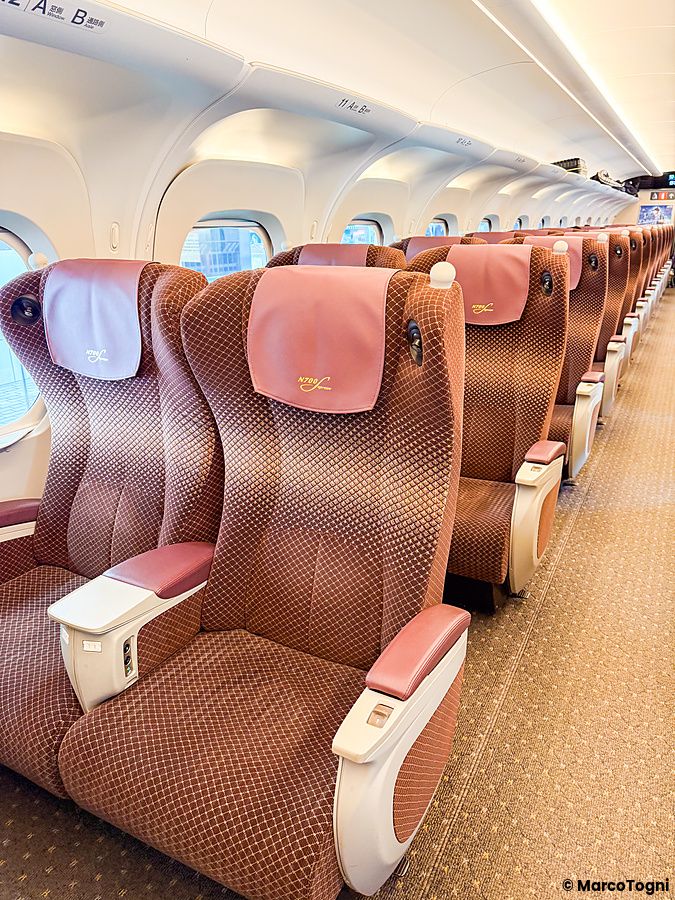
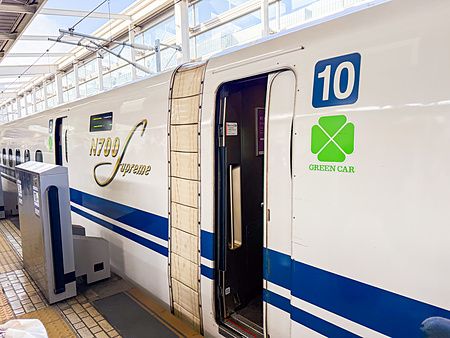
On local and rapid trains the base fare is all you need, which is why they’re cheap. Limited express trains and the Shinkansen add a surcharge on top, and the surcharge changes again depending on whether you take a non-reserved seat, a reserved seat or the Green Car, which is Japan’s first class.

When you buy a Shinkansen ticket from a machine, you’ll often get two tickets, one for the base fare and one for the surcharge, and you feed both into the gate together. First-timers tend to throw one away thinking it’s a receipt. Don’t: you’ll need it until you exit at your destination station.
Reserved-seat prices also shift a little with the season. There are off-peak, regular, peak and super-peak periods, and the surcharge goes up or down by a few hundred yen. It won’t wreck your budget, but it explains why the same ticket never costs exactly the same when you check it in different months.
City trains and subways
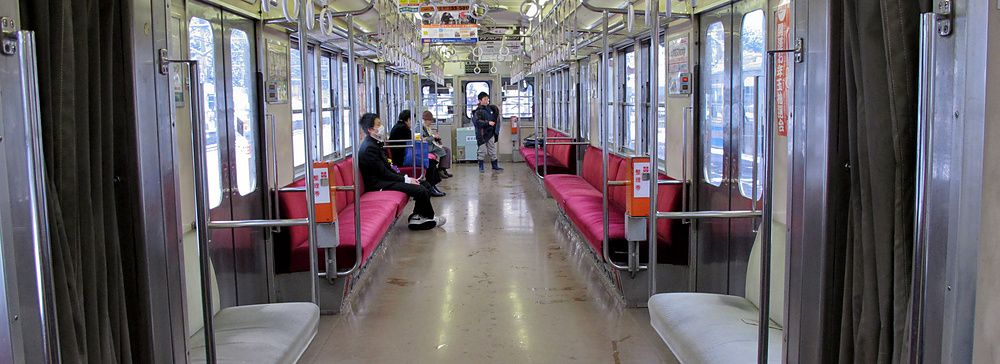
Getting around the city is cheap. In Tokyo, Osaka or Kyoto, a short ride on the subway or a JR line starts at about 150–200 yen, and going halfway across town rarely costs more than 300–400 yen. It’s one of the smallest expenses of your whole trip, even if you move around a lot.
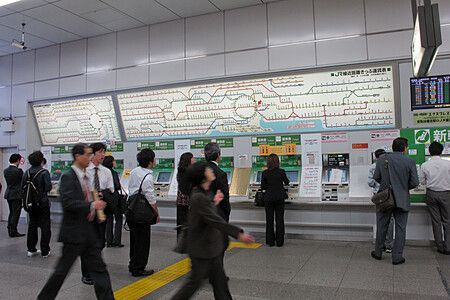
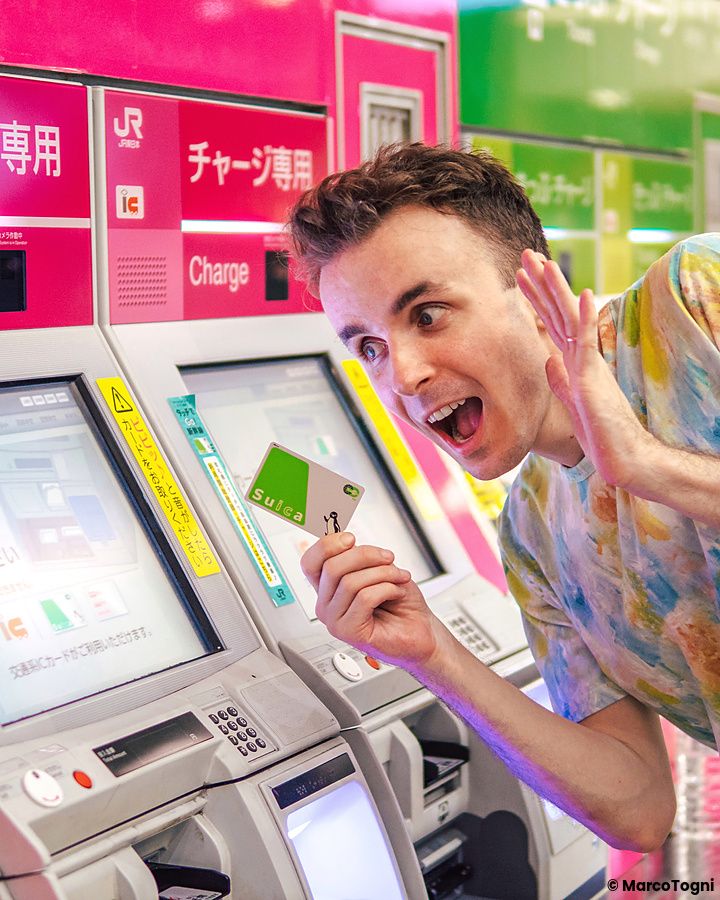
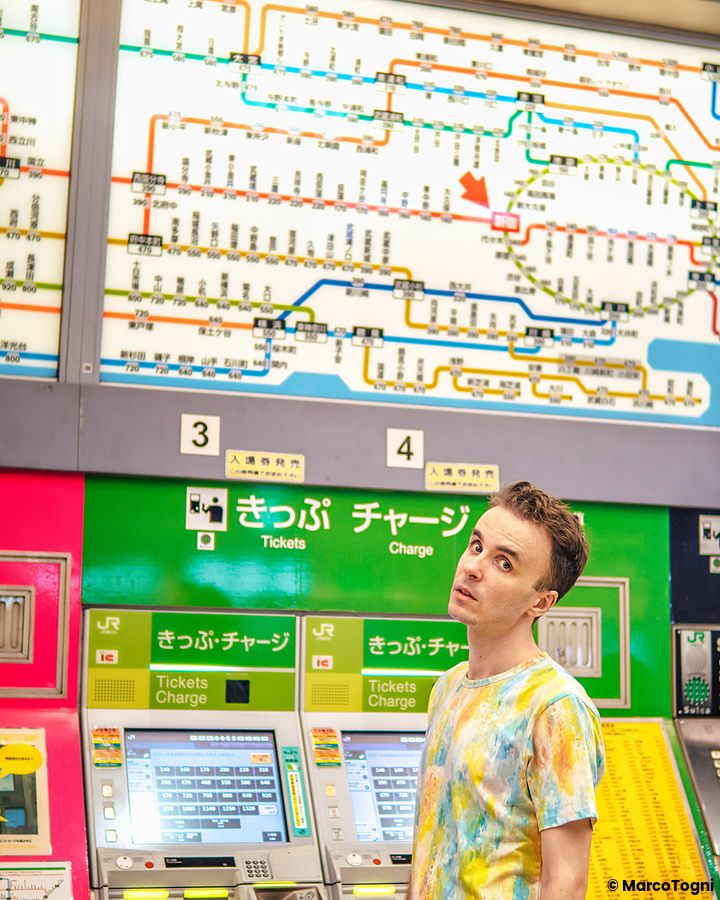
In Tokyo, if you pay with a rechargeable card like Suica or Pasmo, you’ll often pay a few yen less than with a paper ticket. With the card you pay the fare down to the yen, while paper tickets are rounded to the nearest 10 yen. Per ride it’s pocket change, but the main thing is that you don’t have to bother reading the fare map above the machines.
If you plan to use the subway a lot in Tokyo, there’s the Tokyo Subway Ticket, an unlimited pass for 24, 48 or 72 hours that covers every Tokyo Metro and Toei line. It costs around 1,000 yen for one day and about 2,000 yen for three, and it’s only sold to tourists, who have to show their passport.
I recommend it if you take at least four or five rides a day, which happens easily when you’re getting around Asakusa, Ginza, Shibuya and Shinjuku in the same day. Just keep in mind that it doesn’t cover JR lines, so the Yamanote Line isn’t included and you pay for it separately.
Shinkansen prices
The Shinkansen is the big expense on any trip to Japan. To give you an idea, these are roughly the reserved-seat prices during regular periods on the routes tourists use most:
- From Tokyo to Kyoto or Osaka on the Nozomi, you’ll spend around 14,000–15,000 yen one way, and about 900 yen less with a non-reserved seat.
- From Tokyo to Hiroshima it goes up to 19,000–20,000 yen, since the distance is almost double.
- From Tokyo to Kanazawa on the Hokuriku Shinkansen, the price is about the same as for Kyoto, around 14,000–15,000 yen.
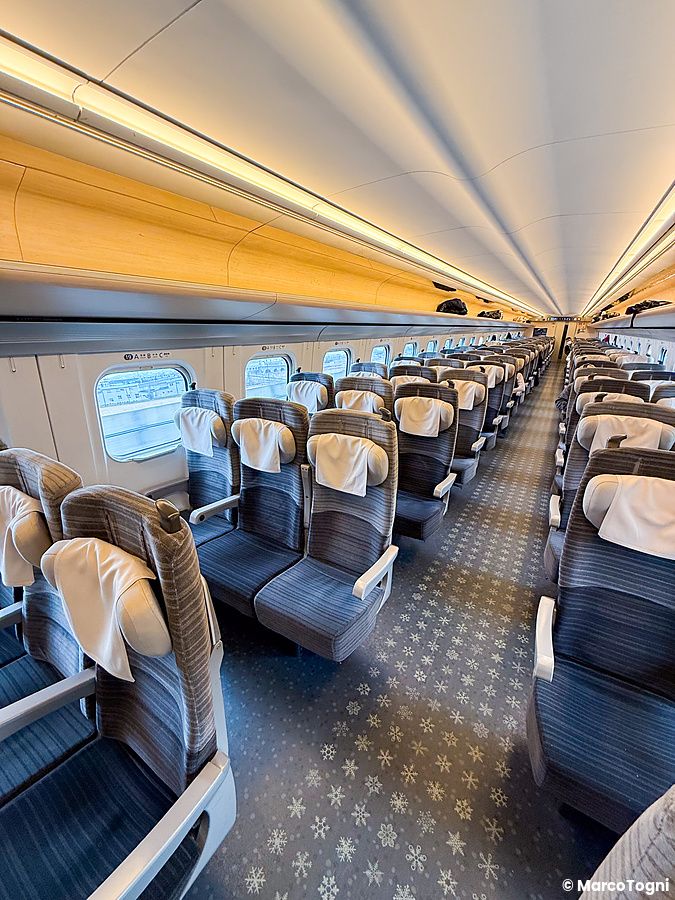
- In the Green Car between Tokyo and Osaka you’re looking at around 19,000–20,000 yen, so about 5,000 yen more for a wider seat and a much quieter car.
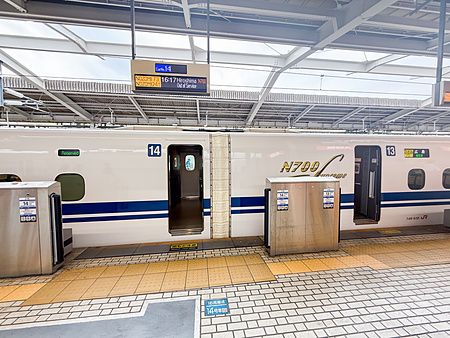
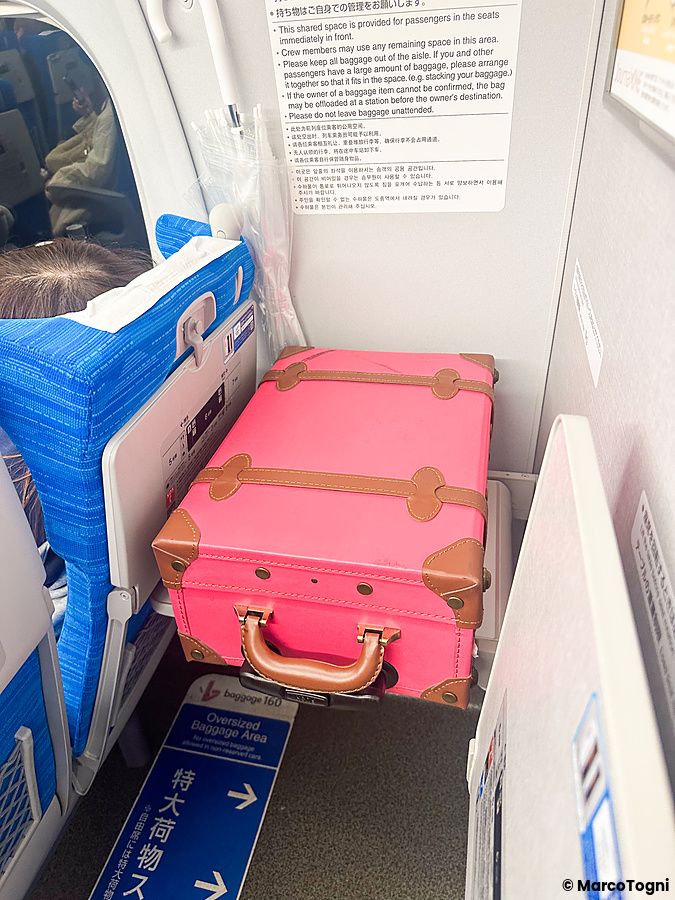
The difference between a non-reserved and a reserved seat is usually a few hundred yen, and the Nozomi also costs a little more than the slower trains on the same line. Honestly, I almost always book a reserved seat. For a few hundred yen I avoid standing with my suitcase on busy days, and on weekends between Tokyo and Osaka the non-reserved cars really do fill up.
A non-reserved seat is fine if you’re traveling light on a weekday in the middle of the day, or if you want the freedom to jump on the first train that comes along without thinking about it.
The Japan Rail Pass
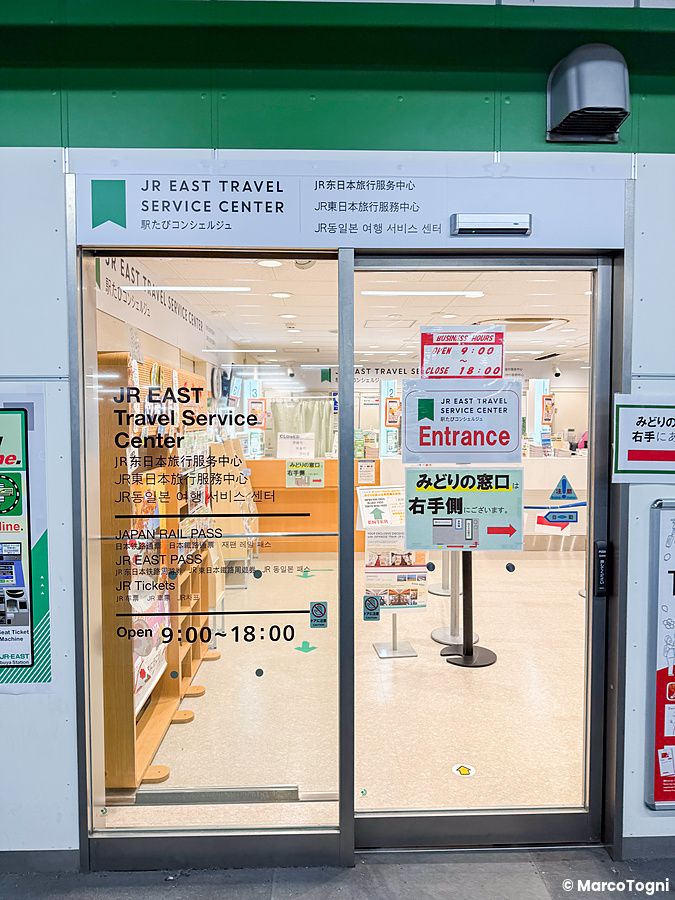
The Japan Rail Pass is an unlimited pass for foreign tourists, valid on almost the entire JR network, Shinkansen included. It comes in 7-, 14- and 21-day versions, valid on consecutive days, in both ordinary class and the Green Car. The 7-day ordinary pass costs about 50,000 yen on the official website and the Green Car version around 70,000 yen, while travel agents charge a few thousand yen more.
I’ll be honest: at that price, for lots of itineraries it isn’t worth it. A Tokyo–Kyoto round trip costs less than 30,000 yen, and to get your money’s worth you have to cover a lot of distance in a few days, like Tokyo, Kyoto, Hiroshima and back in the same week.
When someone asks me whether to buy it, the first thing I do is add up the individual tickets for their itinerary. Before you decide, go through these points:
- Add up the long trips within the 7 consecutive days. If the total doesn’t come out clearly higher than the price of the pass, buy individual tickets.
- Keep in mind that on the Nozomi and Mizuho, the fastest trains on the Tokyo–Osaka–Hakata line, the pass alone isn’t enough and you pay a separate surcharge.
- The pass doesn’t work on subways or private railways, which in the cities are often the ones you’ll use most.
- Look at regional passes. The different JR companies sell passes for Kansai, eastern Japan, Kyushu and so on, which cost much less and are often enough for the trip you’re actually taking.
If you’re spending most of your time in Tokyo with a single trip to Kyoto and back, the nationwide pass ends up costing you more. If you’re crossing the country from north to south in a week, though, the pass can still pay for itself.
Discount Shinkansen tickets
Without a pass, the easiest way to save on the Tokyo–Kyoto–Osaka line is to book online through smartEX, run by JR Central and JR West. Signing up is free, you pay by credit card, and it’s available in English.
Booking online is already a bit cheaper than buying at the ticket counter, and if you book at least three weeks ahead you can get the EX Hayatoku 21 fare, which also works on the Nozomi. The discount isn’t huge, but on a round trip you save a few thousand yen without giving anything up.
If you have time, you can take the Kodama, which stops at every station and takes about an hour and a half longer from Tokyo to Osaka. There are special fares for this train that are 25–40% cheaper, and some even get you a Green Car seat for close to what the Nozomi costs in ordinary class.
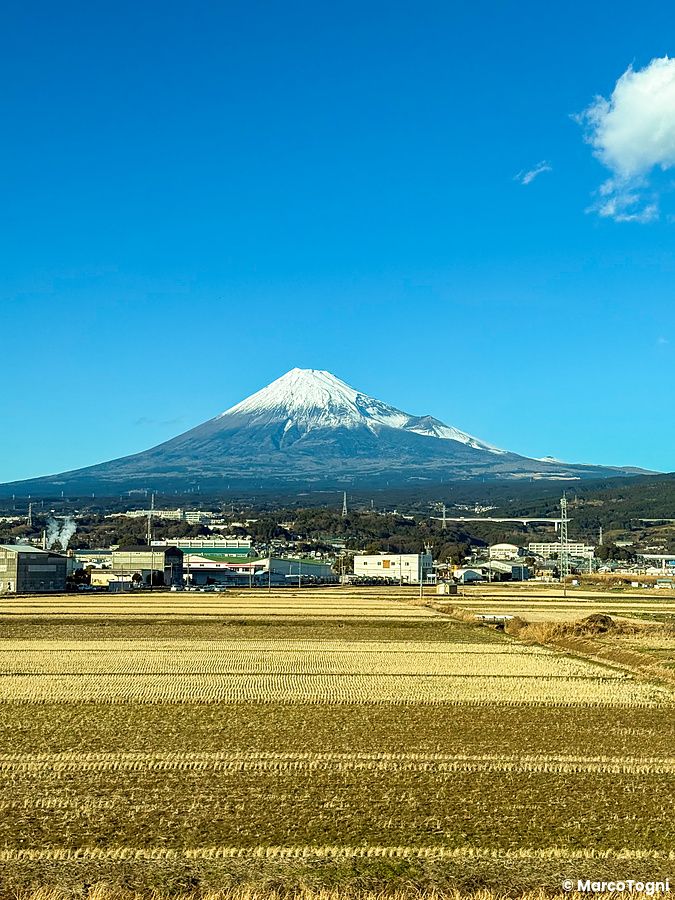
I like it precisely because it turns the trip into a break. The cars are half empty, the seats are comfortable and there’s no rush at all. If your day is already packed with sightseeing, though, that extra time is hard to spare, and the Nozomi with the advance fare is the better choice.
Private railways and other options
JR isn’t the only option in Japan. Many cities have private railways running the same routes for less money, sometimes a lot less. The classic example is Osaka to Kyoto. The Hankyu line from Umeda to Kawaramachi costs about 400 yen, JR from Osaka to Kyoto around 500–600 yen, and Keihan falls somewhere in between.
JR is the fastest, but Hankyu drops you in central Kyoto, close to Gion and the shops, while Kyoto’s JR station is farther south. Keihan, on the other hand, is handy for Gion and the Kiyomizu area. Choose based on where you’re going, not just on price.
The same goes for the airports. From Narita to central Tokyo you have three very different trains to choose from:
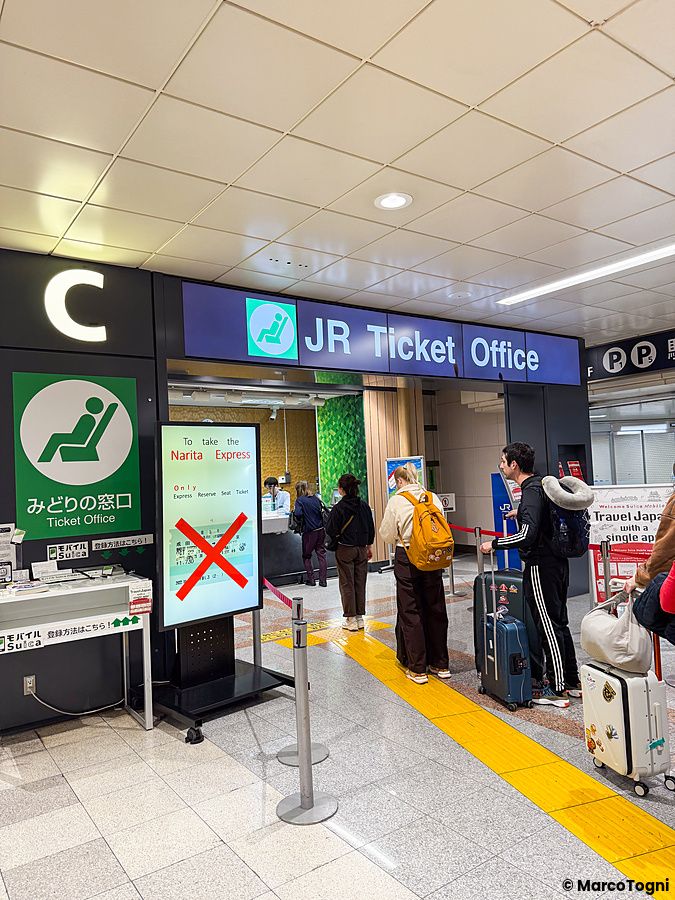
- JR’s Narita Express runs direct to Tokyo, Shinjuku and Shibuya and costs around 3,000 yen. It’s convenient if your hotel is in one of those areas.
- Keisei’s Skyliner gets to Ueno and Nippori in just over half an hour for about 2,500–2,600 yen, and it’s the fastest.
- Keisei’s Access Express has no surcharge and costs about half as much as the Skyliner, around 1,300 yen, but takes about twice as long.
If you’re arriving worn out after an intercontinental flight, I think the extra 1,000-plus yen for the Skyliner or the Narita Express is money well spent.
Kids and families
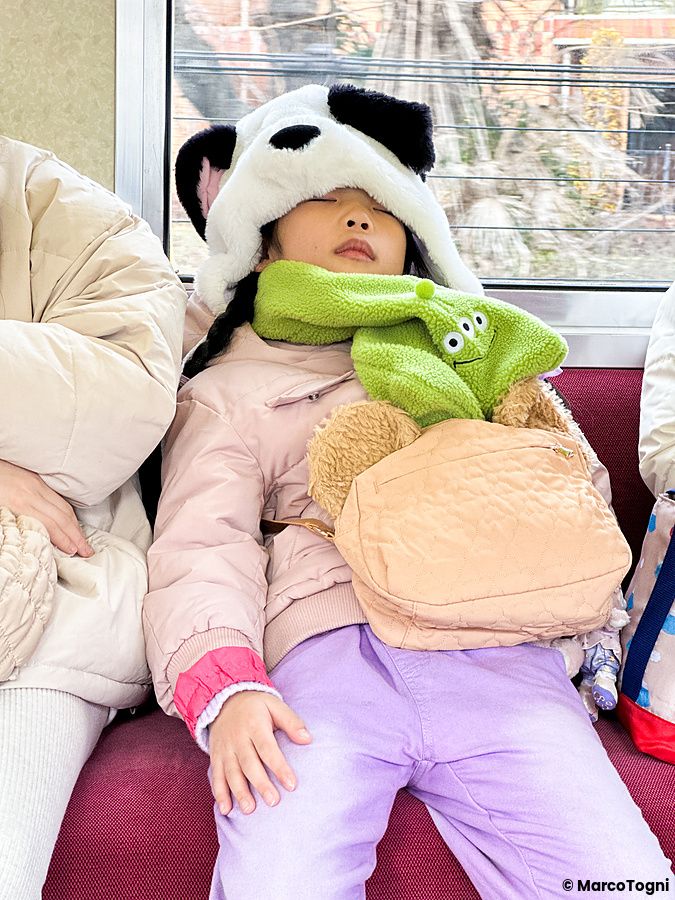
Japan’s train fares are generous to families. Children aged 6 to 11, and in any case until they finish elementary school, pay half price on both the base fare and the surcharge.
Kids under 6 ride free, up to two per adult, as long as they don’t take up a reserved seat of their own. Starting with the third young child, you pay the child fare. If you want a reserved seat for a young child on the Shinkansen, you have to buy a child ticket; otherwise they sit on your lap.
On city trains you barely notice this rule because the amounts are small, but on a Shinkansen trip for a family of four you really feel the difference. During Japanese school holidays I recommend booking reserved seats early, because finding four seats together at the last minute isn’t guaranteed.
Green Cars and other upgrades
Some local trains around Tokyo, on lines like the Tokaido, Yokosuka and Chuo, have double-decker cars with more comfortable seats. These are also called Green Cars, and you pay a surcharge on top of the regular fare to ride in them.
For trips up to 50 kilometers, the surcharge runs from about 750 yen if you buy it on your Suica beforehand to a bit over 1,000 yen if you buy it the old way. Seats aren’t reserved. You sit wherever you find a free spot and tap your card on the sensor above the seat, and the light turns from red to green.
Let’s be honest: for a twenty-minute ride within Tokyo, you don’t need it. It starts to make sense on hour-long trips, say to Kamakura or Yokohama at rush hour, when the regular cars are packed and the upper deck of the Green Car is a lot quieter.
The Shinkansen also has Gran Class, one step above the Green Car, on some lines such as the ones to Kanazawa and northern Japan. It’s expensive, and I’d only suggest it if you want to splurge once.
Seishun 18 and slow travel
If you have lots of time and not much money, there’s the Seishun 18 Kippu, a seasonal ticket JR sells three times a year, in spring, summer and winter. Despite the name, it has no age limit, and it gives you unlimited rides on all JR local and rapid trains across Japan.
It comes in two versions: three consecutive days for around 10,000 yen, or five consecutive days for about 12,000 yen. It’s not valid on the Shinkansen or on limited express trains, and getting from Tokyo to Osaka takes almost ten hours with several transfers.
I wouldn’t recommend it if you’re on a tight ten-day itinerary. But I think it’s perfect if you want to see the countryside, stop in small towns off the usual routes, and think of the train ride as part of the vacation. On local trains you see commuters, students in uniform, rice fields and stations with a single platform. It’s a different Japan from the one you see through the Shinkansen window.
Saving money
After all the traveling I’ve done, the advice I give most often to people planning a trip comes down to a few practical points:
- Price out your trips on a route app like Google Maps or Navitime, which show the total fare, and only then decide whether you need a pass.
- Use Suica or Pasmo, on a card or on your phone, for all your trips around town.
- For the Tokyo–Kyoto–Osaka route, book on smartEX a few days ahead instead of buying your ticket at the counter the same day.
- When you’re traveling between nearby cities, always check whether a private railway runs the same route.
- Avoid Japanese holiday weeks like Golden Week in early May, Obon in mid-August and New Year’s, when surcharges go up and seats sell out.
Prices change fairly often, so before you leave it’s a good idea to check the current fares on the apps or the rail companies’ websites. But how the options stack up against each other stays more or less the way I’ve described.
My advice
If I were planning your first trip, I wouldn’t buy the Japan Rail Pass blindly. I’d get a Suica for the cities, book the Shinkansen on smartEX a few days ahead, and take private railways wherever they run.
In most cases you’ll spend less and have more freedom too. Trains in Japan are never cheap over long distances, and you need to budget for that. But they’re punctual and clean, and they take you exactly where you want to go. After your first Shinkansen ride, chances are you won’t want to go back to flying.