Japanese Pink Films (Pinku Eiga)
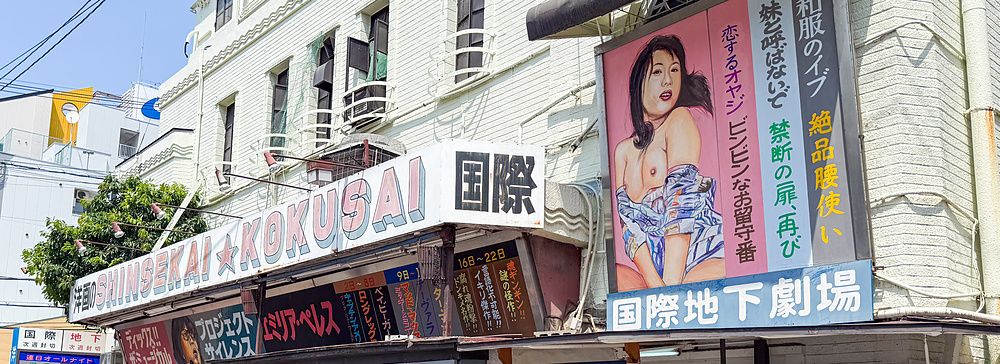
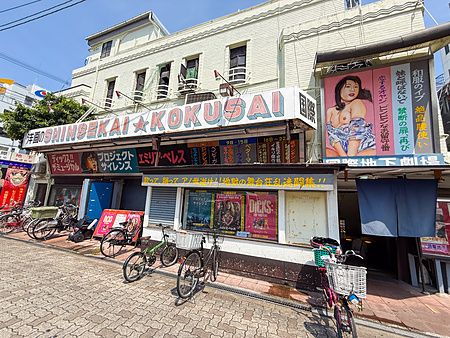
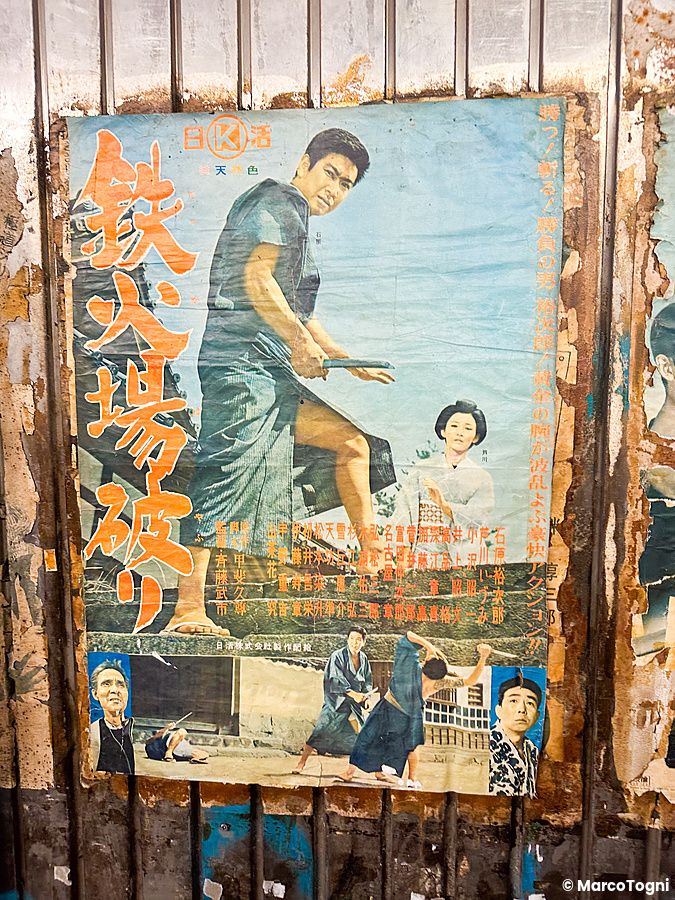
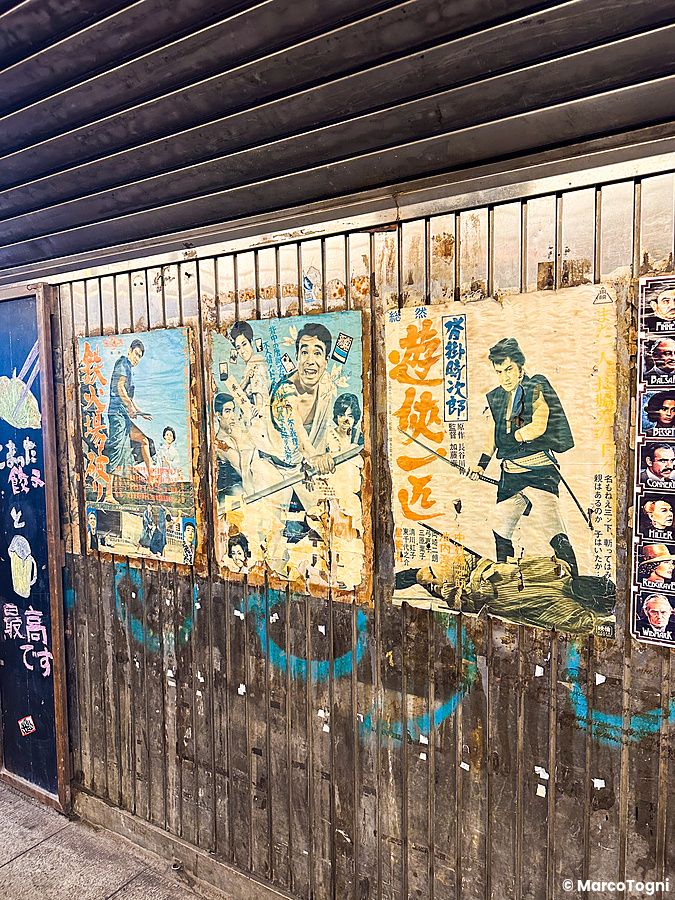
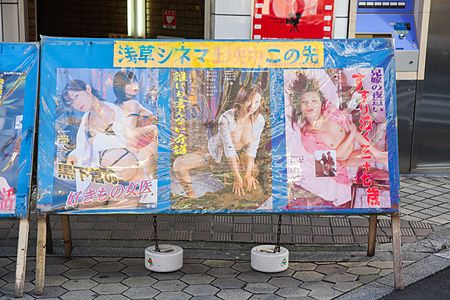
To Japanese ears, the words pinku eiga (literally pink cinema) bring a specific picture to mind: tucked-away theaters, hour-long erotic films shot in a few days, faded posters near train stations. Pink films are one of the strangest and longest-running genres in Japanese cinema, and also one of the least known to people visiting Japan.
A lot of people mix them up with porn, but that’s not what they are. These are real films with a plot, released in theaters after going through the ratings board. The genre launched the careers of award-winning directors known around the world, and some of the old theaters are still open, with their own habits and their own crowd.
Contents
What pink films are
A pinku eiga is an erotic film made by independent production companies, outside the big studios like Toho, Toei and Shochiku. The erotic content is always there, but it stays within softcore limits. There are no explicit scenes, because Japan’s obscenity law bans showing genitals, and every film has to get an 18-and-over rating before it reaches theaters.
The formula is strict, and it has been for decades. A film runs about an hour and usually has four or five sex scenes spread through the story. Beyond that, the director is free to tell whatever story they want. It can be a comedy, a family drama, a horror film, a political film or a love story, as long as the required scenes are there.
That freedom is exactly what made the genre interesting. Producers kept an eye on the scene count and the budget, almost never on the content, so lots of young directors used pink films as a training ground where they could experiment with nobody telling them what to do. Honestly, some of these films are bolder than plenty of the Japanese art-house cinema that makes the festival rounds.
How the genre started
The first film considered a pinku eiga came out in 1962. It’s called Nikutai no ichiba (The Flesh Market). Kobayashi Satoru directed it, and a small independent company produced it. It already had the three traits that would later become the very definition of the genre: an adults-only rating, production outside the big studios, and a fictional story.
Back then television was emptying the movie theaters and the big studios were losing their audience. Small independent companies figured out that with next to no money they could shoot an erotic film and fill theaters outside the big cities, which needed new titles every week.
The genre grew fast, amid scandals and court cases. In the mid-1960s, Takechi Tetsuji’s Kuroi yuki (Black Snow) sparked an obscenity trial. The case had the whole country talking, and it ended in an acquittal.
Around the same time came Wakamatsu Koji, the best-known name in the whole genre. His Kabe no naka no himegoto (Secrets Behind the Wall) was shown at the Berlin Film Festival and caused a minor diplomatic embarrassment, because the Japanese authorities didn’t want a film like that representing the country. Wakamatsu mixed sex, violence and radical politics, and he had a cult following among students at the time.
Roman Porno and pinky violence
In the 1970s the big studios also realized that sex sells. Nikkatsu, one of Japan’s historic film studios, was in trouble, and in 1971 it launched its Roman Porno line, which ran until 1988. These were erotic films with far bigger budgets than the small producers’ films, shot by studio directors with professional actors.
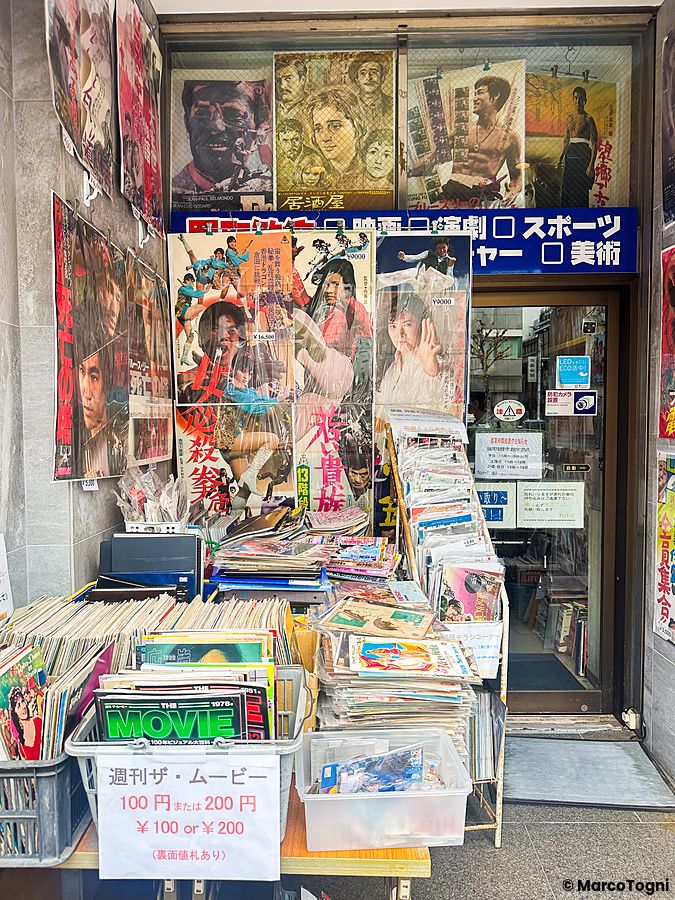
Toei took a different route with what became known as pinky violence: delinquent girls, women’s prisons, brawls and revenge, plus a dose of nudity. Many genre film fans know these movies today thanks to the restored editions released outside Japan.
Strictly speaking, Roman Porno and pinky violence aren’t pinku eiga, since they came out of big studios. In Japan, though, they often get lumped together, and the specialist theaters still show them side by side today. If you want to dig deeper, Roman Porno films are the easiest to find with subtitles, and they show you just how beautiful the cinematography could be in a film made for an adult audience.
Making a pink film
A pink film runs on a tiny budget, around three million yen, an amount that in mainstream filmmaking barely covers a few days of shooting. The shoot lasts anywhere from three days to a week at most, the crew is bare-bones, and they often film in borrowed apartments, love hotels or out on the street without permits.
Until the early 2000s almost everything was shot on 35mm film, which gave these movies a real cinema look even though there was hardly any money. Today they shoot digital like everyone else.
There are only a few historic production companies, and the same names keep coming up:
- Okura Eiga, now OP Pictures, which makes most of the new titles and also runs Tokyo’s best-known theater.
- Shintoho Eiga, which grew out of a 1950s studio that had gone under and became one of the genre’s main labels.
- Kokuei, one of the oldest companies, linked to many auteur directors.
- Xces Film, founded in the late 1980s after Roman Porno ended and still one of the genre’s active labels.
These days we’re down to one or two new films a month, a fraction of what came out in the golden years. Theaters are closing one after another, because the people running them are getting old, the buildings are decades old and bringing them up to code costs too much. And adult video long ago took away the audience that was only there for the erotic content.
A training ground for directors
This is the part I like talking about most, because it demolishes the idea that pink films are just B-movies. A lot of Japanese directors known abroad got their start right here.
Takita Yojiro, who directed Okuribito, the film that won the Oscar for best foreign language film, made dozens of pink films before moving on to mainstream cinema. Suo Masayuki, the director of Shall We Dance?, debuted with an erotic comedy that was an open homage to Ozu Yasujiro, with the low camera angles and slow dialogue typical of Ozu’s films. Kurosawa Kiyoshi, now one of the Japanese directors most respected at European festivals, also started out with an erotic film.
In the 1990s Japanese critics came up with a nickname for a group of directors who were reinventing the genre: the Pink shitenno, the four kings of pink. They were Zeze Takahisa, Sato Hisayasu, Sato Toshiki and Sano Kazuhiro, each with a different style, from political films to the more disturbing kind.
Zeze went on to direct hugely successful commercial films. The genre even has its own yearly award, the Pink taisho, which people in the business jokingly call the Pink Oscars, and critics and fans vote on a ranking of the year’s best films.
Pink film theaters in Tokyo
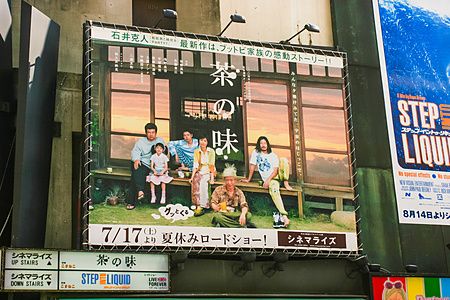
The specialist theaters still left in Tokyo can be counted on one hand, and the best known is Ueno Okura Gekijo. It’s a few minutes’ walk from the Shinobazu exit of Ueno Station, surrounded by streets full of bars and izakaya, and it’s run directly by Okura, one of the historic production companies.
The theater has a long history, and you can spot its adult cinema sign from far off. It shows three films back to back, with titles from OP Pictures, Shintoho and Xces as well as old Nikkatsu Roman Porno, and it stays open pretty much all night, every day of the year.
It works nothing like a regular movie theater:
- You buy a ticket once and can stay as long as you like, even walking in halfway through a film, since there are no start times to stick to and seats aren’t assigned.
- Once you leave, you can’t get back in on the same ticket, so decide beforehand how long you want to spend there.
- Tickets run around 1,500–2,000 yen, with discounts for students and seniors and an upper floor that costs a bit more, but it’s best to check current prices before you go.
- Photos are banned inside, and of course it’s adults only.
Outside Ueno, if you care more about the films than the scene, you’ll find a very different option at Laputa Asagaya, a small cinema in Asagaya, on the Chuo Line between Shinjuku and Kichijoji. There, pink films are shown as retro cinema alongside Japanese action movies from the 1960s and 1970s, and the audience includes film buffs, students and women too. In Ikebukuro, near the station, a specialist theater still hangs on in a basement, but places like this close without warning, so make sure it’s still open before you go.
What to expect inside
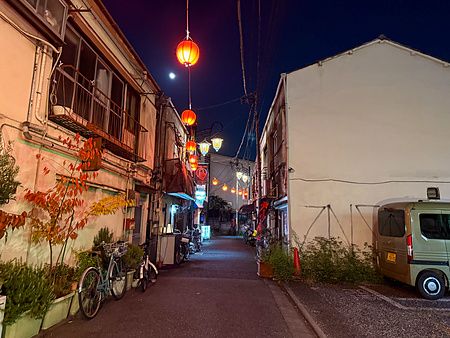
At historic theaters like the one in Ueno, the crowd isn’t just film buffs, and visitors usually don’t see that coming.
During the day on weekdays the audience is mostly older men, and many of them come in to escape the cold or the heat, doze for a few hours and pass the time. In the evening and on weekends the atmosphere changes, because the theater has always been a meeting place for gay men and for people who dress as women.
At Ueno Okura the upper floor is effectively reserved for these encounters, and women aren’t allowed up there. The ground floor is open to everyone, but a couple or a woman who walks in gets noticed right away, and sometimes someone will sit down next to you or proposition you openly.
It isn’t dangerous in terms of crime, but it isn’t a place to watch a movie in peace either. My advice is to go only if it’s this slightly underground side of Tokyo you’re curious about, knowing what you’re in for, and ideally with someone else.
Pink films for a wider audience
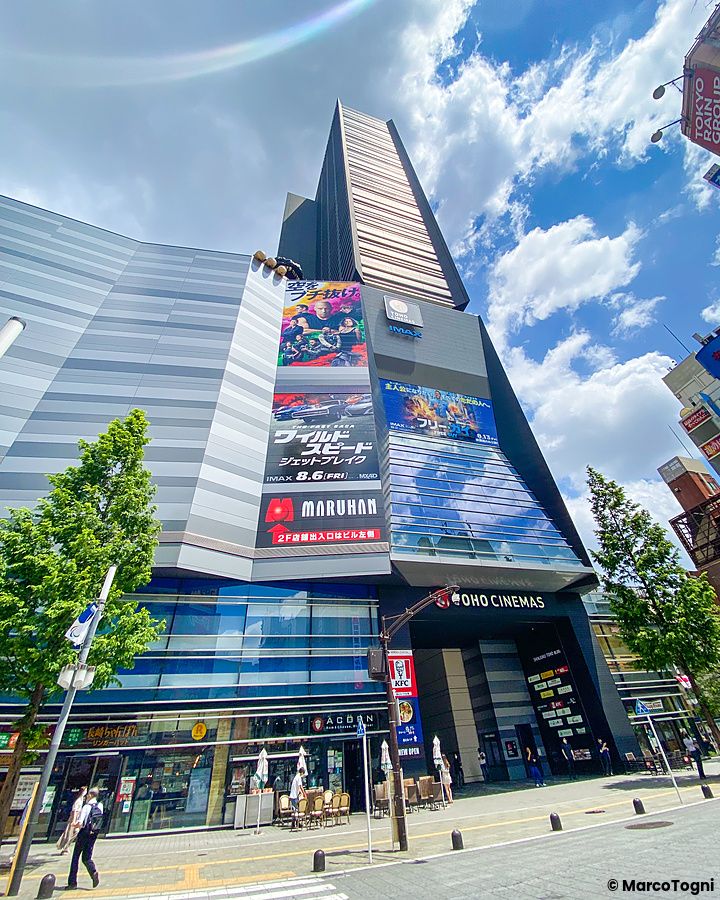
OP Pictures came up with a simple way to reach new viewers: make a second cut of its films with the most explicit scenes trimmed down, rated R15+ so they can play in regular theaters. The project is called OP Pictures+, and every year it brings these films to a mainstream movie theater in Shinjuku, Theatre Shinjuku, for a small festival devoted to them.
The crowd at these screenings looks nothing like the one in Ueno. You’ll see young people, couples, women who go to the movies on their own, and fans who want to see the work of directors and actors they’d never come across otherwise. The cast and director often come out to greet the audience from the stage, just like they do for any other Japanese release.
If you want to watch a pink film in a theater without the atmosphere of the old adult cinemas, I think this is the easiest way to do it. The only catch is the language: the films are in Japanese and almost never have subtitles.
If you don’t understand Japanese, you’ll have better luck elsewhere:
- Nikkatsu’s Roman Porno films, many of which have been restored and released outside Japan with English subtitles.
- Wakamatsu Koji’s films, which often turn up in European film festival retrospectives and at cinematheques.
- Film series on Japanese genre cinema, where a pink film turns up now and then next to yakuza movies and horror.
- Streaming platforms that specialize in arthouse cinema, which now and then put together collections devoted to the genre.
Where to start
If you’ve never seen a pink film, don’t start with whatever happens to be playing at a theater in Ueno. You could easily end up with something shot in a rush, with a thin plot, and get the wrong idea about the whole genre.
I’d start with Wakamatsu Koji, to see how political and provocative the genre could be. Then move on to the Roman Porno films of the 1970s, which show the more elegant side of Japanese eroticism, and only then go looking for something by the four kings of the 1990s. They’re the hardest to find, but also the most surprising.
It also helps to adjust your expectations a bit. A pink film runs an hour, has a tiny cast and often just three or four locations, and every so often the story stops for the scenes the contract calls for.
If you watch it the way you’d watch any other movie, you’ll find it a mess. If you watch it asking yourself what the director managed to pull off with three days and very little money, it becomes a really interesting exercise, and you start to see why so many Japanese critics talk about these films with respect.
Is it worth it?
That depends on what you’re after. If you’re into Japanese cinema, pink film is part of film history: it explains where a lot of directors came from, and getting to know it changes the way you watch even some very famous films.
If the idea is just to see what an adult movie theater in Tokyo is like, the experience is more social than cinematic, and plenty of people in the audience couldn’t care less about the film on the screen. I often recommend it to people who love movies, and much less often to people who just want something weird to talk about back home.
If I were you, I’d start by watching a film at home to get a sense of what it’s all about. Then, if you happen to be in Tokyo while the Shinjuku festival is running, spend an evening at the theater with fellow fans. I’d leave the Ueno Okura to people who want to see what it’s really like and already know what they’re walking into.
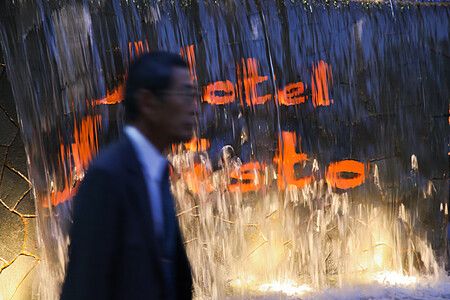
It’s a world that’s slowly fading away. Who knows how many of those neon signs will still be lit a few years from now.