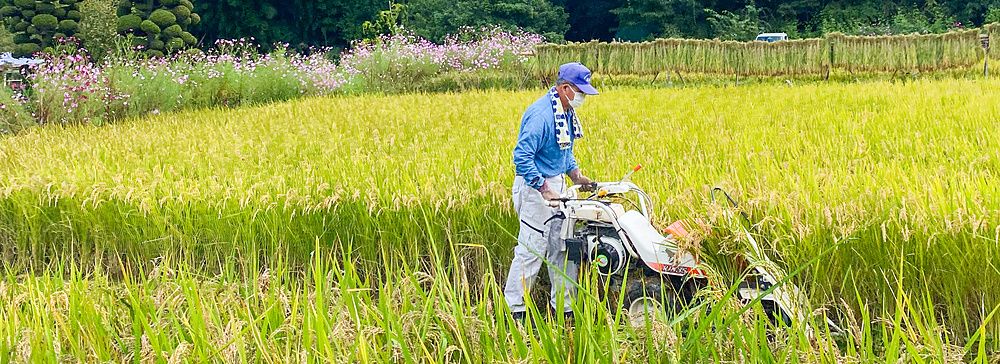
Japanese Rice
Japanese rice is one of the best and simplest things you’ll discover on a trip to Japan, and almost nobody gives it a second thought until they’ve had it done right. Here rice isn’t a side dish. It is the meal, so much so that the word gohan means both cooked rice and a meal.
At the supermarket, rice comes in bags printed with the variety’s name in big letters, the prefecture it’s from and the harvest year, a bit like wine. Koshihikari, Sasanishiki, Akitakomachi, Tsuyahime: every Japanese person knows these names, and each has a very different character. Learning to tell them apart, picking the right bag and cooking it properly is easier than it looks, and it makes a big difference to what ends up in your bowl.
Contents
What makes it different
The rice people eat in Japan is a short-grain, round japonica that’s slightly translucent. Raw, it looks a little like risotto rice, but the approach is the opposite: no toasting, no beating in fat at the end and no stirring while it cooks.
Instead you wash it, soak it and cook it in a precise amount of water until it’s all absorbed. The result is glossy, soft grains that cling together just enough to pick up with chopsticks without turning into glue.
How sticky a rice is depends mostly on amylose, one of the two starches in the grain. The less amylose, the softer the rice, and the stickier and sweeter it gets; with a little more, the grains stay separate and dry.
The Japanese call ordinary everyday rice uruchimai and glutinous rice mochigome. Mochigome has almost no amylose at all and is used for mochi and some festive dishes. All the famous varieties are uruchimai, and what sets them apart is the balance of softness, sweetness and texture.
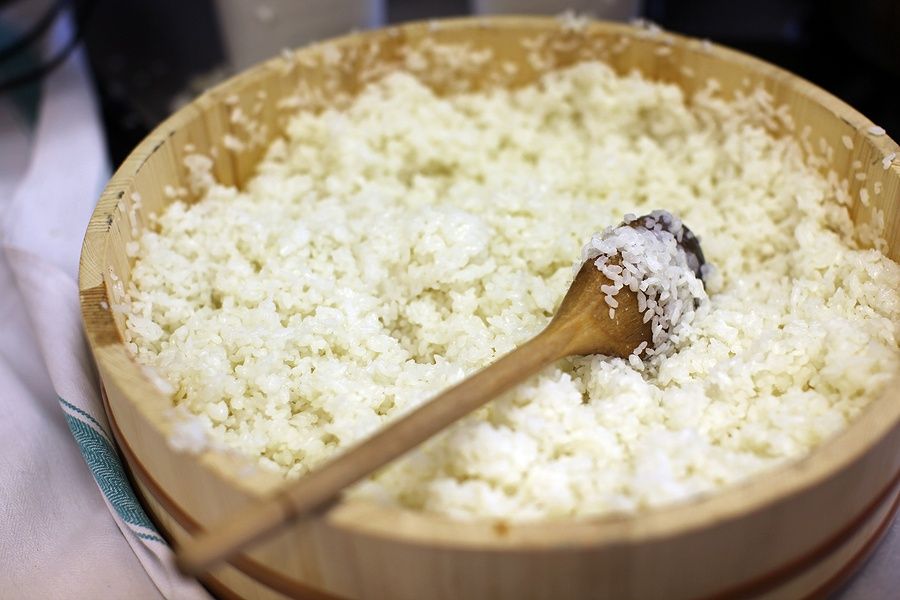
Koshihikari, the queen of rice
Ask anyone in Japan to name a rice variety and nine out of ten will say Koshihikari. It was registered in Fukui Prefecture in the mid-1950s, and it’s the most widely grown variety in the country, accounting on its own for roughly a third of all rice paddies.
The grain is soft, glossy, sweet and fairly sticky, with a rich aroma that hits you as soon as you lift the lid. It’s the taste Japanese people associate with good rice, and many newer varieties are its children or grandchildren.
The most famous of all is Koshihikari from Uonuma, a mountain area in Niigata Prefecture. Summers there are hot by day and cool at night, the water comes from melting mountain snow, and the rice turns out especially sweet.
Uonuma Koshihikari is what people give as a gift, and it’s the bag that costs the most on the shelf, often a good deal more than regular Koshihikari. It’s worth trying at least once, ideally side by side with any ordinary supermarket rice. You can taste the difference, even if it’s not an everyday rice.
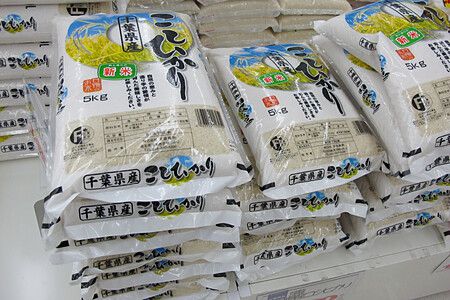
Sasanishiki
Sasanishiki is honestly my favorite rice, and it’s almost the opposite of Koshihikari. It comes from Miyagi Prefecture, in northeastern Japan, and was registered in the early 1960s.
For a couple of decades it was Koshihikari’s great rival, to the point that people said Sasanishiki ruled the east and Koshihikari the west. Then the disastrous cold summer of 1993, which wiped out a huge share of the harvest in the northeast, showed how vulnerable it was to cold, and many farmers switched to hardier varieties.
Today it’s become something of a niche variety, but it still has some very loyal fans. The grains are lighter and less sticky, and each one stays separate in your mouth. The flavor is delicate, without Koshihikari’s full sweetness.
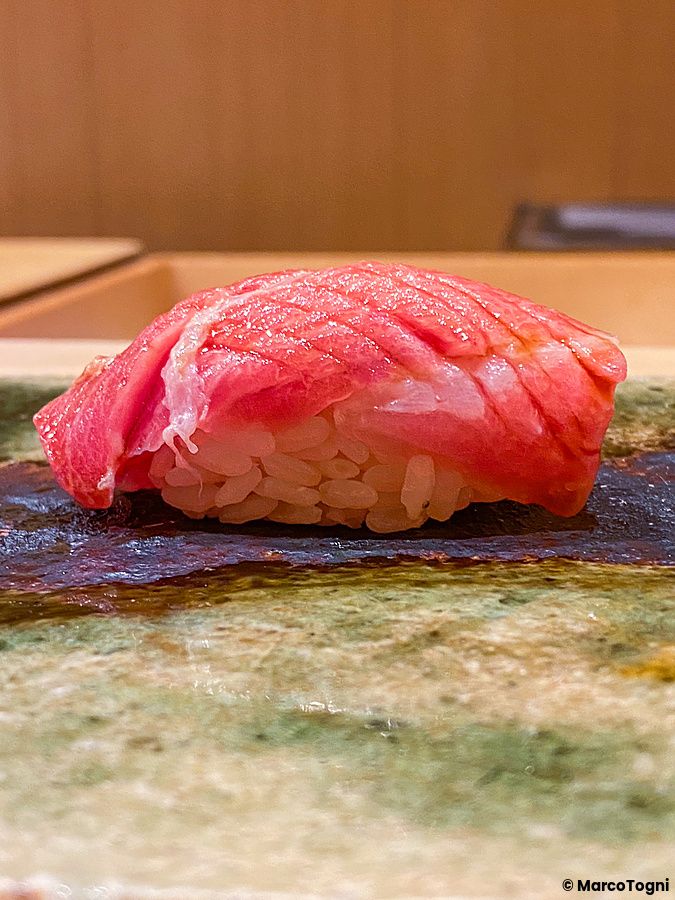
That’s why people who make sushi love it: it pairs well with vinegar, doesn’t mask the taste of the fish and separates grain by grain the moment it’s in your mouth. It’s also excellent cold, in onigiri or a bento for example, because it doesn’t harden or set into a dense lump.
If you’re used to rice that isn’t very sticky, this is the one I’d suggest looking for first. You won’t always find it at your local supermarket, but specialty rice shops and department store food halls almost always have it.
Other varieties worth trying
Besides the two big rivals, every prefecture has its own flagship variety, often with a name chosen to be memorable and packaging with drawings or mascots on it. These are the ones I see most often, each with a distinctive character:
- Akitakomachi: from Akita Prefecture, it’s a slightly lighter offspring of Koshihikari. It’s still good cold, and it’s one of the most common varieties in konbini bento and onigiri.
- Hitomebore: from Miyagi, it was bred to cope better with cold and took Sasanishiki’s place after the summer of 1993. The taste is balanced, not too sweet and not too sticky, and it makes a good everyday rice.
- Tsuyahime: from Yamagata, its name roughly means glossy princess, and the grain really does have a special shine. It’s sweet and soft, and very popular with Koshihikari lovers.
- Yumepirika and Nanatsuboshi: both come from Hokkaido, which used to have a reputation for mediocre rice. The first is very sweet and sticky, the second lighter and well suited to sushi.
- Milky Queen: it has very little amylose, so it’s extremely soft and sticky. Some people mix it into other rice to soften it, and it holds up well into the next day.
Every year Japan’s grain inspection agency publishes a ranking of rice by prefecture and variety, and the top grade is the much-talked-about Toku A, or special A. When you see it printed on a bag, it means that combination of area and variety scored highest in taste tests.
Don’t take it as gospel, because your own taste matters far more. Still, it’s a good way to choose when you’re staring at twenty identical bags and don’t know where to start.
New-season rice
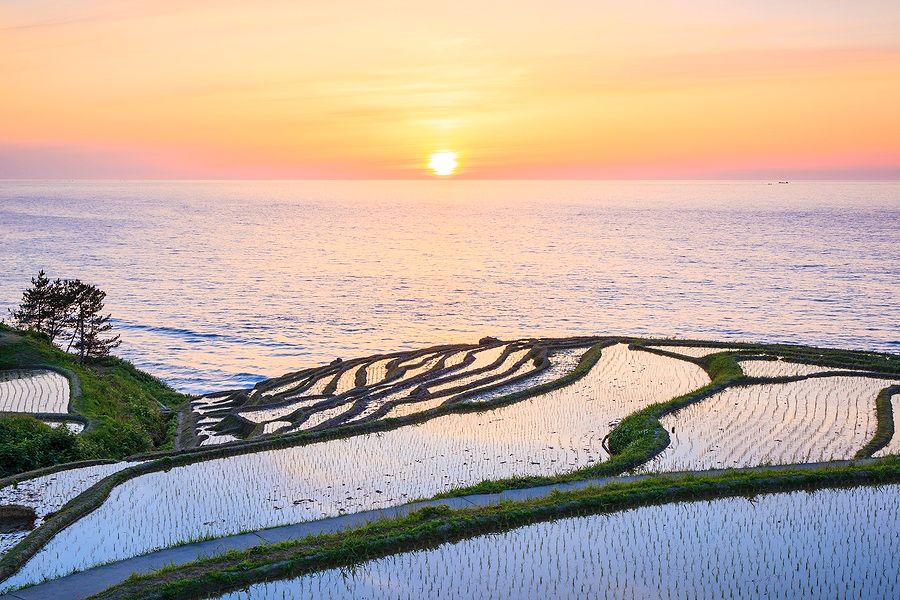
In the fall, the word shinmai, new rice, starts appearing on bags and restaurant menus. It’s rice harvested and packed that same season, and for Japanese people its arrival is a small event: it’s more fragrant, softer and moister than the previous year’s rice.
At teishoku restaurants, which serve set meals of rice, soup and a main dish, you’ll often see signs announcing that the new rice is in, and that evening many families eat plain white rice with almost nothing on it, maybe just a raw egg or a few pickles.
Because new rice contains more moisture, you cook it with a little less water, or it comes out too mushy. Many bags say so right on the package, and the latest rice cookers have a setting just for it.
If you’re traveling between September and November, I think it’s worth asking at restaurants whether they’re serving new rice. That alone will show you why rice here gets the same serious attention as freshly pressed olive oil.
Buying rice
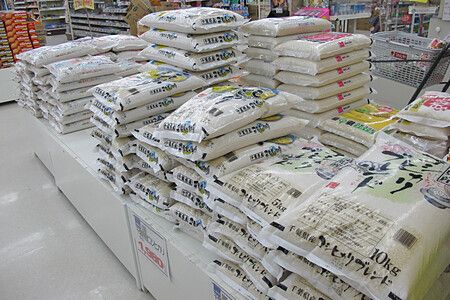
Supermarkets sell rice in 2-, 5- and 10-kilo bags, while konbini have small one- or two-kilo packs. A 5-kilo bag of regular rice costs a few thousand yen, while the famous varieties and rice from the most sought-after areas can cost as much as twice that. Prices change a lot from season to season, so it’s best to check once you’re there.
The label on the back of every bag looks complicated, but once you can read it, it tells you everything. Only a few things matter:
- The place of production (産地), meaning the prefecture and sometimes a more specific area, is your first clue to quality and price.
- The variety (品種) tells you whether it’s Koshihikari, Sasanishiki and so on. If the bag says 複数原料米, blended rice, several varieties or harvest years have been mixed together, and it’s usually cheaper.
- The harvest year (産年) tells you how fresh it is: this year’s rice is always a better pick than last year’s.
- The milling date (精米年月日) matters most, because white rice loses its aroma as the weeks go by, so always grab the bag with the most recent date.
Next to the white rice you’ll also find genmai, brown rice, and haigamai, a halfway option that keeps the germ. Musenmai is really handy: it’s rice you don’t need to wash, because the bran dust has already been cleaned off at the factory, so it goes straight into the pot with the water.
In the countryside you’ll also spot small roadside sheds marked コイン精米. Inside are coin-operated machines where farmers and families bring their brown rice and mill it on the spot, choosing how white to make it. For Japanese people, freshly milled rice is the best there is, and these sheds are especially intriguing to anyone seeing them for the first time.
How to cook it
The first step is washing the rice. The Japanese verb for it is togu, the same one used for sharpening a blade. Put the rice in a bowl, add water, swirl it quickly with your hand and pour off the first water right away, since it’s the cloudiest and the grains would soak it up.
Repeat two or three more times, stirring gently, until the water runs almost clear. There’s no need to scrub hard: the rice you buy is already very well milled, and you’d only risk breaking the grains.
Next comes soaking. Lots of people skip it, and that’s the most common mistake. Leave the rice in water for at least half an hour in summer and an hour in winter, because the grain has to absorb water right to the center, or the middle stays hard.
The basic rule is a little more water than rice by volume, about 1.2 times as much. In Japan rice is measured with a small cup called a go, about 180 milliliters, and rice cookers have their lines marked in go.
When it’s done, let the rice rest for about ten minutes with the lid on, then gently stir it up from the bottom with the paddle to let the extra steam escape. It sounds like a small detail, but it’s the difference between glossy, distinct grains and rice that sets into one solid block.
Practically every Japanese home has an electric rice cooker, and the best models from Zojirushi, Tiger and Panasonic use induction heating and pressure. They have settings for every variety, for new rice and for brown rice, and they keep the rice warm for hours.
If you don’t have one, a heavy-bottomed pot with a heavy lid works just fine: bring the rice and water to a boil over medium-high heat, turn the heat as low as it goes for about fifteen minutes, then switch it off and let the rice rest. Many Japanese restaurants still cook rice in a donabe, a clay pot, or on a kamado, a traditional stove, and the crust on the bottom, called okoge, is considered a little delicacy.
Sake rice and mochi
Not all Japanese rice ends up in a bowl. Sake is brewed from dedicated varieties called sakamai. Their grains are bigger and have a white, opaque core, the shinpaku, that’s rich in starch.
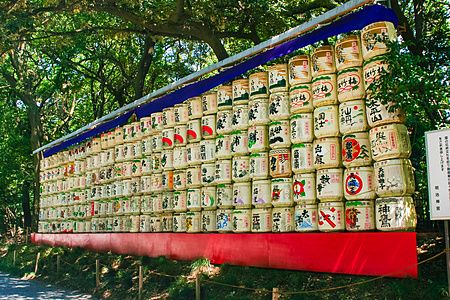
Yamada Nishiki is the best known. It’s grown mostly in Hyogo Prefecture and widely considered the gold standard for sake rice. Omachi, an old variety from Okayama Prefecture, makes for rounder, earthier sake, while Niigata’s Gohyakumangoku produces a drier, cleaner style. If you like sake, learning to recognize these names on the label makes choosing a bottle a lot easier.
Mochigome, or glutinous rice, is what mochi is made from. It’s steamed and then pounded with a mallet in a large wooden mortar until it turns into a stretchy dough, and in many cities people still do this in public during the year-end festivities.
The same rice goes into okowa and sekihan, the red rice with azuki beans made for birthdays, weddings and other happy occasions. It’s chewier and stickier than regular rice, and if you’re used to plain white rice, the texture always catches you off guard the first time.
Where to try it
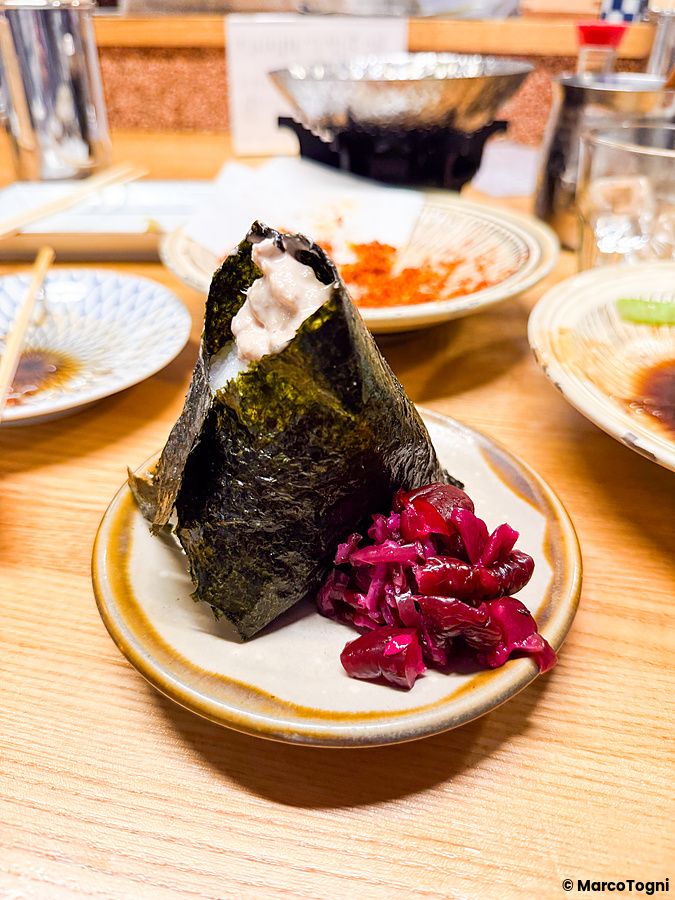
The easiest way to find out how good Japanese rice can be is to try a freshly made onigiri. Tokyo has shops that make nothing else, with lines out the door, warm, just-cooked rice, crisp seaweed and dozens of different fillings. The most famous is Onigiri Bongo in Otsuka, open since 1960 and by now a Tokyo institution. Its onigiri are big and soft, with the filling spilling out everywhere.
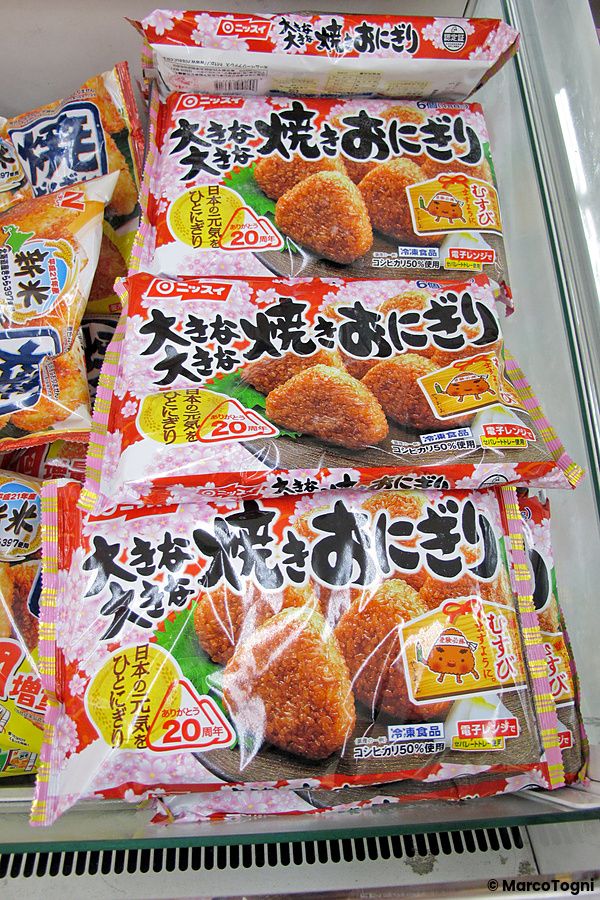
Konbini onigiri are perfectly good, but the difference is obvious: the rice is softer, you can feel every grain, and the onigiri melts in your mouth instead of holding its shape.
Restaurants that cook rice in a donabe or a kamado and serve it as the star of the meal are also well worth trying, sometimes with things to put on top like pickles, dried fish, raw egg or mentaiko, which is spicy pollock roe.
They often have a menu where you choose between two or three varieties, and some have you taste the rice on its own first, with nothing on it. A lunch set like this usually costs around 1,000–2,000 yen, so you don’t need a big budget.
If you want to buy some, department store food halls and shops like Akomeya Tokyo in Ginza sell many different varieties from all over Japan in small packs, sometimes vacuum-sealed, and you can also taste them before you decide.
Taking it home
Rice is one of the souvenirs I often recommend to people who want to bring home a piece of Japan they’ll actually cook with. The vacuum-sealed packs of 2 or 3 go, roughly 300 to 450 grams, are made specifically as gifts. They have beautiful designs and take up almost no room in your suitcase.
Before you leave, though, check your country’s rules on bringing plant and food products in your luggage. They vary from country to country, and you don’t want any surprises at customs.
If you do bring some home, keep a few things in mind so it doesn’t go to waste:
- Store it somewhere cool and dark, or better yet in a sealed container in the fridge, because white rice absorbs odors and loses its aroma in the heat.
- Eat it within a few weeks of the milling date, not after months in the pantry.
- Don’t cook it like risotto, and don’t salt it. It’s meant to be served plain, alongside dishes with plenty of flavor.
- Always use real Japanese rice for homemade sushi, because long-grain rice doesn’t stick together and falls apart as soon as you touch it.
My advice
If I could suggest just one thing, it would be a small experiment. Buy two small packs, one of Koshihikari and one of Sasanishiki, and cook them on the same day, one after the other. Eat them plain, with nothing on top.
I promise the difference will surprise you, and from then on you’ll never again be able to think of all rice as the same. You might even find you prefer a Hokkaido variety nobody’s ever told you about. Which one are you going to try first?