Kagurazaka
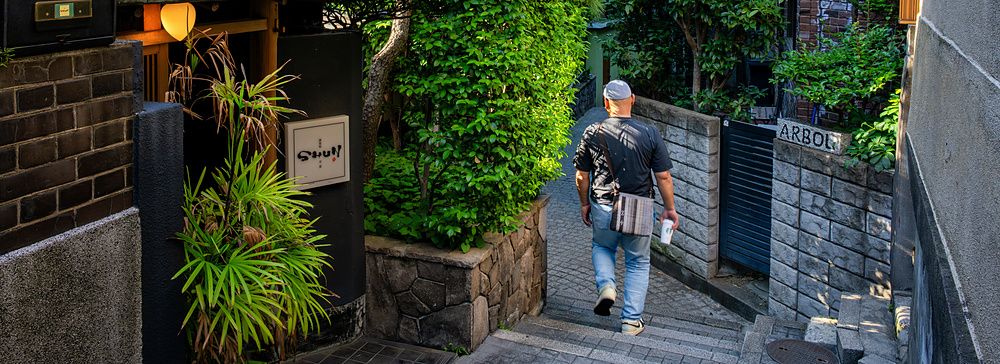
Kagurazaka is one of the nicest walks you can take in central Tokyo without leaving the real city for the outskirts. It’s a stone-paved slope that starts a short walk from Iidabashi and climbs through narrow alleys and up stairways, and it’s what’s left of one of Tokyo’s geisha districts.
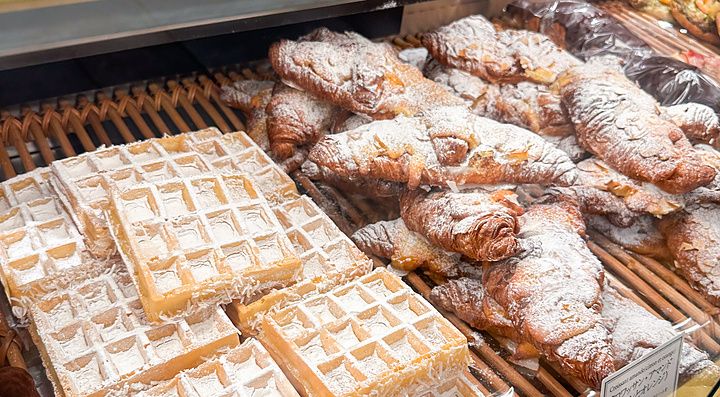
These days people call it Little Paris, and that’s not entirely an exaggeration. A large French community lives here, with its own bakeries, restaurants and wine and cheese shops. The best part is that all of this sits side by side with ryotei tucked away in the alleys, temples, and cats sleeping in the sun. Go without hurrying and without a map: this is one of those places where getting lost is the whole point.
Contents
Restaurants
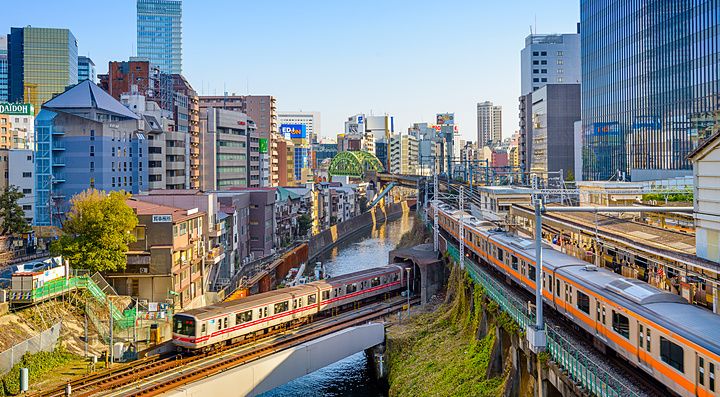
Nearby neighborhoods
Suidobashi
Where to start
The way into Kagurazaka is from the bottom, at the big intersection where the main street begins and heads uphill between the shop windows.
I’d start at the bottom and walk up slowly, because the first stretch is where the most interesting side alleys open up. A couple of practical things before you set off:
- Comfortable shoes: the paving is uneven, and there are quite a few flights of steps between one alley and the next.
- No set route: the lanes weave in and out of each other, and the best part is the bit that’s least signposted.
- Uphill all the way: go while your legs are still fresh, not at the end of a day of walking.
The temple and the shrine on the hill
Halfway up the hill, right on the main street, is Bishamonten, or Zenkokuji Temple. It’s been here since 1793, and locals still call it Kagurazaka’s Bishamon-sama. Stop for a second at the entrance and look at the two stone guardians. They aren’t the usual lion-dogs but two tigers, because the tiger is Bishamonten’s animal. It’s the kind of detail everyone walks past without noticing.
Further on, just past the top of the hill, Akagi Shrine catches you off guard. Rebuilt to a design by Kengo Kuma in glass and pale wood, it looks like anything but a shrine, yet there’s been a place of worship here since 1300. The contrast between the shrine and the dark fences of the alleys might be the most Kagurazaka thing of all.
The street that switches direction
Kagurazaka has a quirk that almost no tourist notices, and there are very few streets like it in the world: on the main street, the one-way traffic switches direction depending on the time of day.
In the morning, traffic heads downhill toward the city center. In the afternoon it reverses and cars drive up. In between, around midday, the street becomes pedestrian-only for an hour or so, and that’s the nicest time to stroll along it with no cars going by.
The reason is practical and a little funny: cars head toward the center in the morning and the other way in the afternoon, and that one change took care of both commuter traffic and safety around the shops. There’s also an old legend that ties the whole thing to a famous politician who used to pass through, but the real explanation is a lot more mundane. I like it precisely because it’s the kind of detail that makes you look at an ordinary street differently. If you’re curious, the politician in the legend is Tanaka Kakuei. The story goes that the schedule was set around his commute, toward the center in the morning and home in the evening. People in the neighborhood still tell it that way, but the street was set up for everyone else’s traffic, not his.
The alleys at night
By day Kagurazaka is about low-key shopping and cafés, but it’s after sunset that it shows its real character.
Once the lanterns come on, duck into the stone-paved alleys that branch off the main street, like the one next to Bishamonten. That’s where you’ll find the dark wooden fences, ryotei with entrances you can barely see and, if you’re lucky, a geisha on her way to an engagement. It’s still one of Tokyo’s working geisha districts, and geisha still perform in some ryotei, but I’ll be upfront about what not to expect: those places are extremely expensive, they take guests only by introduction, and they aren’t meant for tourists passing through. Looking at them from outside is free, though, and that alone makes the walk worth it. The alleys have names, too, and tracking them down is half the fun. Hyogo Yokocho is the most photographed, and it takes its name from the armory of the old Ushigome Castle. Kakurenbo Yokocho is the hide-and-seek alley, because anyone following you would lose track of you at the first turn. Geisha Shinmichi was the shortcut geisha took to get from one ryotei to another. They’re all close together, just behind the main street.
Places to eat range from French bistros to small izakaya, and prices run mid-to-high. It’s not the neighborhood for a cheap dinner, but the quality generally shows. If you have time left over, Kagurazaka pairs well with Iidabashi and the old castle moats, or with Jimbocho’s bookstore district, a few minutes away by subway. For me it’s the perfect way to spend half a day: up the hill in the afternoon, dinner in the alleys, then an unhurried walk back down to the station.
Festival nights
If you’re in Kagurazaka toward the end of July, you’ll find the whole hill celebrating four evenings in a row. The first two nights are for the hozuki market, with orange Chinese lantern plants that look like little lit-up lamps, and the last two are for the Awa Odori contest.
The dancers make their way down the main street right through the crowd, and the best part is that the street is narrow and sloping, so they’re right on top of you instead of up on some distant stage. Expect big crowds and packed restaurants, but this is the night of the year when the neighborhood is at its best.
Getting There
The right way to arrive is from the bottom. At Iidabashi Station, take subway exit B3 (or the JR west exit), and within a minute you're at the Kagurazaka-shita intersection, where the climb begins and the main street starts right in front of you.
If you'd rather do it all downhill, get off at Ushigome-Kagurazaka or Kagurazaka Station. You're already at the top, and you just drift down to Iidabashi in about twenty minutes, stops included.
It's also an easy walk from central Tokyo: from Jimbocho or the castle moats it's about fifteen minutes on foot.
Useful Info
Name: Kagurazaka
Time needed: A couple of hours for the hill and the alleys, half a day if you stay for dinner too
Tips: The main street goes fully pedestrian from 12:00 to 13:00, and on Sundays and holidays until 19:00. If you're there during that window, the walk up the hill feels completely different. Then leave the main street behind and slip into the stone-paved alleys behind Bishamonten.
Getting there:
- Iidabashi Station (JR Chuo-Sobu Line; Tozai, Yurakucho, Namboku and Oedo subway lines): exit B3, at the foot of the hill
- Ushigome-Kagurazaka (Oedo): exit A3, at the top of the slope
- Kagurazaka (Tozai): exit 1, on the Akagi Shrine side
Map
MarcoMaps100% free
This place is on MarcoMaps
Kagurazaka
My map of Japan: over 4,000 places I've tried myself, each with photos, rating, and hours. Filter by category and rating, find veg-friendly spots and places near you with GPS. No sign-up, right from your phone.
- 4,000+ places
- Rating, photos, and hours
- Veg friendly
- Near me (GPS)
- Favorites without login
- Works offline

