Kamakura
Kamakura is about 50 km south of Tokyo, and you need less than a day to see all the main sights. It’s on the opposite side of the capital from Nikko (which, as I’ve mentioned, is 120 km north of Tokyo), so you can’t do both in a single day.
If you’re in Tokyo and want a break from the frenzy of the city, a trip to Kamakura could be a good chance to see temples and historic and cultural sites. It’s also really cheap to get to, compared with what you’d spend to reach historic places that are farther away, like Kyoto.
Contents
What to see
Nearby neighborhoods

Machida
Shin-Yokohama
Komachi-dori
This is the shopping street you hit as soon as you walk out of Kamakura Station. As you can imagine, it’s very touristy, and you’ll find souvenirs, small restaurants and unusual snacks.
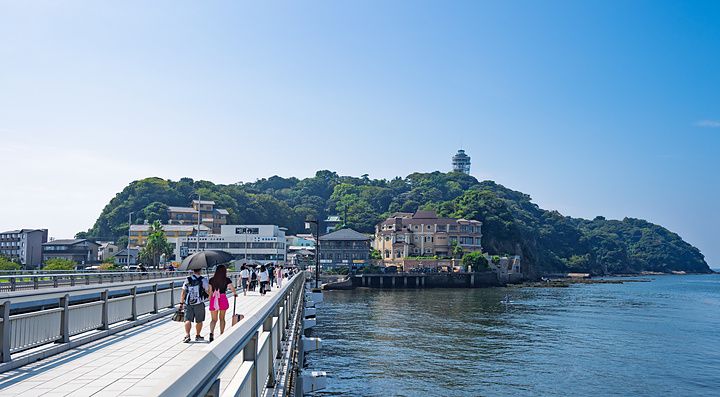
Riding the Enoden to the coast
The Enoden leaves from Kamakura. It’s an old line, and the trains take about twenty minutes to reach Enoshima, squeezing between houses at first and then running right along the sea. They’re short and incredibly slow, and in some stretches the cars almost brush the garden walls, so grab a spot at the front window and enjoy the trip as an attraction in its own right.
The most photographed stop is Kamakura Kokomae. The railroad crossing there, with the beach in the background, is the one from Slam Dunk, and you’ll pretty much always find people lined up to get the shot.
Yuigahama Beach
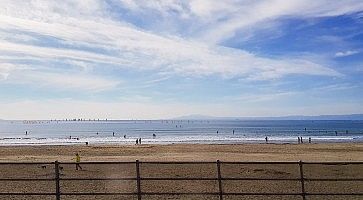
Yuigahama Beach is about a twenty-minute walk from Tsurugaoka Hachimangu. It’s nothing special, but if you feel like heading to the beach to get some sun or go for a swim, it’s not bad at all. When I went, there were tons of surfers, because it was really windy that day.
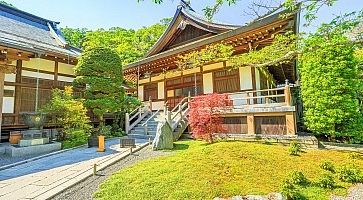
If you have the time and the energy, other places worth visiting are the Hasedera, Engakuji and Kenchoji temples.
When to go
You can visit Kamakura any time of year, but June is when it gets truly packed. It’s hydrangea season, and the two classic spots, Meigetsuin in Kita-Kamakura and Hasedera, even hand out numbered tickets to control entry to the flower-lined paths. If you go then, expect waits and crowded trains.
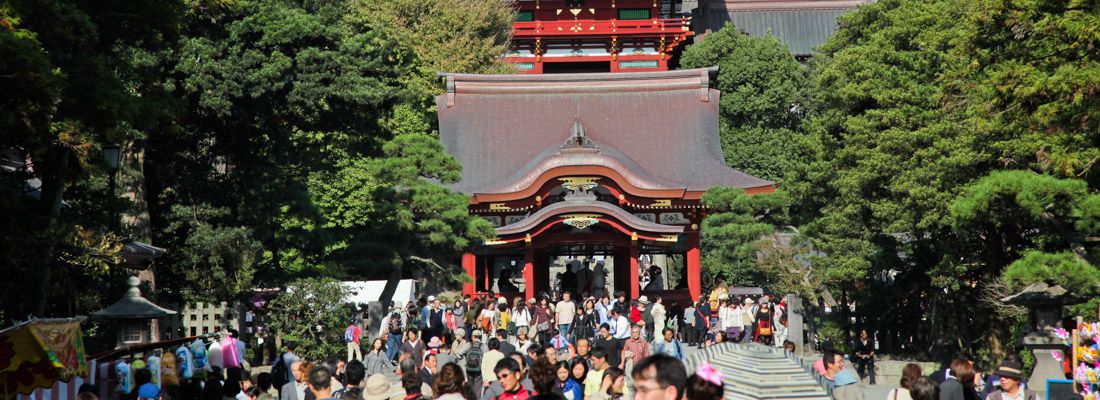
The fall colors arrive later here than in the rest of Japan, usually between late November and early December. In summer the action moves to the beach, and in the first few days of the new year Tsurugaoka Hachimangu is mobbed by people coming to say their first prayers of the year. If you happen to be there then, come prepared to wait.
Nikko or Kamakura?
If you can’t decide, my article “Which Is Better, Nikko or Kamakura?” will help you choose which one to visit.
Getting There
From Tokyo Station, the JR Yokosuka Line gets you to Kamakura with no transfers in about an hour, stopping at Shinagawa and Yokohama on the way. If you're staying around Shinjuku, Shibuya or Ikebukuro, the JR Shonan-Shinjuku Line is the better choice, and it takes roughly the same time.
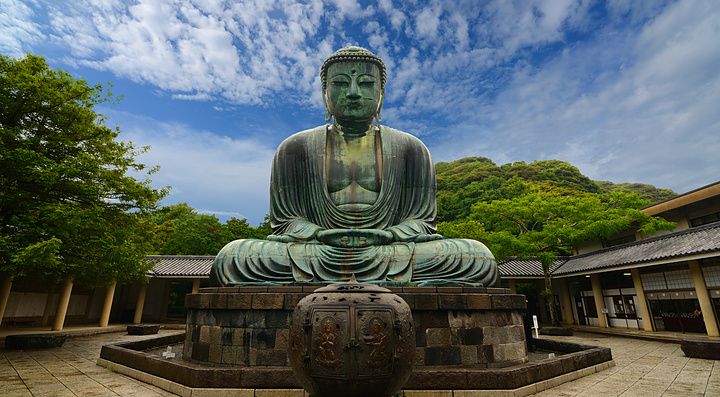
If you want to start with the temples, get off one stop early at Kita-Kamakura and walk toward the center. For the Great Buddha and the beach, stay on the Enoden as far as Hase.
Useful Info
Name: Kamakura
Time needed: Half a day for the center and the main sights, a full day if you add the Kita-Kamakura temples and the beach
Tips: Between the Great Buddha and Tsurugaoka Hachimangu, almost everyone forgets about Hokokuji, the temple with the bamboo grove. At the end of the path a teahouse serves matcha facing the bamboo, and it's a detour that pays off.
Getting there:
- Kamakura Station (JR Yokosuka, JR Shonan-Shinjuku, Enoden): east exit for Komachi-dori
- Kita-Kamakura Station (JR Yokosuka): for Engakuji and Kenchoji
- Hase Station (Enoden): for the Great Buddha and Hasedera
Map
MarcoMaps100% free
This place is on MarcoMaps
Kamakura
My map of Japan: over 4,000 places I've tried myself, each with photos, rating, and hours. Filter by category and rating, find veg-friendly spots and places near you with GPS. No sign-up, right from your phone.
- 4,000+ places
- Rating, photos, and hours
- Veg friendly
- Near me (GPS)
- Favorites without login
- Works offline


Video: Hasedera Temple in Kamakura
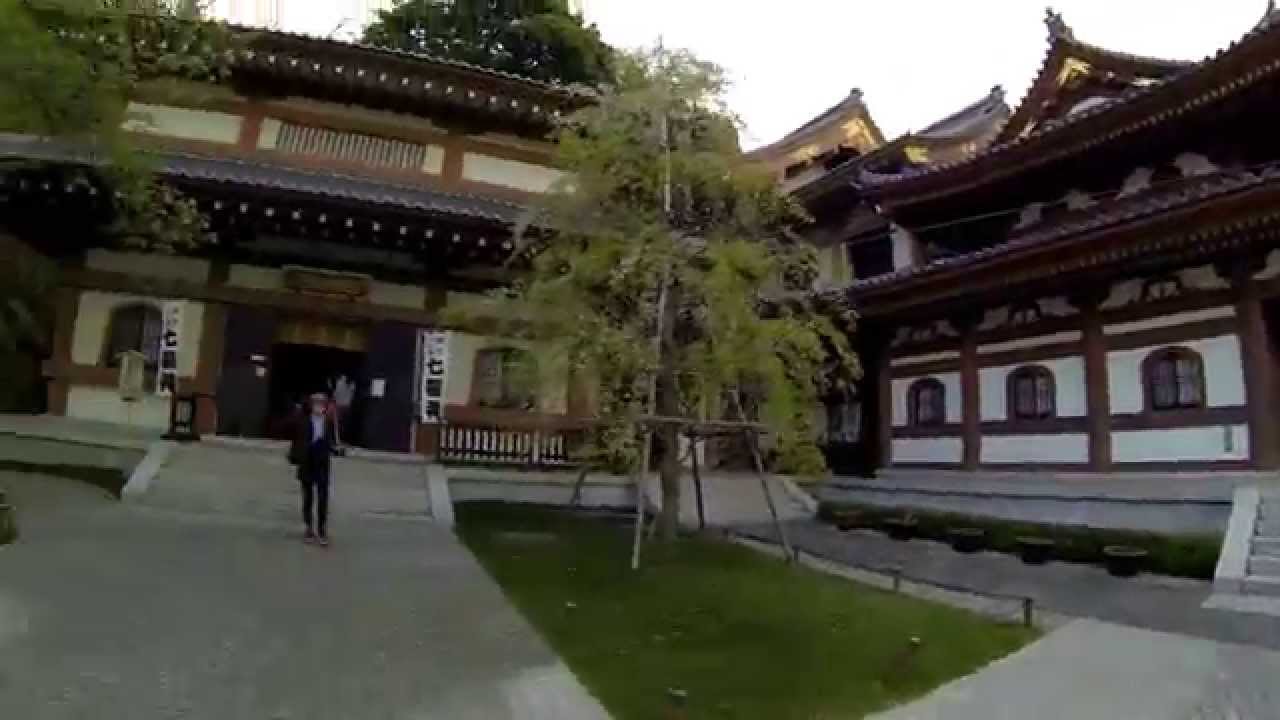
Video: Tsurugaoka Hachimangu Shrine in Kamakura

Video: A quick look around Kamakura
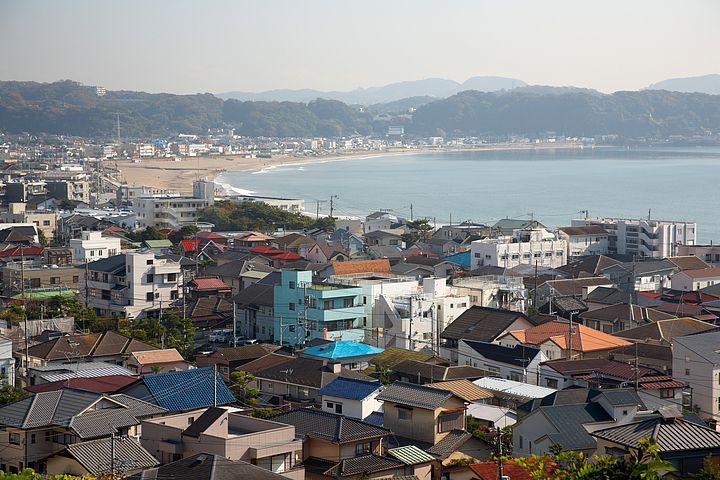
View of Kamakura from above. Photo: © Zastavkin/Dreamstime
Also in this section