 385 m
Don Quijote385 m
Open 24 hours, and you can find anything.
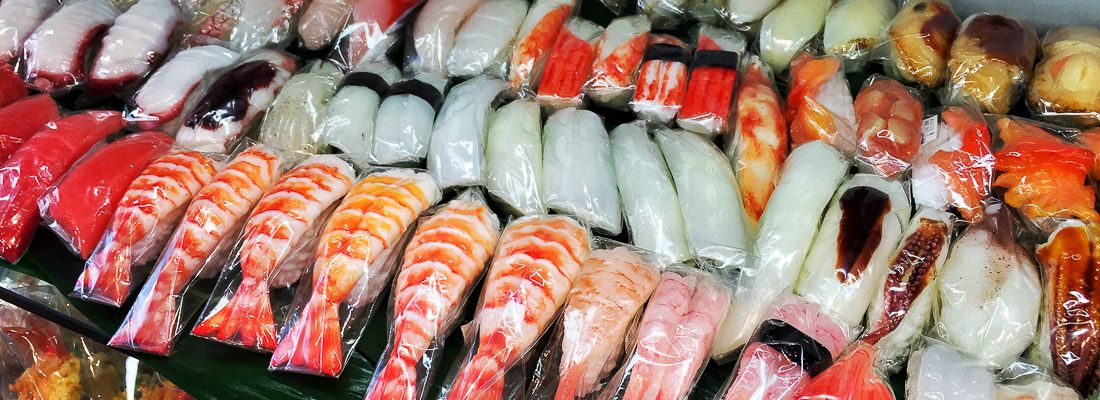
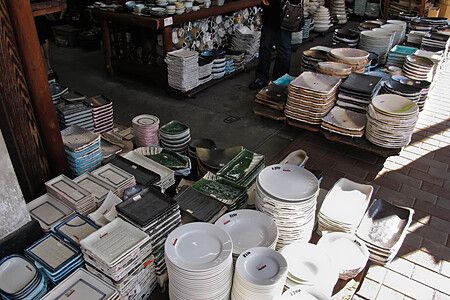
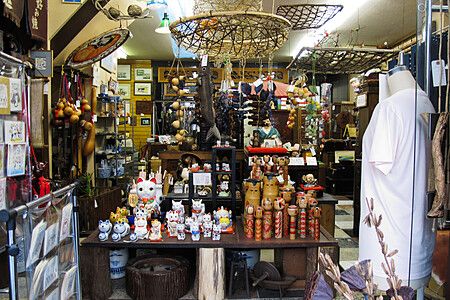
Between Ueno and Asakusa, less than 10 minutes’ walk from Sensoji Temple, there’s a street about 800 meters long lined with roughly 170 shops selling kitchenware and everything a restaurant owner (or a serious home cook) could need. This is Kappabashi Dori.
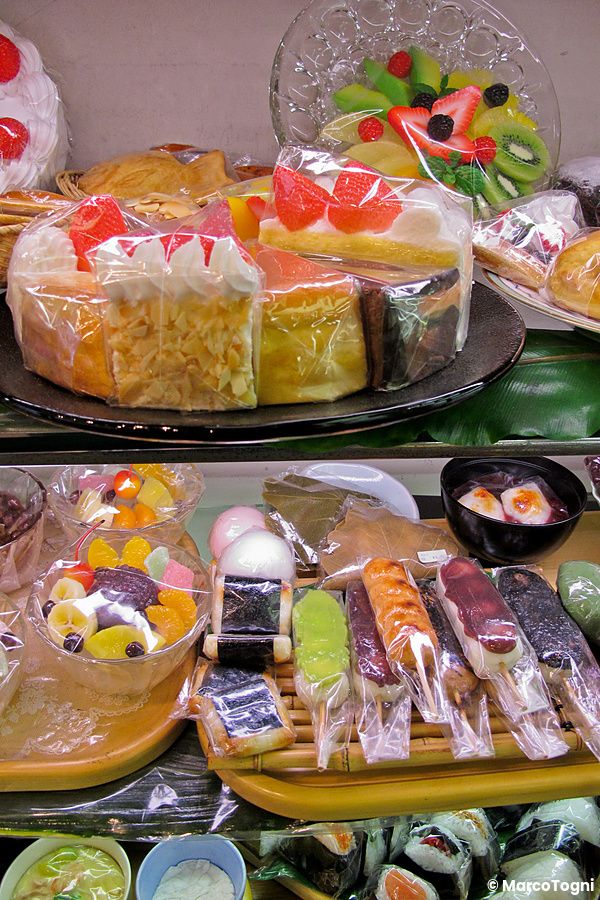
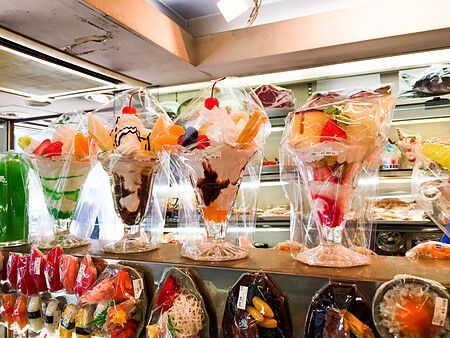
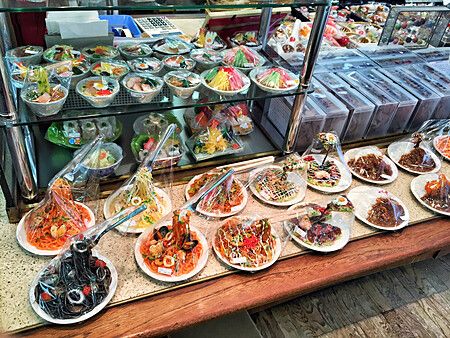
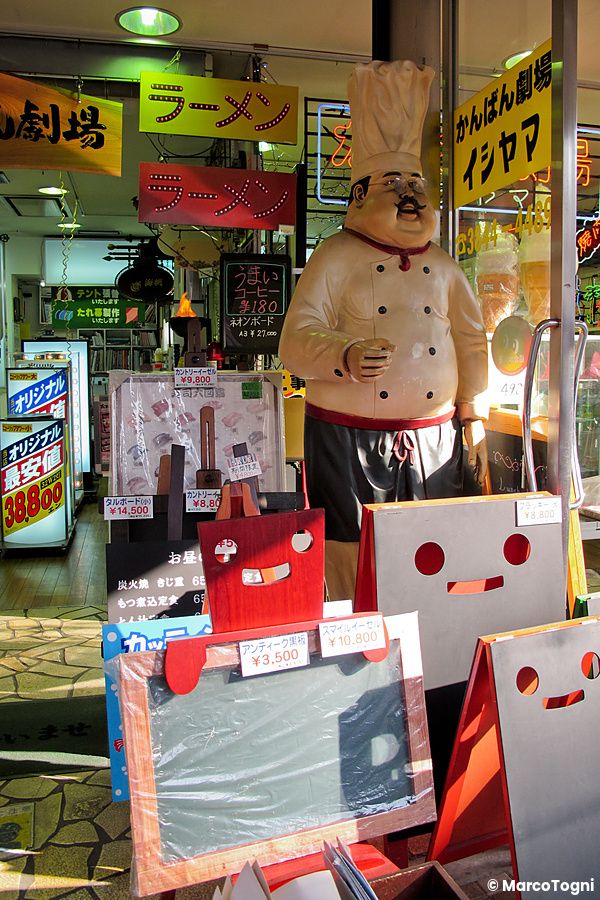
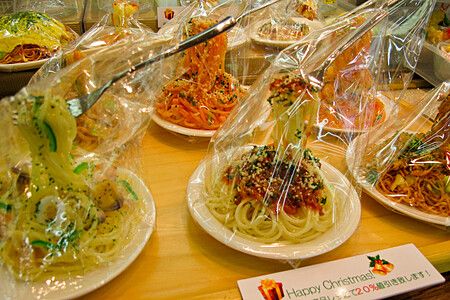
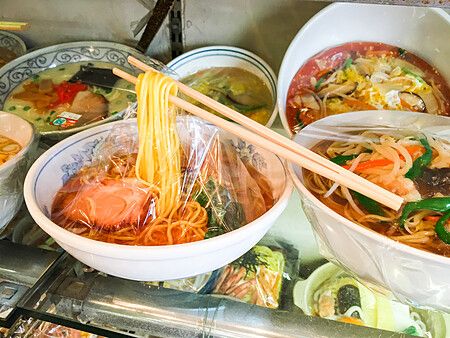
Some of the most unusual shops here sell the wax replicas you see displayed outside Japanese restaurants. They make a great souvenir, but keep in mind they’re not always cheap. A single wax sushi replica can cost 1,000 yen, and something more elaborate, like tonkatsu or a bowl of ramen, can go up to 10,000 yen.
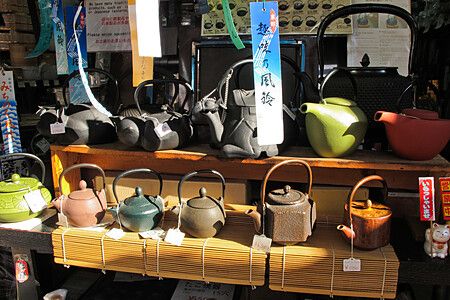
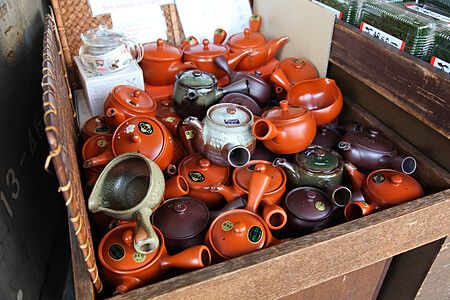
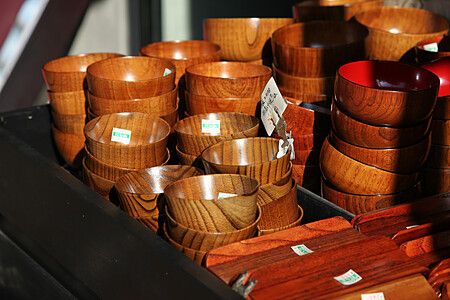
If you love Japanese cooking, you’ll find everything you need on this street. For rice cookers, I’d go to a Yodobashi store instead (there isn’t one on this street), like the ones in Ueno, Akihabara, or Shinjuku. But for anything a bit out of the ordinary that you can’t find at Daiso or Hands, this is where I’d look.
So if you need plastic bento boxes, light-up signs, specialty pots, or anything else along those lines, you’ll find everything you need at Kappabashi Dori.
If there’s one thing worth coming here for on its own, it’s Japanese knives. The street has long-established knife shops where the shopkeeper first asks what you actually cook, then puts the blade in your hand and lets you feel the balance. For home cooking a double-bevel santoku is almost always the most sensible choice, while single-bevel blades like the yanagiba are tools for professionals and need a practiced hand.
The steel matters too. Carbon steel cuts better but rusts fast if you don’t dry it right away, while stainless is much more forgiving.
Many shops will engrave your name on the blade for free. Sometimes they do it while you wait, sometimes it takes a few days, so if you want it done, go at the start of your trip, not on the last day. And remember that the knife has to go in your checked bag, because they won’t let it through in your carry-on.
The stop you want is Tawaramachi on the Ginza Line. Take the exit onto Asakusa-dori and you'll reach the Kappabashi intersection in five minutes on foot. You'll recognize it by the giant chef's head on the corner building.
If you're coming on the Tsukuba Express, get off at Asakusa. It takes about the same time, but you come out halfway along the street.
If you're already around Sensoji, the street is a ten-minute walk away. From Ueno it's a good twenty minutes, so it only makes sense if you want to walk through the whole area at a relaxed pace.
This place is on MarcoMaps
Kappabashi Dori
My map of Japan: over 4,000 places I've tried myself, each with photos, rating, and hours. Filter by category and rating, find veg-friendly spots and places near you with GPS. No sign-up, right from your phone.



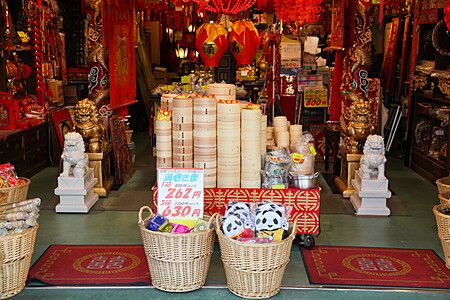


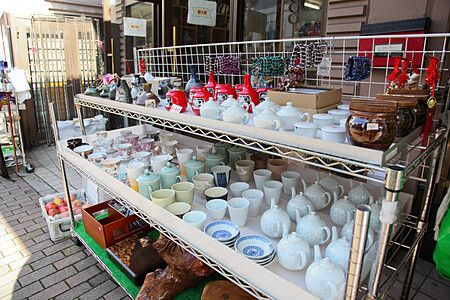
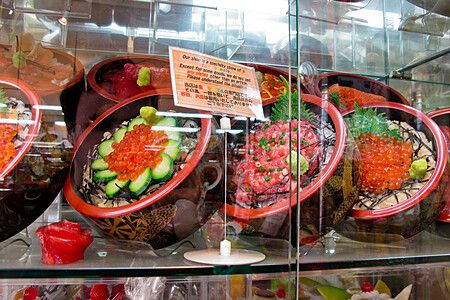
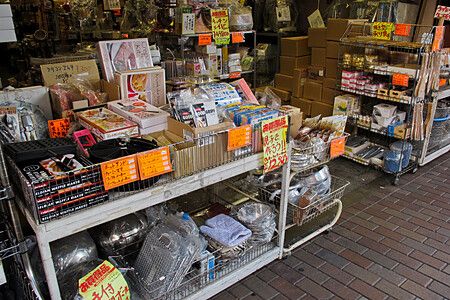
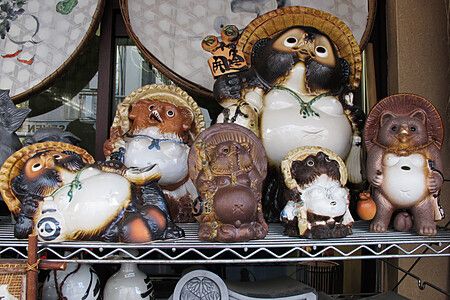
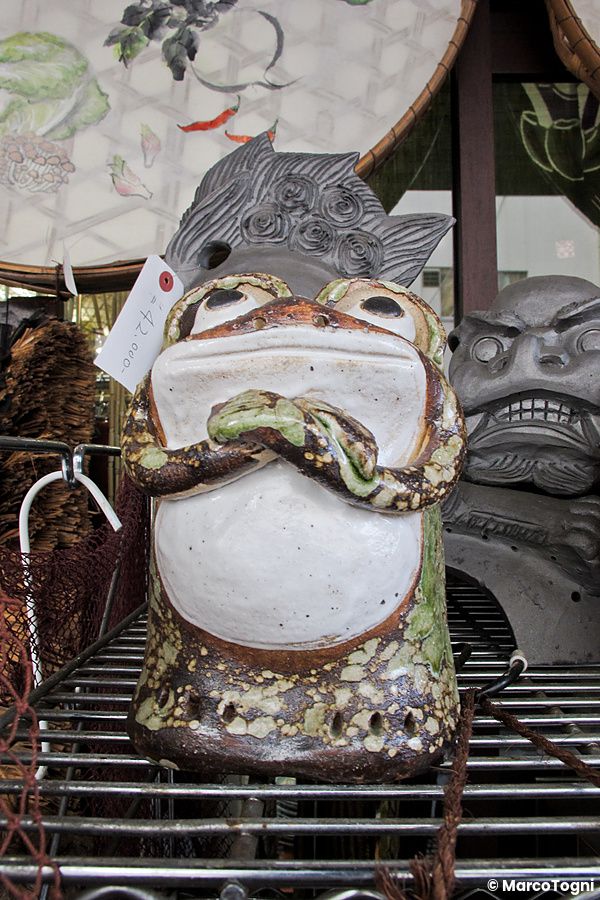
The street’s name has nothing to do with cooking. The most widely accepted story is about a raincoat merchant named Kappaya Kihachi, who in the 19th century paid out of his own pocket for drainage work in the neighborhood, which flooded every time it rained hard. According to legend, the kappa of the Sumida River, the water creatures of Japanese folklore, helped him with the work at night. Another, much more down-to-earth explanation says that low-ranking samurai used to hang their raincoats out to dry here, and in Japanese a raincoat is called a kappa.
Either way, the name ended up tied to the creature, which is now the street’s mascot. If you look up from the shop windows every now and then, you’ll see kappa figurines and signs all over the place.
Kappabashi Dori - nearby you will find:
385 mOpen 24 hours, and you can find anything.
 418 m
Great ramen chain.
 418 m
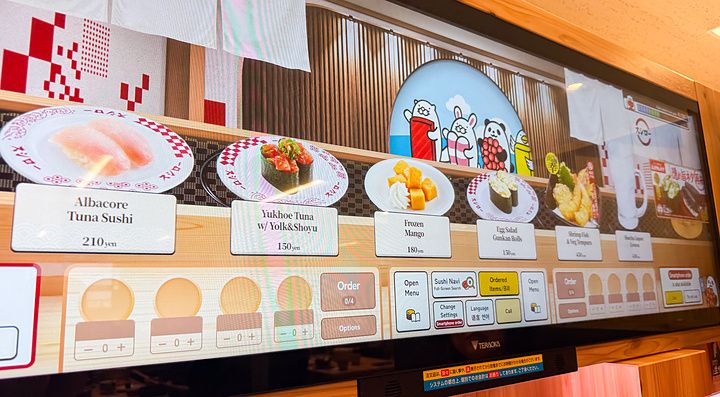
Cheap kaiten sushi.
 459 m
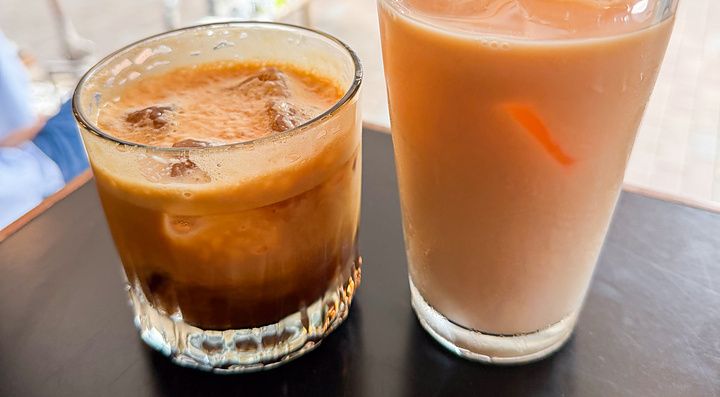
Norwegian coffee, cocktails in the evening.
 626 m
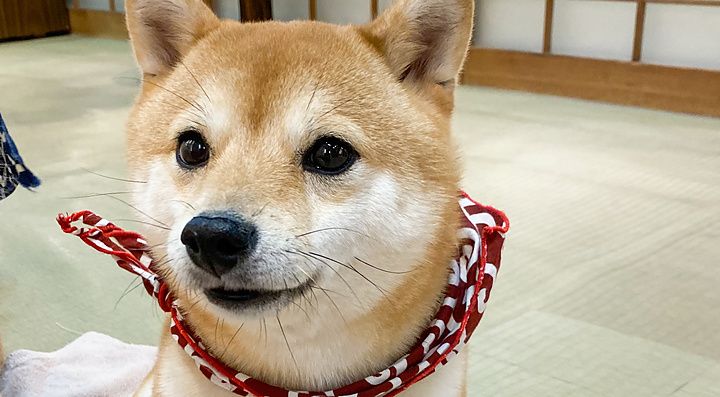
Dog cafes with miniature shiba.
 701 m
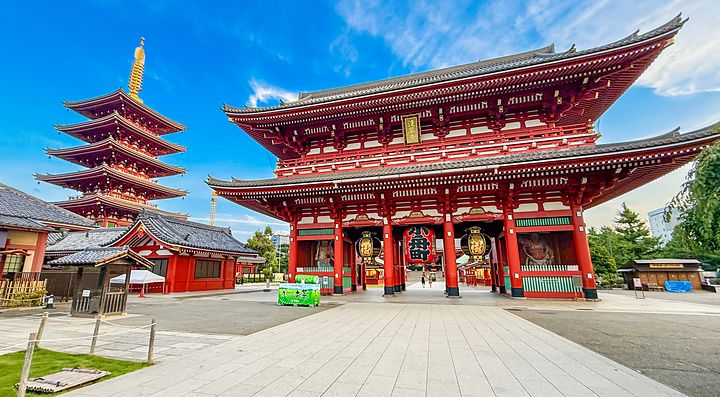
One of Tokyo's main temples.