13 m
Ameyoko13 m
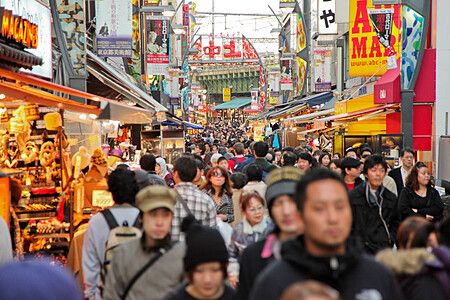
All kinds of stalls, in Ueno.
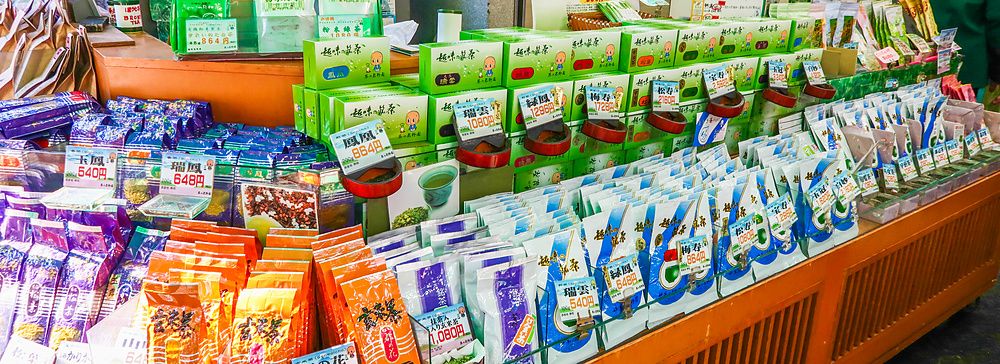
A Japanese tea shop in Ameyoko, Ueno’s market street, where you can buy green tea, hojicha, matcha, and everything you need to make them at home. It’s called Cha no Kiminoen, though you’ll also see it written as Kiminoen Tea Garden. It’s an old wholesaler that processes the tea itself at its own facility before it goes on the shelves.
Come here for gifts to take home to the tea drinkers in your life, for a supply of sencha and matcha for yourself, or simply for a matcha ice cream to eat while you wander among the stalls.
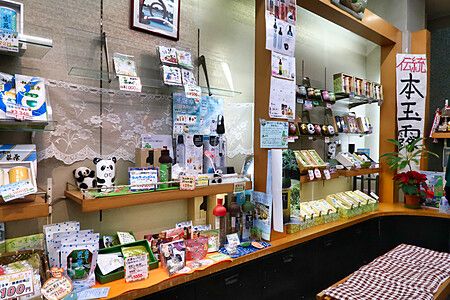
The ground floor is all tea: sealed bags of green tea from different parts of Japan, mainly Shizuoka, Kagoshima, and Uji, which are more or less the capitals of Japanese tea. The bags are colorful and they all look the same until you read the labels, and that’s when you realize how wide the range of grades and origins really is.
Upstairs it’s a different story, because that’s where the teapots and cups are. There are over two hundred designs, from Japanese teapots with a side handle to small cups with no handle at all.
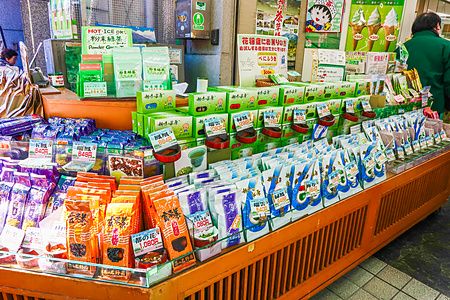
Tea in sealed bags is the easiest souvenir you can take home from Japan. It weighs next to nothing, it doesn’t break, and once it’s sealed it keeps for months. The teapots, on the other hand, are ceramic, so they’re heavy and need to be wrapped in your clothes. If you’re traveling with carry-on only, go for a small one or don’t bother.
You’ll also find nori seaweed among the bags of tea, and that’s not a mistake. Tea shops in the Tokyo area have always sold it because tea and nori have opposite seasons. New tea comes in spring and new nori in winter, so there’s work all year round.
The shelves also have filter bottles for cold-brew tea: you put the leaves in, fill the bottle with water, and leave it in the fridge. For summer days back home it’s one of the smartest buys you can make here, because you’re taking home the way people in Japan drink tea when it’s hot.
For a fee, they’ll also pour the tea of your choice straight into your water bottle, which is handy if you’ve got a long day on foot ahead of you.
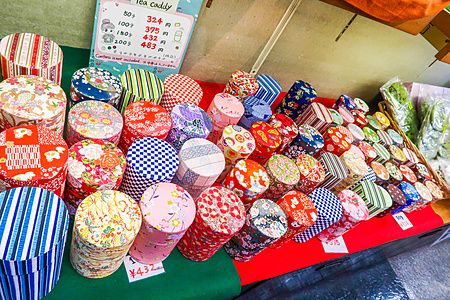
The prices here are a surprise. The matcha ice cream runs around 400–500 yen, and the tea costs what it would at a neighborhood shop. Bags of hojicha and sencha cost about what you’d pay at the grocery store, and prices only go up once you move to ceremonial-grade matcha.
You’re buying straight from the people who make the tea, and you notice the difference in the cup more than on the receipt. When I run out of hojicha at home, I come back here. The roasted aroma is just right, and a bag costs less than I’d expect for tea made this way.
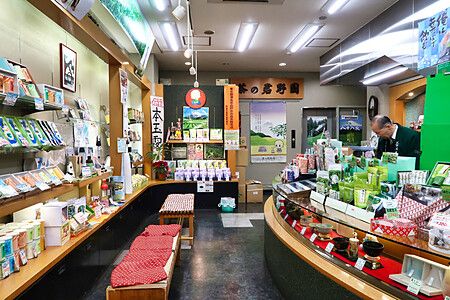
The ground floor isn’t big, and most of it is taken up by a curved, half-moon counter covered in bags of tea, boxes of matcha cookies, and canisters. Behind it, wooden shelves packed with products go all the way up, with a few posters stuck here and there. None of this is fake vintage. Kiminoen started out in 1918 as a tea wholesaler, and the Ueno shop has been here since 1946, back in Ameyoko’s days as a postwar market.
The staff stay behind the counter and serve one customer at a time, like in old-fashioned shops. Some of them are tea tasters and experts in Japanese tea, and they don’t mind being asked for advice. Tell them what you like, whether that’s a more bitter tea or a milder one, and they’ll pull out the right bag without making you feel clueless.
Among the packages you’ll also spot panda-shaped items, which are everywhere in Ueno because of the zoo. They’re more of a fun gift for kids than something for connoisseurs, but they go well with a bag of sencha.
Take it a bit slower upstairs, where the teapots are. The shelves there are full of ceramics, so it’s best to look without touching, especially if you’ve got a backpack sticking out.
The matcha ice cream is why there’s always someone standing outside the shop with a cone in hand. They make it with ceremonial-grade Uji matcha, and the milk base is low-fat on purpose so you really taste the tea. First comes the bitter, intense matcha, and the sweetness only arrives afterward. If you want something milder, there’s a mix that’s half matcha and half Hokkaido milk ice cream.
On weekends and in the afternoons, when Ameyoko fills up, there’s a line for ice cream and it’s hard to move around inside the shop too. Early on a weekday morning you can look at everything at your own pace and even chat with the staff at the counter.
The ice cream is cash only, while cards work fine for tea and teapots. There’s no tax-free shopping, though, so you can leave your passport at the hotel.
Pros:
Cons:
Best for: anyone who wants light, genuine gifts to take home, or a supply of tea for themselves
Atmosphere: old-school tea shop, wooden counter, market crowds just outside
Cha no Kiminoen isn’t a tea boutique with luxury boxes. The packaging is simple and the shop sits in the middle of a chaotic market. What you’re paying for is the tea, and the tea is top quality, sold by people who’ve been processing it for over a century.
It’s worth stopping by just for the ice cream, but the real reason to go in is to walk out with two or three bags of sencha or hojicha. Once you’re home, they’ll show you that good green tea is nothing like supermarket tea bags.
This place is on MarcoMaps
Tea Garden
My map of Japan: over 4,000 places I've tried myself, each with photos, rating, and hours. Filter by category and rating, find veg-friendly spots and places near you with GPS. No sign-up, right from your phone.


Tea Garden - nearby you will find: