 141 m
Paul141 m
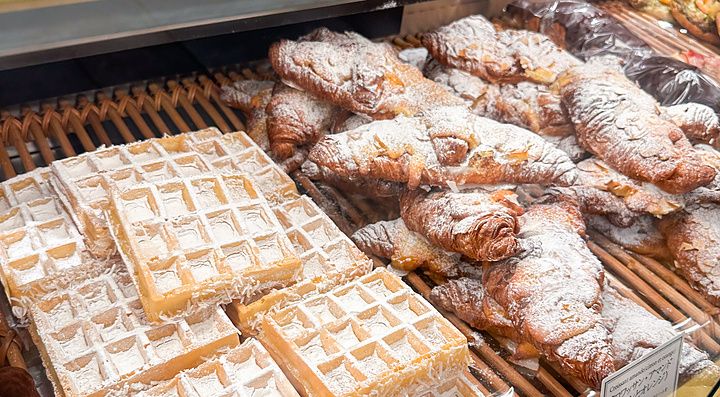
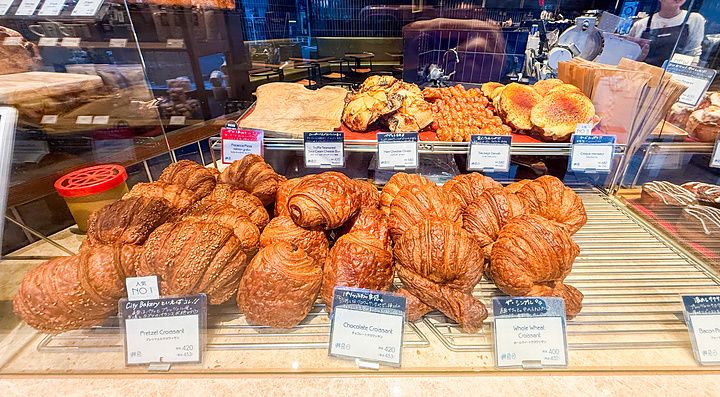
Bakery with sweet and savory croissants.
A chef-driven French restaurant in Roppongi, Tokyo, where the cooking is rooted in French technique but uses very little butter and cream, so what you taste is the ingredient itself. It’s called Edition Koji Shimomura, after the chef who runs it, and it has held two Michelin stars for many years.
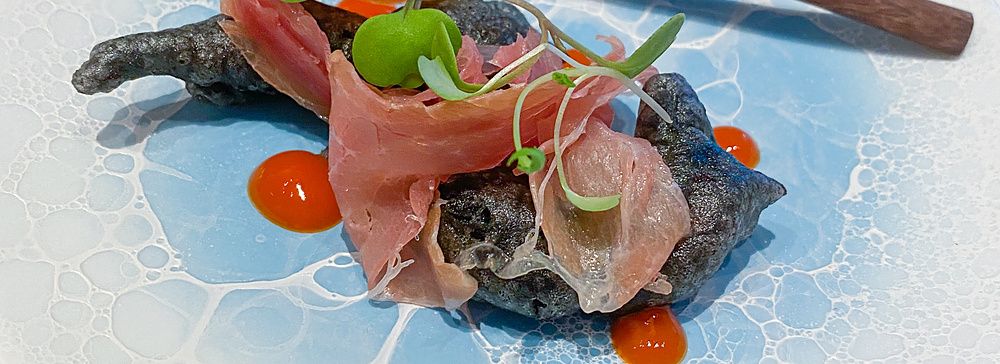
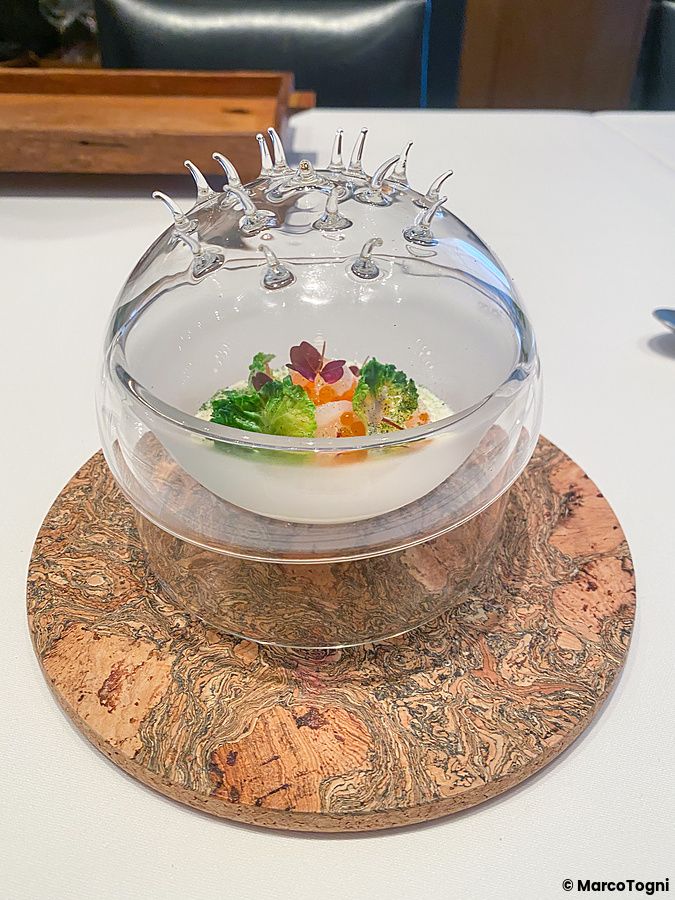
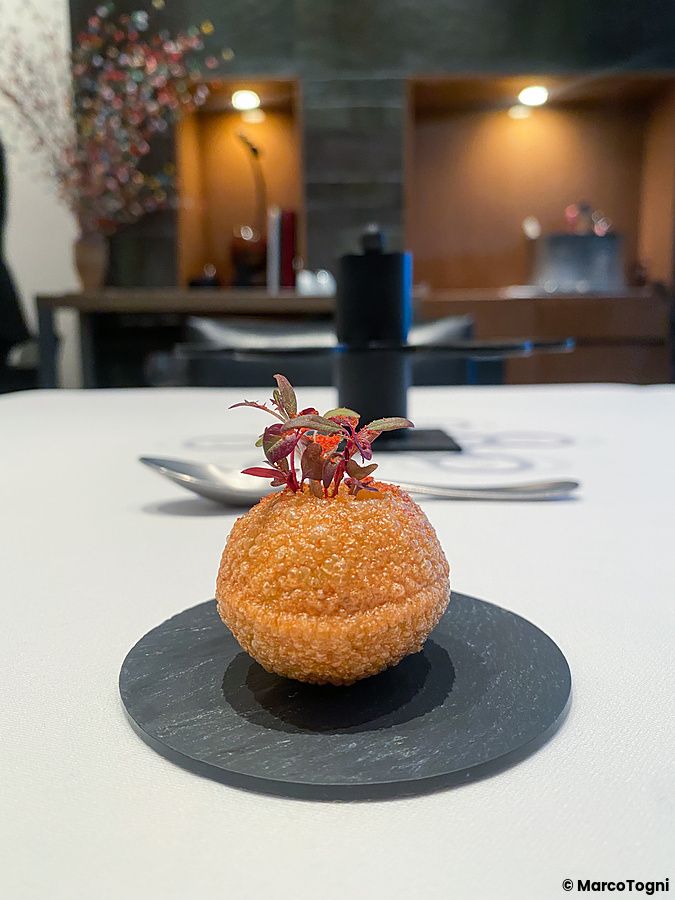
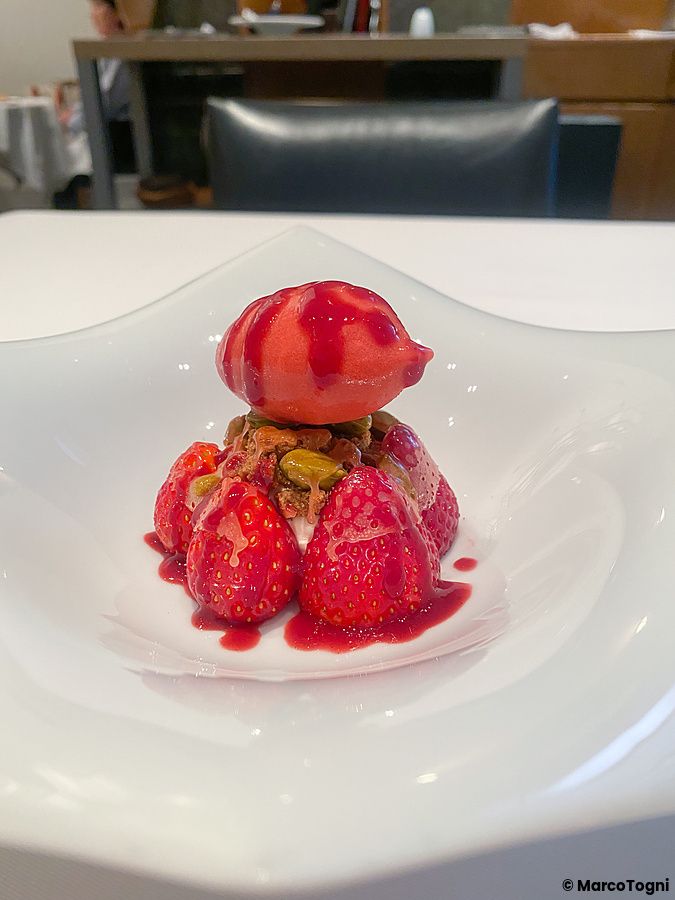
The dining room is intimate and elegant. The dishes are creative and sometimes a little odd, with presentations that look like they came from the future.
It’s the right place for a special-occasion dinner or a birthday, or for a long lunch when you feel like spending two or three hours on nothing but food.
It’s tasting menus only. There’s no à la carte and you don’t choose anything: you get whatever the chef has planned, and that’s a lot of courses. With the amuse-bouches, starters, a crustacean or fish course, the meat, two desserts and the petits fours, it easily adds up to around ten courses.
Lunch runs about 15,000–30,000 yen per person depending on the menu. Dinner starts at 30,000 yen and goes past 40,000 with the chef’s menu. Tax and service are extra, and wine pushes the bill higher still.
It’s expensive, I won’t sugarcoat it, and it’s not an everyday place. But given the quality of what comes to the table, there are places in Tokyo charging similar prices and giving you a lot less.
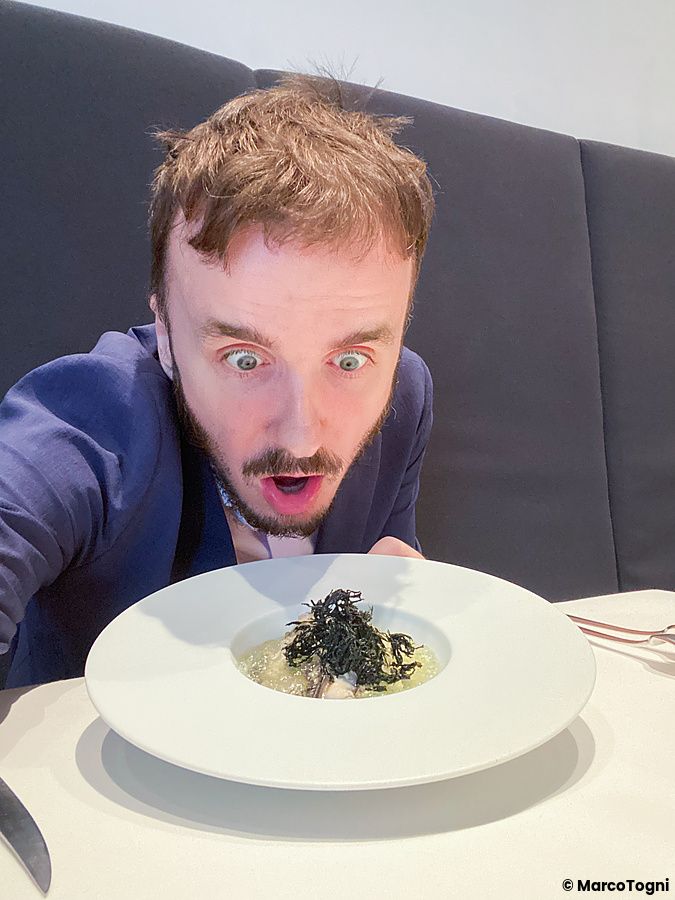
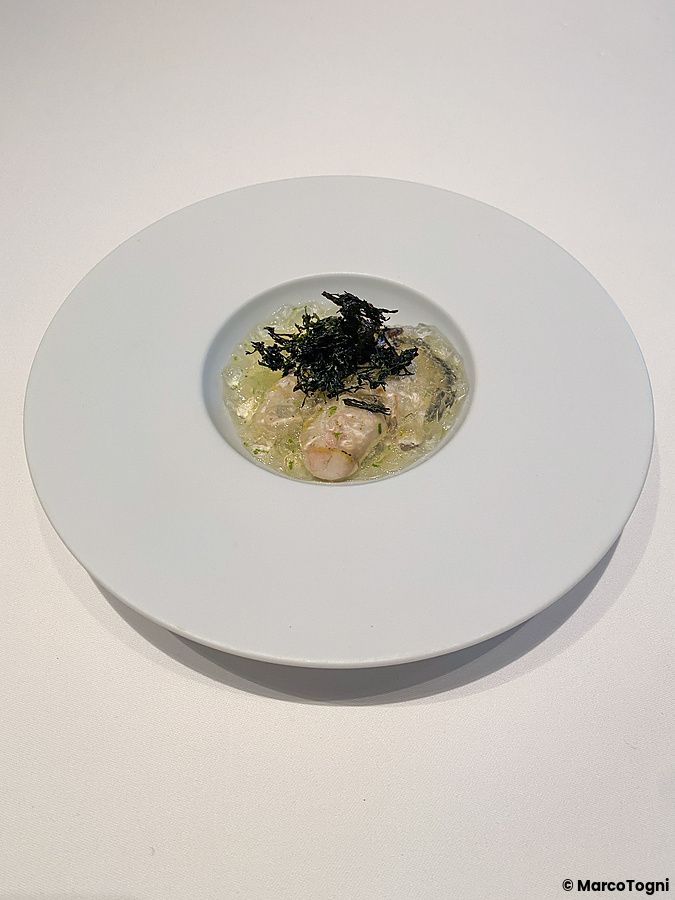
It’s the best oyster dish I’ve ever eaten, and I don’t say that lightly. The flavor lingers for a long time, the seaweed on top adds crunch, the cream underneath softens everything, and the lemon keeps the dish bright from start to finish. You can’t ask for it, since the menu is set, but if it turns up on yours, it’s the course you’ll remember.
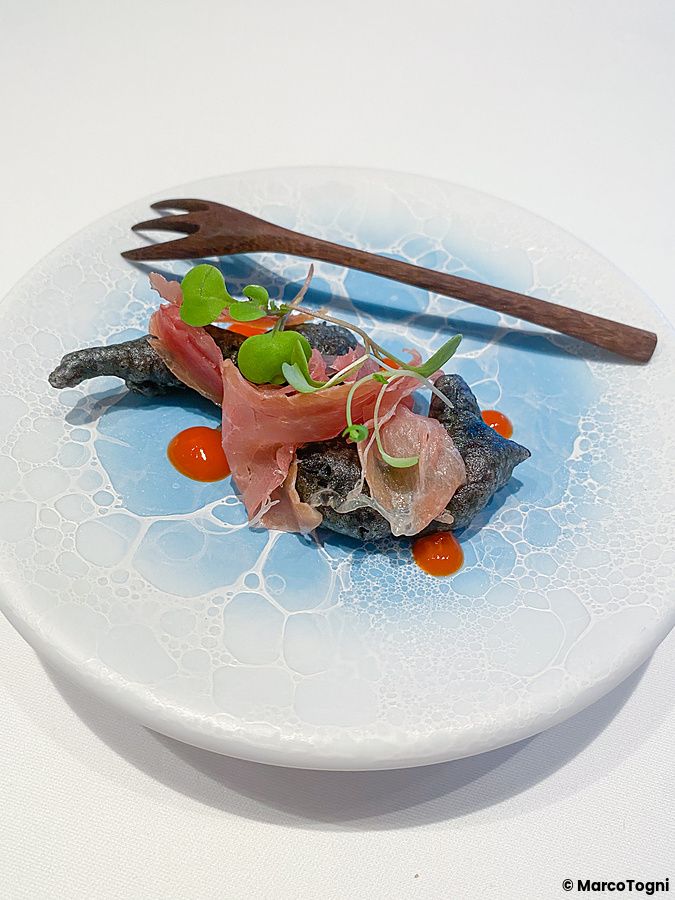
The smoked katsuo is the surprise. It’s fish, but the smoke takes it somewhere else, and it reminds me of the artisanal salami we make back home in Trentino. Not everyone loves that comparison, I’ll admit.
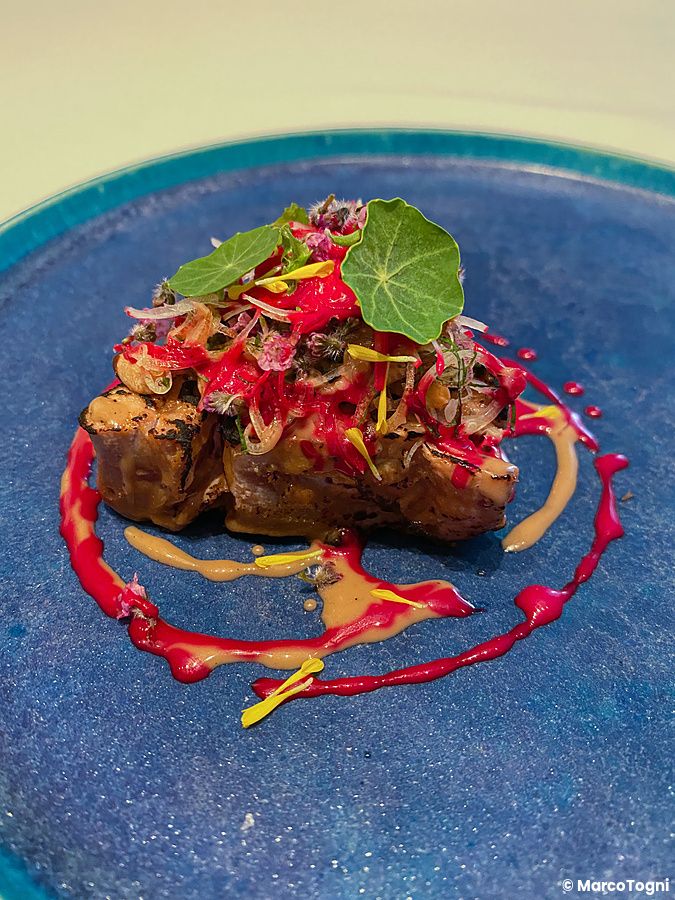
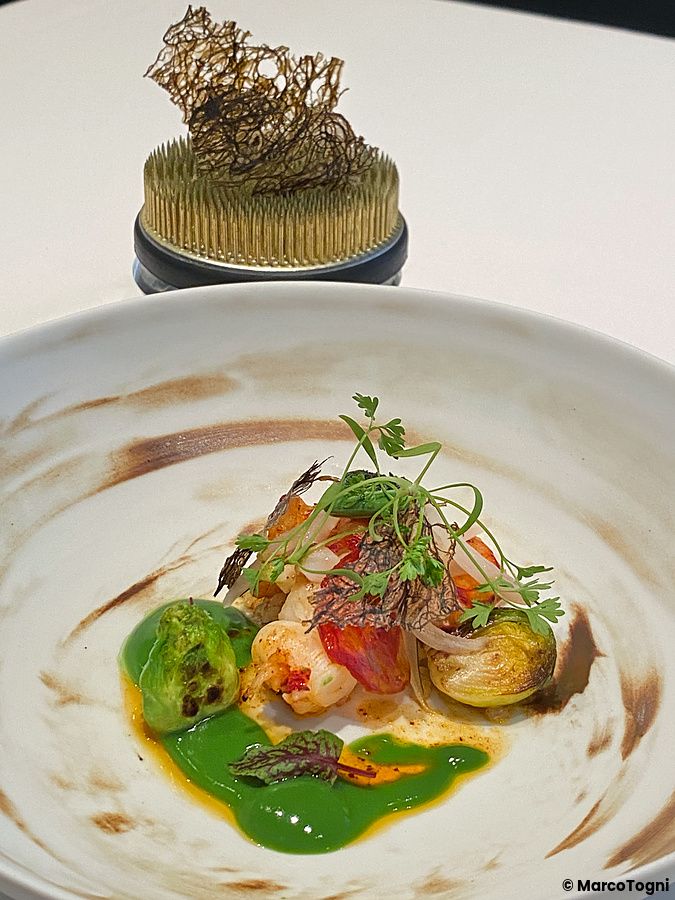
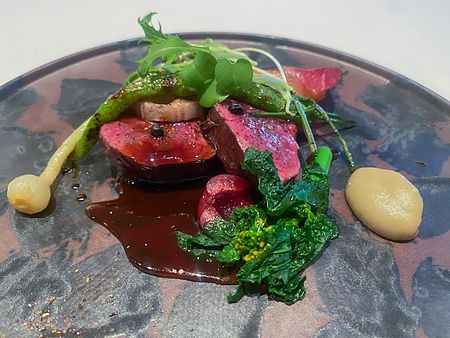
The lobster, on the other hand, is a complicated dish to figure out, with a lot going on at once: vegetables, rice, and the seaweed you eat on the side or set on top. It’s delicious, but you have to be in the mood to keep up with it. The meat with a slightly sweet red wine sauce is the most classic thing on the menu. It’s great thanks to the sauce, but less interesting than everything else.
The bill is high, and you have to judge the value on its own terms: you’re paying for the thinking behind every course.
When I want a dinner that makes me think while I eat, this is the first place that comes to mind in Tokyo. I keep going back mostly for that oyster dish, which on its own justifies the cost.
From the outside, it’s just another big modern building in the area, and you wouldn’t expect what’s waiting on the ground floor. There’s artwork at the entrance, then you walk into a dining room with white tablecloths, low lighting and tables far enough apart that you can talk without overhearing your neighbors.
There are fewer than thirty seats, and you can tell: nobody rushes you and there’s none of the hum of a packed restaurant.
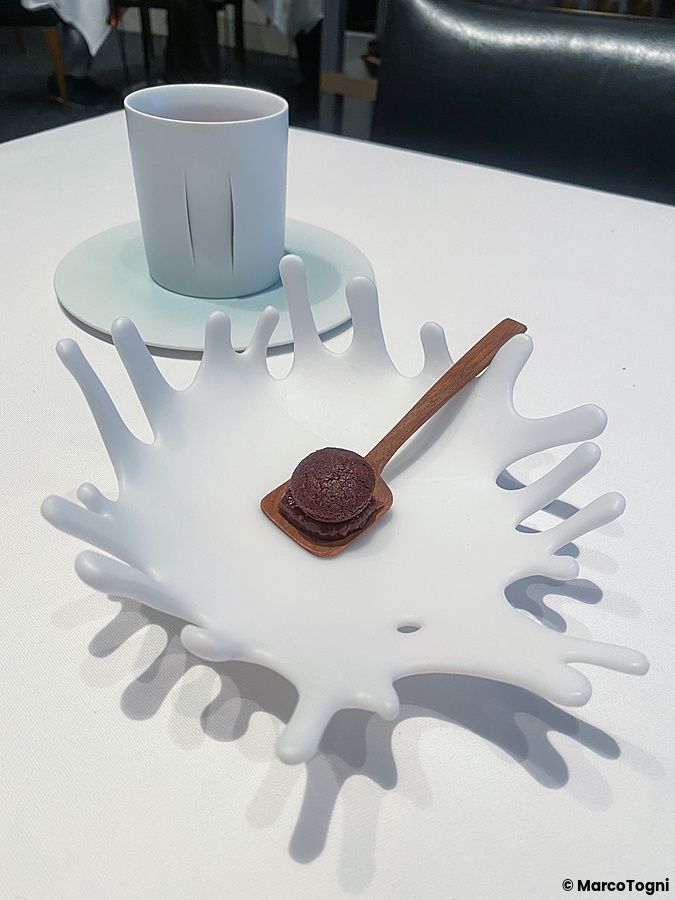
The colorful details are what put me at ease right away. The plates, flatware and objects on the table are unusual, and many are custom-made. One cup looks like a Lucio Fontana painting, slash and all, and the inside is decorated too.
Some courses arrive on things that don’t look like tableware: a black metal ring with a cracker shaped like an autumn leaf held in place by a magnet, a slate disk, a cork base. You move the magnet, pick up the leaf and eat it, and that alone is a little bit of theater.
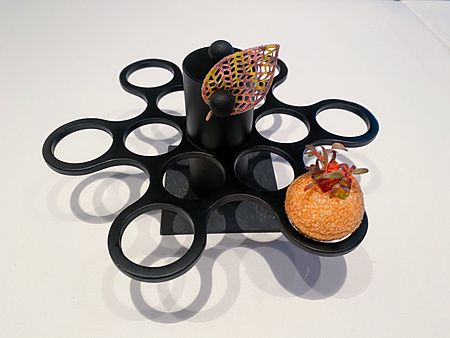
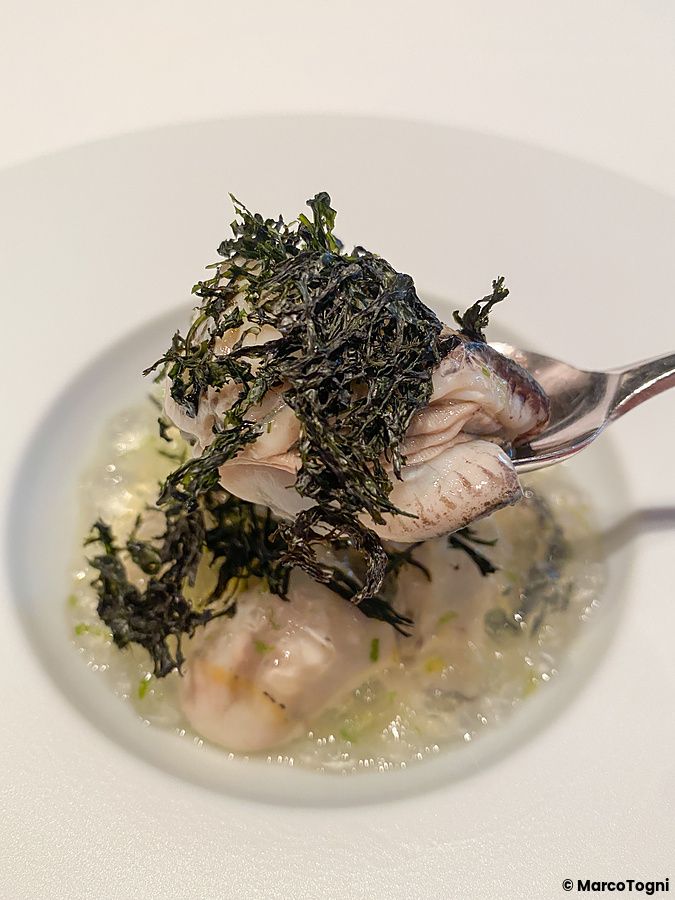
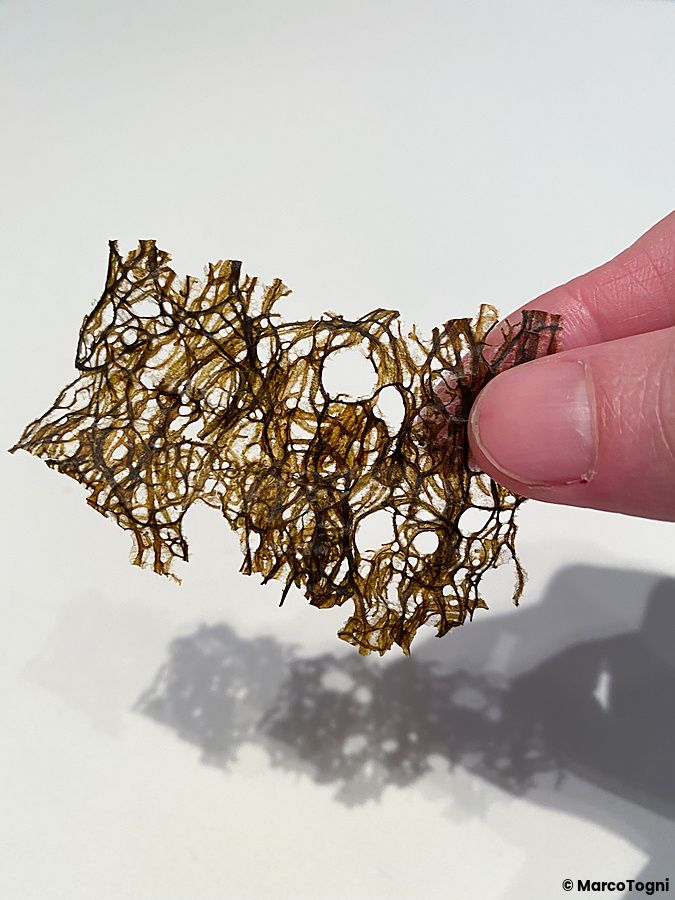
The staff explain every dish without hurrying, and if you ask about the objects or the ceramics, they’re happy to tell you where they come from. The chef comes out to the dining room between courses, so there’s very little distance between the people cooking and the people eating. Koji Shimomura spent eight years in France, training in three-star kitchens like La Côte d’Or and Guy Savoy.
The meal is long but not slow. Between courses you have time to finish your glass and look at how the next dish has been put together.
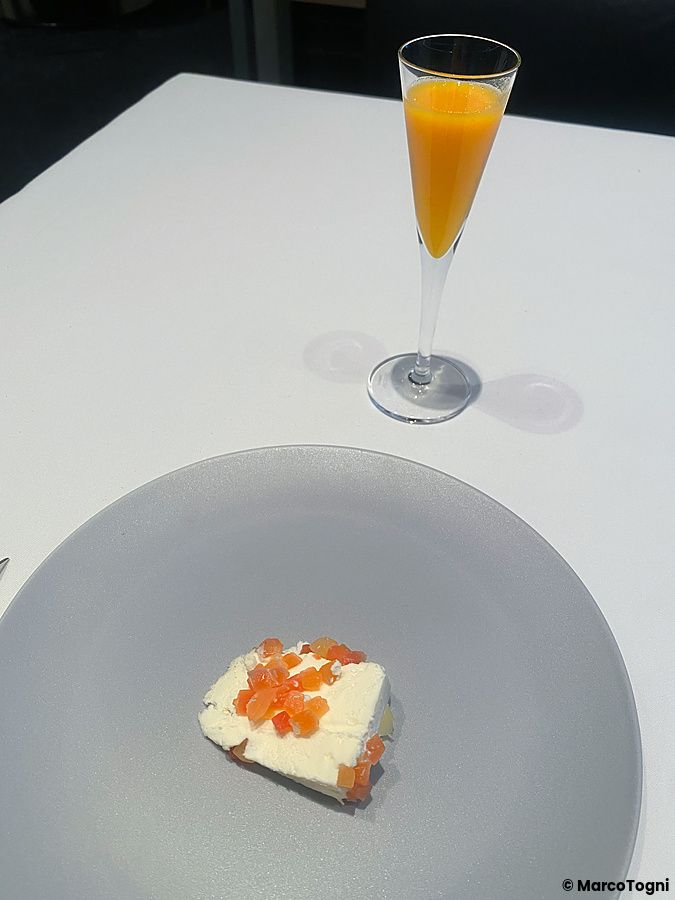
Toward the end, the menu gets playful. The pre-dessert is a small block of cheese with dried papaya, served with a glass of Nagasaki mandarin juice, and it’s creamy and delicious.
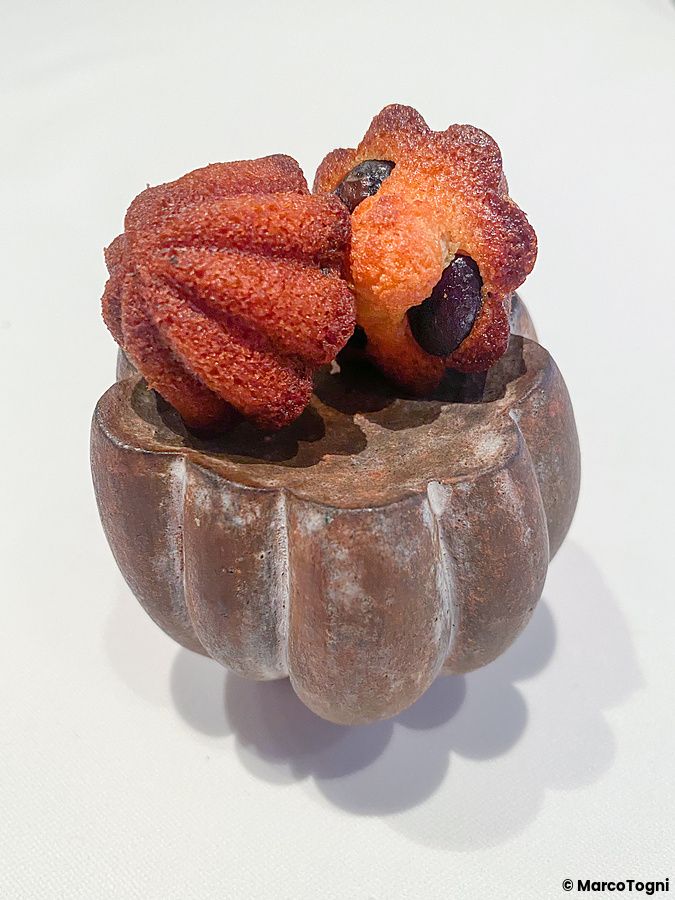
Then comes the weird part: a small chocolate cookie, then a bowl that comes with the coffee, holding pecans, a cinnamon cookie and little Kewpie dolls arranged in a circle as decoration. It’s one of the things the restaurant is known for, and it’s as odd as it is charming. The meal ends with olive financiers, which are a great idea: salty and sweet at once.
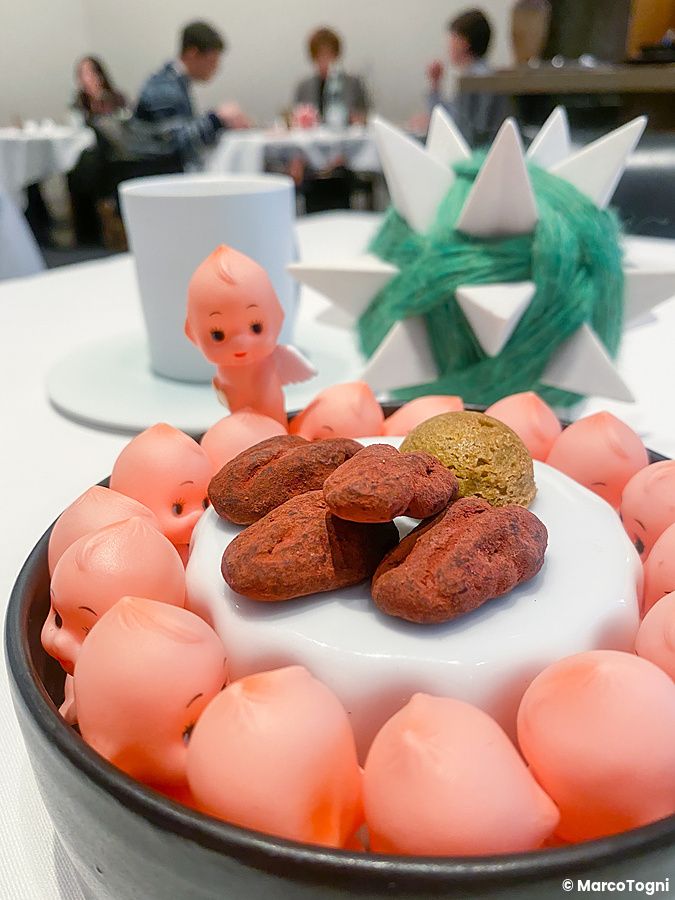
It’s a special-occasion restaurant: an anniversary, a birthday, a dinner for two where you’d rather eat well than talk much. Solo travelers will still feel comfortable here, because the room is quiet and nobody stares at you.
Vegetarians and vegans get a dedicated menu, which makes complete sense with this chef’s cooking.
It’s not the right place if you don’t like it when a dish needs decoding. Some plates need your attention, and if you’re tired or just want to fill up, you’ll only enjoy half of what you’re paying for.
If you like figuring out what’s in every spoonful, though, you’ll remember it for days.
Pros:
Cons:
Best for: a special dinner for two or a long lunch with nothing planned afterward
Atmosphere: low lighting, white tablecloths, artwork at the entrance and just a few tables
Best dish: the oysters, if they’re on your menu
What sticks with me from this dinner is the face of the person across the table as they move the magnet, lift off the leaf-shaped cracker and realize that yes, you actually eat that thing. Sit back and let them lead, and don’t watch the clock: the menu has its own rhythm, and they’ll carry you through it one dish at a time.
If you only go once, ask about the ceramics while they explain the courses, because half the fun is in the objects they put in front of you. You’ll walk out wanting to tell people about it, and that doesn’t happen often with French food in Tokyo. So go.
From Roppongi-itchome Station, follow the signs for the west exit toward Exit 1. A direct covered walkway takes you to the Roppongi T-Cube building in about 3 minutes, and the restaurant is on the ground floor.
From Roppongi Station, it's under 10 minutes on foot.
This place is on MarcoMaps
Koji Shimomura
My map of Japan: over 4,000 places I've tried myself, each with photos, rating, and hours. Filter by category and rating, find veg-friendly spots and places near you with GPS. No sign-up, right from your phone.


Koji Shimomura - nearby you will find:
141 mBakery with sweet and savory croissants.
 235 m
Hearty breakfasts.
 473 m
Open 24 hours, and you can find anything.
 551 m
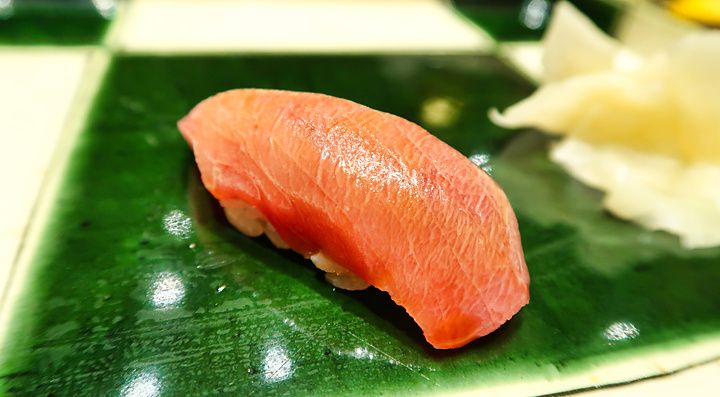
Counter omakase, with a big main location.
 604 m
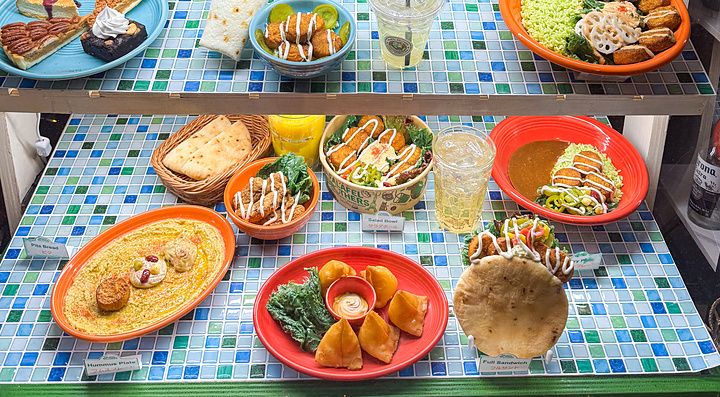
Pita, hummus and vegan food.
 771 m
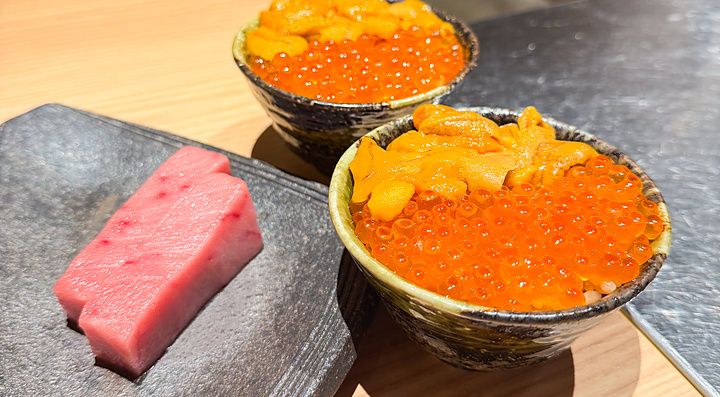
Grilled sashimi, yakiniku style.