 20 m
Sunday Vegan20 m
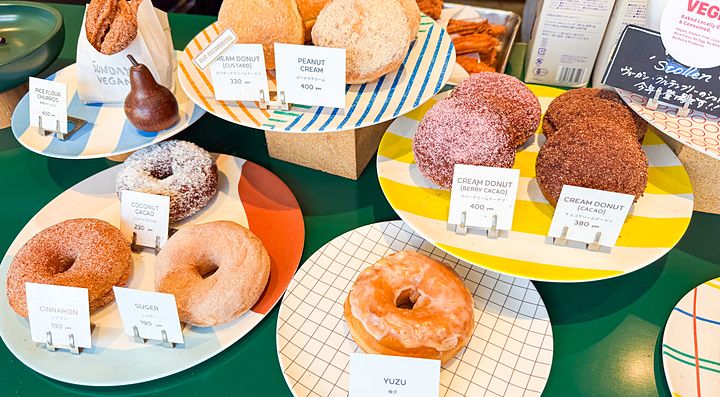
Vegan donuts and sweets.

A chain of German sausage shops with several locations in western Tokyo, where the meat is prepared in-house and you can tell from the first bite. Konig makes sausages, hams, and smoked meats using techniques learned in Germany, grills them to order, and tucks them into German bread to make its hot dogs.
Besides the food you eat on the spot, there’s a deli counter with meats to take home and a serious German beer selection. It’s the right place for a quick lunch on your feet, a savory mid-afternoon snack, or something good to put in your bag.
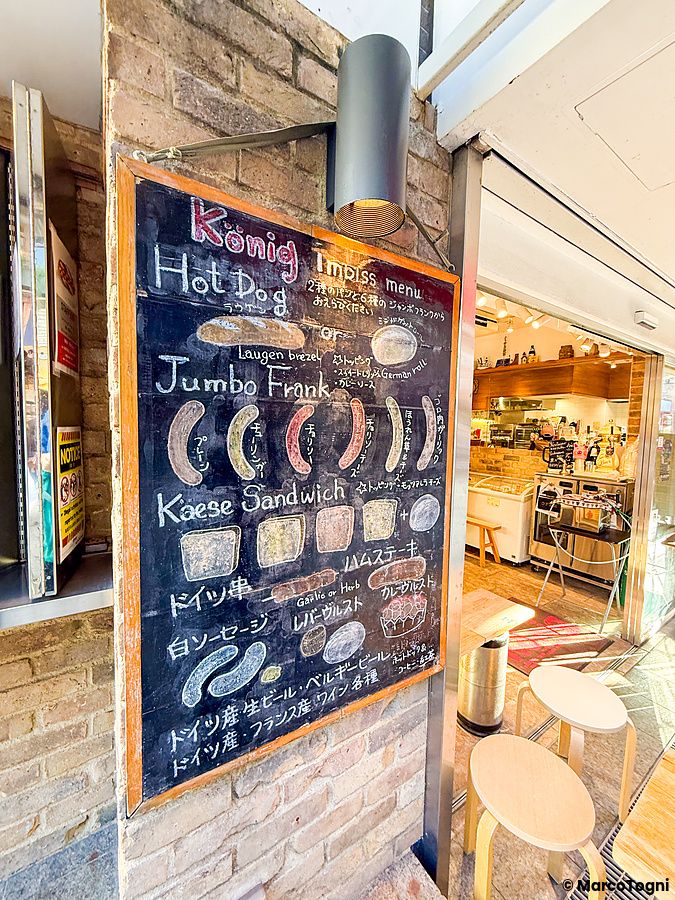
You order at the counter and build your hot dog in two steps: first the bread, then the sausage. There are two kinds of bread and six sausages, and nobody rushes you if it takes you a minute to decide.
The staff behind the counter will happily tell you which one is spicier and which is milder. They only start grilling once you’ve ordered, so you wait a few minutes, but everything comes out piping hot.
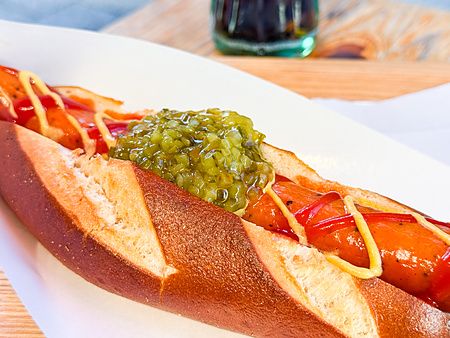
The sausage skin is taut and gives a sharp snap when you bite through it, and that’s exactly what ninety percent of the sausages you buy at supermarkets in Japan are missing. Inside, the meat is coarse. You can feel the pieces, and it’s nothing like the smooth, rubbery paste you get used to when you live here.
The sausage is also longer than the bun, so your first two bites are all meat, and you’ll want a napkin handy.
The chorizo with cheese is genuinely spicy, so if you can’t handle heat, go for the regular Konig or the spinach one, which are the two mildest. The heat is no accident: it comes from Musashino chili peppers, grown right here in western Tokyo, and that makes it one of the few German sausages with a local ingredient.
A hot dog and a drink come to about 1,000–1,500 yen per person, and with a German beer and a second sausage you’re looking at 2,000–2,500 yen. For a sausage in a bun that’s not cheap, and I’m telling you up front so it doesn’t catch you off guard.
It’s still good value, though, because that same money at any ordinary café in Tokyo gets you a sad little sandwich. The deli meats also cost more than the supermarket ones, but they’re in a different league, and you can tell just from the color of the slice.
When I want a real sausage instead of the mushy stuff from the konbini, Konig is the first place that comes to mind. For just over 1,000 yen I get something that holds its own against the ones I’ve eaten in Germany.
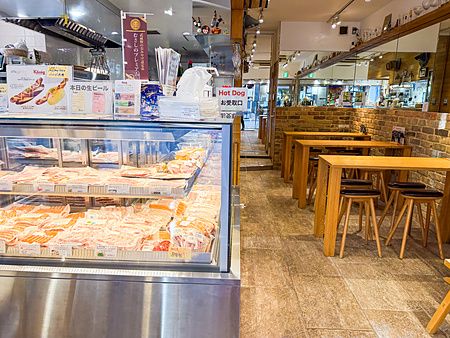
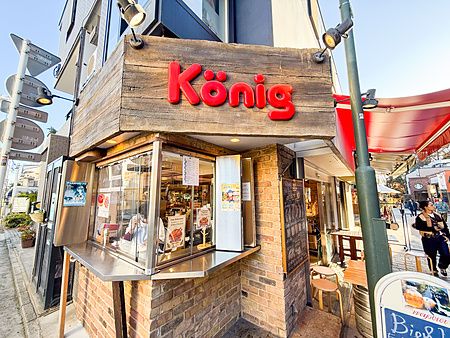
Don’t expect beer steins hanging from the ceiling, dark wood, and waitresses dressed up for a beer festival. The shops are bare and look more like a deli than a German beer hall, so if it’s your first time and you’re expecting the full Bavarian setup, you’ll be thrown for a second.
The centerpiece is the refrigerated display case in the middle of the shop, filled with sausages of every shape, whole hams, bacon, and cheeses. You stand there looking it over the way you’d look over a fish counter, and half the time you end up ordering something you hadn’t planned on.
Seating is limited at every location: a few small tables inside and a few outside, some with a barrel for a base. This isn’t a place where you settle in for two hours. You sit for twenty minutes and eat with your hands.
Plenty of people don’t sit at all. They order at the outside counter and take their food to a bench nearby, especially when the weather’s nice. On weekends a line forms at the pickup window and the outdoor tables all fill up, but outside the lunch rush you can find a seat.
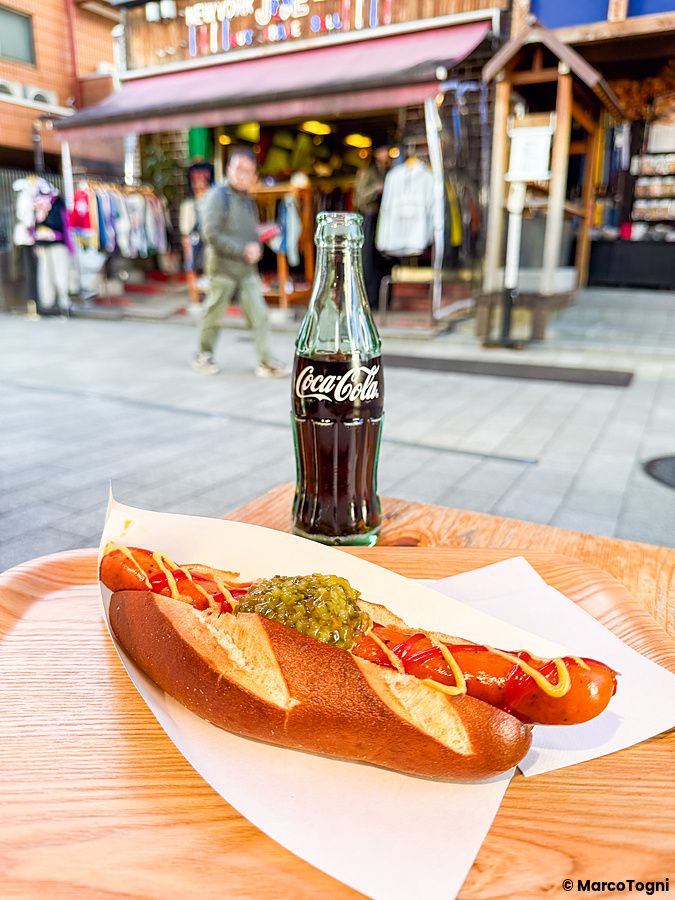
Service is quick and friendly, with no fuss. You order, pay, wait while your sausage cooks on the griddle, and they hand it to you on a little paper tray.
The bread does half the work, and for me it’s the reason these hot dogs beat every other one in the city. You can choose between a small white baguette, soft and plain, and laugen, which is pretzel dough, with a glossy, lightly salted crust and a soft, chewy inside.
Get the laugen and don’t overthink it. The salt on top and that slightly bitter aftertaste stand up to the fat in the meat and turn a sandwich into an actual meal.
Even the pretzel on its own is the kind you finish while walking without noticing. They don’t bake the laugen themselves: it comes straight from Germany, which is why it has a flavor you won’t find in Japanese bakeries, where the bread is usually too sweet and soft.
There’s a wide range of German beers, not the supermarket kind, including brands you rarely see in Japan that go well with the smoked sausage. If you don’t drink alcohol, there are 100% fruit juices, including mandarin and grape, plus coffee and tea. There are a few German wines too.
A cold beer with a grilled Thuringer is a pairing that never fails, and it costs less than it would at a beer hall downtown.
The deli counter is worth a look even on a full stomach. They use Japanese pork and beef with no added preservatives, following recipes learned in one German shop after another, and they’ve won more than a hundred gold medals at international industry competitions, including first place overall at one of the most important competitions in Germany’s meat industry.
I usually ignore numbers like these, but here you can taste them: the leberwurst spreads like butter, and you can smell the smoked ham the moment you open the bag in your kitchen.
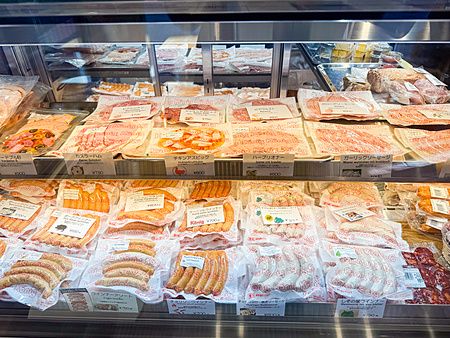
Lunchtime is busy and on weekends you’ll wait a few minutes in line, but in mid-afternoon you can order right away and easily find a seat. If you’re out shopping, it’s an easy way to stave off hunger in the middle of the day without going into a restaurant.
If you’re traveling solo, it’s really convenient: you eat standing up, there’s nothing formal about it, and fifteen minutes later you’re back outside.
It’s an easy place to bring kids, too, because everyone likes a hot dog and the outdoor tables mean you don’t have to worry about crumbs. If you’re after a sit-down dinner with table service, though, you won’t find it here.
If you’re staying in an apartment with a kitchen, stop by before heading back and pick up a couple hundred grams of cold cuts and a pack of raw sausages. They cook in five minutes, and breakfast the next day is covered.
Pros:
Cons:
Good for: grabbing a savory snack while you explore the neighborhood, or stocking up on deli meats to take home
What to order: a hot dog on laugen bread with the Thuringer sausage, plus a German beer
Atmosphere: a food store with a few small tables, people eating standing up, and a deli case in the middle
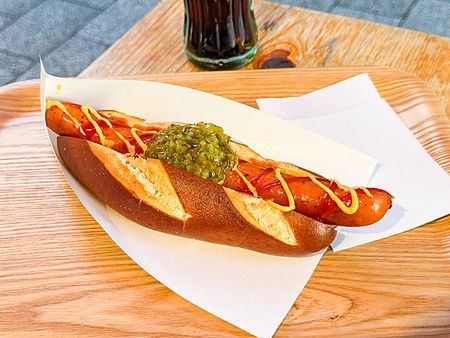
What you’ll still be thinking about on the way out is the snap of the sausage skin, with the salt of the laugen bread hitting right after. If you only go once, get the Thuringer, the smoked one with herbs, and have them put it in the pretzel bread. Within two seconds you’ll get why I talk about it the way I do.
Then grab a cold German beer, stand next to a barrel, and before you leave, pick up some leberwurst from the case to spread at home. Tokyo has very few places like this, so go.
This place is on MarcoMaps
König Kichijoji
My map of Japan: over 4,000 places I've tried myself, each with photos, rating, and hours. Filter by category and rating, find veg-friendly spots and places near you with GPS. No sign-up, right from your phone.