Kurochaya
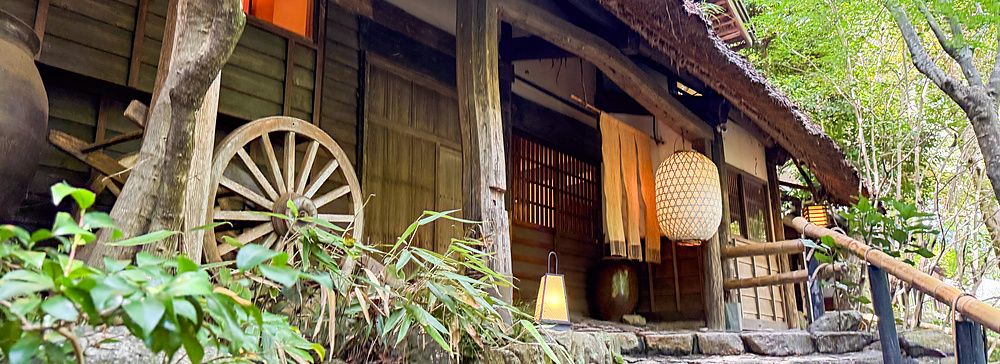
A mountain cuisine restaurant in a 300-year-old farmhouse out in the middle of the Akigawa valley in Akiruno, where they grill river fish in front of you on a brazier at your table.
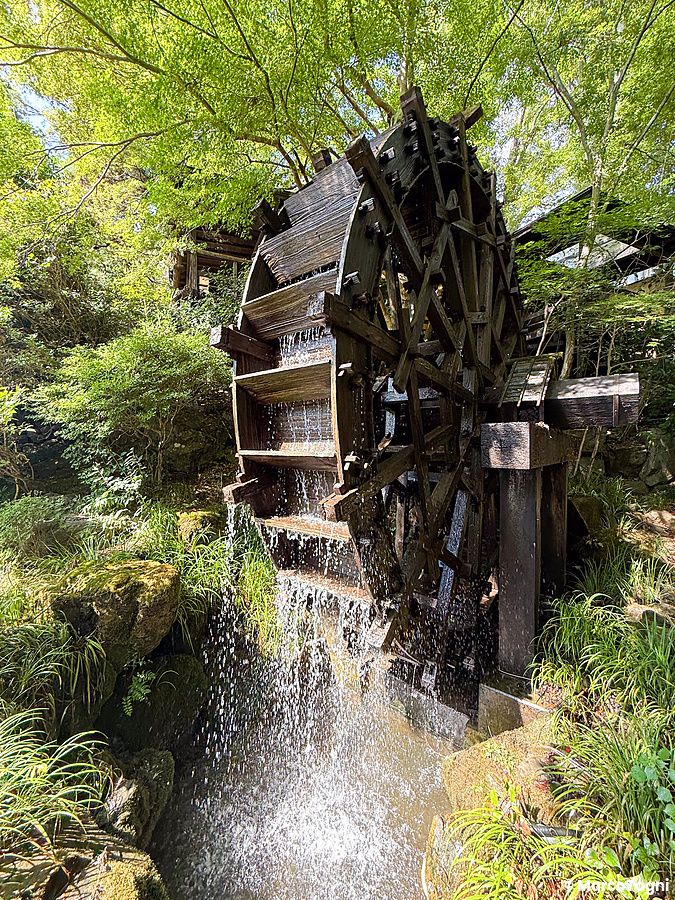
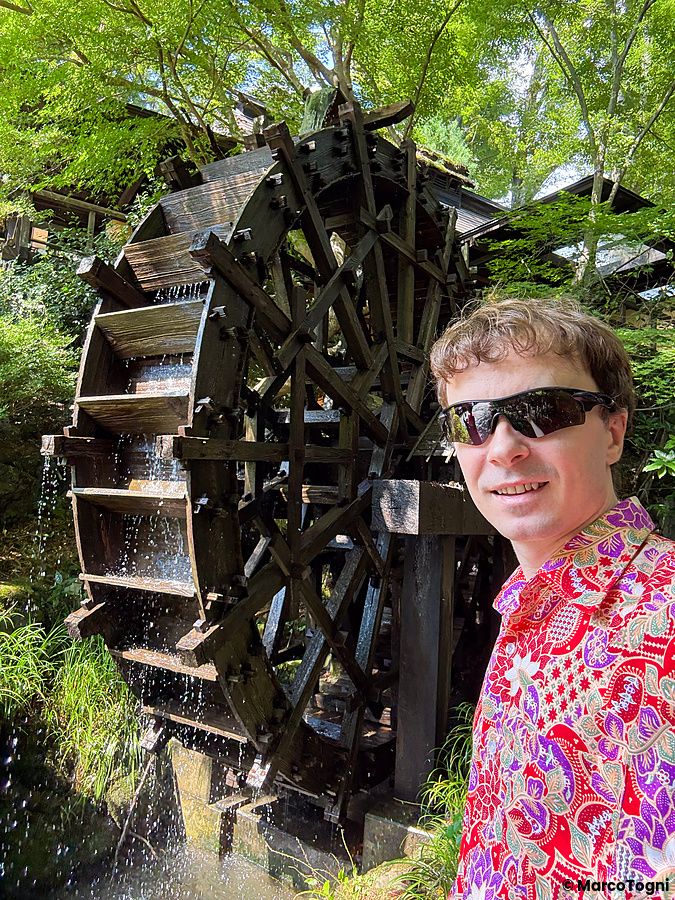
Kurochaya is still within Tokyo, but it sits among woods by a river, with a water wheel turning at the entrance. Meals are set menus built around Japanese black wagyu, river fish and seasonal vegetables.
Come here for a day out, a long lunch with no need to hurry, or a celebration. It’s not somewhere to grab a quick bite.
Contents
The menu and prices
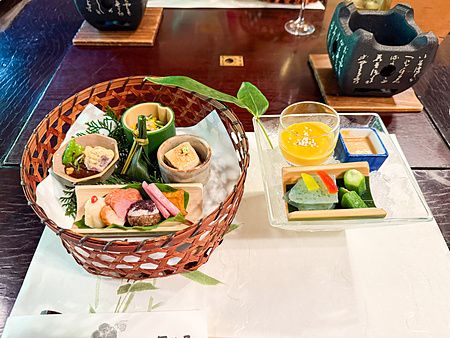
You don’t order à la carte here. You pick a set menu, sit down around the brazier, and everything revolves around charcoal grilling done right in front of you.
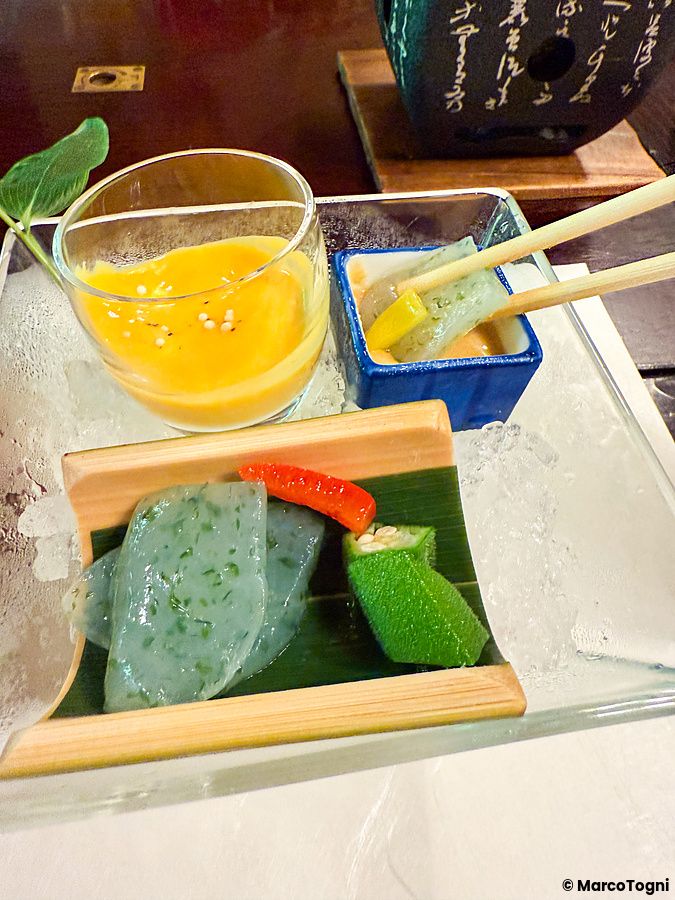
There are about ten menus, and the only difference between them is the main course. Starters, river fish, vegetables and dessert are the same for everyone, so the choice comes down to what you want to watch cooking over the fire. As you go up in price, the meat changes, from chicken all the way to Akigawa beef, but the meal doesn’t get any longer.
- Salt-grilled river fish: ayu, iwana or yamame depending on the season, skewered and cooked slowly over the coals until the skin turns crisp
- Beef sumibiyaki: thin slices of Japanese-raised beef or Japanese black wagyu, grilled over charcoal on the table hearth
- Hoba-yaki: meat or vegetables with miso, cooked on a large magnolia leaf set over the fire
- Kuro-jako sansho: small river fish cooked with sansho pepper, their long-standing specialty, full of flavor with a bit of a bite
- Mountain vegetables and herbs (sansai): pickled, as tempura or in the mixed rice that ends the meal
- Lemon gelatin with fruit: dessert to finish, cool and light
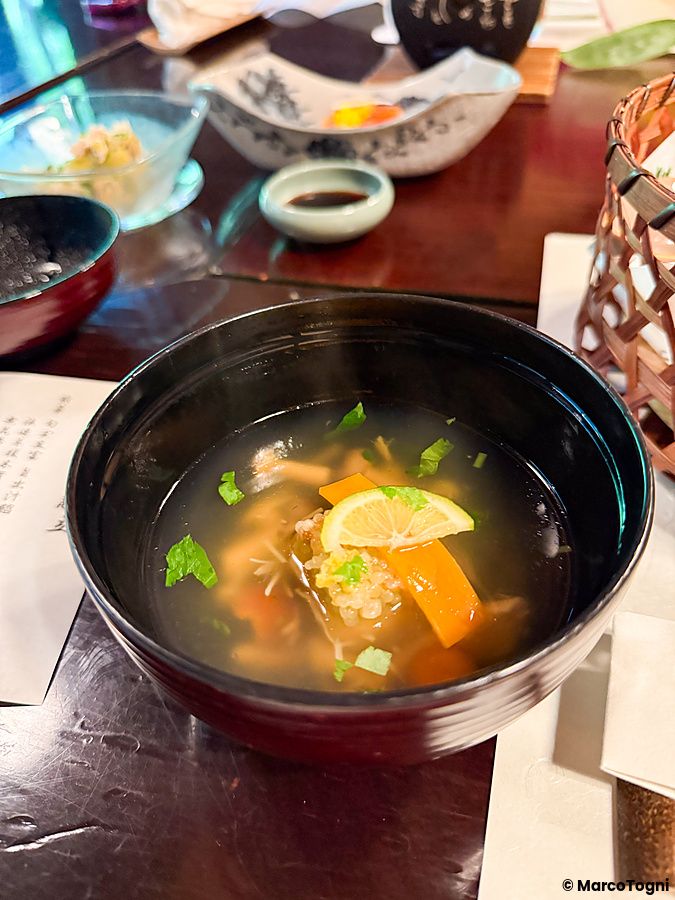
The fish on the brazier takes its time, and that’s half the fun. You watch it cook slowly while you talk; this isn’t food that lands on the table ten minutes after you order.
There are a lot of courses and they come out at an easy pace, one after another. Fair warning: this is a two- to three-hour meal, not something to squeeze in between other plans. If you’re in a hurry, this isn’t the place.
I’ll be straight about the price: it’s expensive, and it’s not somewhere you’d go every day.
Expect to spend around 7,000–11,000 yen per person, cover charge and all courses included, with the chicken or vegetable menus at the low end and the black wagyu ones at the top. For that money, though, you’re getting half a day out, not just a meal: the setting, the unhurried service, the fire right in front of you. The bill is steep, but you know what you’re paying for.
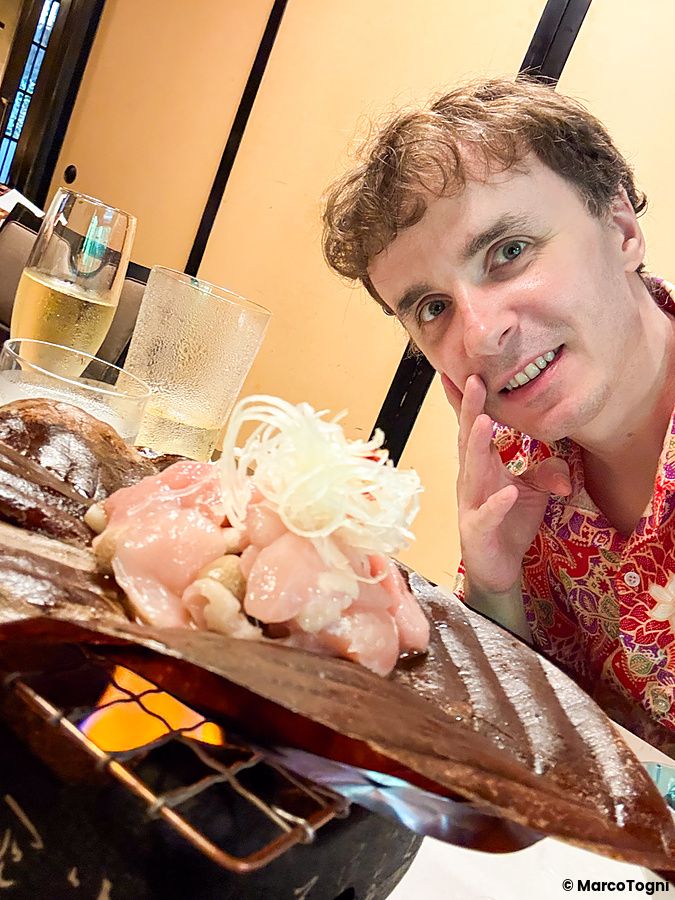
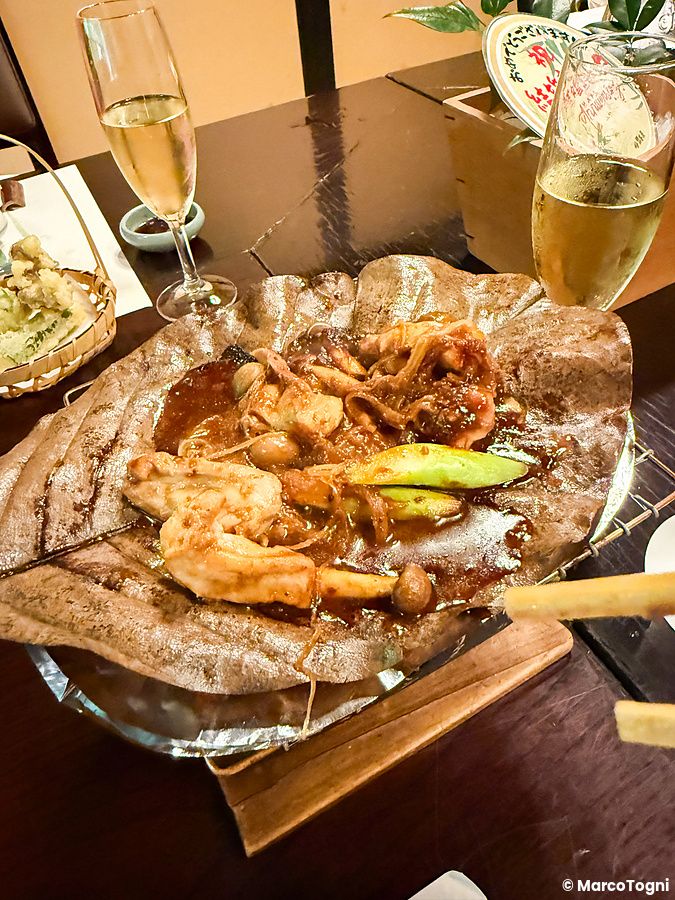
When I want to get away and take my time, it’s one of the first places I think of, because sitting around the brazier watching river fish cook at its own pace is the simplest way I know to slow down.
Seasonal menus
The menu changes through the year, and not just the fish and vegetables. Even the cooking method changes.
Spring brings mountain herbs and summer brings ayu from the river. Fall is mushroom season, with matsutake on the special menus, and winter is for slow cooking around the fire.
Before you pick a date, bear in mind that in the hottest months the meat doesn’t go on the coals at your table. It’s cooked on the magnolia leaf or on a ceramic plate instead. If you’re coming specifically for sumibiyaki over the hearth, pick another time of year.
The location
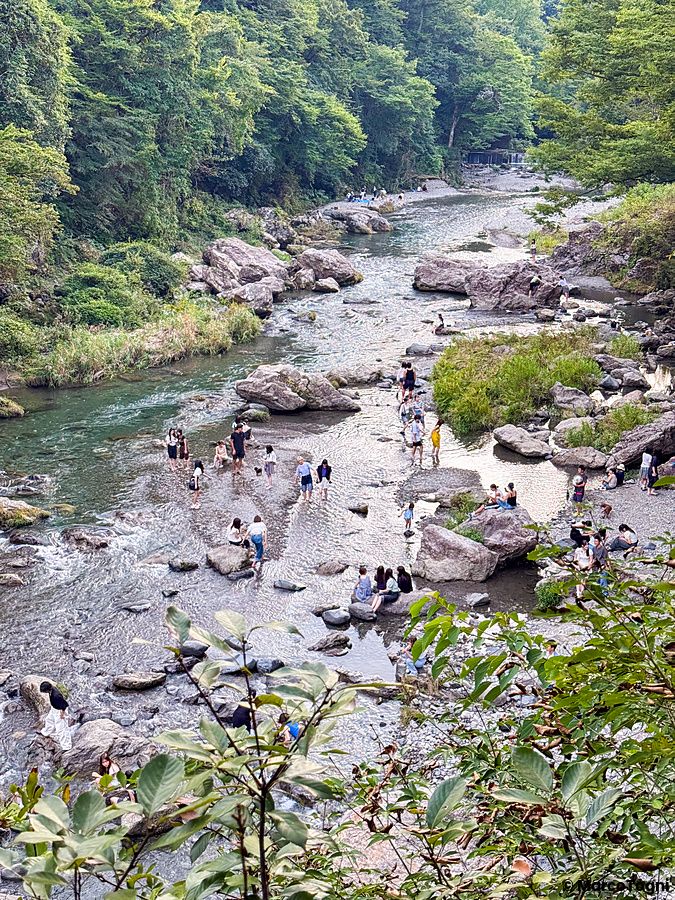
The restaurant is in Akiruno, in the Akigawa valley, one of Tokyo’s green areas that the vast majority of tourists never see. You’re far from the center and you can tell: out here it’s all river, woods and scattered houses.
It’s a place you have to plan for, not one you’ll just stumble on, and it fits nicely into a day spent by the river and on the local trails.
At the entrance there’s a water wheel turning slowly, and that alone tells you what kind of place this is.
Inside
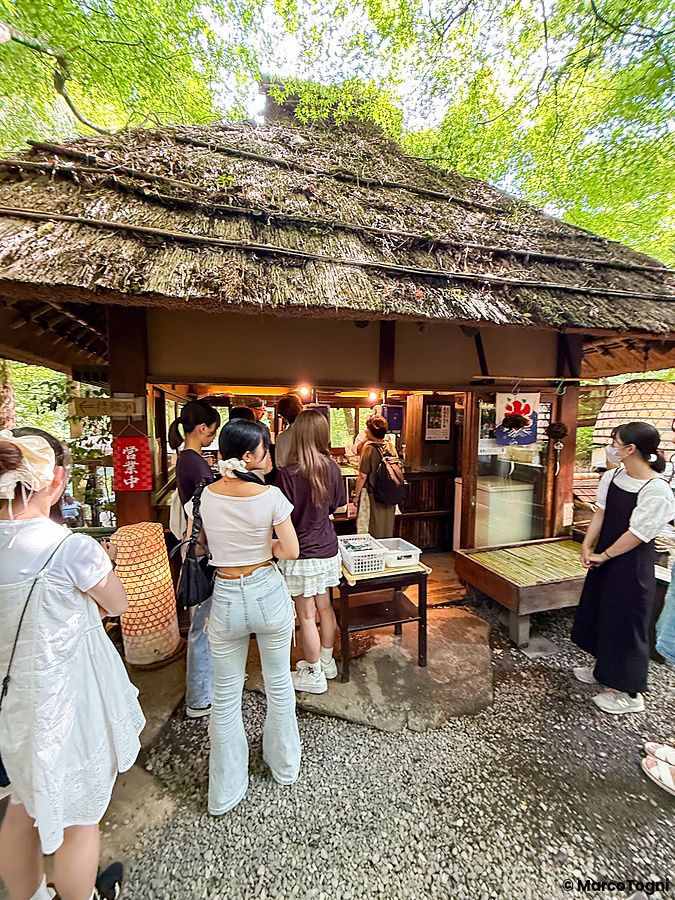
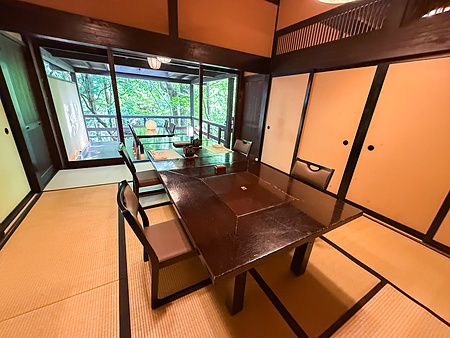
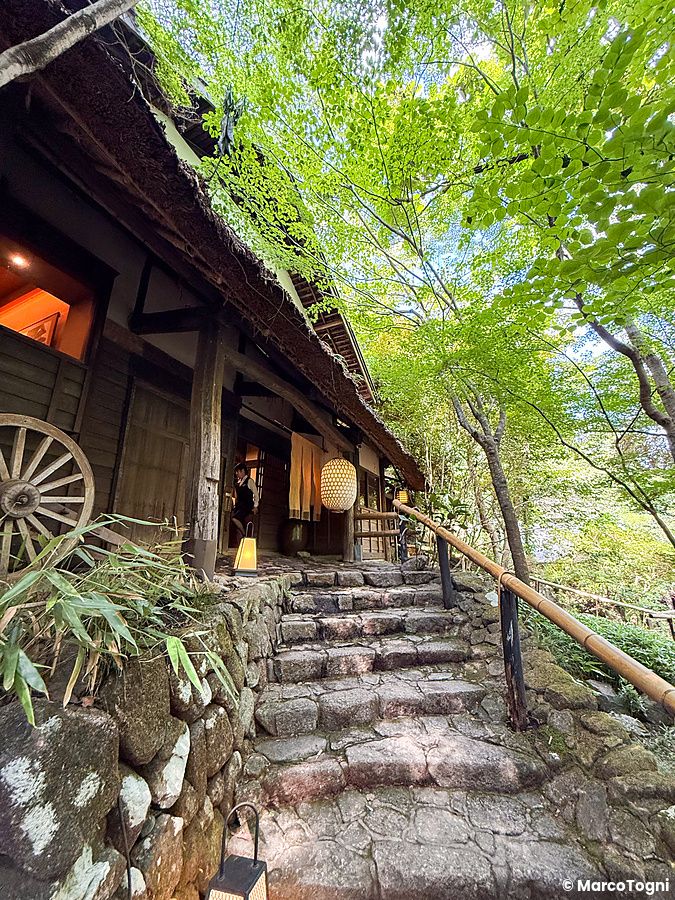
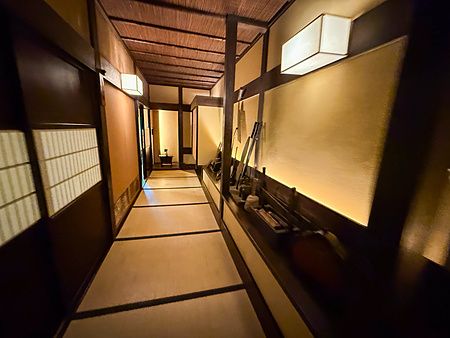
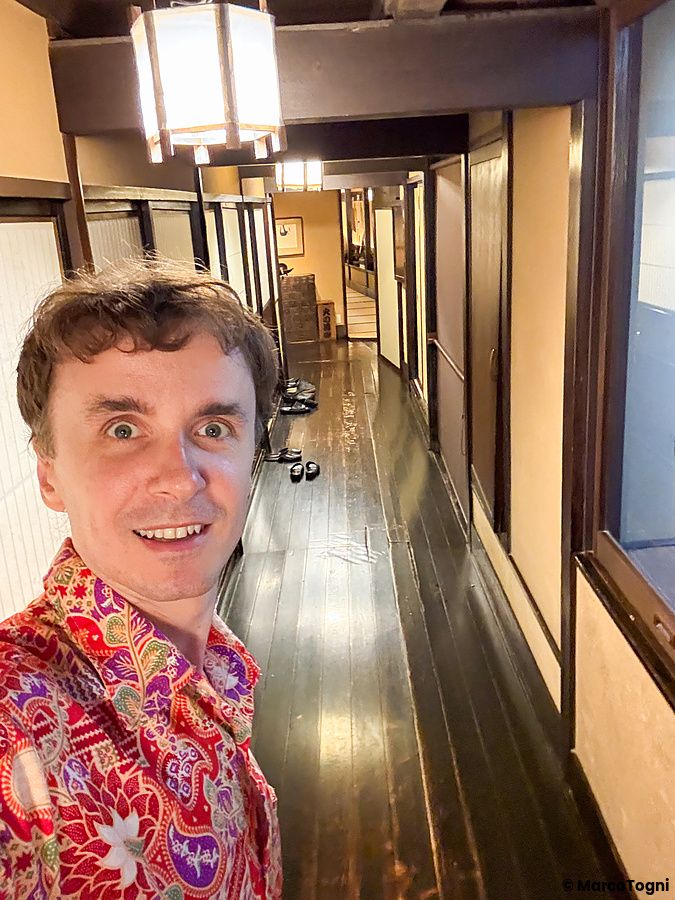
The house is the real thing: an old thatched-roof building that was taken apart in the mountains and rebuilt here by the river, with exposed wooden beams and the hearth in the middle. You eat in separate dining rooms, some looking out on the bamboo and others on the water wheel, and many of them have a charcoal grill set into the table.
Before it became a restaurant, the house was used for raising silkworms, and you can still see it in the layout, with high ceilings and big open rooms built for work. The beams are thick and black, and the handrails and pillars have been worn smooth by generations of hands.
The pace here is naturally slow. Between courses you get up, take a stroll around the garden and even walk down to the water.
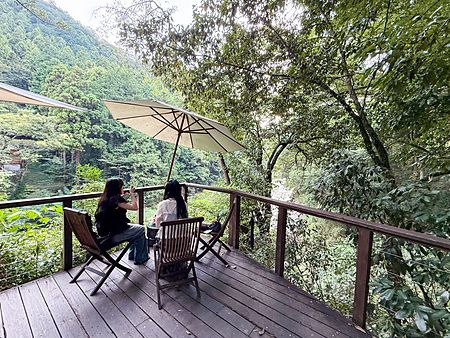
In the warmer months there’s also a terrace café by the river, Mizu no Ne, where you can have a coffee or a kakigori, Japanese shaved ice, without sitting down for the full menu.
For me, the whole package is the real reason to come all the way out here. Where they seat you matters more than any single dish.
The garden and shops
The garden isn’t just there to look at. You actually walk around it, and the gravel paths lead you to other corners of the property.
There’s the Itoya tea room with tea and Japanese sweets, the Chikuan stand selling oyaki, little stuffed mountain buns, and the shop next to the water wheel, where you can buy Kurochaya’s own products to take home.
They’re quick stops, just a few minutes each, good for stretching your legs halfway through lunch, or for anyone who’s only dropping by to see the place.
When to go
In summer the river is full of people playing in the water and the terrace is open. In fall and winter there are red leaves and the hearth is lit, and it’s quieter all around.
Bring someone you’d happily spend three hours with without checking the time. On your own and in a rush, you’ll get a lot less out of it.
At a glance
Pros:
- River fish and beef grilled over charcoal in front of you, on the table hearth
- A 300-year-old farmhouse on the river, with a garden and a terrace café
- Unhurried service, and nobody rushes you
Cons:
- A hefty bill, not an everyday place
- Far from the center, so you have to plan for it
Best for: a day out of central Tokyo, a long, unhurried lunch or a special occasion, as a couple or in a group.
Atmosphere: exposed beams, a hearth, separate dining rooms looking out on the bamboo and the river, a water wheel at the entrance and a very slow pace.
Final thoughts
What stays with you when you leave Kurochaya is the quiet, broken only by the river and the wood crackling under the fish. If you only go once, get the menu with salt-grilled river fish and don’t skip the kuro-jako sansho, those little fish with pepper that leave a tingle at the back of your tongue. That’s the dish you’ll remember.
Plenty of places in Tokyo serve good food, but there’s only one where you eat well inside a 300-year-old house in the middle of the woods. It’s worth the trip. Go.
Getting There
From Shinjuku, take the JR Chuo Line to Haijima and change to the Itsukaichi Line, which ends at Musashi-Itsukaichi. The whole trip takes just over an hour from central Tokyo.
The restaurant is about 25 minutes on foot from the station along the river. A taxi gets you there in 7 minutes, though, and it's the easiest option, especially after a long lunch.
You can also take the local bus, which leaves from stop 1 in front of the station. Get off at Nishi-Konakano and the entrance is right there.
By car it's fifteen minutes from the Akiruno exit on the Ken-o Expressway, and there's a large parking lot in front of the restaurant.
Useful Info
- Musashi-Itsukaichi Station (JR Itsukaichi): 25 minutes on foot, 7 by taxi
- Nishi-Konakano bus stop (bus from stop 1 at the station): right in front of the entrance
Map
This place is on MarcoMaps
Kurochaya
My map of Japan: over 4,000 places I've tried myself, each with photos, rating, and hours. Filter by category and rating, find veg-friendly spots and places near you with GPS. No sign-up, right from your phone.
- 4,000+ places
- Rating, photos, and hours
- Veg friendly
- Near me (GPS)
- Favorites without login
- Works offline

