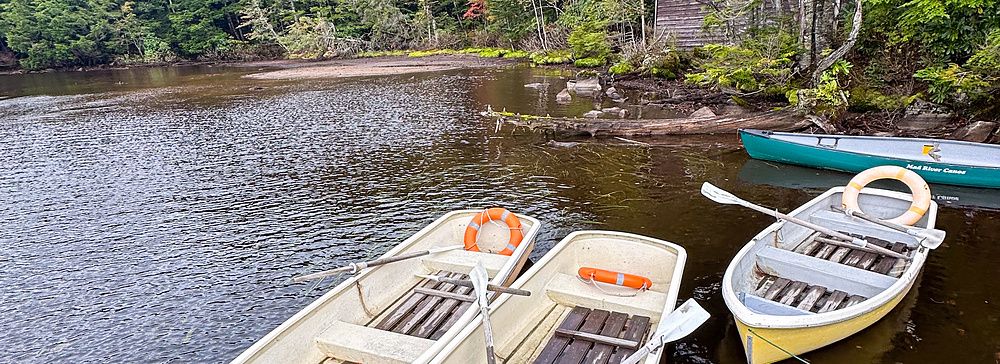
Lake Shirakoma
A mountain lake in the northern Yatsugatake, in Nagano, surrounded by a forest where moss covers everything: rocks, roots, fallen trunks, even the steps on the trail. Lake Shirakoma sits above 2,000 meters, and a wooden boardwalk runs along its shore, with two huts where you can stop and several trails that head off into the forest.
It’s the place to go if you want to see the forest-and-mountain side of Japan, if you enjoy walking but don’t want a real climb, or if you’re after fall colors reflected in the water.
Contents
What to see
Between the shore and the forest, these are the things I wouldn’t skip:
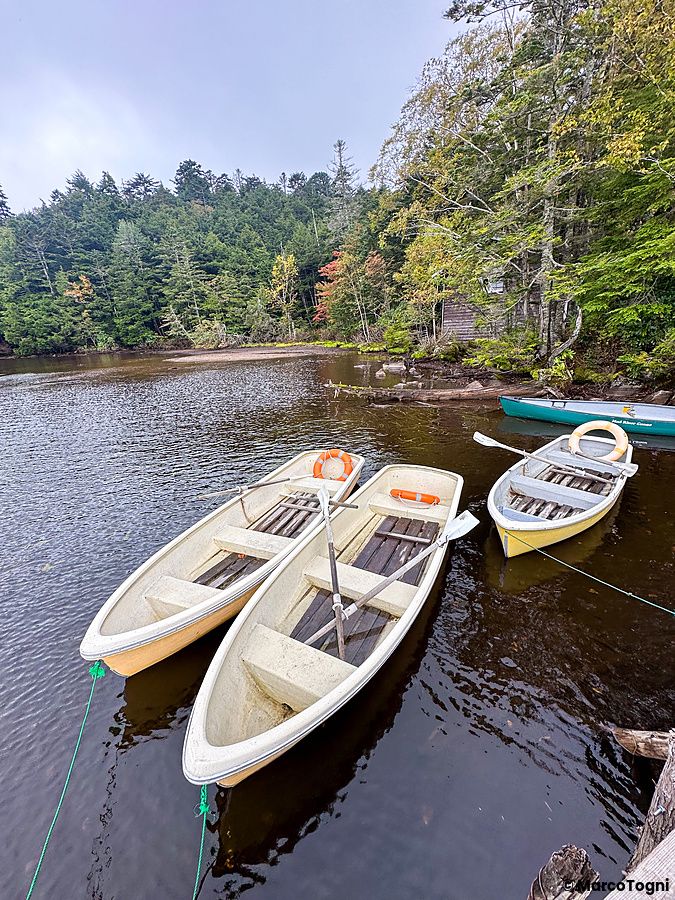
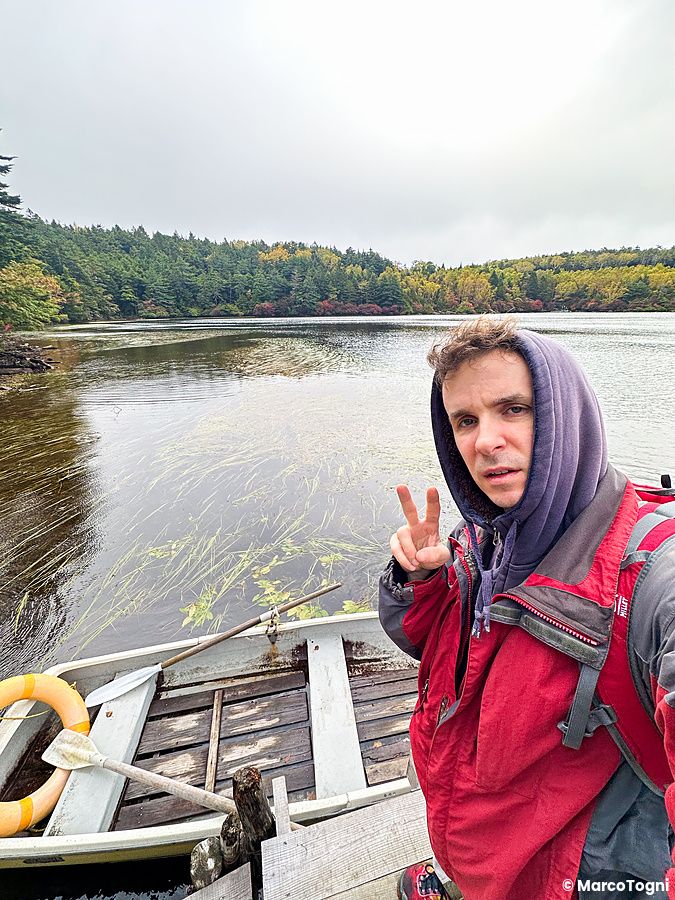
- The loop around the lake: a wooden boardwalk follows the shore. The water is dark but so clear that near the edge you can see the stones on the bottom, with the firs reflected on the surface.
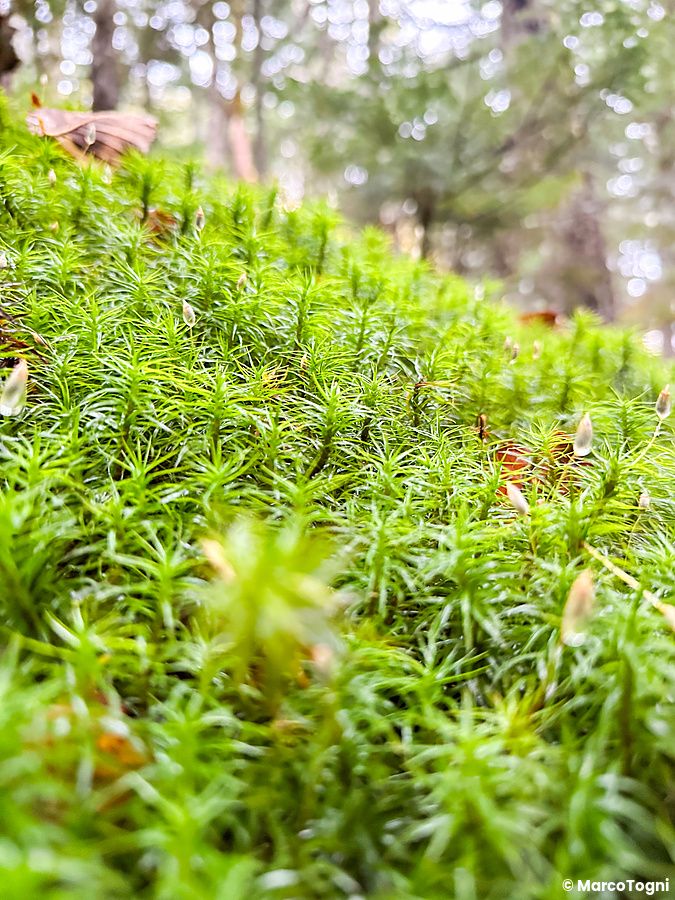
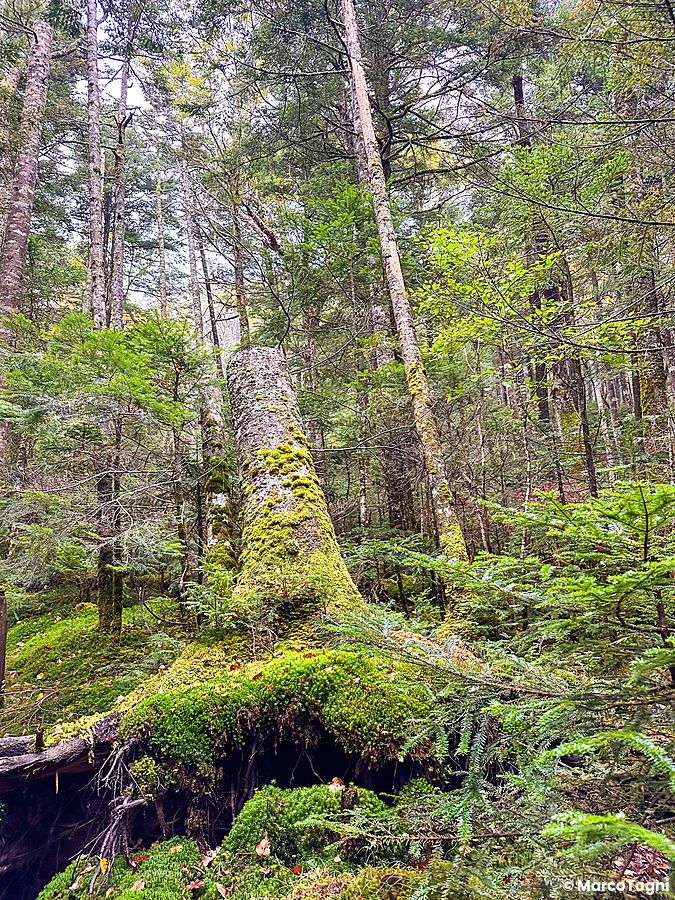
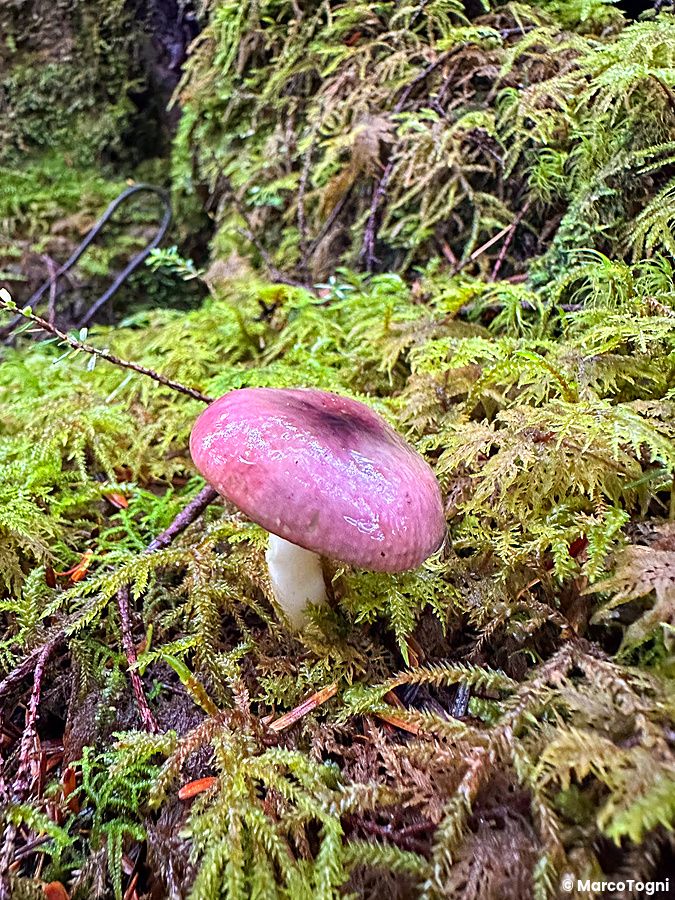
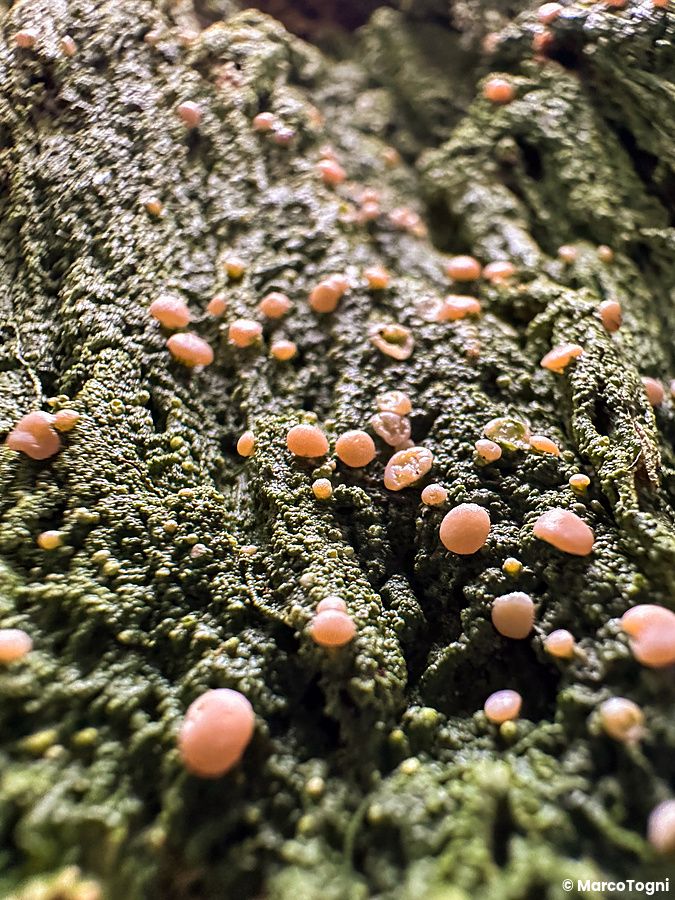
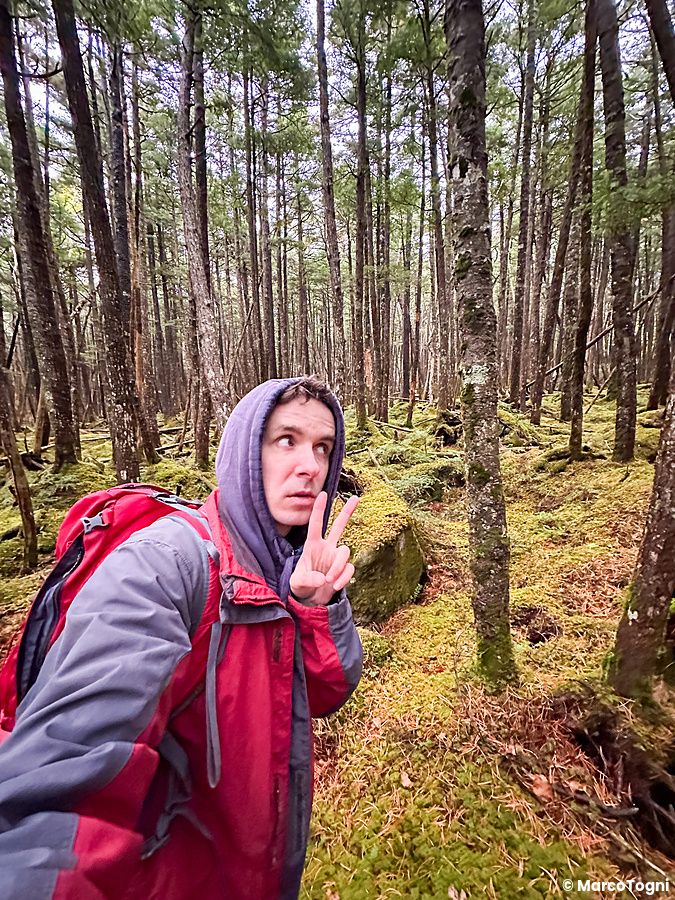
- The moss forest along the shore: a continuous green carpet under very old firs and hemlocks, with hundreds of different kinds of moss and a few labels with their names if you want a closer look.
- Mononoke no Mori: the stretch where the moss grows thickest. The boulders look like green cushions, and when the sun gets through the branches all the green lights up at once.
- Shirakoma no Okuniwa: on the way to Mugikusa Pass, the forest suddenly opens up into rocks, low twisted trees and shrubs, like a Japanese garden designed by the mountain itself.
- Takamiishi: a pile of huge boulders above the forest where you look down on the lake, a dark blue patch in a sea of firs with the mountains behind it.
- The two huts on the shore, Seitaiso and Shirakomaso: you can go in for a hot drink or something to eat, and they’re the only places where you actually get to sit down.
The lake itself isn’t what sticks with you. Its shape is simple and you can take it all in from almost anywhere on the shore, so if you show up expecting a big mountain lake you may come away a little underwhelmed. Still, at 2,115 meters, it’s the largest natural lake in Japan among those above 2,100 meters, a record that means more to Japanese hikers than to anyone just looking at it.
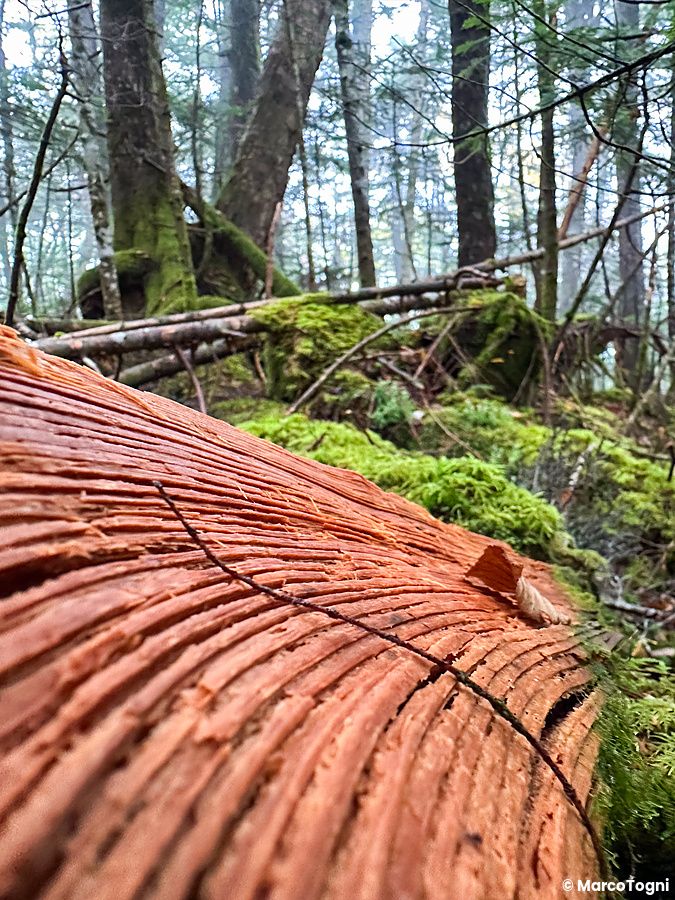
What makes this place is the forest floor. Every root, every rotting stump and every stone is covered in a thick layer of green, soft to the touch, and after a hundred meters you stop looking at the water and walk with your eyes on the ground.
The crowds stick to the shore, between the first view of the lake and the huts. Take one of the trails into the forest, toward Mononoke no Mori or the Okuniwa, and the voices fade almost immediately. All you hear is your own shoes on the wood and the occasional bird.
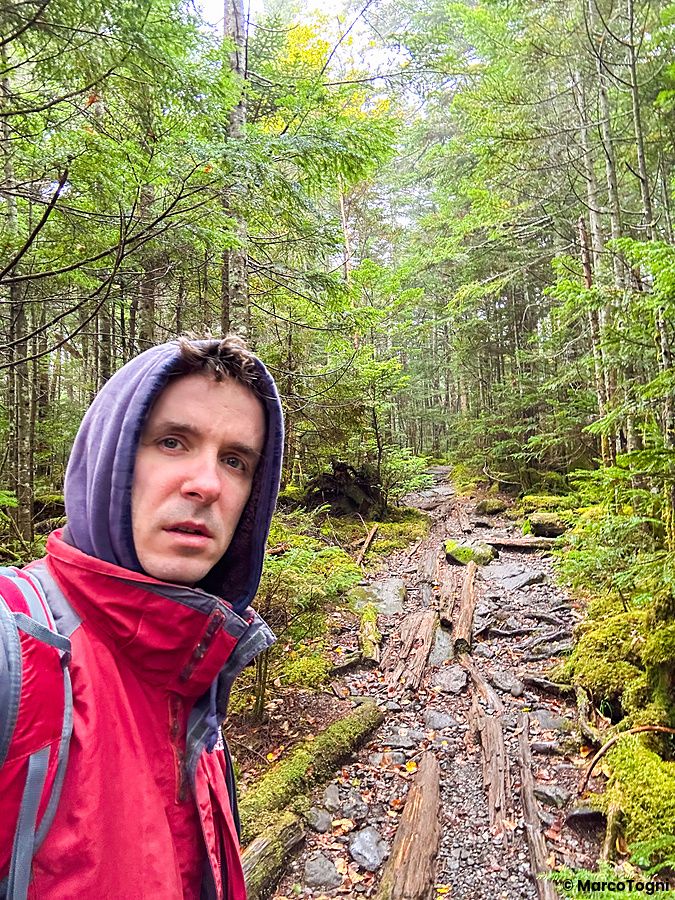
Fair warning, though: this isn’t a city park with neat little paths. The boardwalk doesn’t cover everything, and in places you walk over roots and stones. The climb to Takamiishi ends with boulders you scramble over using your hands. If you have trouble walking or you’re traveling with a stroller, stay on the easier section near the shore.
In photos the moss looks almost fake, too bright a green to be real. In person it’s even better, because you get the smell of wet earth and wood, the cold, damp air and the feeling of walking through a sponge.
I keep coming back from Tokyo whenever I need air that’s actually cool, and after a morning surrounded by all this green I head back to the city with a clear head, something that rarely happens to me anywhere else.
When to go
A day with light rain or fog is a better time to come than you’d expect. Wet moss turns a glossy green, droplets hang from the tips and the whole forest looks soft around the edges. In full sun, on the other hand, the colors go a bit flat and the shadows are harsh.
A heavy storm is another story. The stones get slippery, the roots turn into traps and the lake disappears into the clouds, so you’re better off waiting for another day.
The fall colors arrive between late September and early October. The dodan tsutsuji bushes and the rowans along the shore turn fiery red, the birches go yellow, and it all reflects in the still water against the dark green of the firs.
It’s also the worst time for crowds. On weekends during that stretch you walk single file on the boardwalk, stopping to let people coming the other way get by, and the good spots for looking at the lake are always taken. If you can, pick a weekday and get there at dawn, when there’s still mist on the water and the forest is almost empty.
Staying overnight at the lake
Dawn with mist on the water is the best time to be there, but since the buses come up from the valley, getting there early isn’t easy. The answer is to spend the night at one of the two huts on the shore, Seitaiso and Shirakomaso, which serve food and drinks and also take overnight guests.
In the evening, once the last hiker has left, you and a handful of other guests have the lake to yourselves. Up here, far from any lights, the starry sky comes as a real surprise, and in the morning you’re already out on the boardwalk before the crowds.
In summer the problem is the mid-August holiday week, when half of Japan escapes the heat and a lot of people come up here. After that, and on weekdays in July, you can walk in peace, and the forest is at its greenest.
In spring the snow hangs on among the trees for a long time, even into May, and by late November the lake is already frozen. Winter up here means serious mountain conditions, with deep snow and bitter cold, and you need the right gear to handle it.
Footwear and difficulty
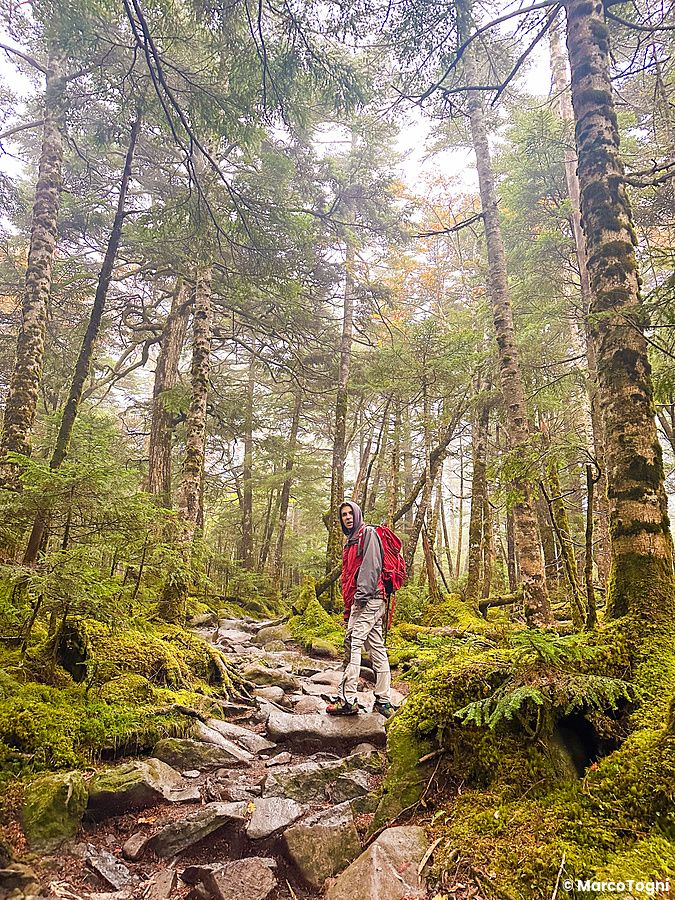
The loop around the shore is almost entirely flat and the boardwalk is easy to walk on, but wet wood gets very slippery. Sneakers with good soles are fine for the shore. To head into the forest and climb toward Takamiishi you need proper hiking shoes, because with all the mud, stones and roots, you’ll end up on the ground in everyday shoes.
Bring a windbreaker even if it’s 30°C down in the lowlands. Above 2,000 meters the weather changes fast, and in the shade of the firs it’s cold even at noon.
The climb to Takamiishi is the hardest part. You go up through the forest on a trail of stones and roots with a few steep stretches, and at the end there’s a heap of boulders you climb with no ropes or steps. It isn’t dangerous, but you need some balance, and if you’re scared of heights you’ll reach the top short of breath for other reasons.
From up there you get the best photo of the lake, with forest hemming in the water on every side and the mountains in the background. When the fall colors are out, people wait their turn on the boulders to get a look.
With kids, the shore is an easy walk, and they can safely look at the moss up close. Tell them from the start that they can’t leave the trail and can’t touch anything. Trampled moss takes years to grow back, and the same rule goes for adults.
At a glance
- The highlight: the moss covering the forest around the water, especially at Mononoke no Mori.
- When to go: at dawn, ideally after rain; fall colors from late September to early October, on weekdays.
- Best for: anyone who wants an easy day of hiking in the mountains and a break from the summer heat.
- Atmosphere: dense green, damp cold under the firs, footsteps on wood and hardly any voices once you leave the shore.
Final thoughts
The best part is under your feet. The water is the centerpiece, but it’s the green-covered stones and the light filtering through the firs that make the trip up here worth it. That alone is reason enough to come, and climbing to Takamiishi rounds out the day with a view of the lake from above.
It’s a proper mountain trip, far from everything, so if you only have a few days in Japan and want cities and temples, you’re better off staying in the lowlands. But if you have a decent pair of shoes and feel like walking through the green, you’ll find a place up here that has few rivals in Japan.
Getting There
From Chino Station, take the Alpico bus on the Mugikusa-toge line to the Shirakoma no Ike stop. The ride takes about 1 hour and 20 minutes, but the bus only runs in summer and fall, usually from mid-July to the end of October. From the stop, a trail through the forest gets you to the shore in about 15 minutes.
By car, drive up Route 299 to the paid parking lot (600 yen) at the trailhead. On weekends during the fall colors it fills up early, so on those days you're better off leaving the car at the Yachiho Kogen ski resort and taking the free shuttle up.
Useful Info
- Chino Station (JR Chuo Line): Alpico bus, Mugikusa-toge line, to the Shirakoma no Ike stop
- Yachiho Station (JR Koumi Line): Chikuma bus, Shirakoma line, only on certain days between May and October
Map
This place is on MarcoMaps
Lake Shirakoma
My map of Japan: over 4,000 places I've tried myself, each with photos, rating, and hours. Filter by category and rating, find veg-friendly spots and places near you with GPS. No sign-up, right from your phone.
- 4,000+ places
- Rating, photos, and hours
- Veg friendly
- Near me (GPS)
- Favorites without login
- Works offline

